





![Alternative Trench Crusade Miniatures? Trench Missionaries Review | Wargames Atlantic [7 Days Early Access]](https://images.beastsofwar.com/2026/03/unboxing-wargames-atlantic-trench-missionaries-coverimage-225-127.jpg)
UNITS OF THE ZULU WAR 1879




Recommendations: 1005
About the Project
A look at some of the varied units that took part in the Zulu War of 1879. When we think of this war we think or red coats but there were many units involved that are often over looked. In this this project I will take a look at some of these less familiar forces that took part in the conflict.
Related Game: Black Powder
Related Genre: Historical
This Project is Completed
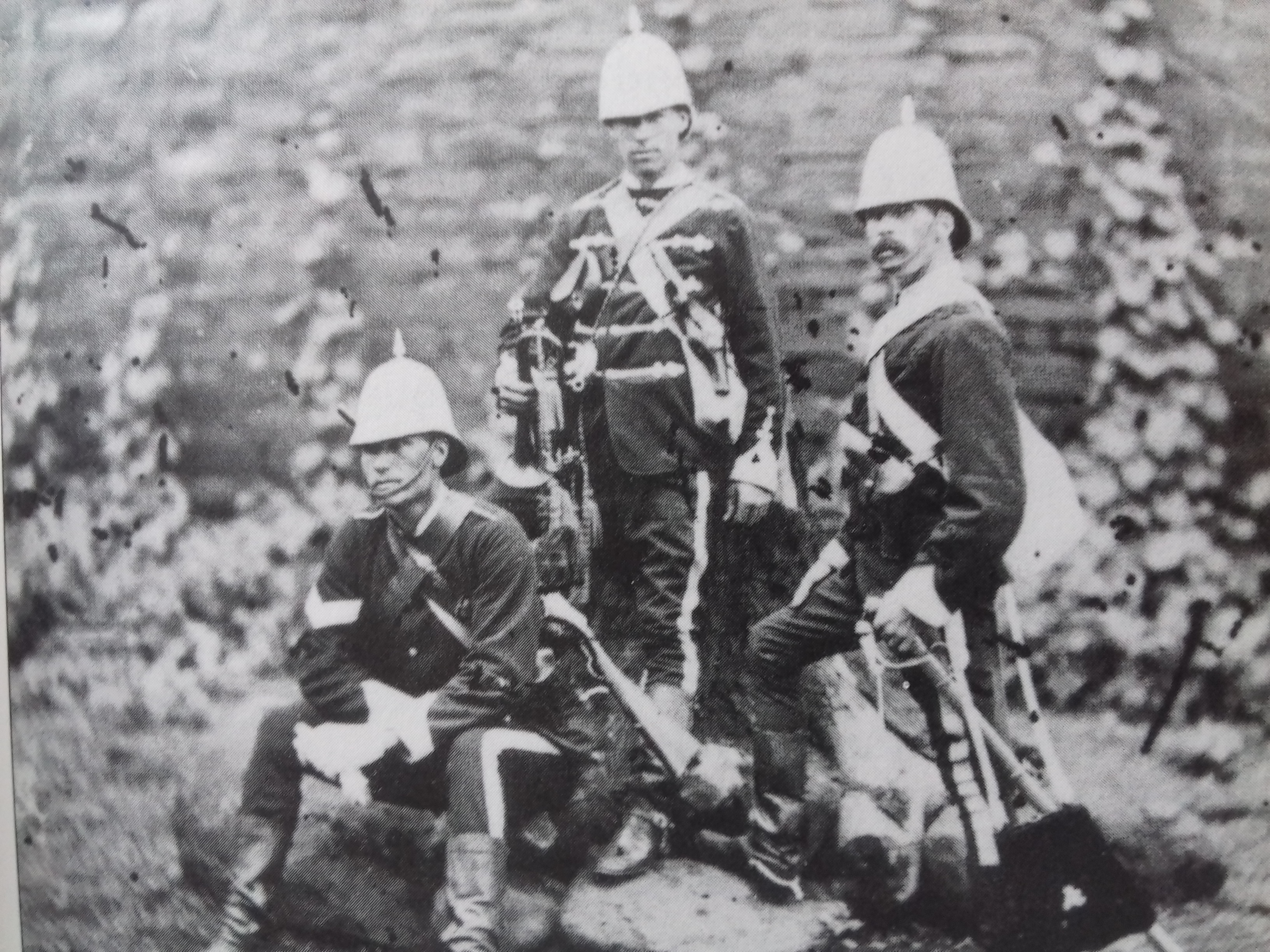 Lt Scott and his brothers. Killed at Isandlwana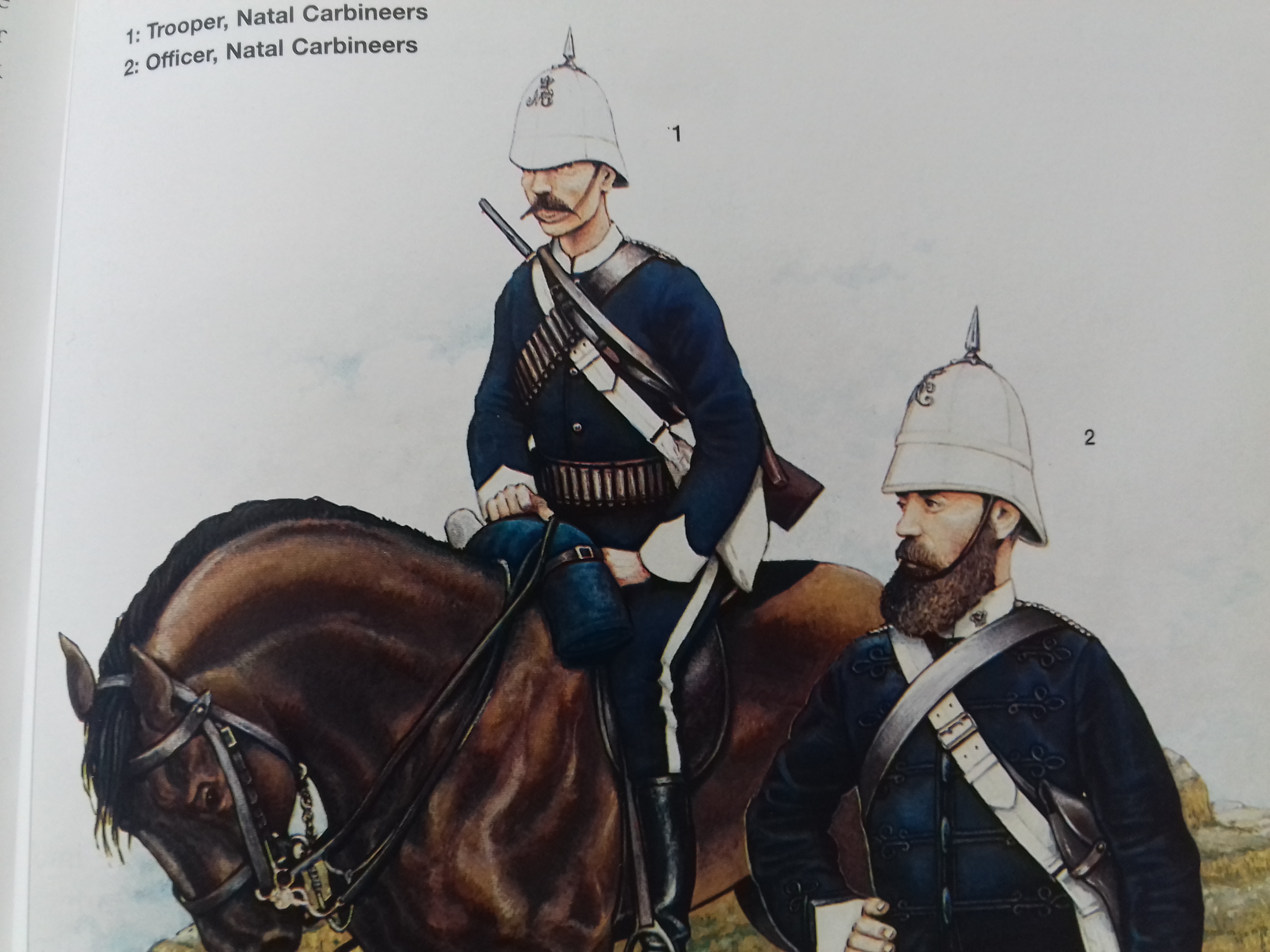
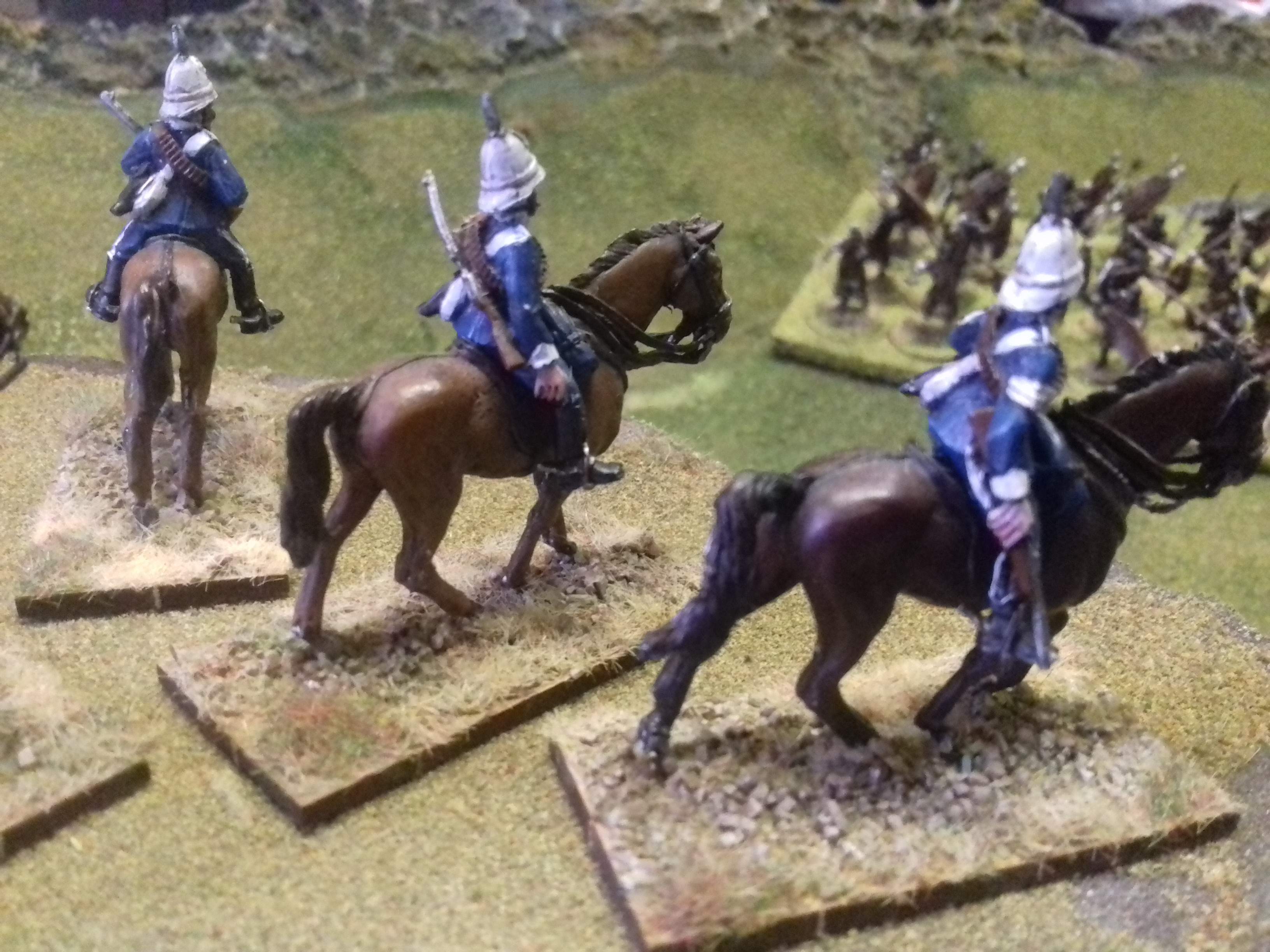
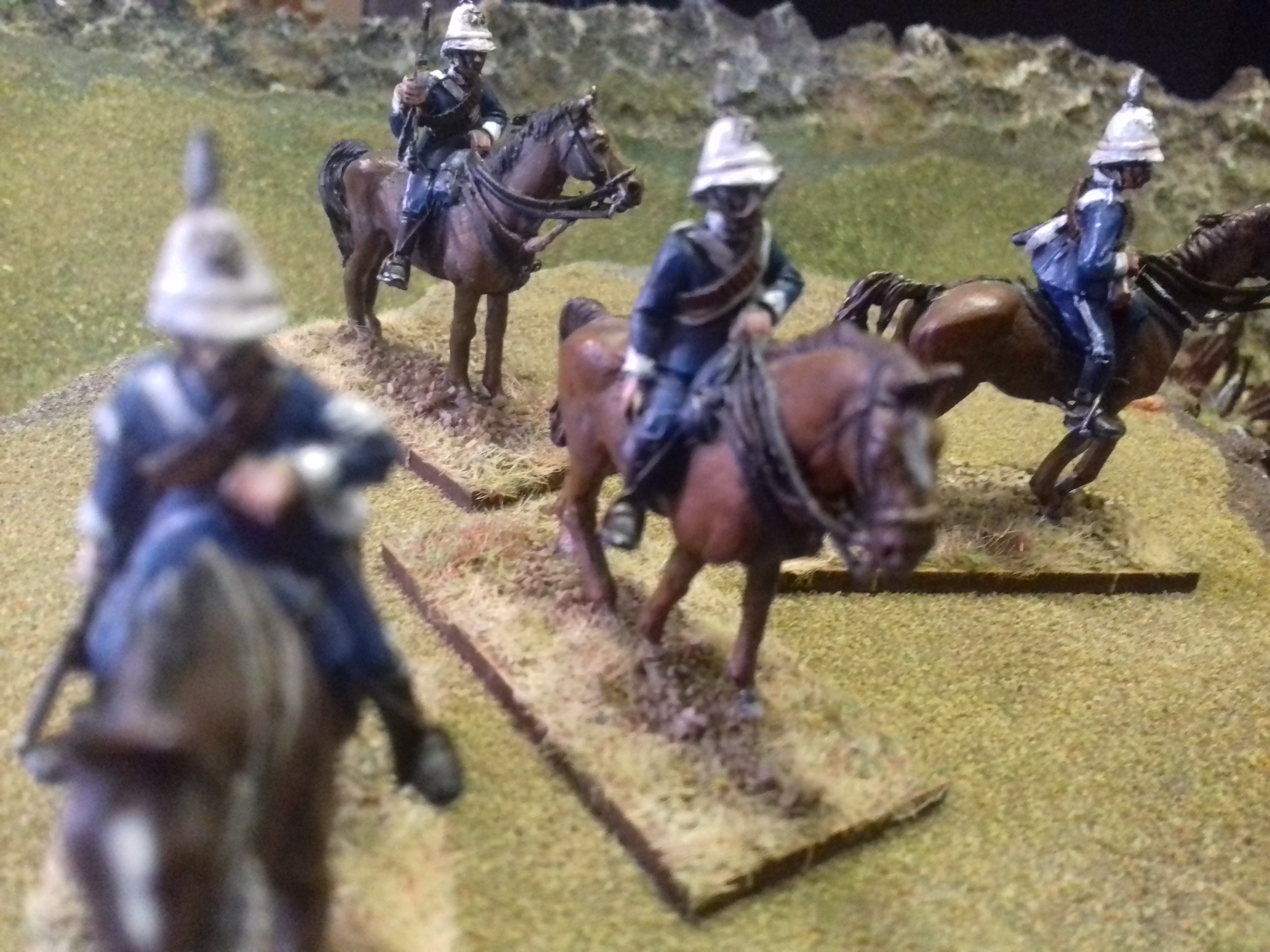
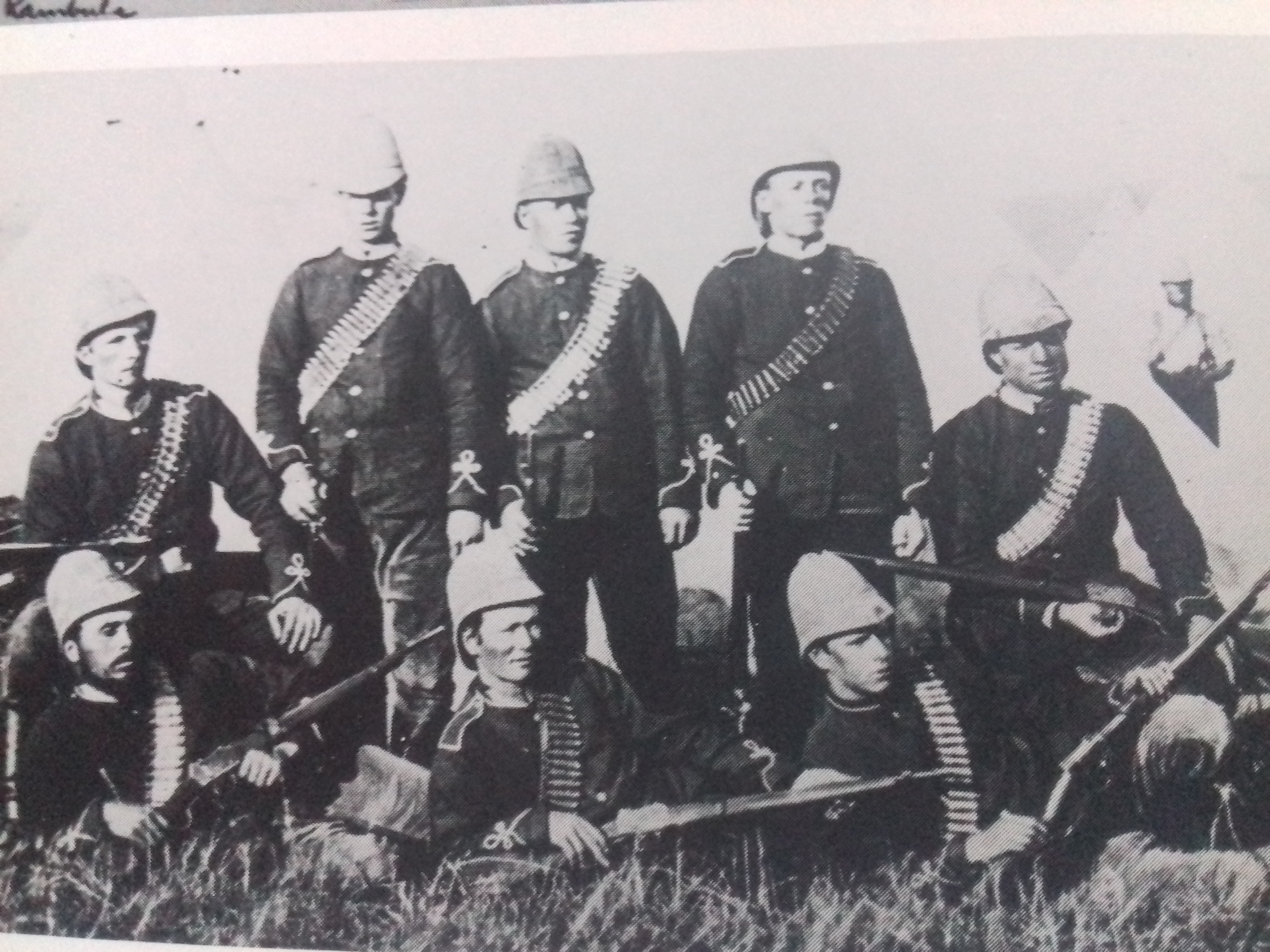
The Natal Carbineers had been operating in the African colony since 1855 making it the oldest auxiliary unit to take part in the Zulu War. There were three officers and 57 troopers in this unit at the beginning of the war. They were mainly attached to the third column of troops that invaded Zulu Land and as a mounted unit acted as scouts and mounted infantry. They wore blue jackets and a rather fancy white foreign service helmet with a spike. The horse and the rest of the equipment would be paid for by the trooper themselves.
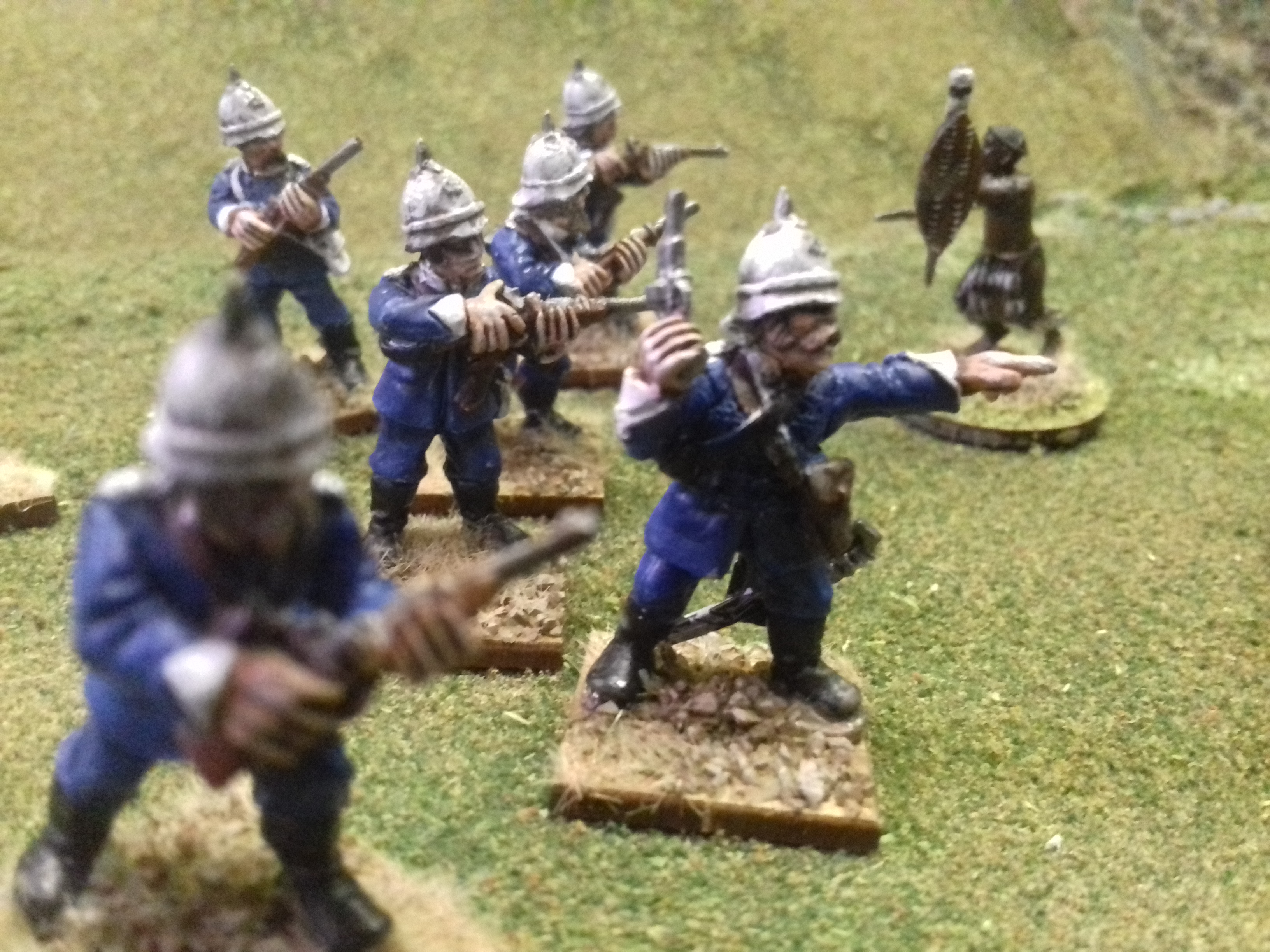
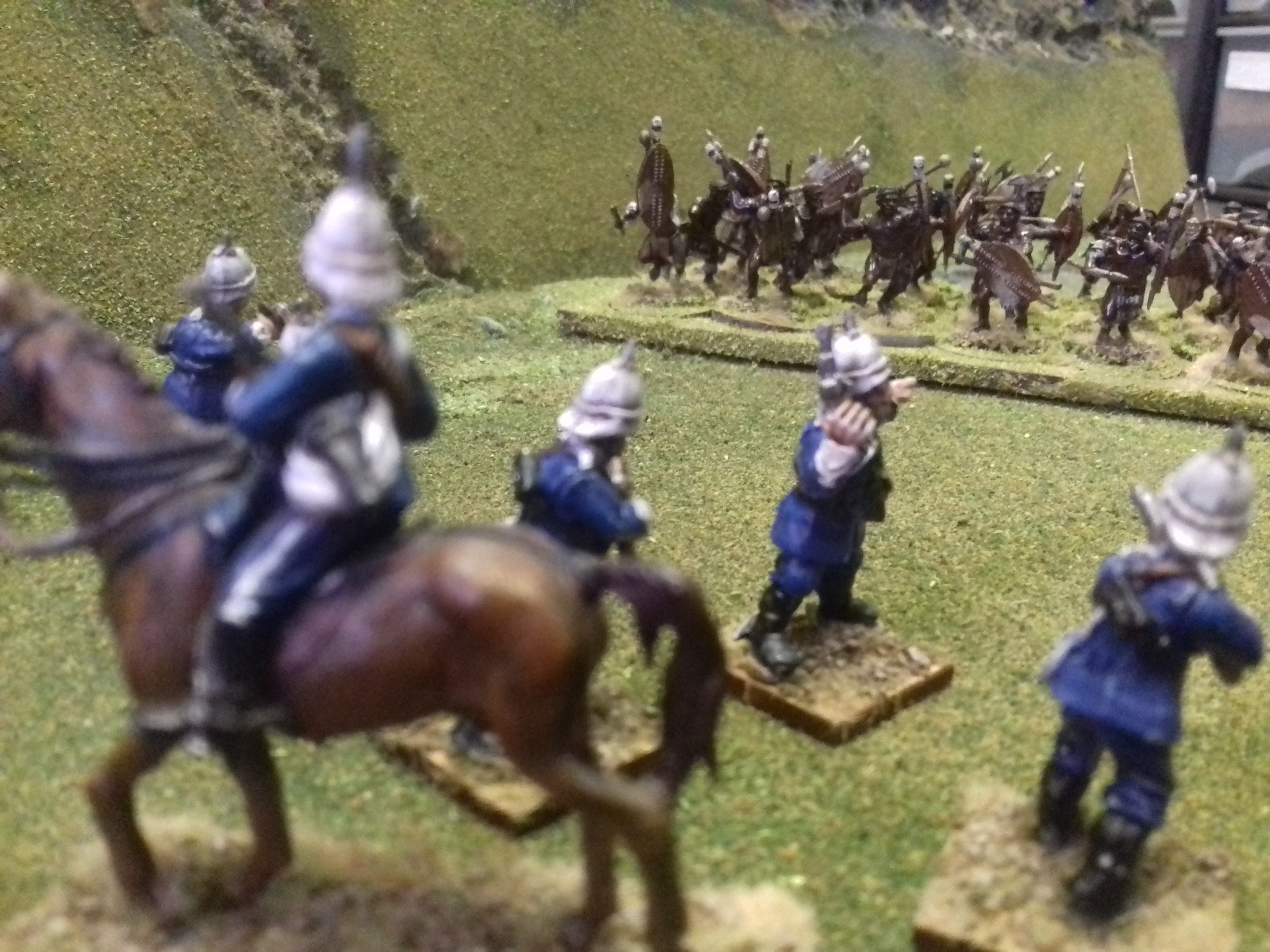
NATAL HUSSARS
Formed in 1865 the Natal Hussars were one of eleven mounted volunteer units formed to protect the colony when British regulars were not available. They had to purchase their own horse and uniform but the equipment was government paid for. At the start of the war they numbered forty troopers with two elected officers. Despite being formed for the colonies defence they joined Colonel Pearsons column during the Zululand invasion. They were paid 12 shilling a day (60p) to cover their loss of income while on service.


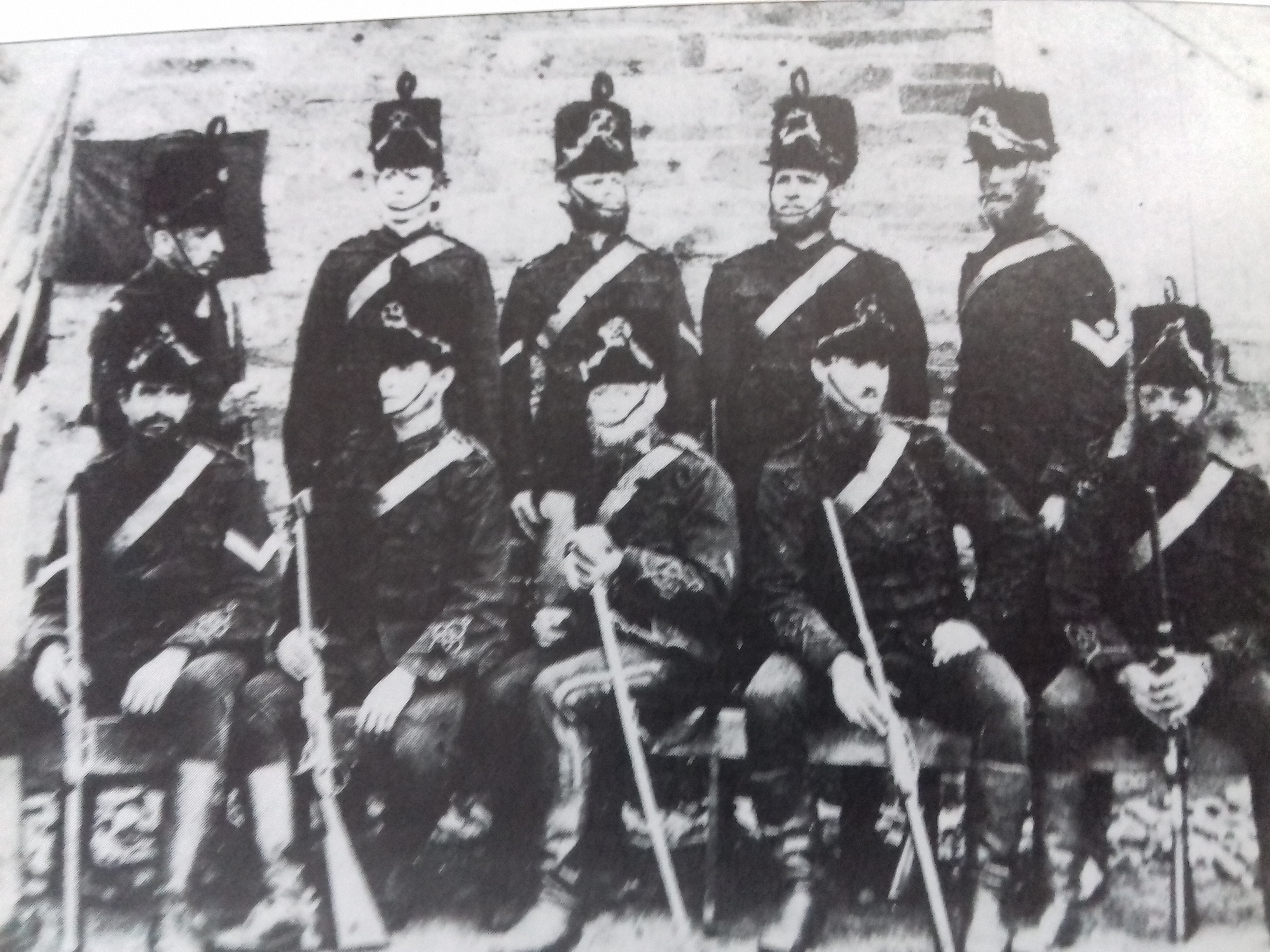 Unusual picture of the Hussars with busbie hats painted on to the picture which they never wore
MOUNTED INFANTRY


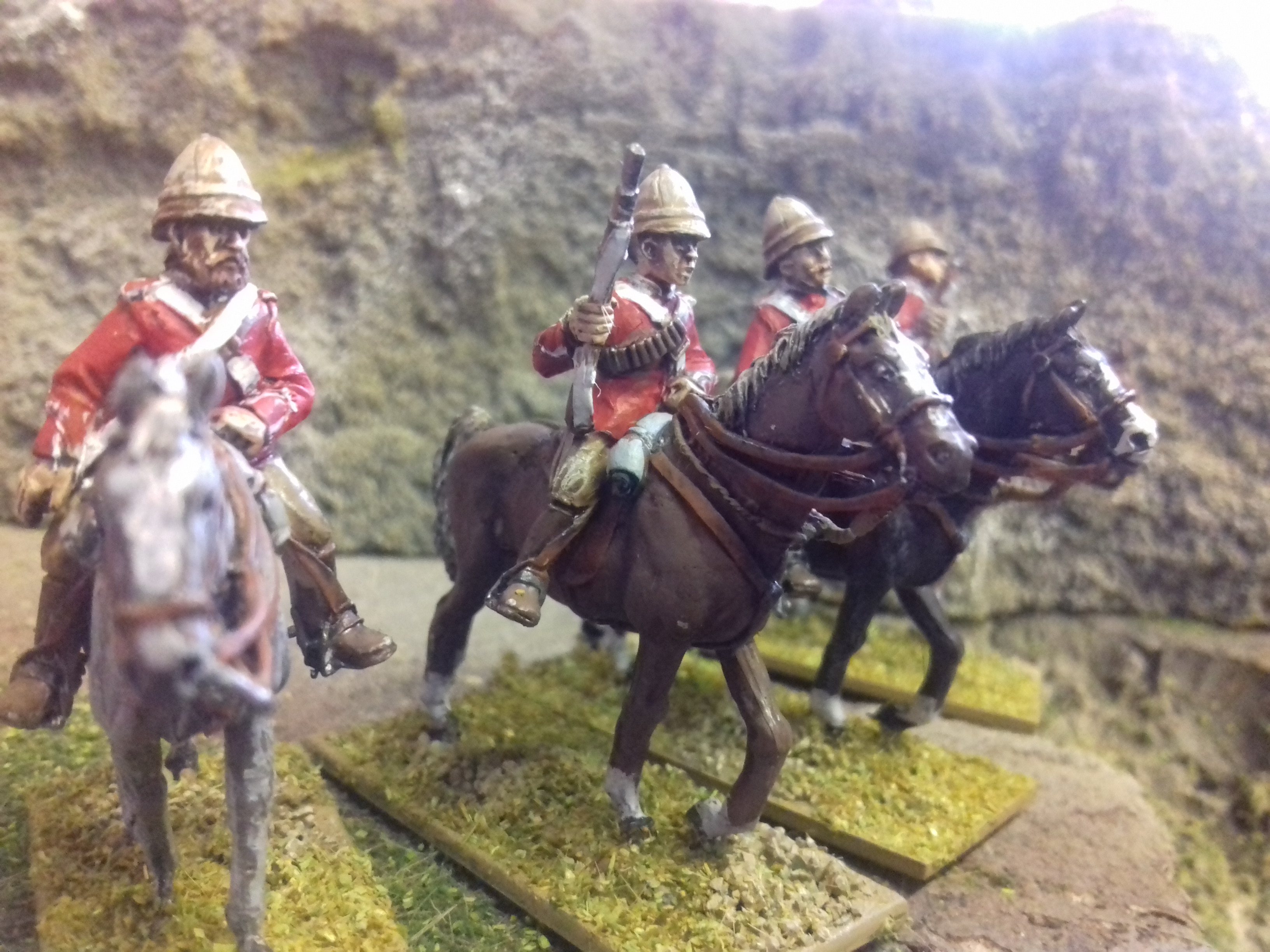
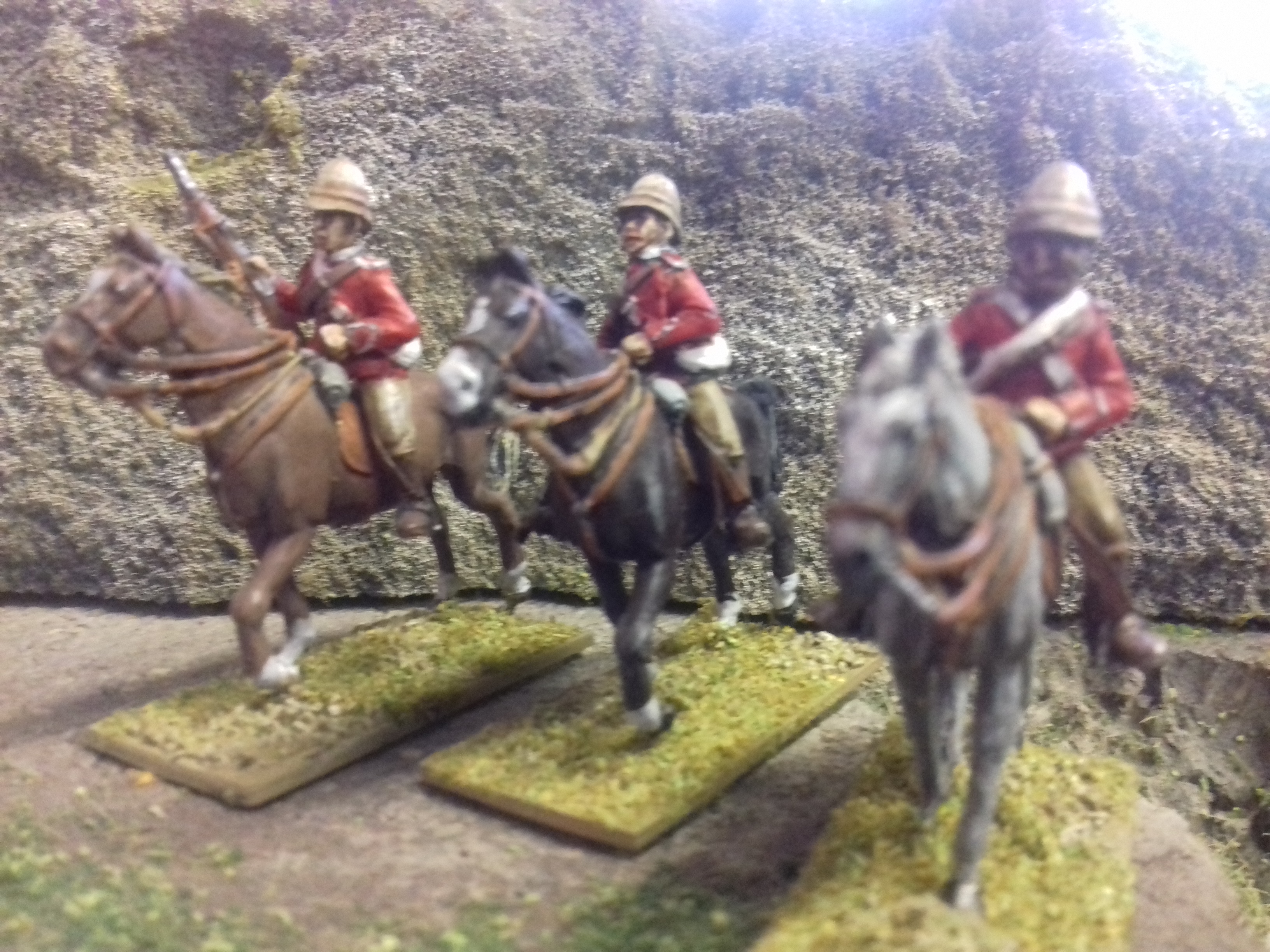
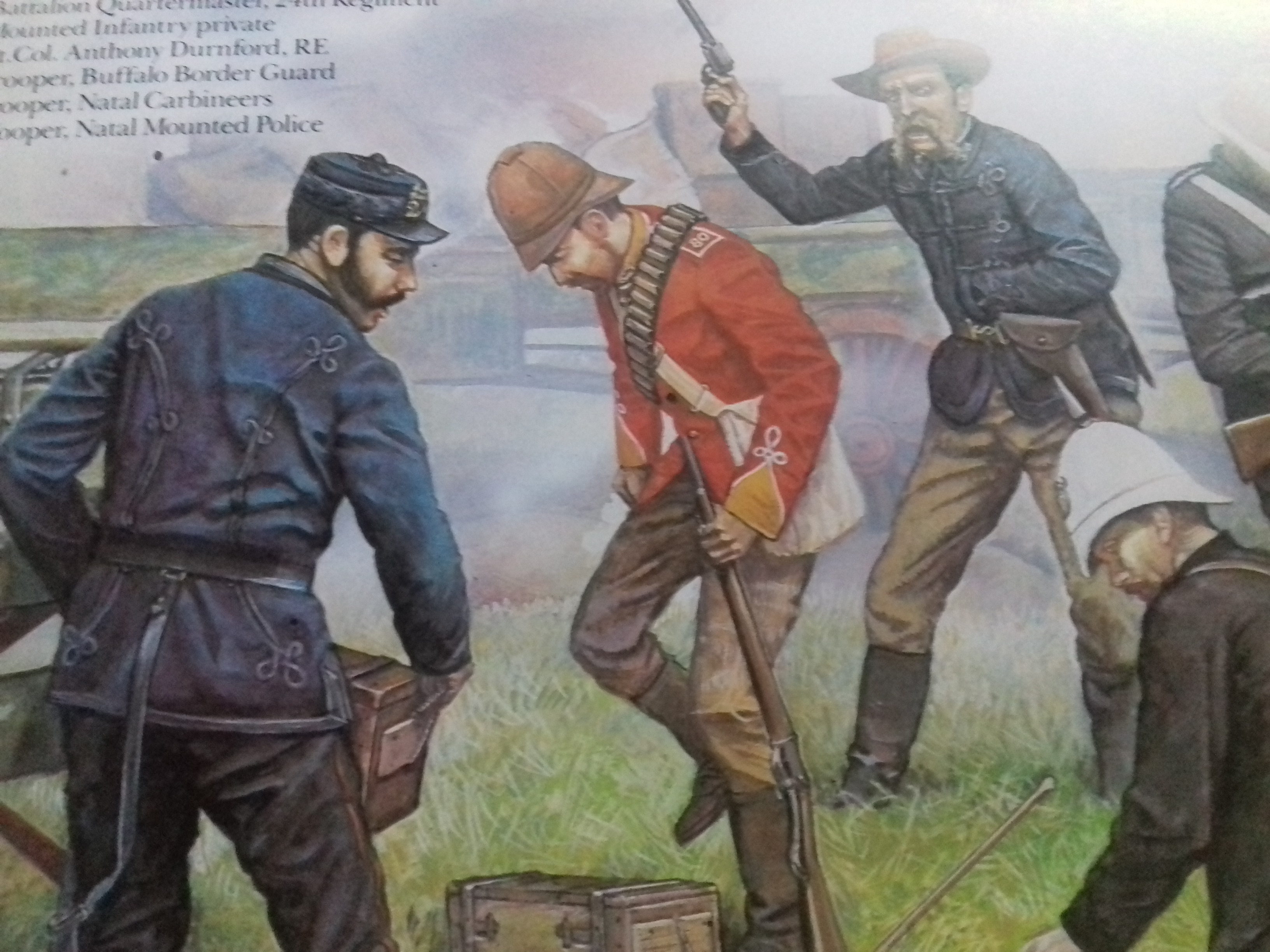
Due to a lack of cavalry units available in Zululand the British Army created mounted infantry units. They gathered troops from the regular infantry battalions. They kept their red coats but wore riding breeches and ammunition bandoliers. This sets them apart on the tabletop.
 Mounted Infantry
NATAL NATIVE CONTINGENT (Infantry)
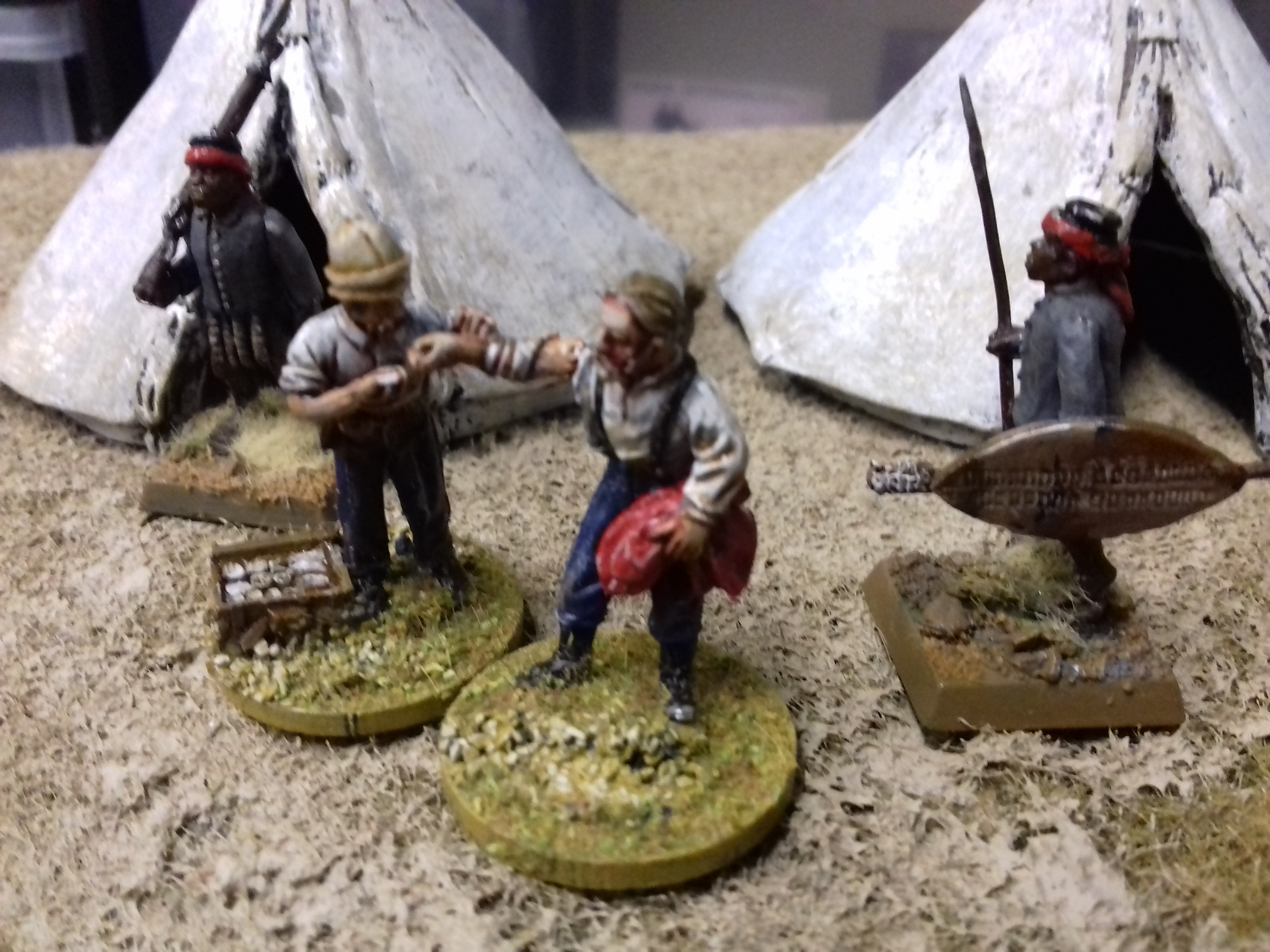

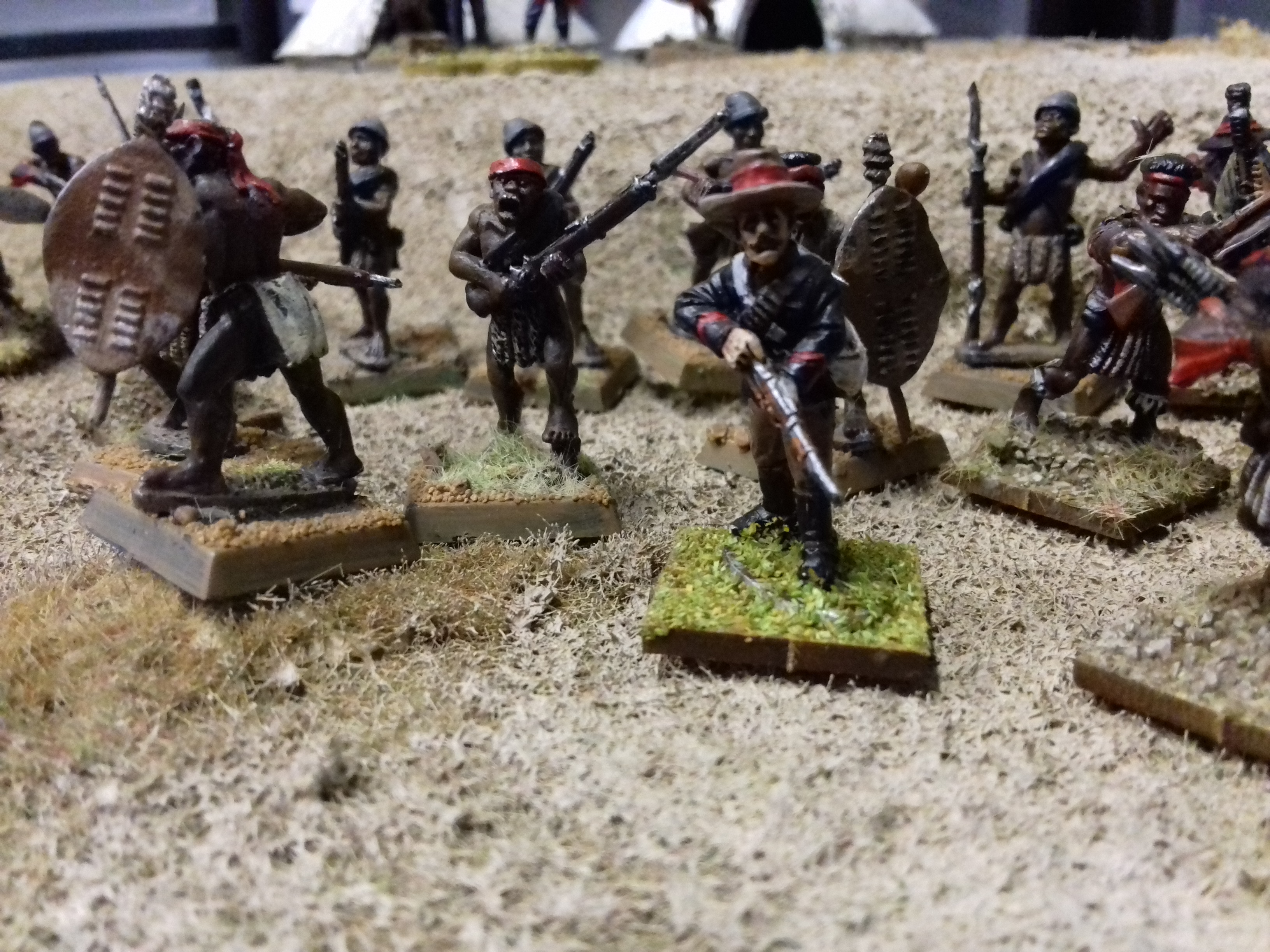
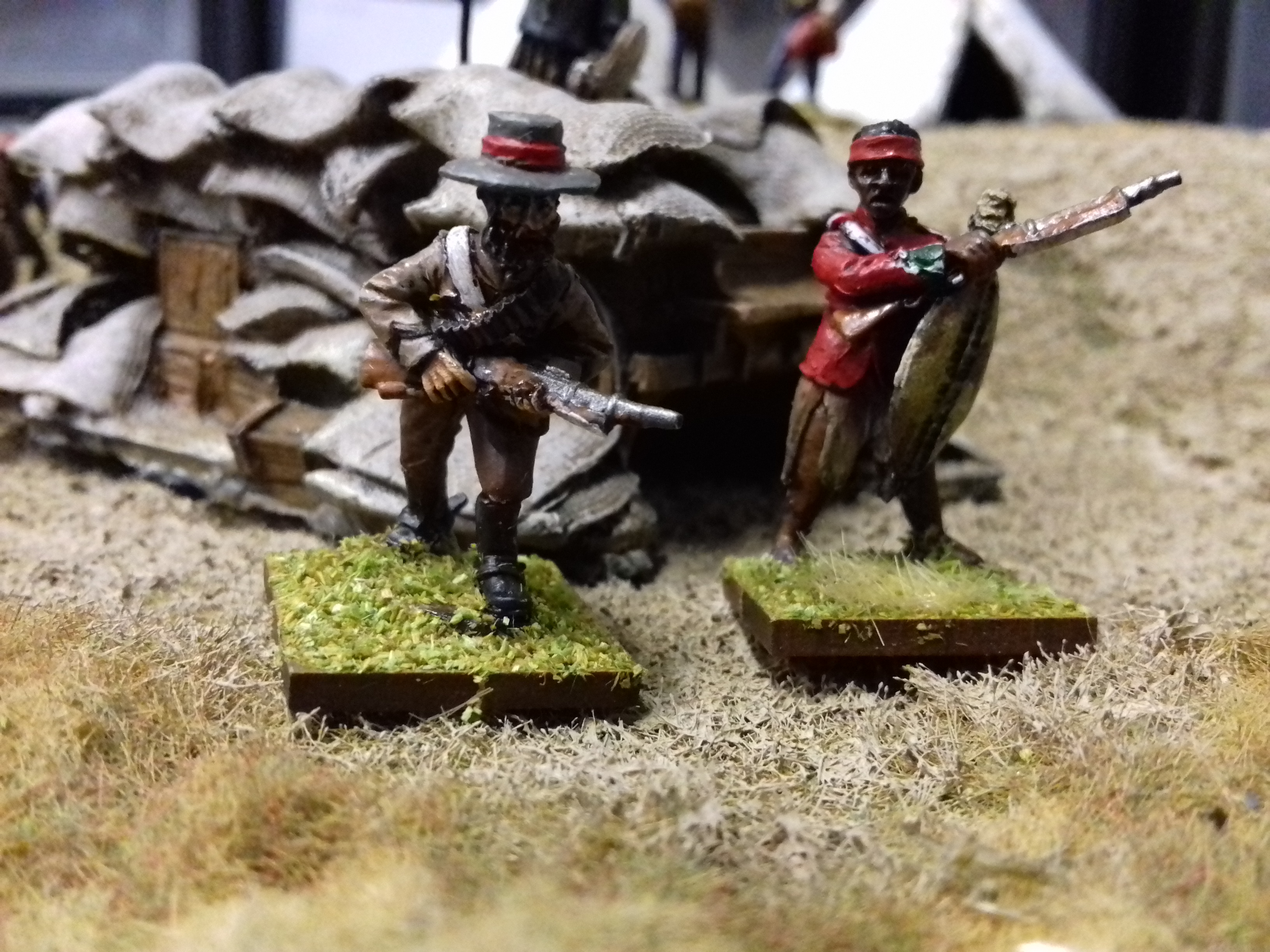
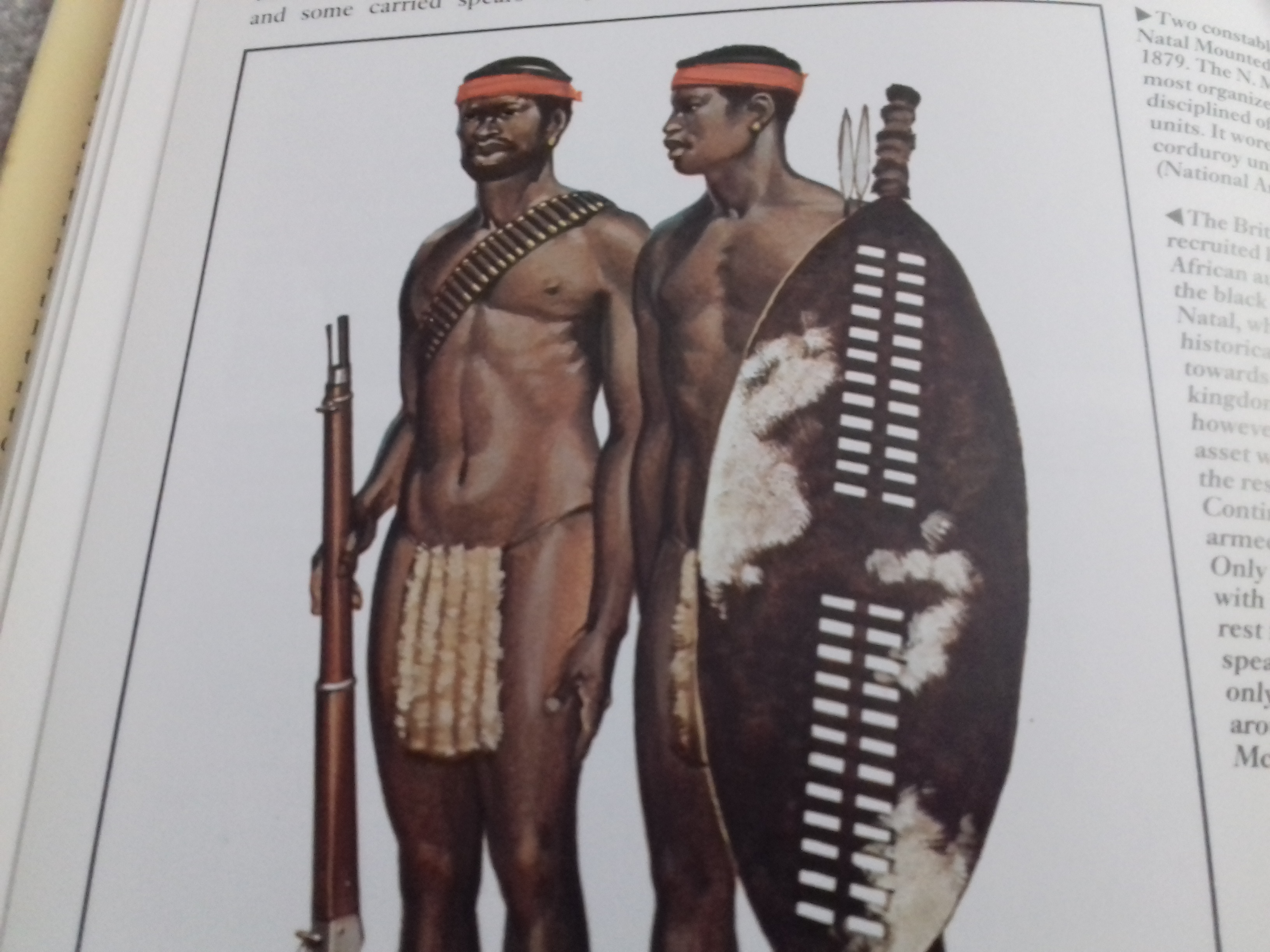
The British began raising the local native tribes to take on their enemy Zulu neighbours. The Natal Native Contingent or NNC consisted of ten companies of 1,100 officers and men. A group of European officers and NCO’s led each battalion. One such NCO was Corporal Schiess who was awarded the Victoria Cross at Rorkes Drift where he was a patient.Due to the fear of arming the local black population only one in ten were armed with out of date firearms while the rest carried their traditional spears. To identify them on the battlefield they wore red head bands and the white officers had a red band on their hats. Some did wear cast of european clothing and were given blankets and cloth hats. Some formed pioneer units that wore out of date red coats with the regimental facings removed.
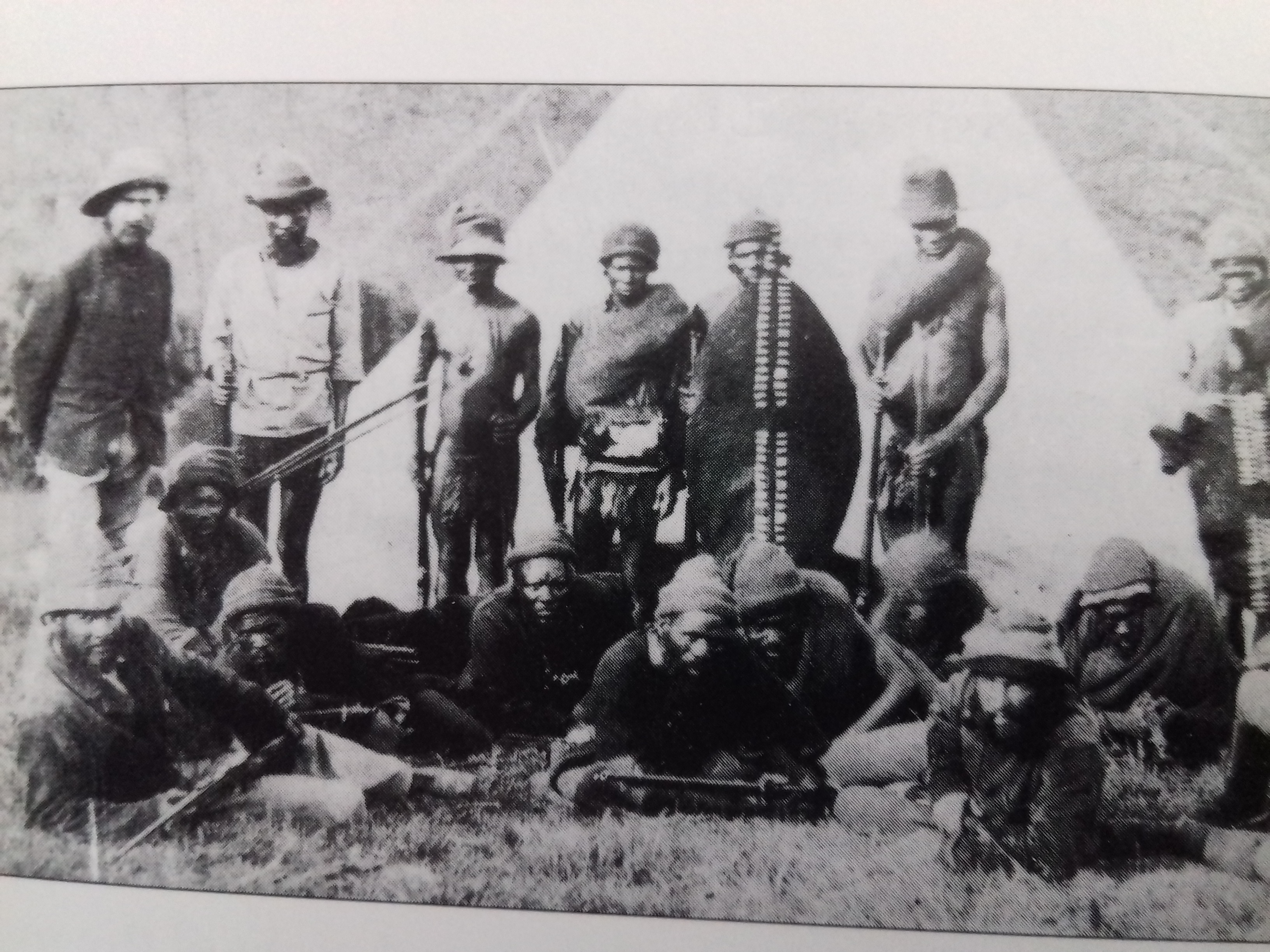 Officers and men of the 2nd regiment of the NNC
NATAL NATIVE CONTINGENT (Cavalry)
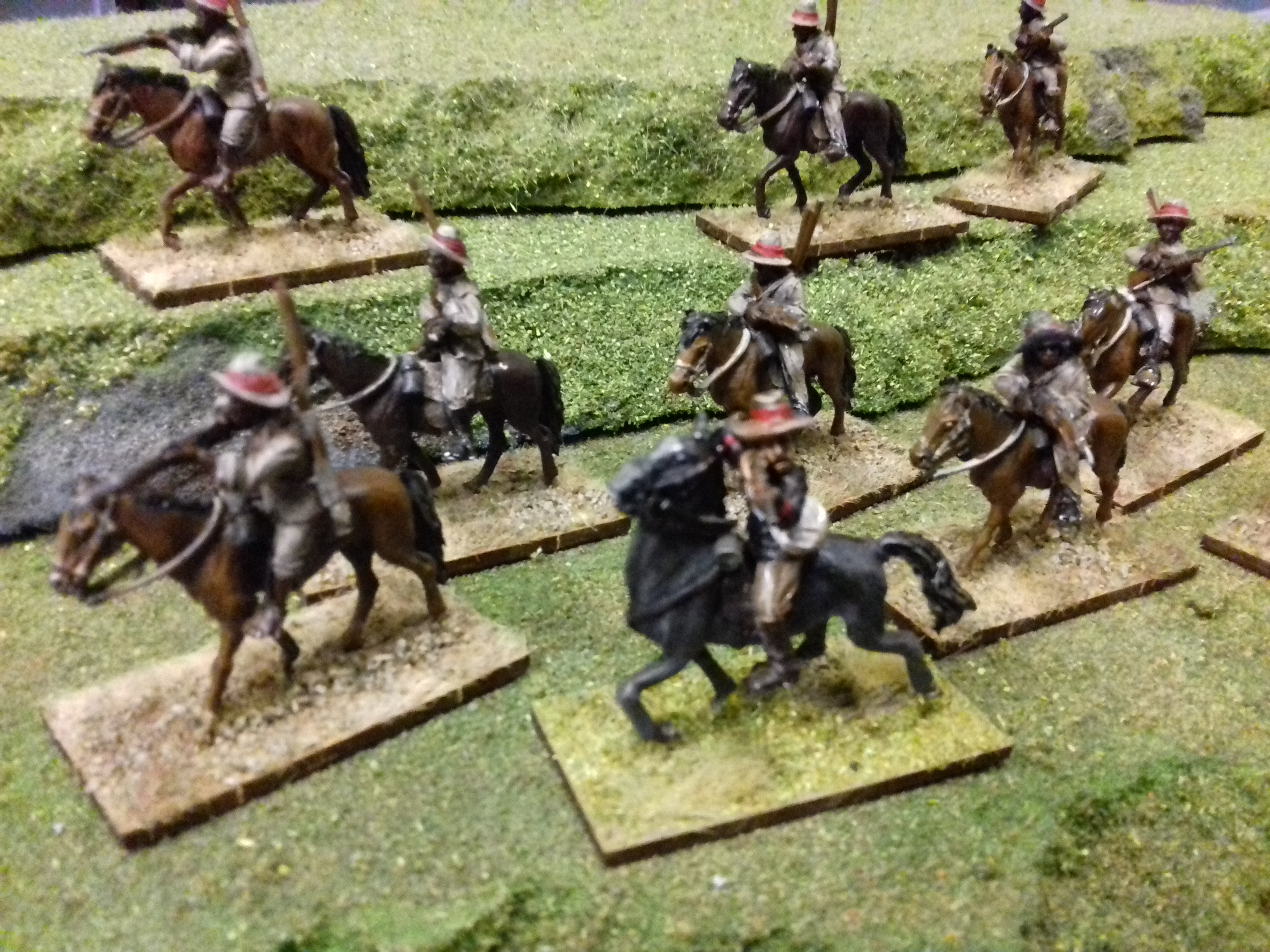
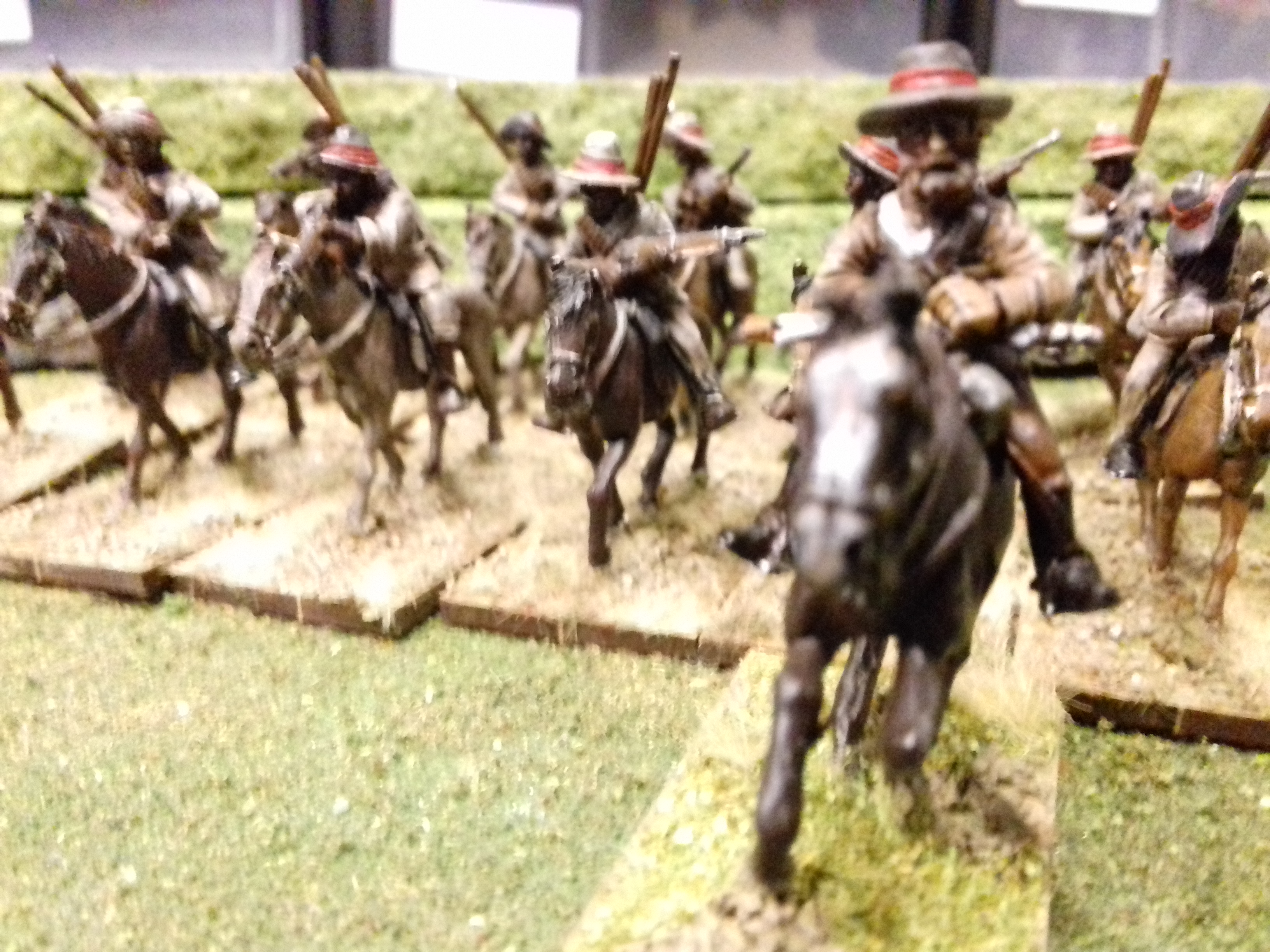

Five Troops of African horseman was proposed before the war began. An enthusiastic response from the amaNgwane people of the foothills of the Drakensburg Mountains meant they ended up with six Troops. They were led by white officers and known as the Natal Native Mounted Contingent totalling over 300 men. Unlike native infantry the cavalry were all armed with modern rifles. They had to provide their own horse but if it was killed would receive £10 compensation. Troopers were supplied with cord uniforms and boots but many decided to ride bare foot. Five Troops were involved around Isandlwana and after the defeat disbanded. They would after reform as the Natal Native Horse and each troop was usually known for the tribe it came from or it’s commanding officer such as Shepstones Horse. They would be involved in many of the major engagements later in the war.
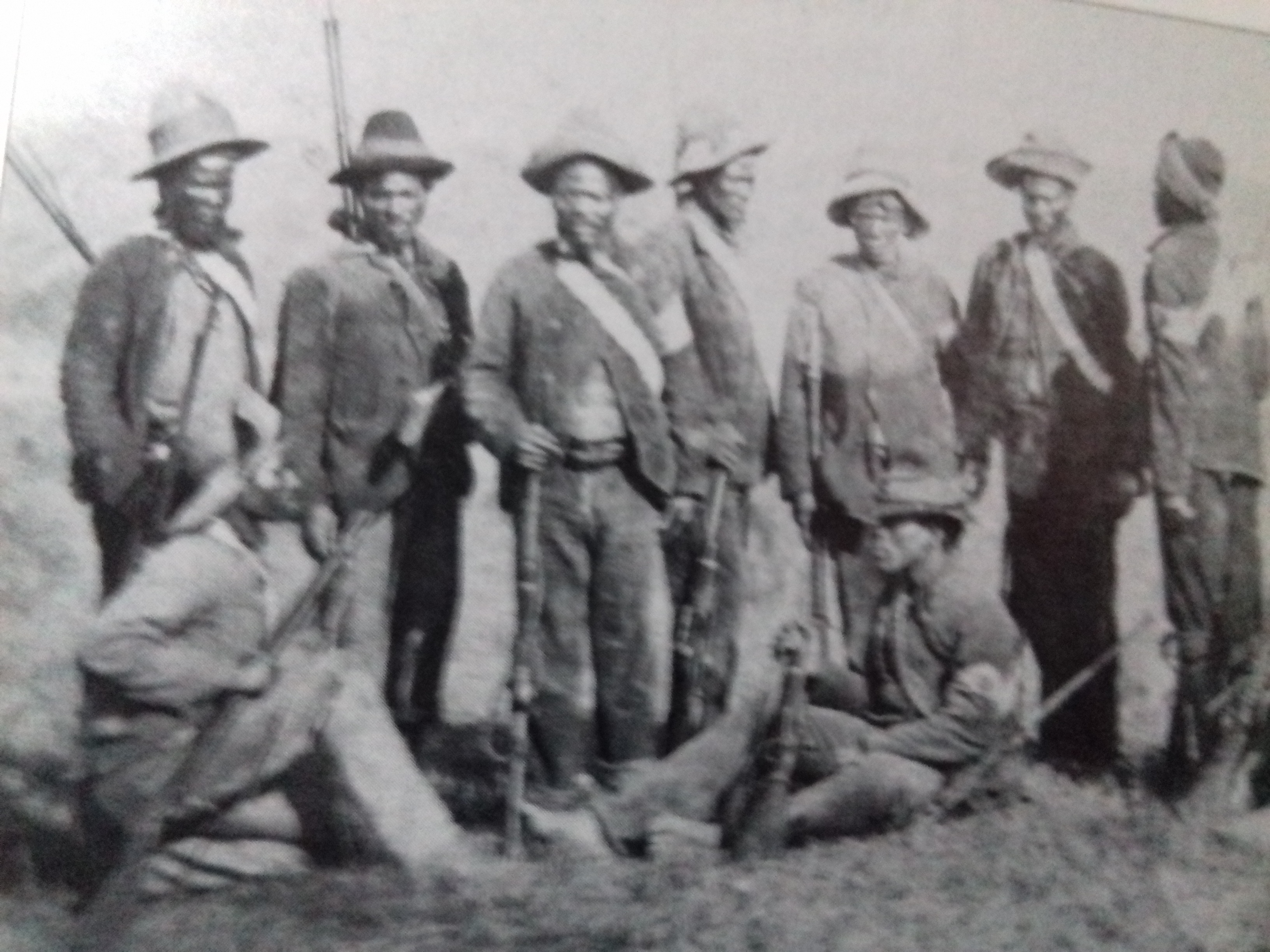 Mounted Native Troopers
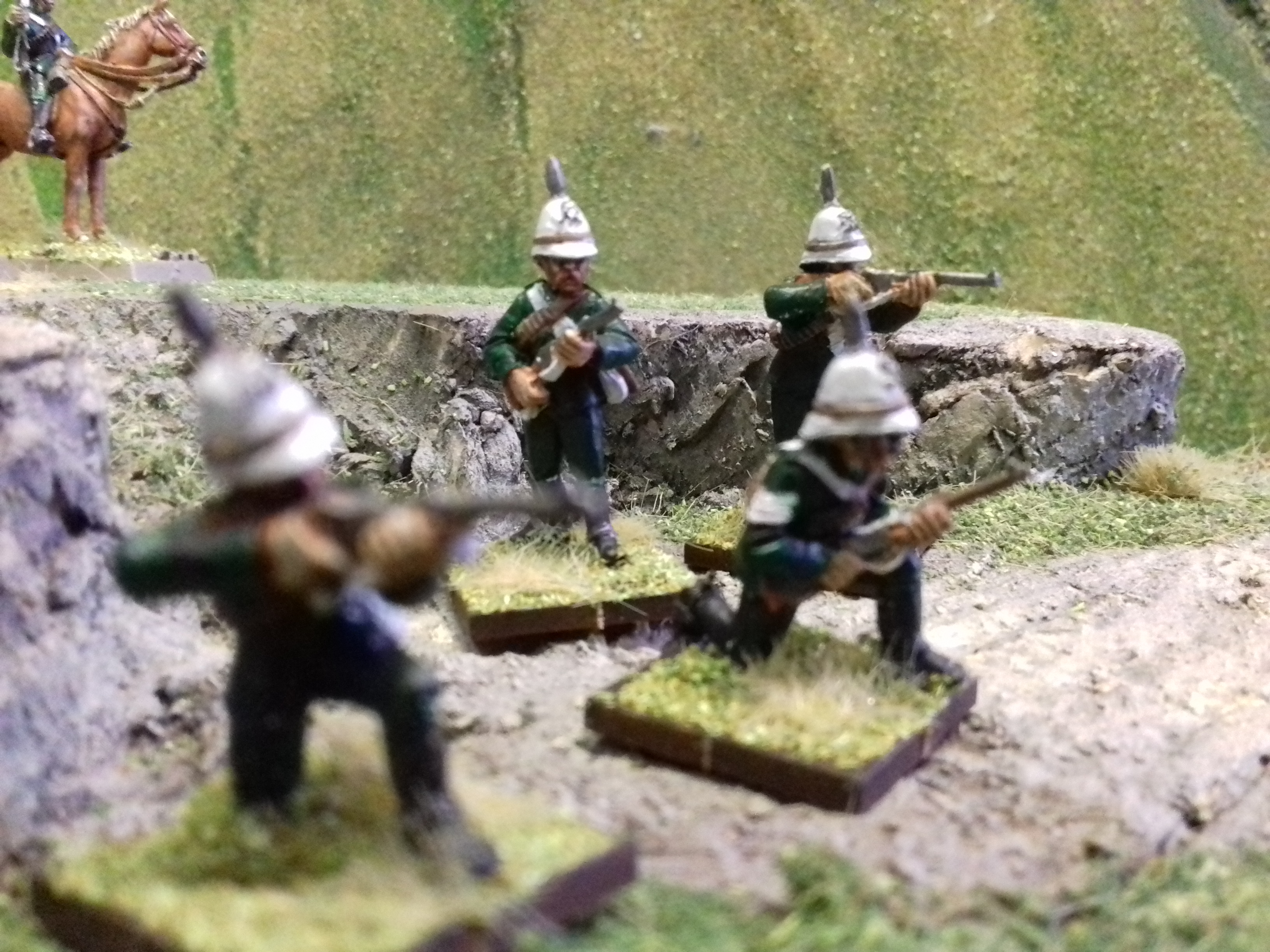
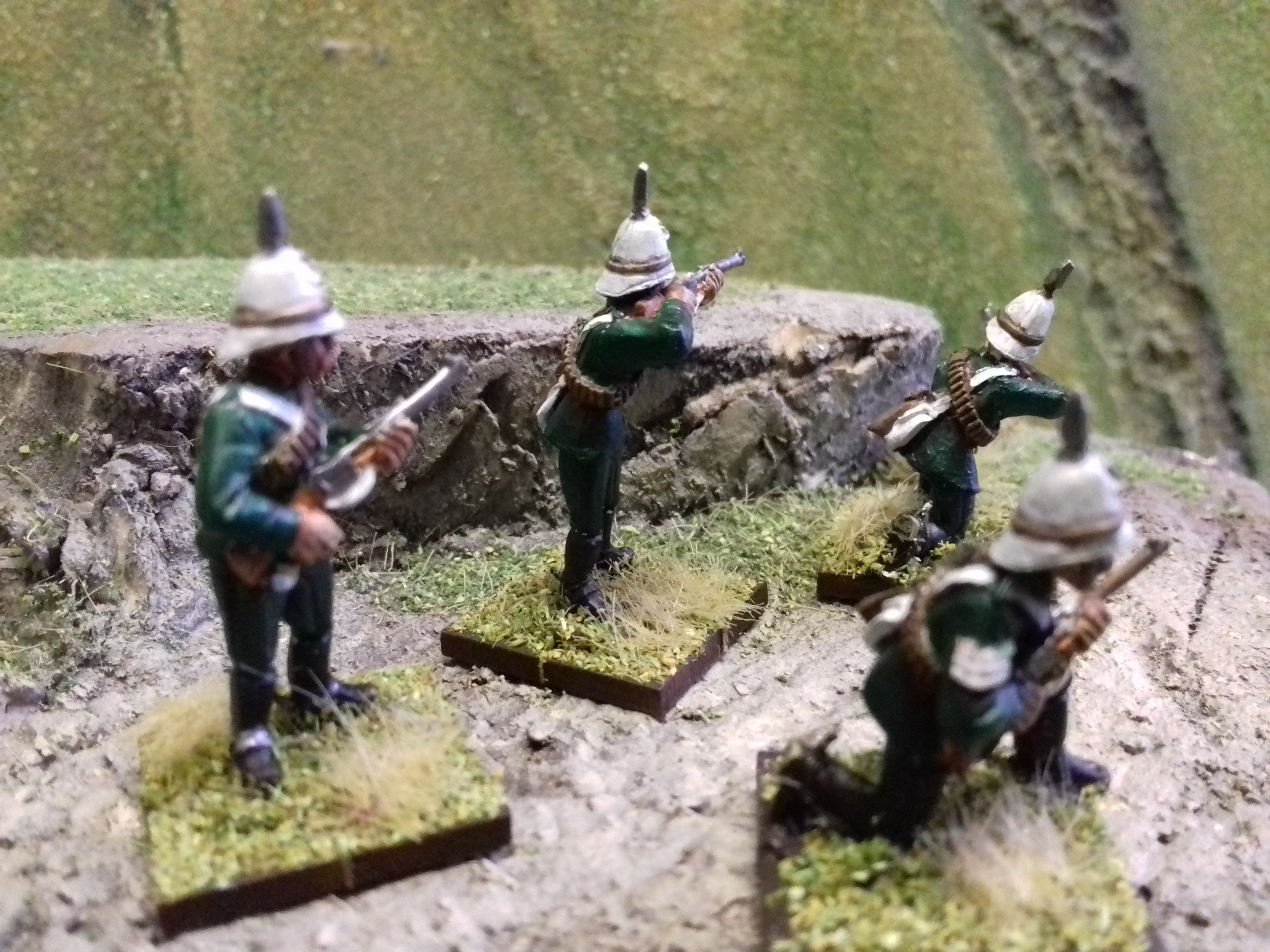
60th RIFLES
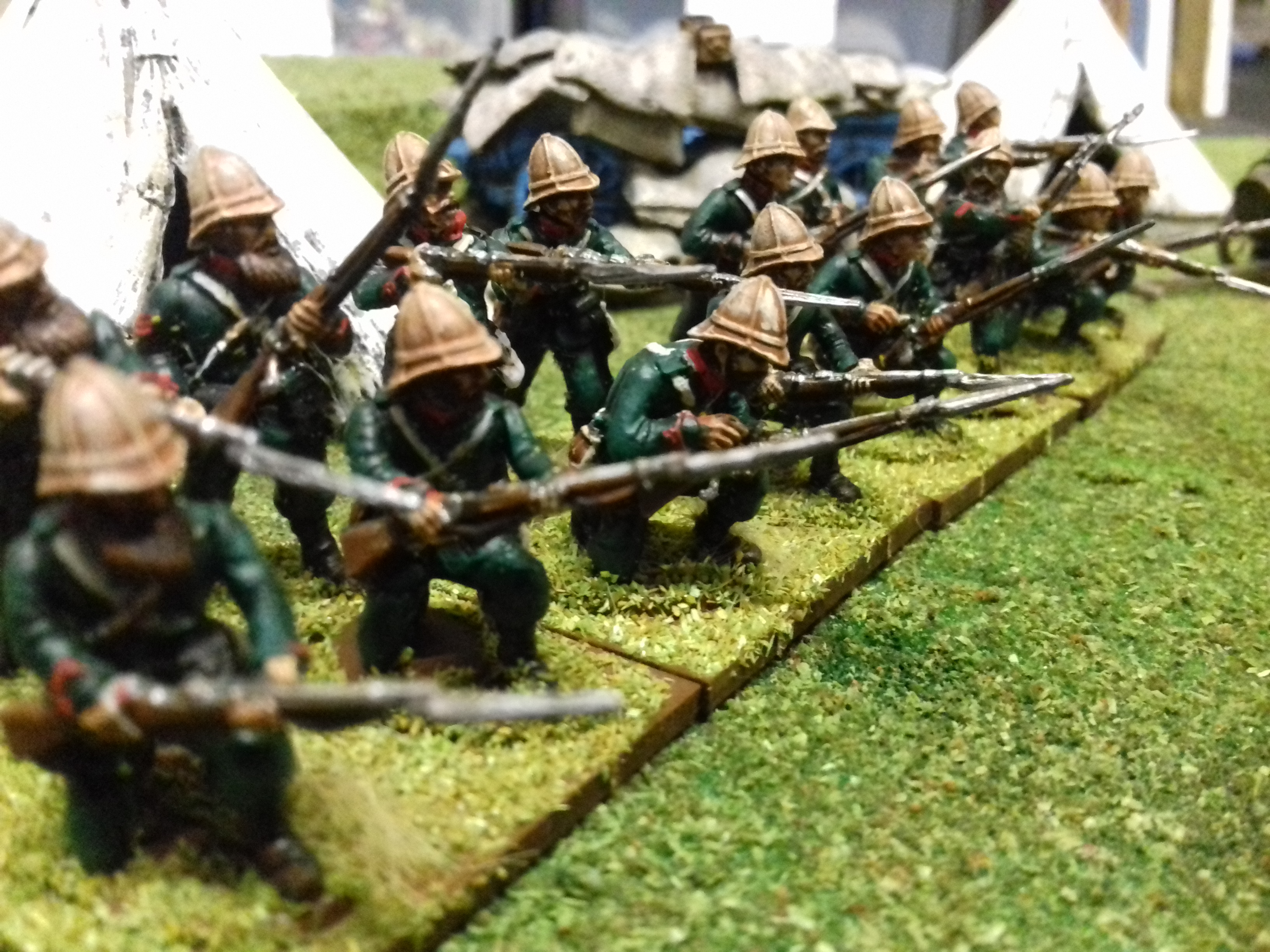
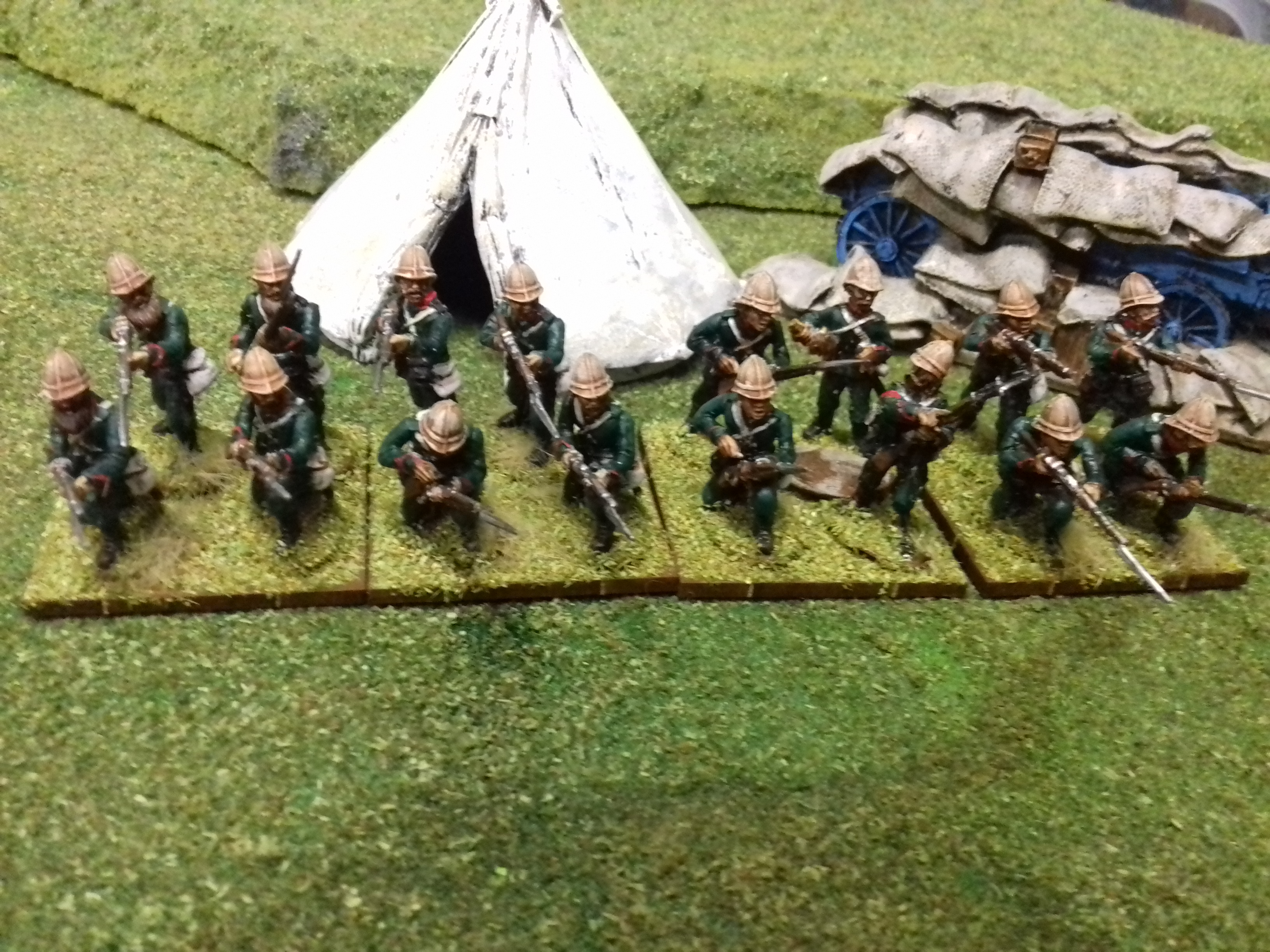
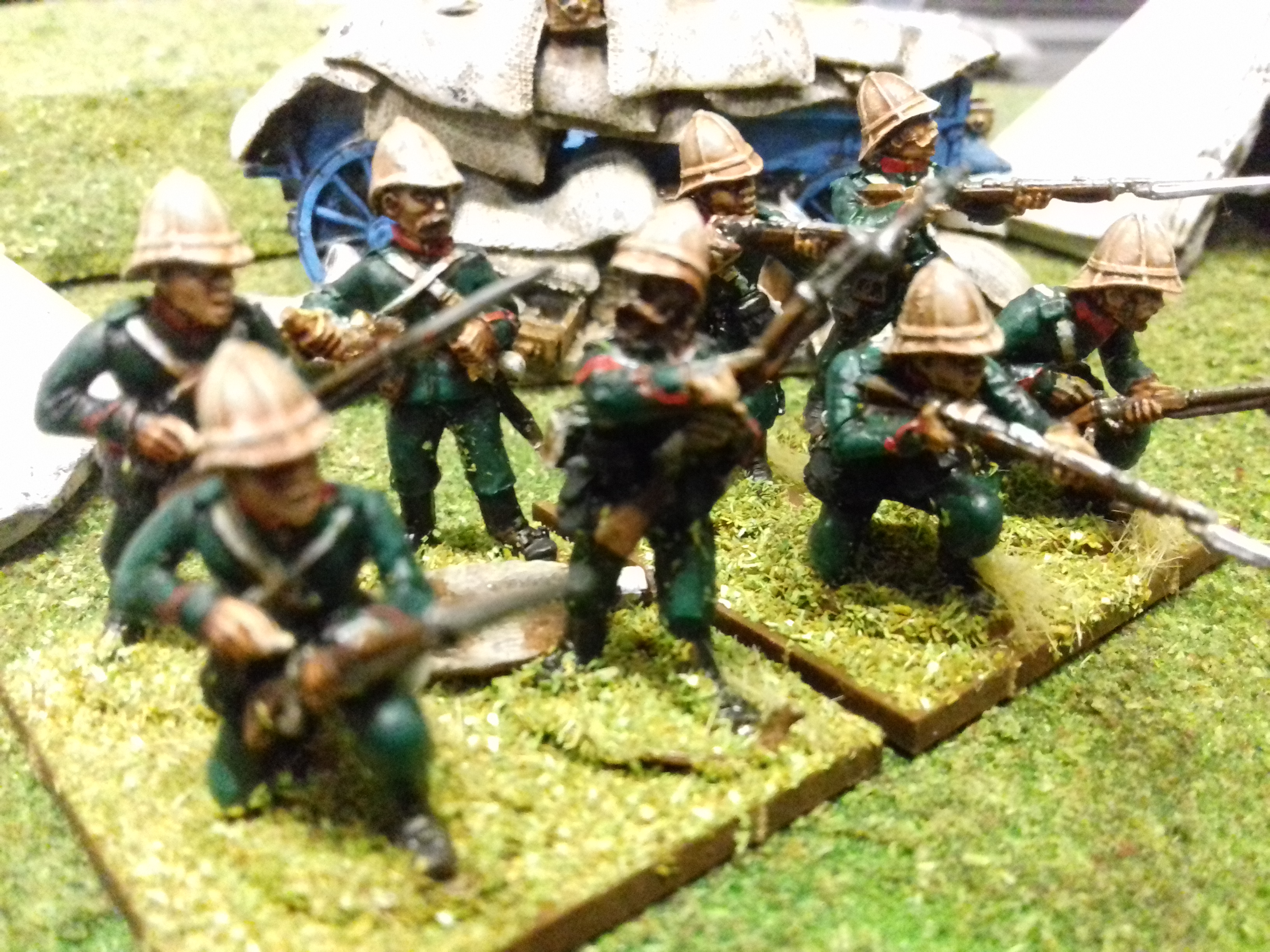

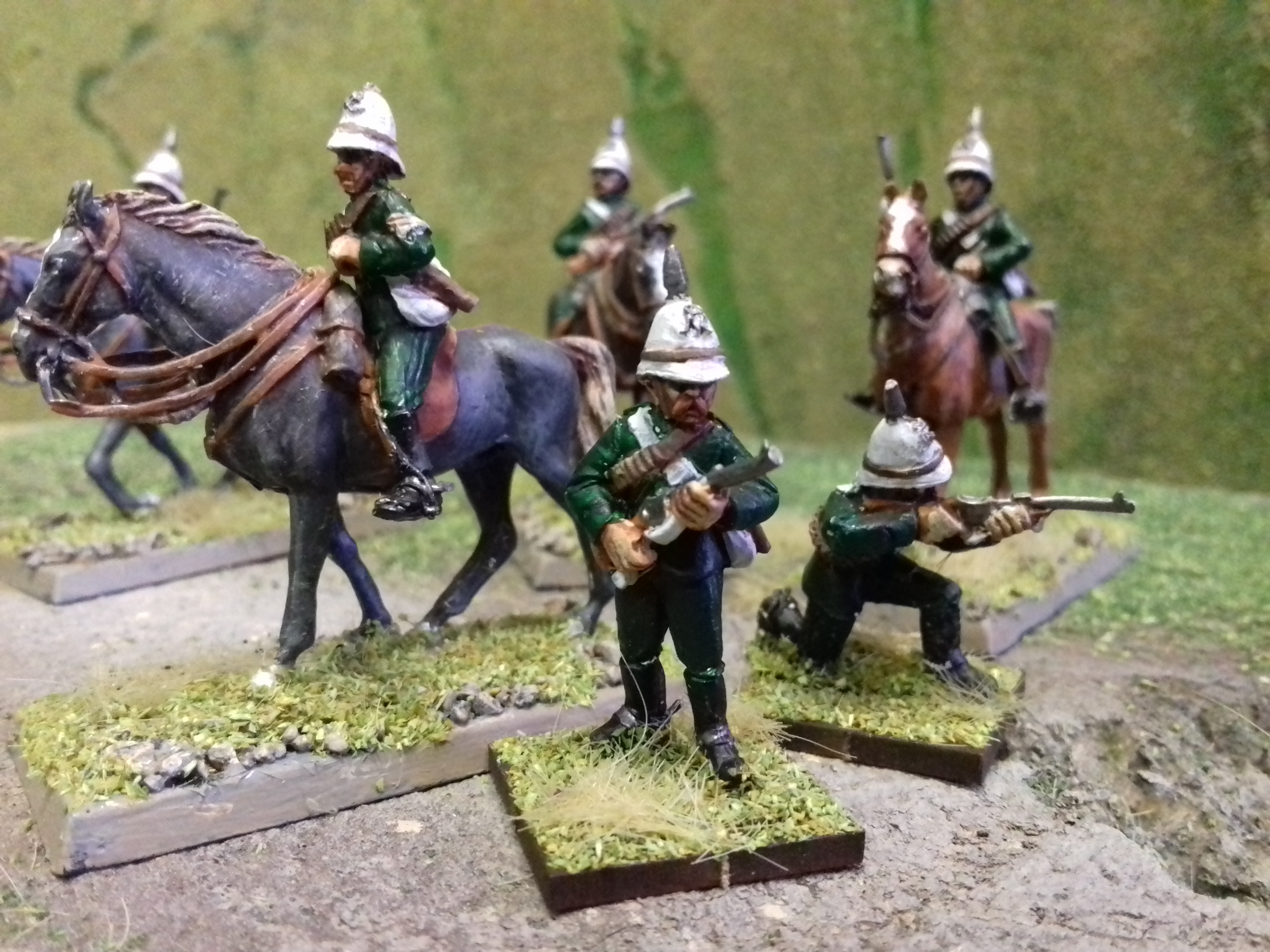
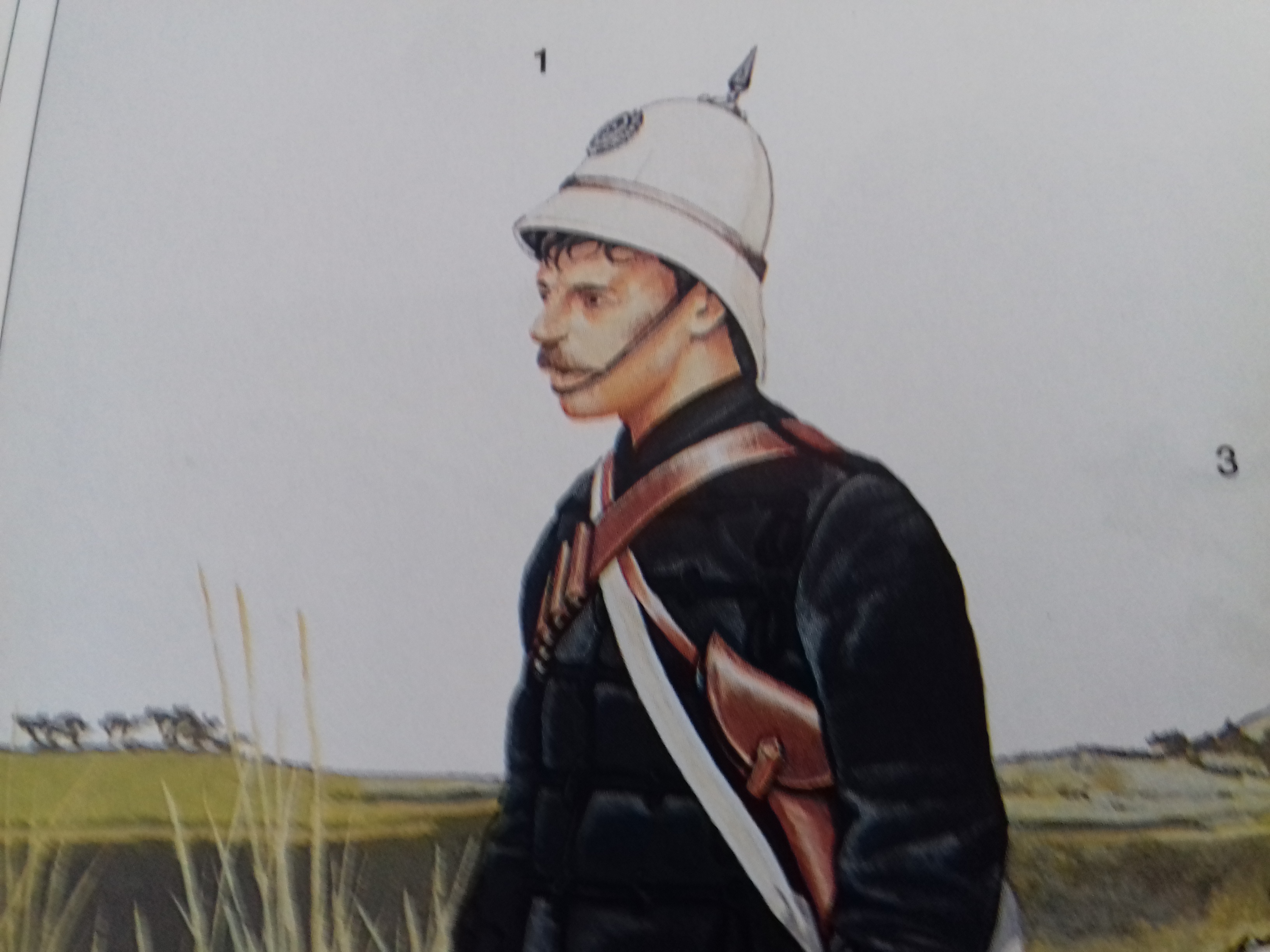
Not all British infantry wore red during the campaign. The 60th rifles still wore their traditional green with black webbing. The green would appear black on the field after awhile. The sun helmet was dyed brown but unlike other infantry they kept the cap badge on. It was made from a dark metal so didn’t glint as other infantry badges did. They were armed with the Martini Henry Rifle but unlike other infantry had the longer sword bayonet. They arrived after the disastrous start to the war and helped in the relief of Eshowe.
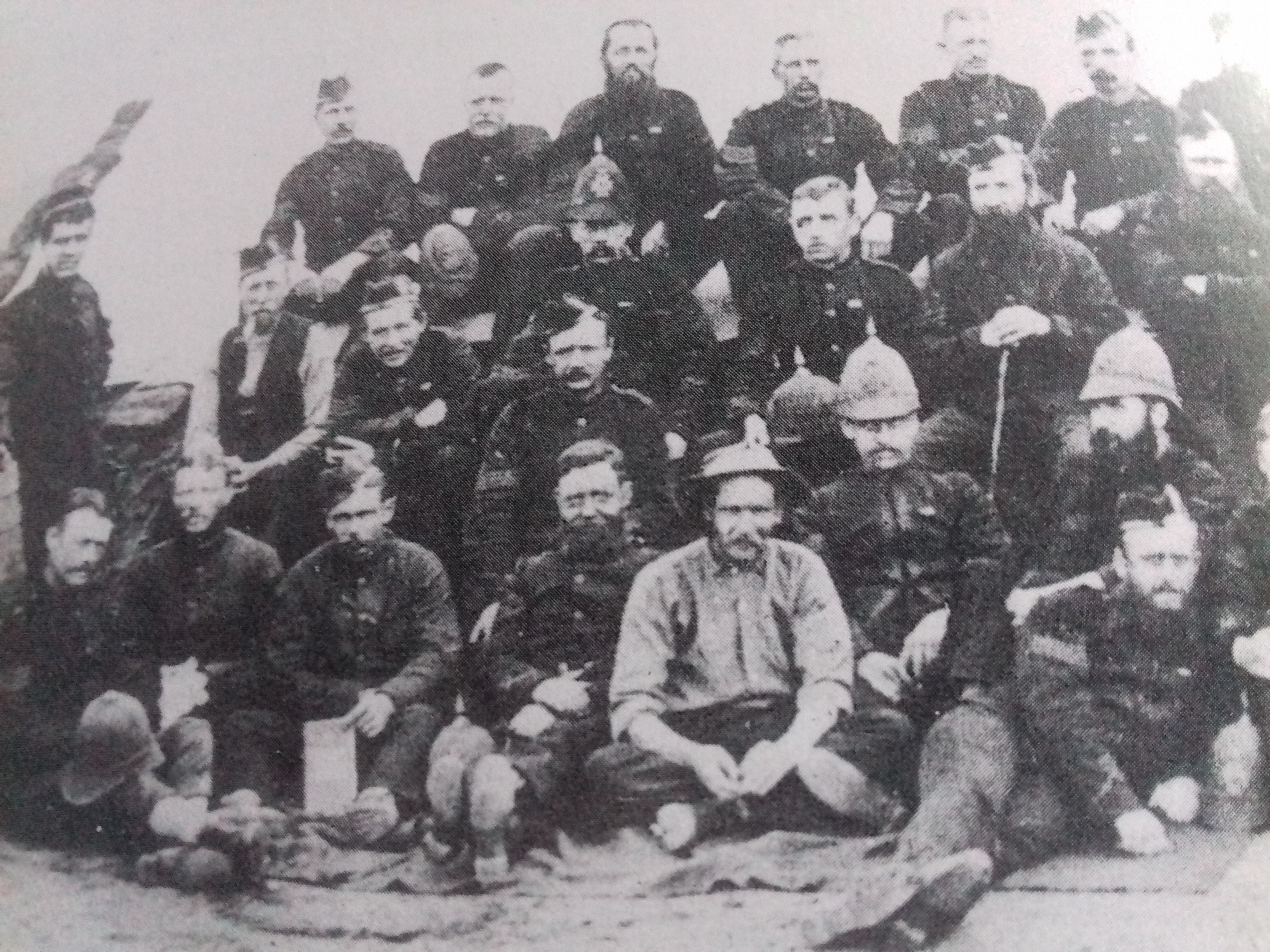 60th rifles
FRONTIER LIGHT HORSE

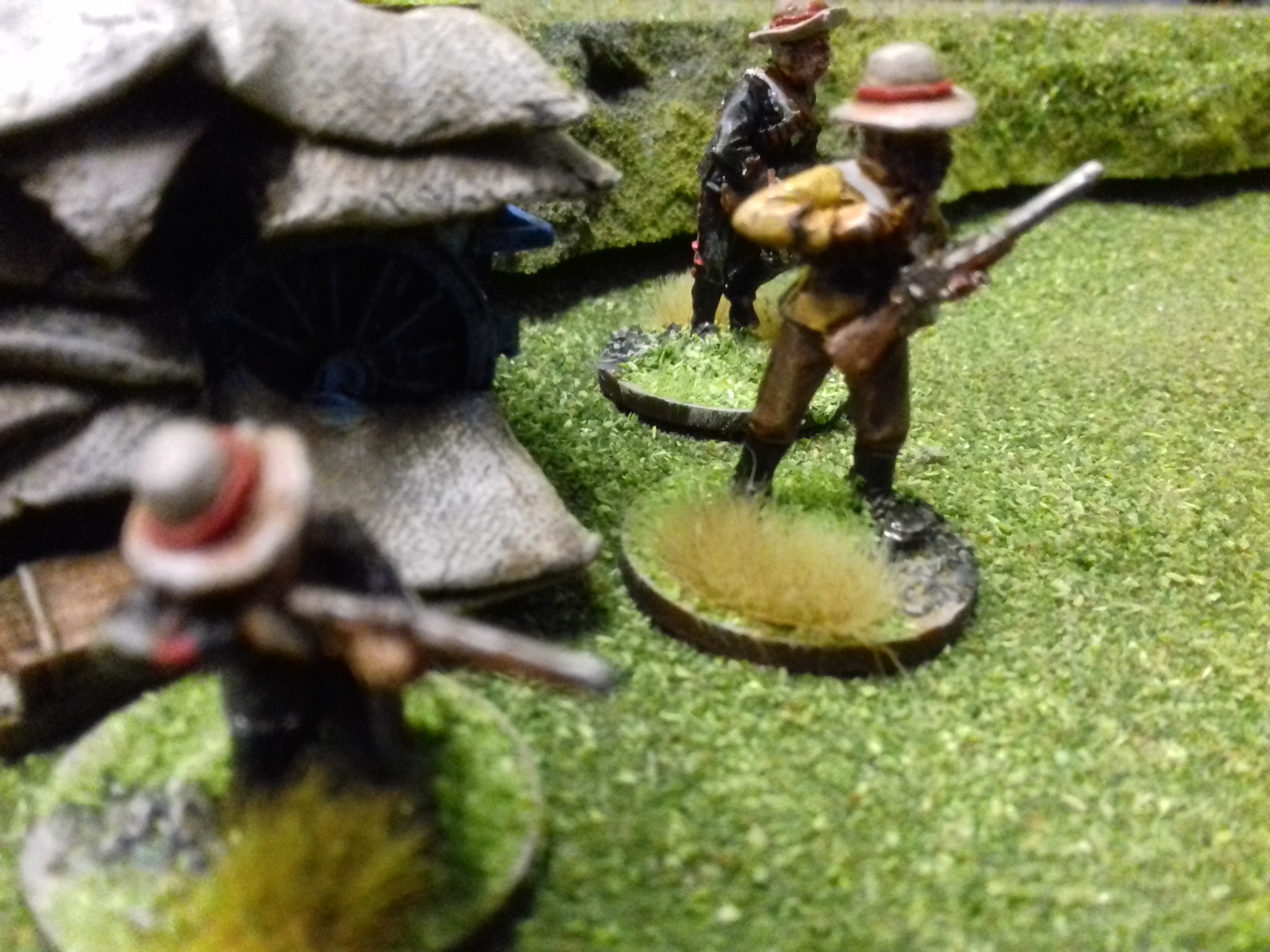
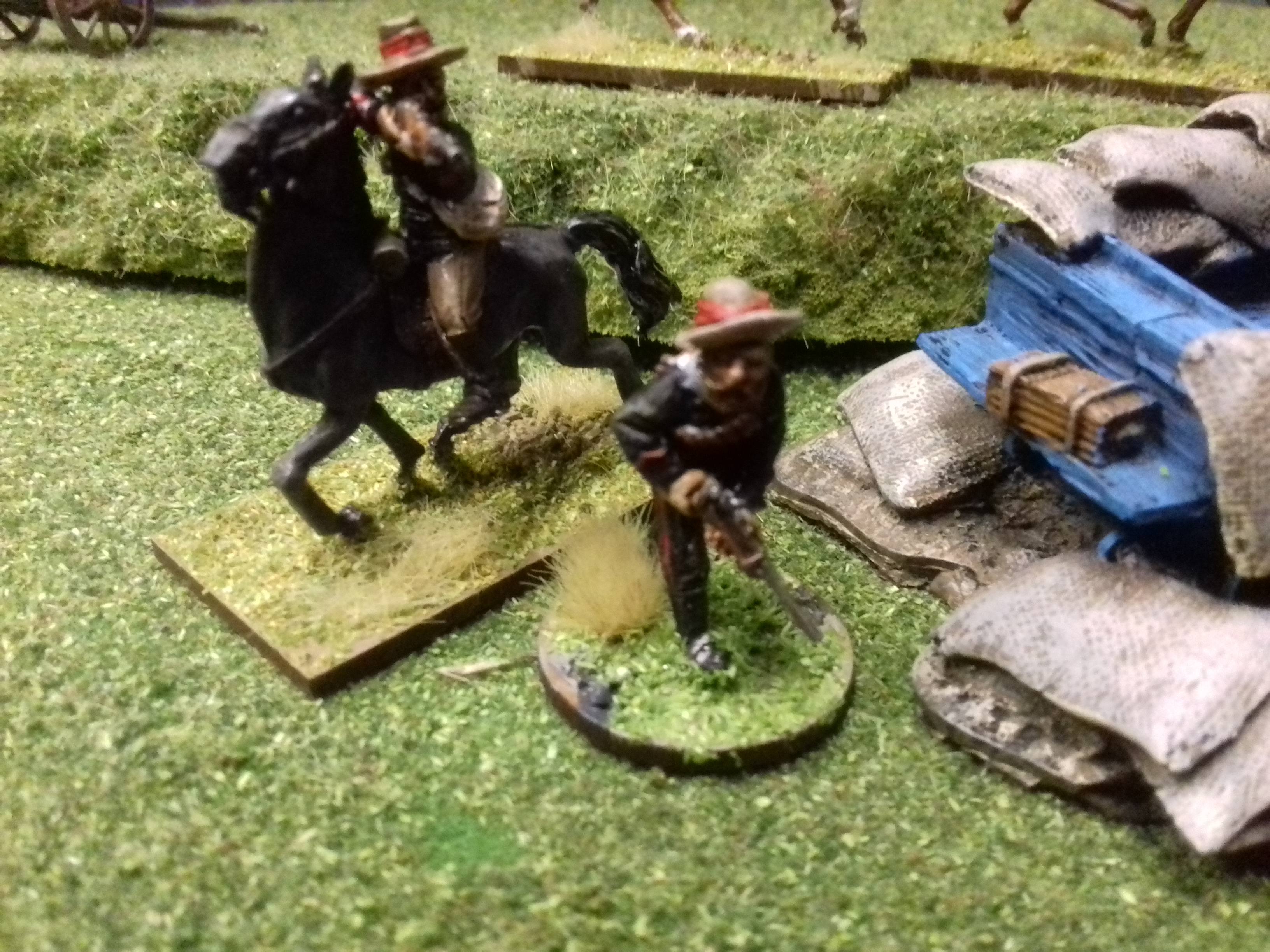
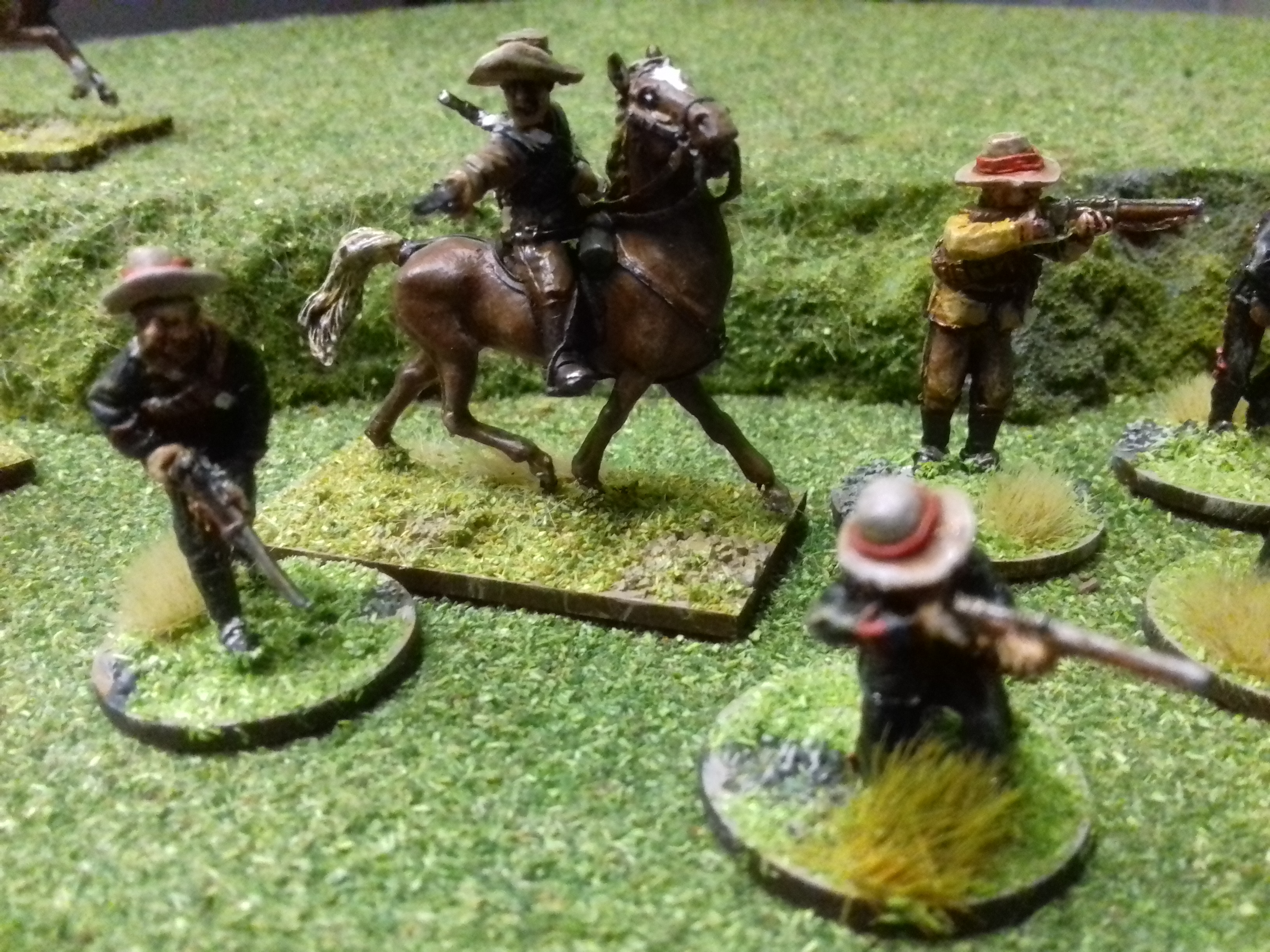
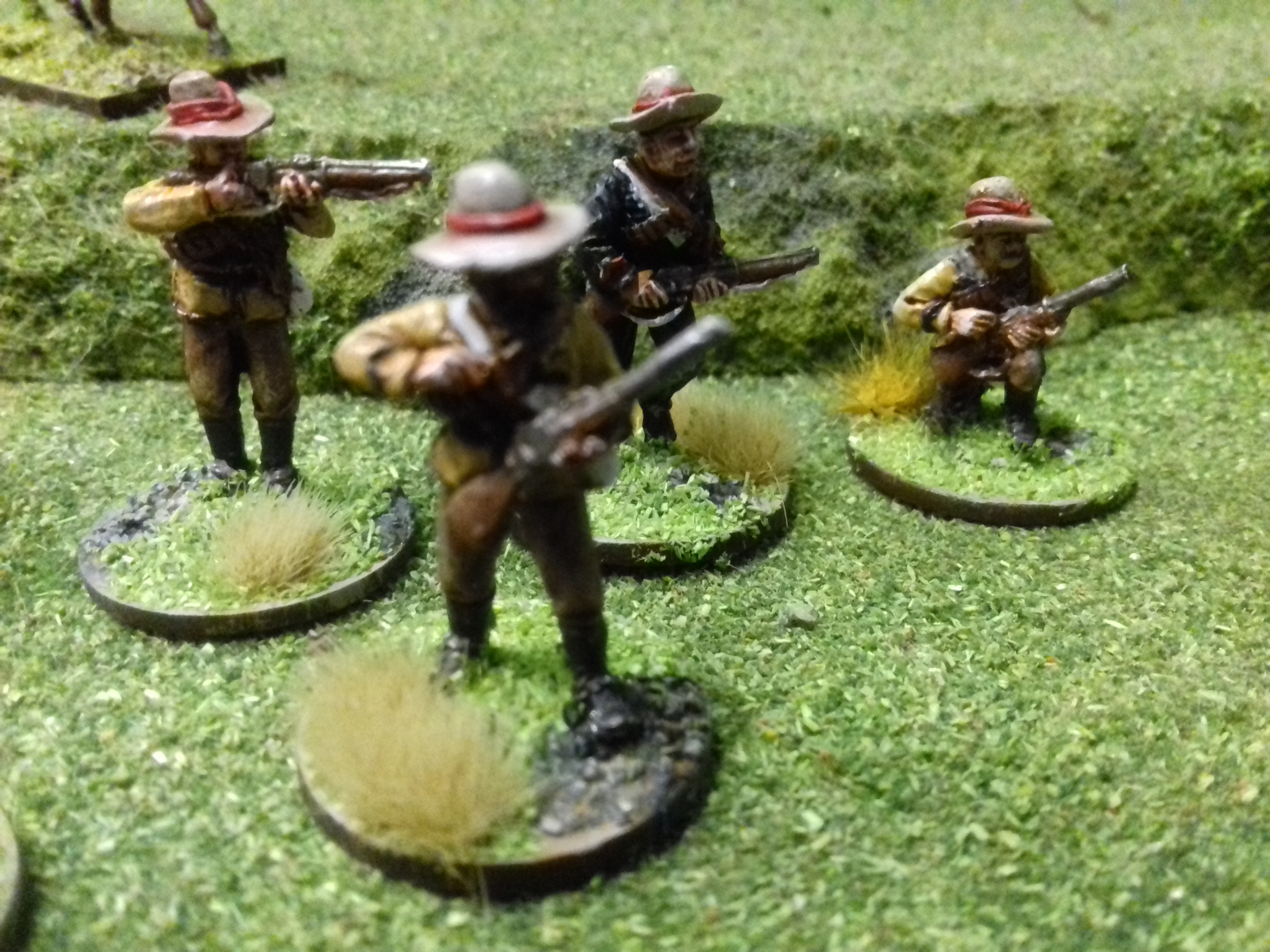
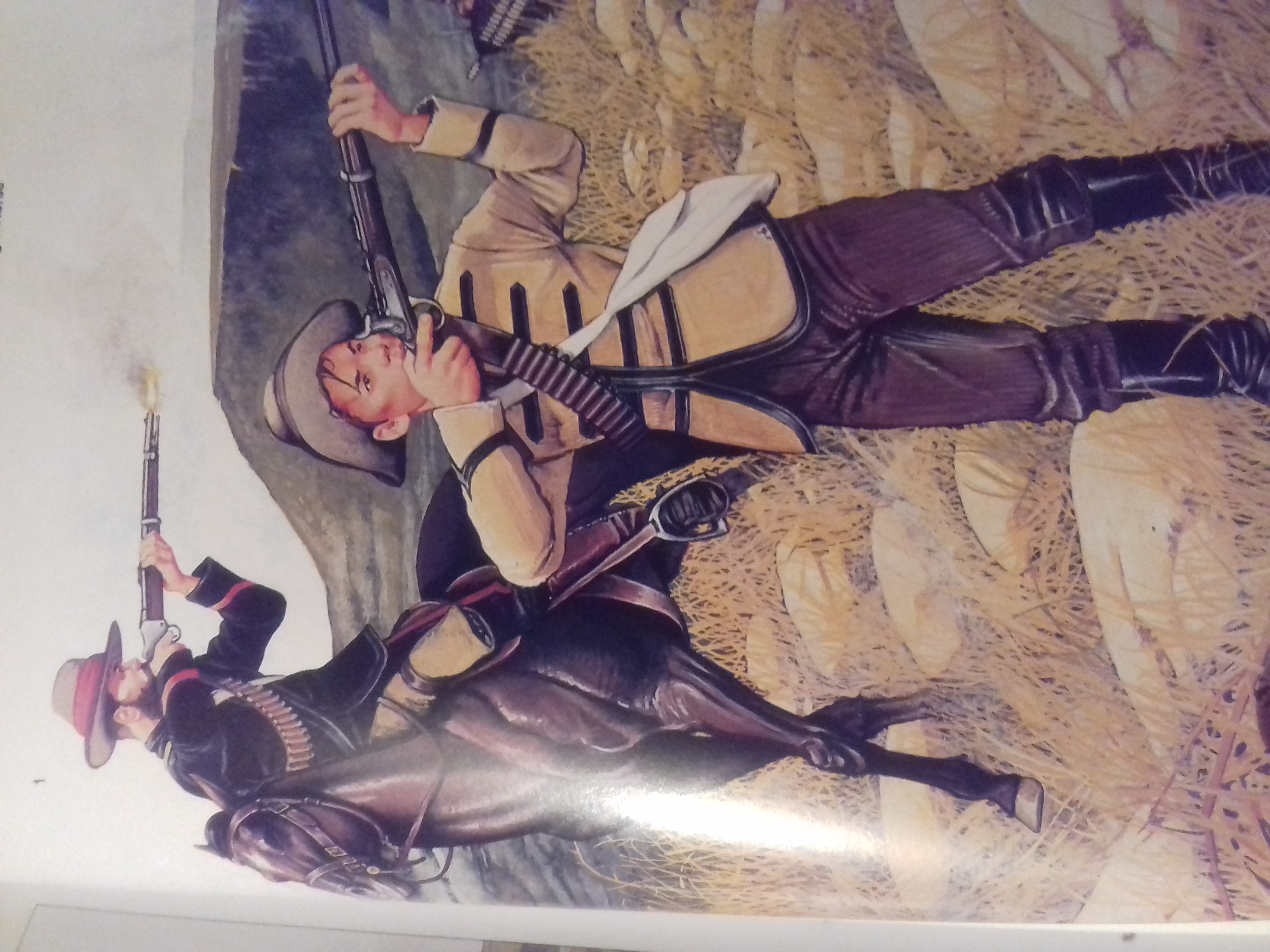
The Frontier Light Horse was raised to serve in the Ninth Cape Frontier war of 1877. They were made up of various adventurers of Empire and were paid five shillings a day compared to the 1 shilling earned by infantry. During the Zulu war they were commanded by Major Buller and formed three troops each consisting of 60 men and 9 officers and NCOs. From a gaming point of view they can be represented on the table by their colour coordinated horses. A troop had bays, B troop chestnuts and C troop Greys. Buller passed command to Colonel Barton who would be killed at Hlobane where a number of the FLH saw action. Uniforms were of a mix of black and buff cotton cord suits with red or black facings. They wore wide brimmed hats known as smashers.
24th REGIMENT OF FOOT
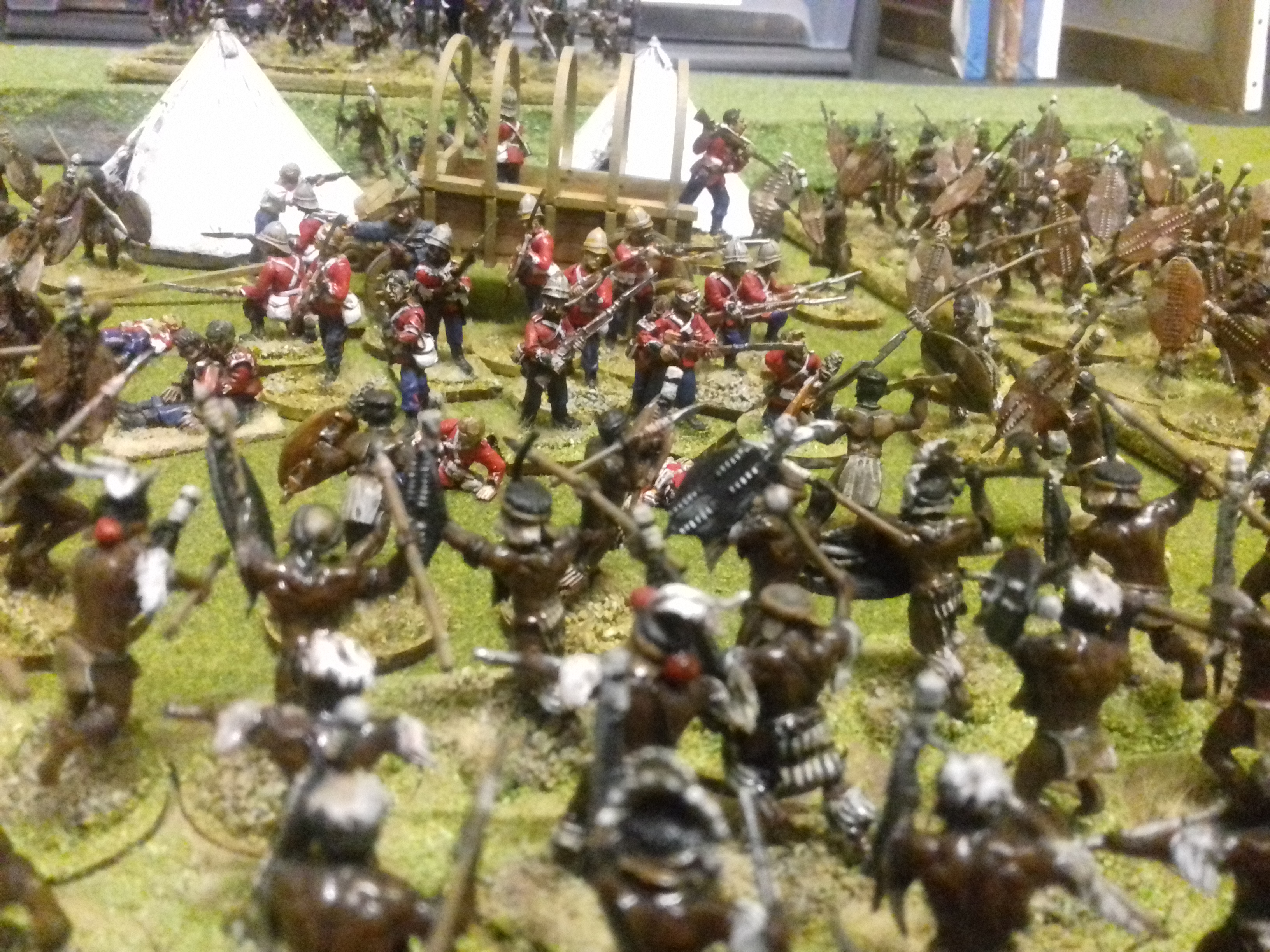 Last Stand at Isandlwana
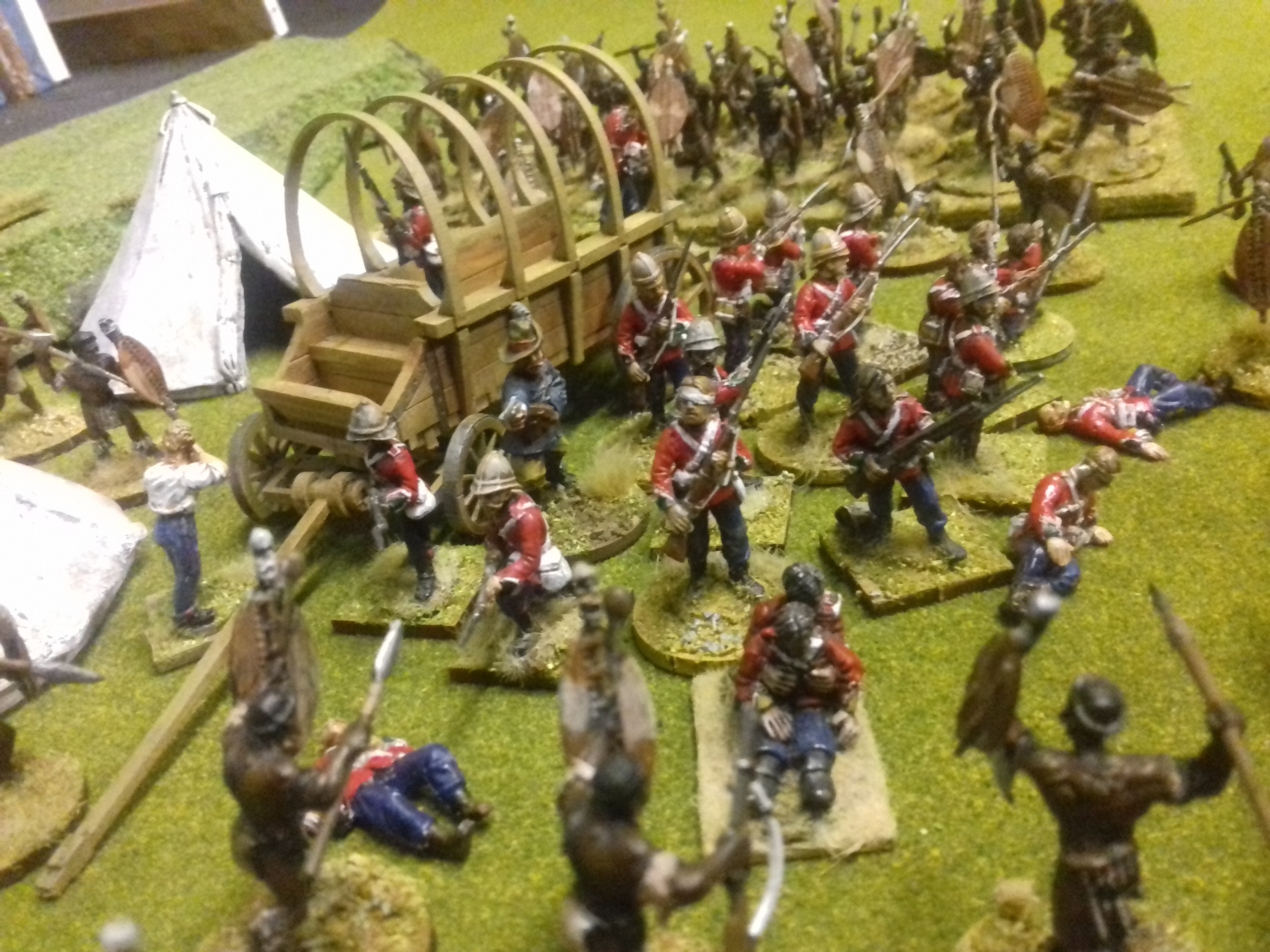
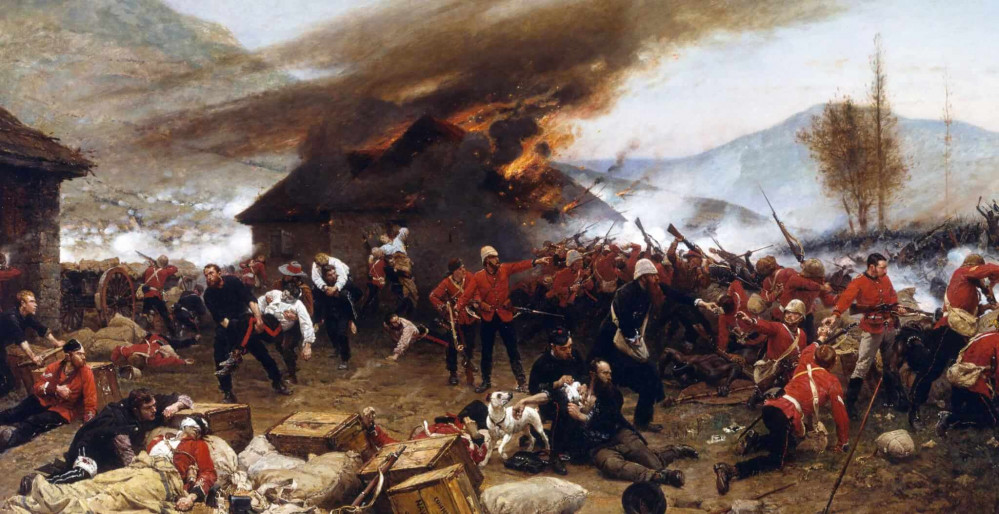
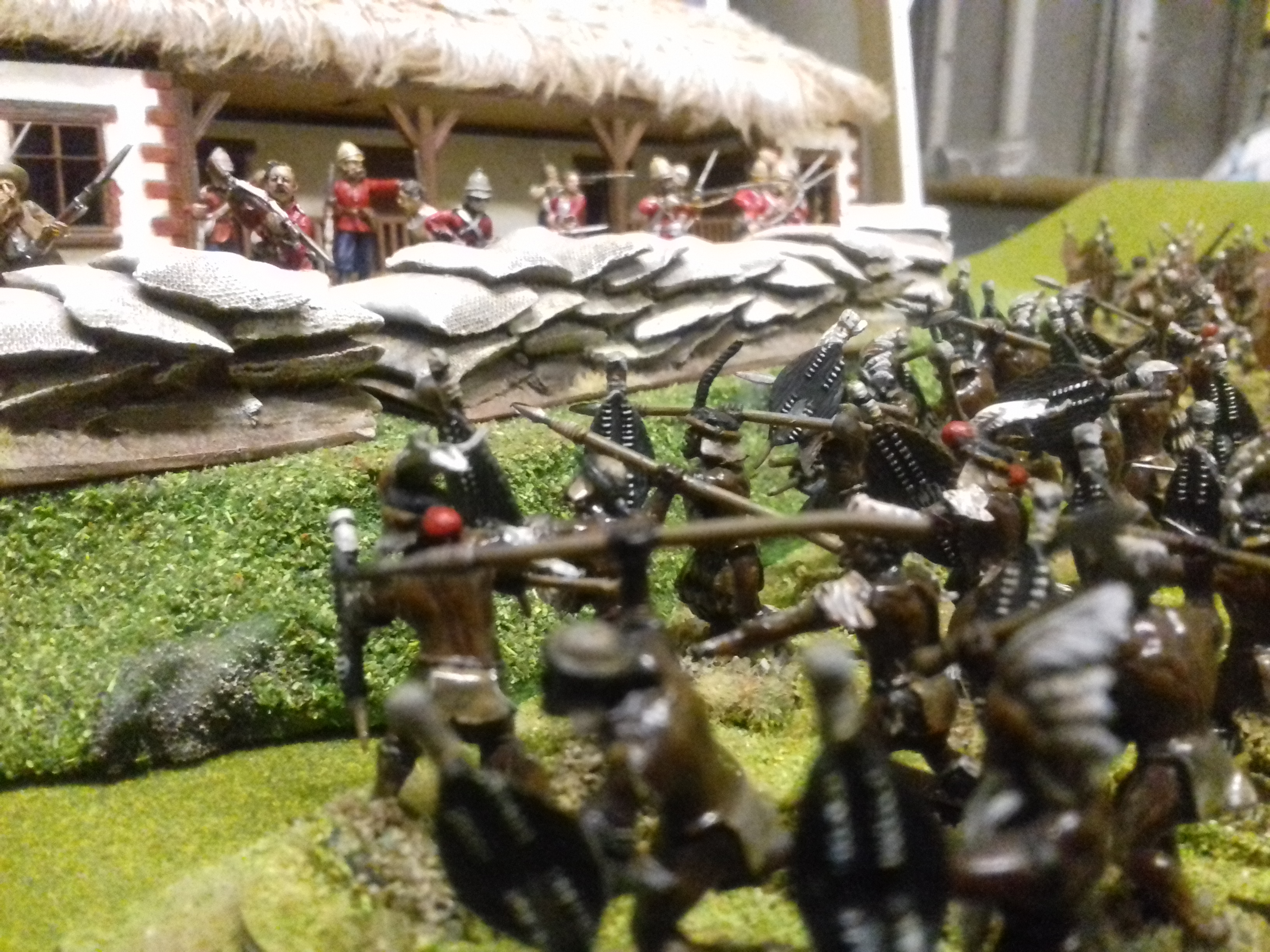
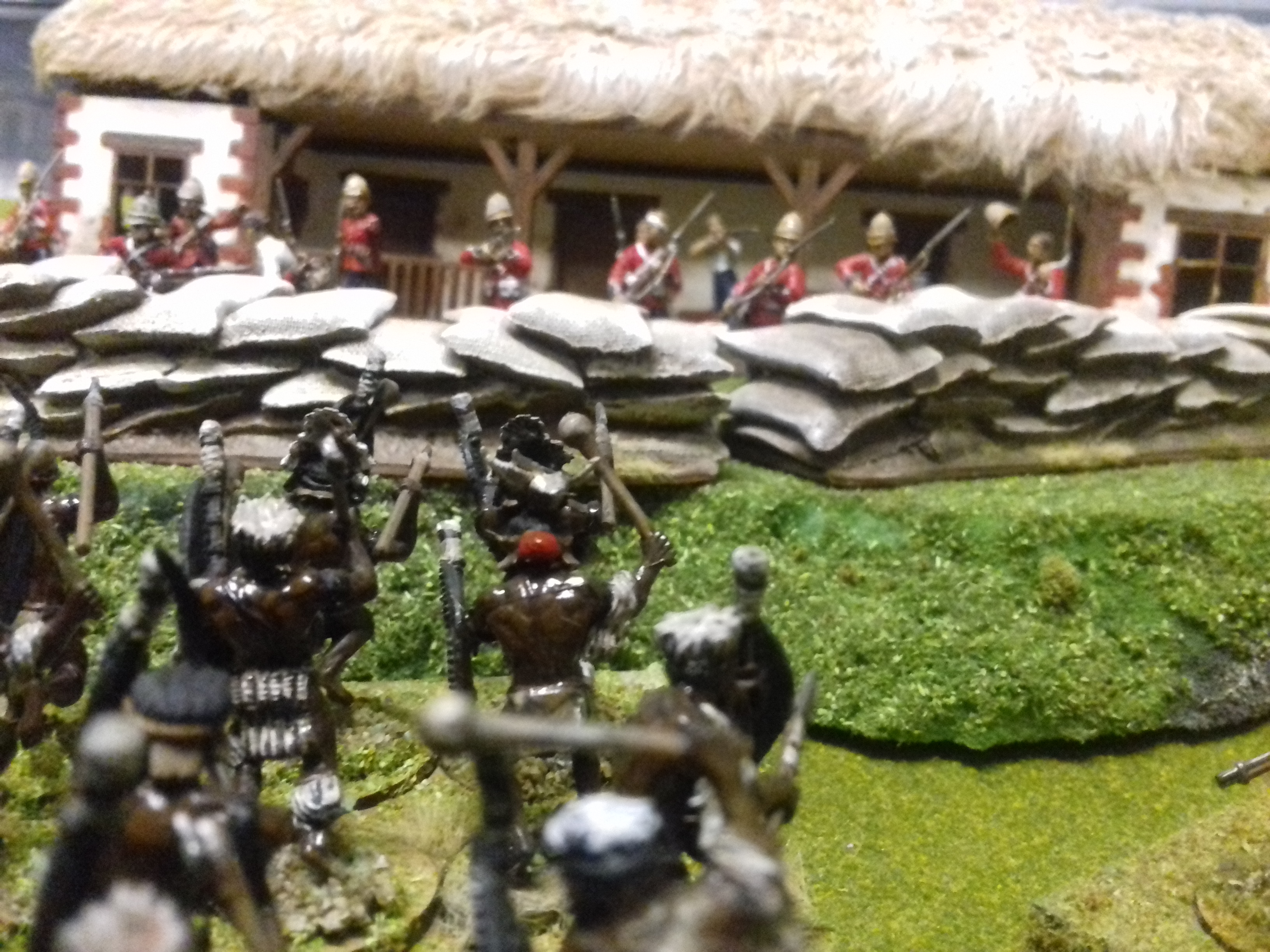
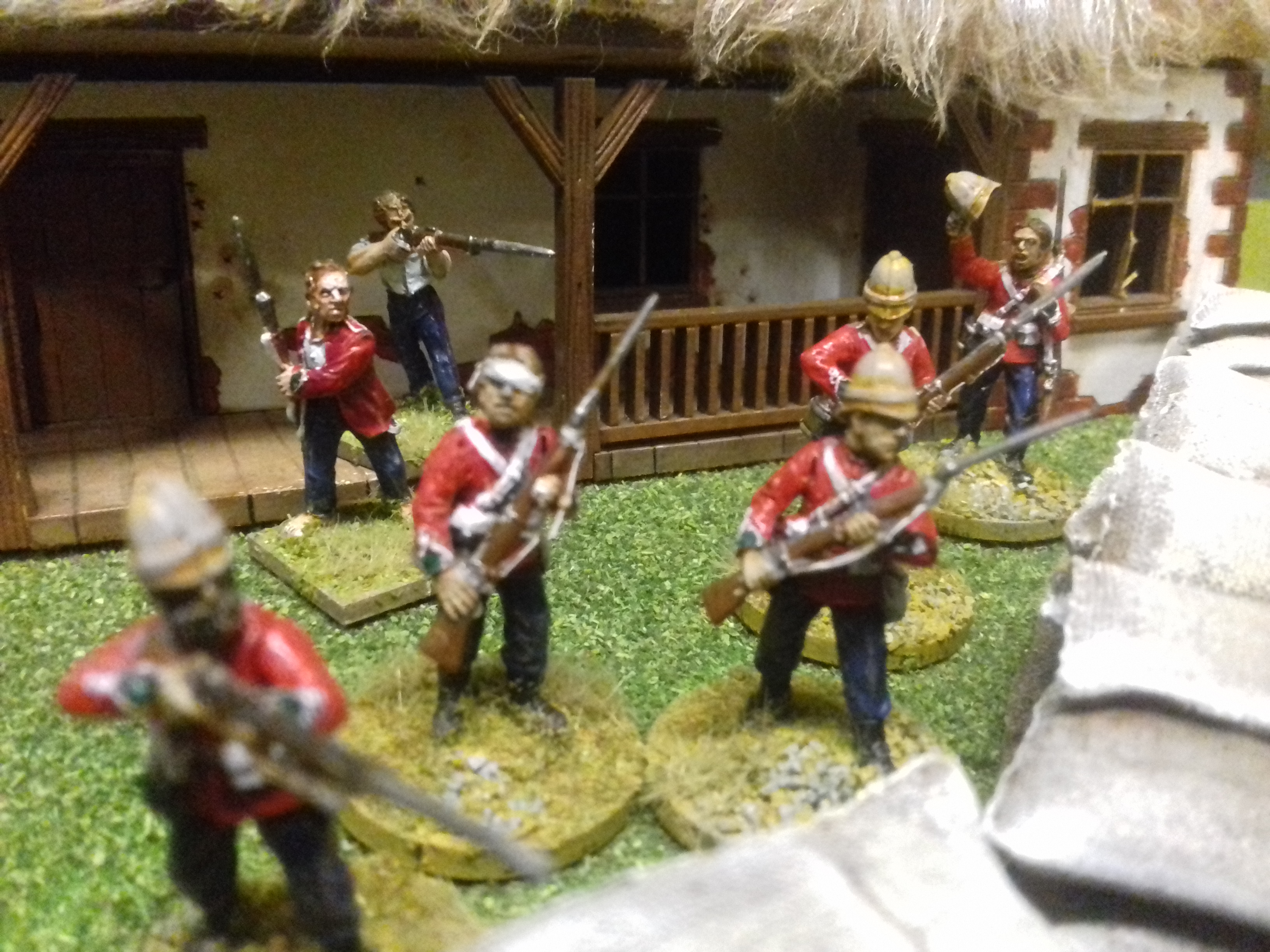
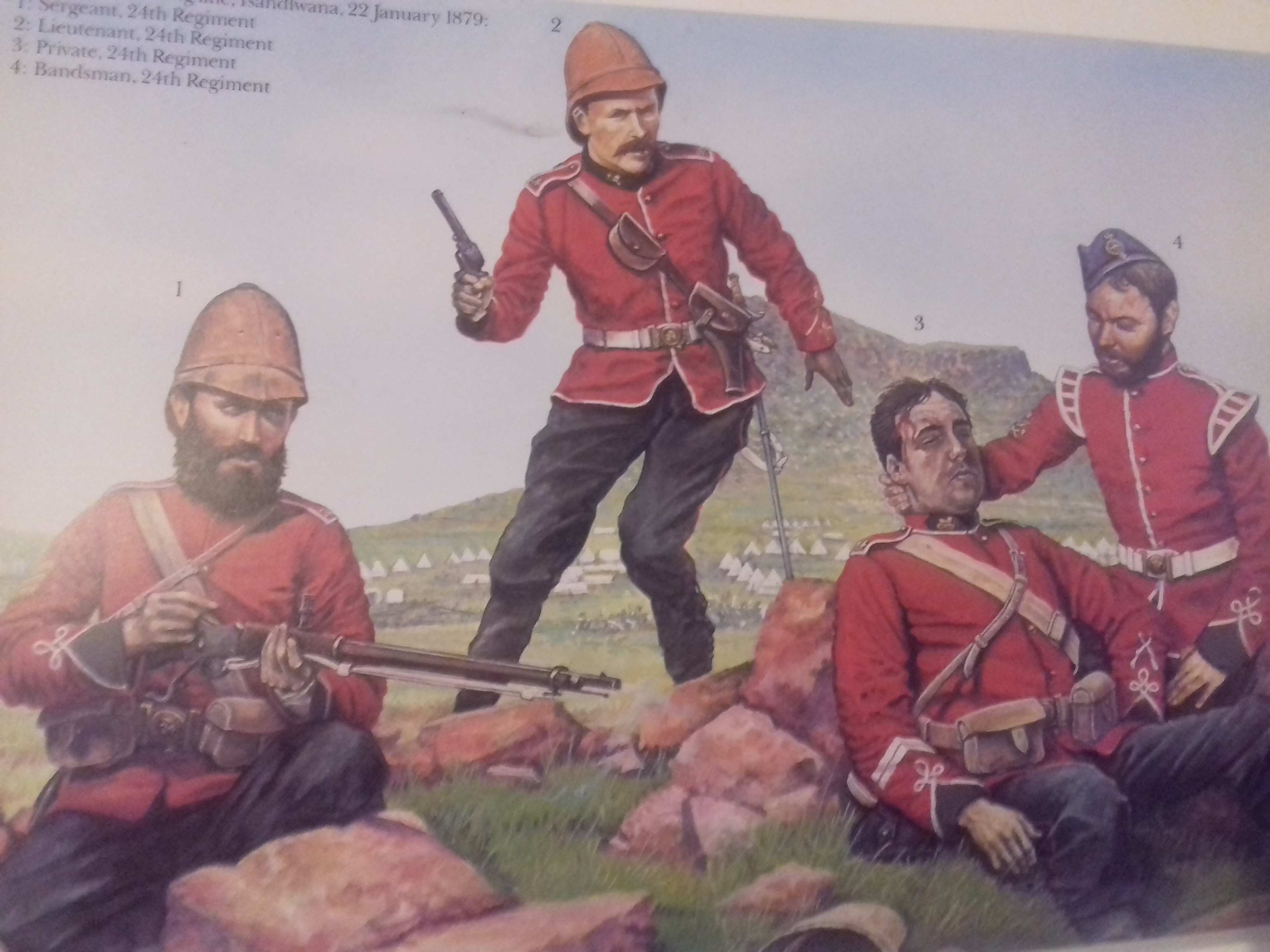
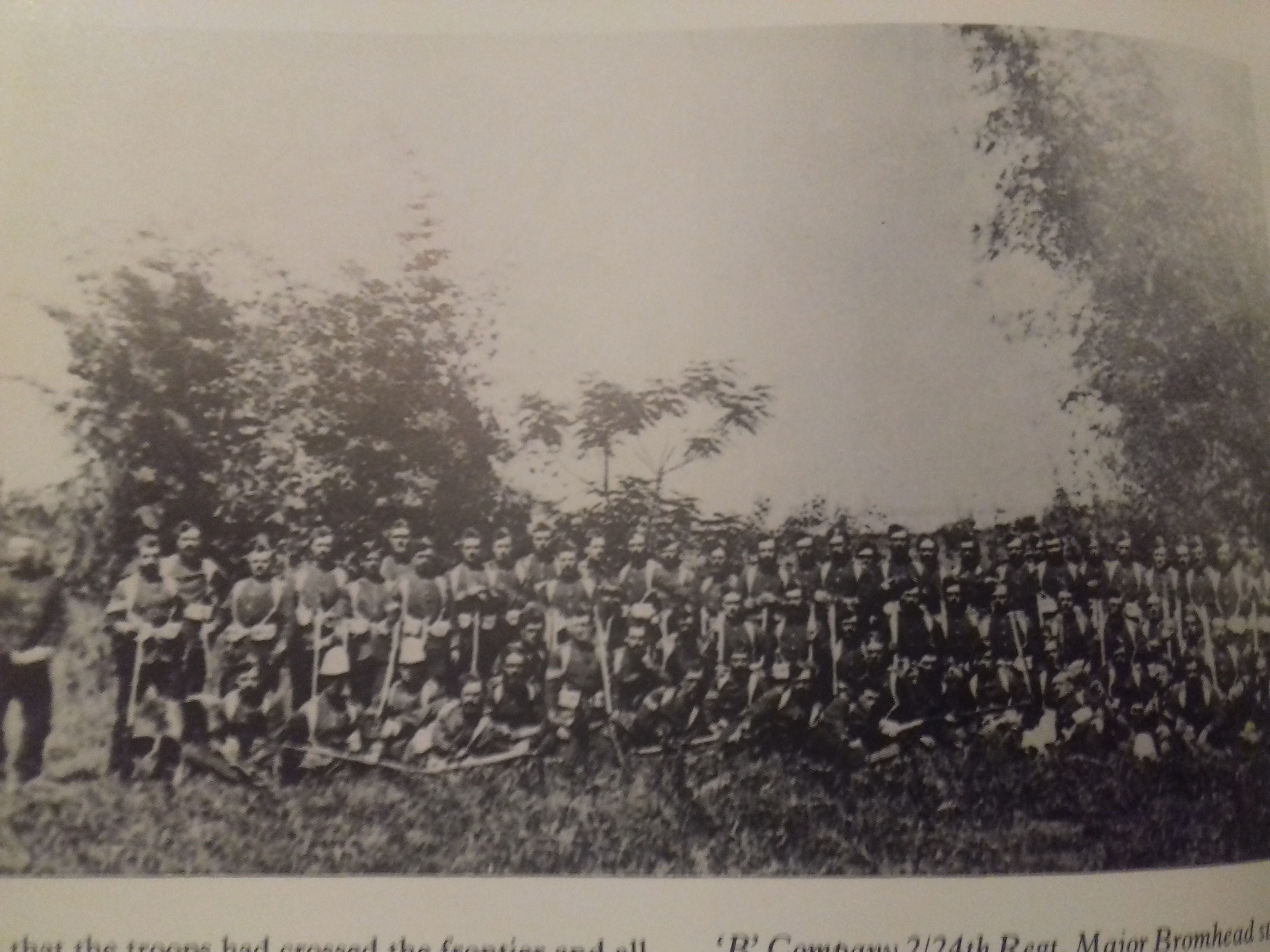
The 24th Regiment of foot is the most well known line unit to take part in the Zulu War thanks to its participation in the two most famous battles of the war. With completely opposite results. When the British army invaded Zululand the 24th was to accompany the 3rd column led by Brevet Colonel Glynn. The 1st and 2nd battalion were apart of the main thrust into Zululand in an attempt to draw out the Zulu army into open conflict. Instead it was the British camp that was surprised at Isandlwana when the split force in camp was overwhelmed and wiped out. The colours were taken to safety but lost a fugitives drift and found days later stuck in the rocks. No red coated soldier survived the massacre. Members of B company had been left just over the border in Natal at the storage depot and hospital at Rorkes Drift. The defence their is stuff of legend with members of the 24th wining 7 of the eleven VCs that day. Despite the heroism the regiment was devastated by the loss and it would be up to other line regiments to carry on the fight. Like all line regiments they wore red coats but with dark green cuffs and the usual equipment such as the Martini Henry rifle. The white helmet had only come in a few years earlier but on campaign the badge was removed and it was stained with tea. How effective this camouflage was for a soldier in red with white equipment I often wonder.


![StarCraft Tabletop Miniatures Game Pre-Orders Live Now [Updated]](https://images.beastsofwar.com/2026/03/starcraft-tmg-news-cover-600-338.jpg)
![Mounted US Cavalry On Kickstarter For Dead Man’s Hand! [Updated]](https://images.beastsofwar.com/2026/03/us-cavalry-main-600-338.jpg)
![Play WW2 Commando Operations With Butcher & Bolt [Updated]](https://images.beastsofwar.com/2026/03/relaunch-600-338.jpg)