







![Alternative Trench Crusade Miniatures? Trench Missionaries Review | Wargames Atlantic [7 Days Early Access]](https://images.beastsofwar.com/2026/03/unboxing-wargames-atlantic-trench-missionaries-coverimage-225-127.jpg)
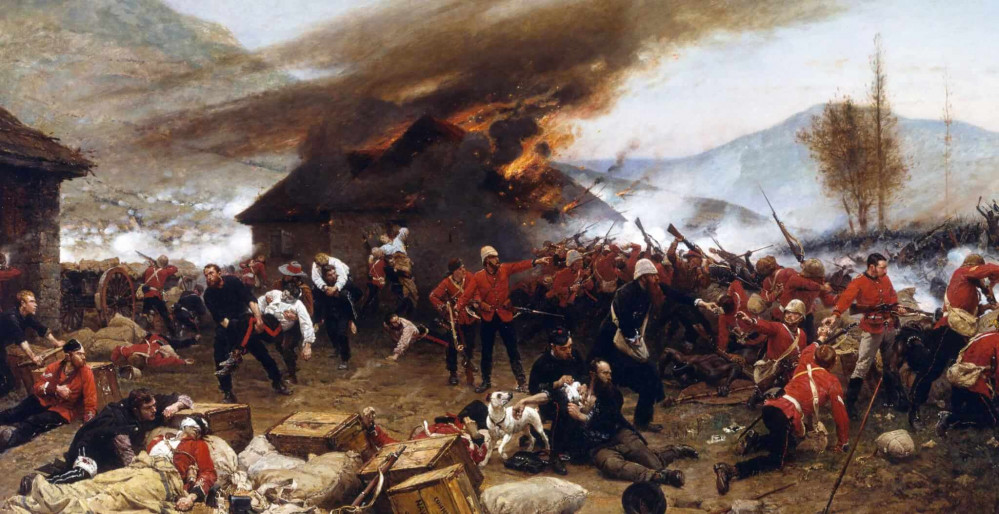
UNITS OF THE ZULU WAR 1879




Recommendations: 1005
About the Project
A look at some of the varied units that took part in the Zulu War of 1879. When we think of this war we think or red coats but there were many units involved that are often over looked. In this this project I will take a look at some of these less familiar forces that took part in the conflict.
Related Game: Black Powder
Related Genre: Historical
This Project is Completed
INTERLUDE
Some holiday snaps at the battlefields. I found Isandlwana to be a very moving sight littered with the white cairns marking the burial sights of the fallen. The men were buried were they fell so you get an interesting perspective of how the battle flowed. The larger the cairn the more bodies are buried beneath so you can see where the last stands took place.
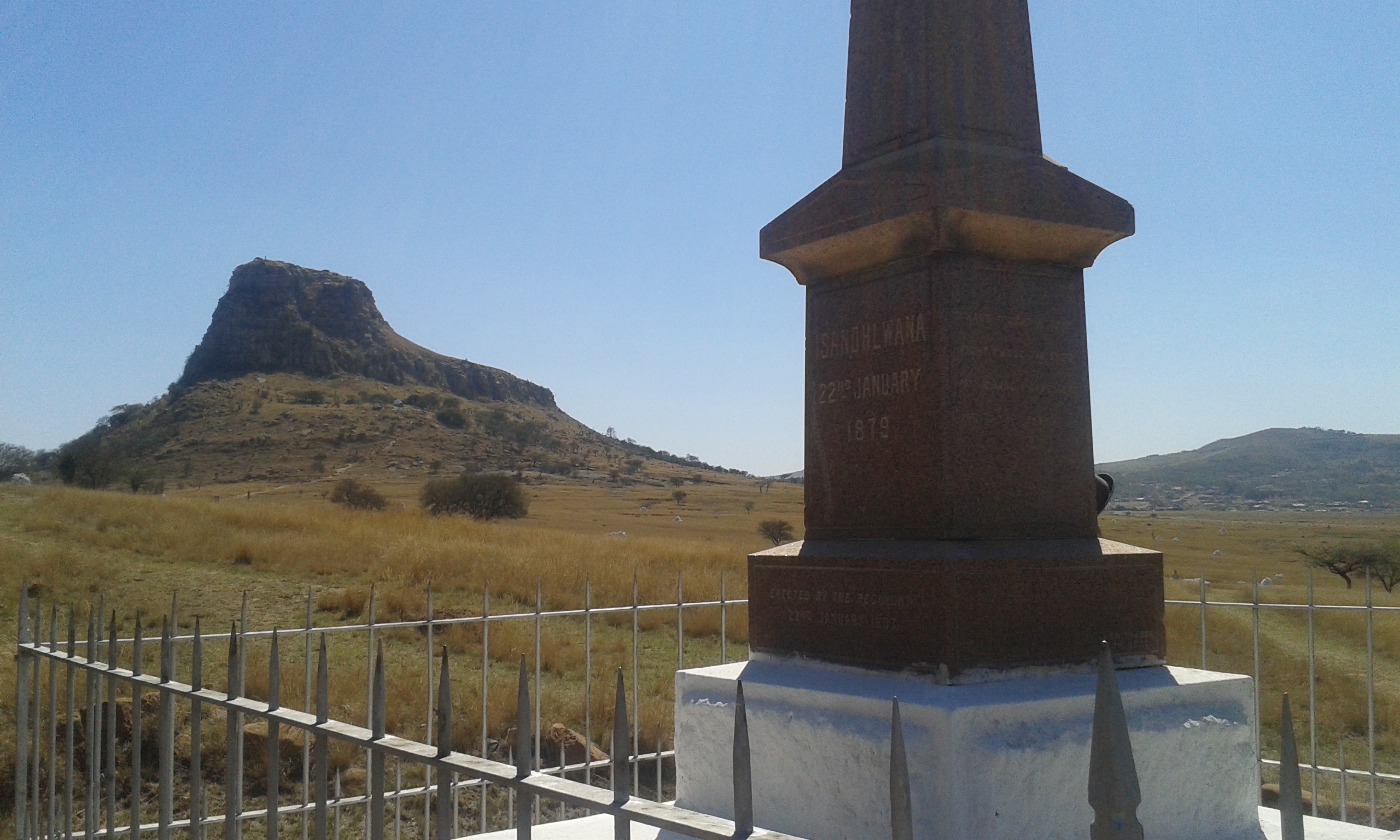
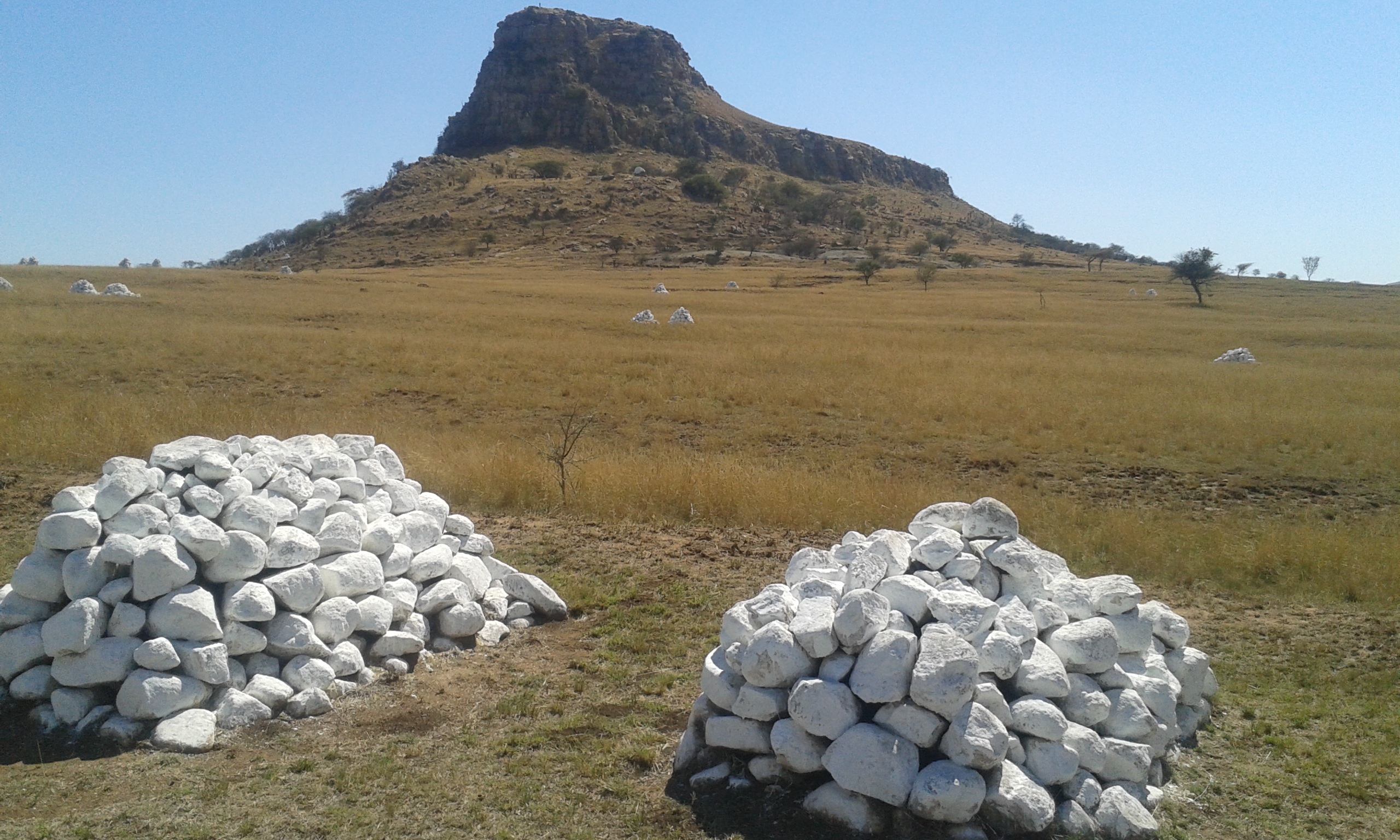
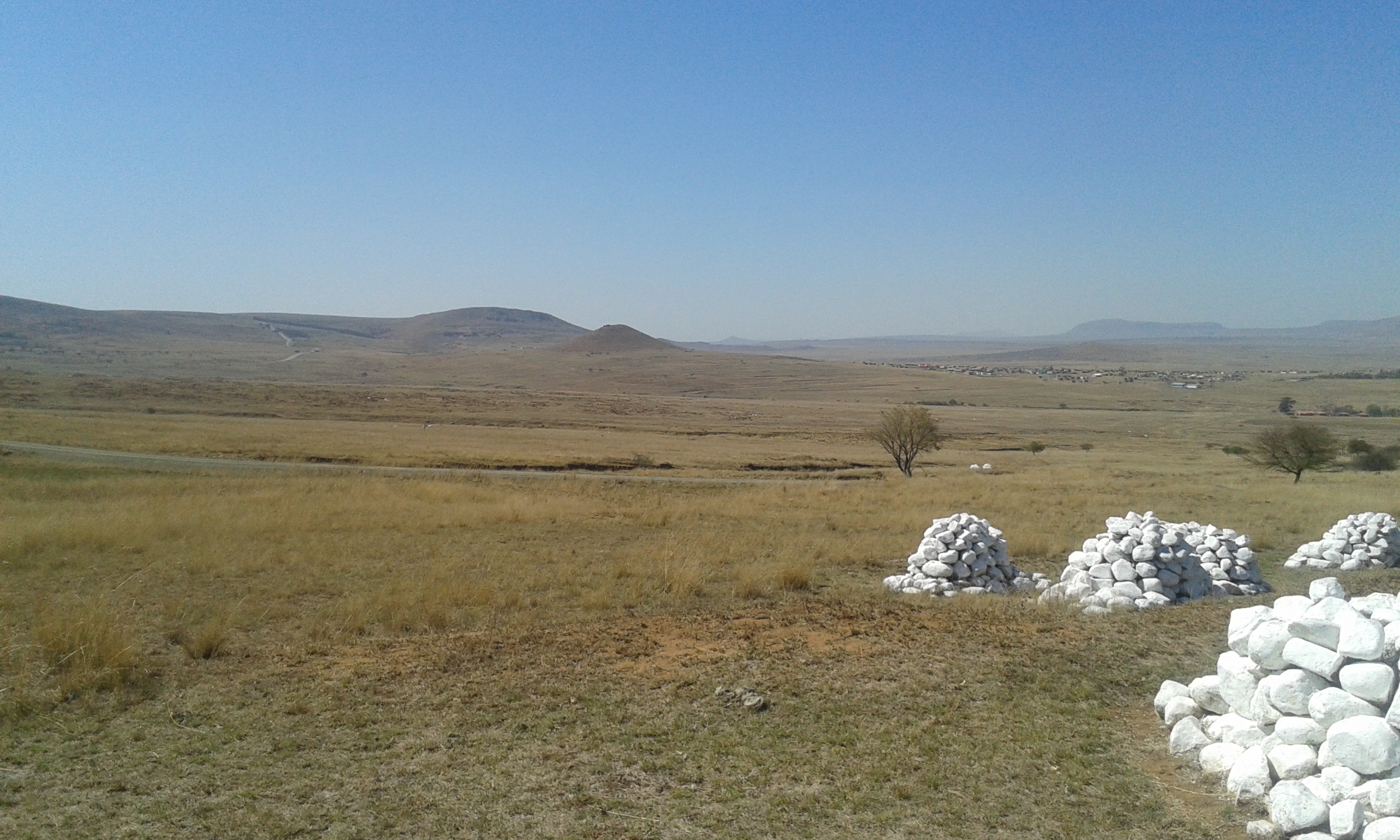
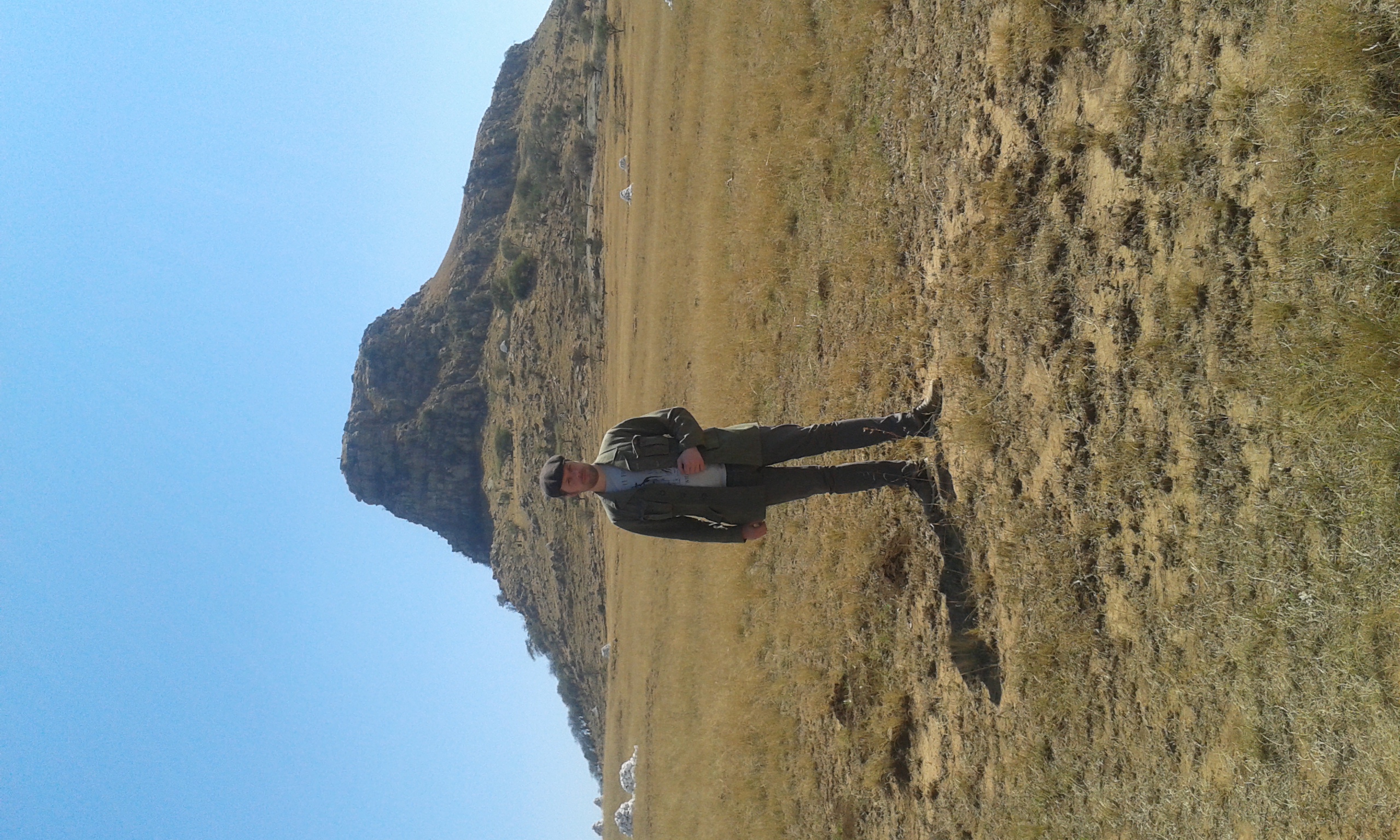
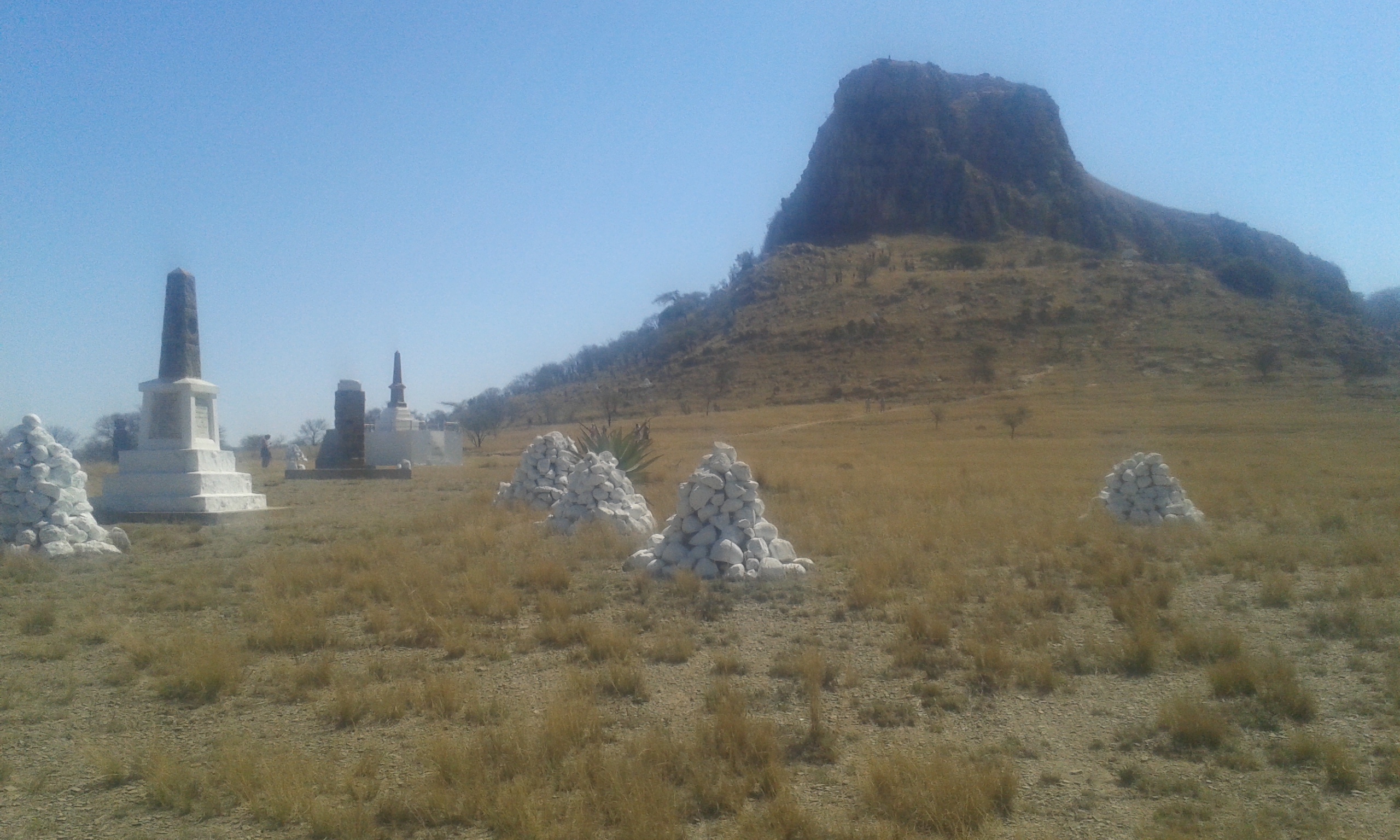
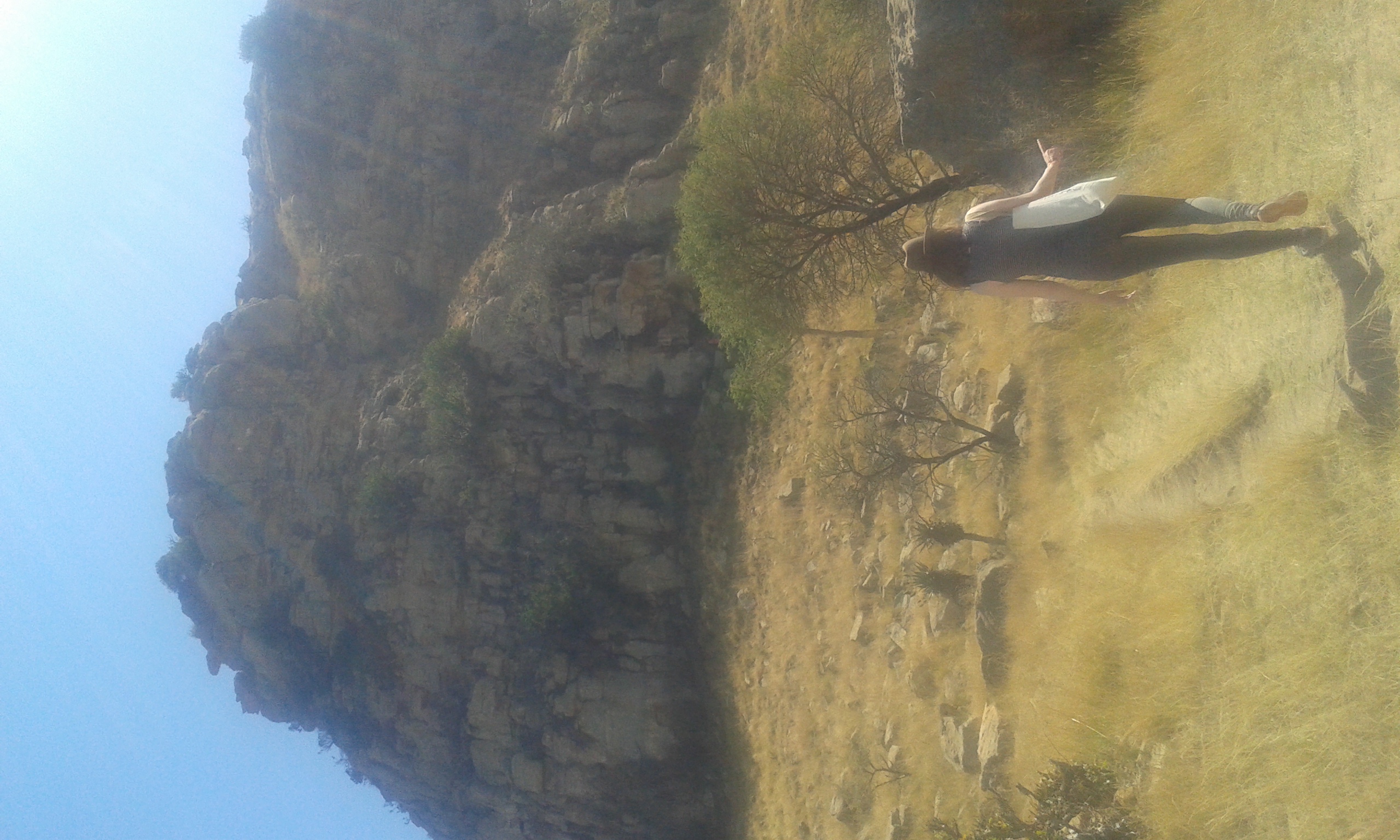 Up the rock slope to the cave where one wounded redcoat took shelter and may have been the last soldier to be killed.
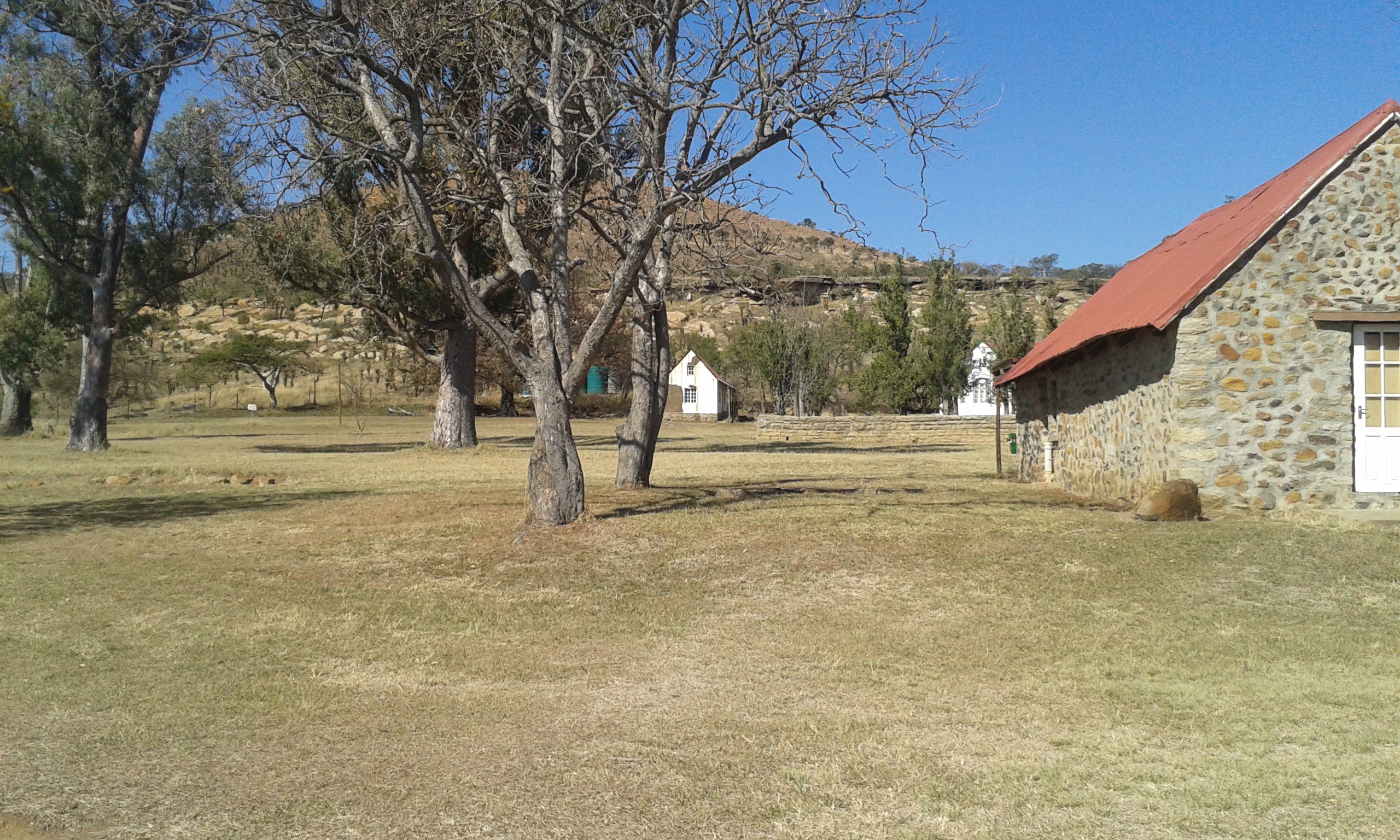
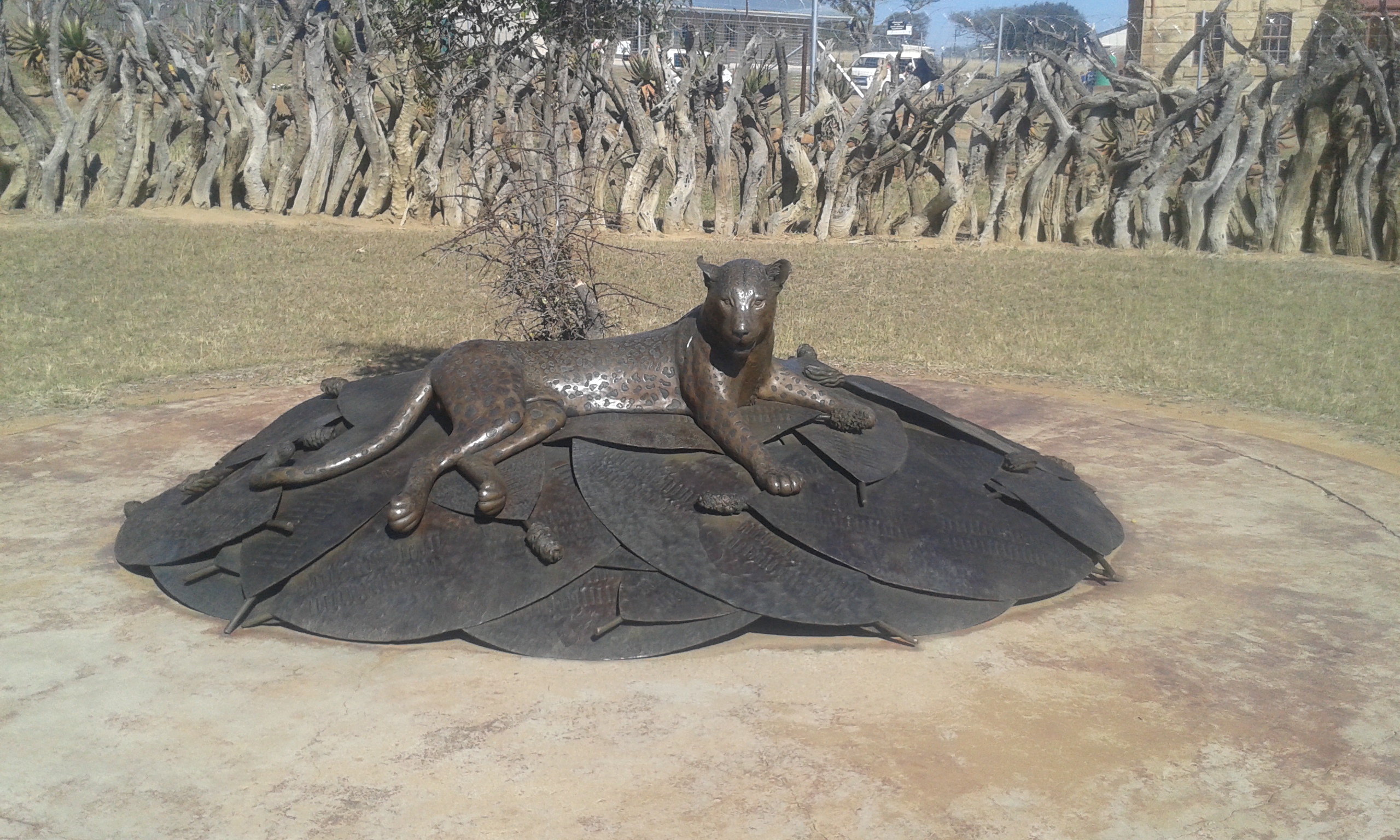
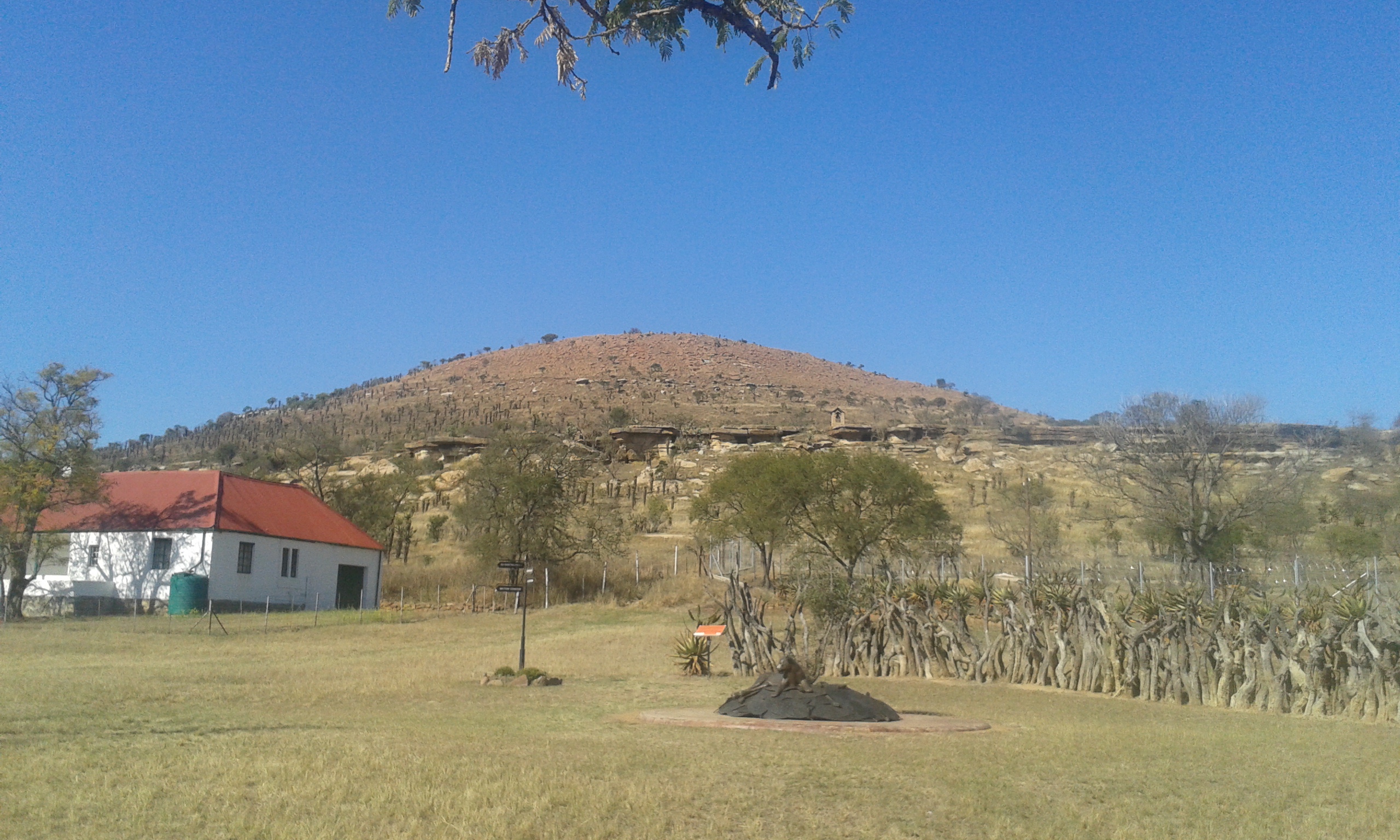

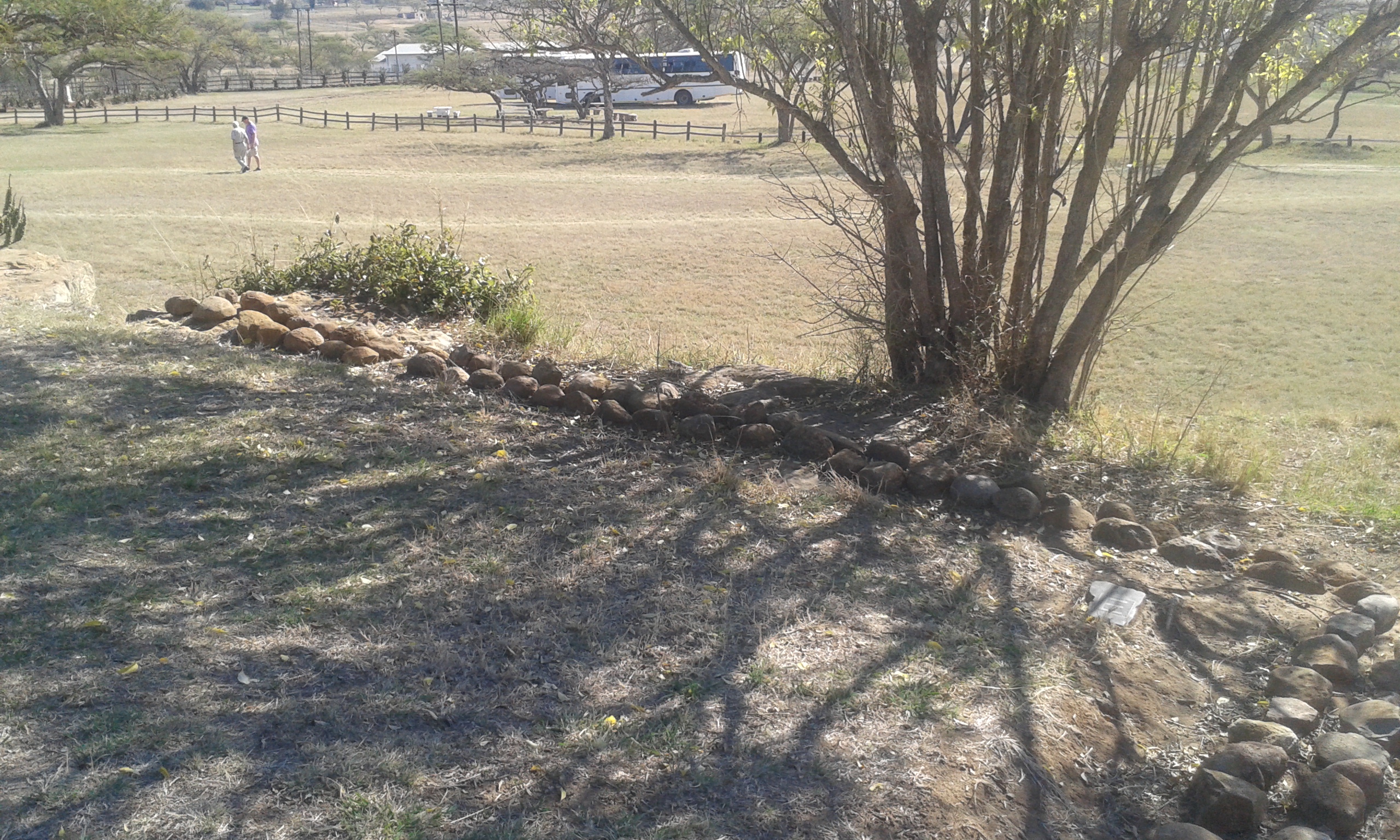

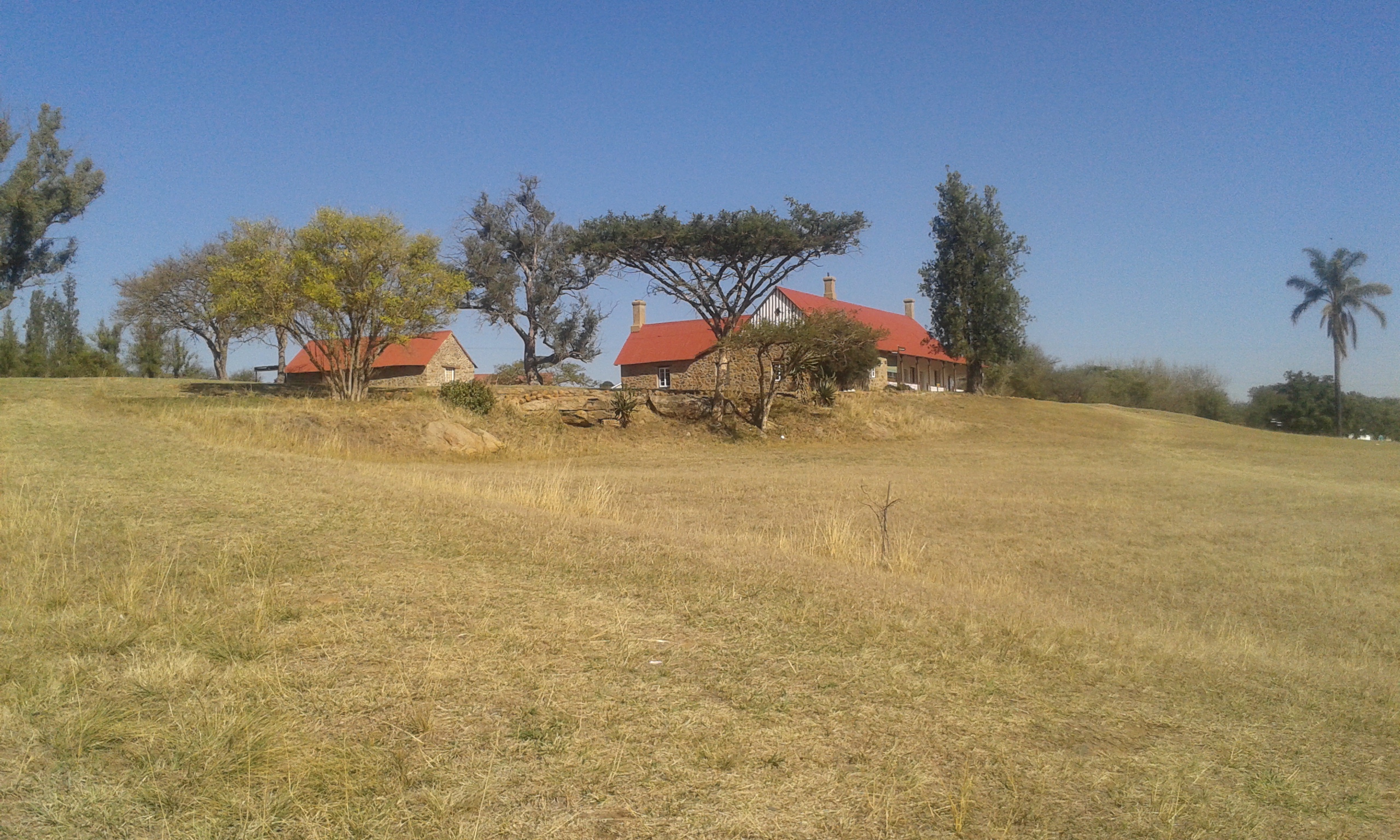
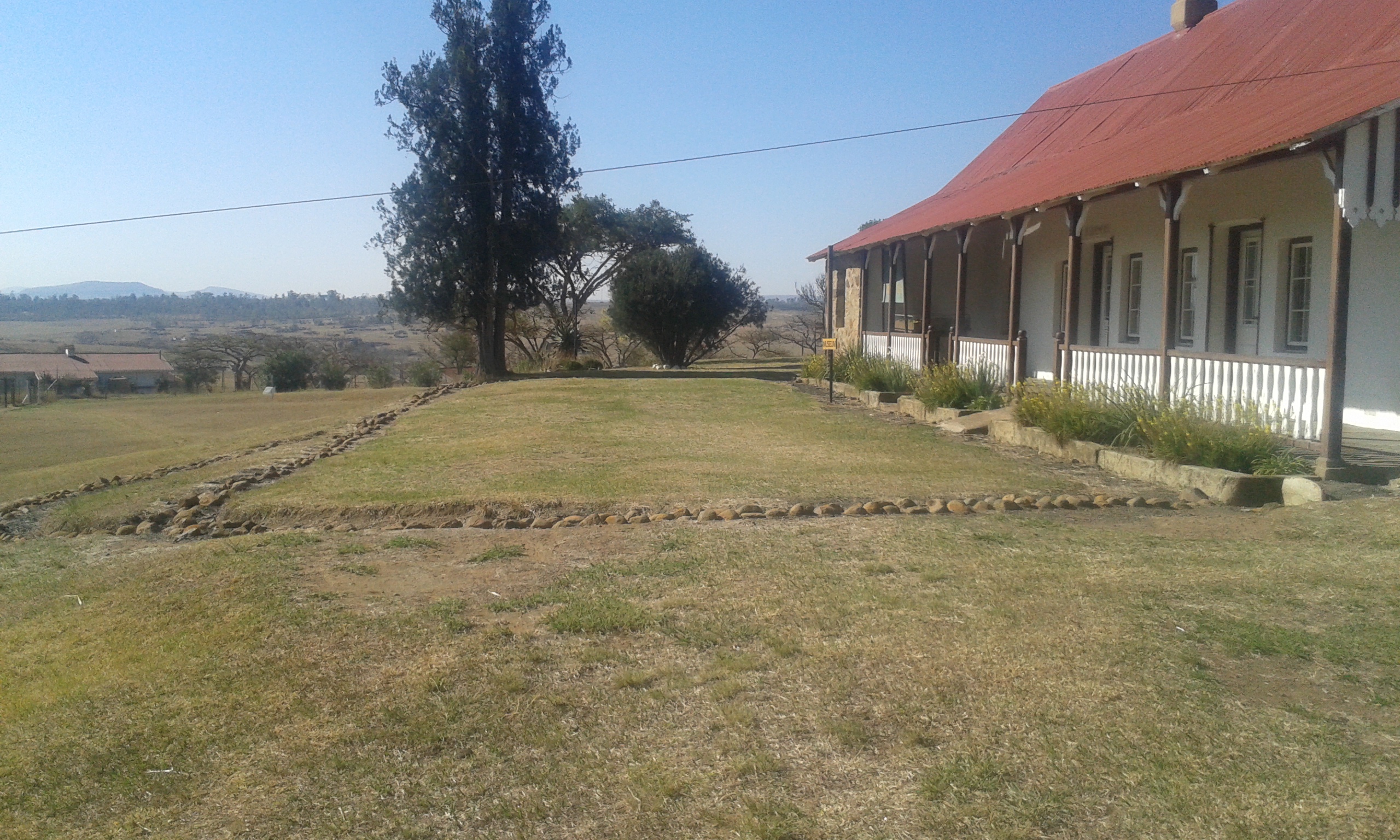
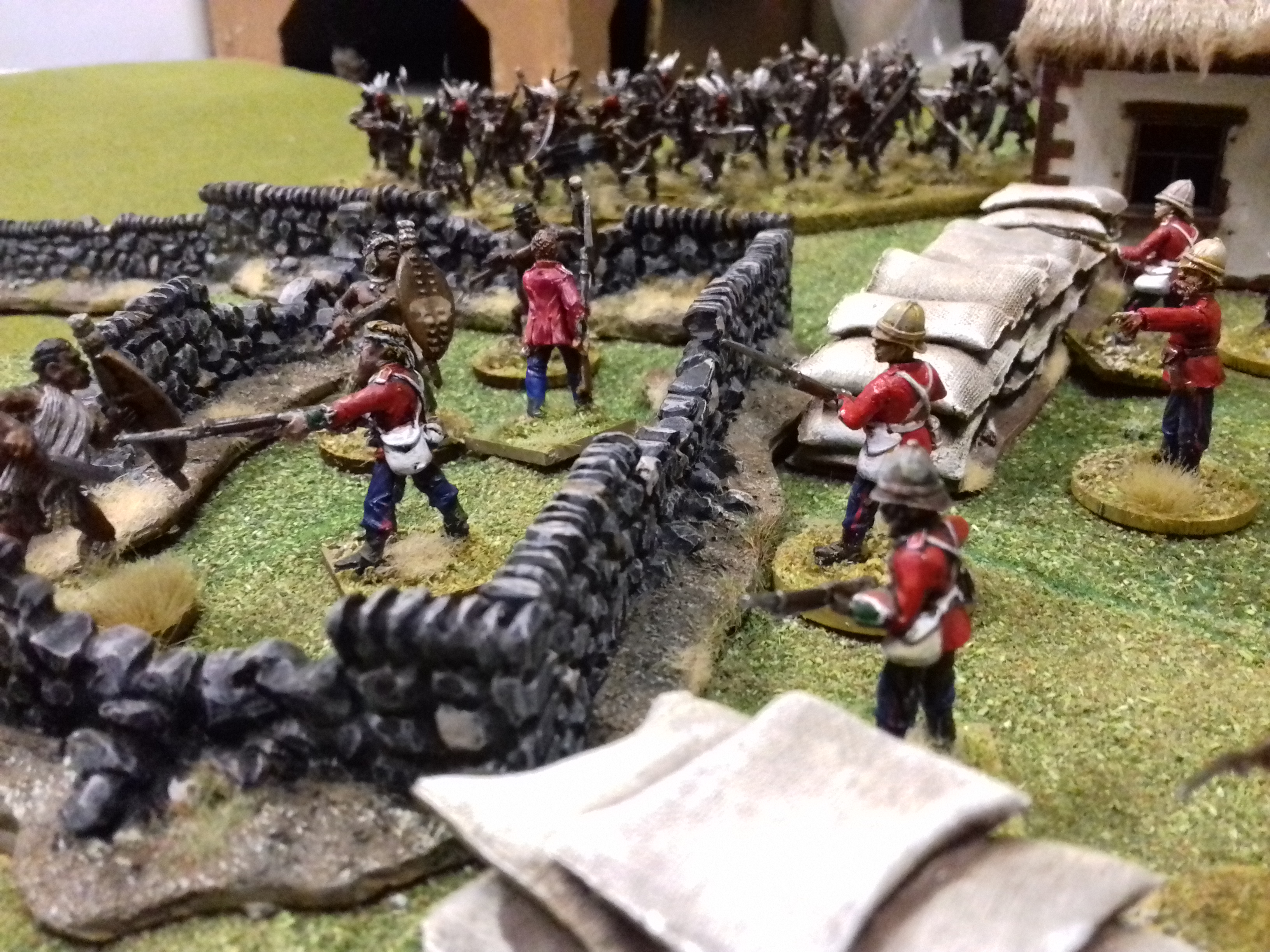 Zulus in the kraal
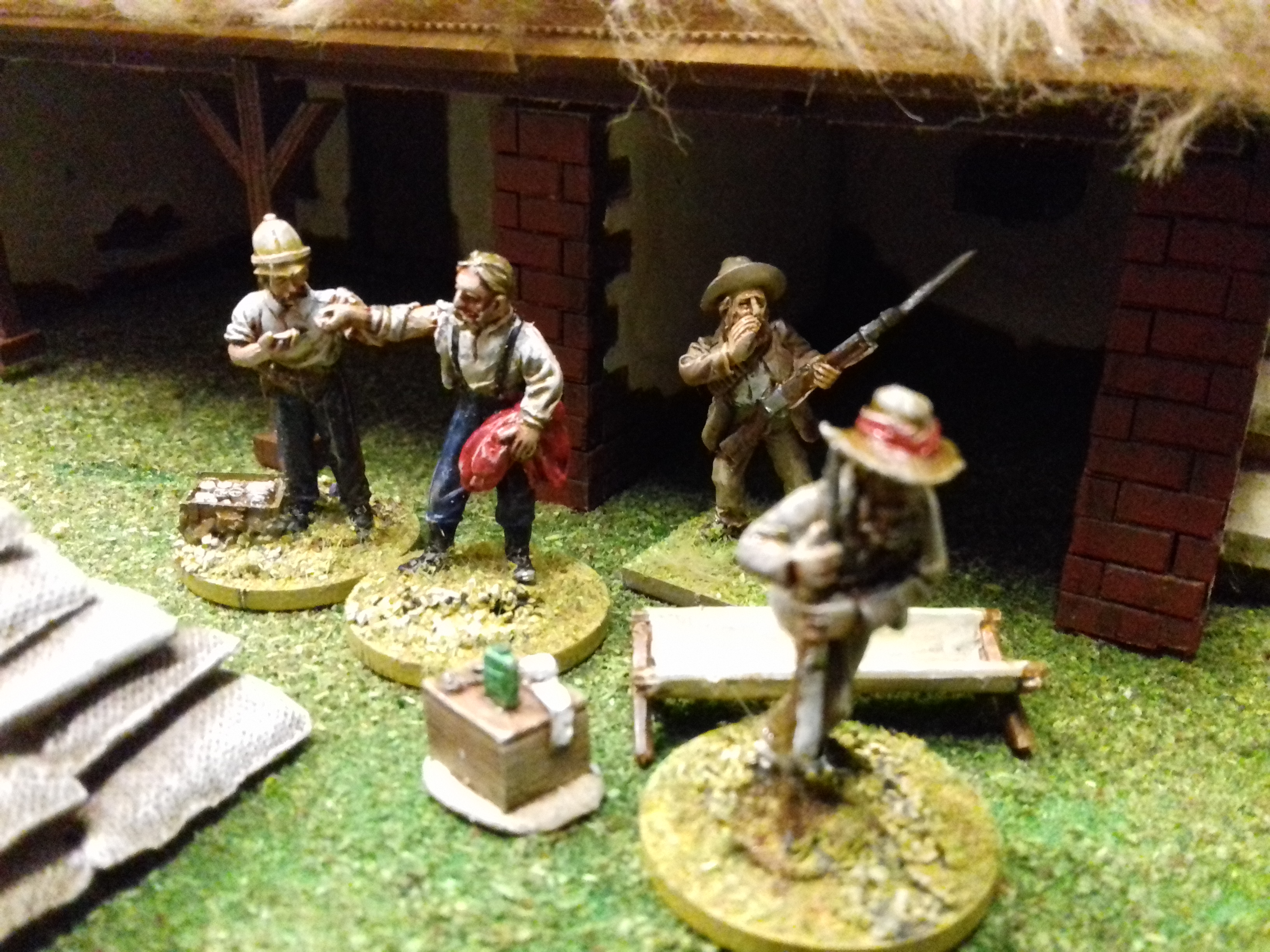 Surgeon Renalds see's to casualties
 In the redoubt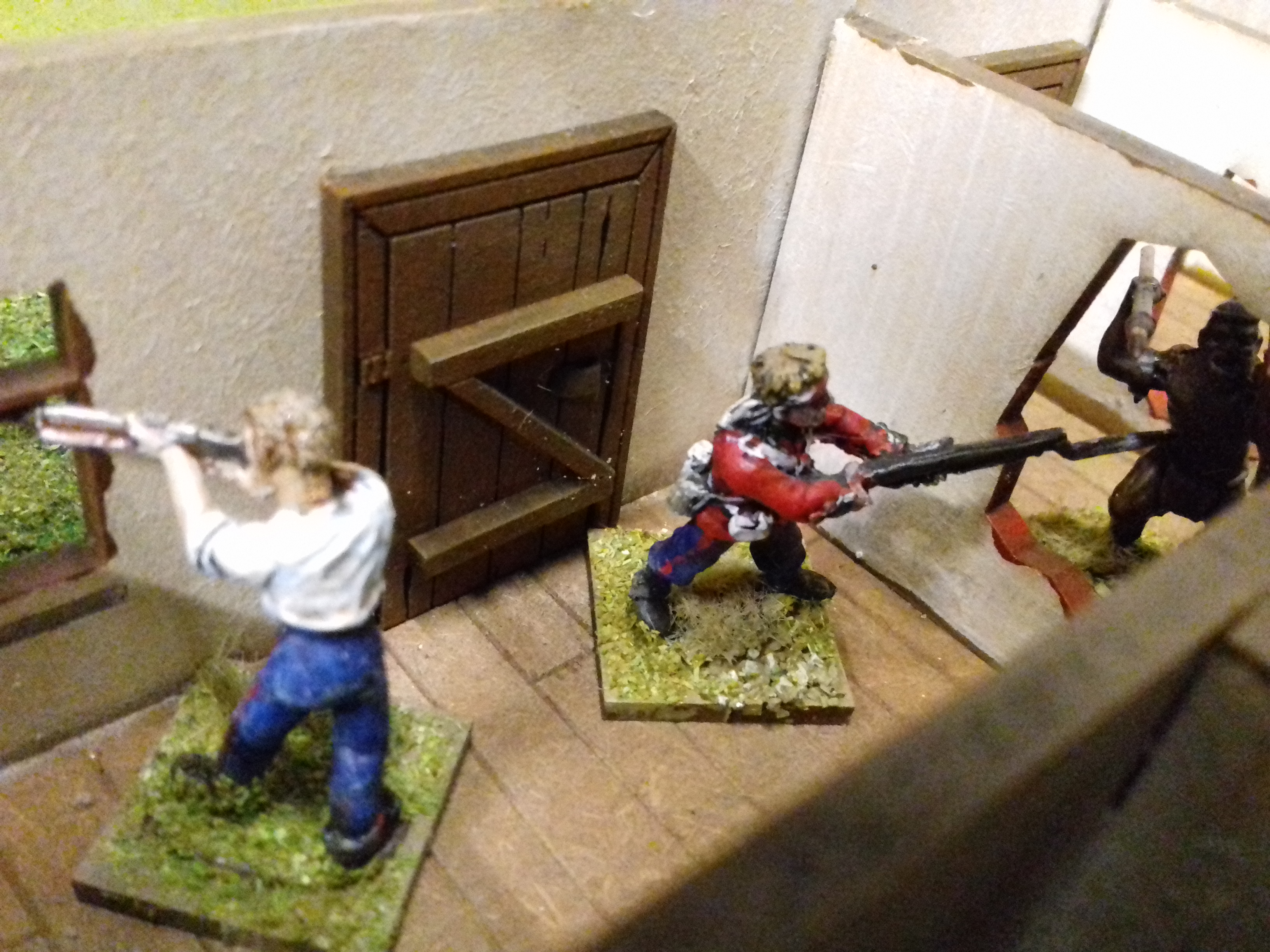
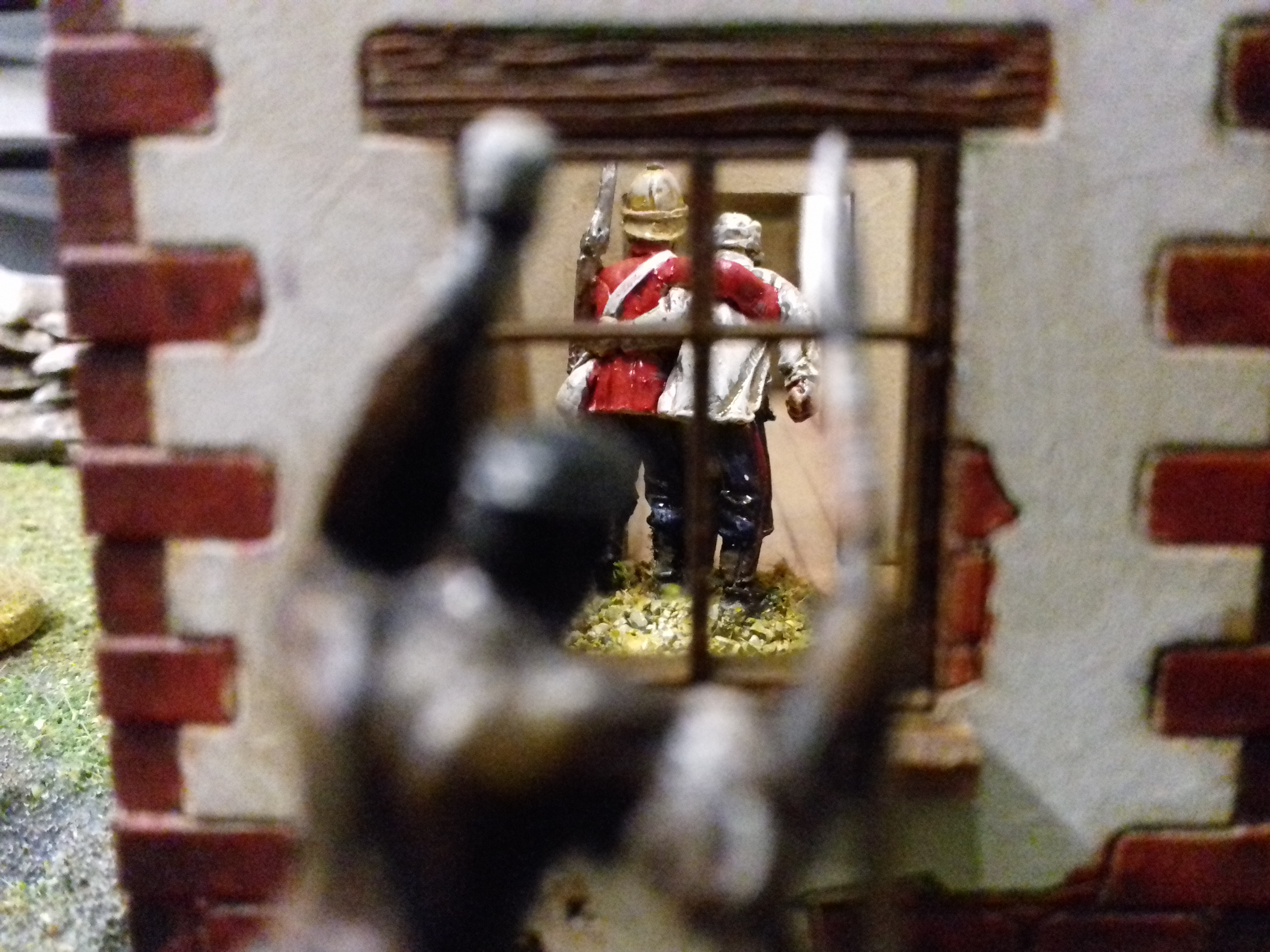
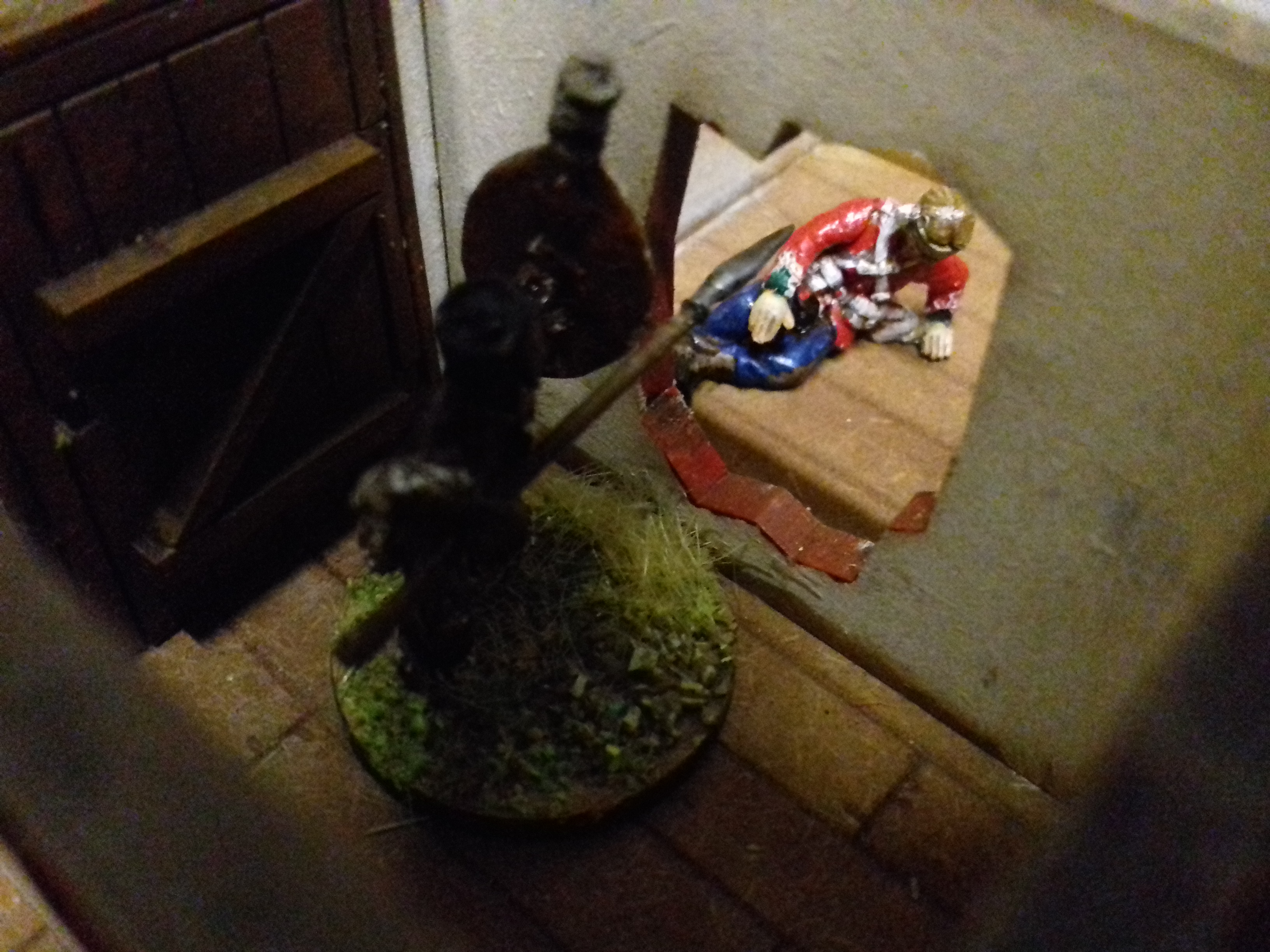
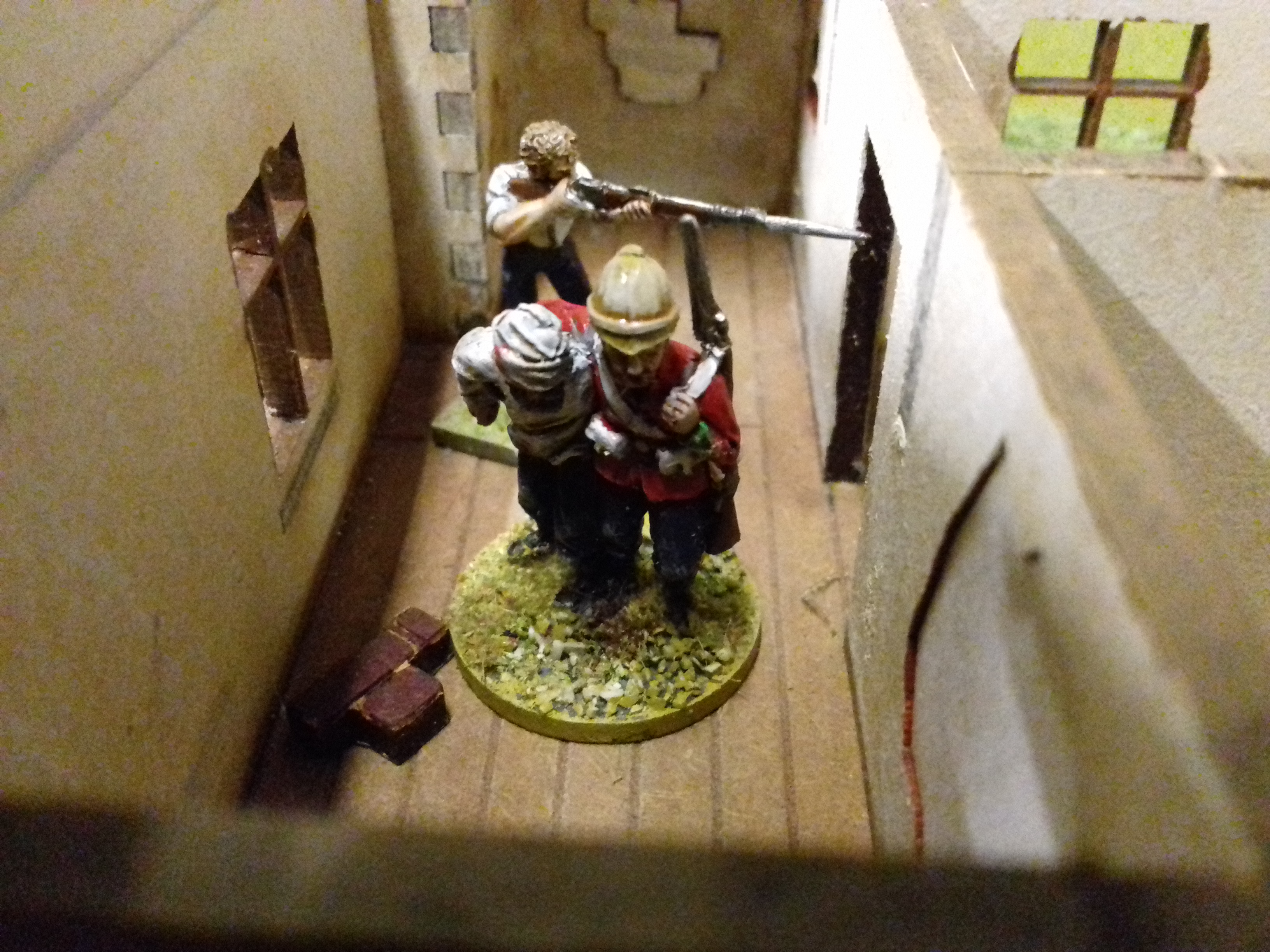
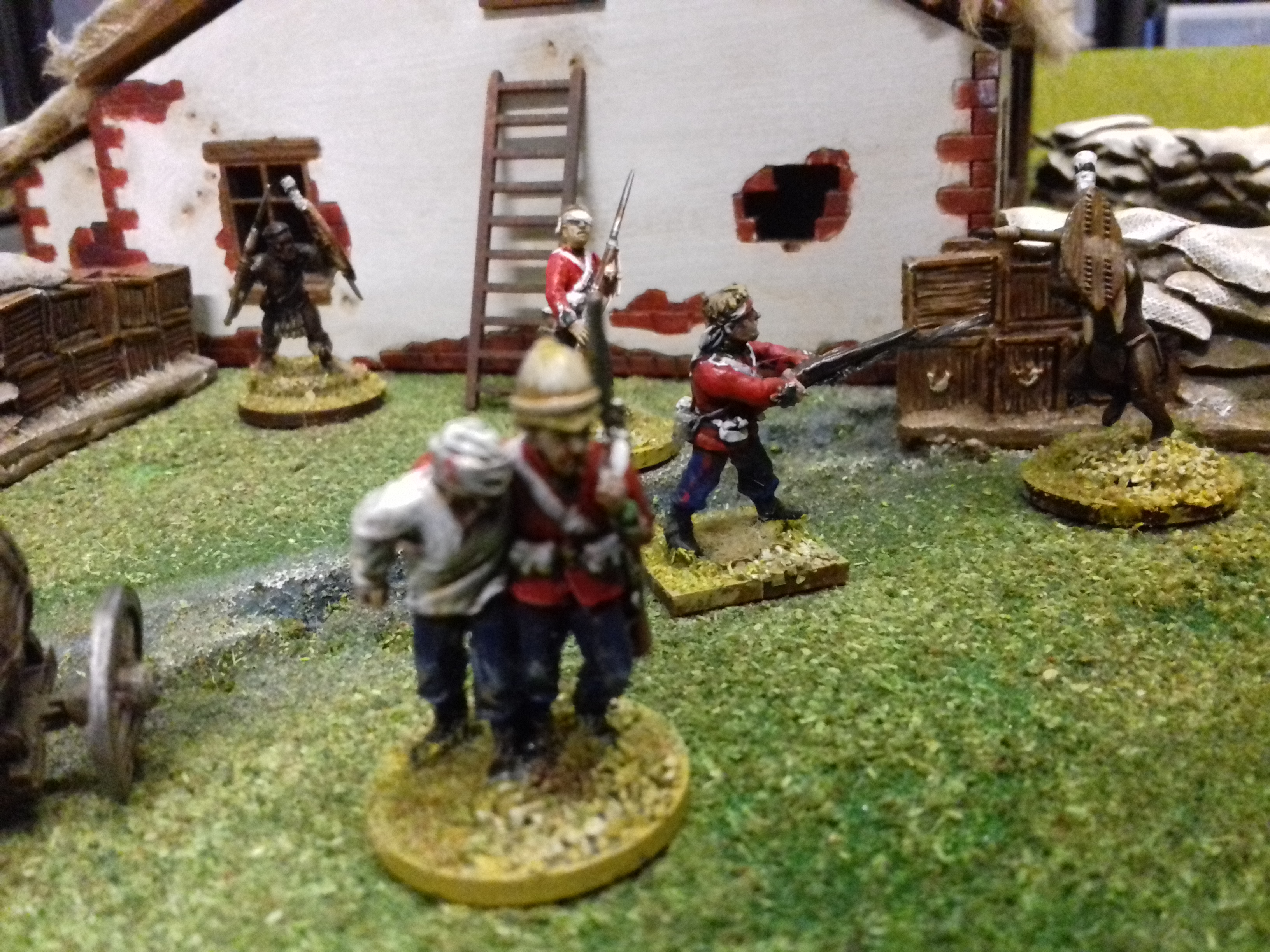 Hook saving some lives
WOODS IRREGULARS
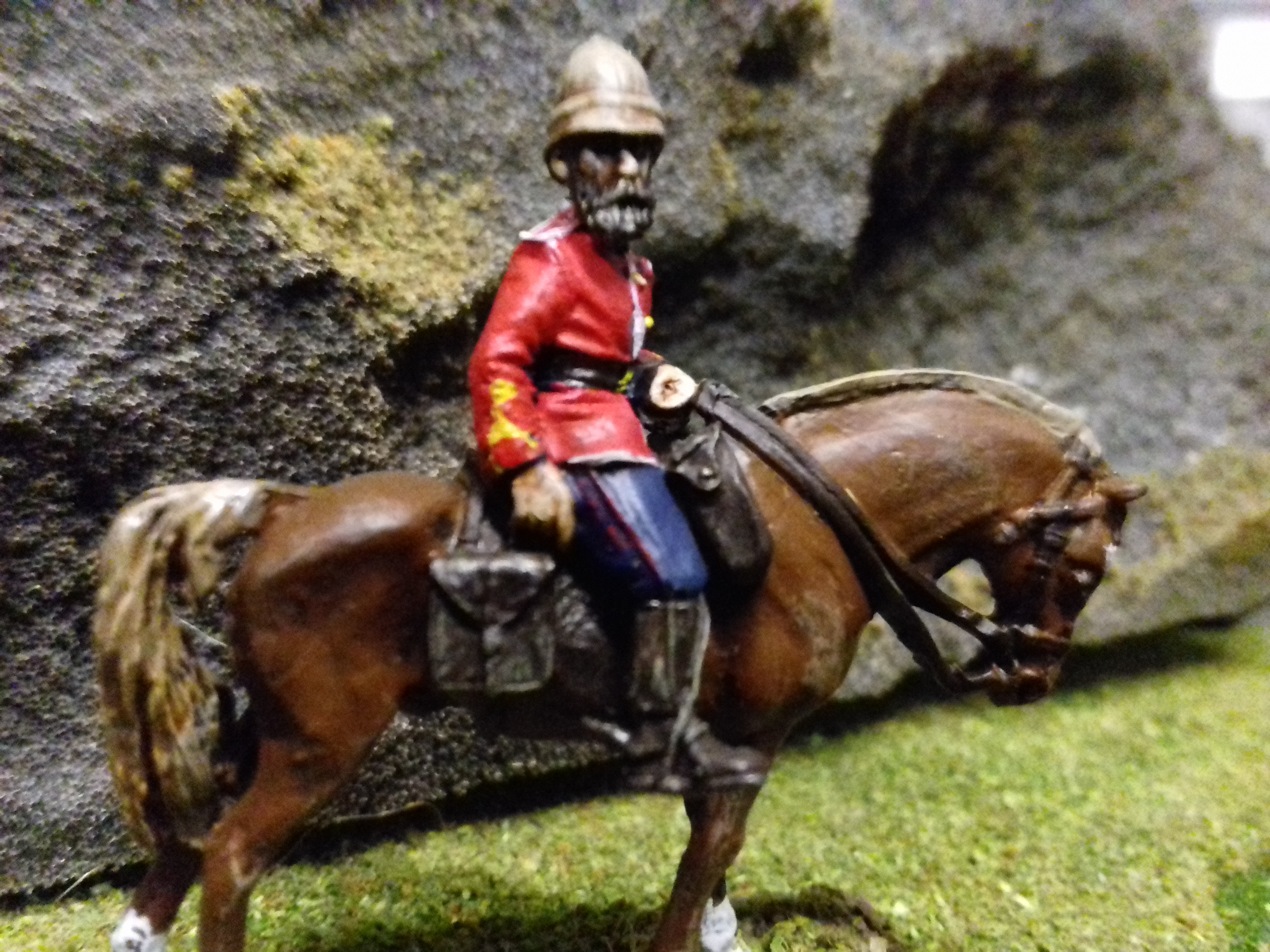 Colonel Wood commander of number 4 column.
Colonel Everlyn Wood commanded no.4 column and raised over 1000 men from the south eastern Transvaal. Most were Swazi tribesmen but their ranks later swelled by Zulu defectors. These men took part in the battles of Hlobane some at Khambula and Ulundi. Many irregulars wore full Swazi regalia including very impressive ostrich feathers. Some converted Zulu warriors could do on the table top. Firearms were restricted to one in every hundred and wore a strip of cloth like the NNC to identify them. 50 Irregulars were recruited as scouts and dressed in old Dragoon tunics. Apparently they were the only uniforms that would fit. These scouts were attached t0 the 90th regiment, 6 men to each company and served to the end of the war. The only occasion I can think of when native troops wore red coats along side the line infantry.
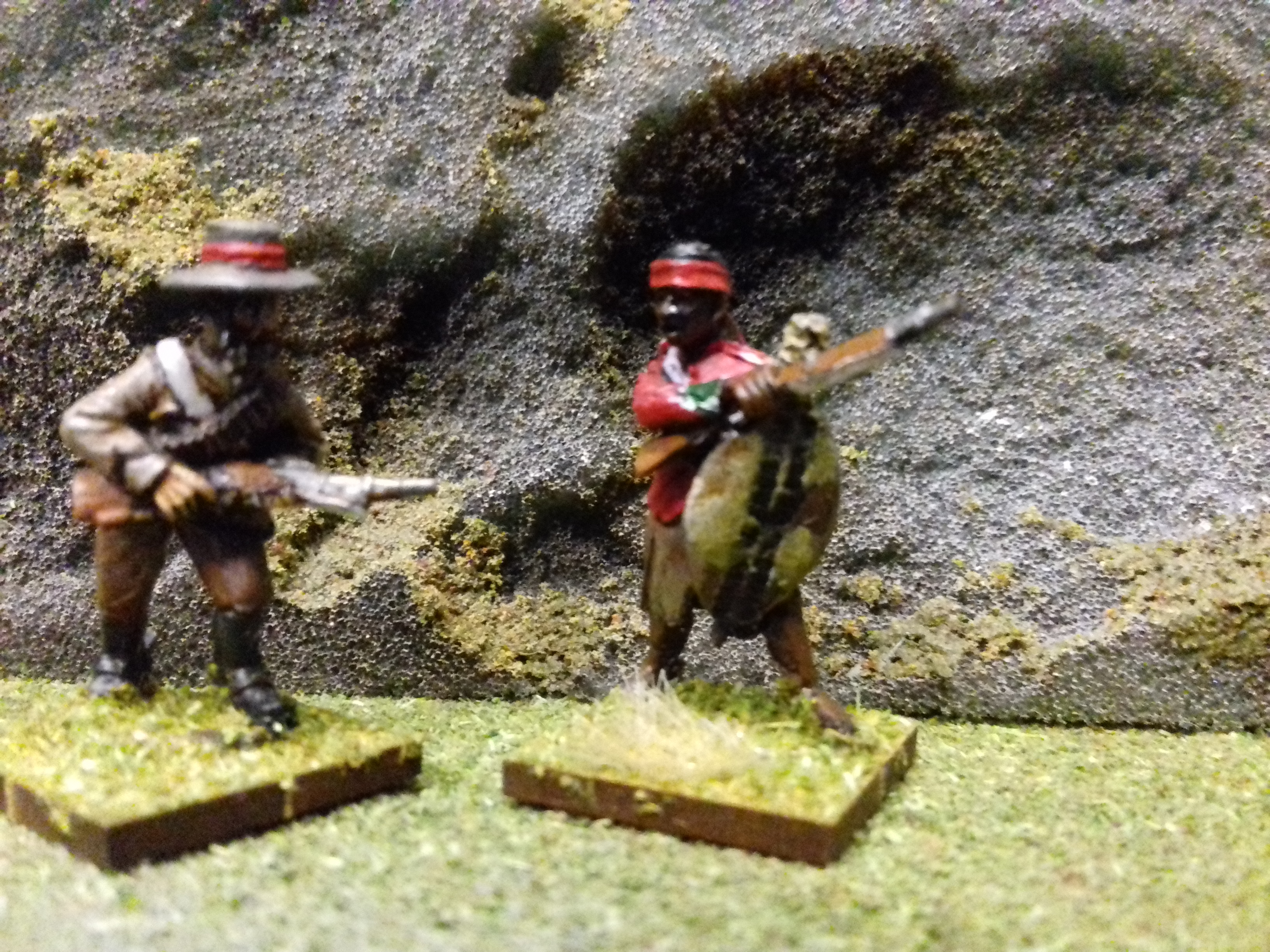
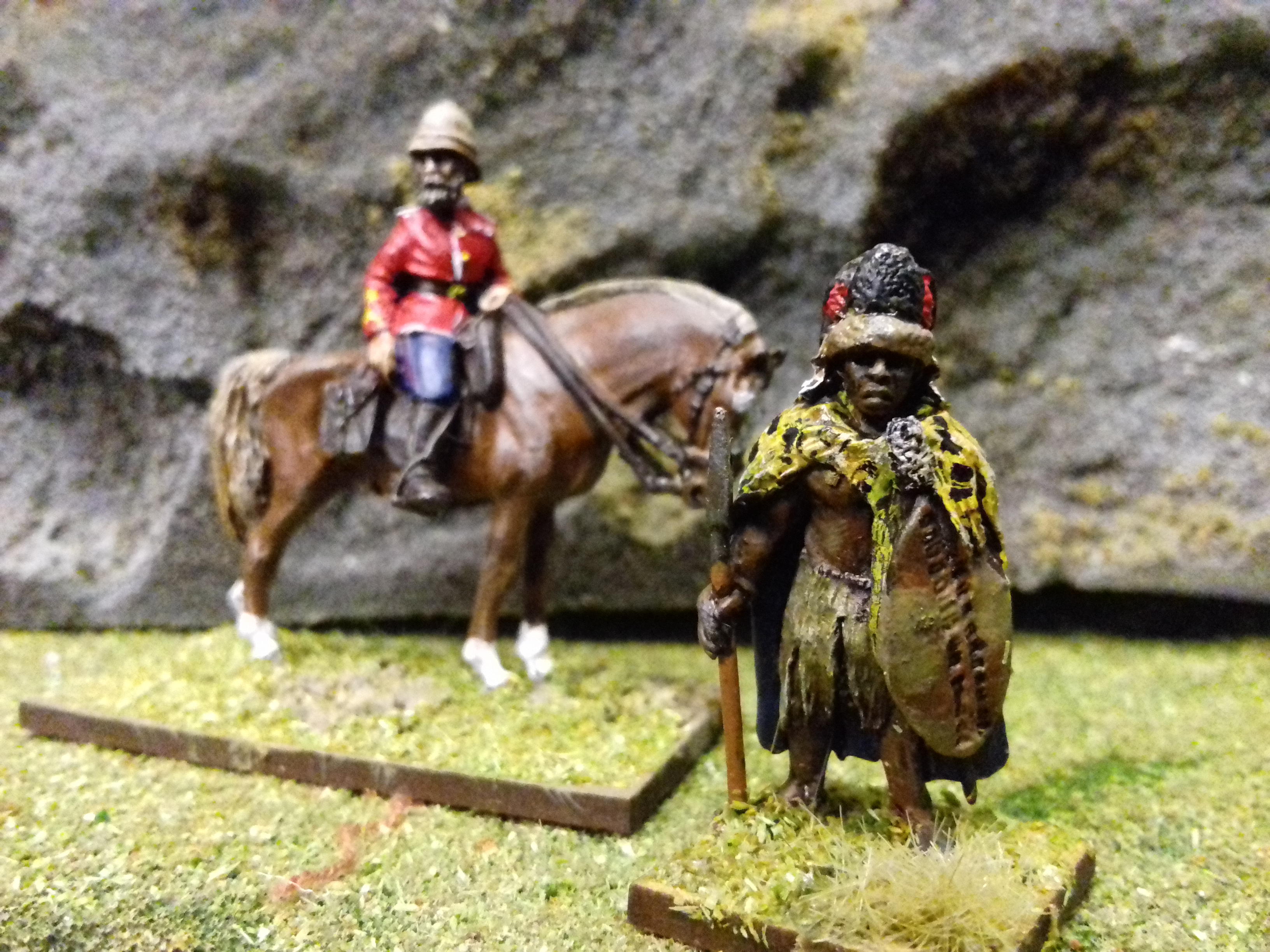
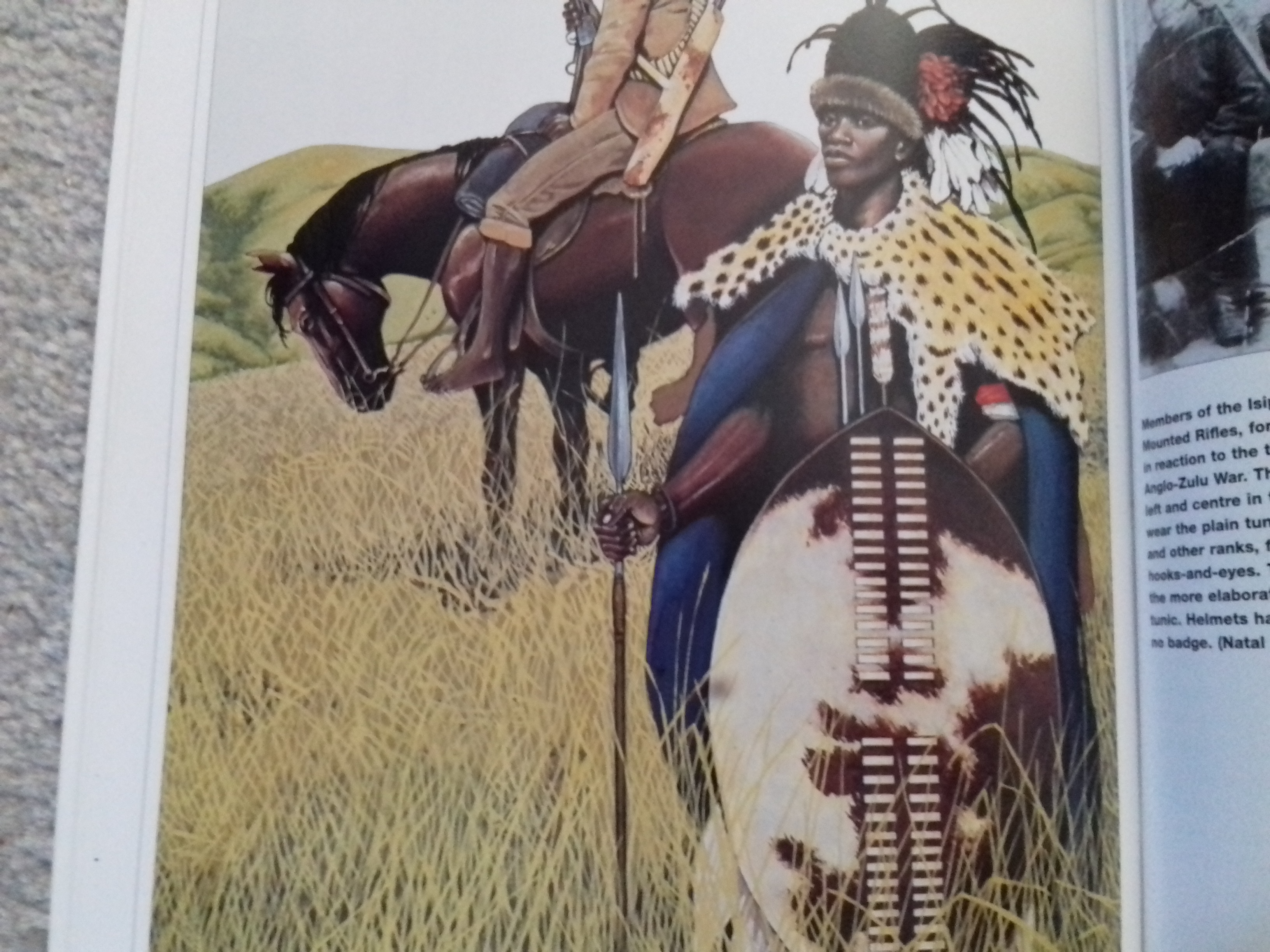

 Swazi Warrior
HALES ROCKETS
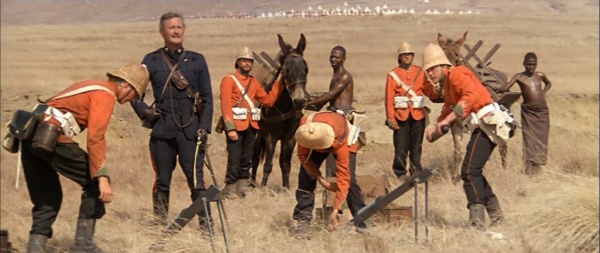 Zulu Dawn - Maj Russels Rocket Battery
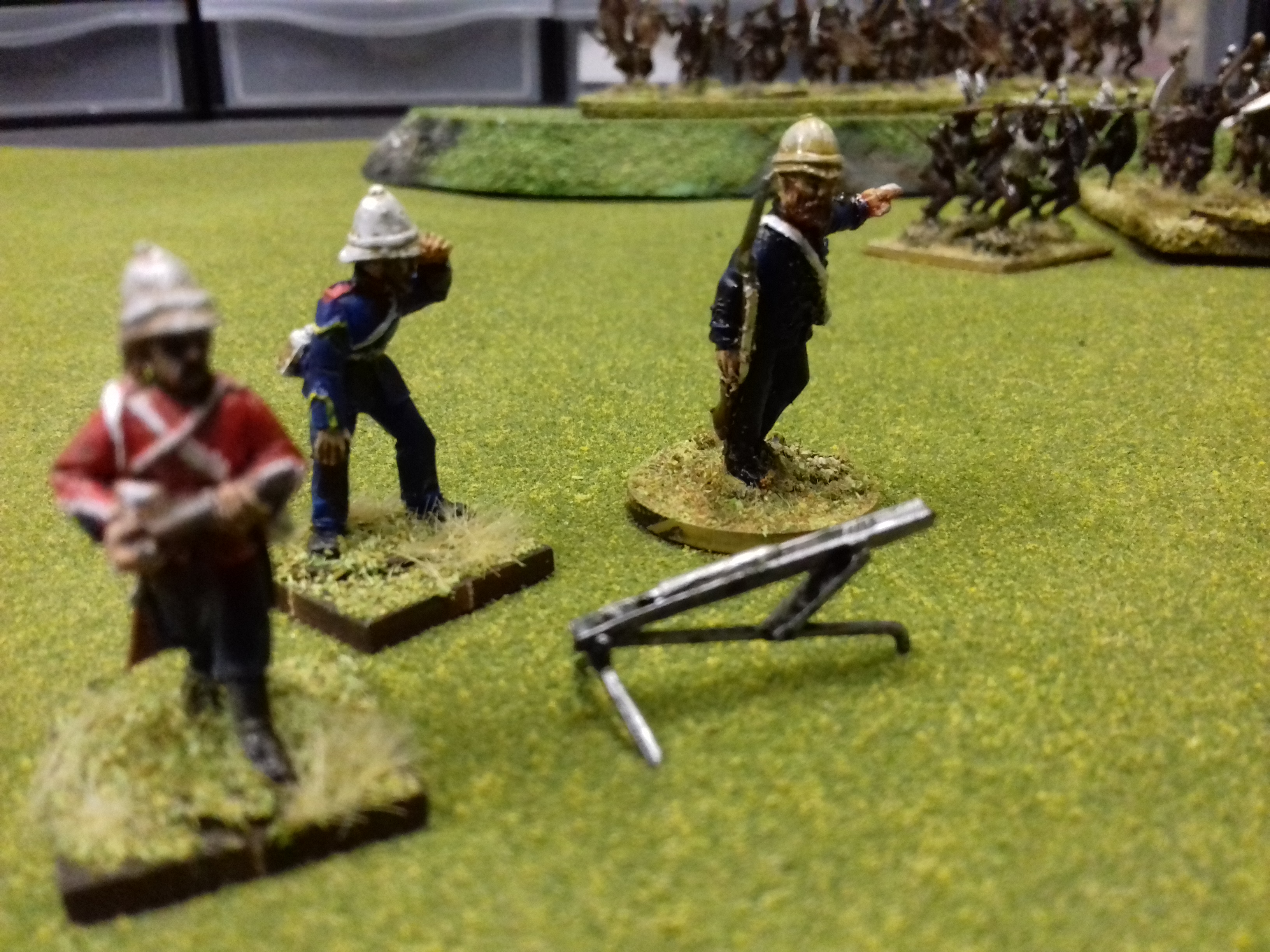
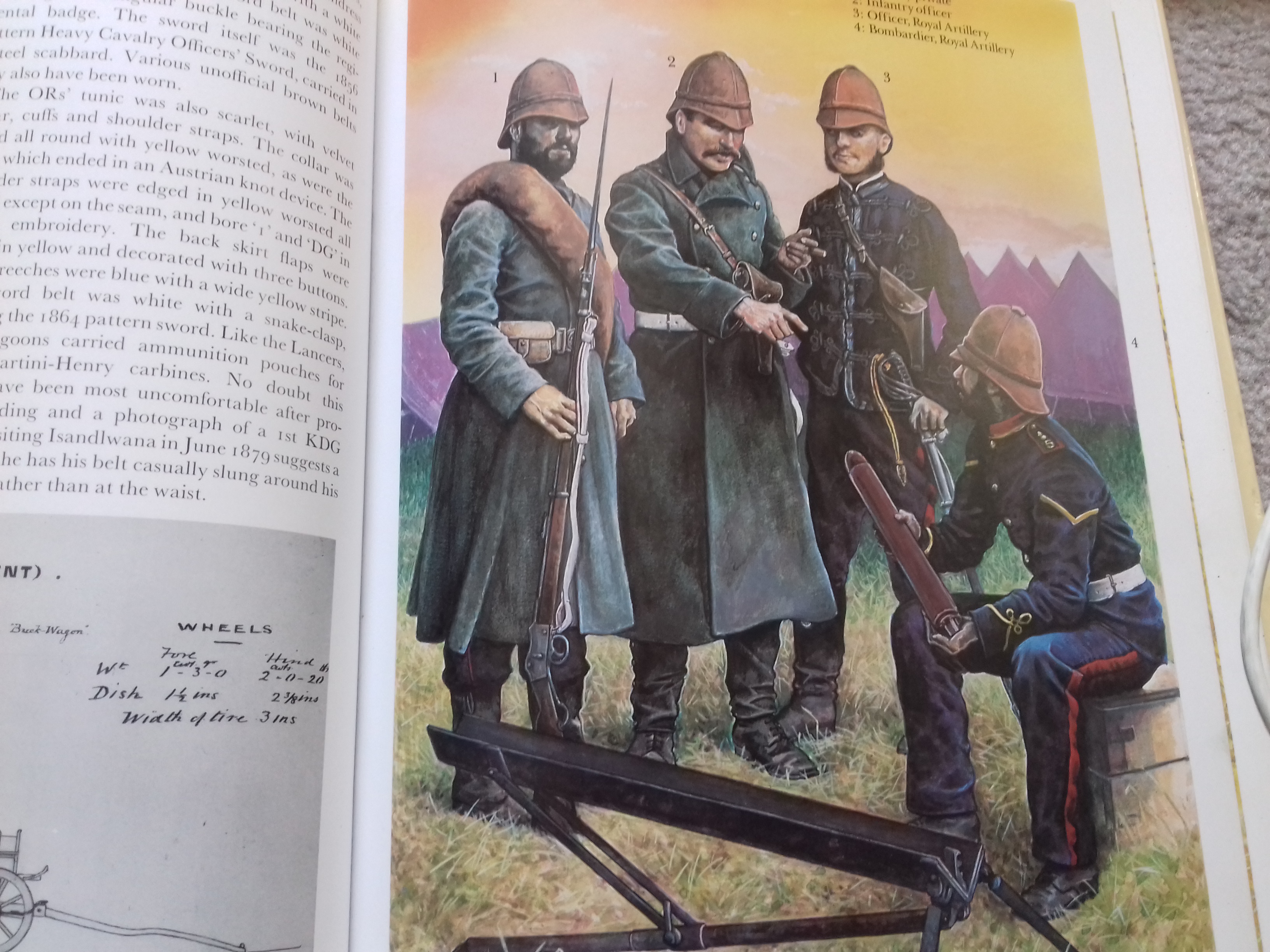
The Napoleonic stick rocket was replaced in 1867 by the Hale rocket. William Hale had sold his rockets to the United States who used them during the civil war before the British army took it on. The 9-pdr rocket spun in the air thanks to three vents at the rear of the rocket. It was launched from a metal trough but could still be very inaccurate. At Isandlwana Major Russel attached to Durnfords no.2 column operated three rocket troughs maned by eight infantryman from the 24th regiment. They were caught out in the open and managed to fire a single rocket before being over run and wiped out by the fast moving Zulus.
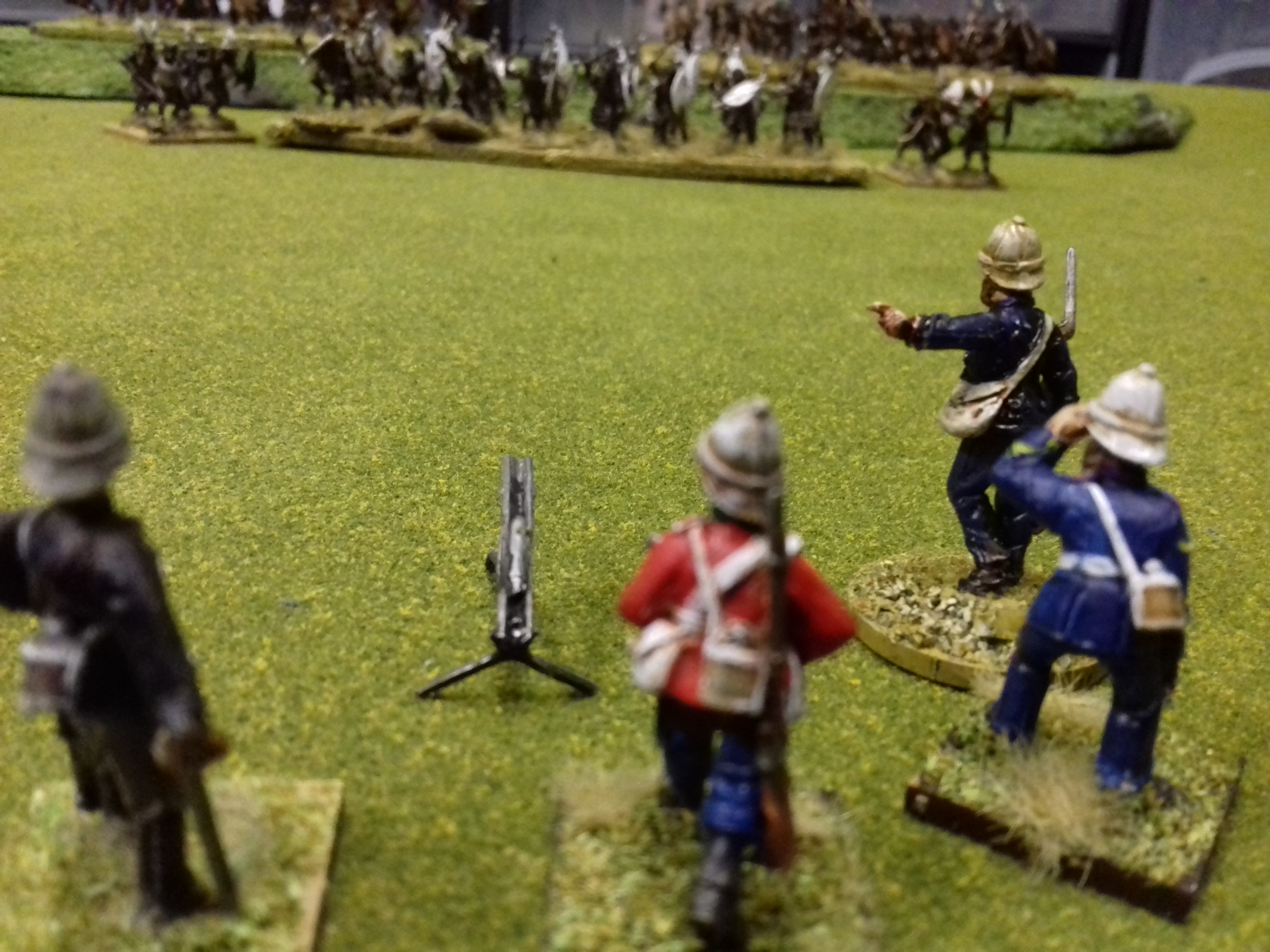

80th Regiment of Foot
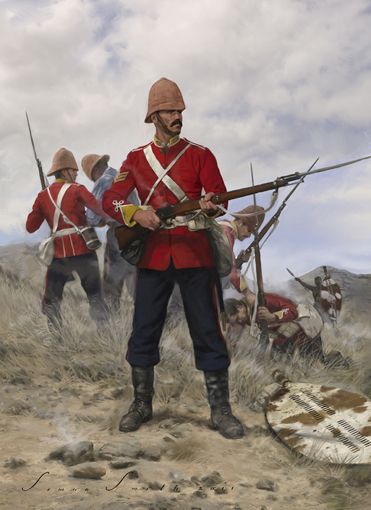
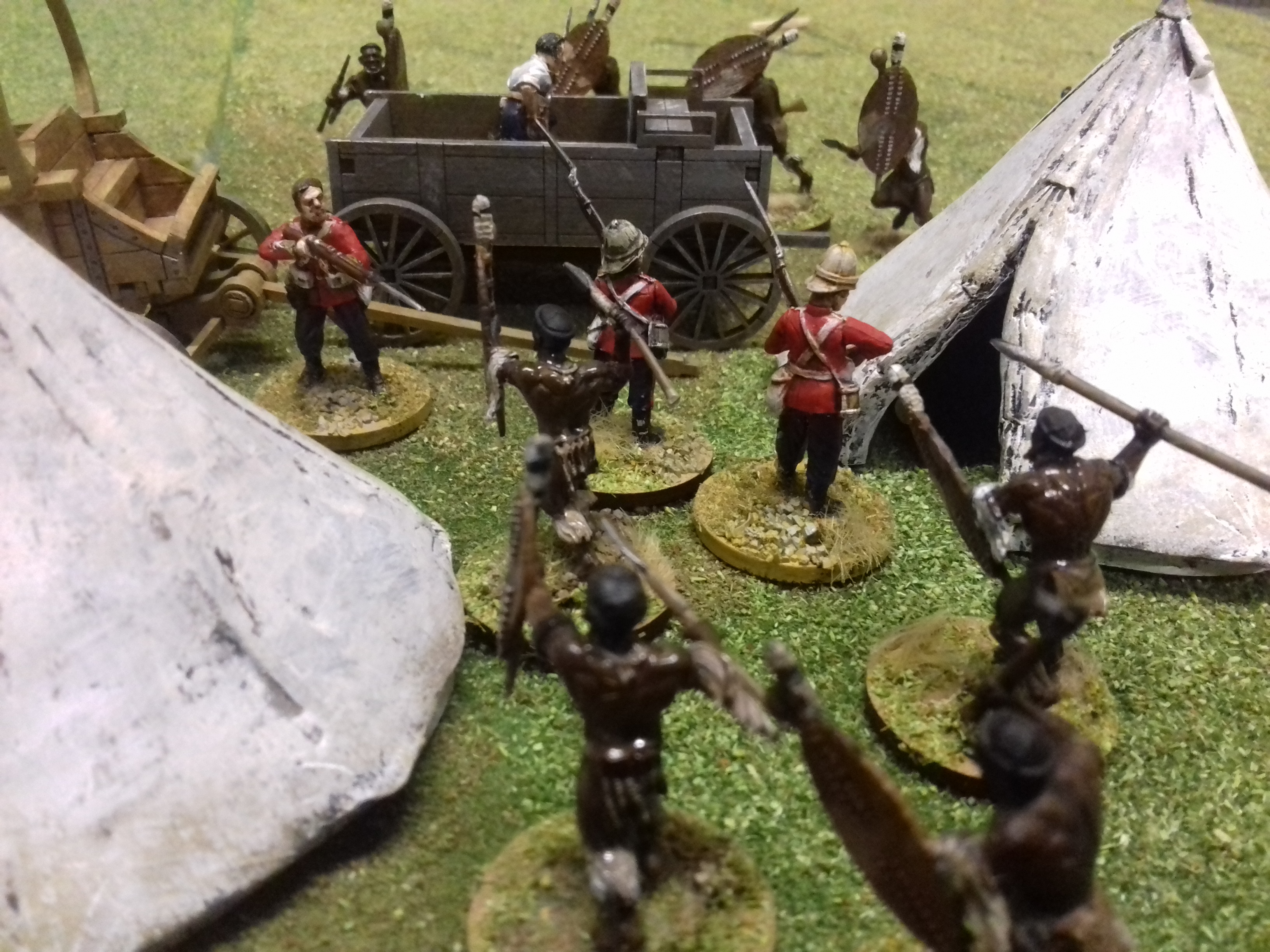
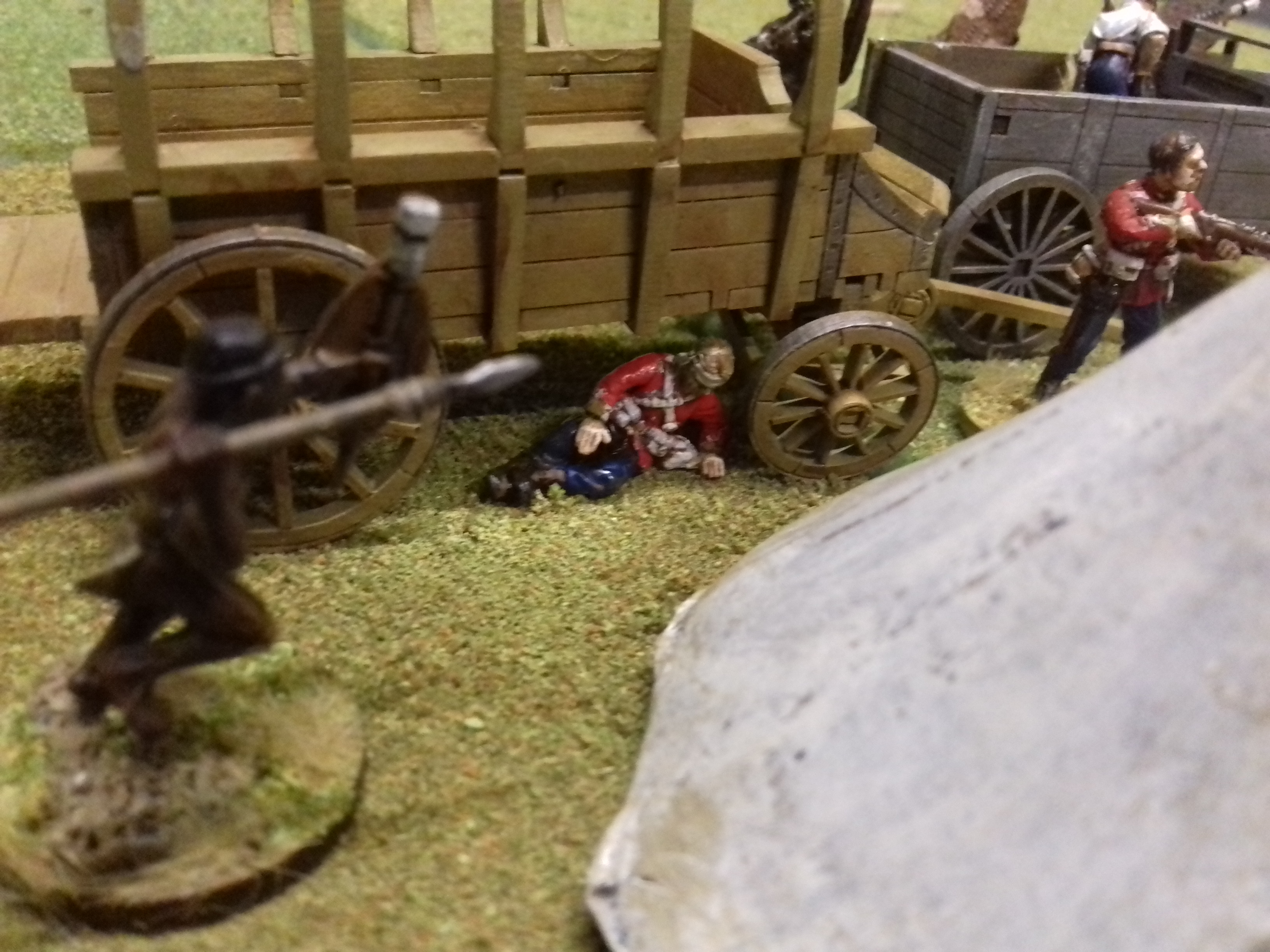
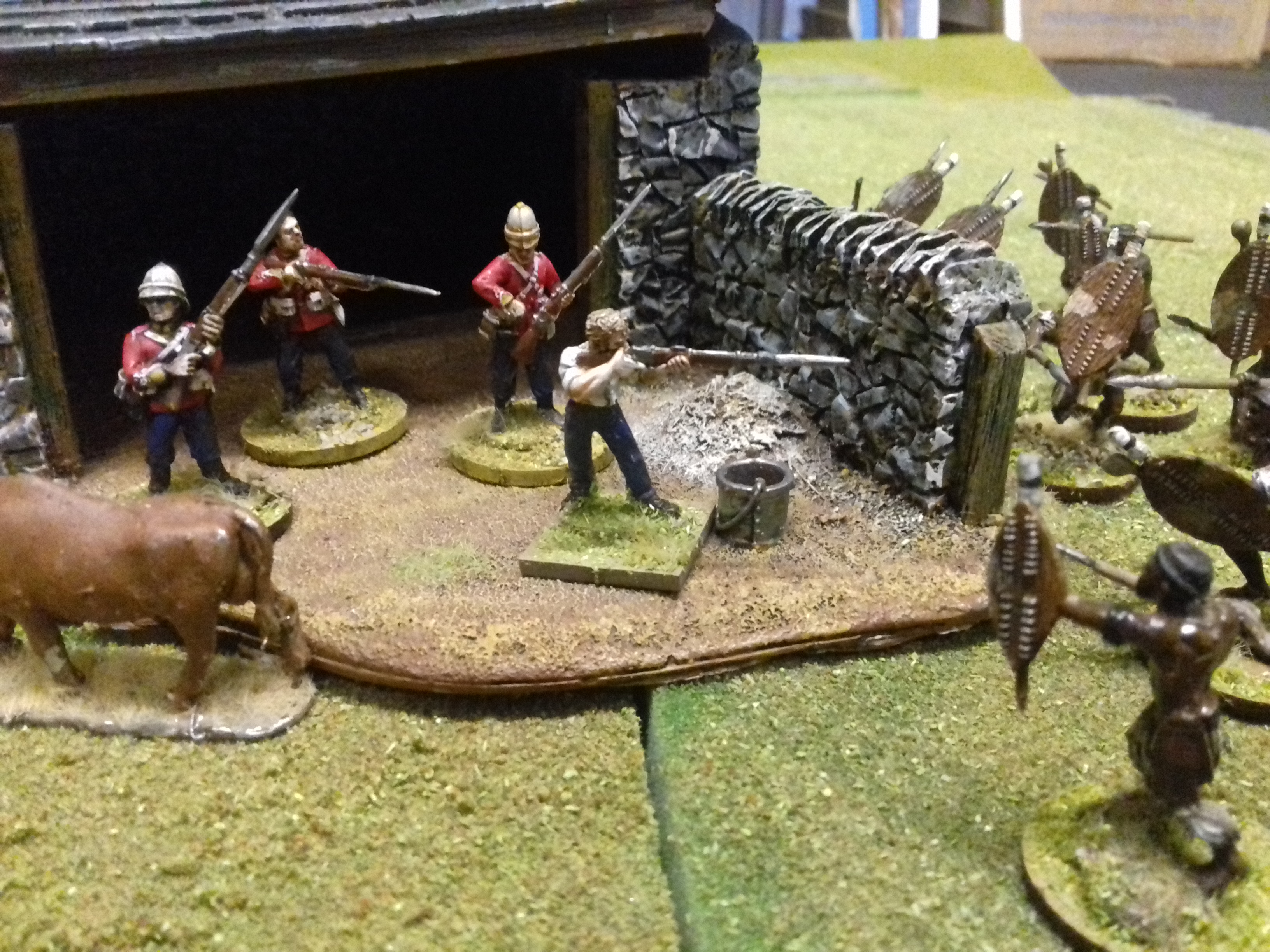
The 80th Regiment of foot had been in South Africa since 1877 under the command of Major Tucker. They wore the usual infantry equipment and uniforms but with buff facings rather than the green of the 24th. A couple of months after Rorkes Drift a similar number of infantry from the 80th saw action at the battle of Intombe. They were transporting supplies across a river and had problems moving the wagons. They set up camp on the river bank making a crude laager of wagons which did nothing to stop a surprise Zulu attack that ran through the camp slaughtering the commanding officer present and all the men who were waking up in a daze. The infantry on the other side of the river gave covering fire while men tried to escape across the river. Lieutenant Harward mounted a horse and abandoned his men as Zulus crossed the river in pursuit. Sergeant Booth who was from Nottingham took command of 40 or so survivors and led them in a retreat for three miles to the safety of a farm house. Every time the Zulus drew close Booth would control the mens fire to see them off. He would later receive the VC for saving his men while Harward resigned his commission after a court marshal. The Zulus ransacked all the supplies back at the camp before they could be stopped. Its interesting that 500-800 Zulus defeated over 100 British troops such a different result to Rorkes Drift. The 80th later thought at Ulundi the closing battle of the war.


99th Regiment of Foot

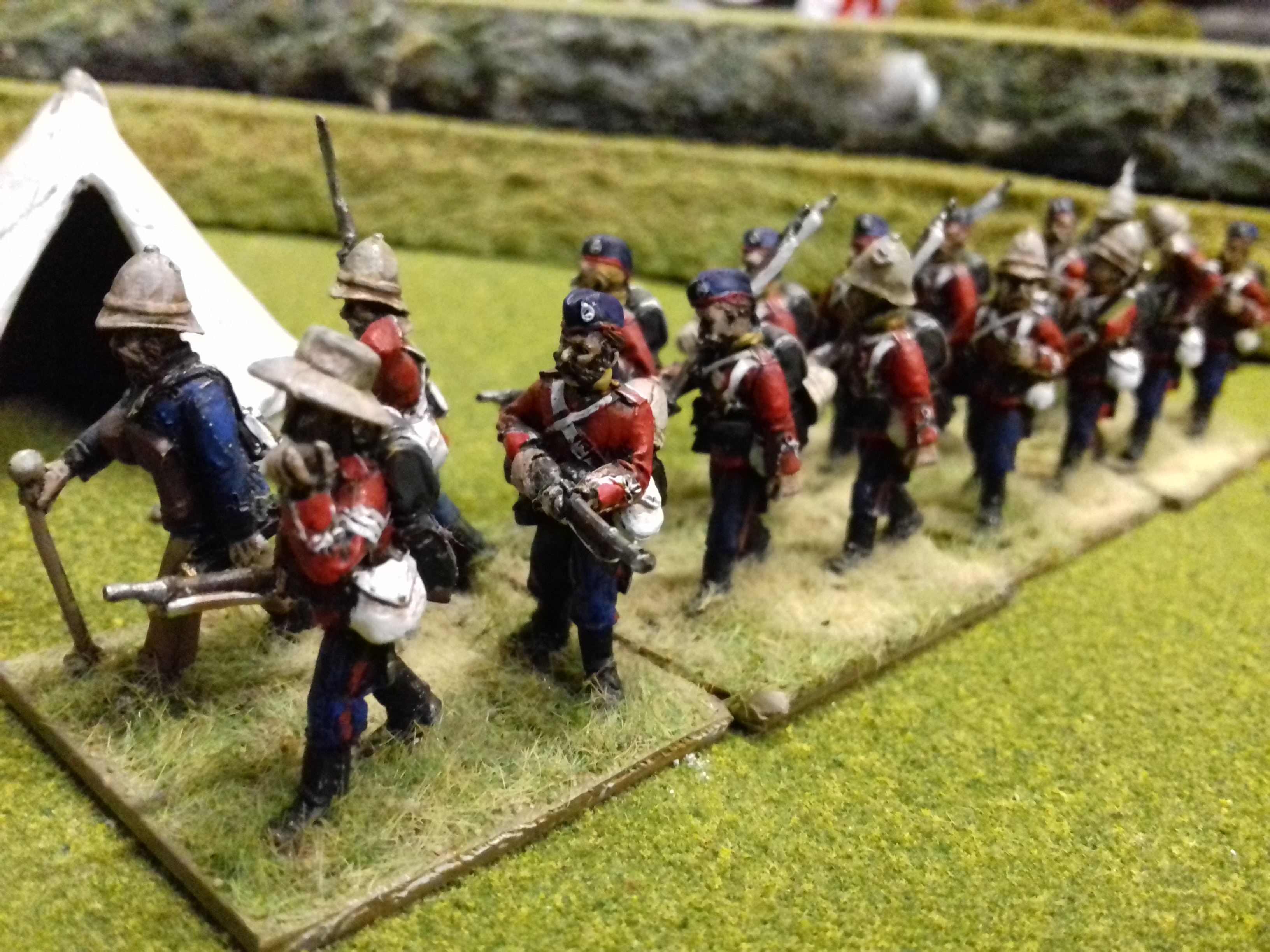
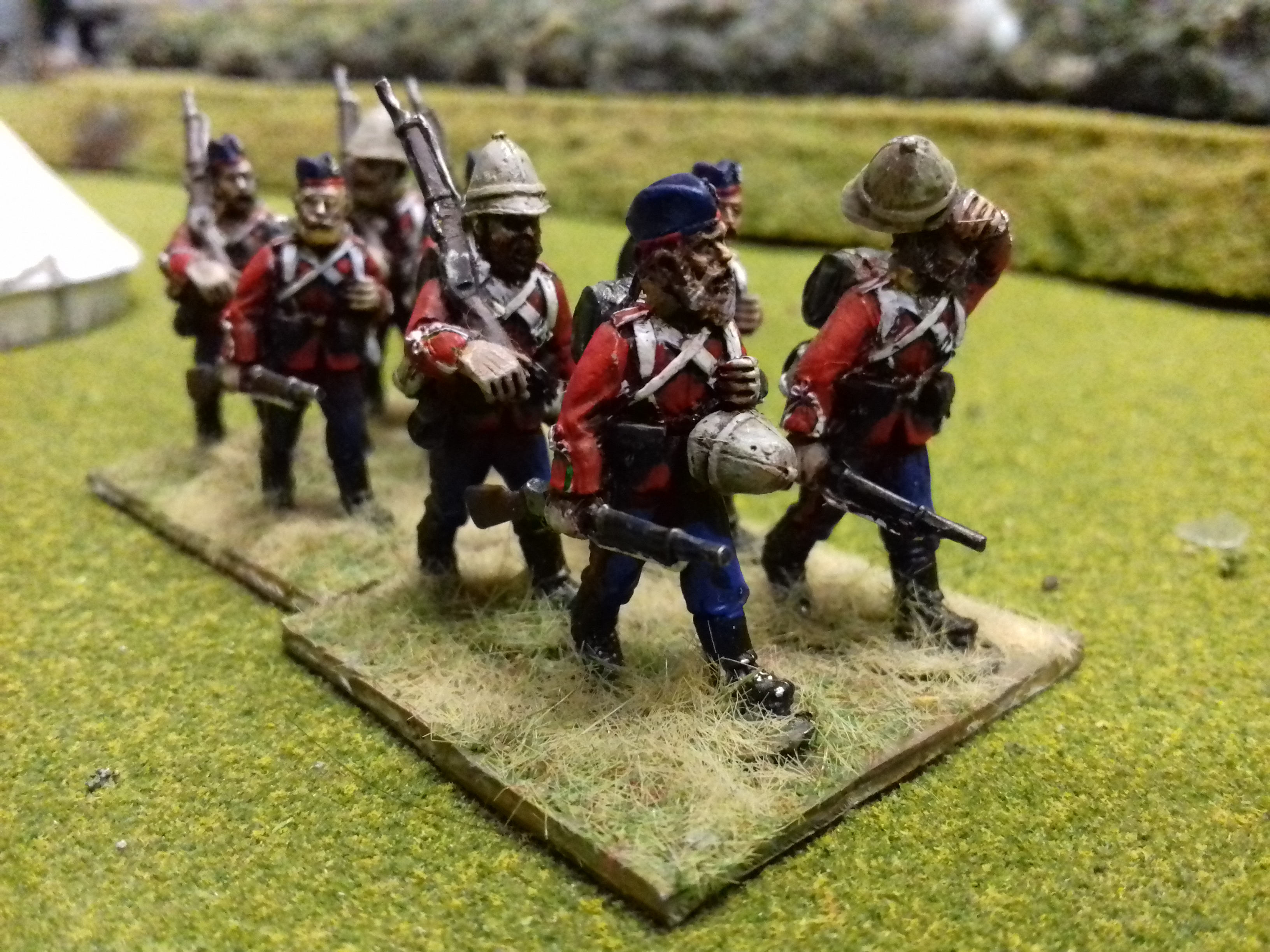
The 99th Lanarkshire Regiment of foot was formed only in 1824. They were first posted to Tasmania as a convict guard before later seeing action in New Zealand, China and the cape in the 1860’s before returning in 1878 in time for the Zulu War. They took part in the battle of Nyezane to releave the besieged station at Eshowe. The battle took place around the same time as Rorkes Drift and showed a British force could defeat the Zulus in the open field. It was nearly a disaster but the 99th later fought at Gingindlovu were they were apart of a larger square formation protected by wagons, a sure defence from Zulu attack. The 99th wore slightly outdated red coats with red facings and buff collars and had black ammunition pouches instead of the usual white. I used Empress miniatures for my 99th in full equipment marching. You dont see many miniatures in full rig as it was discarded for combat.
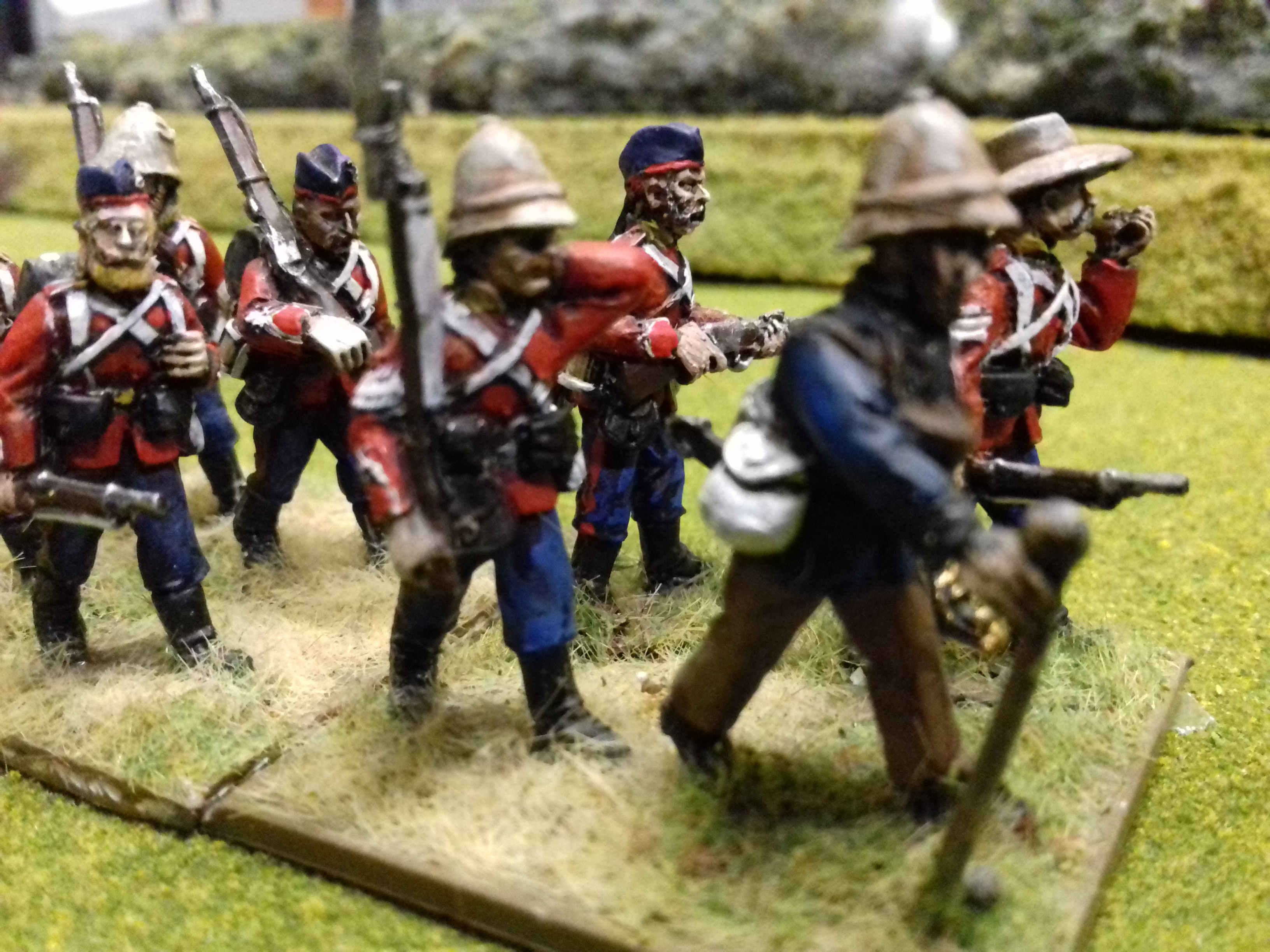
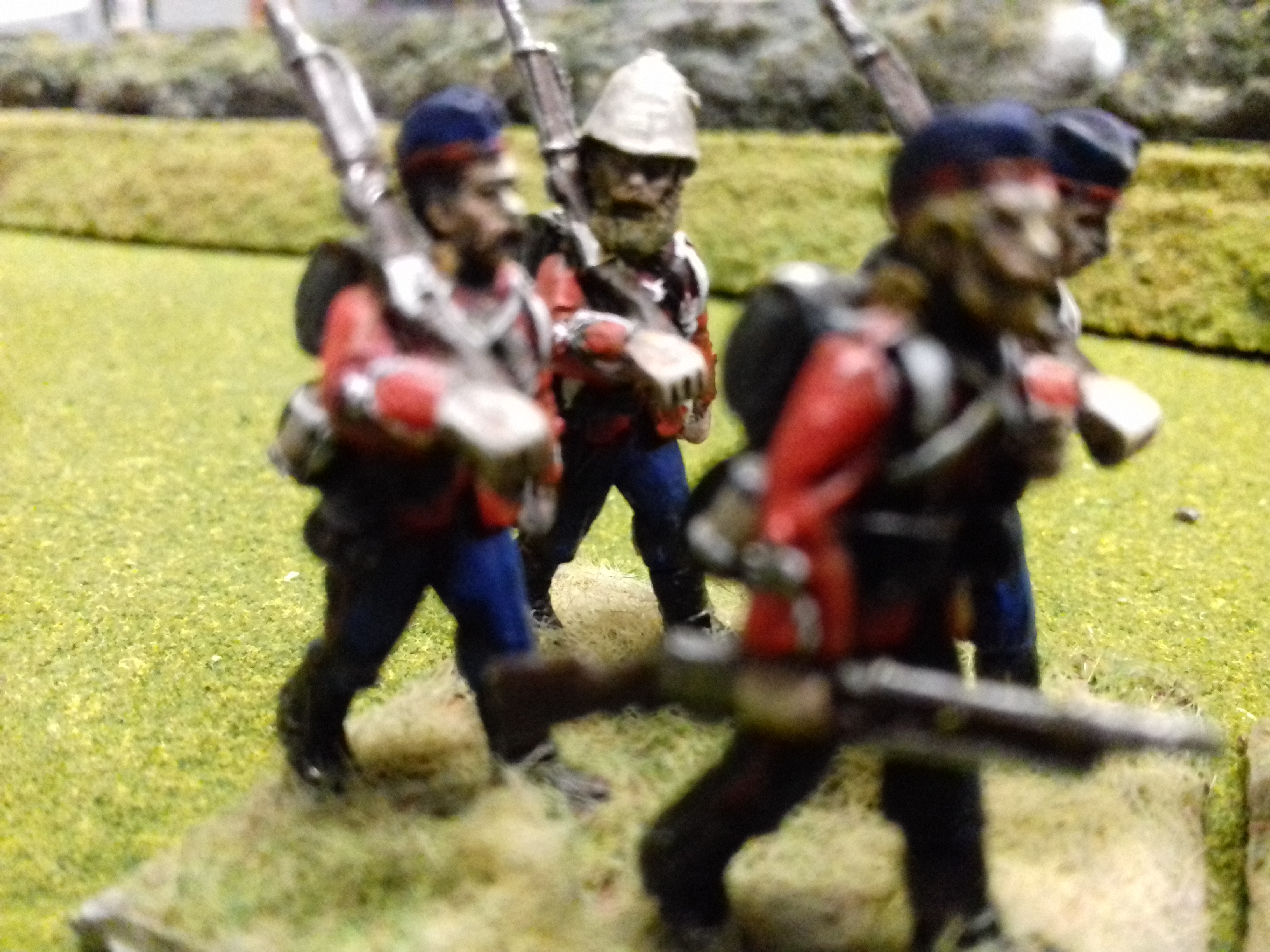
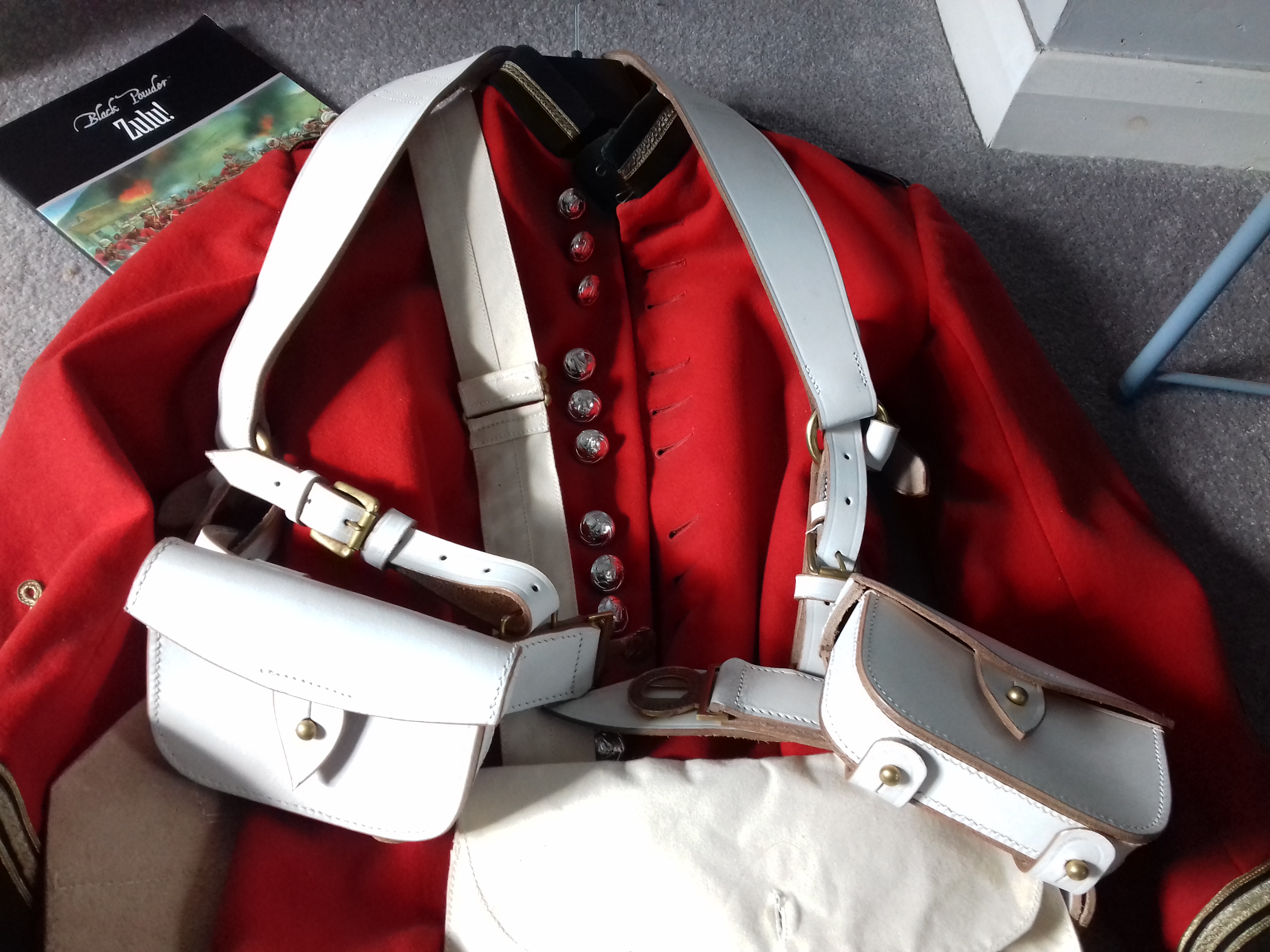 My own valise
Free Zulus
This months Wargames illustrated comes with a sprue of Zulus miniatures.
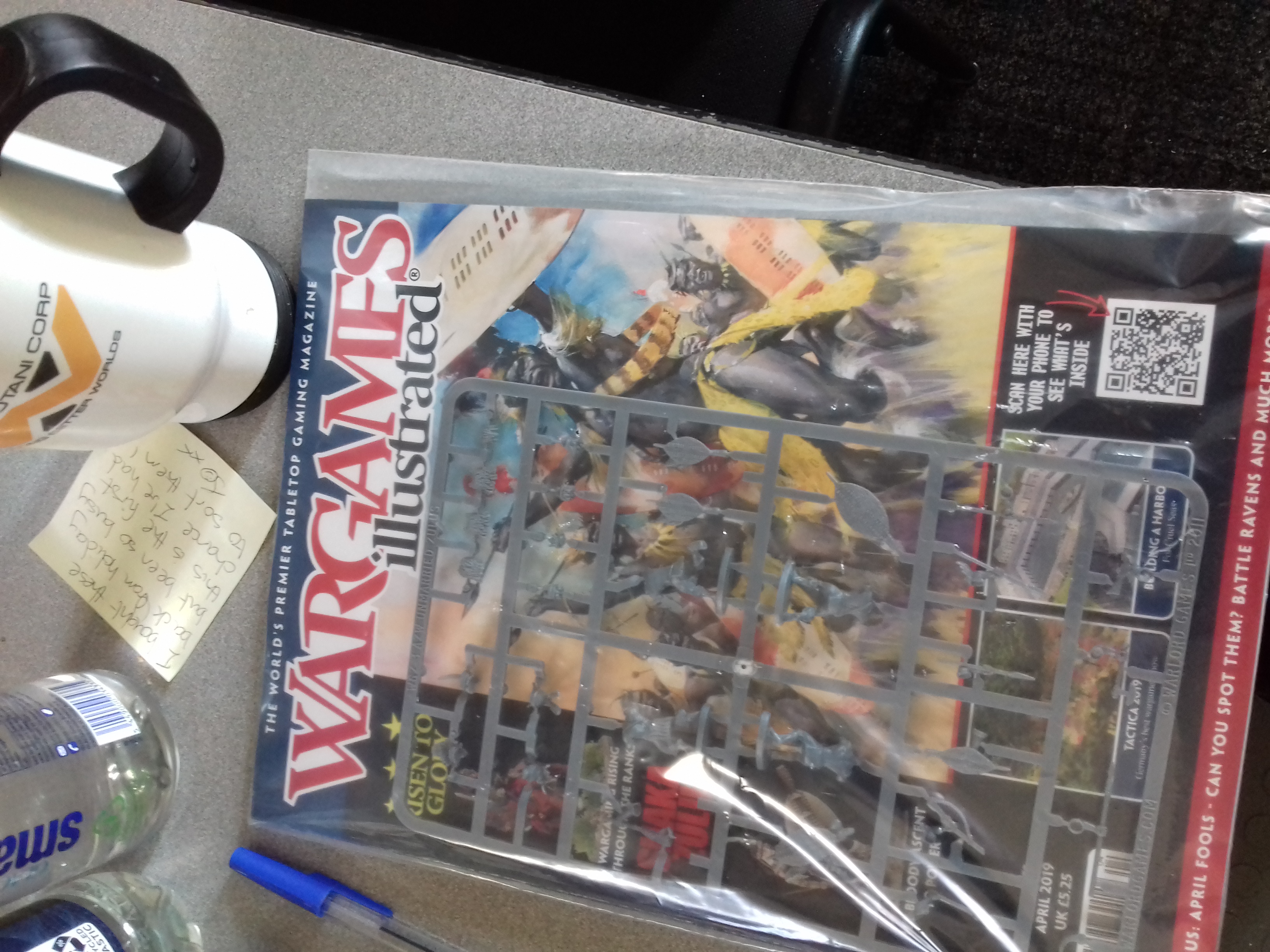 Do I really need four more Zulus?
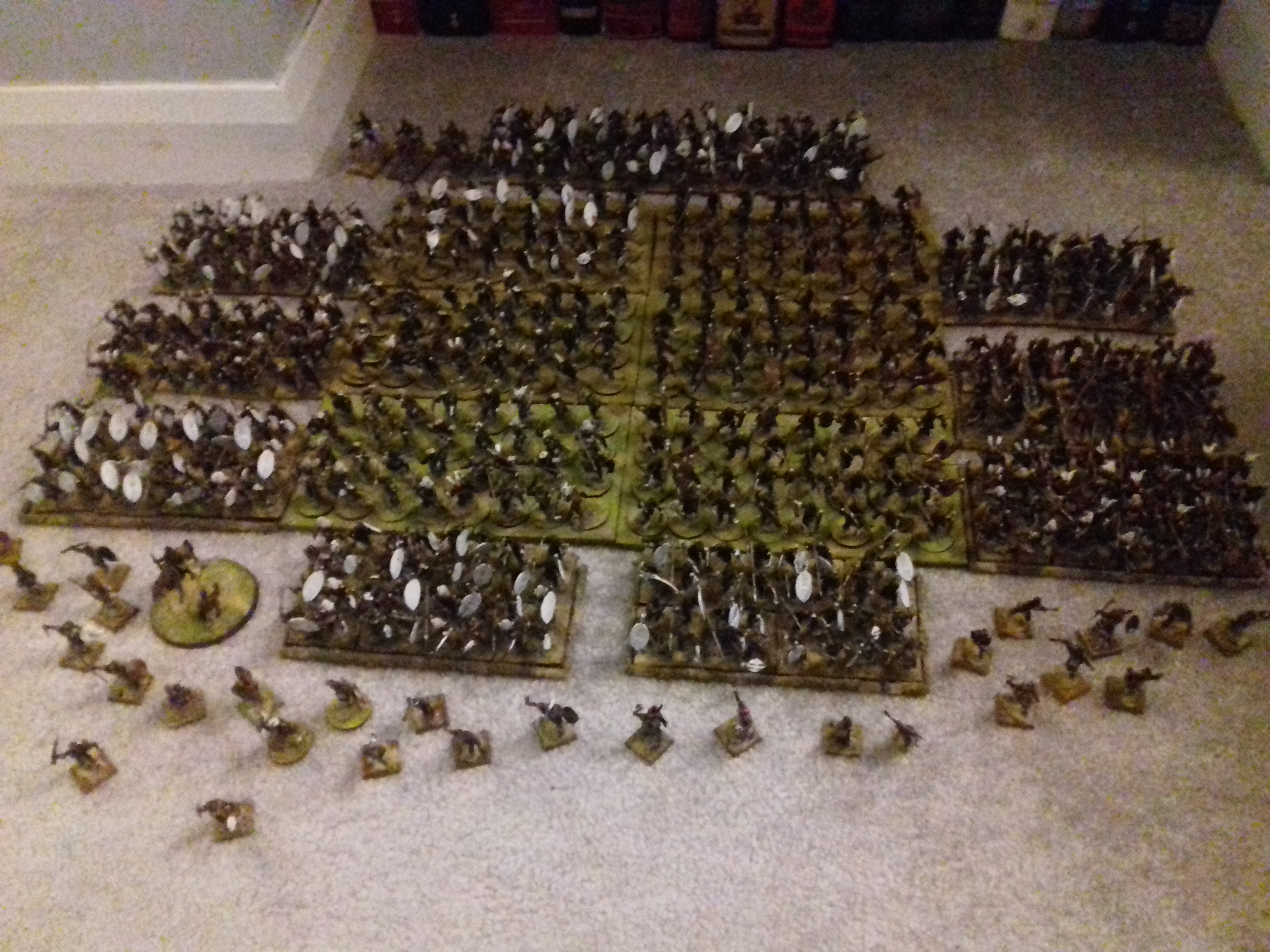 You can never have enough
Rorkes Drift Floor
 Hospital Floor
 Kraal
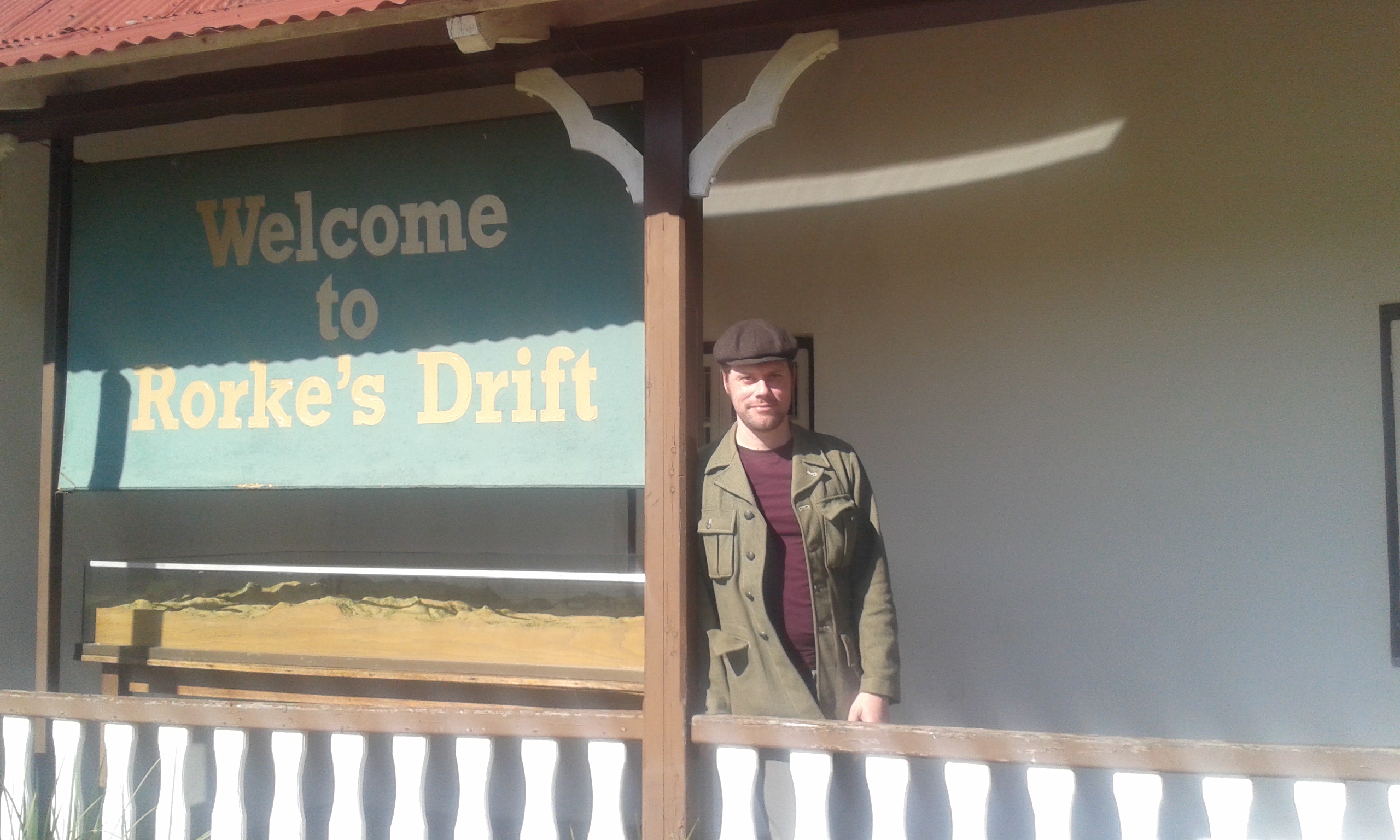
KraalBeneath the floor of the hospital museum at Rorkes Drift is a glass panel allowing you to see the original foundations. It;s a shame that I didn’t include the text panel when I took the shot. The stone work seems to be the same as the Kraal which makes sense. Did the hospital have a just stone floor or did it have wooden boards despite termite issues?
17th Lancers
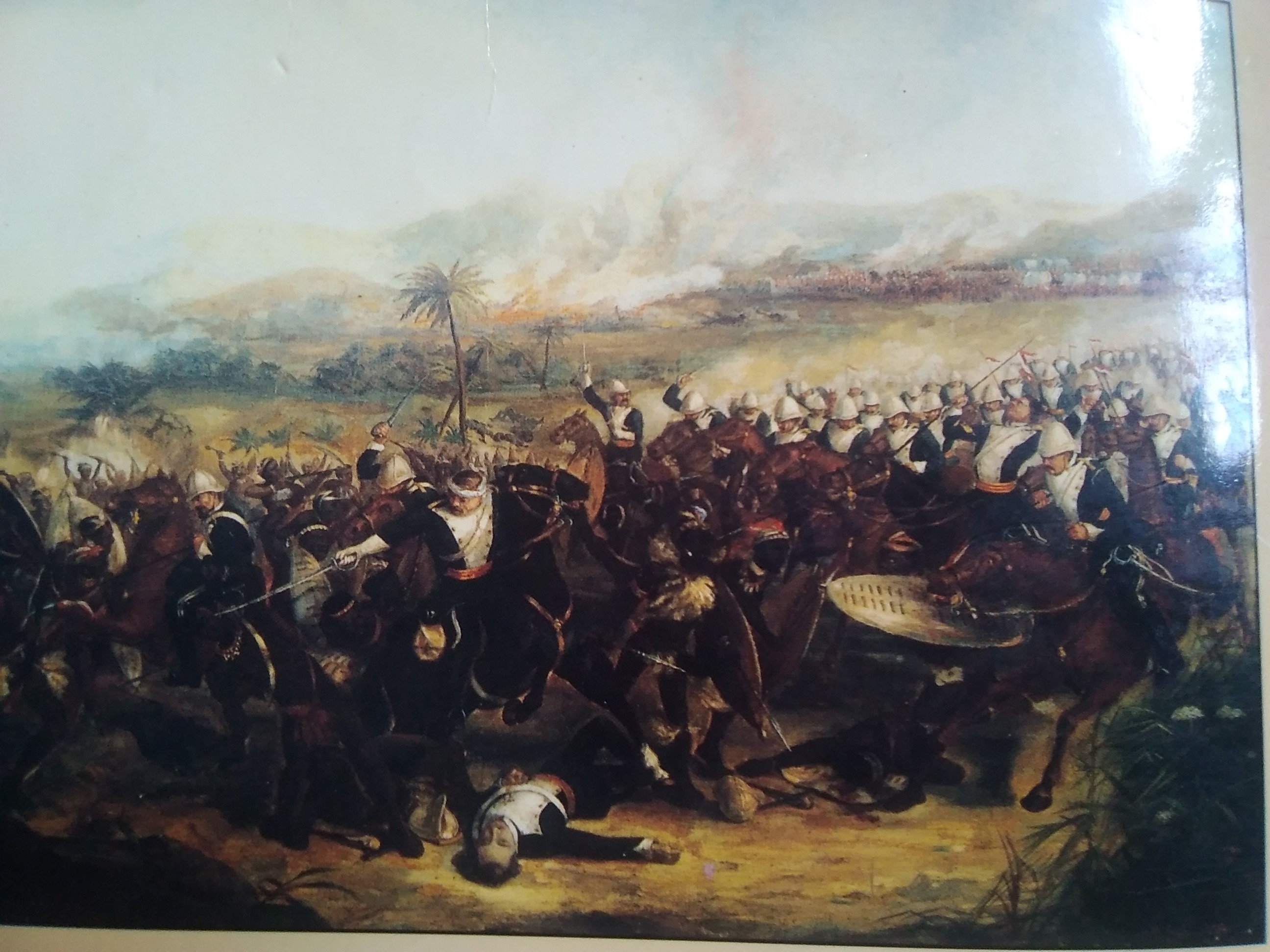
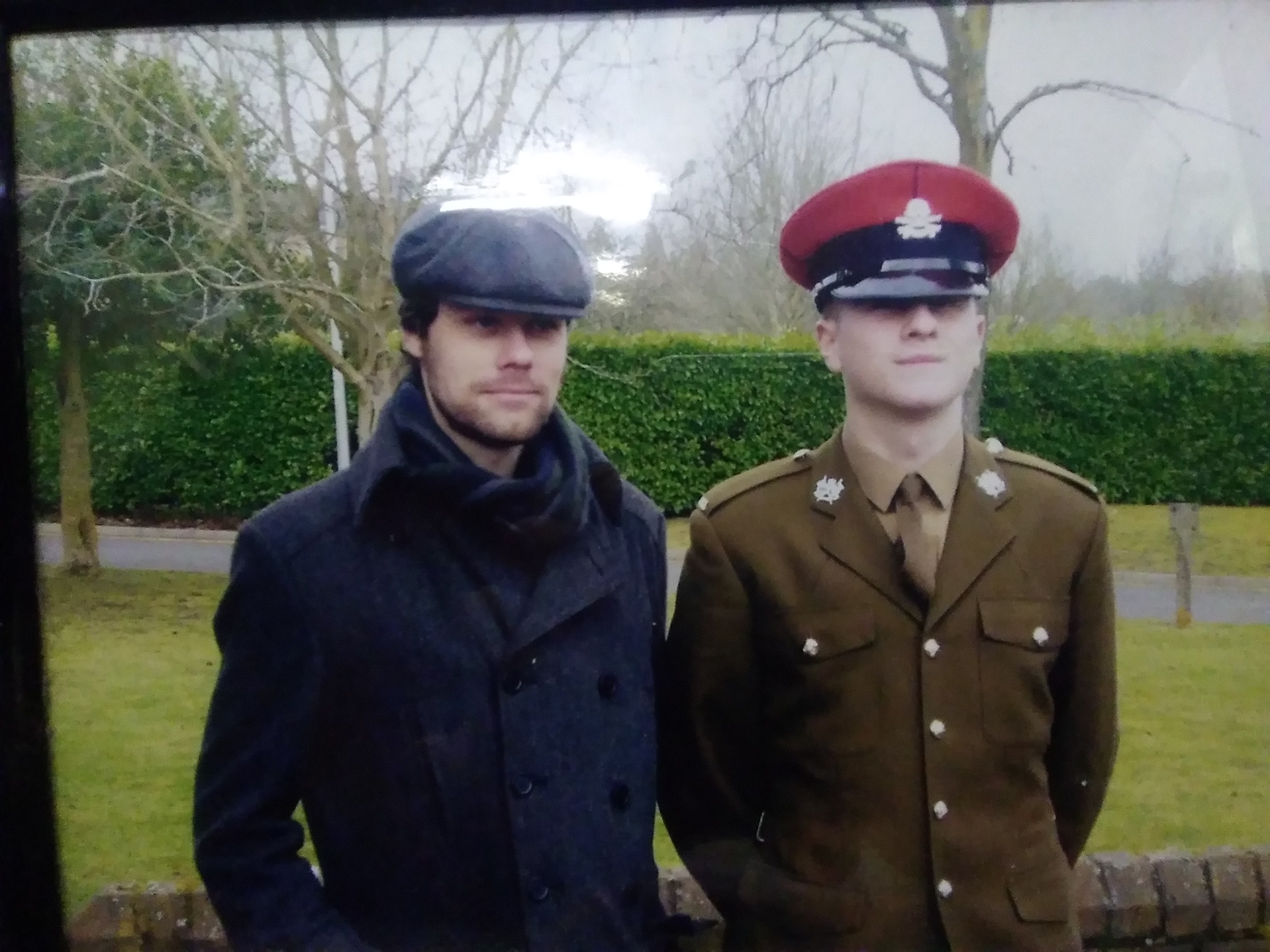
The 17th Laners were one of the few cavalry units not made up of local volunteers to fight in Zululand. At the battle of Ulundi they swept away the retreating zulus after they failed to break the British square. The painting above shows them incorrectly with white tunic fronts. In reality they were reversed in an attempt to not stand out so much. Their lancers were made from bamboo. My brother served with the 16th lancers in Afghanistan when he looked about 12. Of course now they ride armoured vehicles.

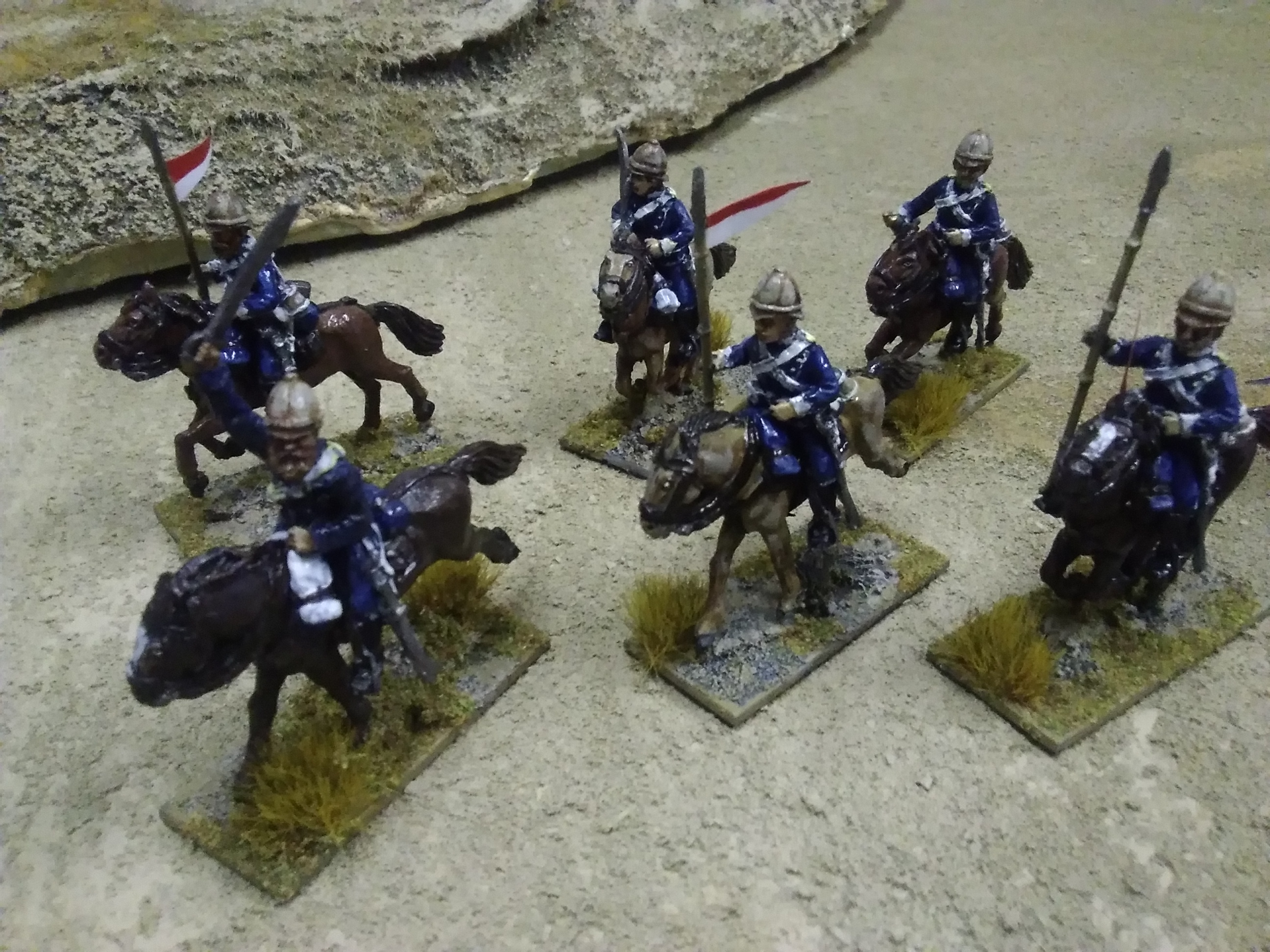
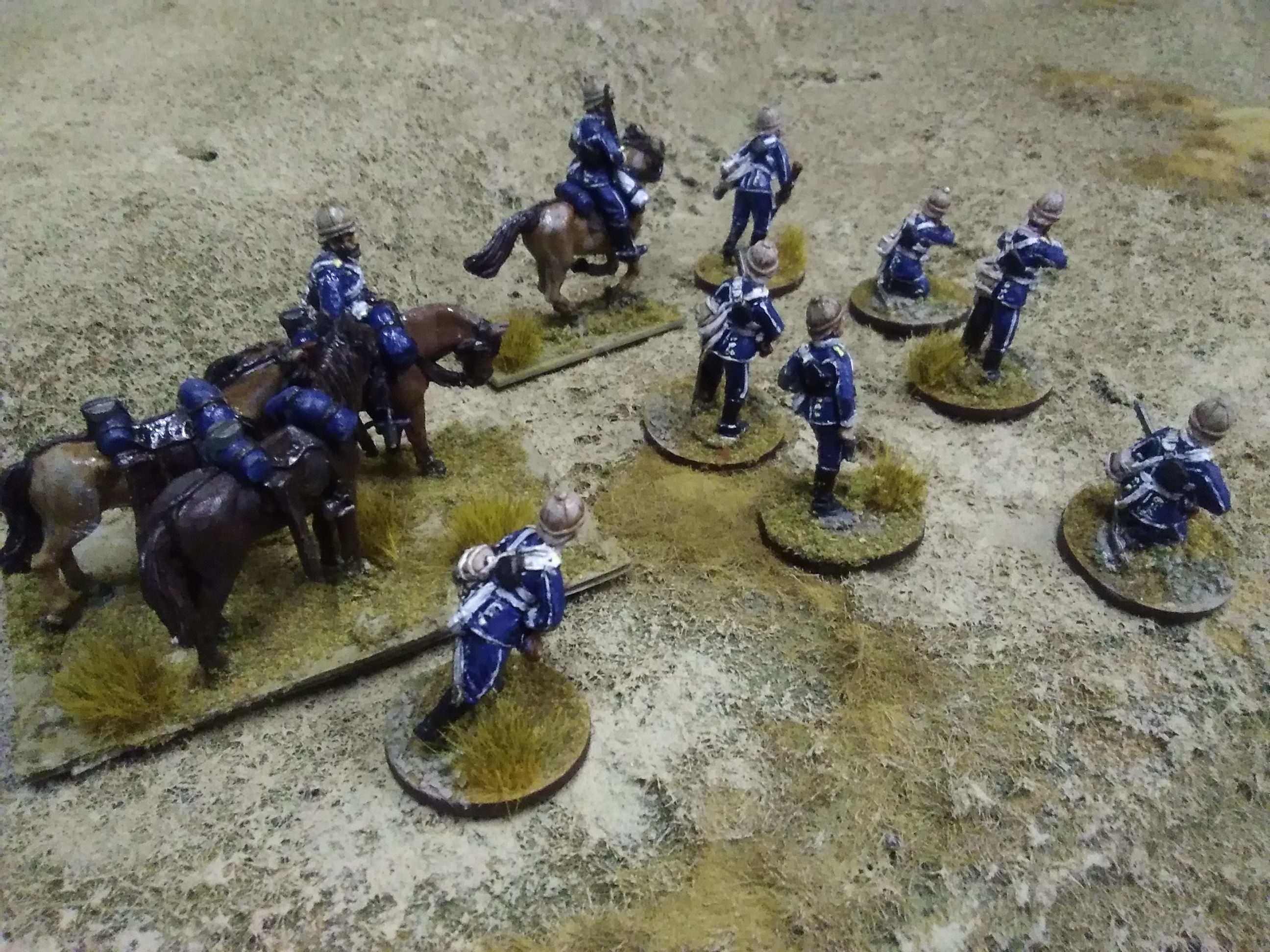
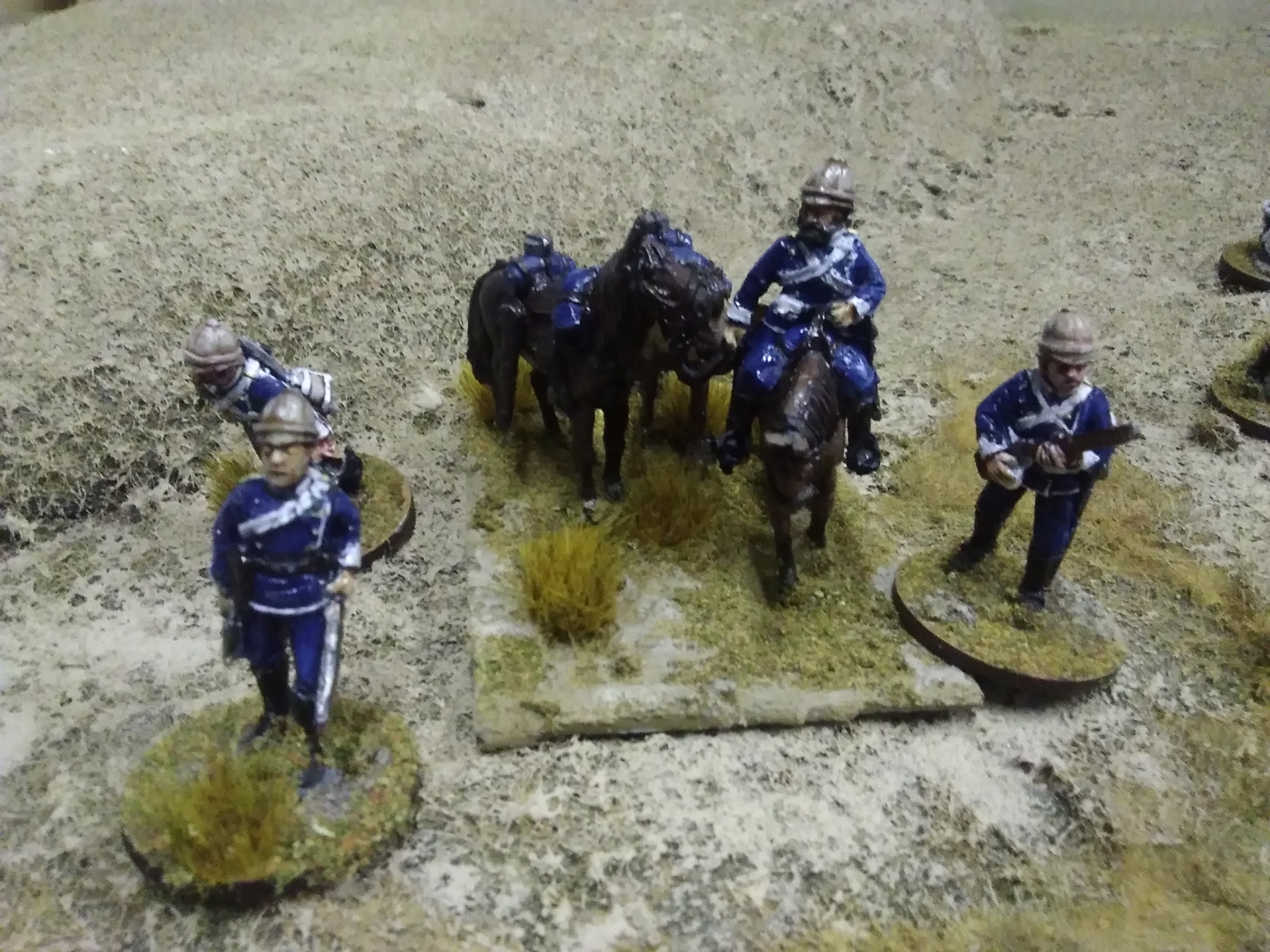


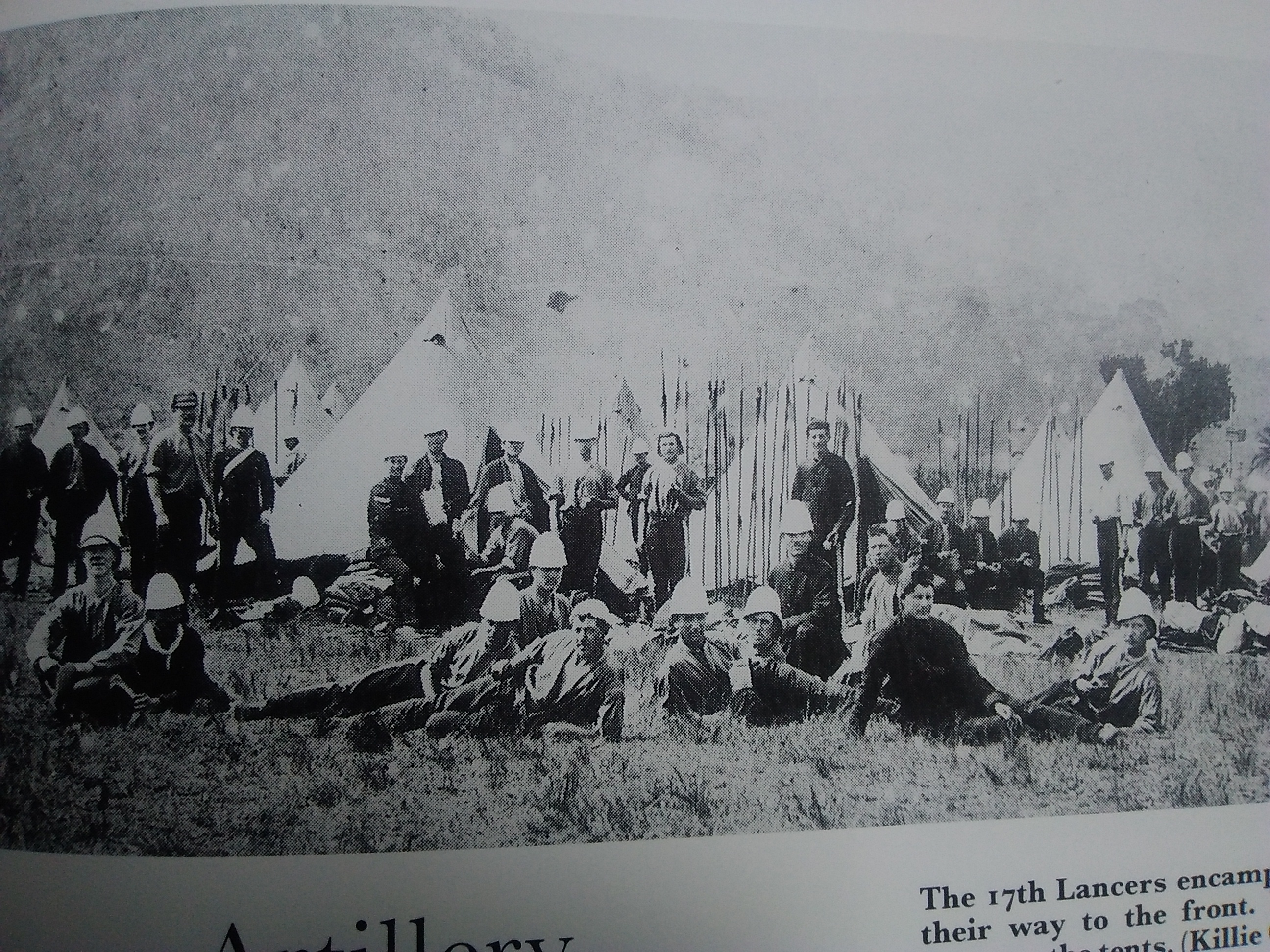 17th Laners. Spot the bamboo lancers stuck in the ground
![StarCraft Tabletop Miniatures Game Pre-Orders Live Now [Updated]](https://images.beastsofwar.com/2026/03/starcraft-tmg-news-cover-600-338.jpg)
![Mounted US Cavalry On Kickstarter For Dead Man’s Hand! [Updated]](https://images.beastsofwar.com/2026/03/us-cavalry-main-600-338.jpg)
![Play WW2 Commando Operations With Butcher & Bolt [Updated]](https://images.beastsofwar.com/2026/03/relaunch-600-338.jpg)