






![Alternative Trench Crusade Miniatures? Trench Missionaries Review | Wargames Atlantic [7 Days Early Access]](https://images.beastsofwar.com/2026/03/unboxing-wargames-atlantic-trench-missionaries-coverimage-225-127.jpg)

Base: The Final Frontier



Recommendations: 74
About the Project
This is a look at the final detail that most gamers/painters consider in the figure painting hobby and making it stand out front. Hopefully it will add more to the models you paint and present.
Related Genre: General
This Project is On Hold
Tying a theme together

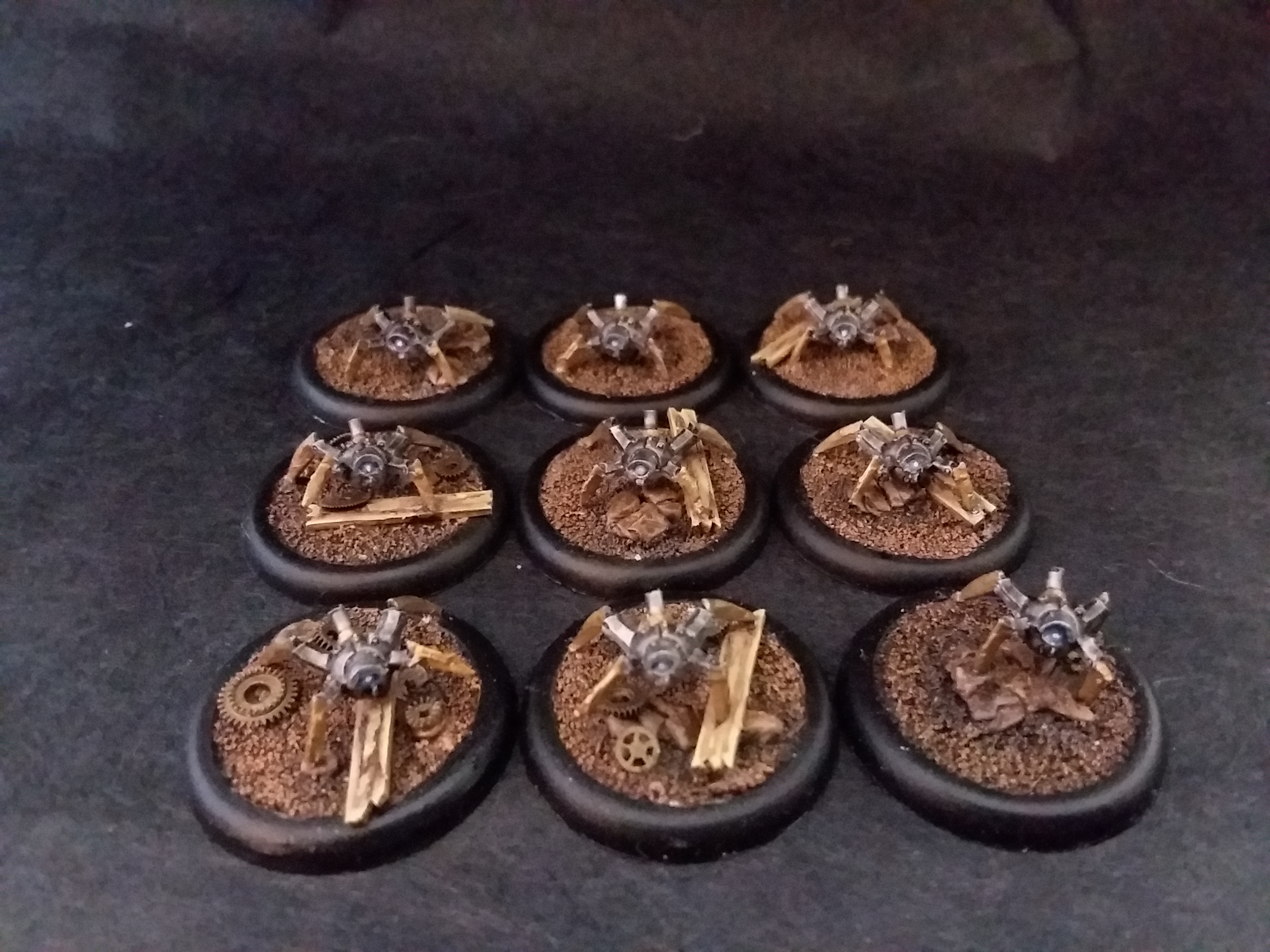
Here’s where I put together my original Malifaux posse to fit better into the fluff of the game. I’ve gone into work with Milliput Black once more and added human skeletons/skulls with bits of plastic strip and grass tufts to bring the groundcover to life.
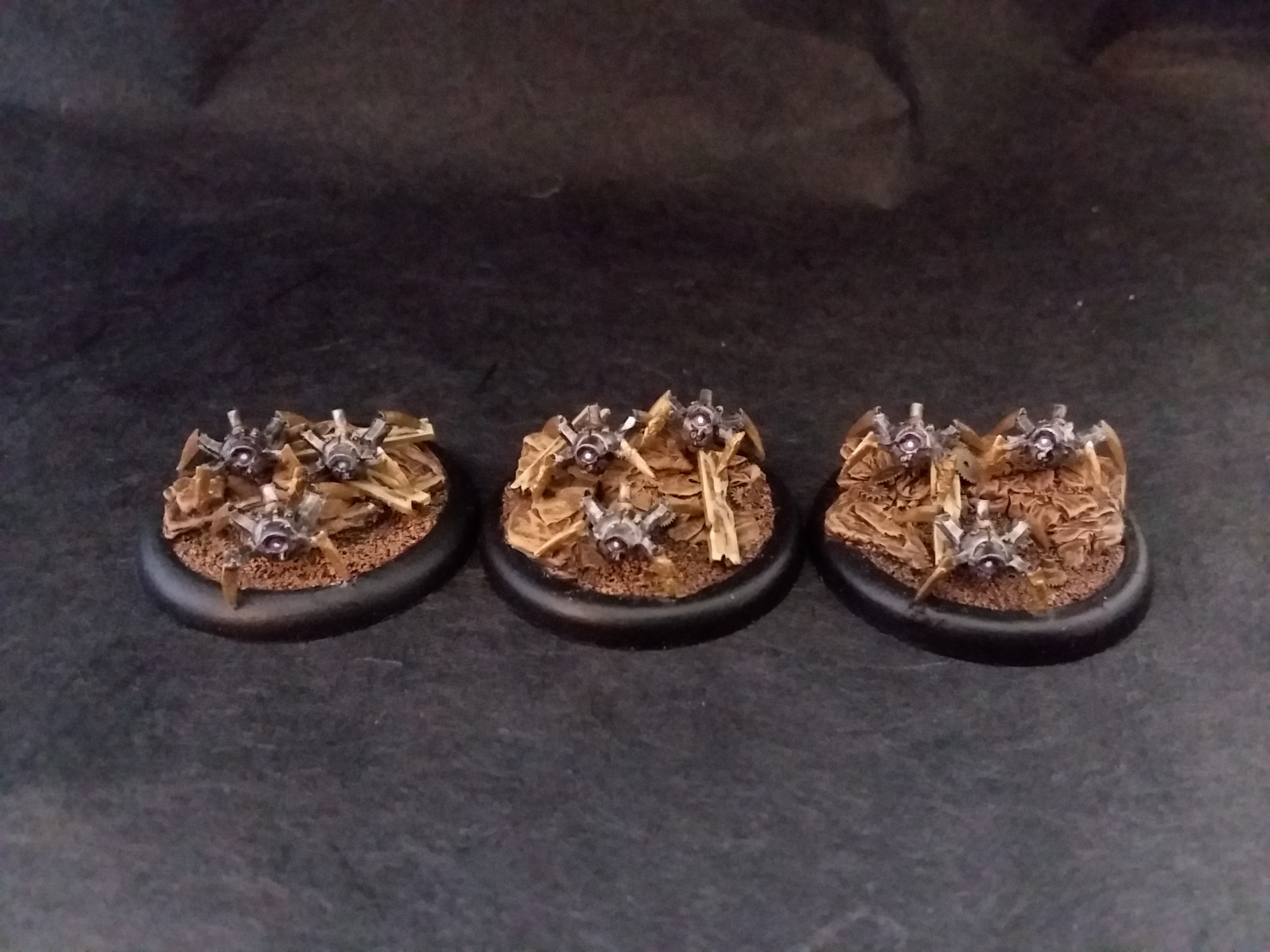
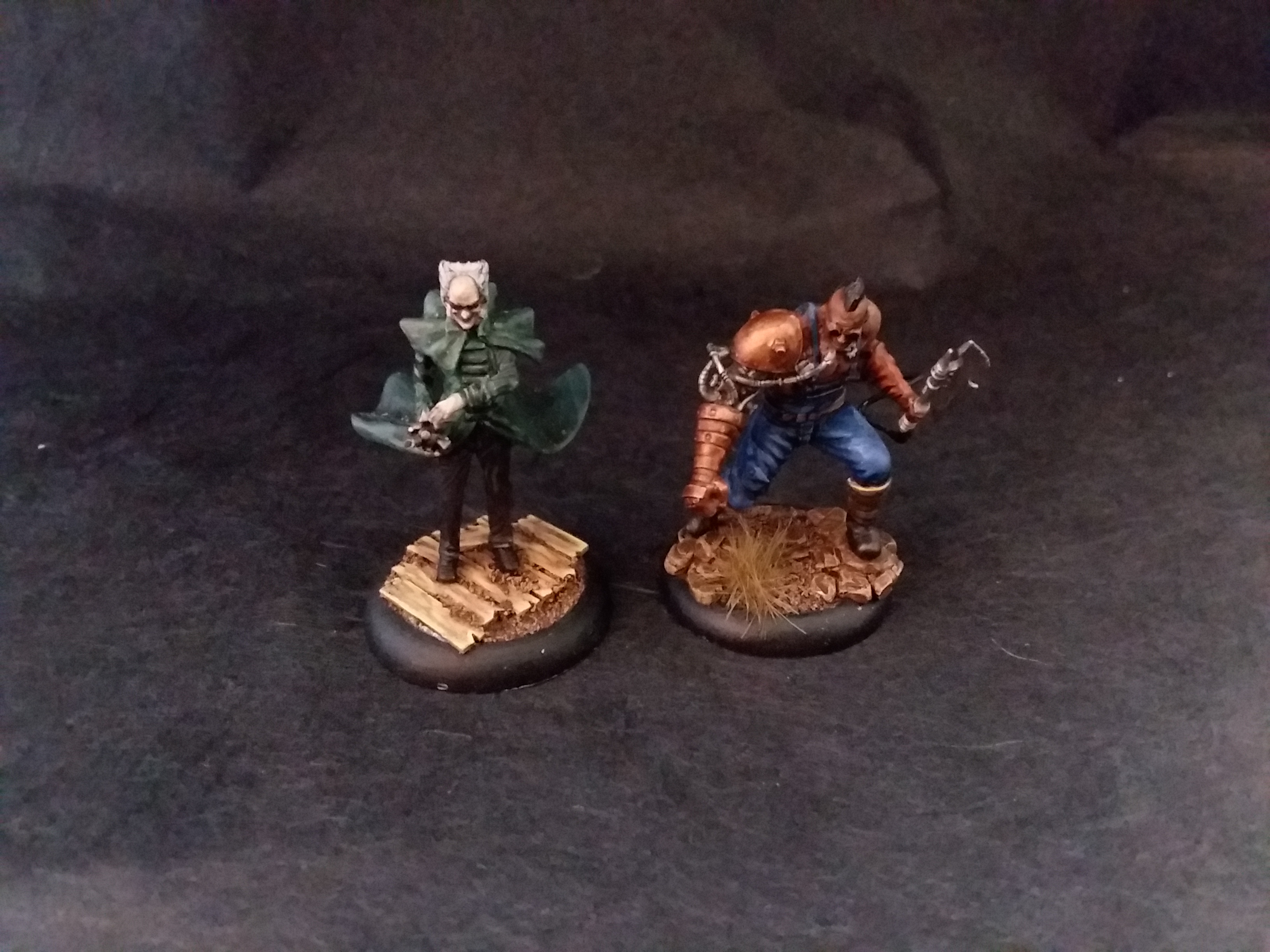
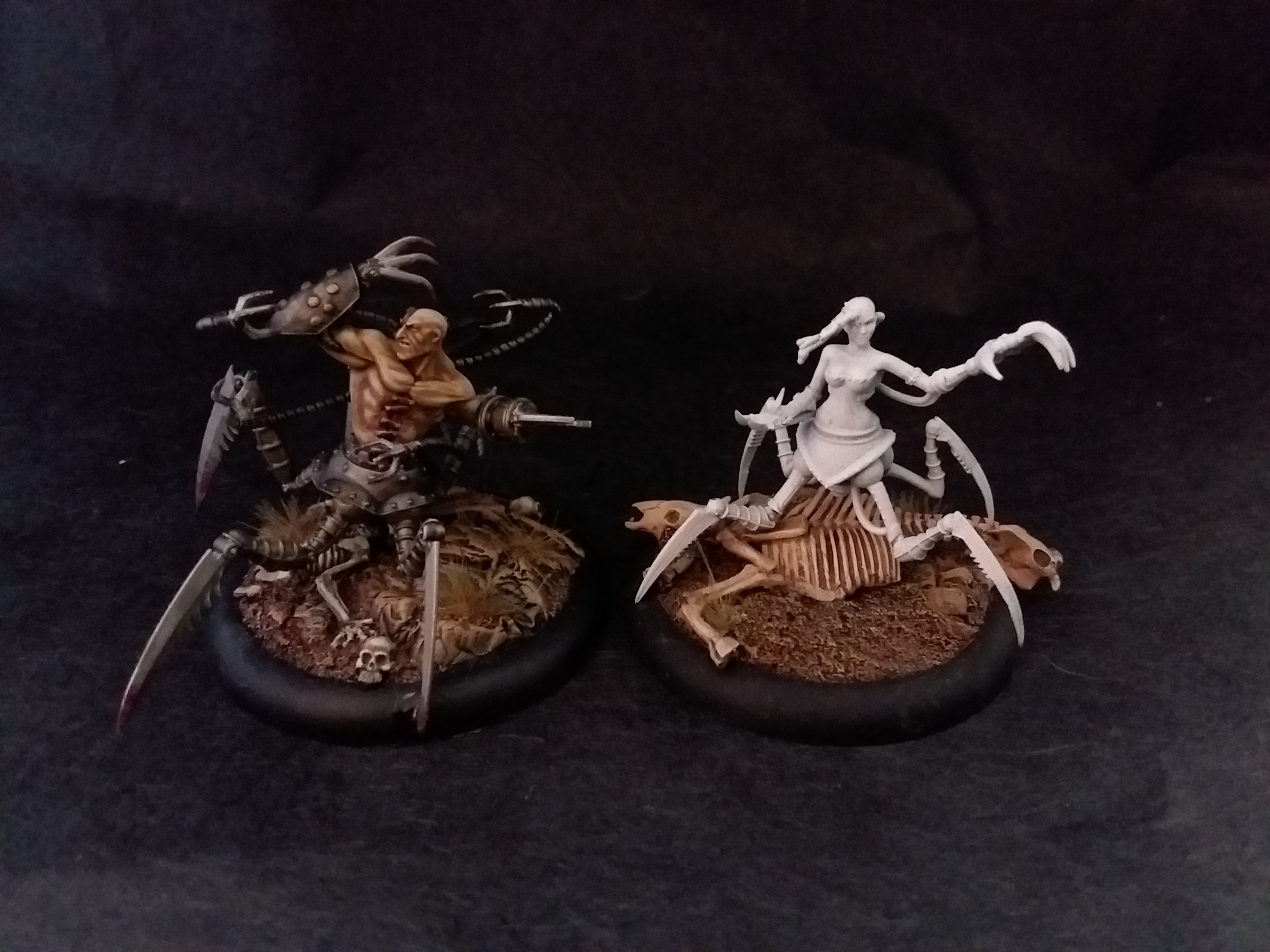 Howard Langston and the alternate Miss Step (WIP)
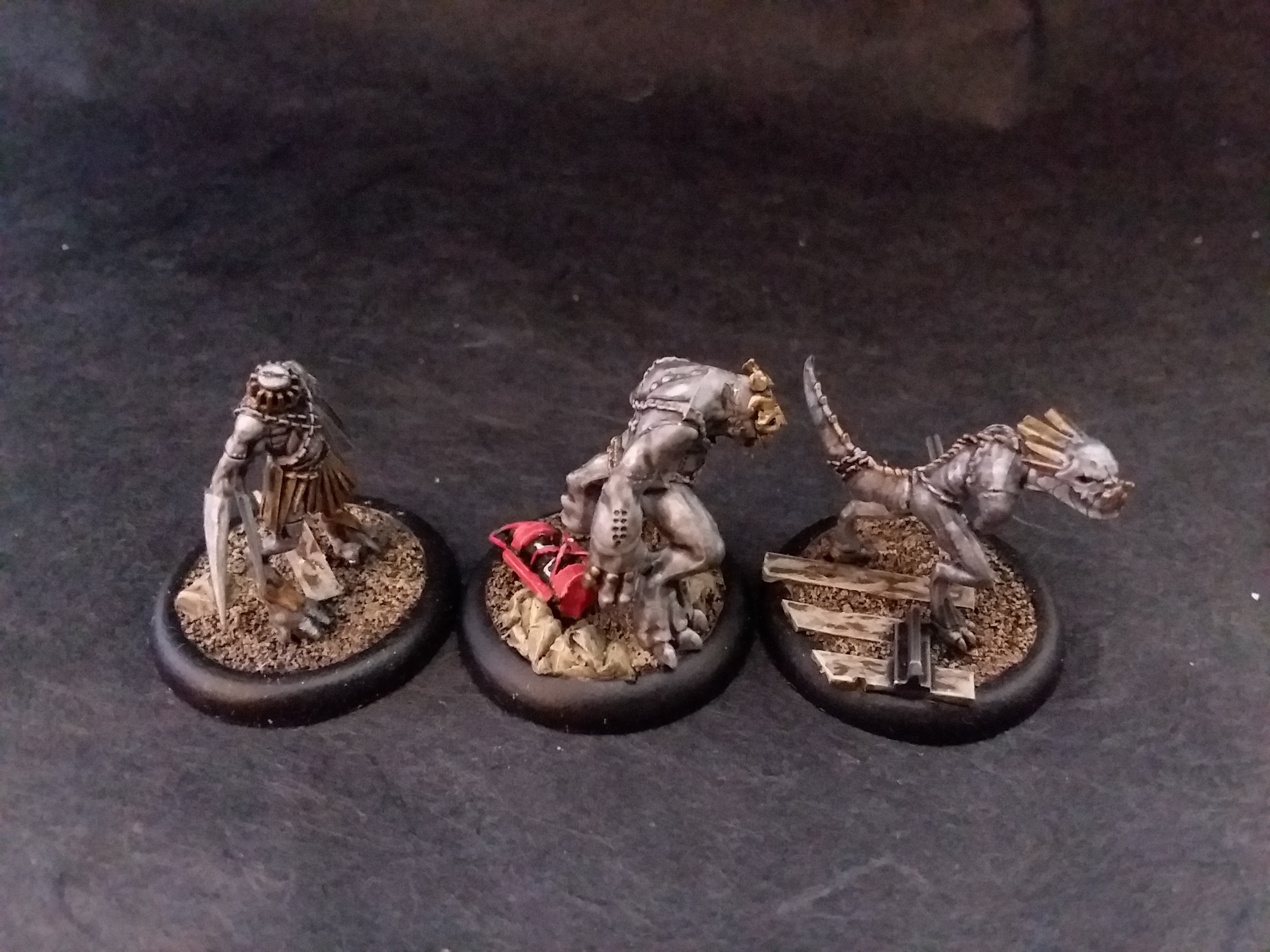 Metal Gamin and some scratchbuilt rail related bits
Music possibly better suited to the Outcasts faction but still useful for game ambience
Deenah, a study
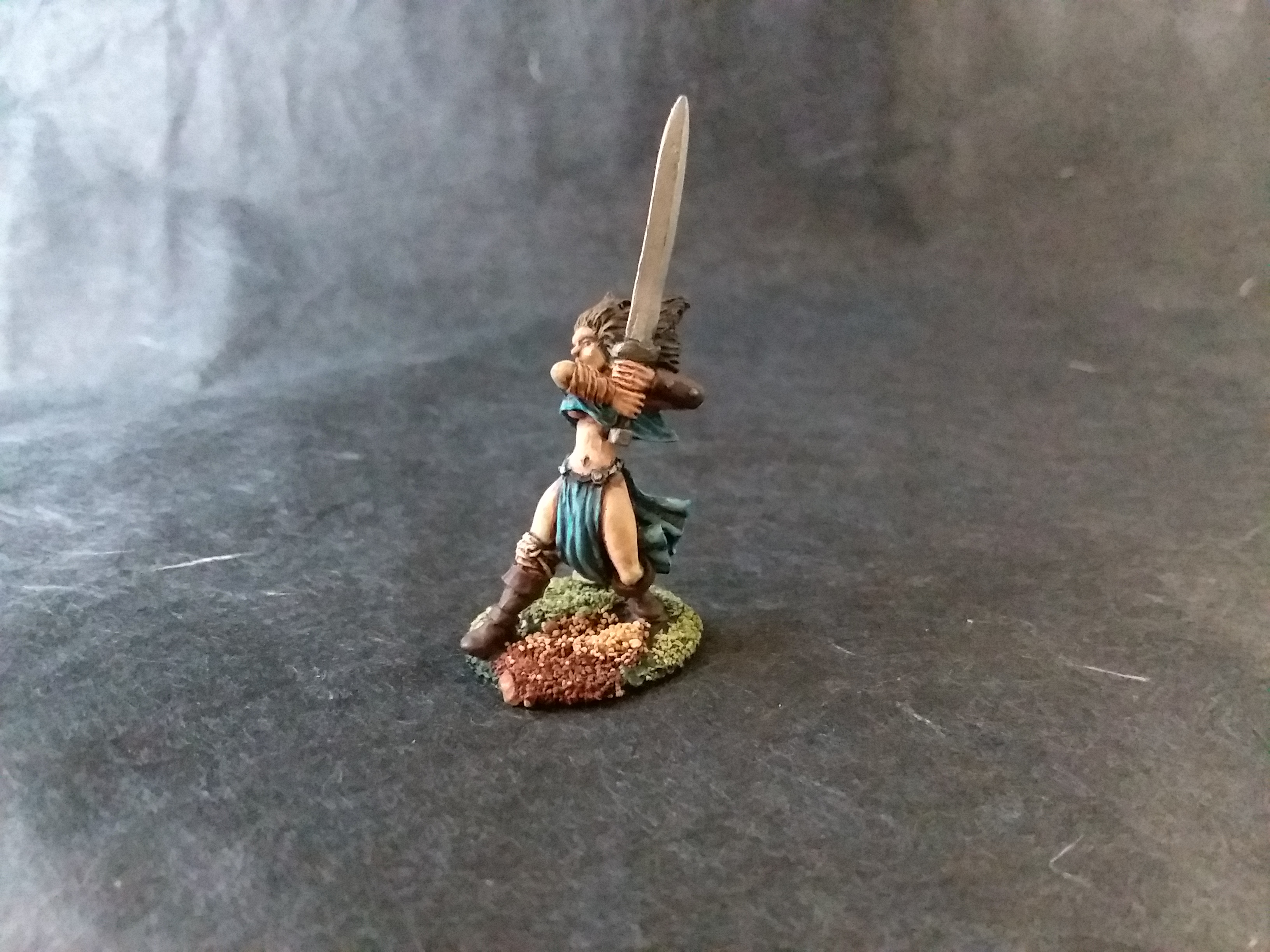
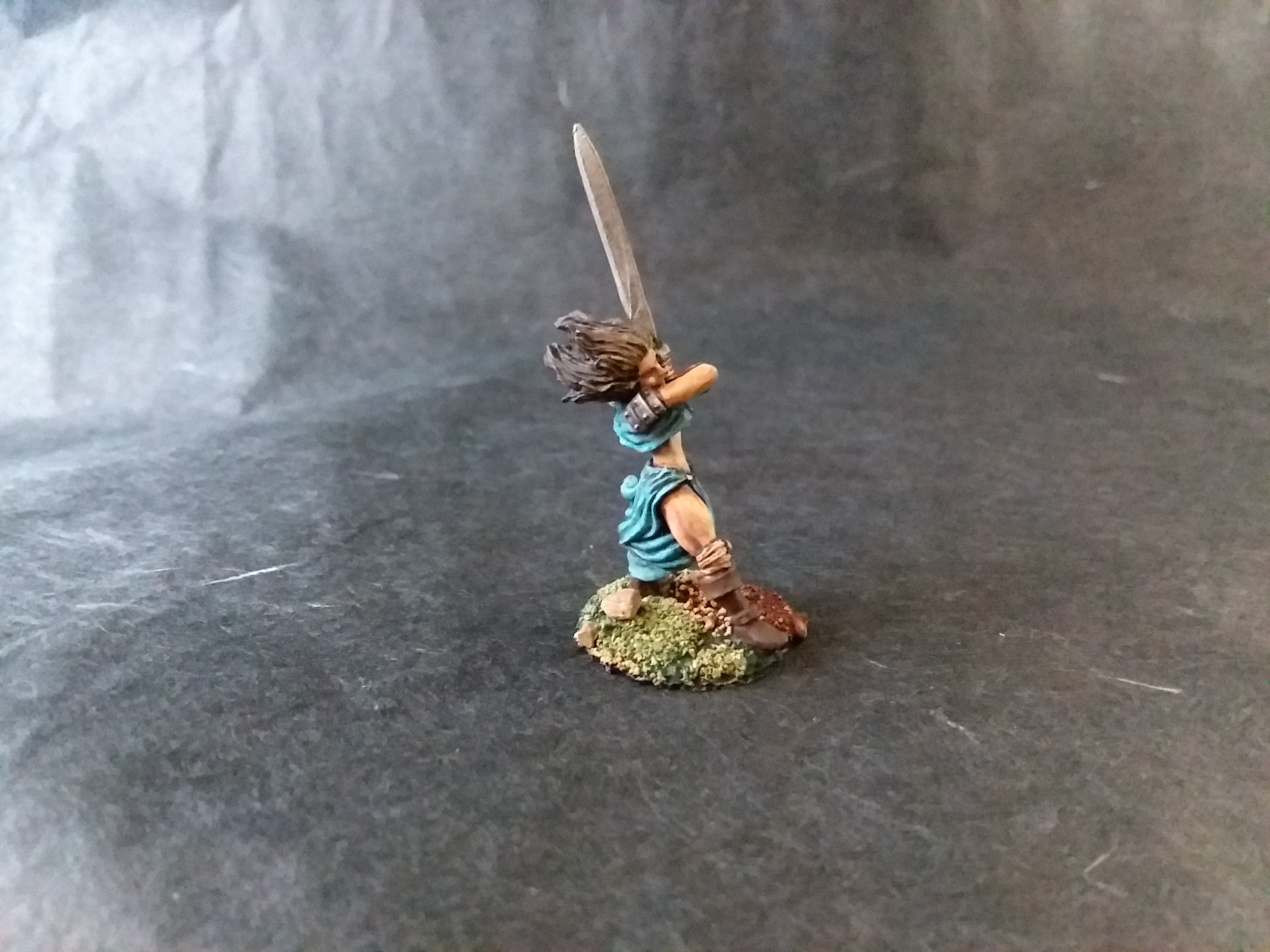
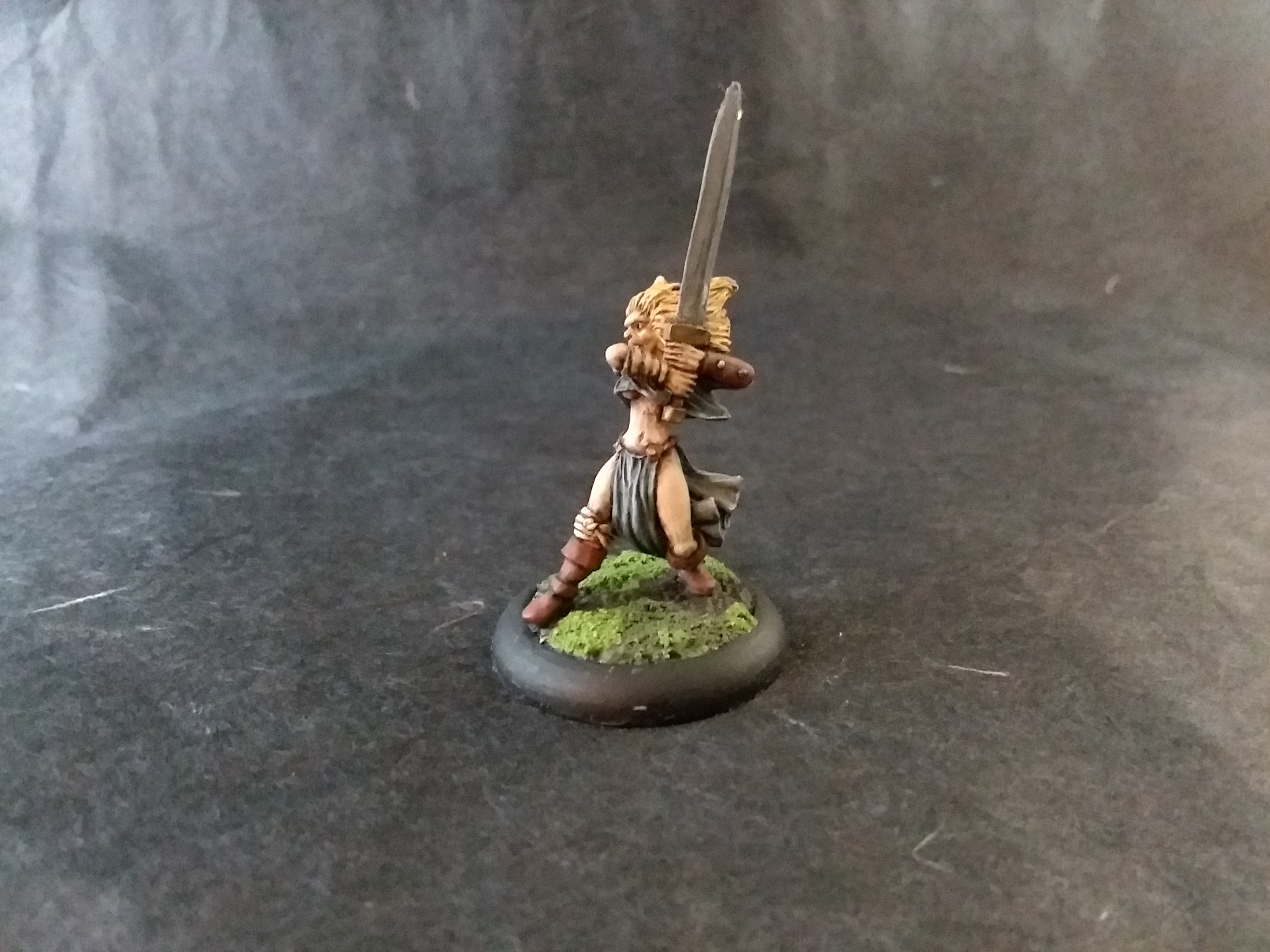
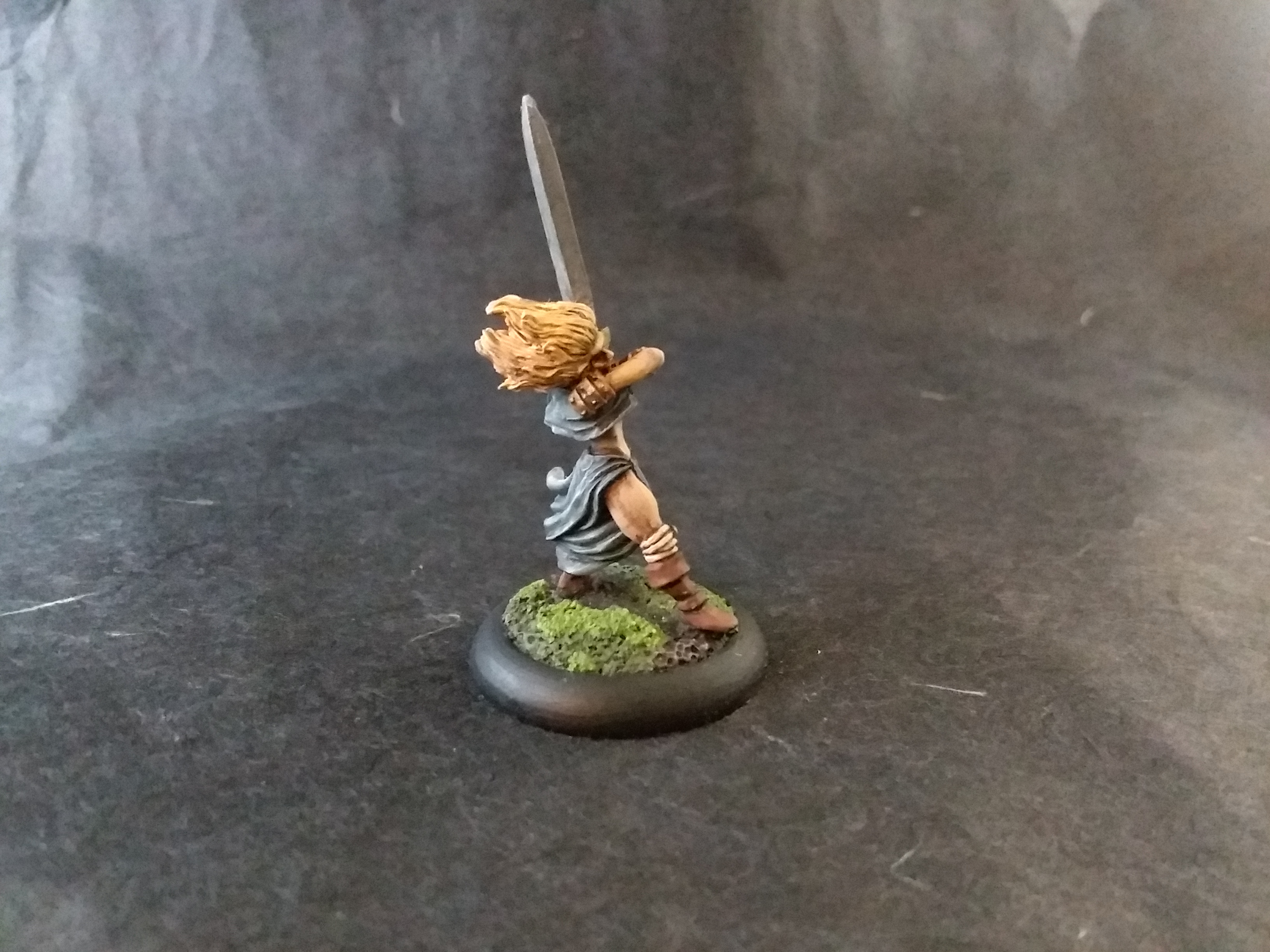
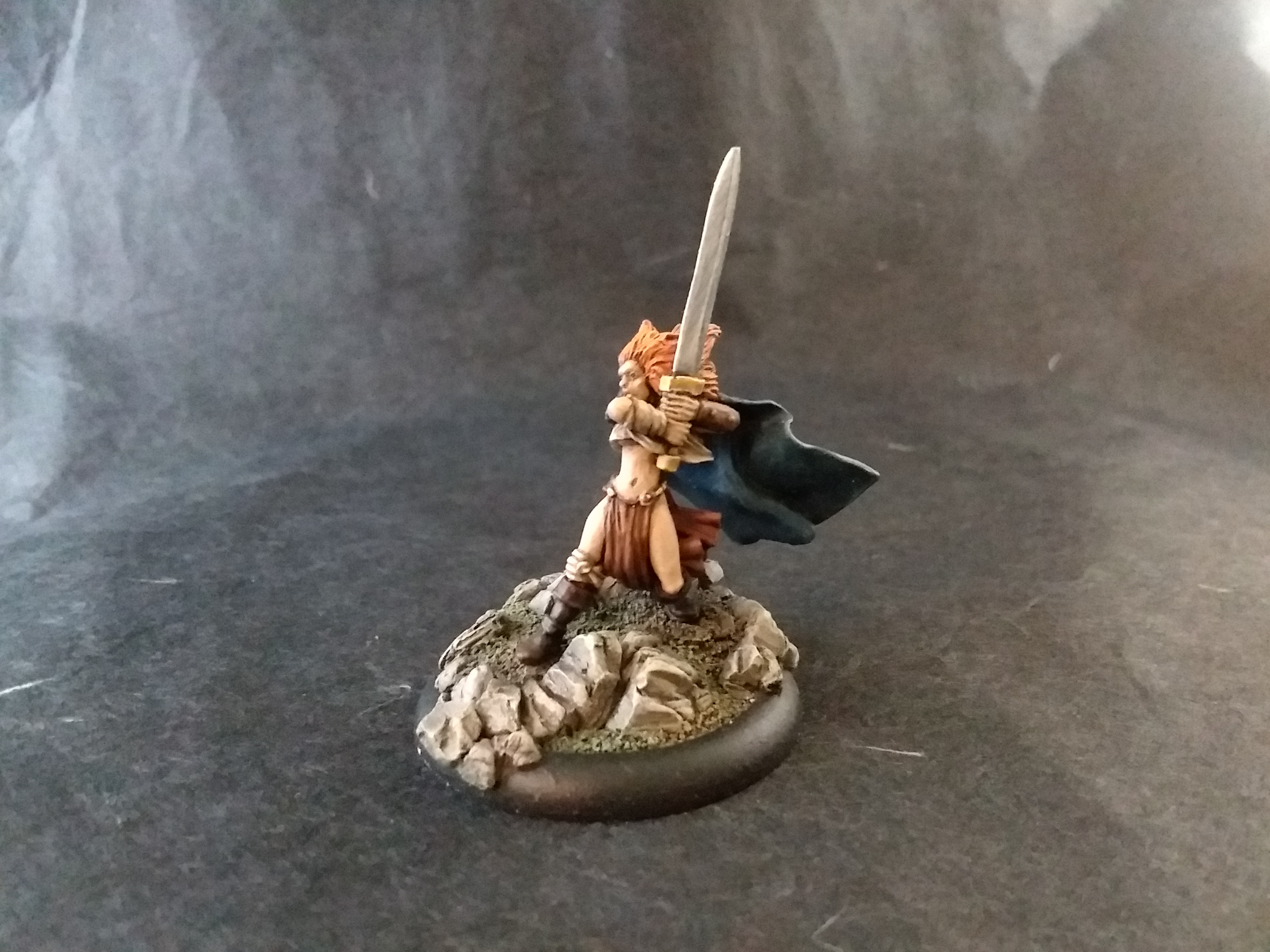
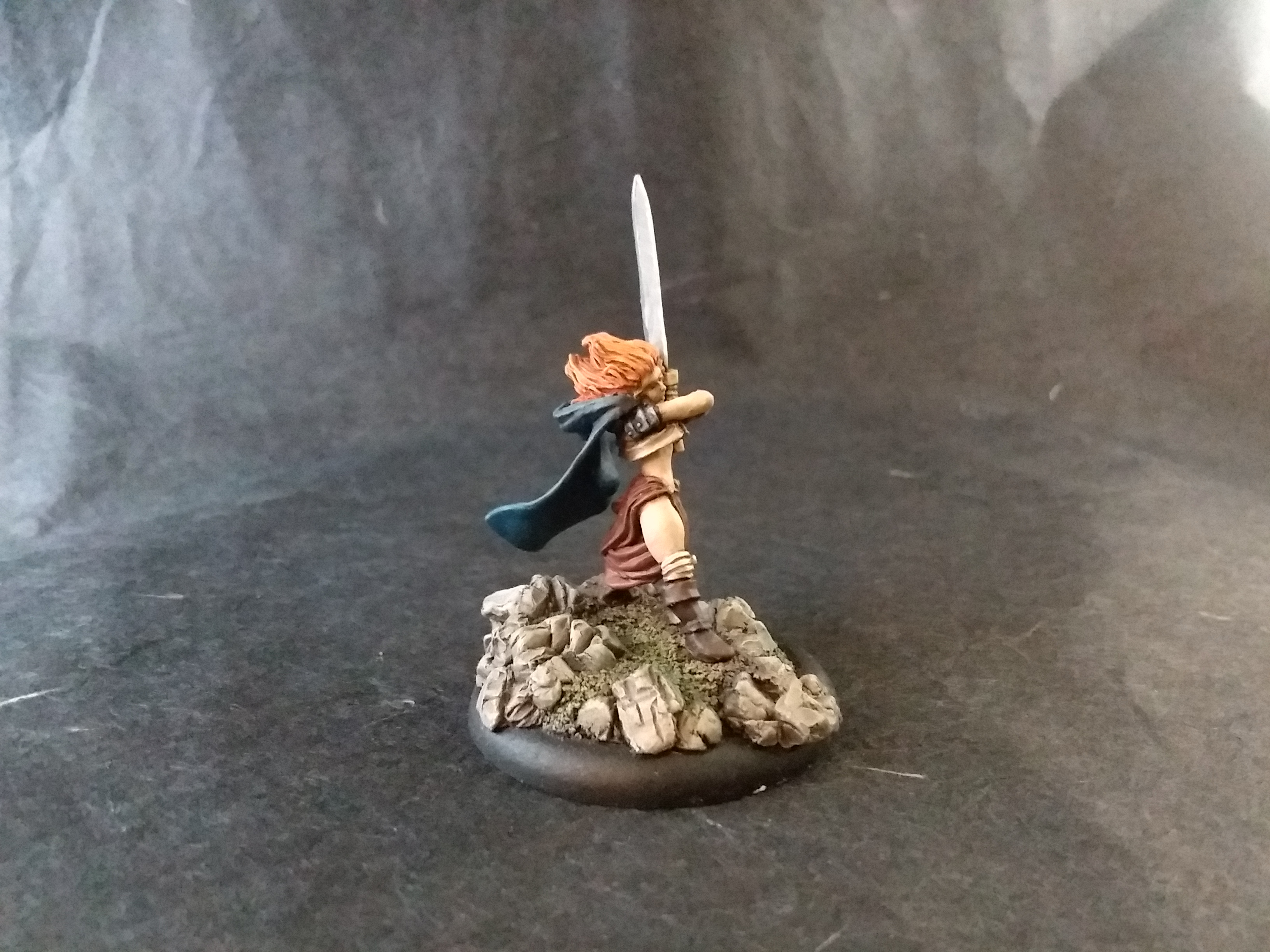
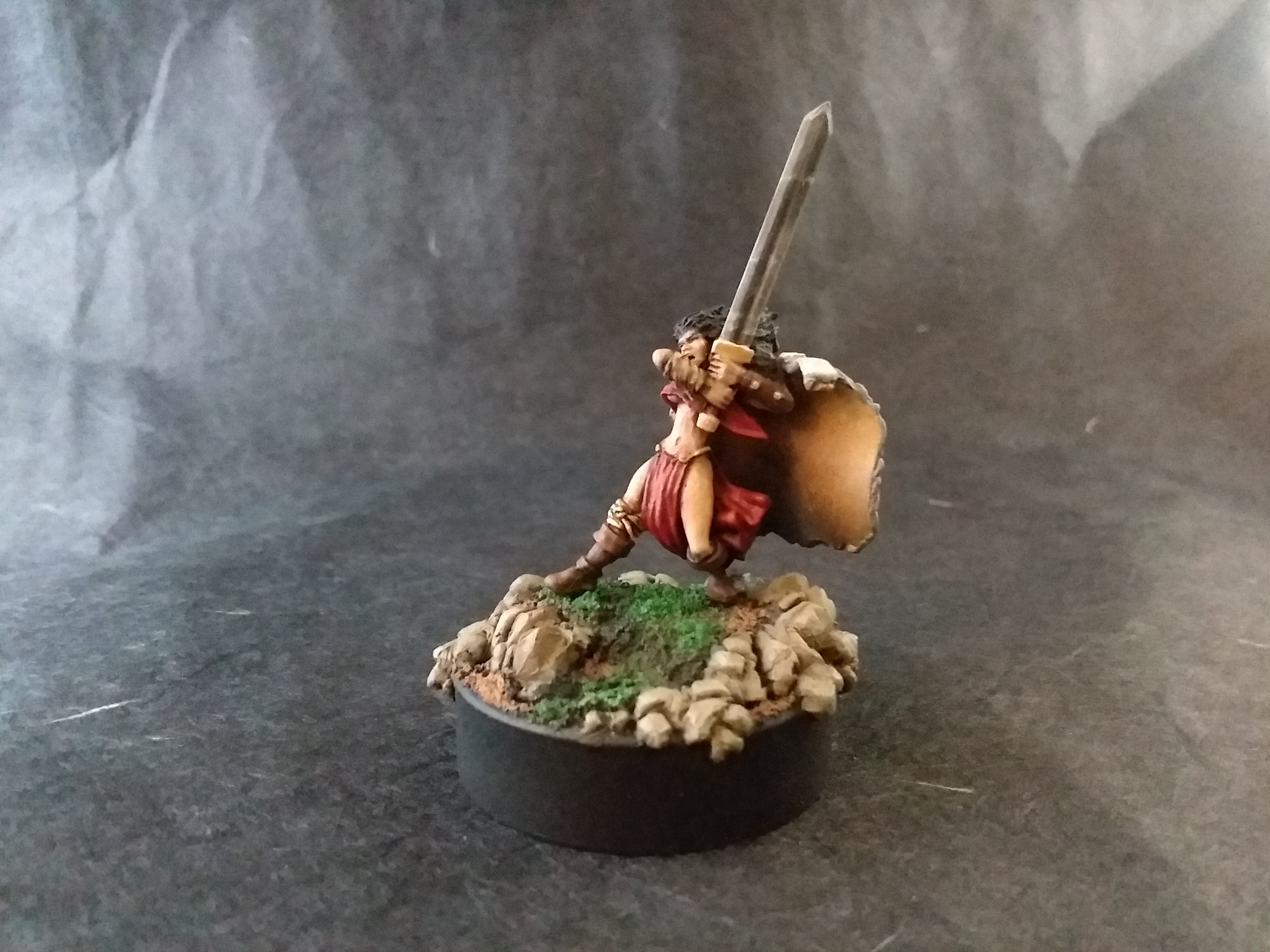
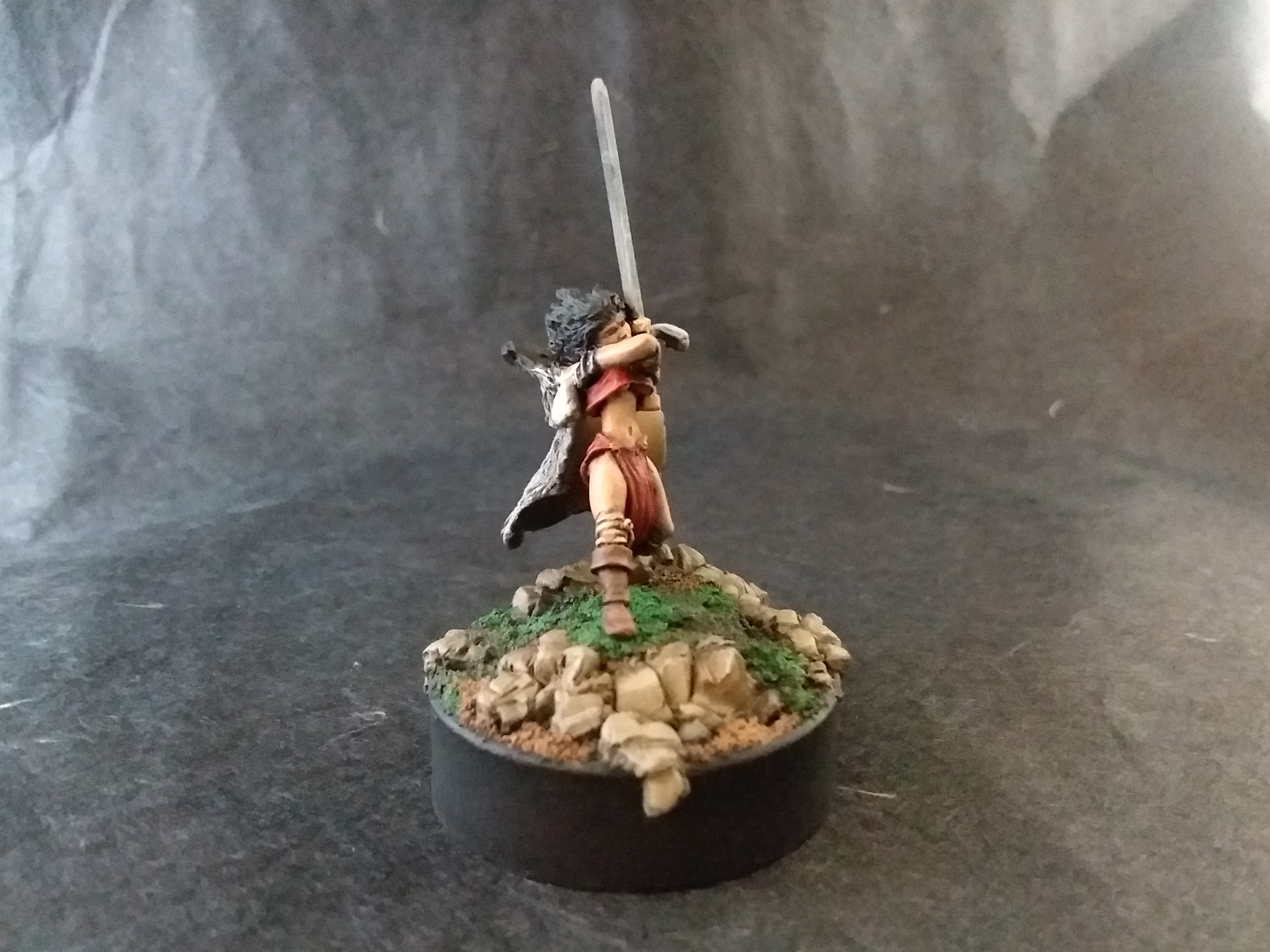
Same figure - different attitude
Here we have Reaper minis original female barbarian sculpt for Deenah (02518) in multiple copies. I picked it up originally as a play piece for my regular D&D campaign that I’d walk over to on the weekends. It’s plain and practical with the standard broccoli base that didn’t need to be expanded in order to be stable on the table. Figuring the metal was pretty bland I added some texture using PVA to stick on green flock and superglue to affix some sand.
Time went by and I felt that the figure was fun to paint and I decided to get another one. I was still intending to play tabletop D&D and seeing the interesting things with 30mm plastic I tried to fit the figure in. I was in luck as it fit perfectly within the 30mm round edge slotta. I looked at the base again and thought that there needed to be something more. On goes Coarse pumice from Golden and I painted over it with a bit of variation in color to make vegetation which works to play with.
I look again and thought to myself after messing around with Milliput Black on some other figures that it might be a good time to dress up another base. Here I have a 40mm plastic slotta that I’ve built up using a thin layer of cork board and sculpted rocks. I went back again and used the pumice to sit in as soil but painted it as an element of the base to give it the usual treatment of basecoat, wash and drybrush. I’ve considered going back to this one and adding grass tufts but its really pleasant to look at and see the progression. As this is one of my first tries at display painting the plastic round edge has seen some bumps and chipping but weathered pretty well through many moves.
The most recent completion of this model was based on top of a resin puck. I’ve heard that in competition there are no winners that come in on basic plastic. So far as I’ve seen in heavyweight competition that seems to bear out in the showcase work. Here’s another buildup on a layer of cork that I glued the pinned miniature on. Painting the elements separately made life much easier. This figure I focused on the modification elements and not so much the base. I’ll retouch the highlights on the rocks to make them pop better when I get around to it (maybe when I have no more figures to left to paint). Overall the sense that it is a presentation work is literally ‘heightened’ with a little lift from the tabletop. Yes, putting the work on a literal pedestal can be figuratively interpreted the same way. Breaking away from the table playspace gives another dimension to looking at figures.
I have another project with this same figure on the backburner and will get to it well before the retouch of the fourth figure. Again, it all comes down to clearing the backlog.
Of form and function
Normally we see figures on tables for specific games or various RPGs and say that they have awesome paint and completely skip the bases. The figure is the focus and all other things are tossed by the wayside. Competitions, in some cases, discount total presentation in lieu of the singular focus of technically applying pigment. Here’s where things are placed on their heads, like a good Cheshire cat, and the last detail situated as a starting point.
From here, the focus is on what kind of impact the piece should have. The more dramatic a setup is with the figure there should be a corresponding mini environment. A simple slotta base is fine and dandy if you were gluing on meeples and calling it a day but these are things you put effort into. Playing pieces get more love with a layer of PVA and a dash of flock as a bare minimum. Old lead true 25mm figures can come around with the addition of a stabilizing platform to give it a bigger footprint on hexmap. Here’s where more detail, with as much effort as you care to put in, can make a big difference.

![StarCraft Tabletop Miniatures Game Pre-Orders Live Now [Updated]](https://images.beastsofwar.com/2026/03/starcraft-tmg-news-cover-600-338.jpg)


![Mounted US Cavalry On Kickstarter For Dead Man’s Hand! [Updated]](https://images.beastsofwar.com/2026/03/us-cavalry-main-600-338.jpg)
![Play WW2 Commando Operations With Butcher & Bolt [Updated]](https://images.beastsofwar.com/2026/03/relaunch-600-338.jpg)