






![10mm Medieval Miniatures! Azincourt English Army Review | Wargames Atlantic [7 Days Early Access]](https://images.beastsofwar.com/2026/03/unboxing-wargames-atlantic-azincourt-english-army-coverimage-225-127.jpg)




Sepoys on the Sands of Egypt : An East India Company Unit for Silver Bayonet



Recommendations: 189
About the Project
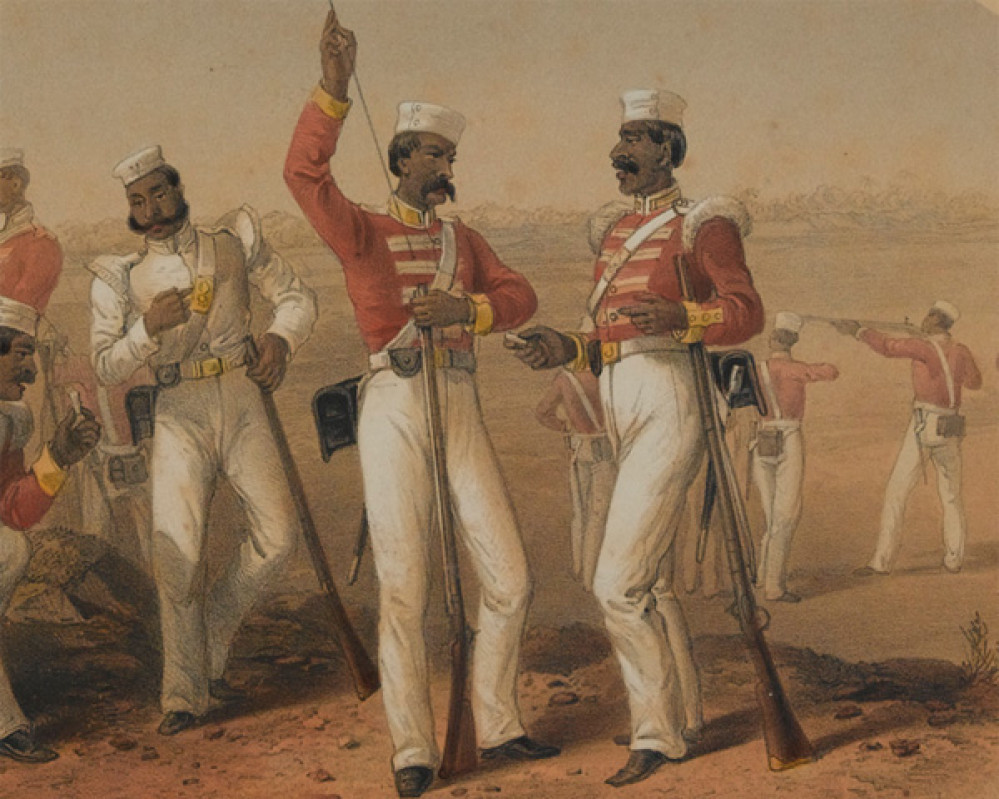
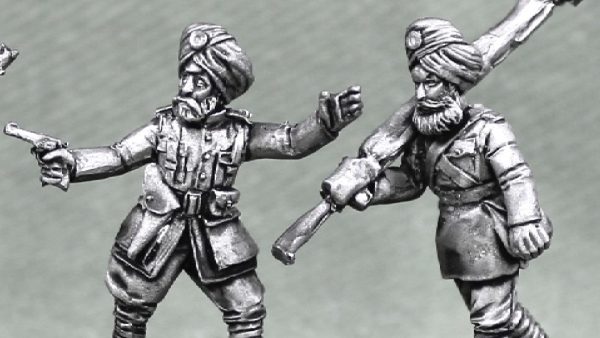
In short : I wanted to paint a unit for "The Silver Bayonet: Egypt" made up of troops from The East India company. In Long... After painting a stereotyped 'big muscled Sikh' miniature, I wondered why that trope existed and wanted to paint some other, less comic book miniatures representing people from India. I guess it's important for me as my wife is a British Asian and I think our kids should see me playing with tiny fighting men that represent both sides of their heritage.
Related Game: The Silver Bayonet
Related Genre: Horror
This Project is Completed
Unit and Background
Subedar Gaekwad (officer).
The wayward, youngest son of a Maratha had few prospects at home and so joined the East India Company not only to make something of himself, but also with an eye on learning the military tactics of those who could one day threaten the supremacy of his family. When he heard of the campaign in Egypt and the chance to pursue the rumored harvestmen he quickly volunteered the use of his command to his grateful superiors.

3 sepoys : 30 recruitment points.
Jiten, Hitul and Kavish are boyhood friends who grew up on the streets of Mumbai and joined the EIC as the pay on offer was better than any other they could get. They weren’t expecting to be sent to Egypt, but now they’re here they intend to get some ‘supplementary income’ without catching the eye of their commanding officers.
Nishka Massi: Highlander 18 recruitment points.
Everyone knows not to mess with an Indian Aunty and Nishka Massi is no exception. Much to their embarrassment, Jiten, Hituls and Kavish’s mother’s sister somehow managed to follow them to Egypt. No one is sure how. However she has become tolerated as she’s a fierce defender of her nephews safety and has proven her use on the battlefield time and time again. Not even the burden of her own baby son can stop her from accompanying the squad into the field.
Surgeon Jain : Doctor 10 recruitment points.
Joining the East India Company as a boy, Kamlesh Jain proved himself to be a quick learner and steadily worked his way through the medical corps. A vain man Dr Jain uses henna to dye his hair red, but there’s no one better to perform an amputation while under fire.
Pandit Battula : Occultist: 20 recruitment points.
This learned holy man has been studying the epic Mahabharata for over 50 years and as such is an expert in Ancient verdic warfare and the usage of celestial weapons: the Astra and the Shastra. With great effort he can use the holy mantras to bestow any weapon with divine properties for a short time.
Unit and Backgrounds
Subedar Gaekwad (officer).
The wayward, youngest son of a Maratha had few prospects at home and so joined the East India Company not only to make something of himself, but also with an eye on learning the military tactics of those who could one day threaten the supremacy of his family. When he heard of the campaign in Egypt and the chance to pursue the rumored harvestmen he quickly volunteered the use of his command to his grateful superiors.
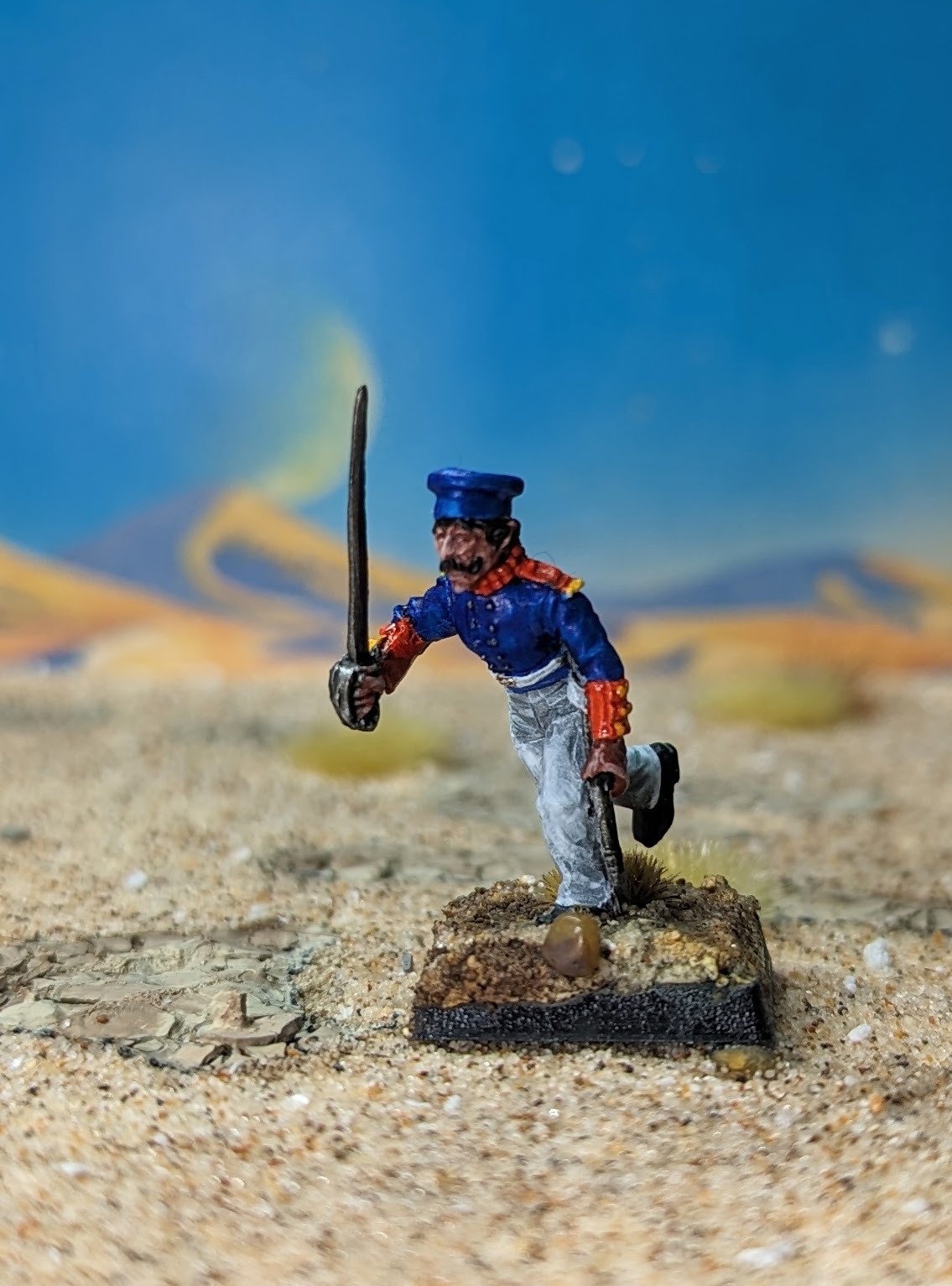
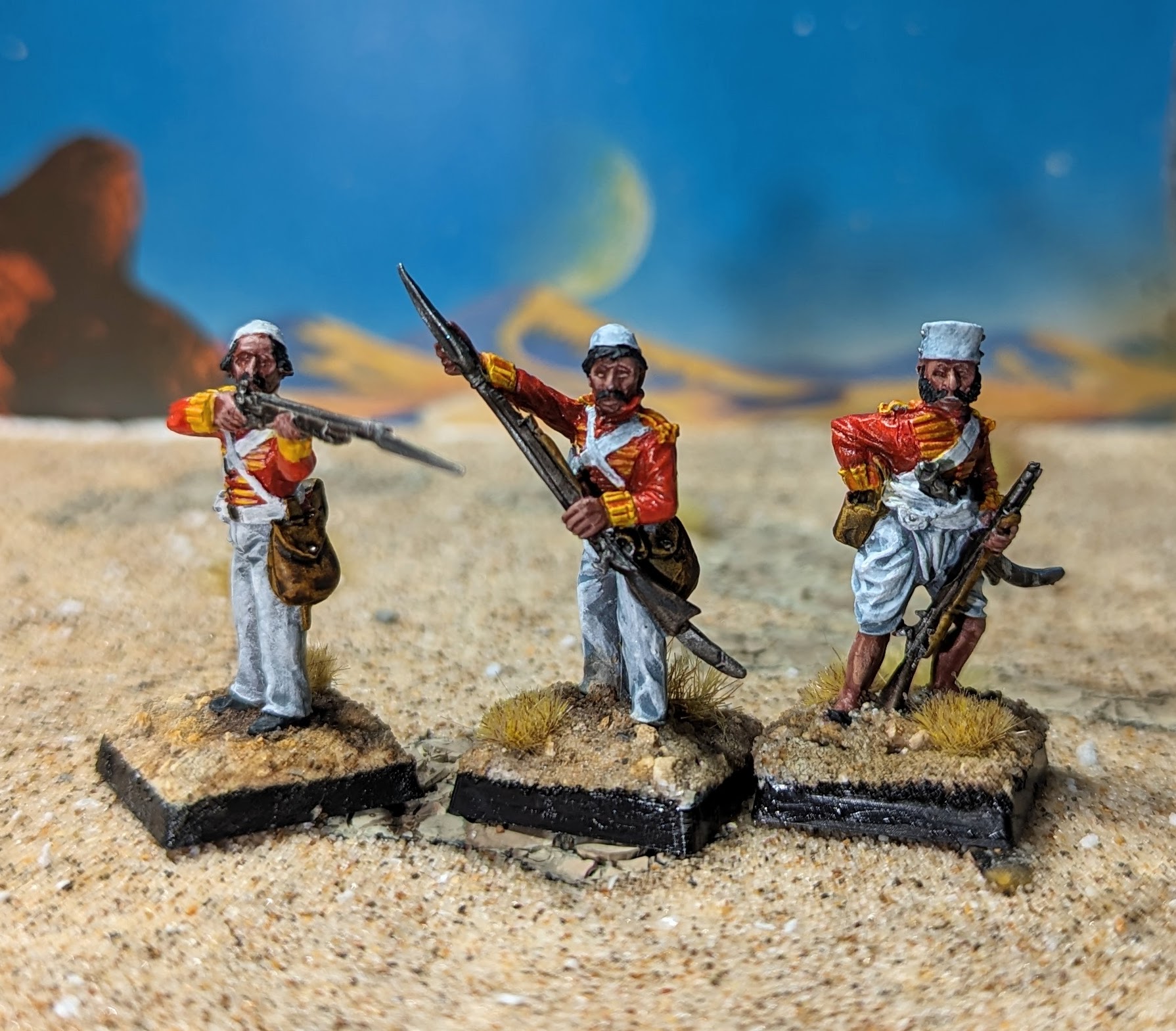
3 sepoys : 30 recruitment points.
Jiten, Hitul and Kavish are boyhood friends who grew up on the streets of Mumbai and joined the EIC as the pay on offer was better than any other they could get. They weren’t expecting to be sent to Egypt, but now they’re here they intend to get some ‘supplementary income’ without catching the eye of their commanding officers.
Nishka Massi: Highlander 18 recruitment points.
Everyone knows not to mess with an Indian Aunty and Nishka Massi is no exception. Much to their embarrassment, Jiten’s mother’s sister somehow managed to follow them to Egypt. No one is sure how. However she has become tolerated as she’s a fierce defender of the safety of her nephew, and all of his friends, and has proven her use on the battlefield time and time again. Not even the burden of her own baby son can stop her from accompanying the squad into the field.

Surgeon Jain : Doctor 10 recruitment points.
Joining the East India Company as a boy, Kamlesh Jain proved himself to be a quick learner and steadily worked his way through the medical corps. A vain man Dr Jain uses henna to dye his hair red, but there’s no one better to perform an amputation while under fire.

Pandit Battula : Occultist: 20 recruitment points.
This learned holy man has been studying the epic Mahabharata for over 50 years and as such is an expert in Ancient verdic warfare and the usage of celestial weapons: the Astra and the Shastra. With great effort he can use the holy mantras to bestow any weapon with divine properties for a short time.
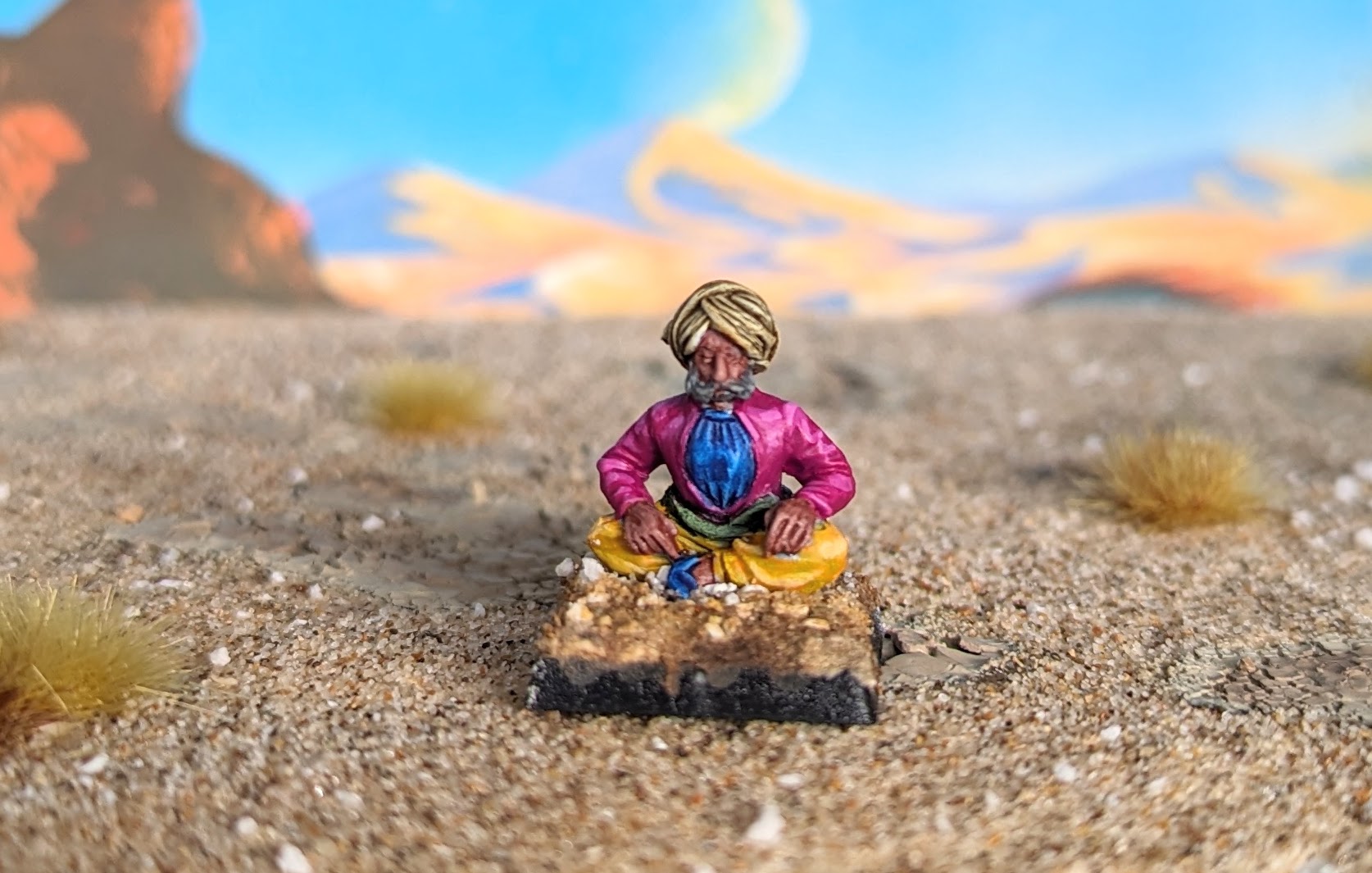
Supernatural investigator: 22 recruitment points.
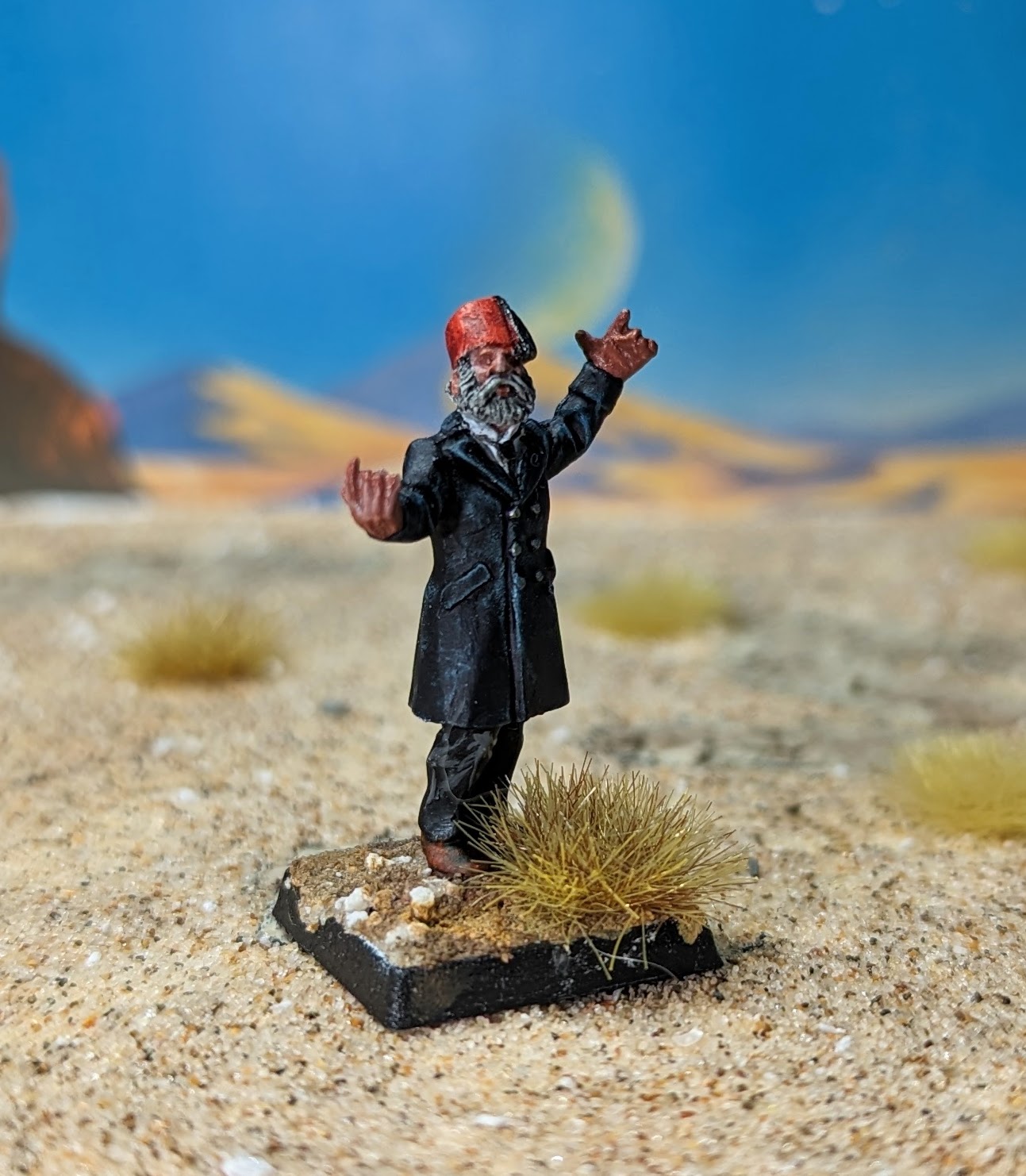
Ask around the Khan el-Khalili Souk in Cairo for somewhere to buy relics from the tombs of the Pharaohs and you’ll be directed to the small shop in a quiet alleyway. But the owner, Ameer Tadros, does not simply deal in fake trinkets for the unwary. In the back room there are crumbling papyrus scrolls containing the knowledge of the ancients. Ameer has read them all and is an invaluable ally in the fight against the harvestmen.
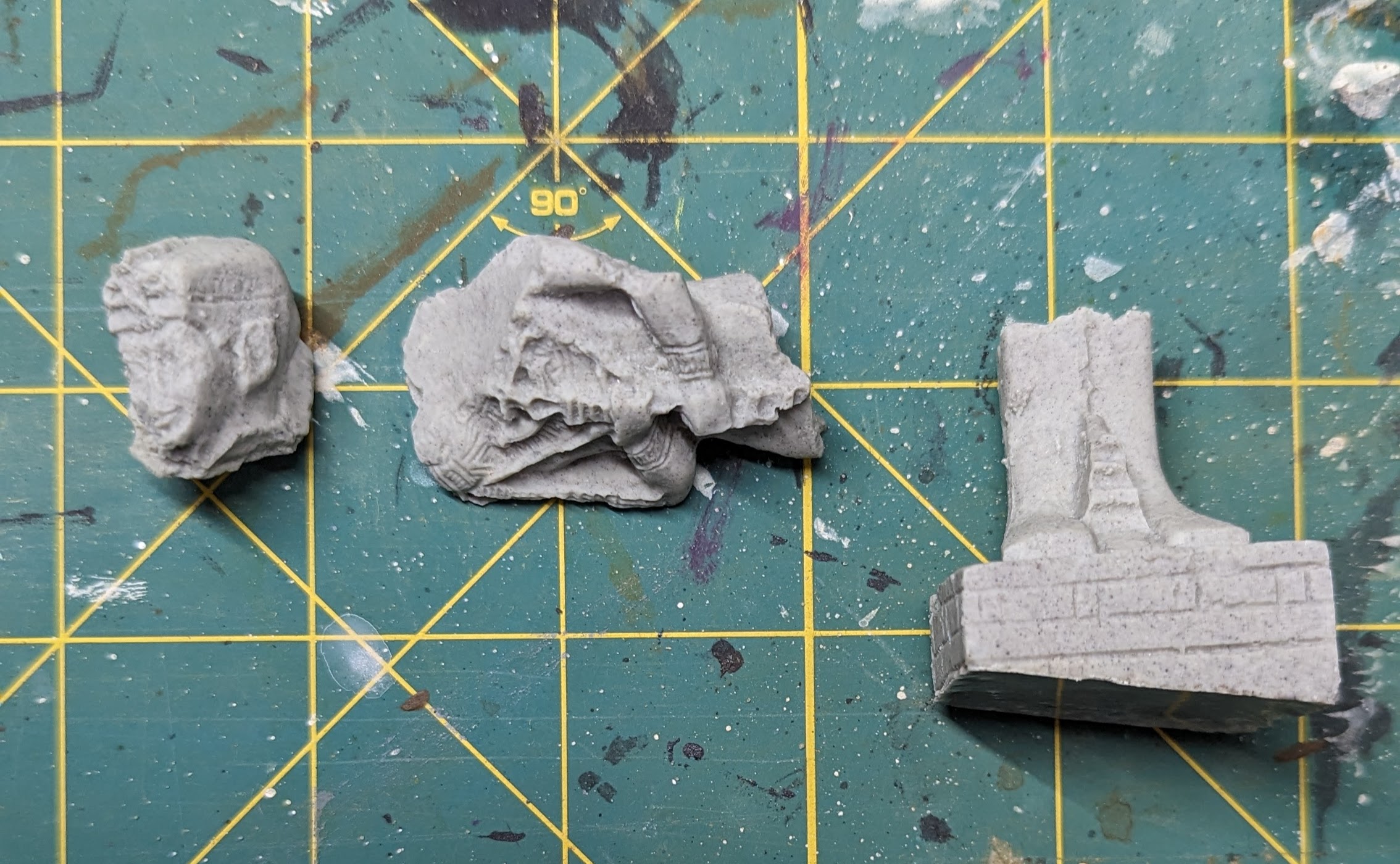
Some Terrain - part 1: preparation.
Before I’d finished painting the miniatures I was looking around at terrain and scatter terrain. The first thing that I found was this broken statue from Fenris. It’s a lovely set of bits which could be painted up and literally scattered onto a tabletop, but I decided that I wanted to keep them together.
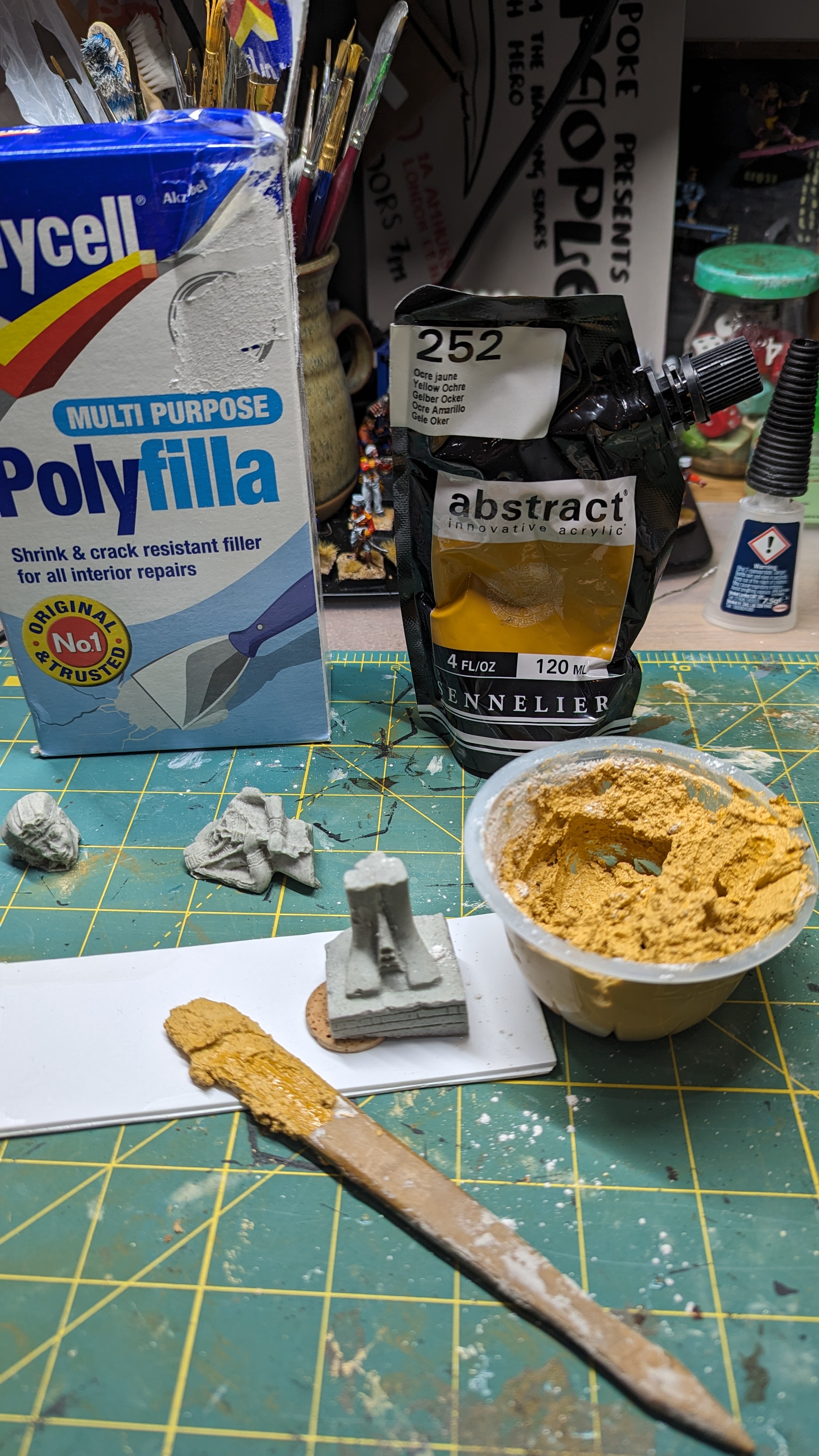
Step one was to glue the base part of the statue to some plasticard, with a wedge of cork underneath to level it a bit. Next I mixed up some polyfilla with a bit of sand, grit and craft store acrylic paint.
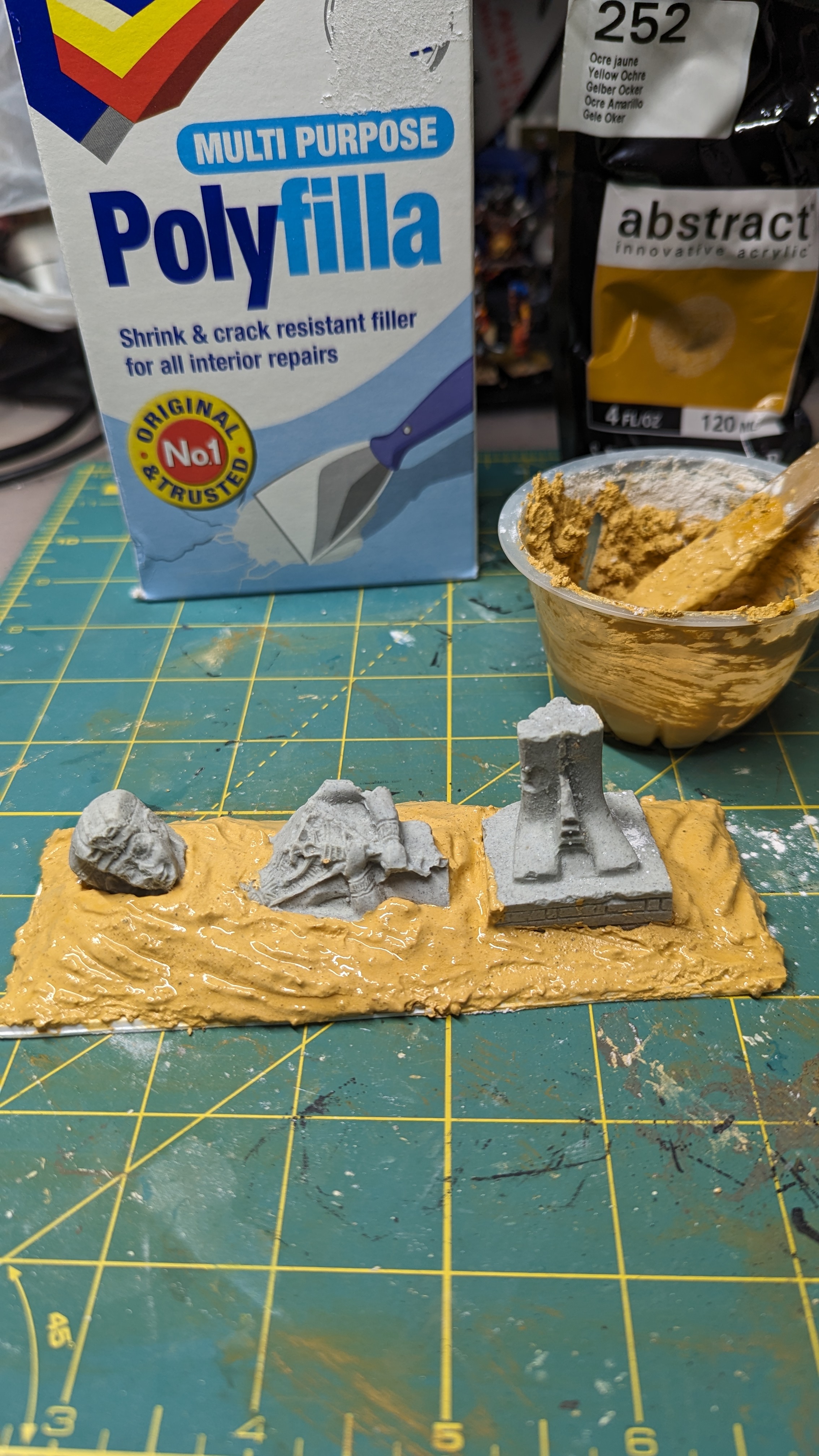
I slathered this mixture onto the rest the pasticard base and tried to sculpt it into sand dune like shapes. For this I used a lot of water on a sculpting tool to add furrows and undulations and smooth the surface, which did have me wondering why I bothered to add the sand and grit?
I then got the remaining two pieces of the statue and pushed them into the polyfilla in the hopes that it would look like they’d been swallowed up by the wind blown sand.
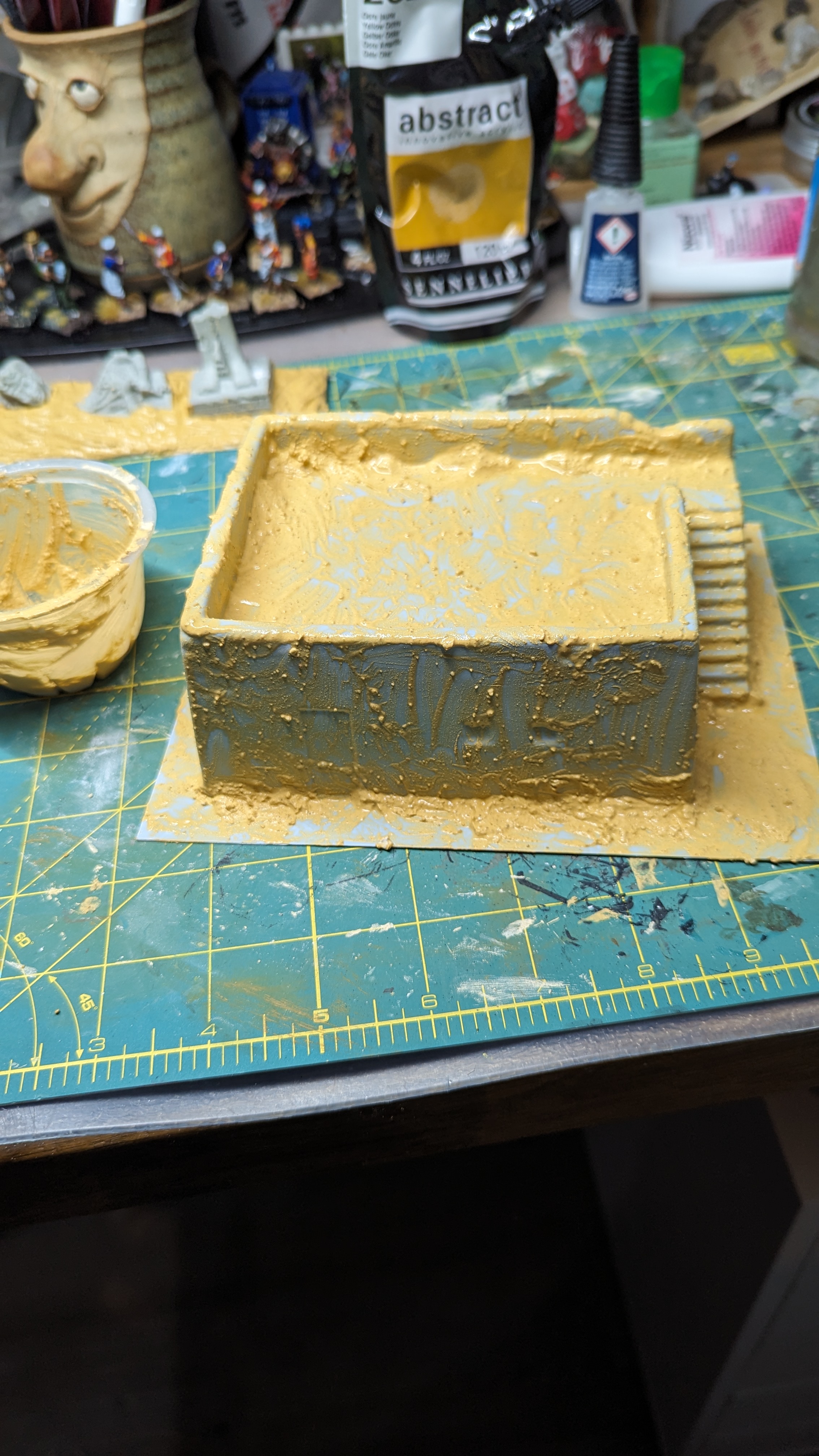
I had quite a bit of the polyfilla mixture left, so I quickly got the ‘North African Desert Building‘ I’d bought from Amera mouldings.
I decided to give this a go as you can’t go wrong for £4 can you? I know a Renedra kit would be stronger and I could do a whole table with different Fogou adobe buildings, but I was intrigued by these.

I watered down my polyfilla mix and daubed it onto the building with an old brush. In hindsight this may have been a mistake, and I should’ve primed the model first as my mix hasn’t bonded properly at all.
Some Terrain - part 2: painting
If you’re reading this : come back in half an hour.
This is my 3rd attempt at posting this entry, so I’m going for a multiple save approach. I’ll delete this first block of text when I’m done.
—–
The craft store paint in the polyfilla mix took care of the base colour for my sand burying the broken statue, so the first stage of painting proper was a dry brush of Vallejo Bone White. I then used some watered down Citadel Seraphim Sepia to wash over the sand, and some Army Painter Pallid Bone to paint the parts of the broken statue.


Some Terrain - part 2: painting
The craft store paint mixed into the polyfilla had taken care of the base color of the ‘sand’, so the fist stage proper was to drybrush some vallejo Bone White. I then added a wash of slightly diluted citadel Seraphim Sepia and used army painter Pallid Bone to paint the pieces of broken statue.
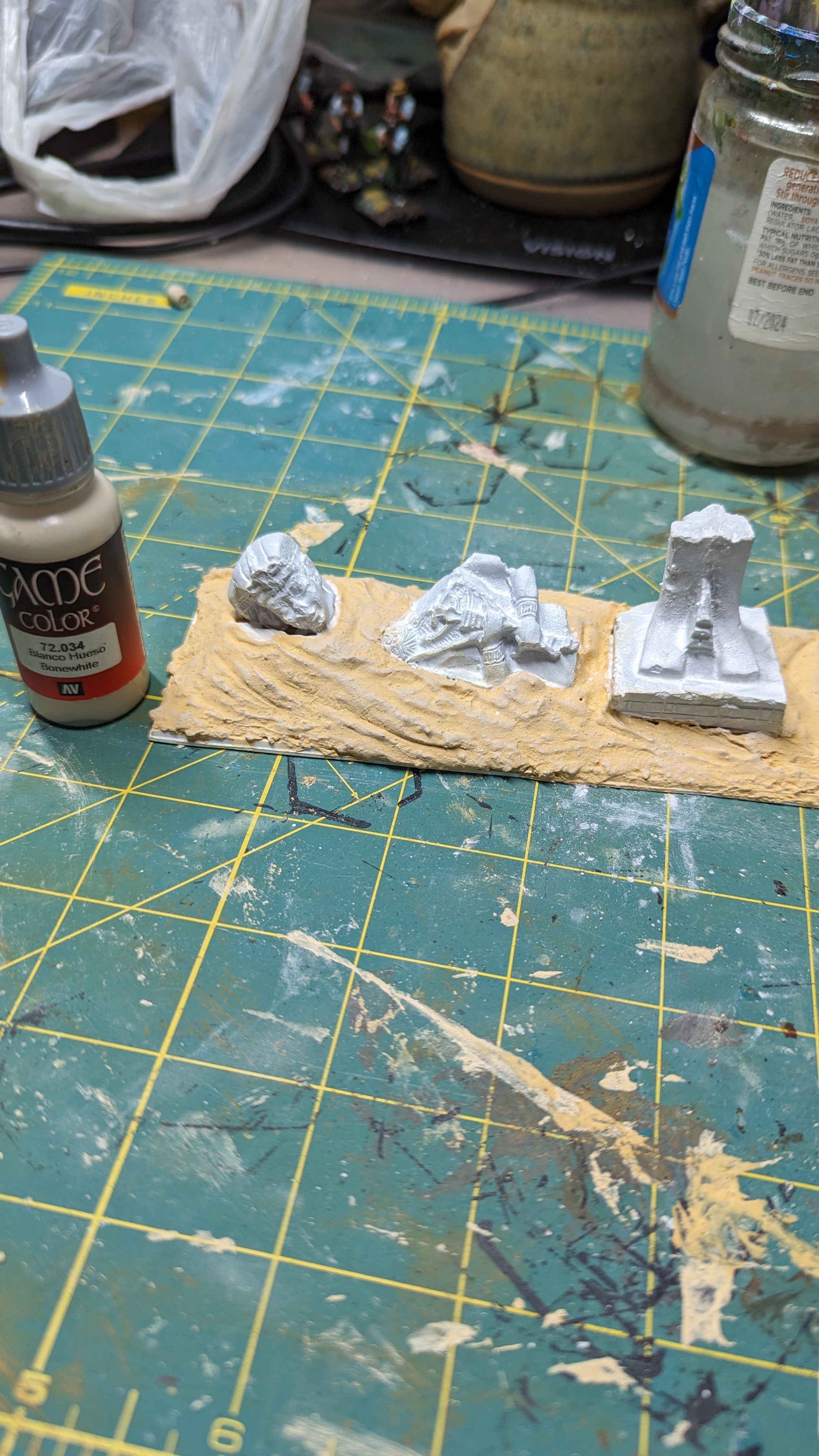
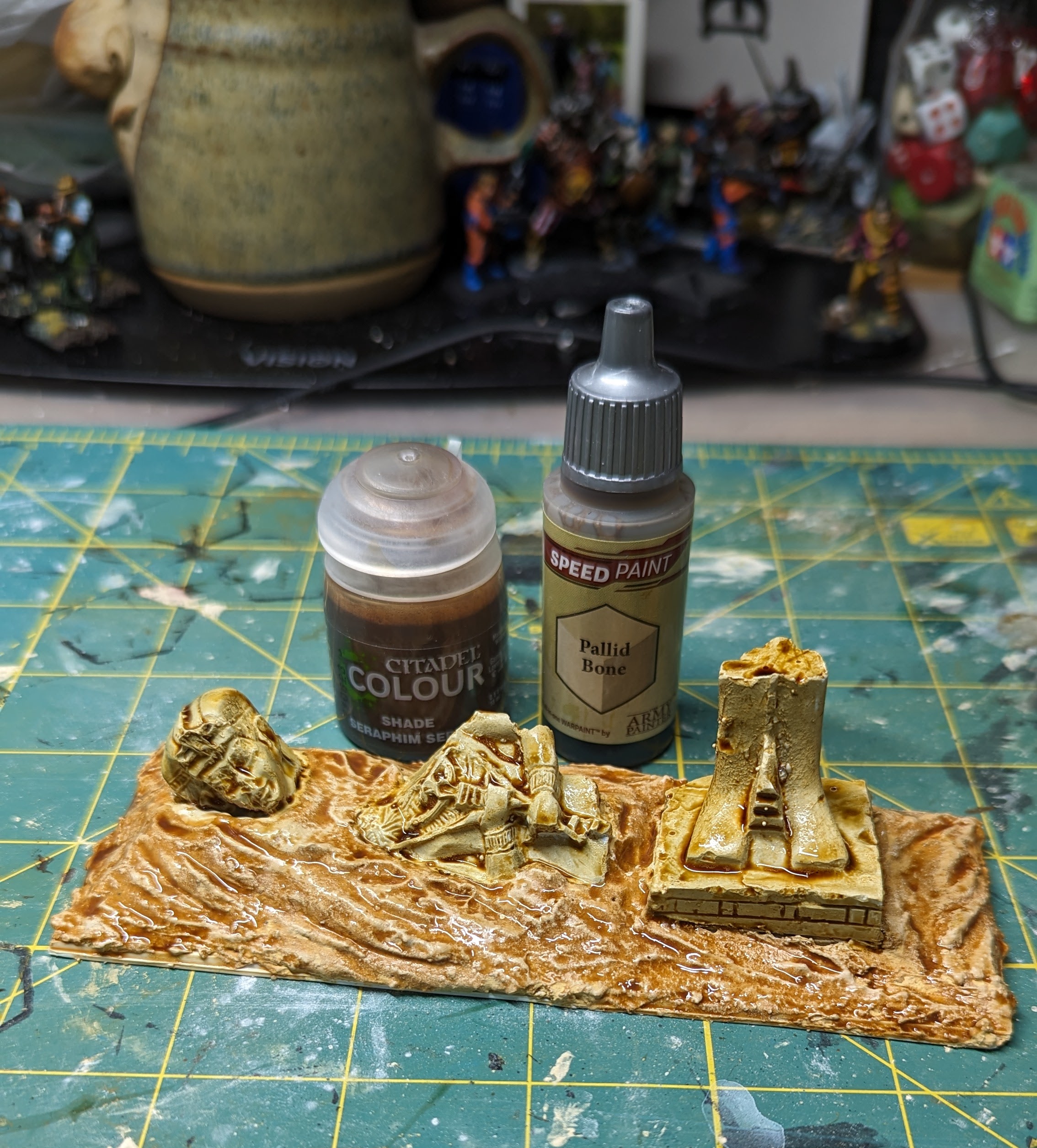
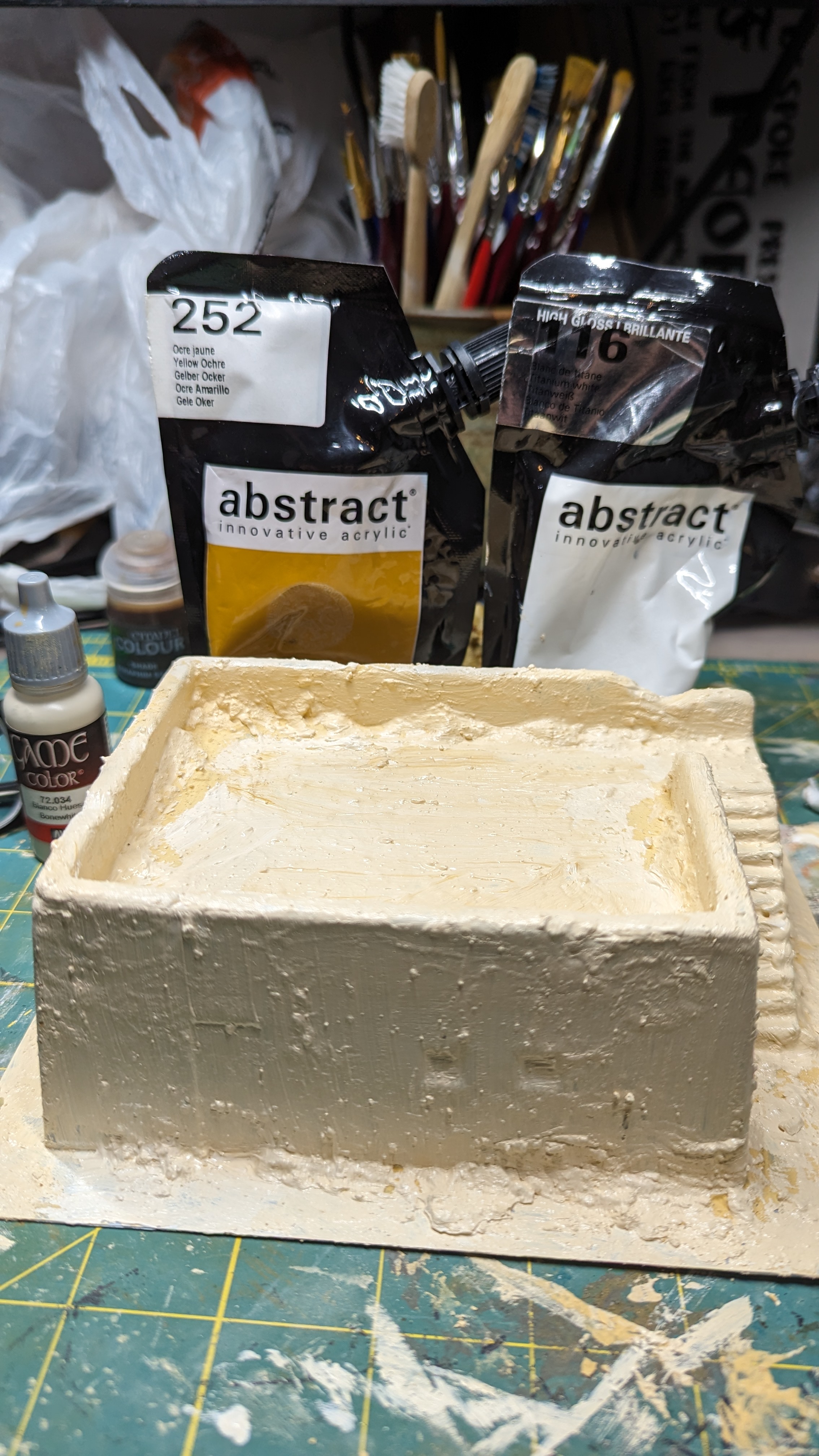
I also started to must Bone White on the building, but I quickly realised that this was a fine way to use up a whole bottle of paint very quickly so I switched to craft store acrylics again, mixing up an approximate match from the colours that I had available.
At this point I realised that the rather dull detailing of the doors and windows would be lost in a thick layer of paint, so I snipped a strip of bamboo (a candle splint rather than a coffee stirrer) into lengths and glued them over the ones on the model. I then washed everything in army painter Hardened Leather speedpaint: diluted for the building and undiluted for the doors and shutters.
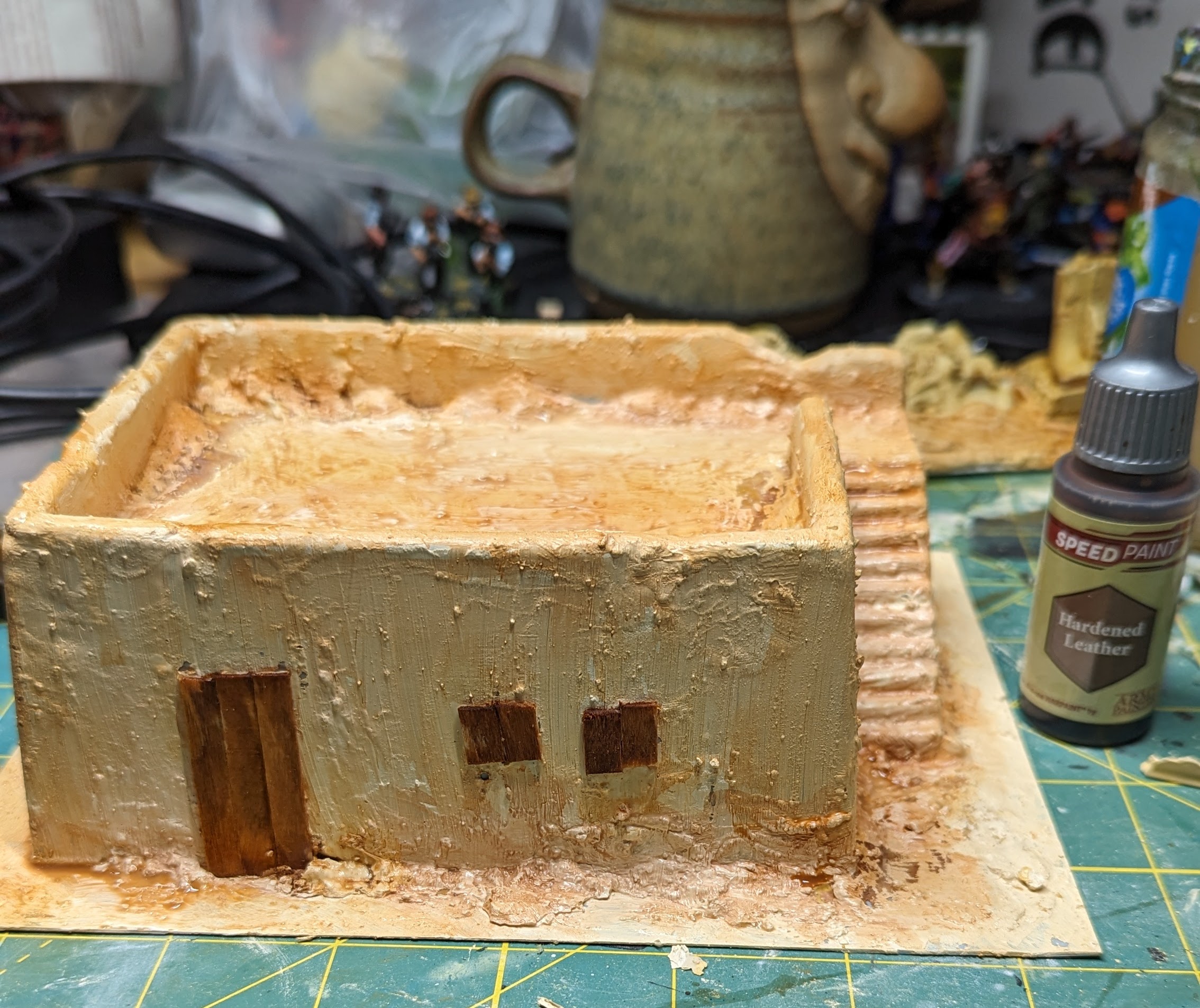
A few tufts later and I’m calling them both done and ready for use.
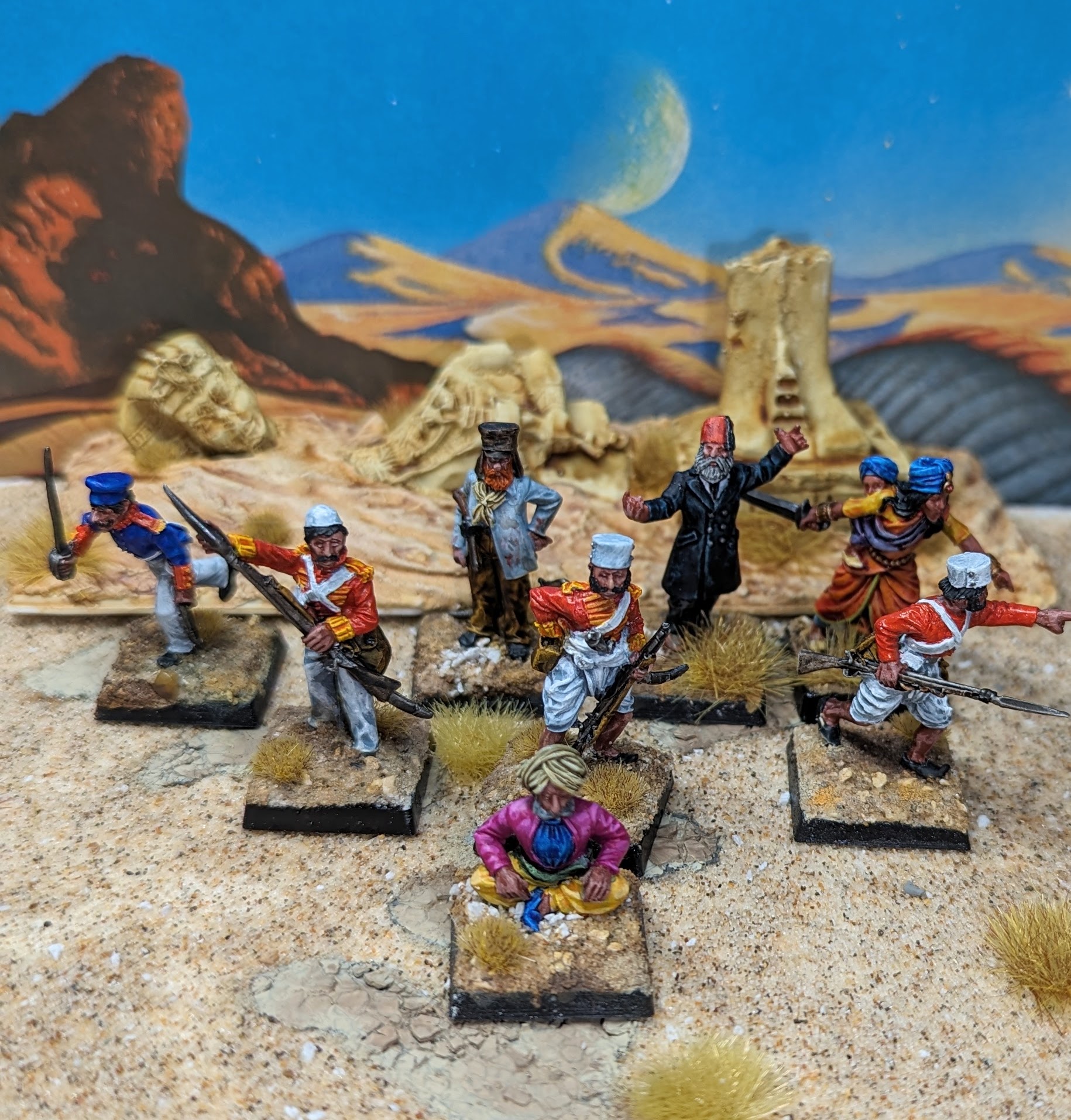
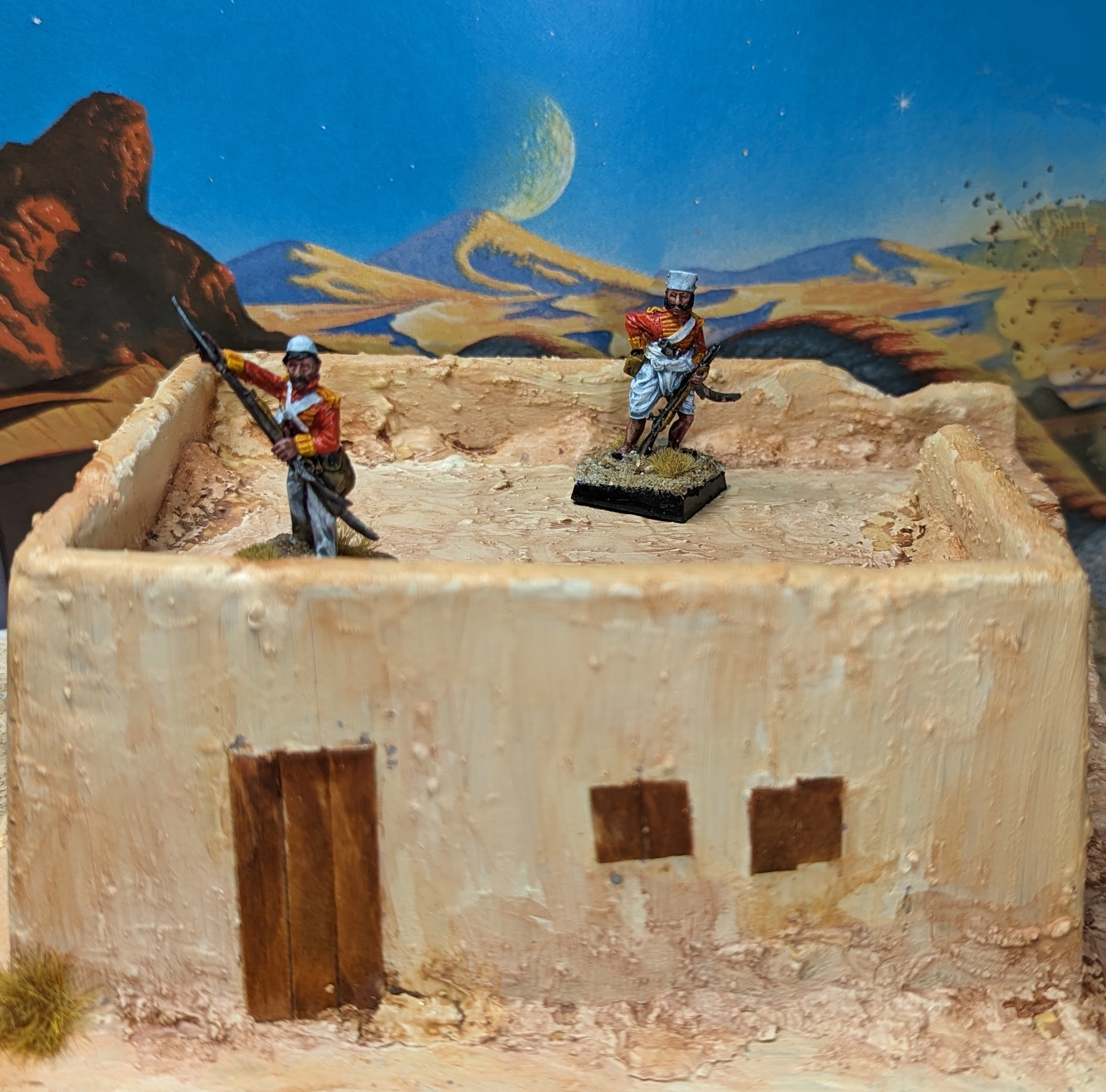
And that’s the project done… for now.
When I get the book and play a scenario I’ll either reopen this or create a new project for a battle report. I might even get myself some Fogou adobe houses and the Renedra mud brick house for a comparison.
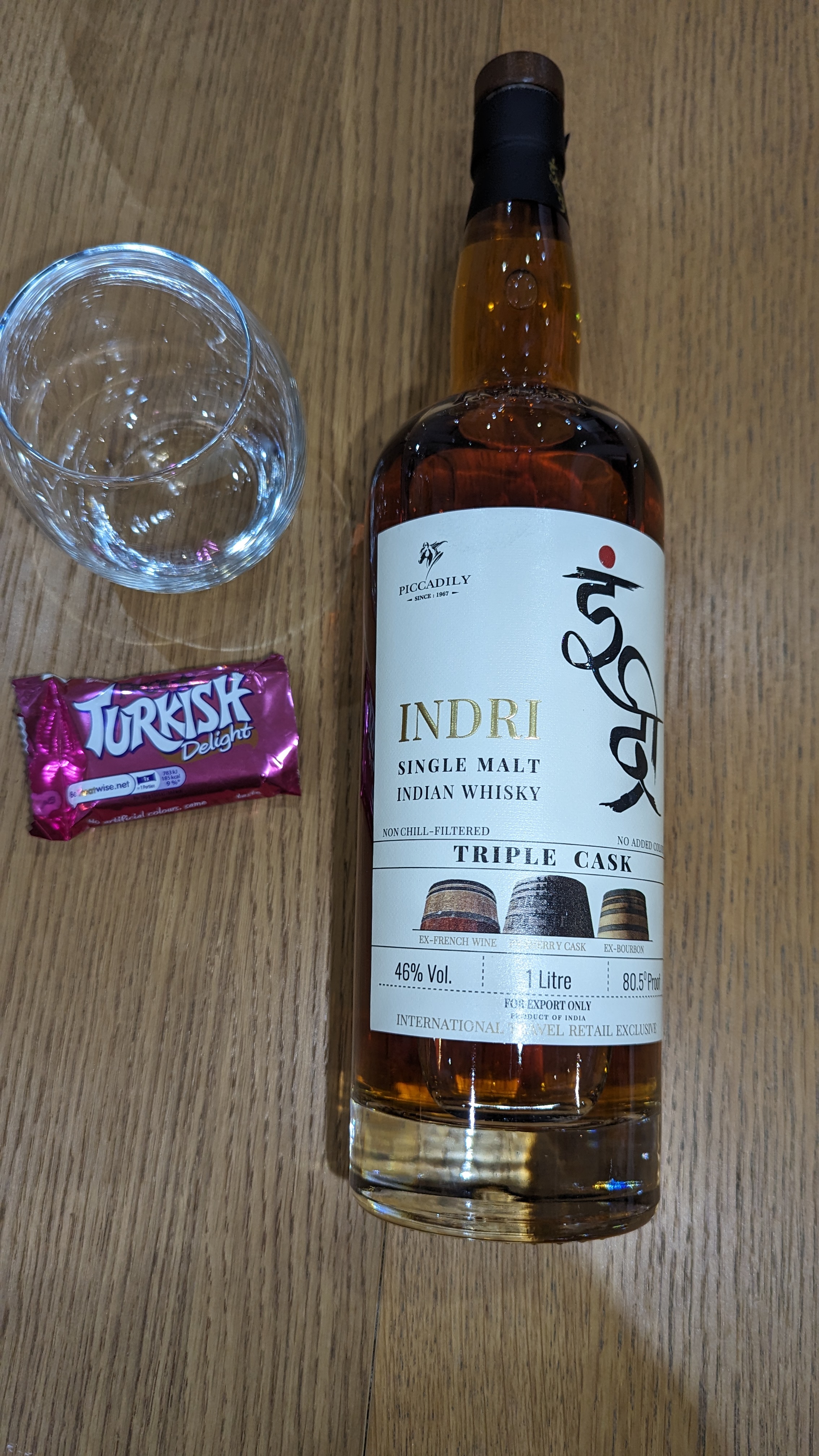
Right now I’m going to open a Fry’s Turkish Delight, pour myself a glass of Indian whisky and bask in the warm glow of my golden button. Thanks again for that, cheers.


![Play WW2 Commando Operations With Butcher & Bolt [Updated]](https://images.beastsofwar.com/2026/03/relaunch-600-338.jpg)