





![NO Weekender Or Cult Of Games XLBS This Weekend [Updated]](https://images.beastsofwar.com/2026/03/No_Weekender_and_XLBS_this_Weekend-225-127.jpg)



Shining some light into Darkest Africa


Recommendations: 288
About the Project
After getting a Runner up prize in Spring Clean 2025 I'll be continuing occasional returns to the long neglected but much invested in Darkest Africa collection. Specifically I'm going to build armies for Death in the Dark Continent. I started with Bornu-Kanembu who controlled an area broadly equivalent to modern Chad during the period of colonial expansion. They were the most eastern of the Fulani style emirates and interacted with many of the other forces I am now going on to build; Azande, Turkana, Sudanese and Congo Arab slavers and Congo tribal forces amongst others.
Related Company: Wargames Foundry
Related Genre: Historical
Related Contest: Spring Clean Hobby Challenge 2025
This Project is Active
And the runner up is...
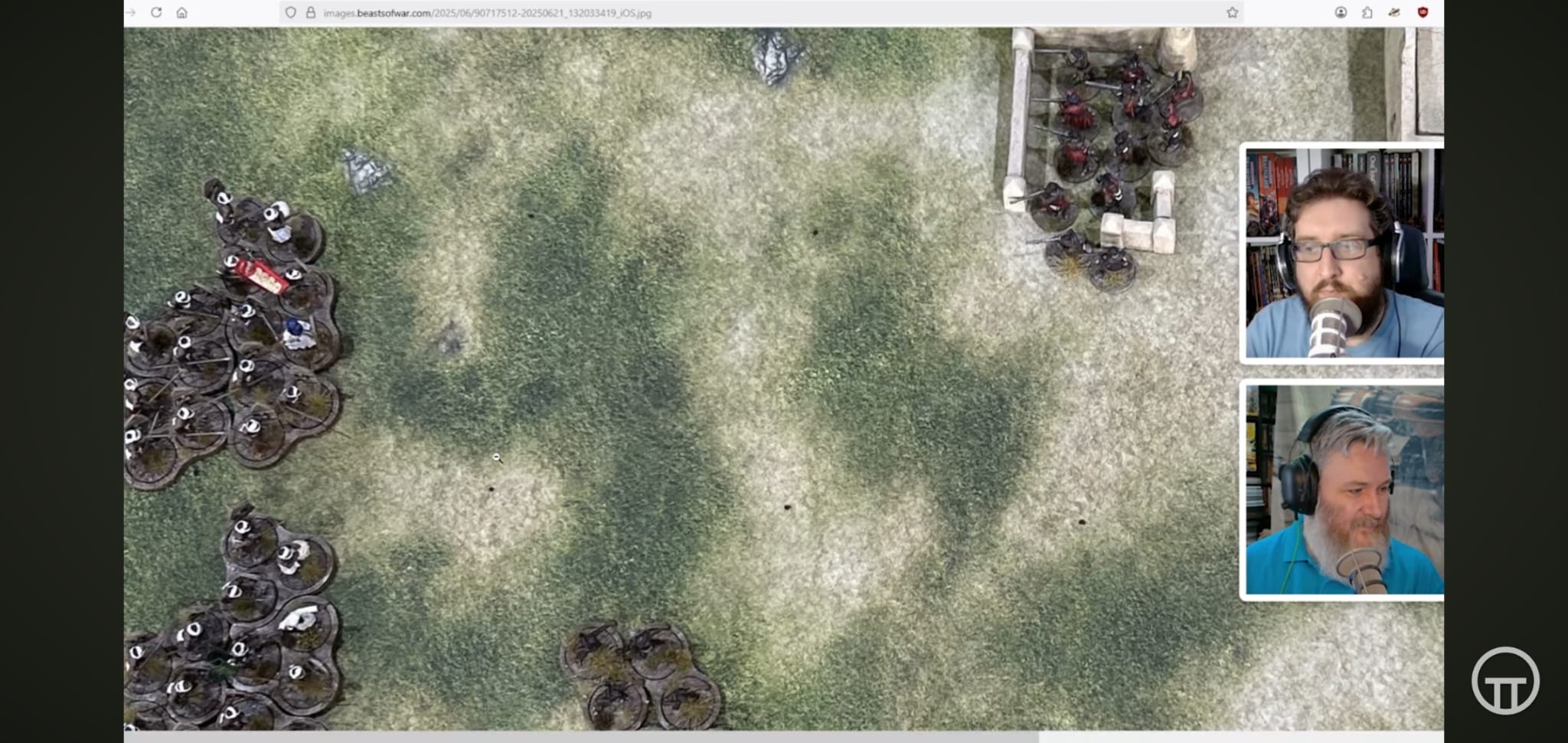
…this project. As you will see if you watch the Spring Clean results show I won the runner up in the Army Refresh category. Very happy. Thanks to all concerned. I’m renaming this project which will now be the basis for continued progress into the Darkest Africa corner of The Pile.
Let battle commence...
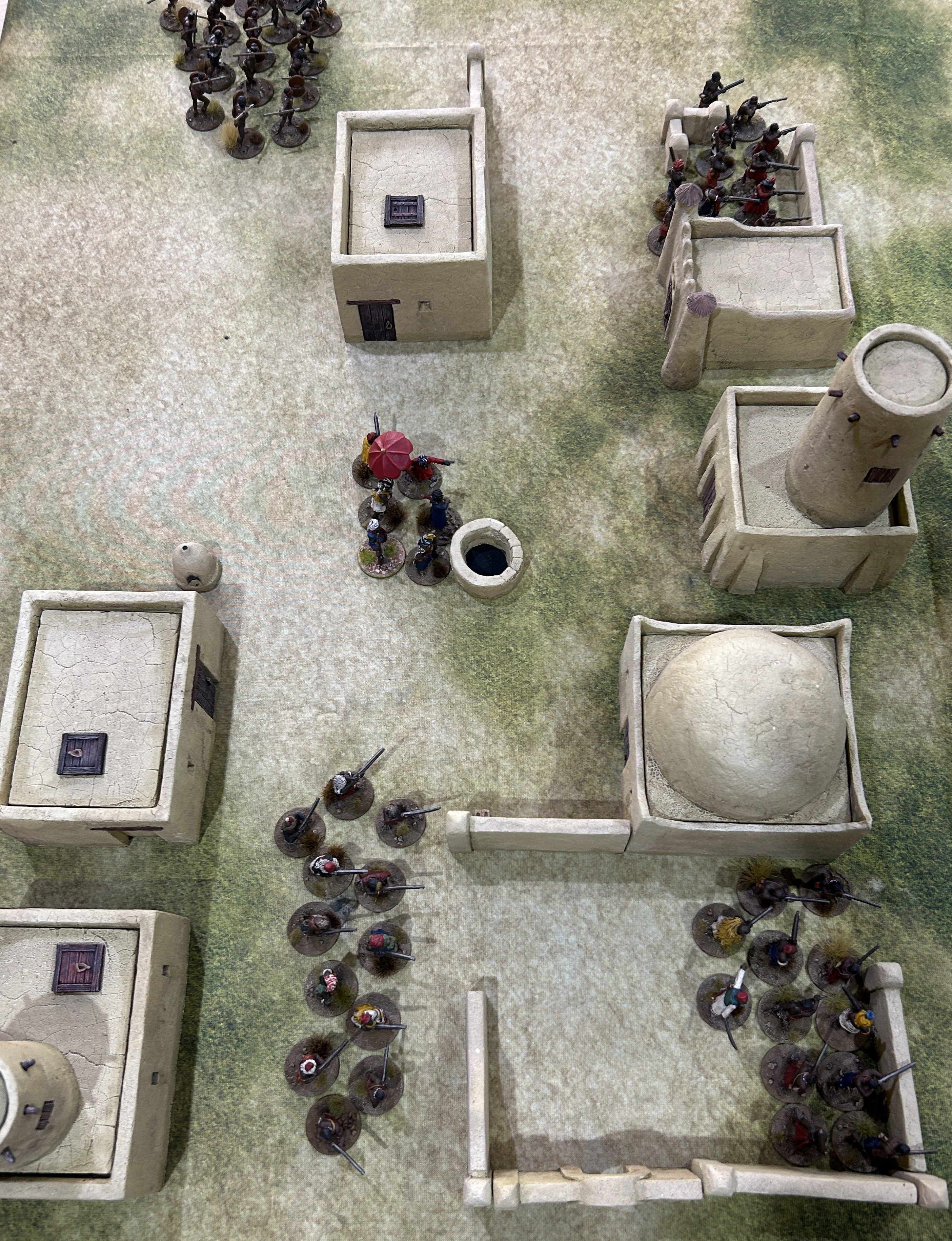
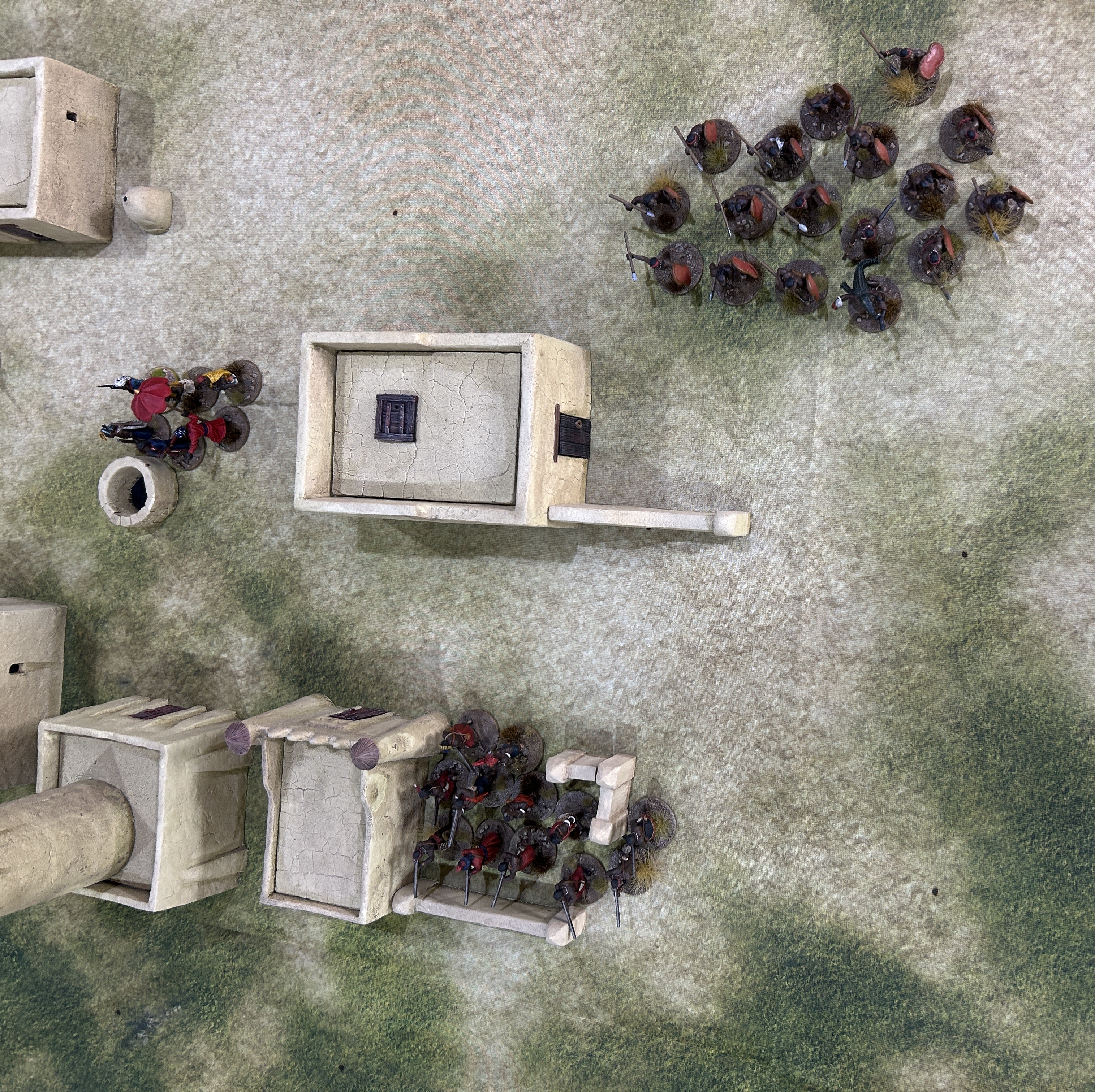
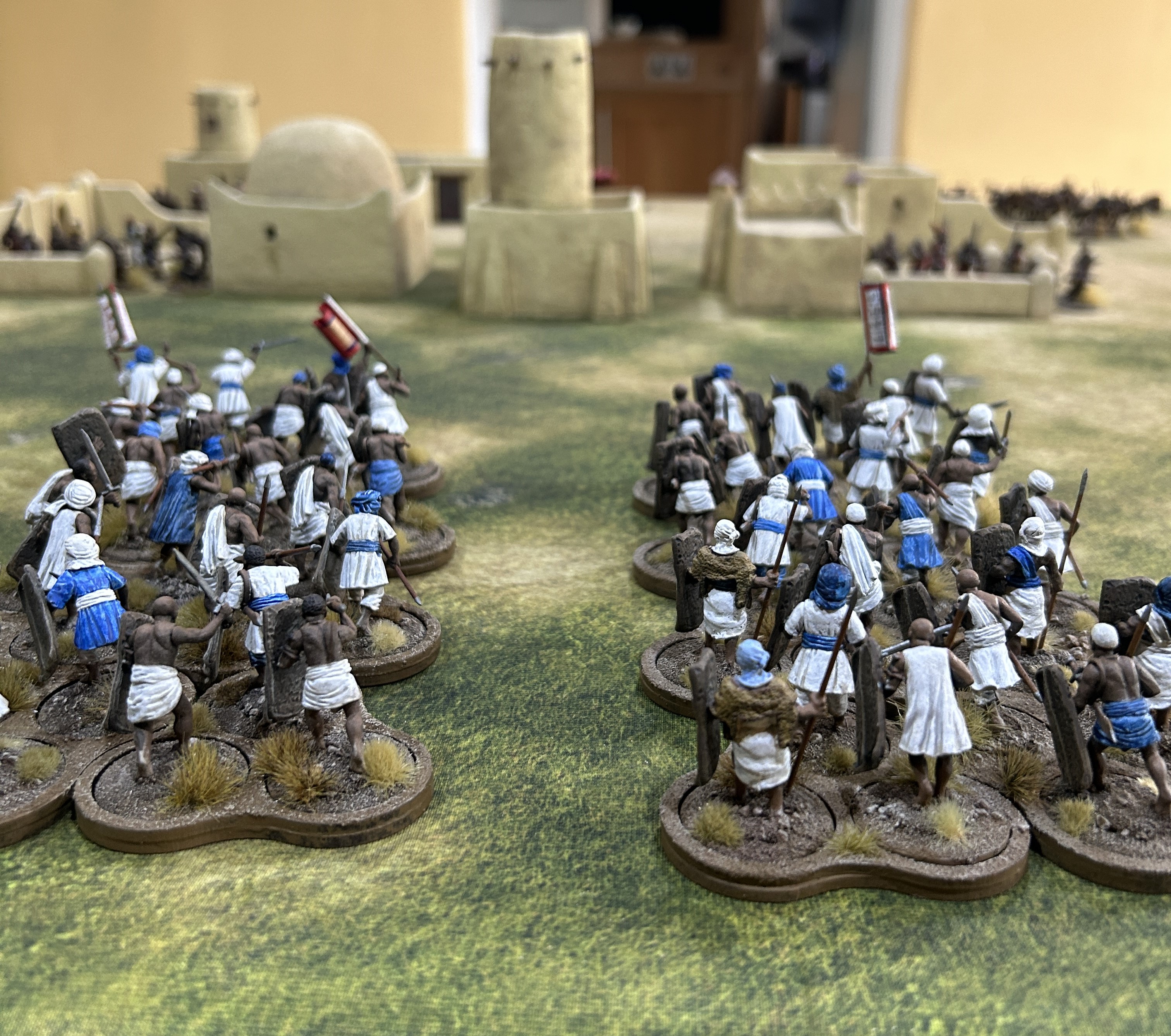
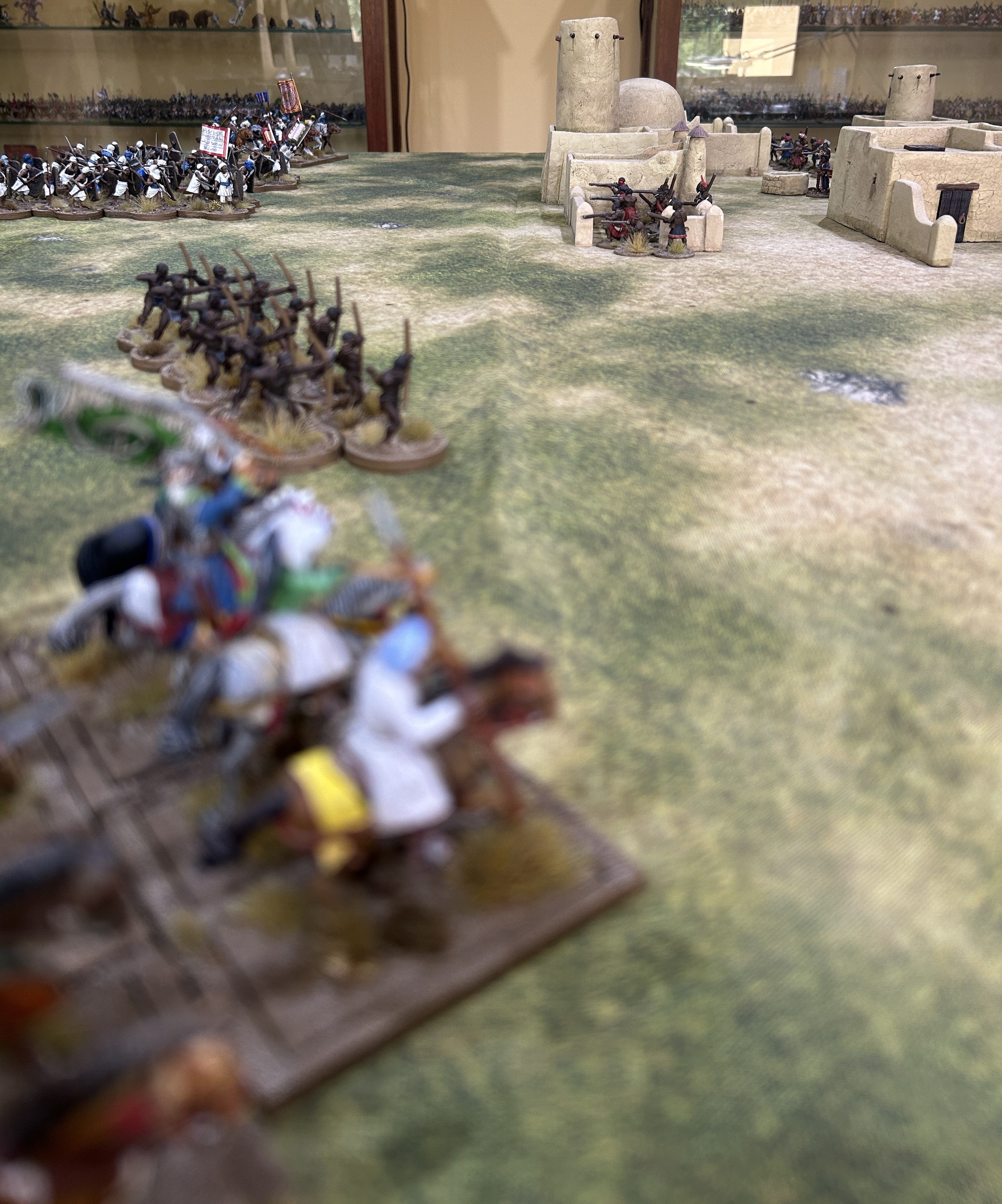
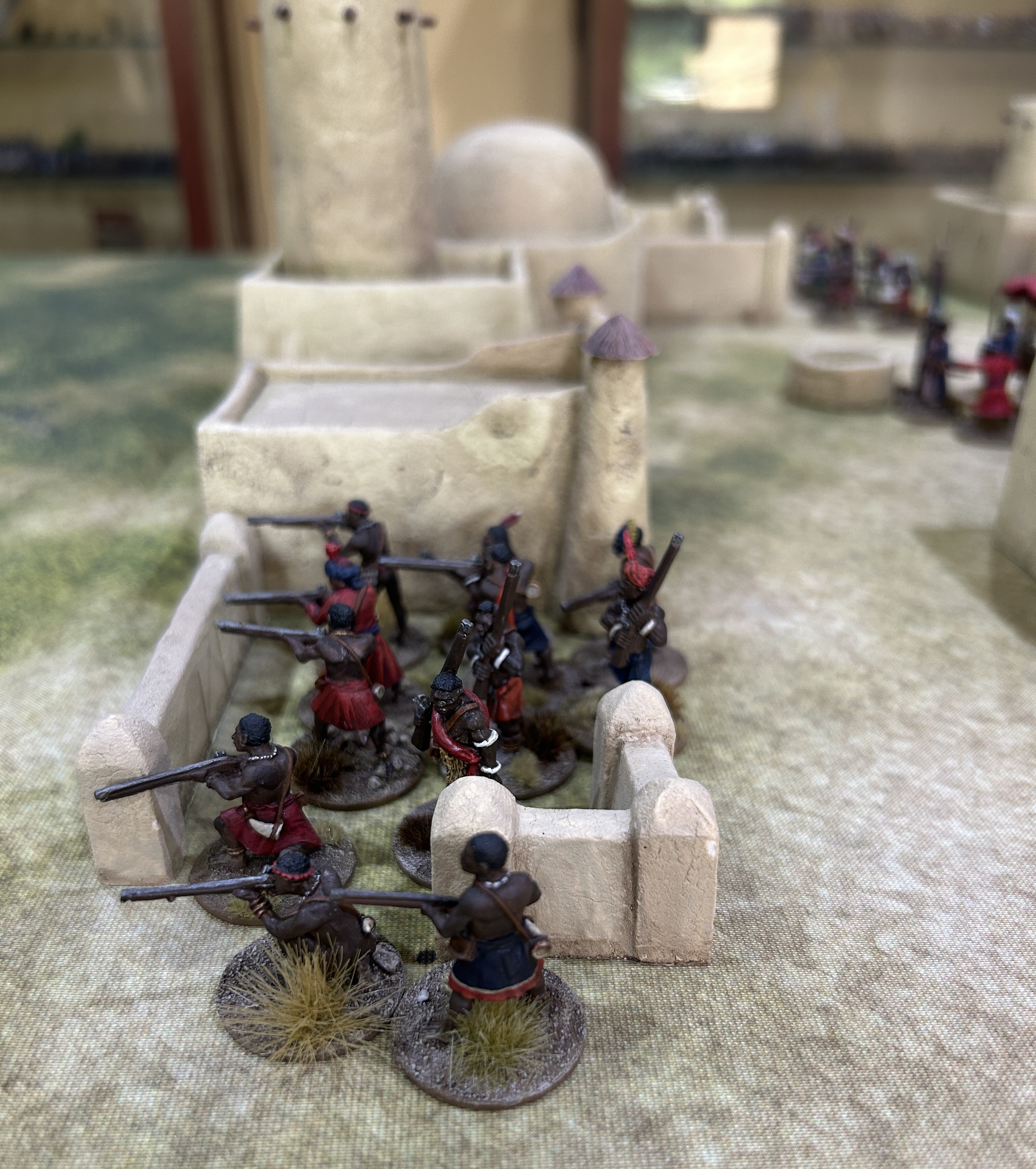
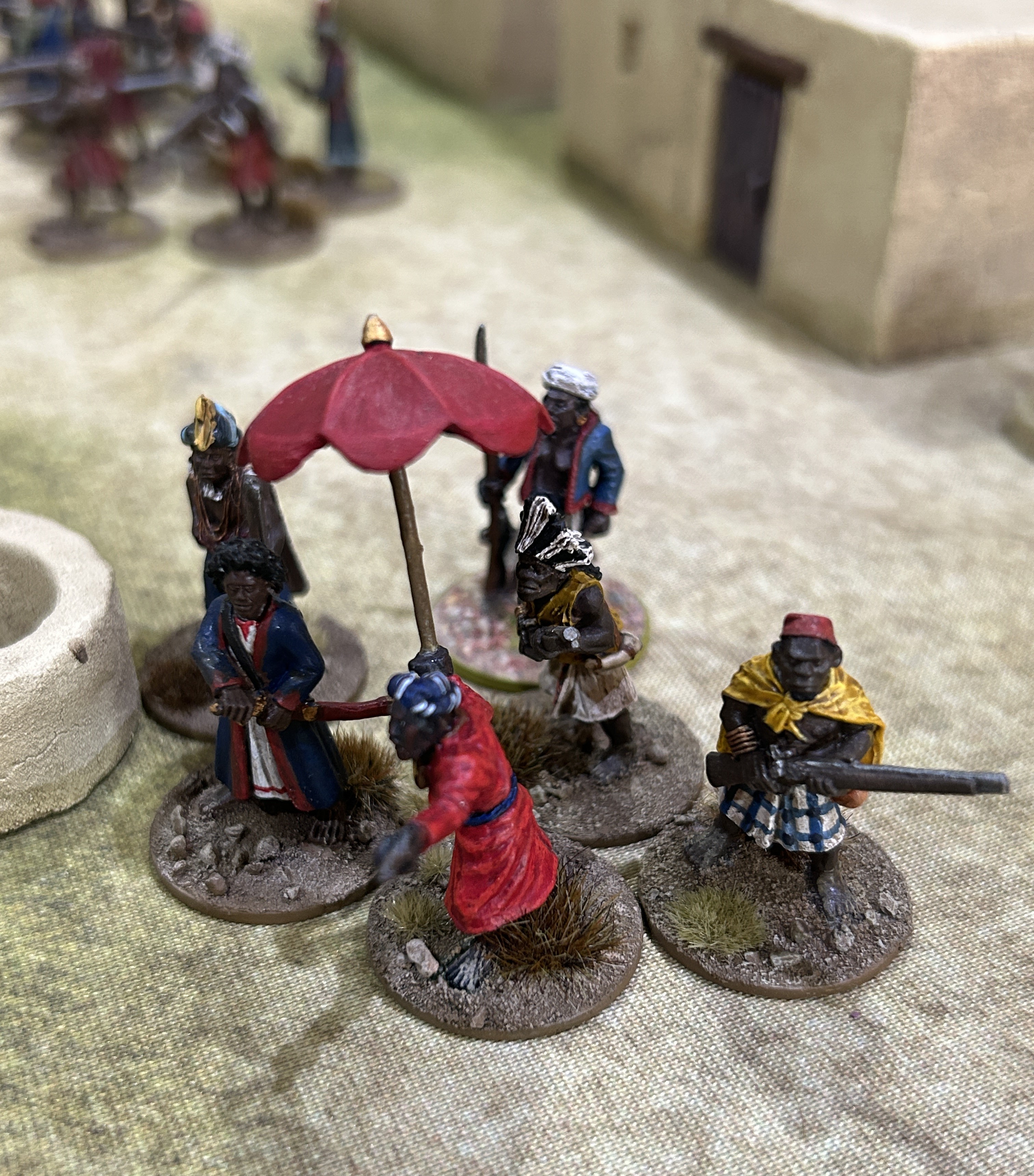
I’ve got the forces onto the table. Here the army of Bornu-Kanembu has been summoned to repulse an incursion of Ruga Ruga. The Ruga are led by the reknowned warlord Mirambo. They have taken a village (Fogou models, well spotted) and must now try to hold out against a superior attacking force. 300 points of Bornu-Kanembu against 200 points of Ruga Ruga under the Death in the Dark Continent rules.
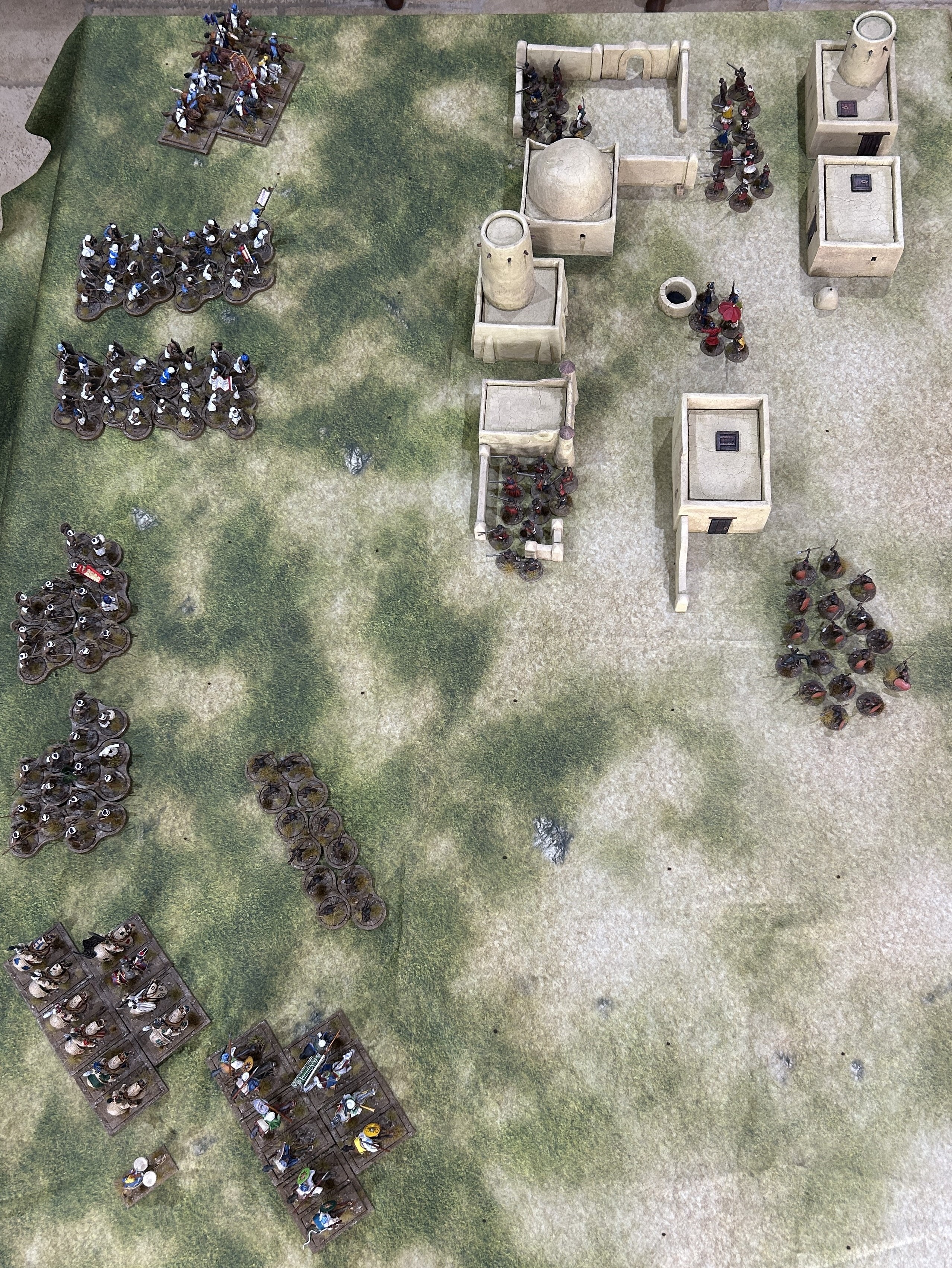 Initial deployment, Kanembu on the left, Ruga Ruga on the right in the buildings.
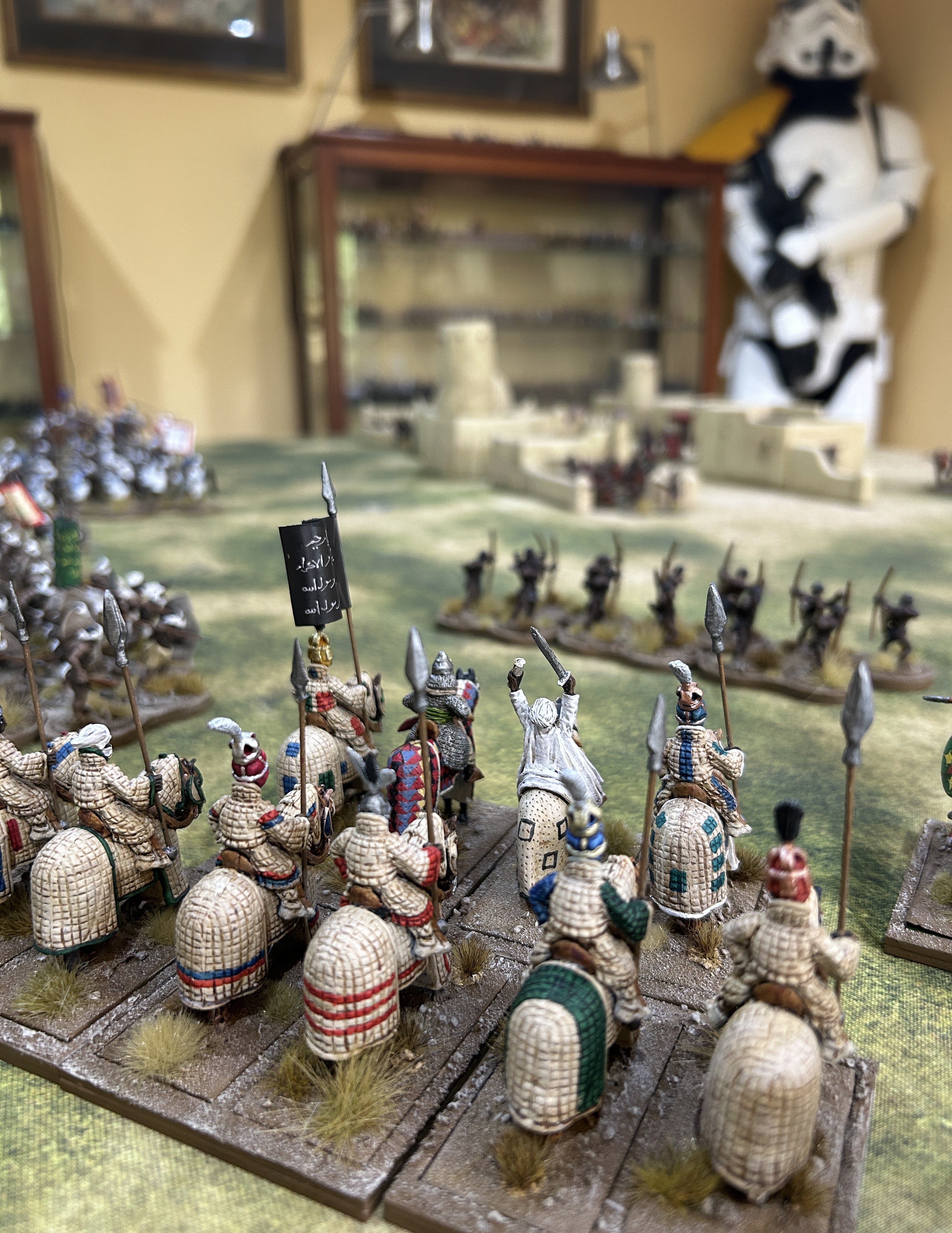
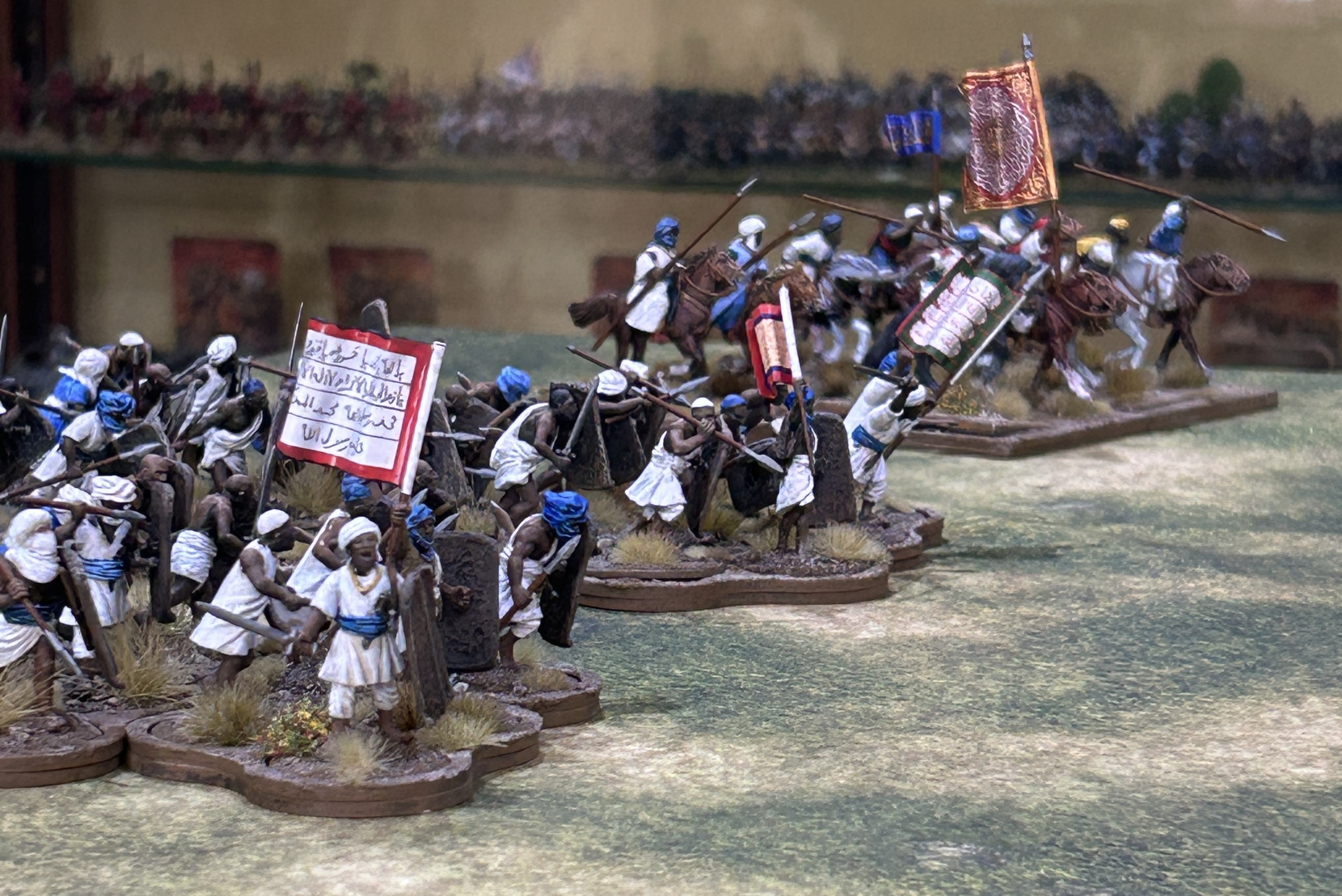
The Kanembu forces have the locals on the right wing with their Shuwa allies on their left, opposite the village.
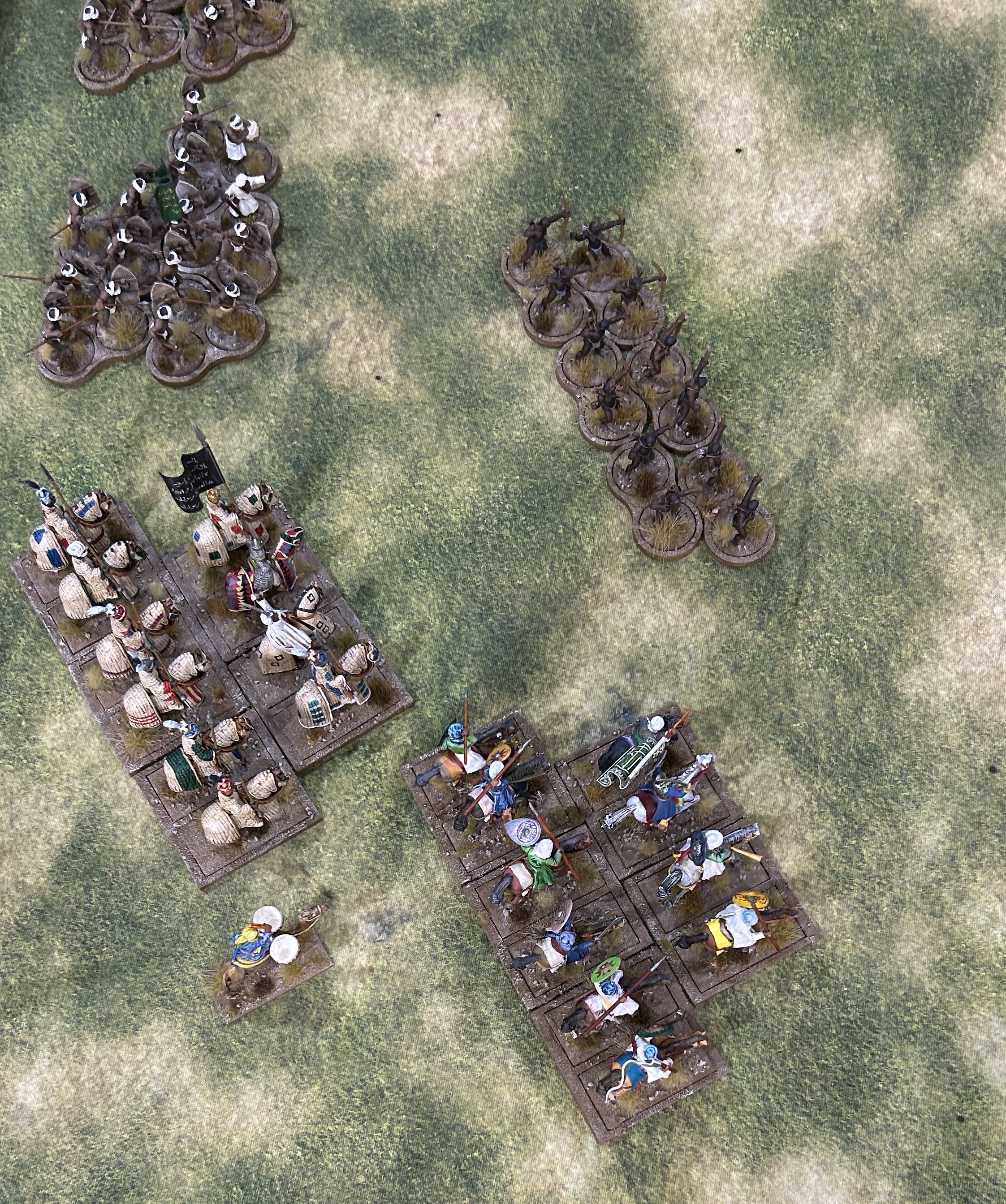
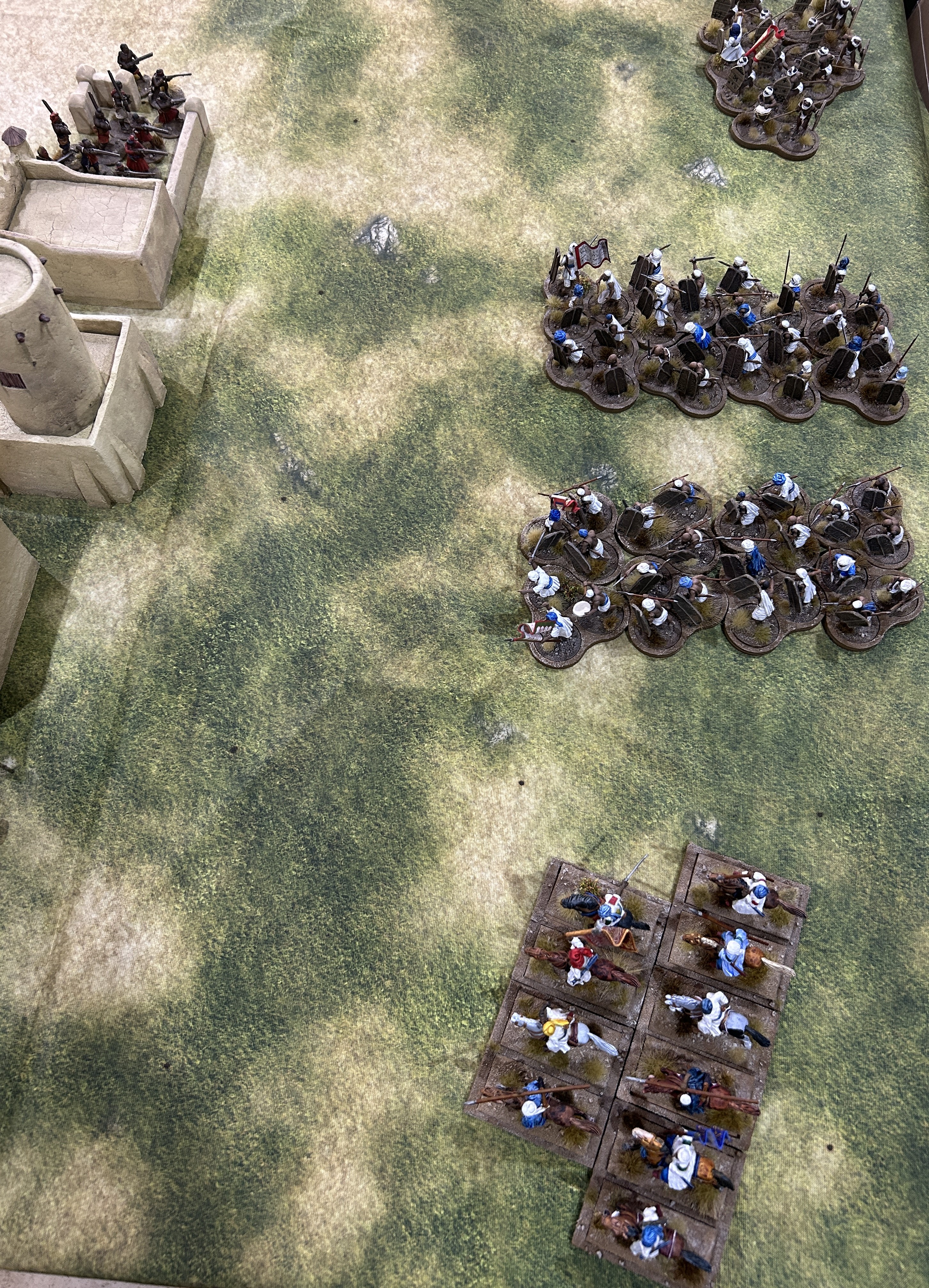
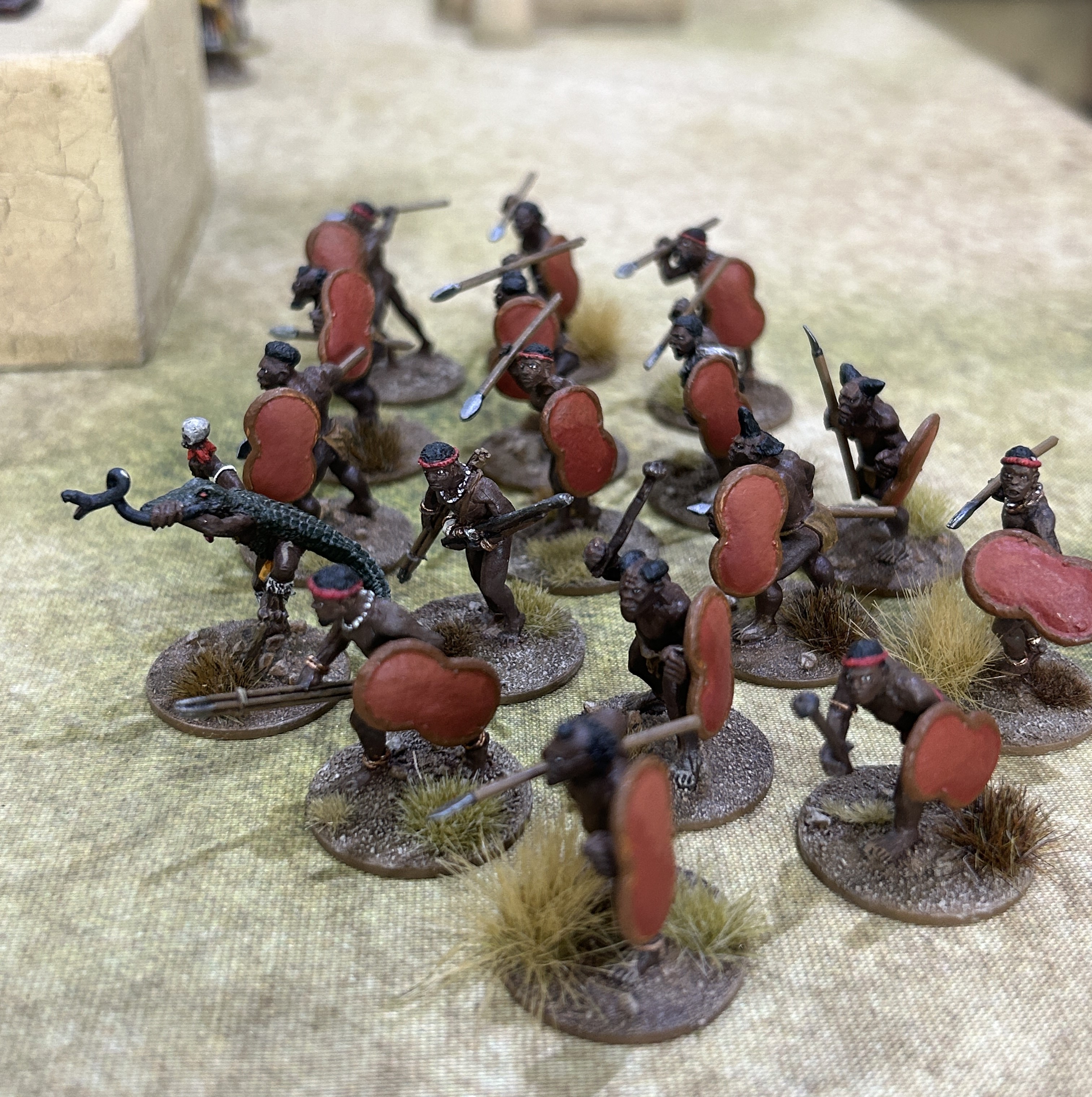
For their part the Ruga put their main warrior units in defensive array in the village with their (clearly expendable) Nyamwezi tribal allies on the open left flank. Mirambo and his bodyguards take up a position in reserve ready to respond if the line weakens.
And now some shots from around the table:
Savannah Knight leader how to
I’m a member of the British Museum and visit frequently when in London. They have a fantastic example of textile horse armour, reputedly taken after the battle of Omdurman in 1898. It is a very complex pattern of interlaced triangles but I thought I’d give it a go. The museum entry for the exhibit is here. It looks like this:
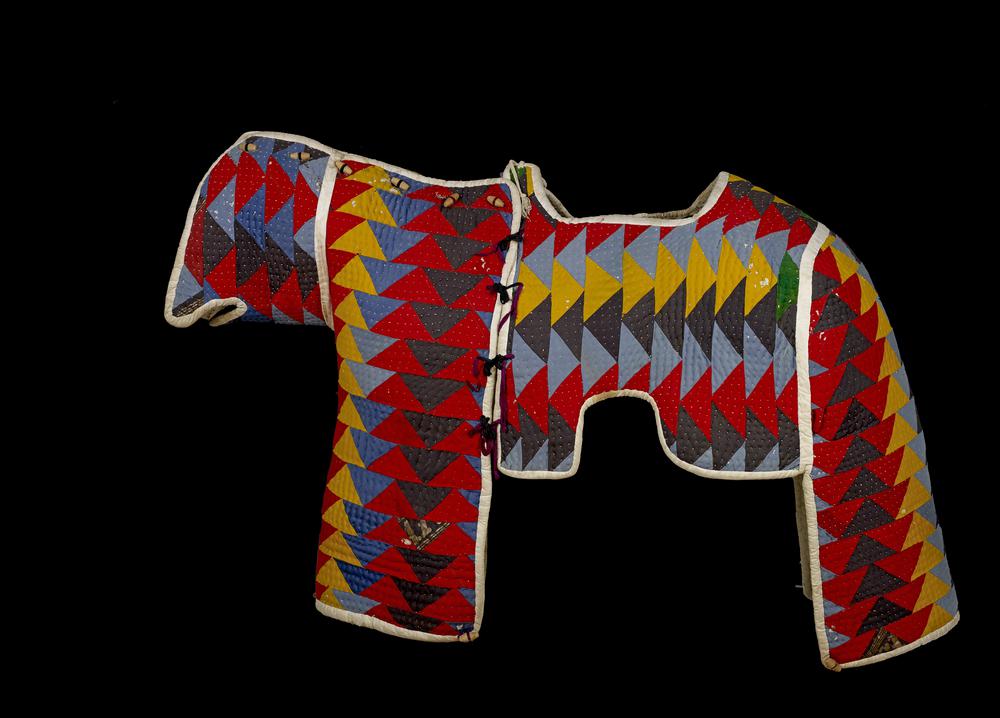
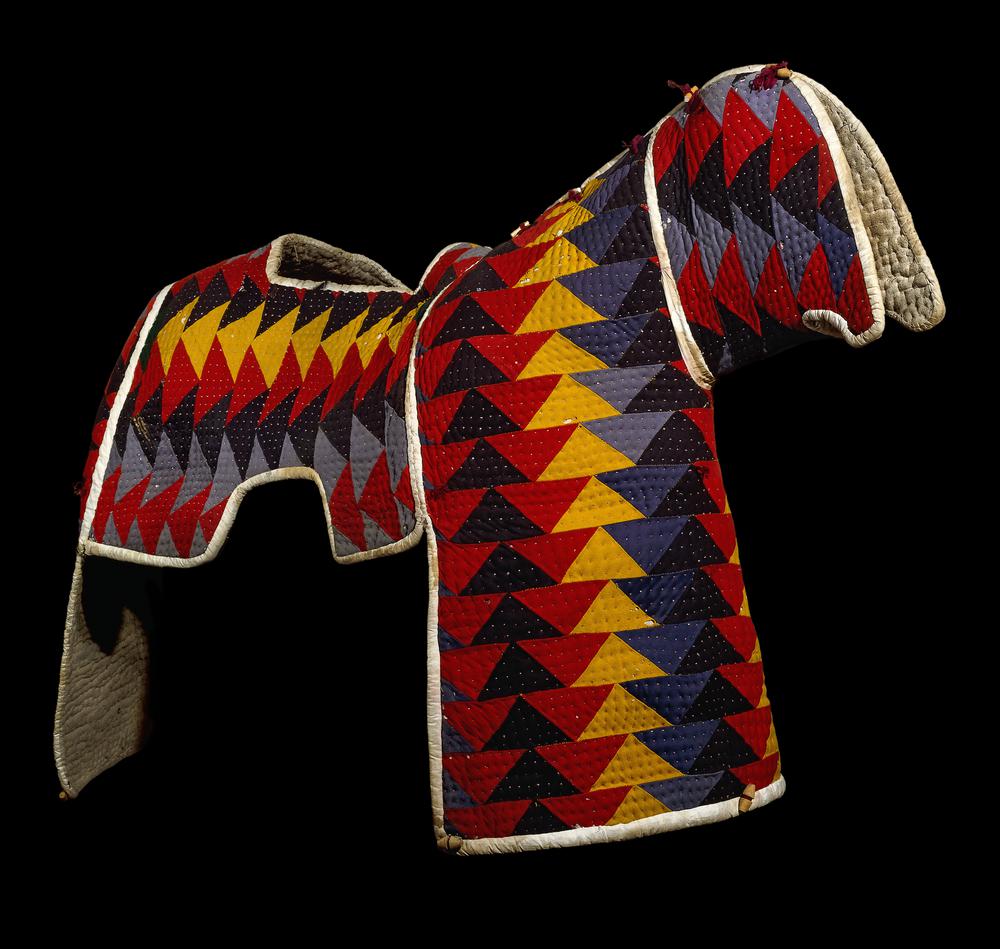
Challenge accepted. I started by sketching the pattern onto the model in soft pencil. The pencil marks are easy to remove with an eraser and it doesn’t affect the undercoat. I’ve gone for bigger triangles than on the original. This is a wargaming miniature so the pattern needs to be visible from further away than a display model.
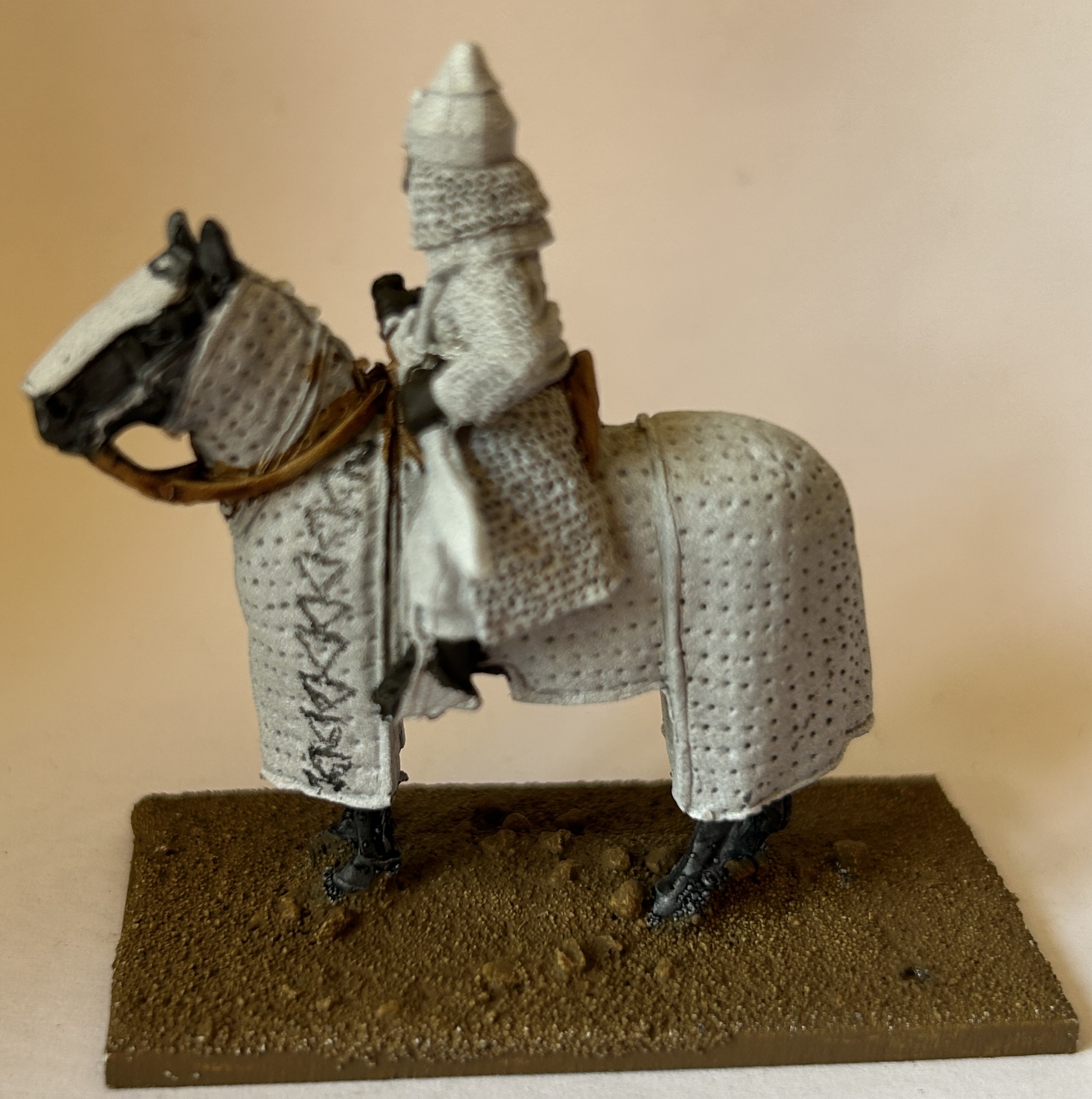
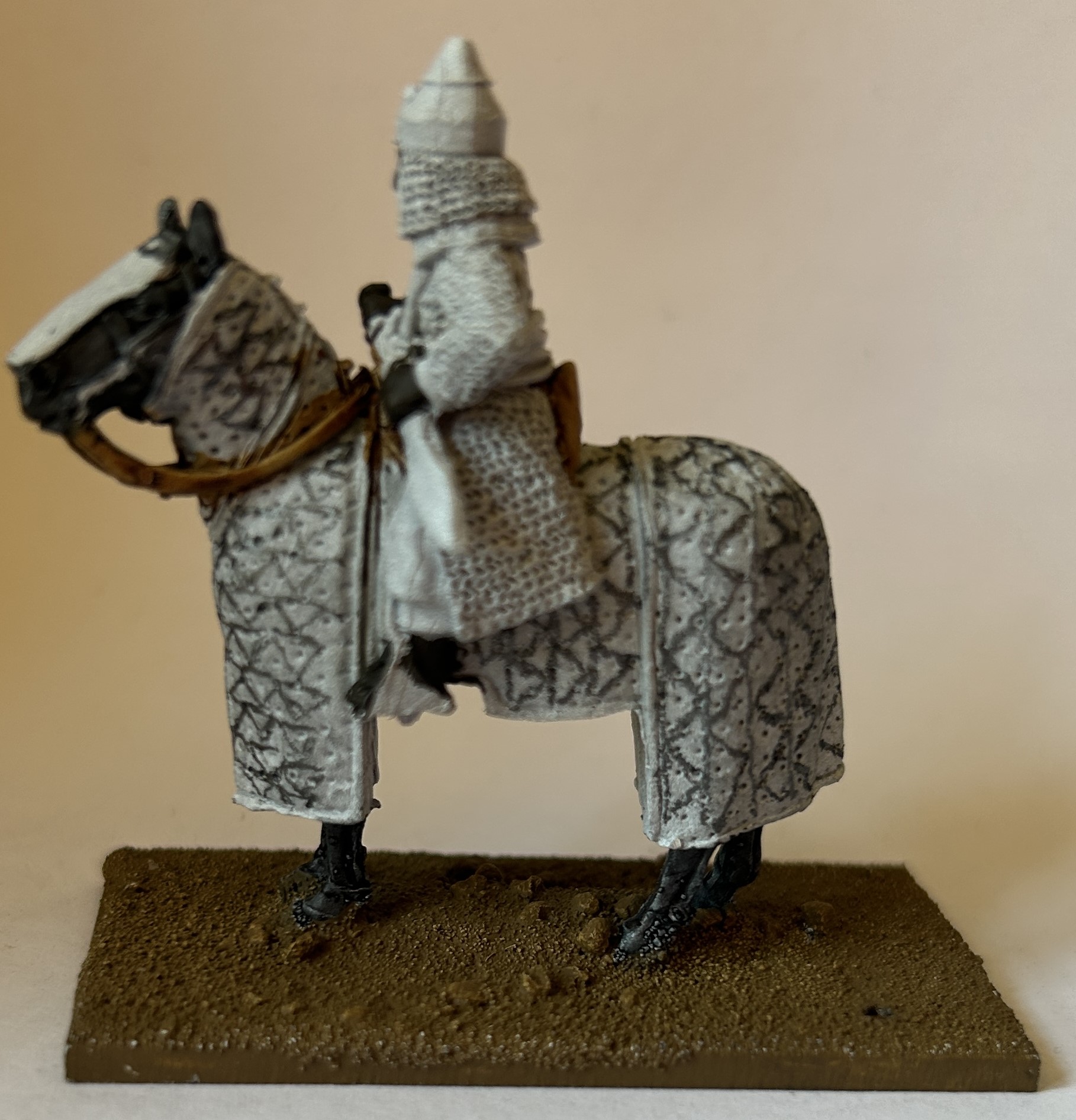
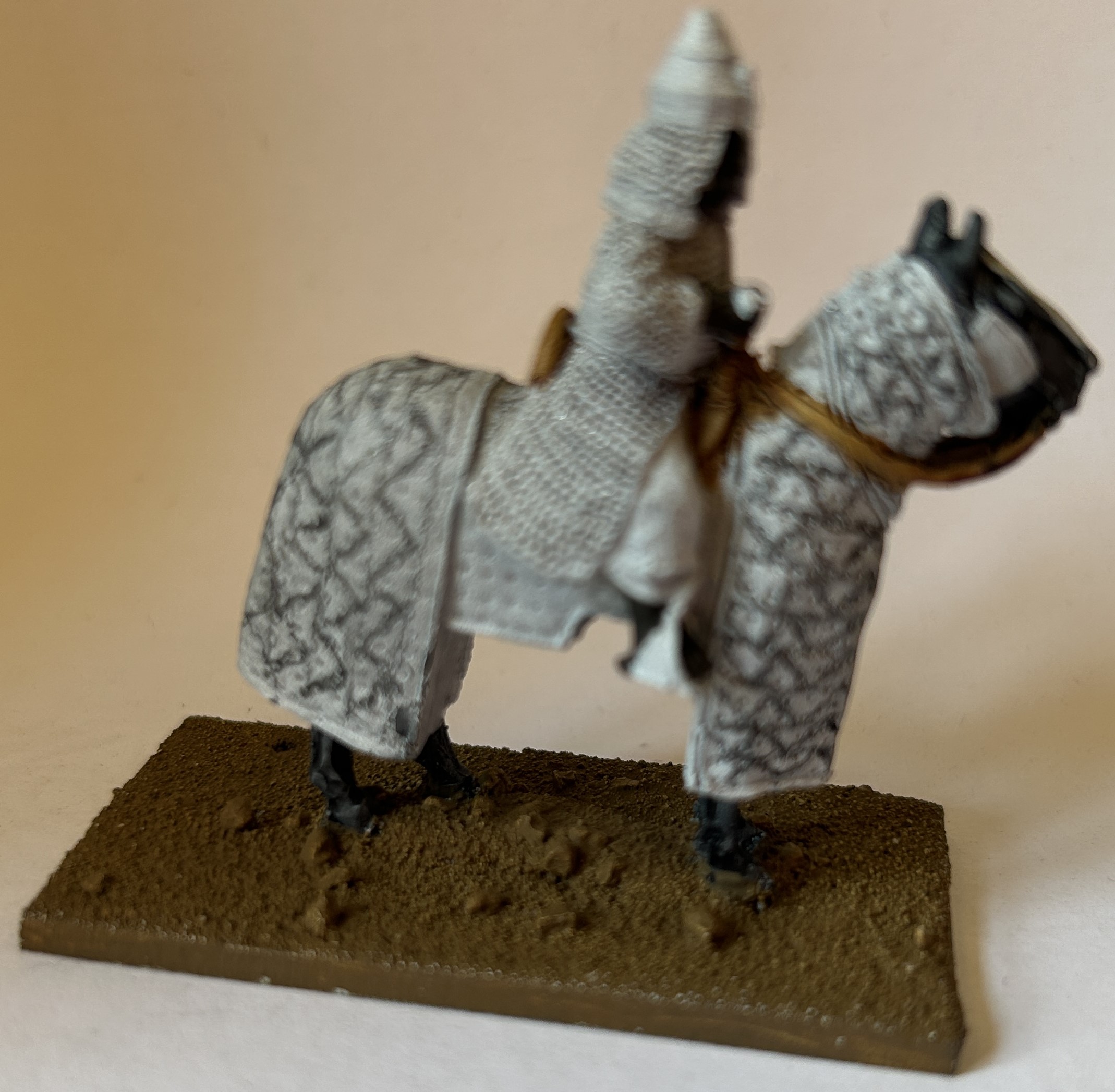
This first version was my attempt at an impressionistic version with the pattern on the rear section not matching the original. I didn’t like it so erased it and redid it to match the original. Then I started applying the colours. Here are the first two, black and Wolf Grey. I also used Flat Red and then had to mix a yellow from white and AP Ancient Honey as I don’t have all my paints available to me due to getting ready to move.
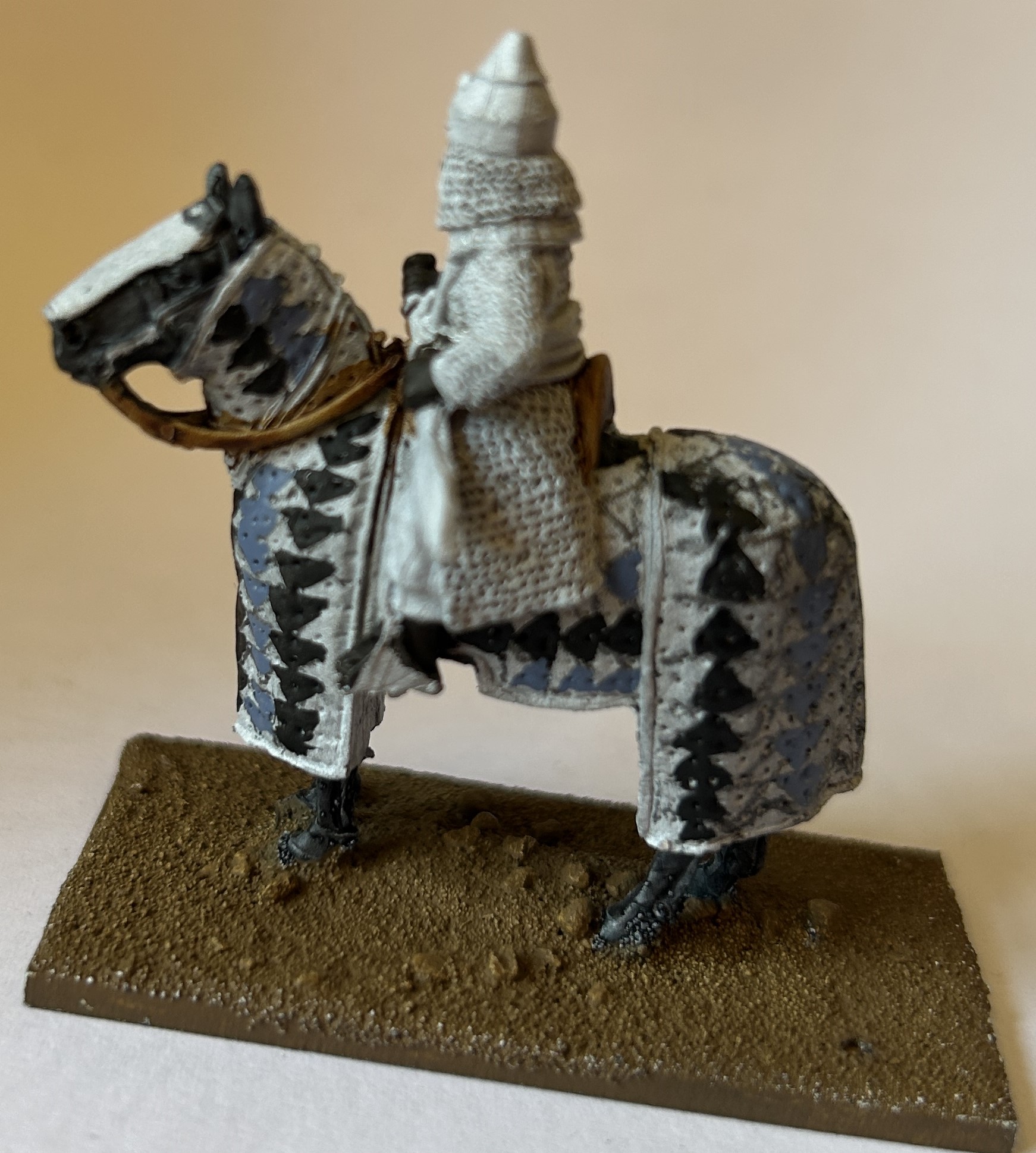
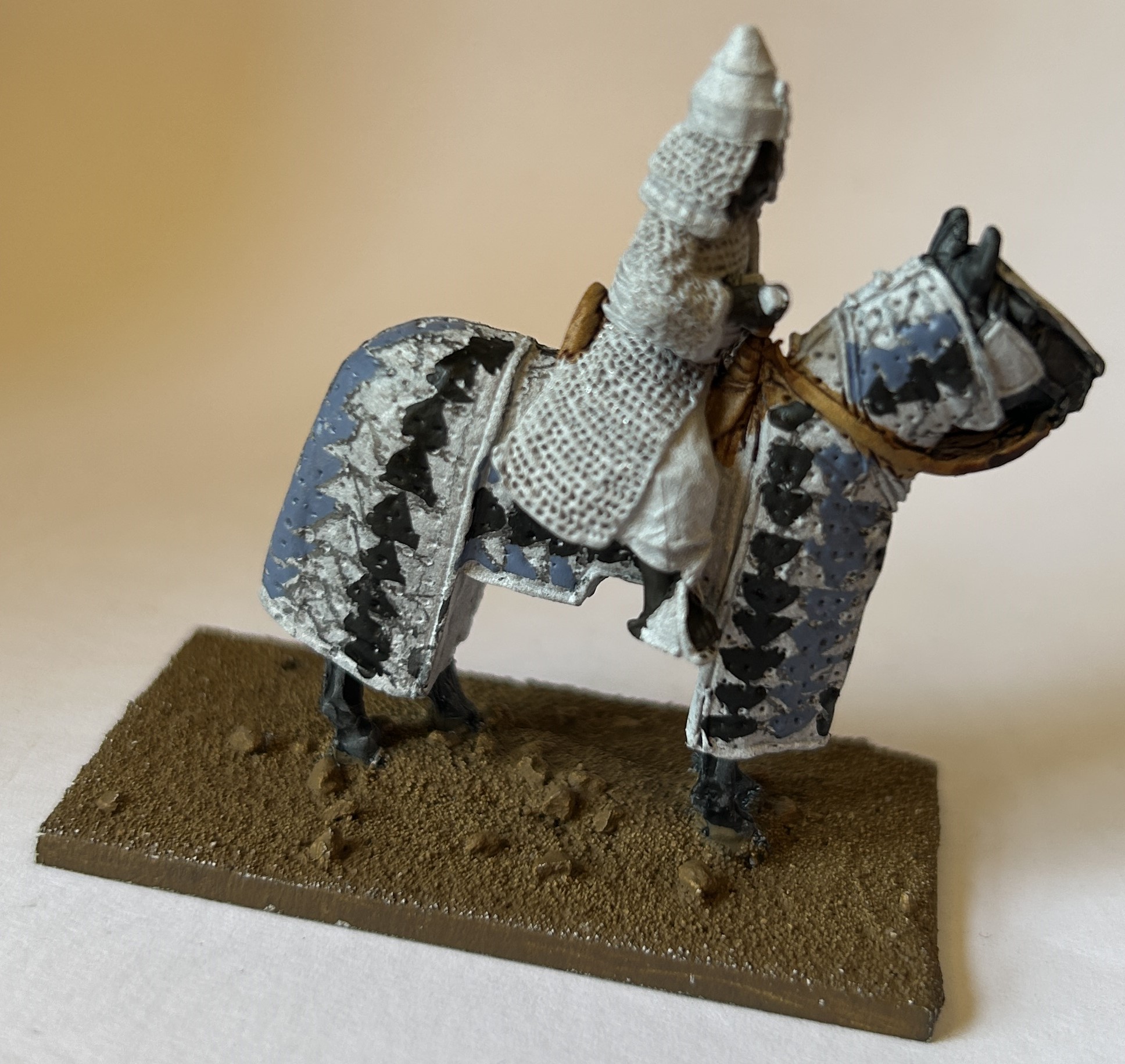
First coat of all the colours:
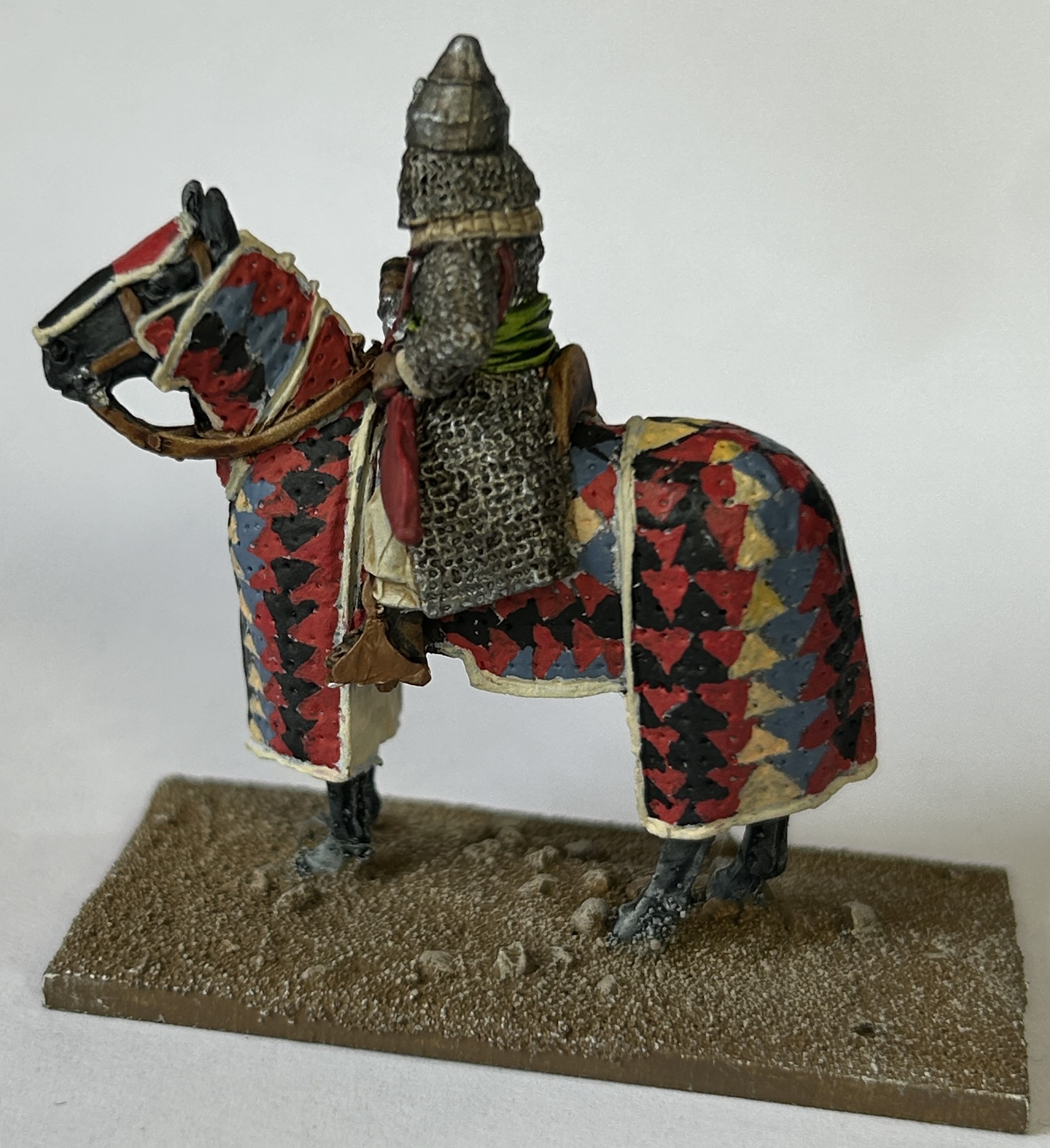
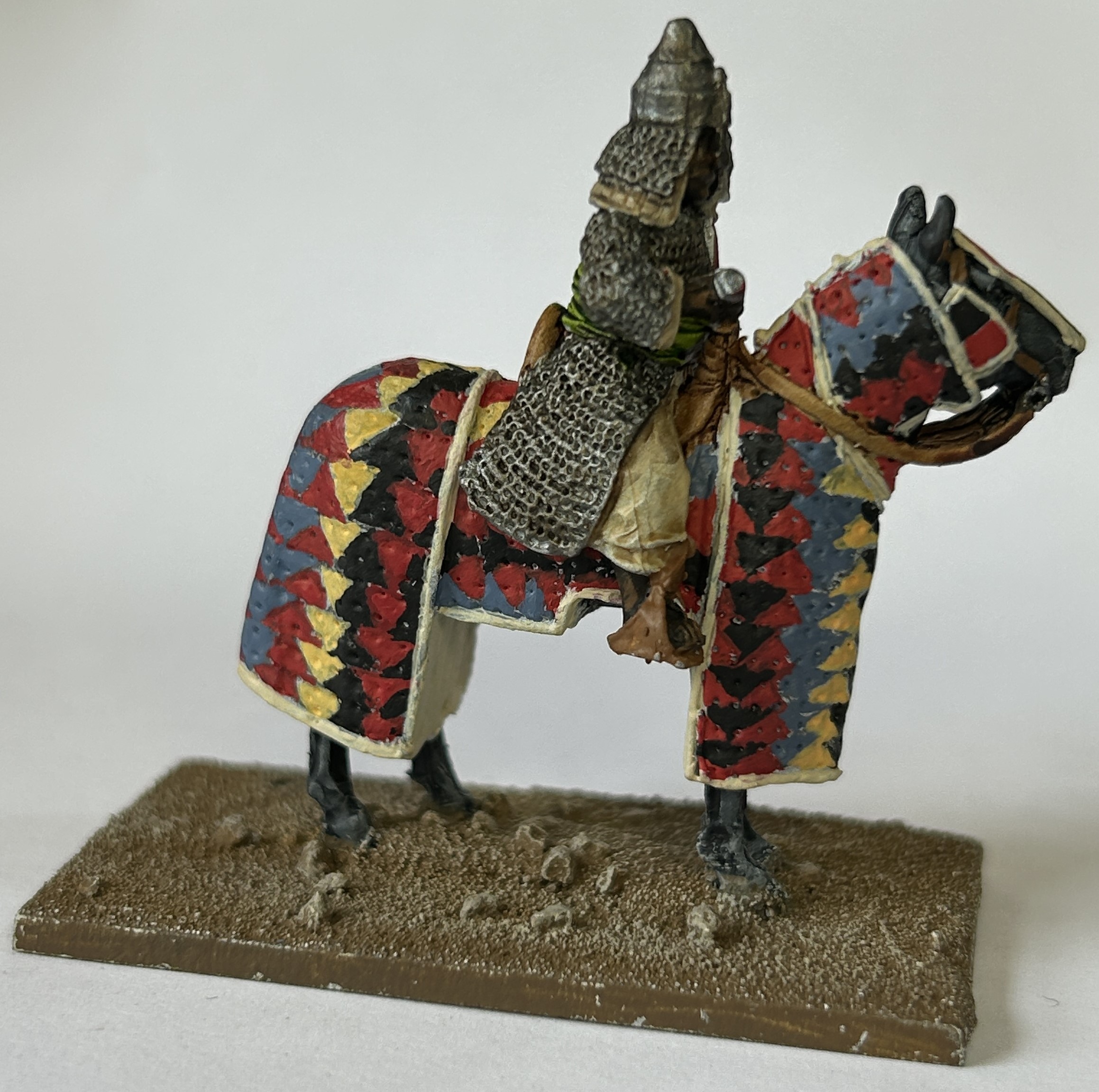
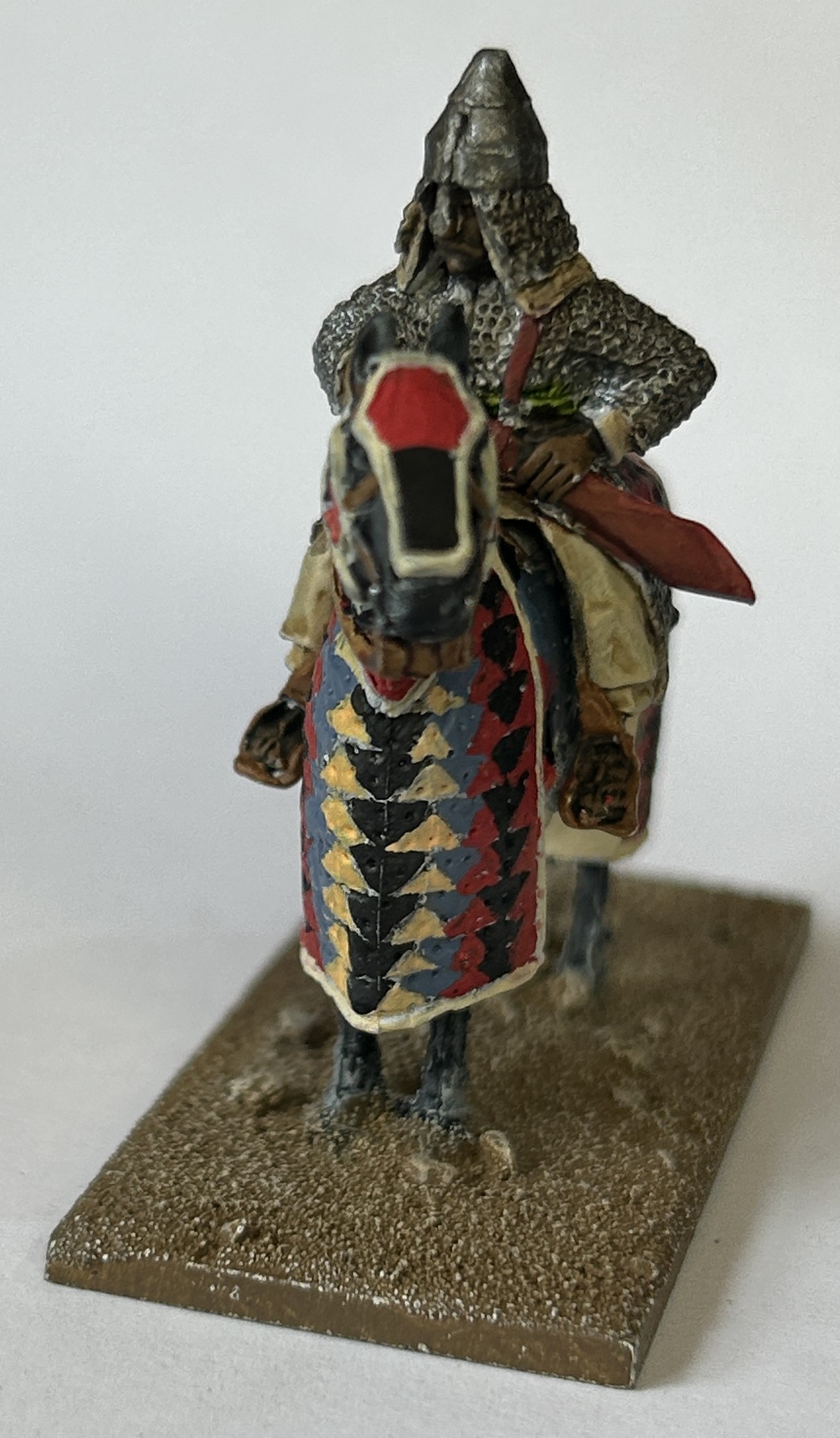
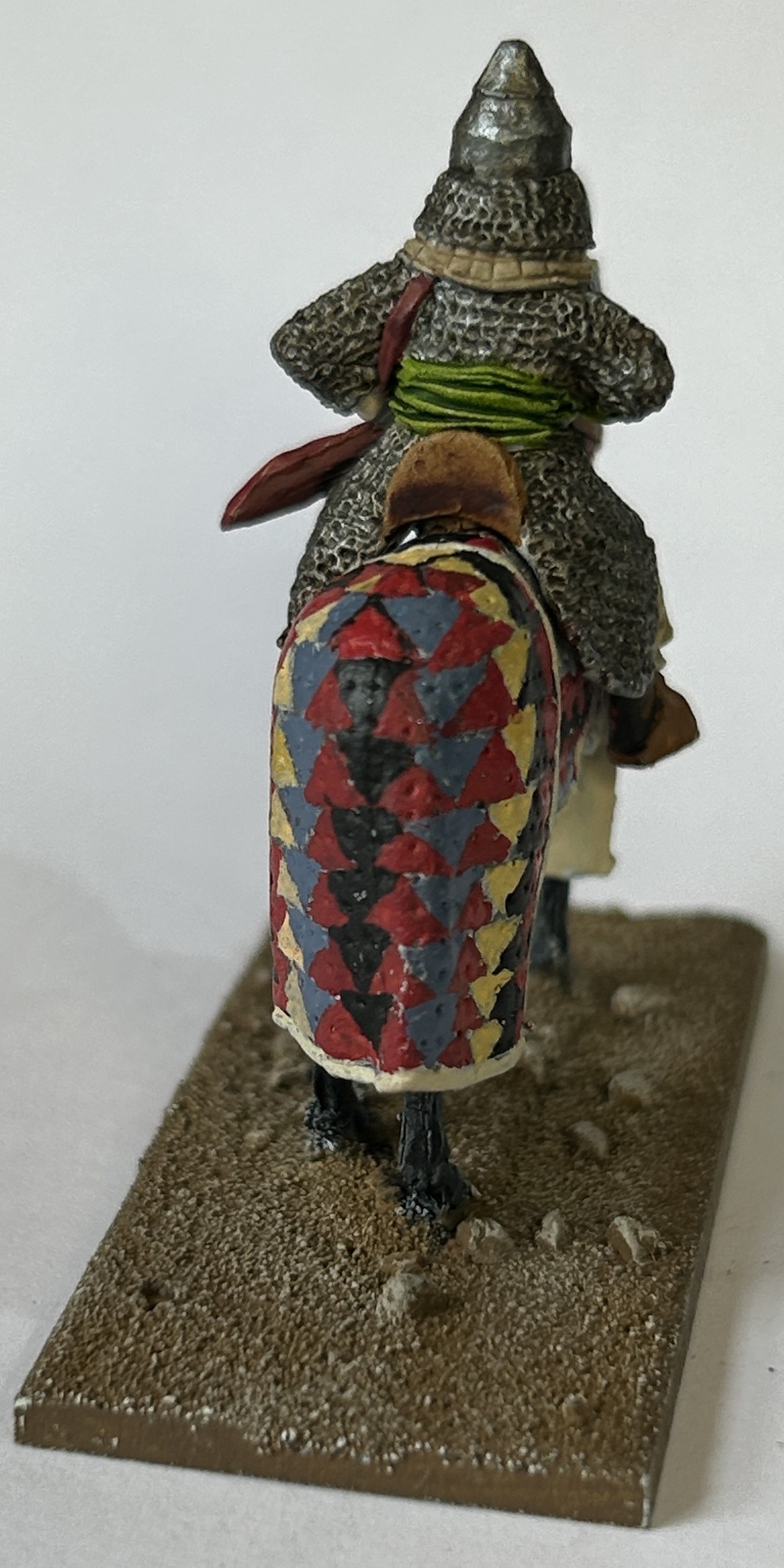
It is hard to get an idea of what it will look like until you get to this stage with all the colours on. I was plesantly surprised that it looked pretty good and the pattern is a good impression of the original with colours in the same order and place on the barding. The colours aren’t clear enough and some of the undercoat is showing through. Whlist this is accurate to the original this is probably due to the ravages of time so I’d like the colours clearer. While I did that I took the chance to make the triangle shapes clearer and tidied up the shapes at the top of the rump where the various sections converge.
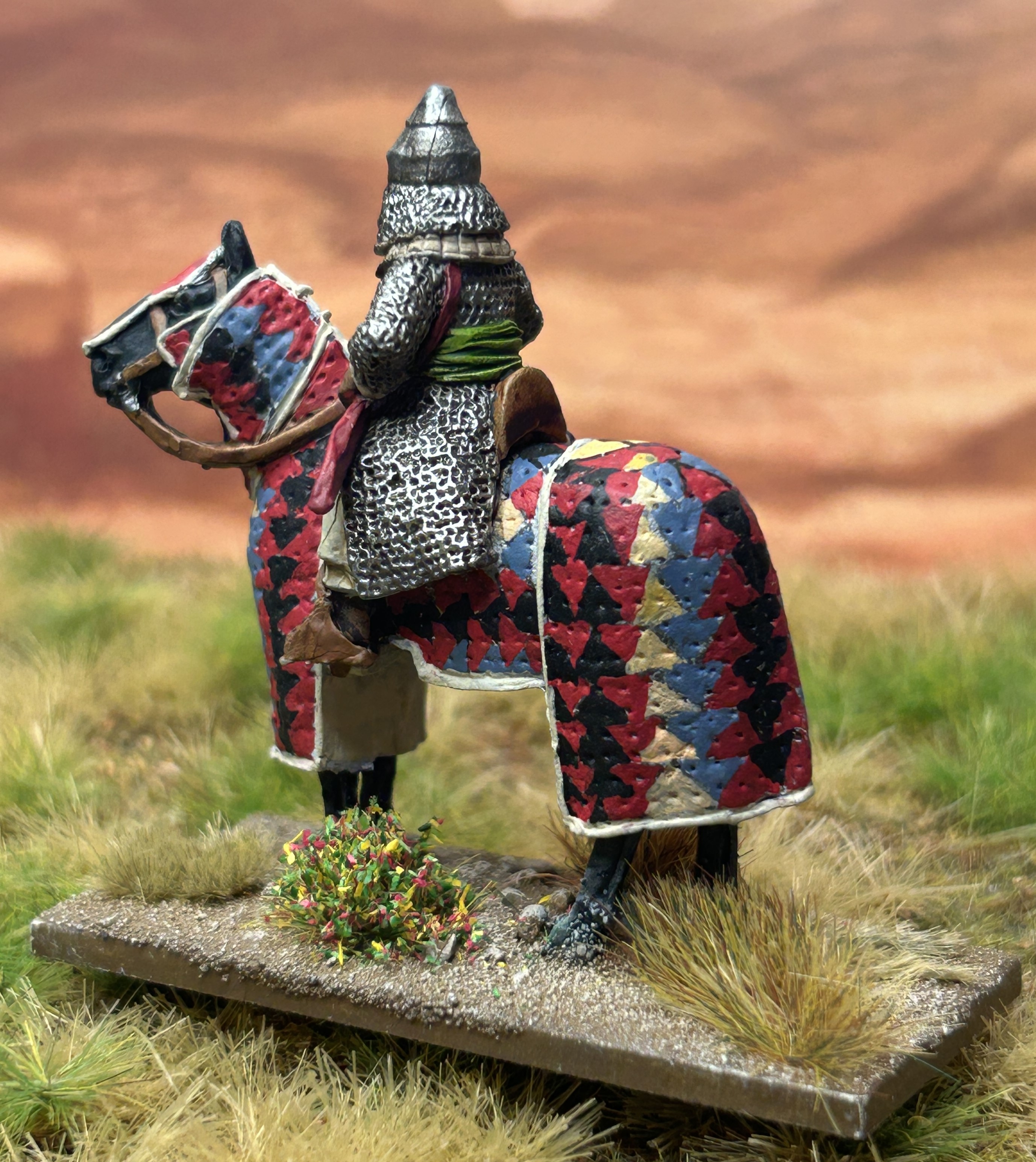
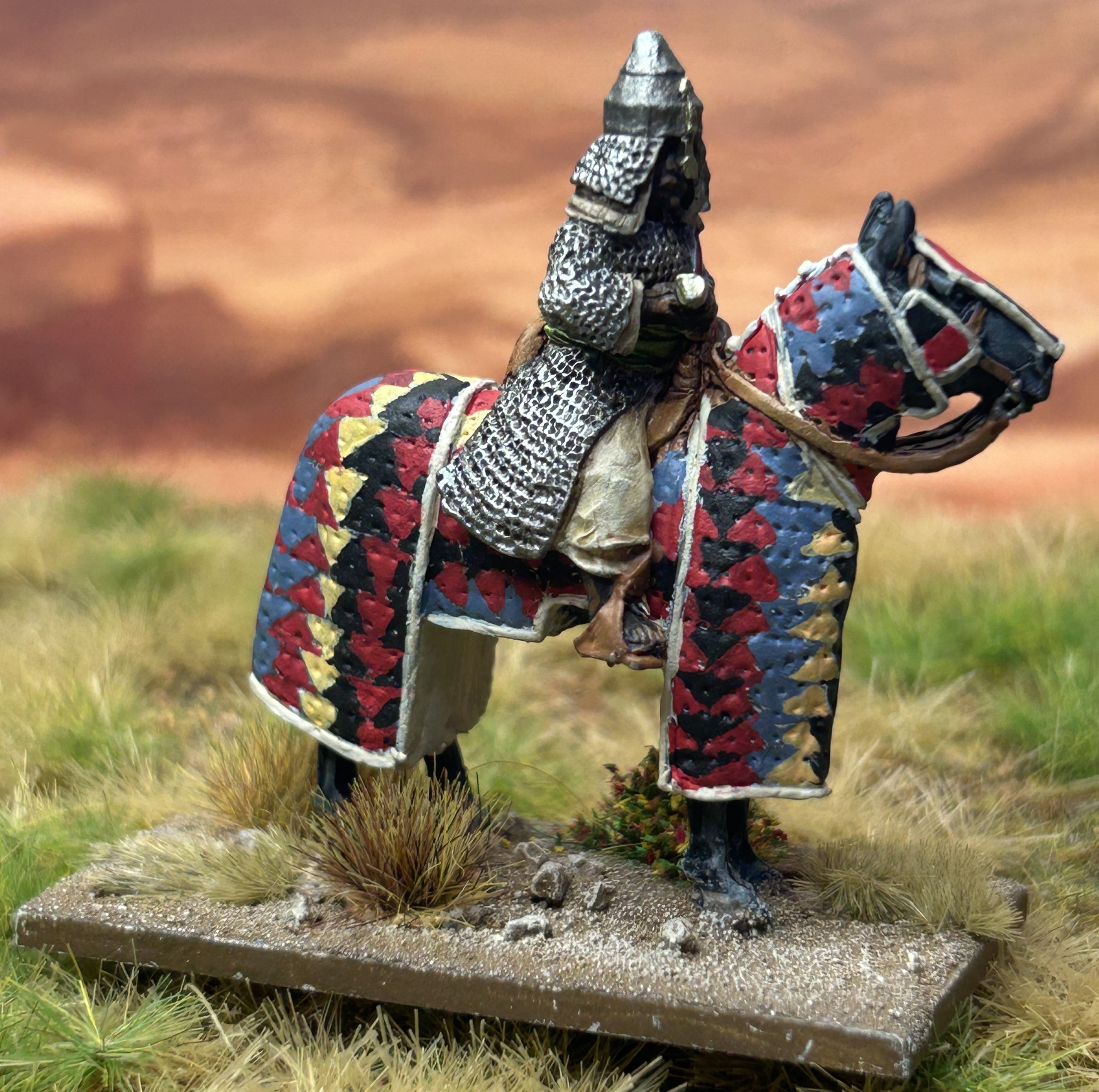
When finished he looks like this. A fitting leader for the new army.
Finished Savannah Knights and army complete :)
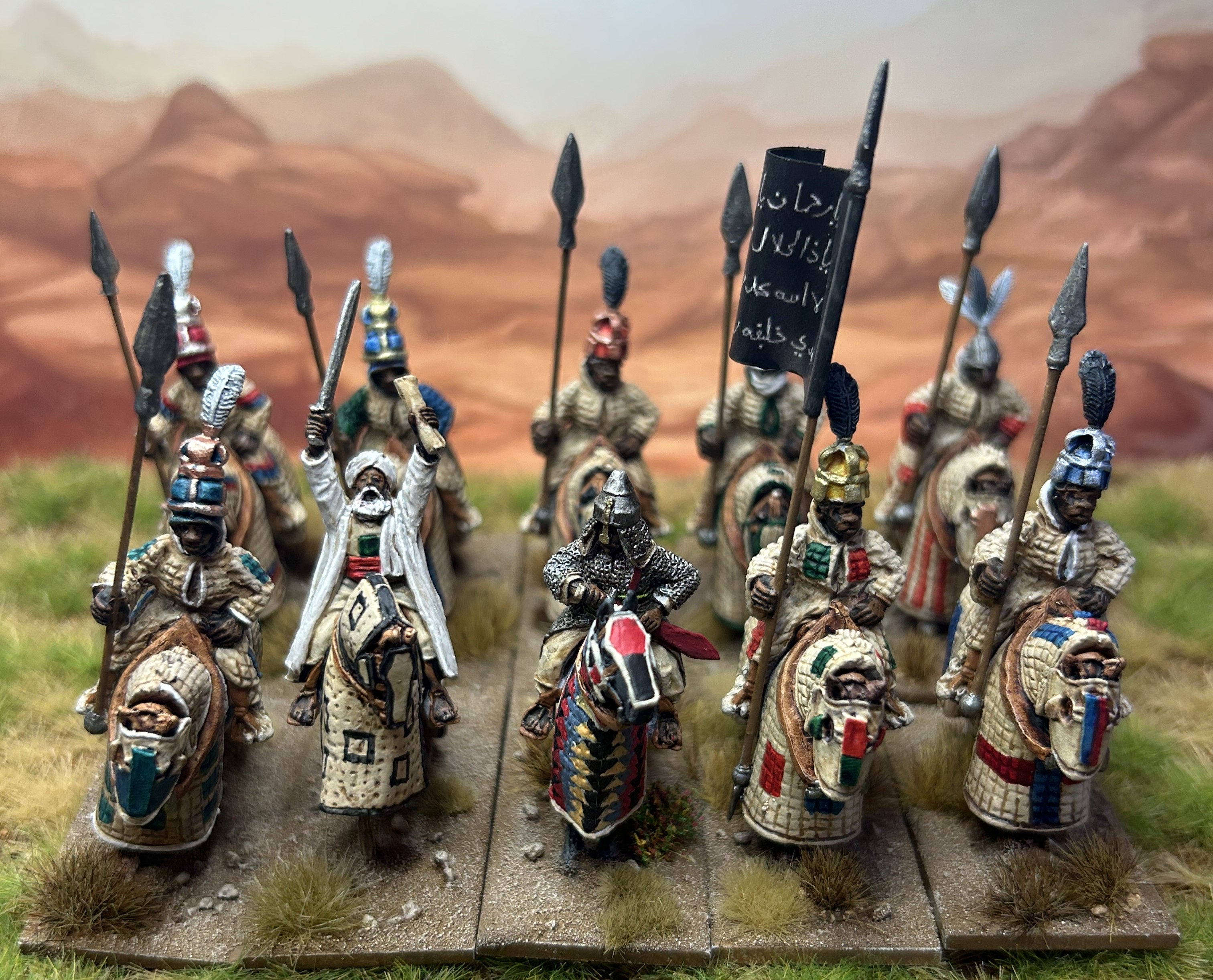
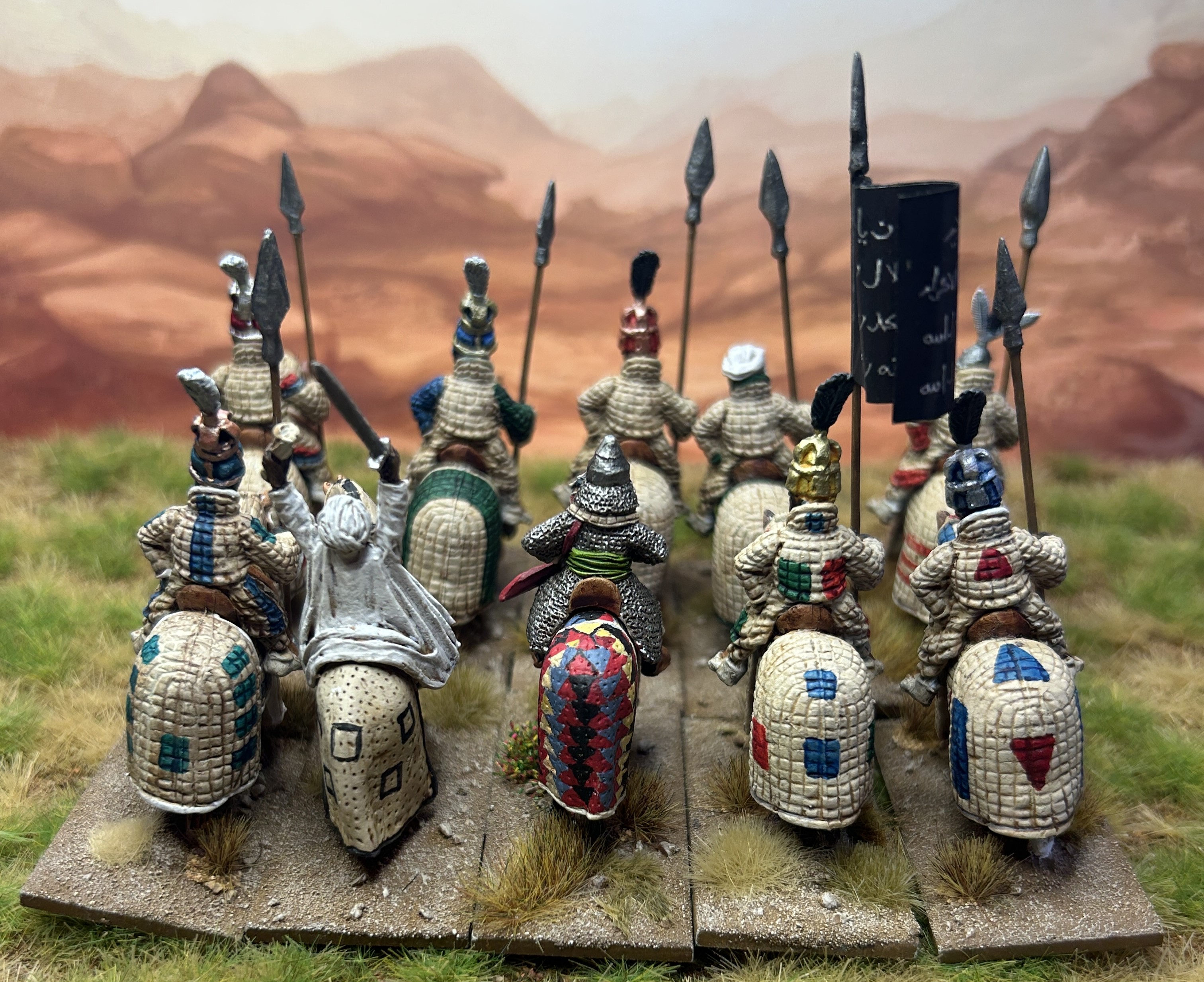
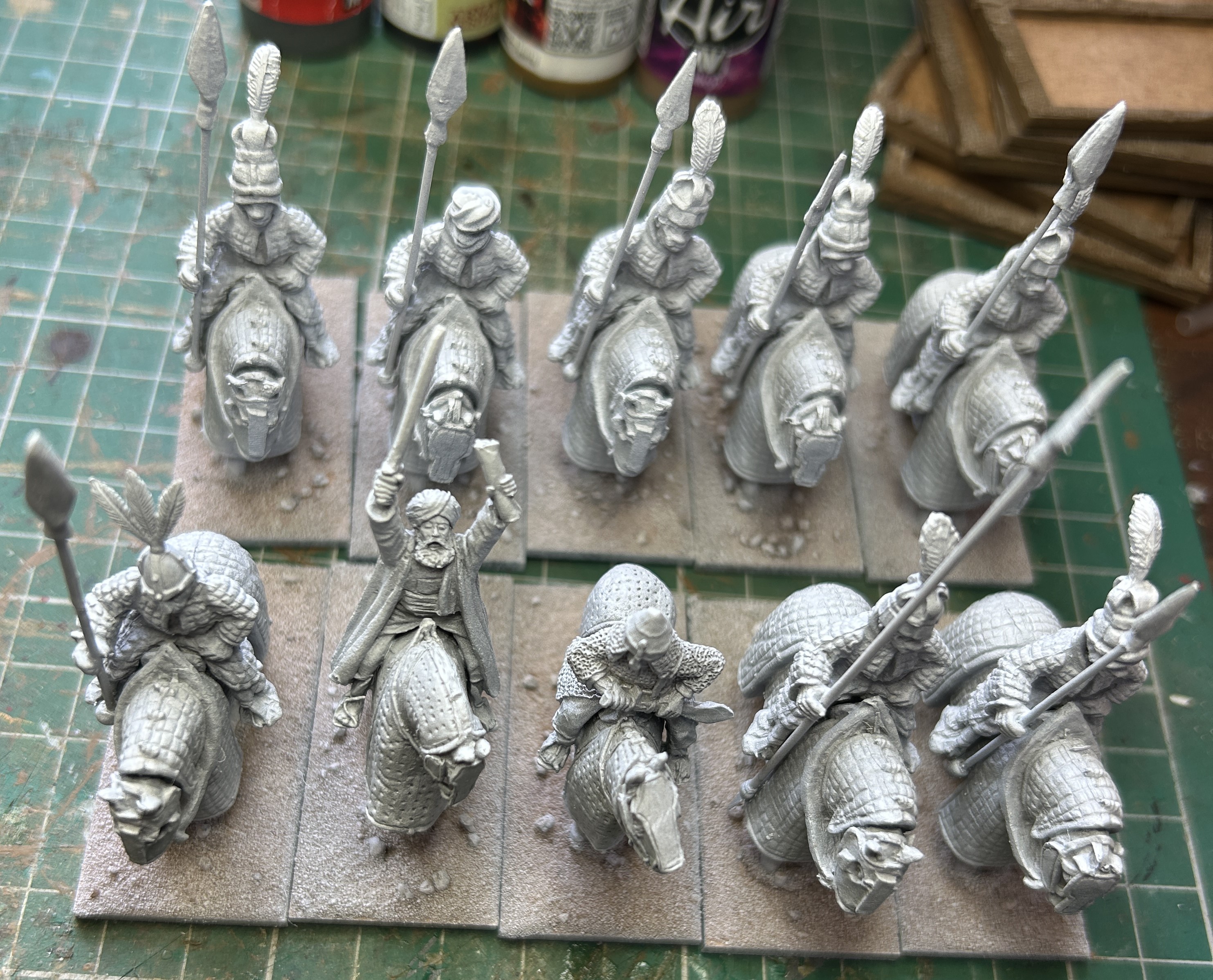
The pride of the savannah, the knights of Kanembu. The armour is quilted cotton, stuffed with raw cotton fibre. It was intended to be impregnable for the arrows fired by the sub-Saharan tribes. African bows were not as powerful as medieval longbows so this layered padding was sufficient and a wise precaution as the arrows were often poisoned.
The earliest images of a knight from Sokoto show no pattern or decoration on the armour. I did one entirely plain to match this image. As time went on coloured materials were stitched onto the armour. The patterns of the other models were mostly based on historical images or existing museum pieces. By the 1890s there were some very complex patterns, such as we see on the leader. I’ll post a how to guide for him next.
This means the Spring Clean Challenge is complete 🙂 I started with this:
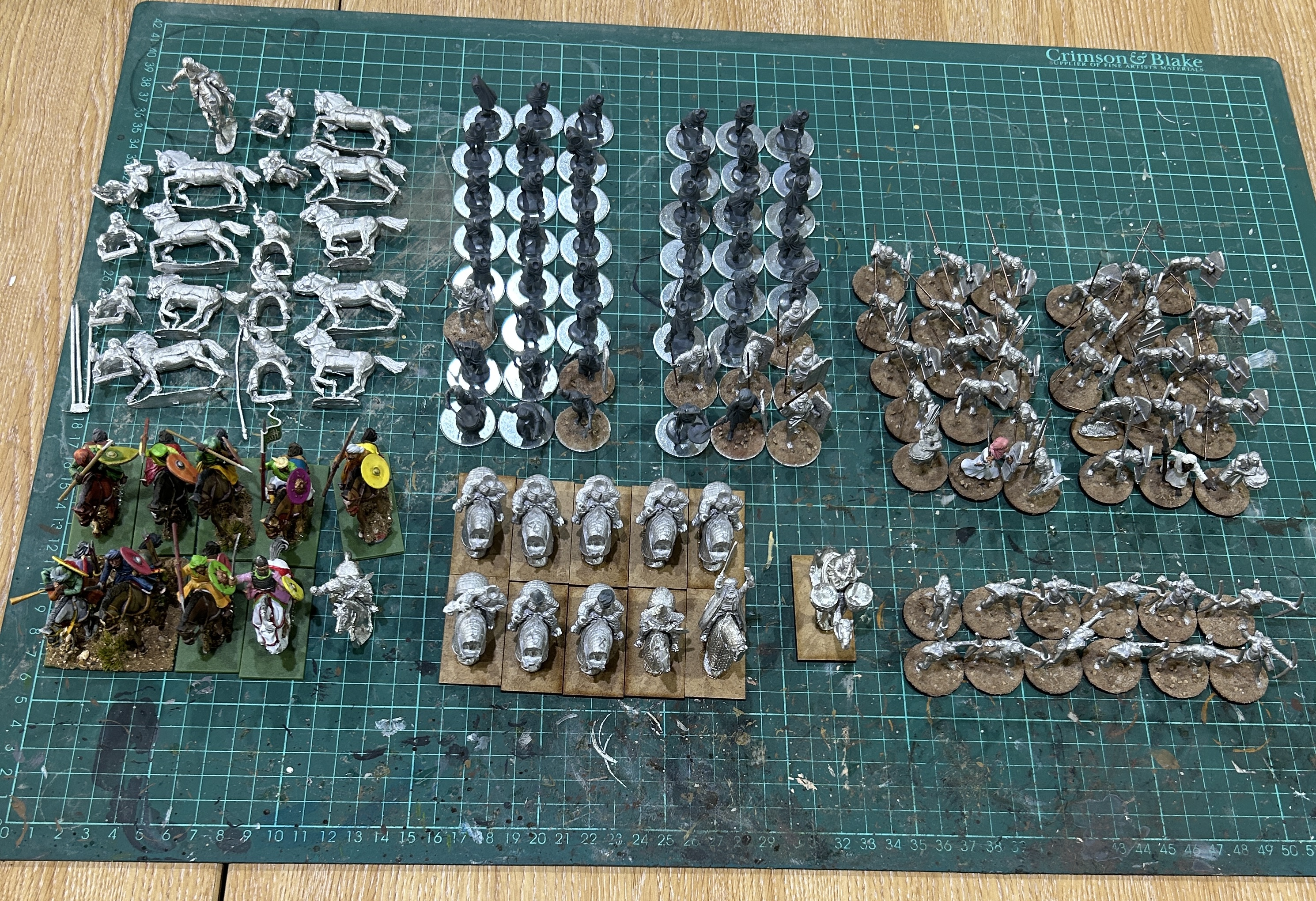
That is 121 models; 90 infantry, 30 cavalry and a camel mounted drummer.
They now look like this:
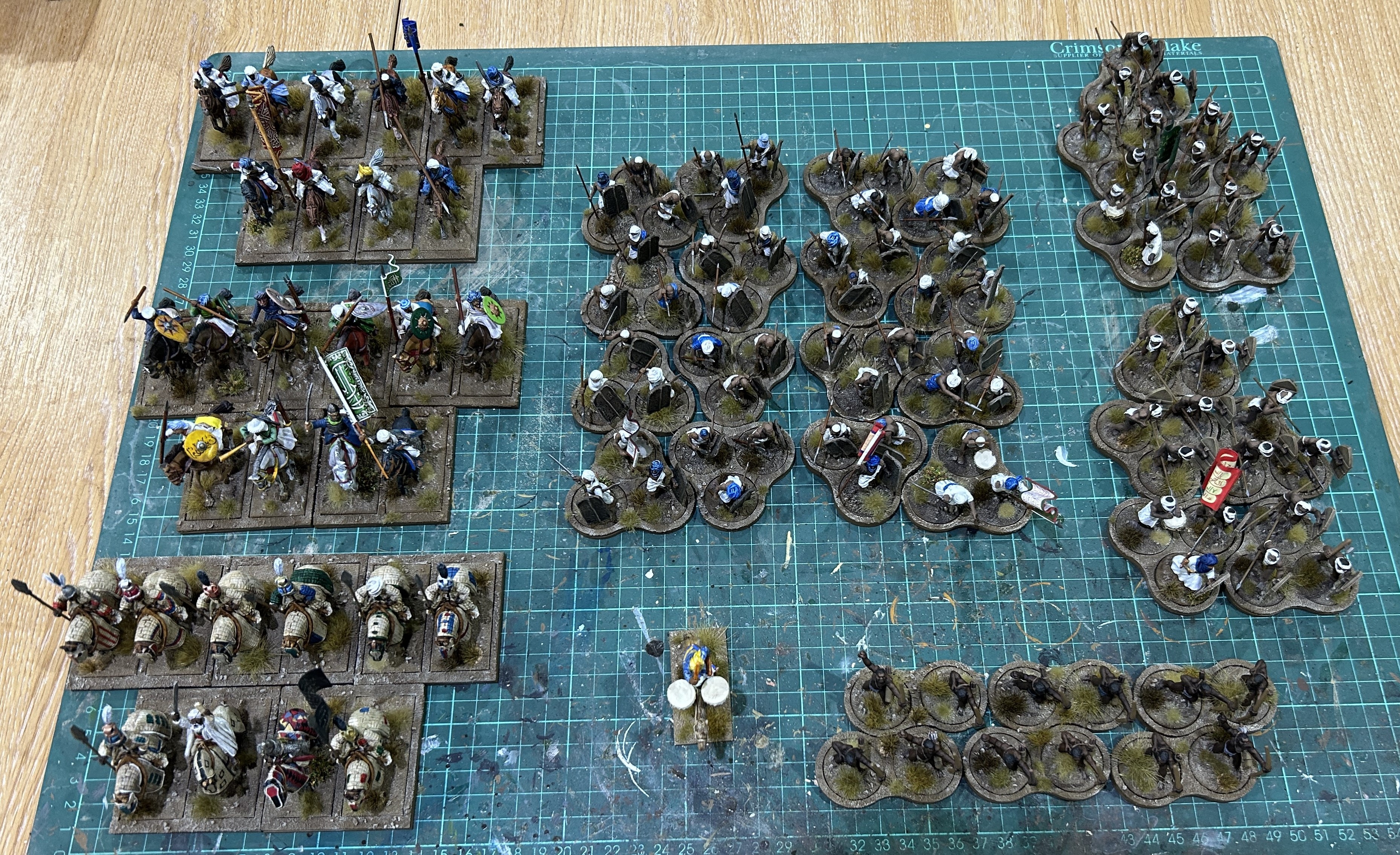
Why do I feel like someone just gave me a sock by mistake?
Shuwa Arab Cavalry finished
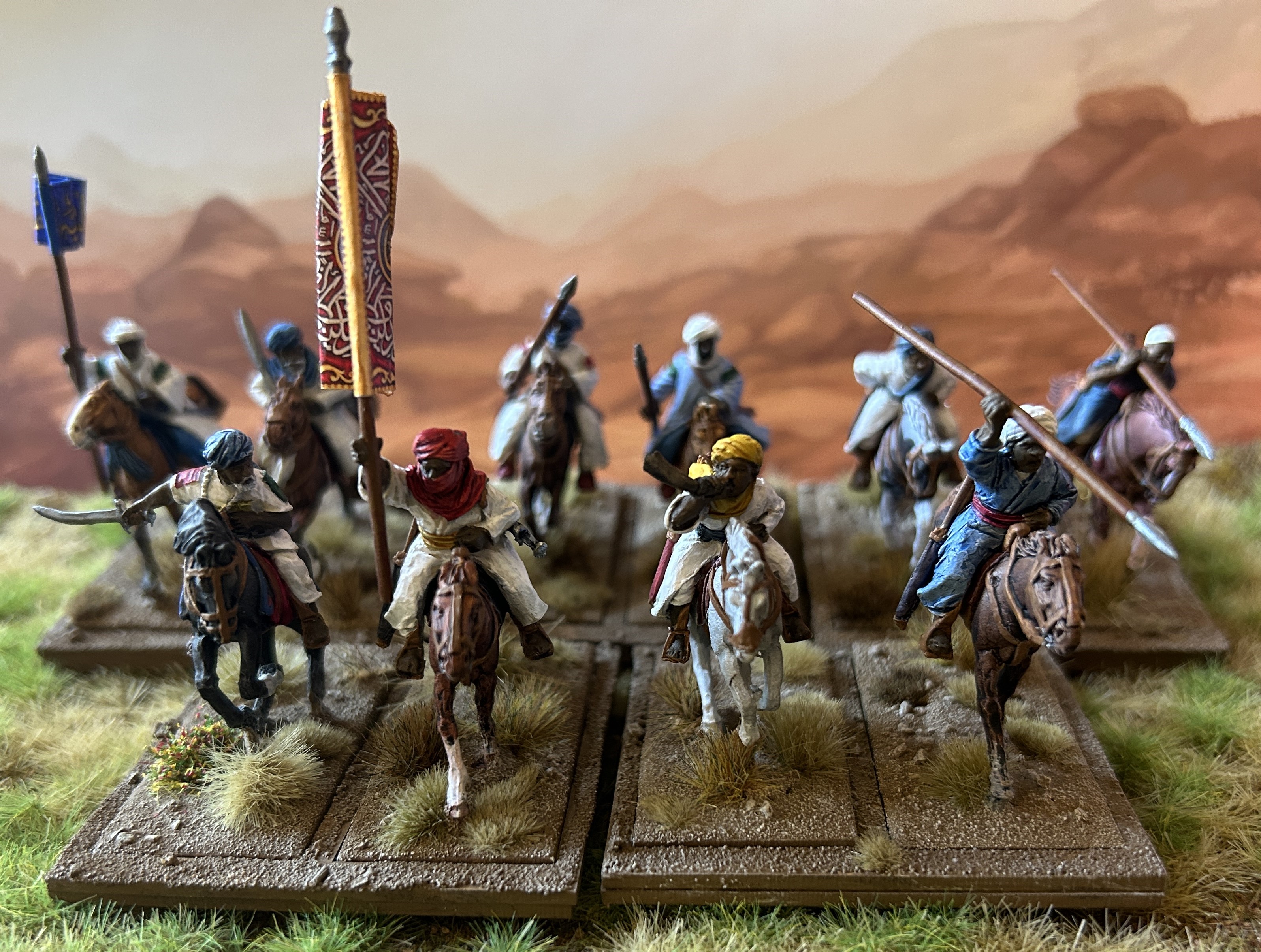
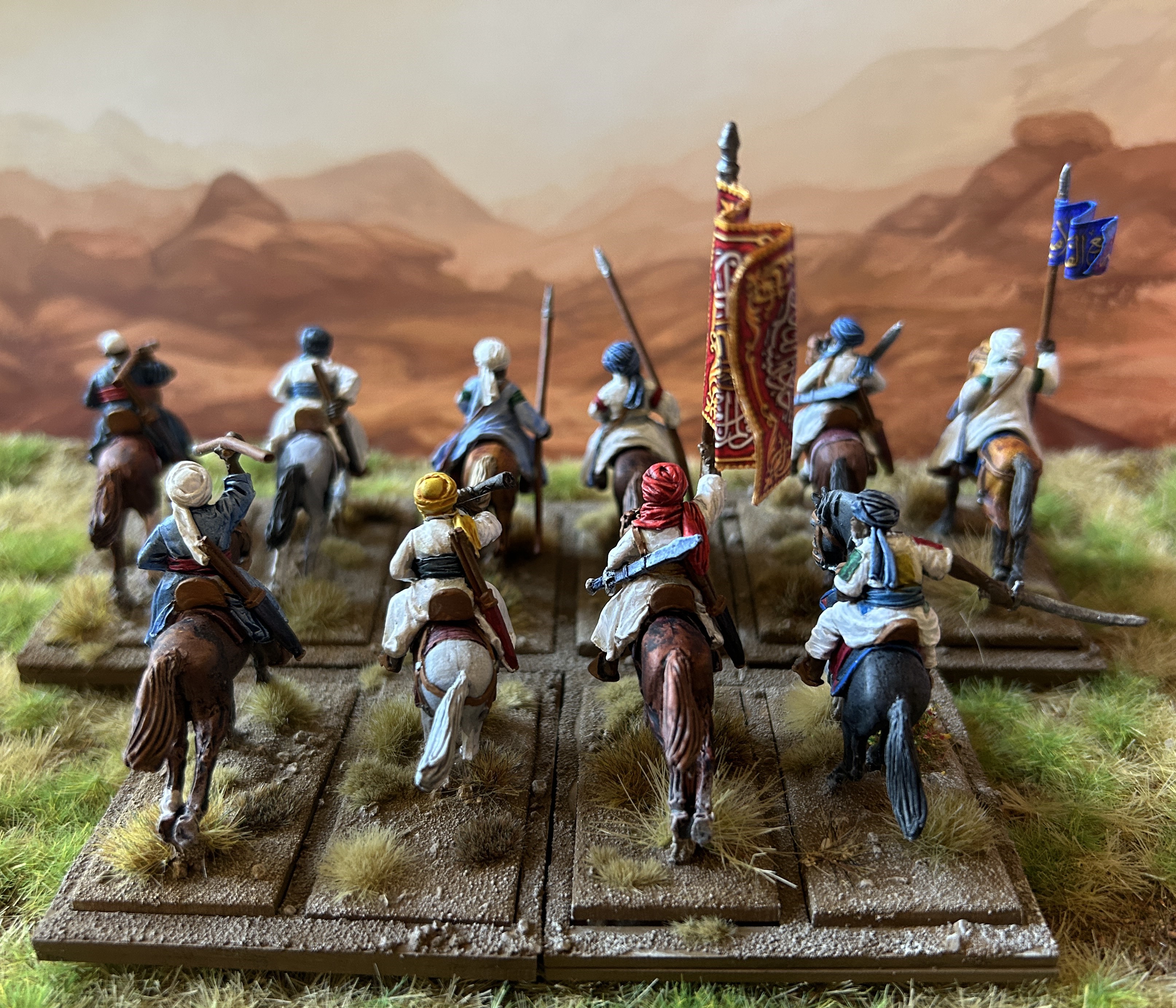
This is the unit of allied Shuwa Arab cavalry. The better resourced warriors were able to afford a horse which was very prestigous. They were reported as operating without shields so have been modelled accordingly. This helps to differentiate them from the local cavalry.
I chose a slightly different colour scheme to help with that too. This unit were getting the red banner so some models had some red added, a colour not present in the other cavalry. Otherwise I stuck to the white and blue scheme of the Shuwa infantry. Perhaps a bit more Cloudburst Blue in the mix this time as I prefer this deeper and less saturated tone.
The leader is from Perry’s Mahdist range and wears the characteristic patched jibbah. Further west this garments still featured a range of colours/fabrics and often had additional patches attached, usually embellished with amulets and written scrolls acting as magical charms and wards. Therefore I’ve painted the jibbah with coloured patches to show the magical protection.
Now on to my favourite unit, and the reason for painting this whole army, the Savannah Knights.
Kanuri Warriors 2 finished
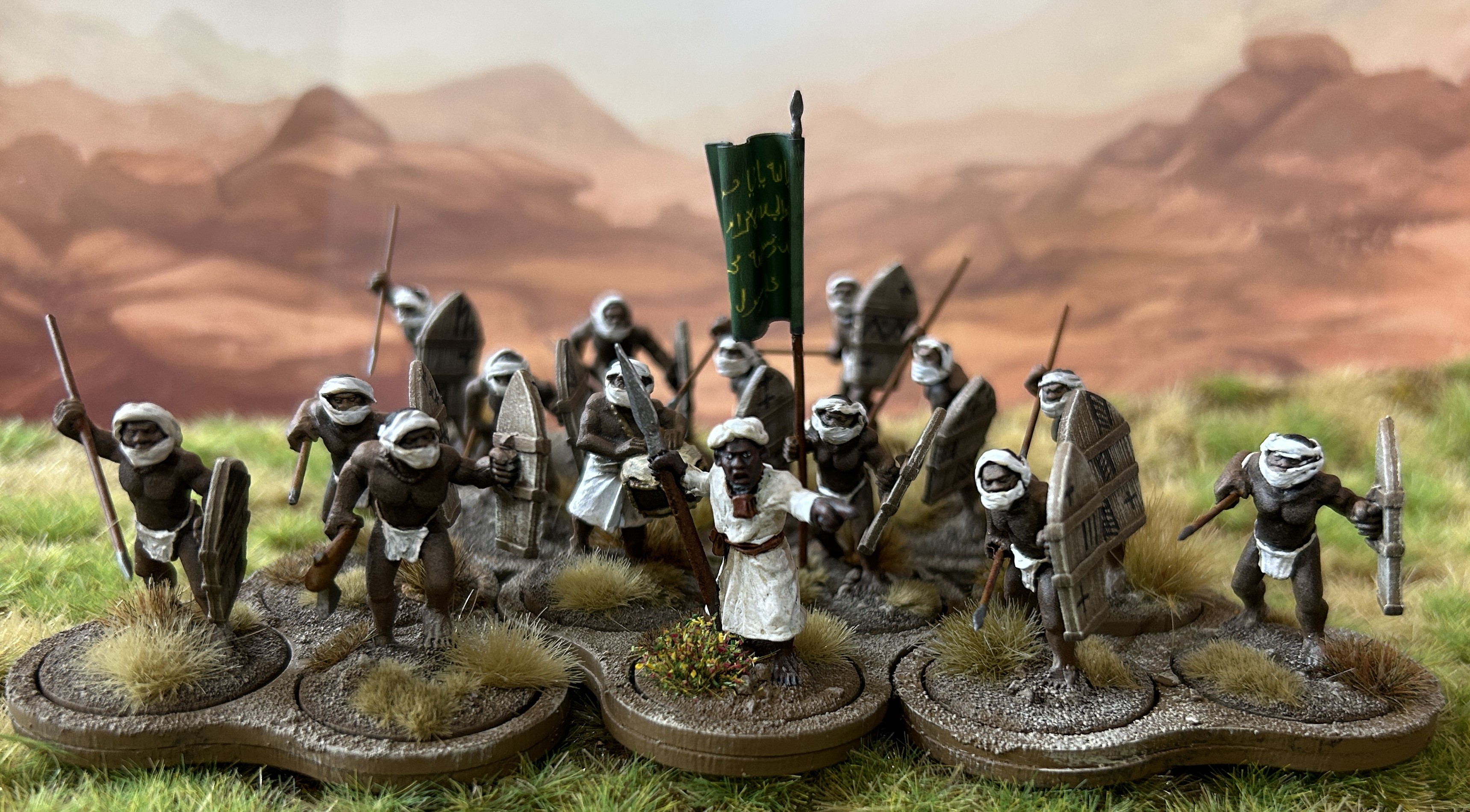
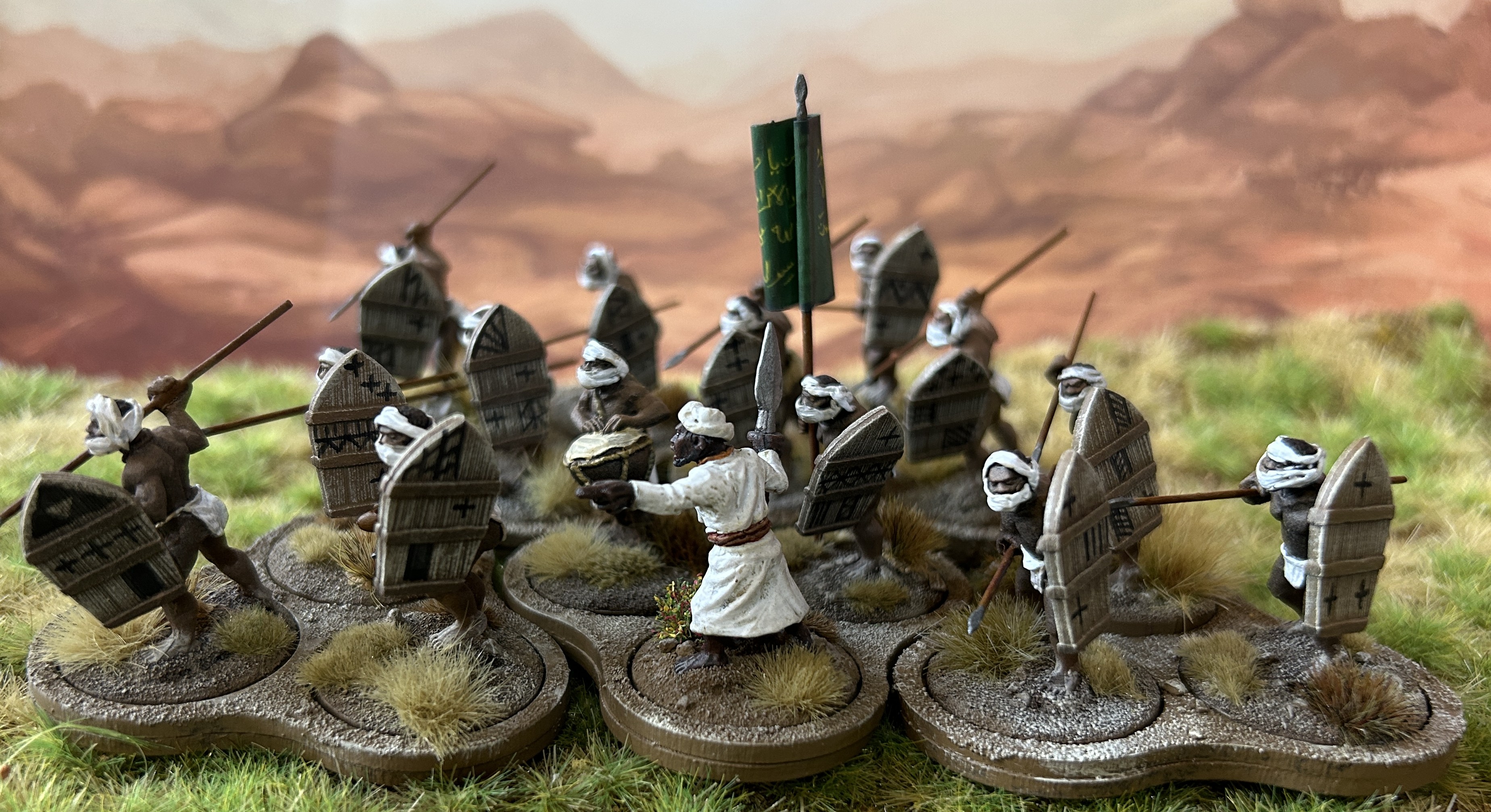
Second unit done. Process the same as the first and pleasingly it always goes quicker the second time.
Kanuri Warriors 1 finished
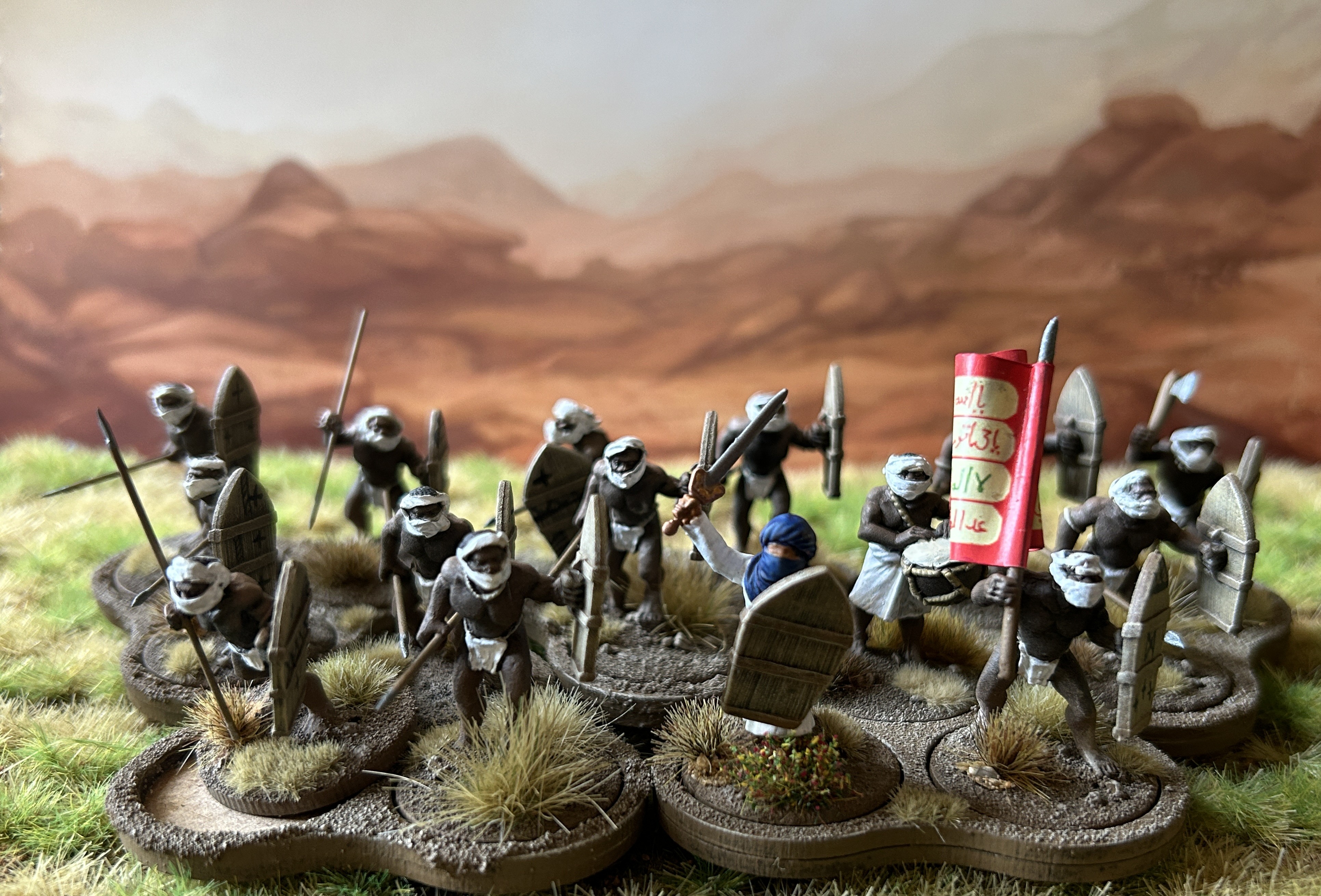
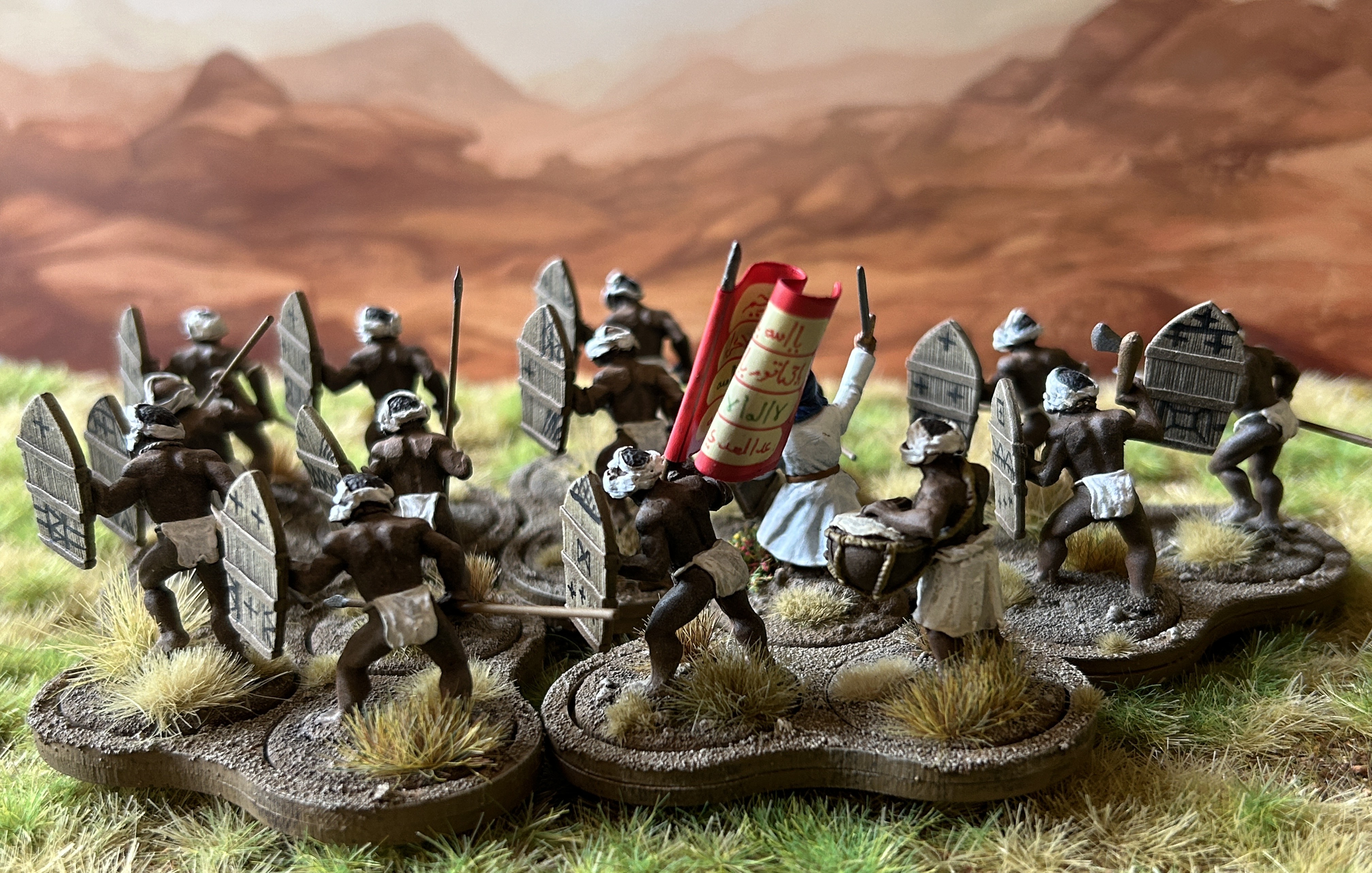
This unit was finished off with one of the Perry flags. On to the next unit. Keen to finish the army before the end of the challenge.
Kanuri Warriors 1
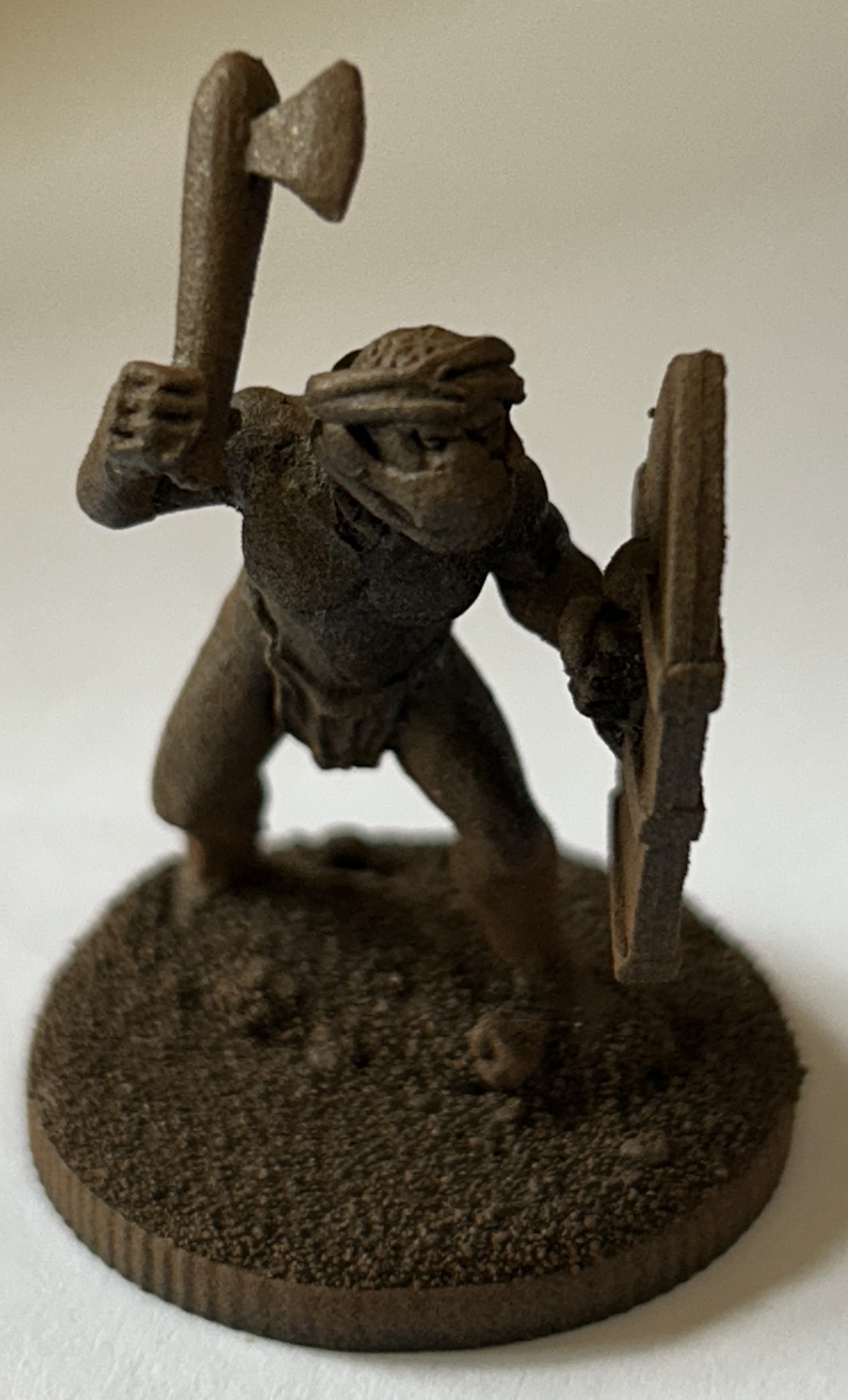
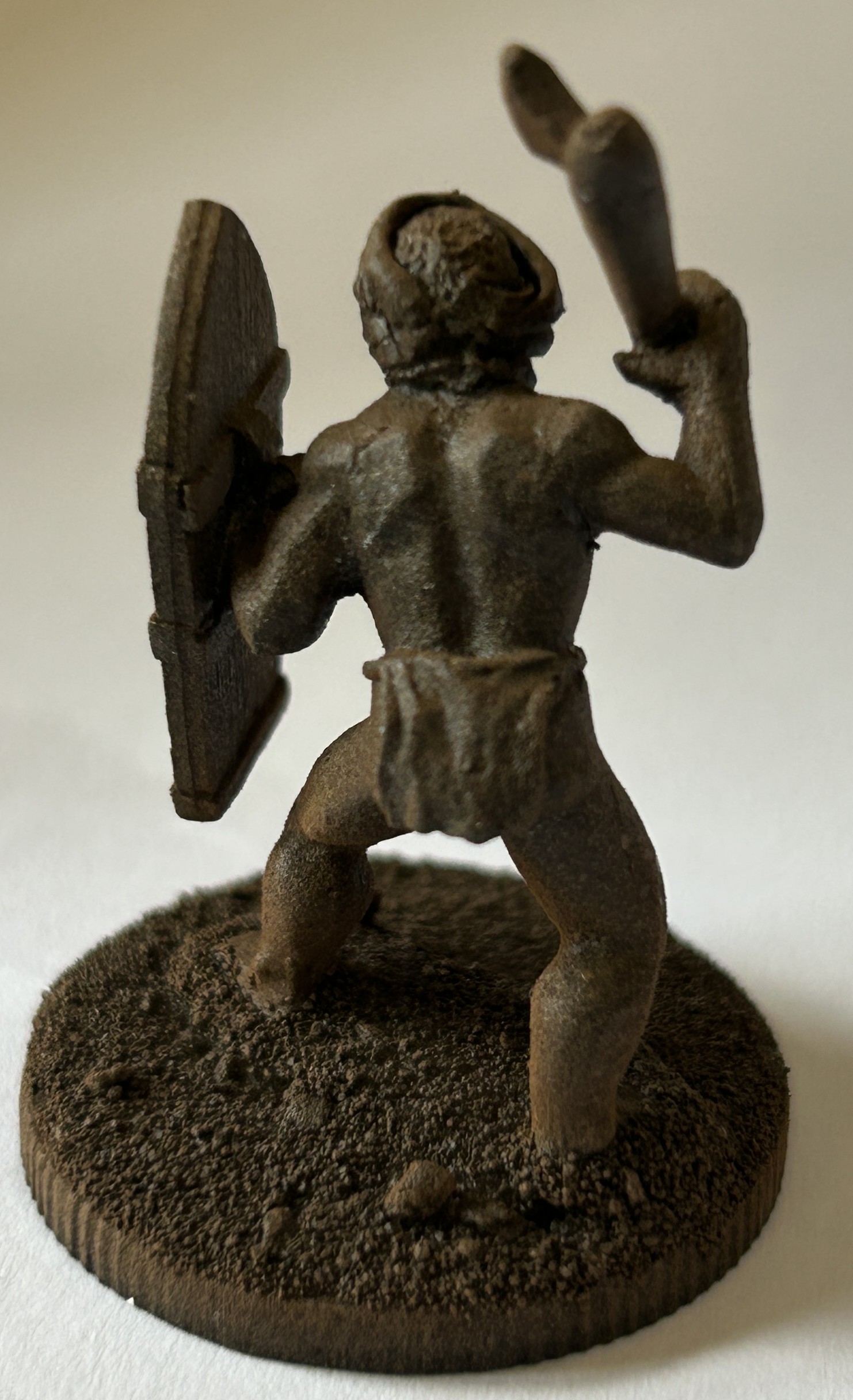
This was the starting point, Black spraycan undercoat with Leather Brown zenithed over the top.
The first stage is a bit hard to see much difference but is vital in getting the level of contrast needed for the final finish. Vallejo Game Earth was heavily drybrushed onto the base. When the brush was almost out of paint I then ran it between the support struts on the shield, front and back. I’d picked a brush that just fit between the struts which thankfully are evenly spaced. Thus:
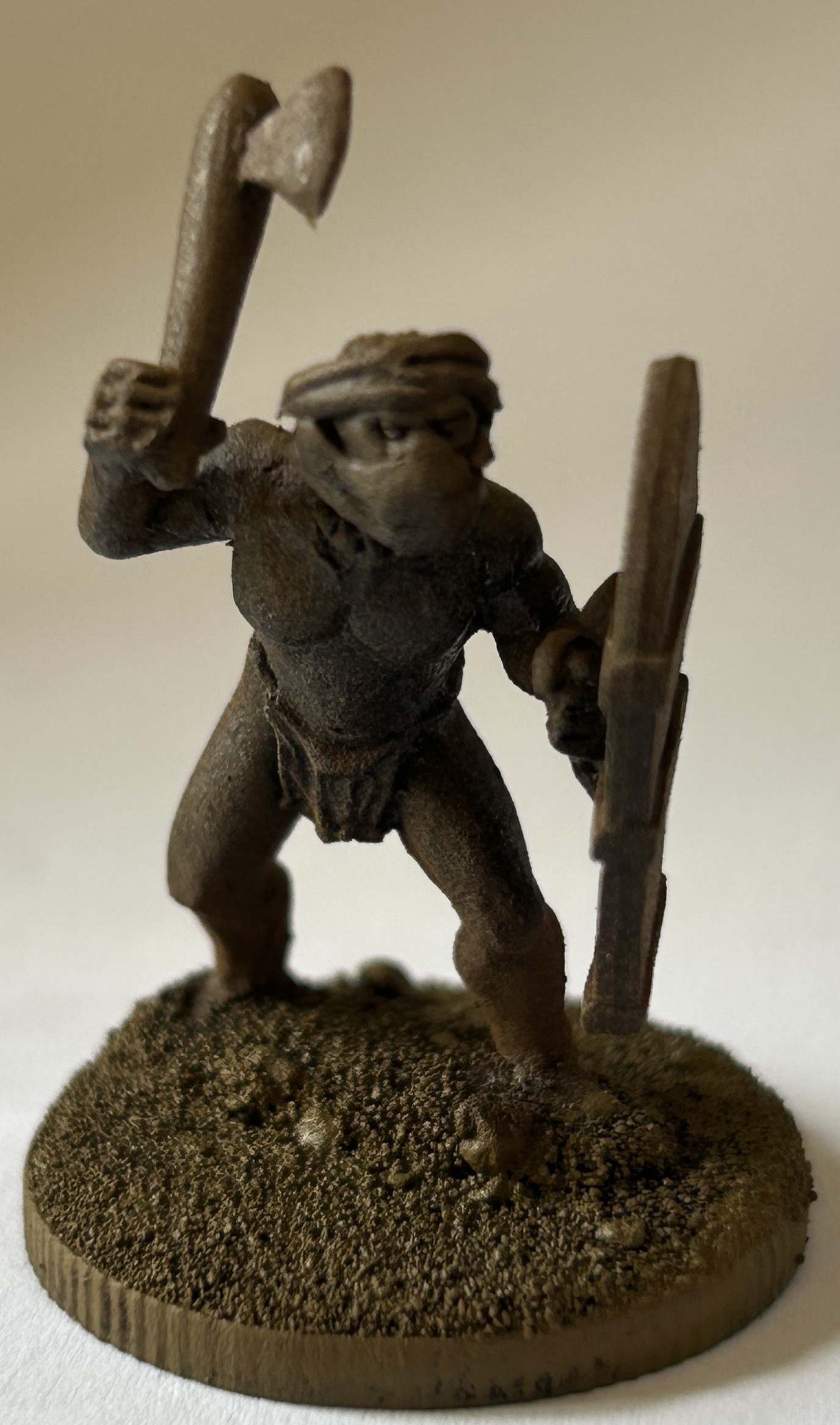
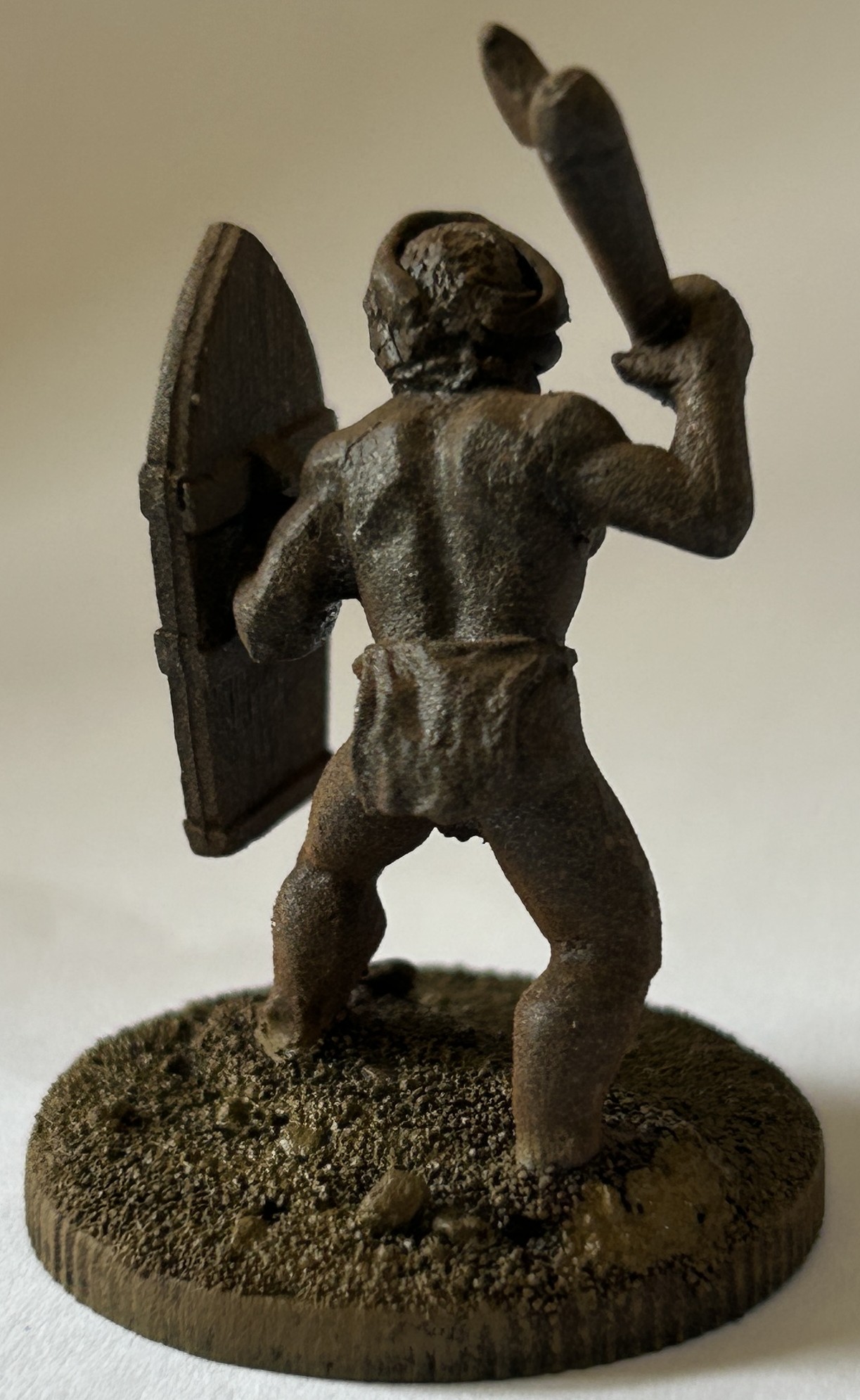
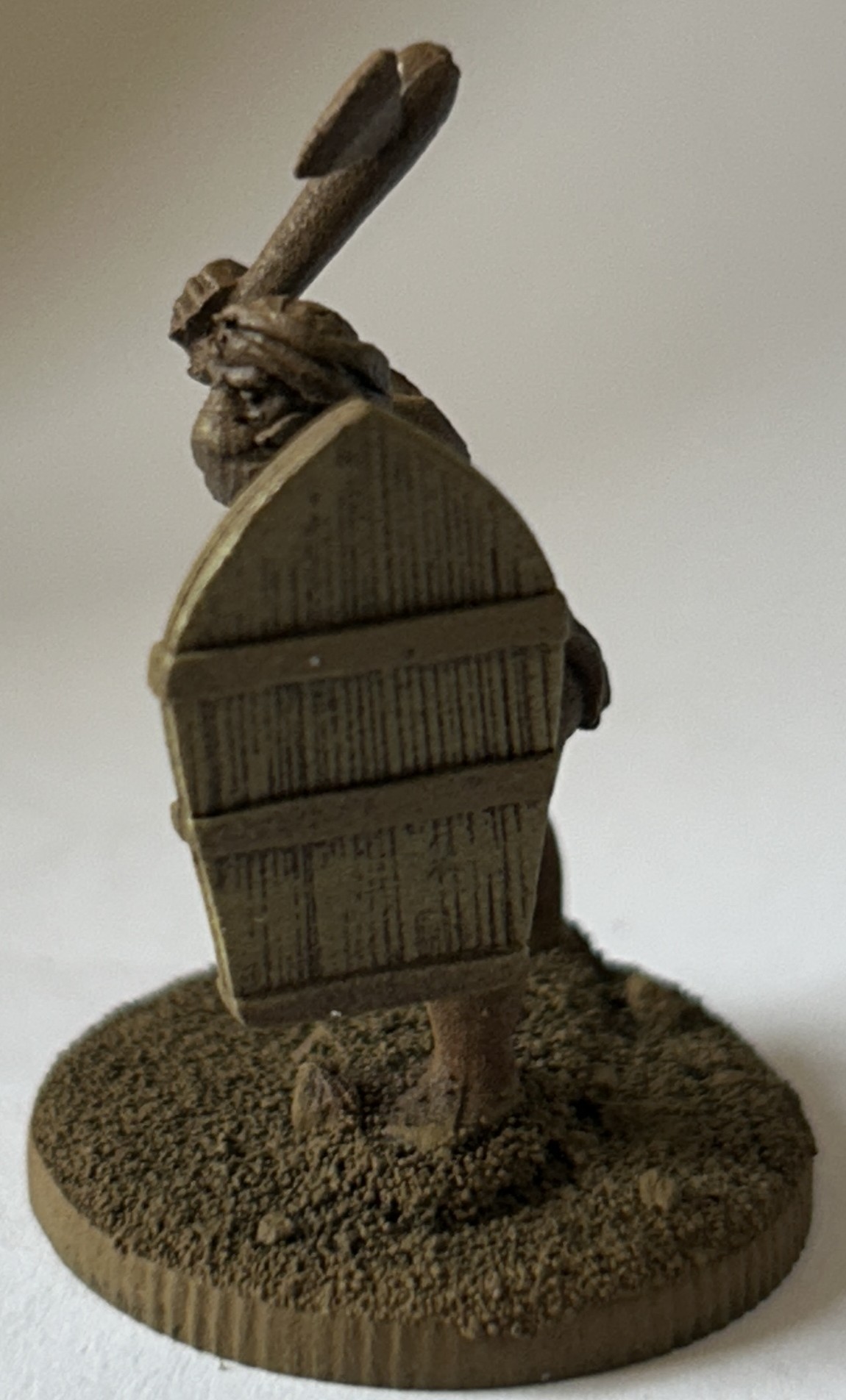
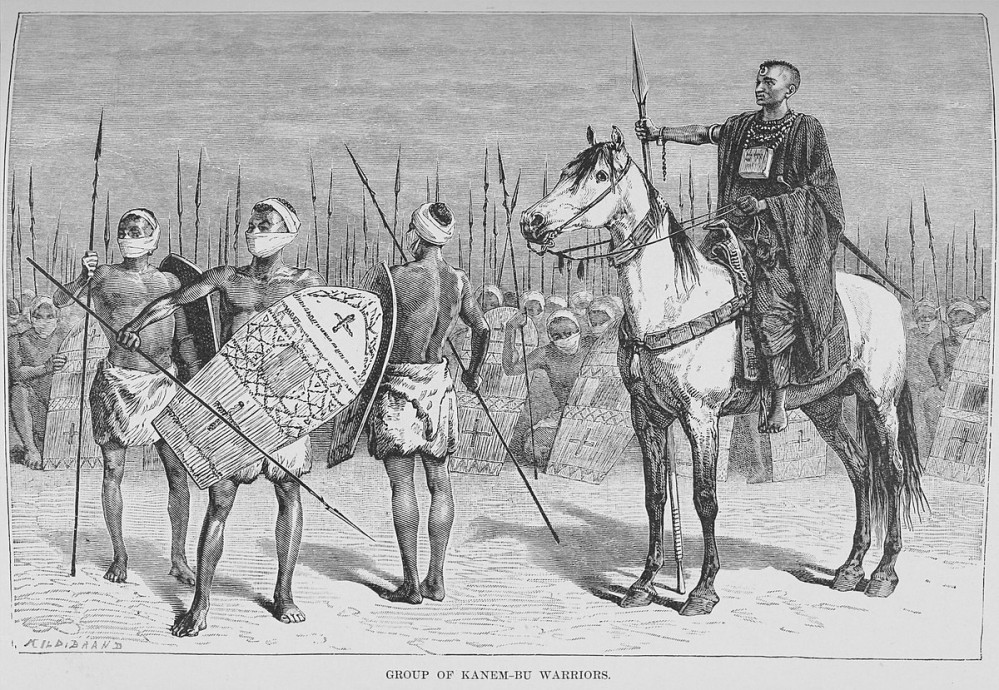
Now onto weapons. Most of the warriors have spears. The art shows long slender shafts so I went for wire spears that I cut to length with tin snips. For a bit of visual variety on axeman is in each unit. Vallejo Earth on the haft and Gunmetal for the head.
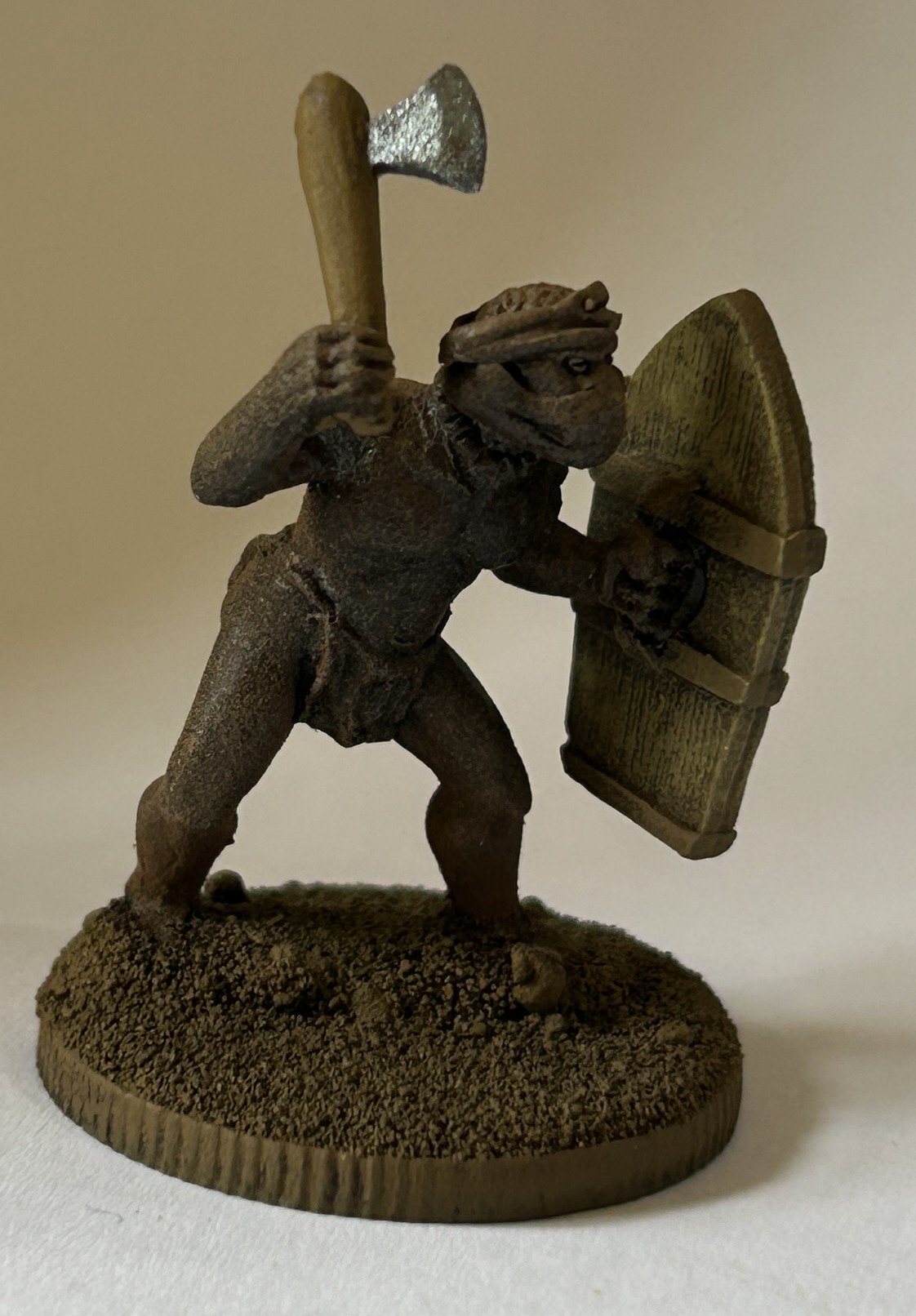
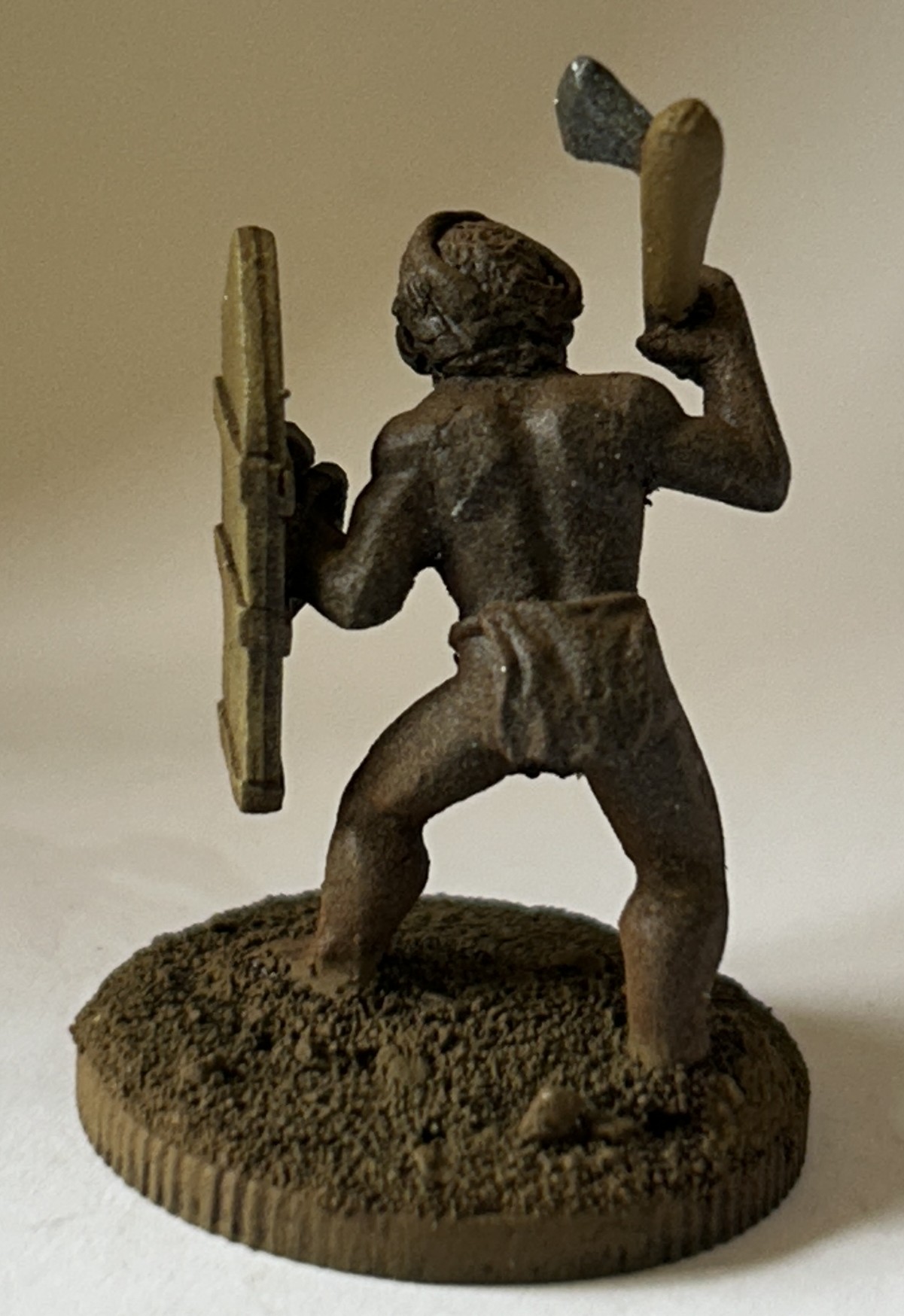
Now Vallejo Bonewhite on a very dry drybrush and highlight the shield – same one as before that just fit between the support struts. This means the struts catch a fortuitous edge highlight but stay the basic undercoat colour.
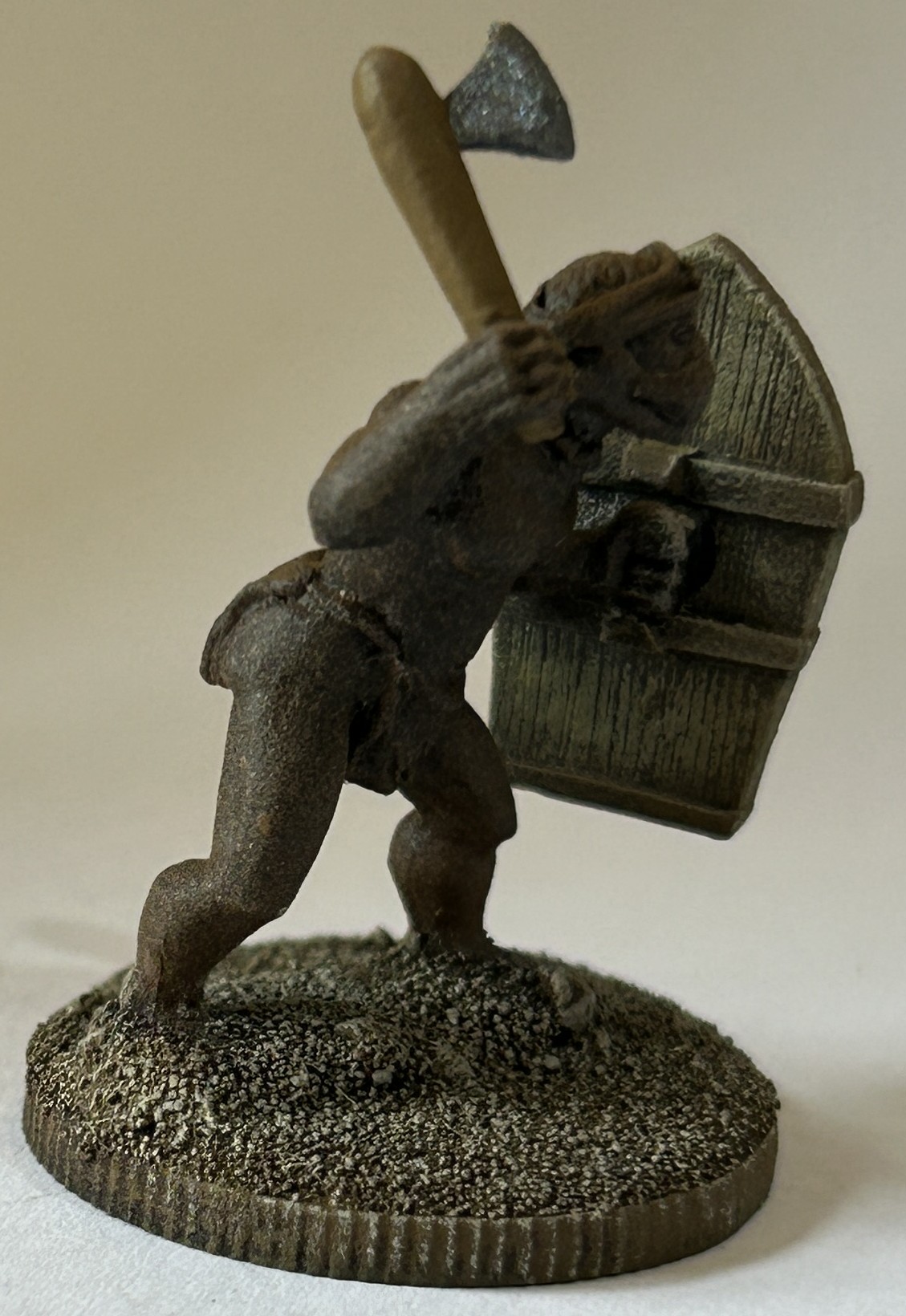
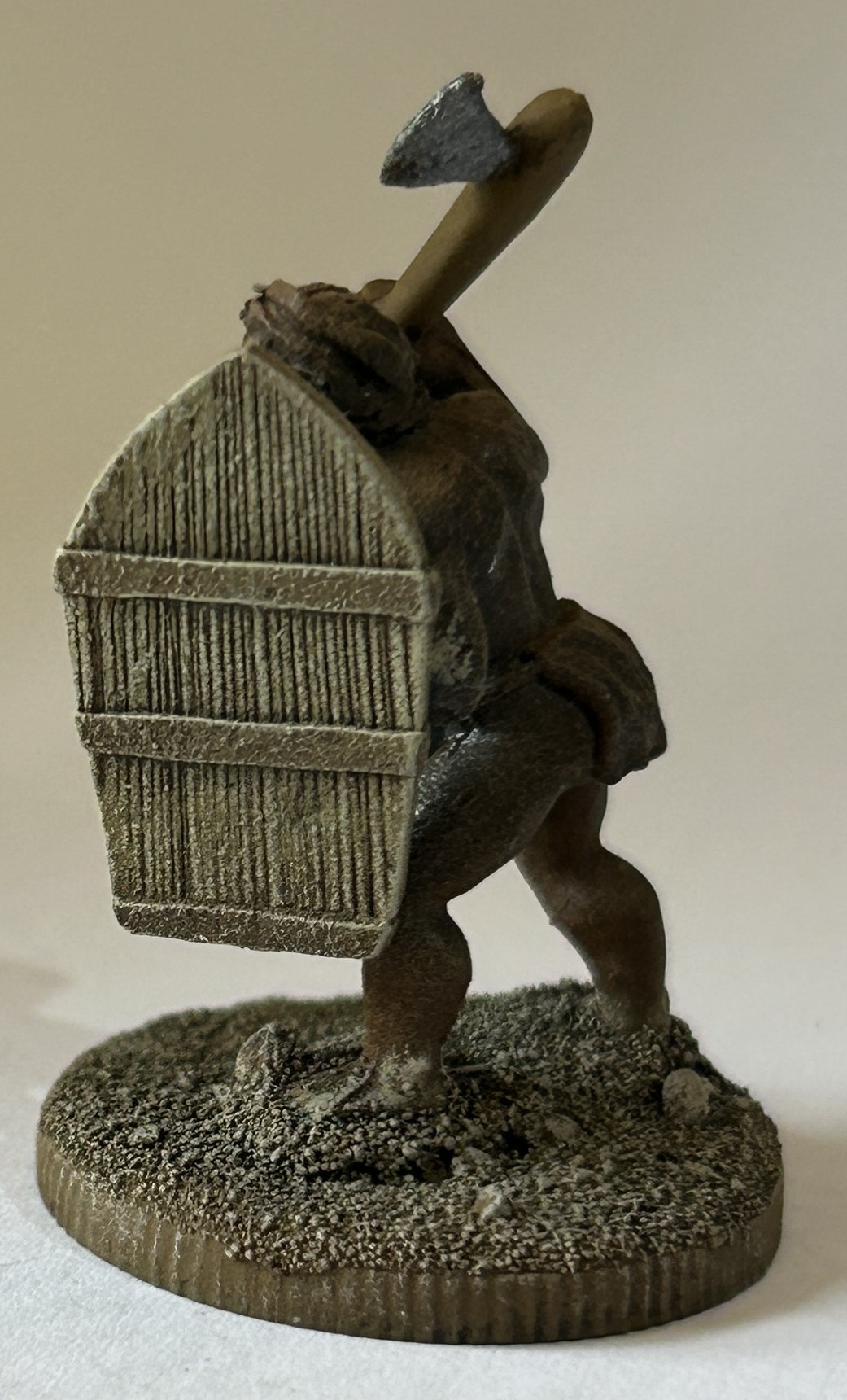
Staying with the Bonewhite change brush and put a layer onto the loincloth and head scarf. This will look a little patchy but that helps us with depth in the final finish so no second layer or touch ups required.
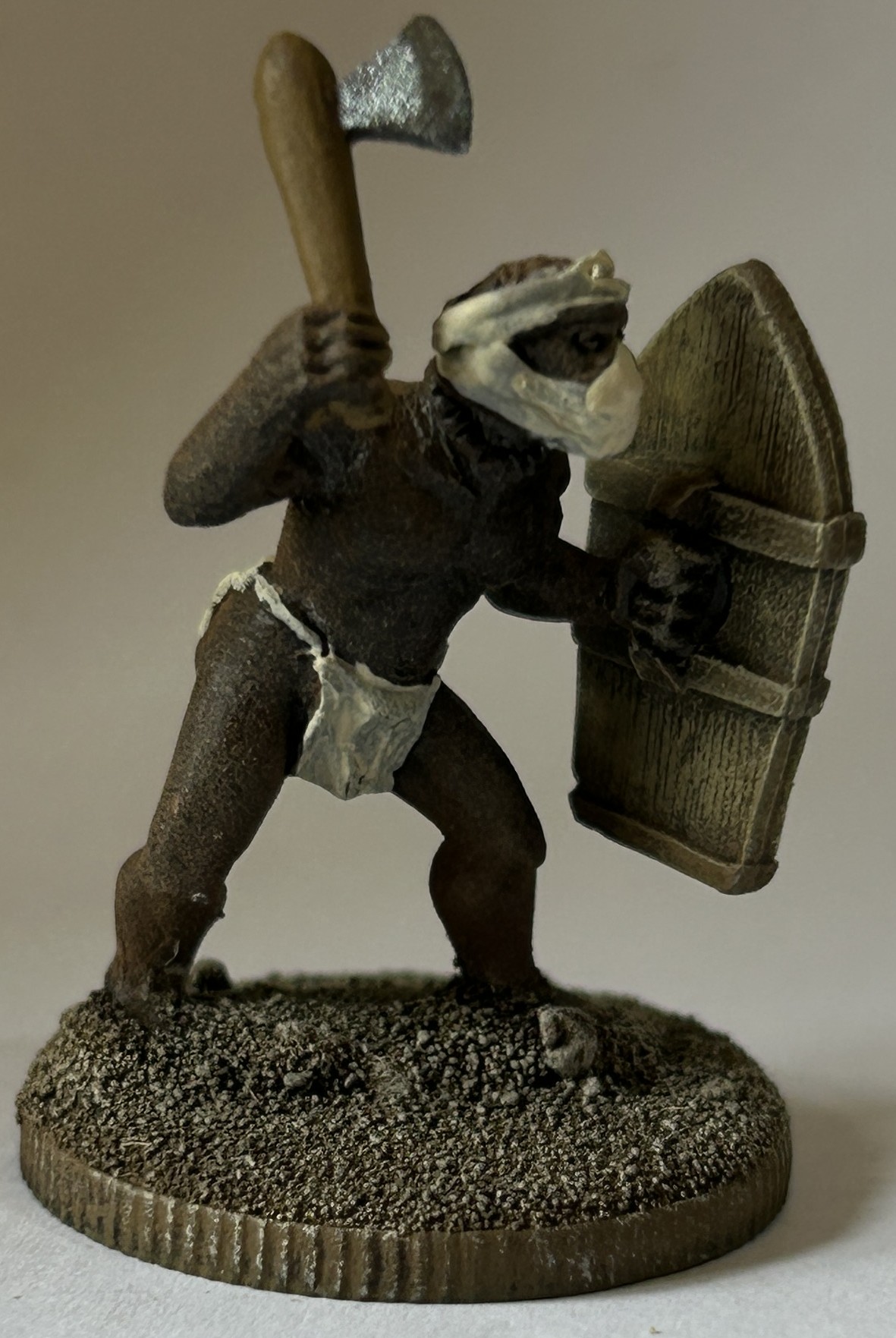
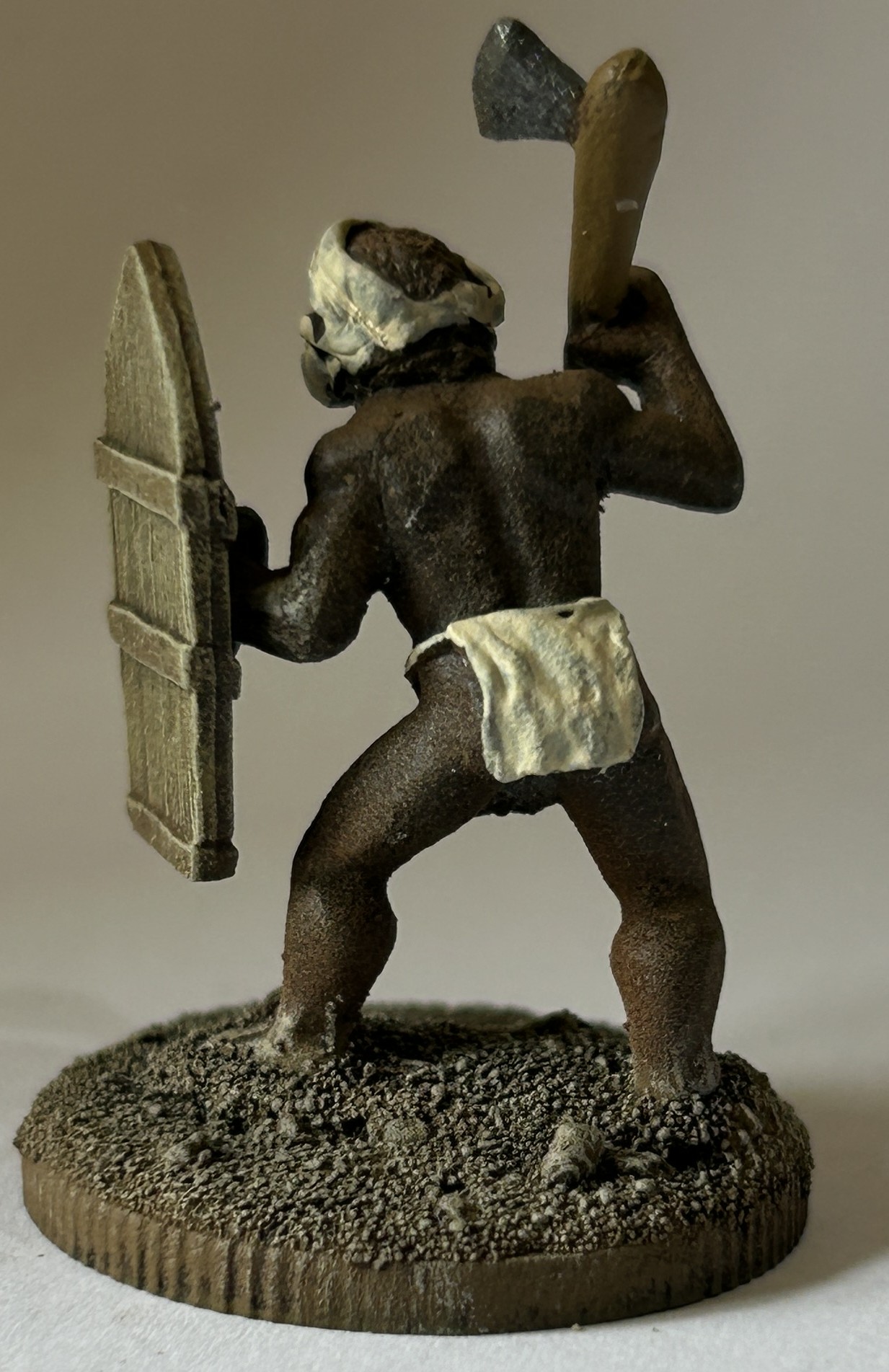
Finishing touches now. White is generously overbrushed (like dry brushing but with a wet brush) onto the cloth areas. Any final details also picked out – this one has a necklace but there are arm bands too, most probably they were made of ivory. The shield is finished with some basic designs inspired by the artwork – crosses (even ones, like a plus sign) seemed quite important so most shields got these. I used Black Speedpaint but ink would have been fine too, anything thin so you get good flow whilst using a very fine brush, mine’s 0000. The lines are thicker than in the art but they don’t take long to do and look fine en masse.
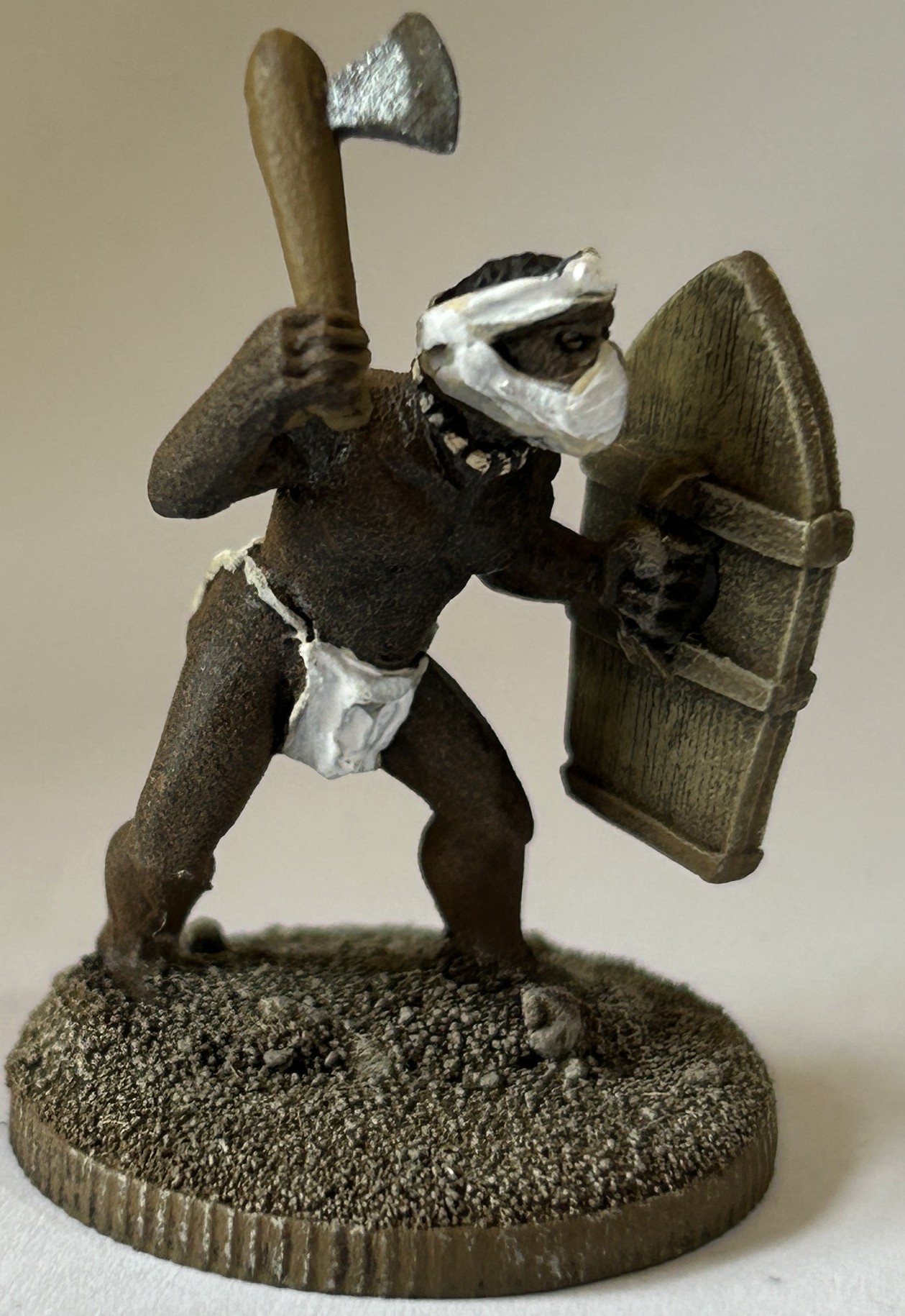
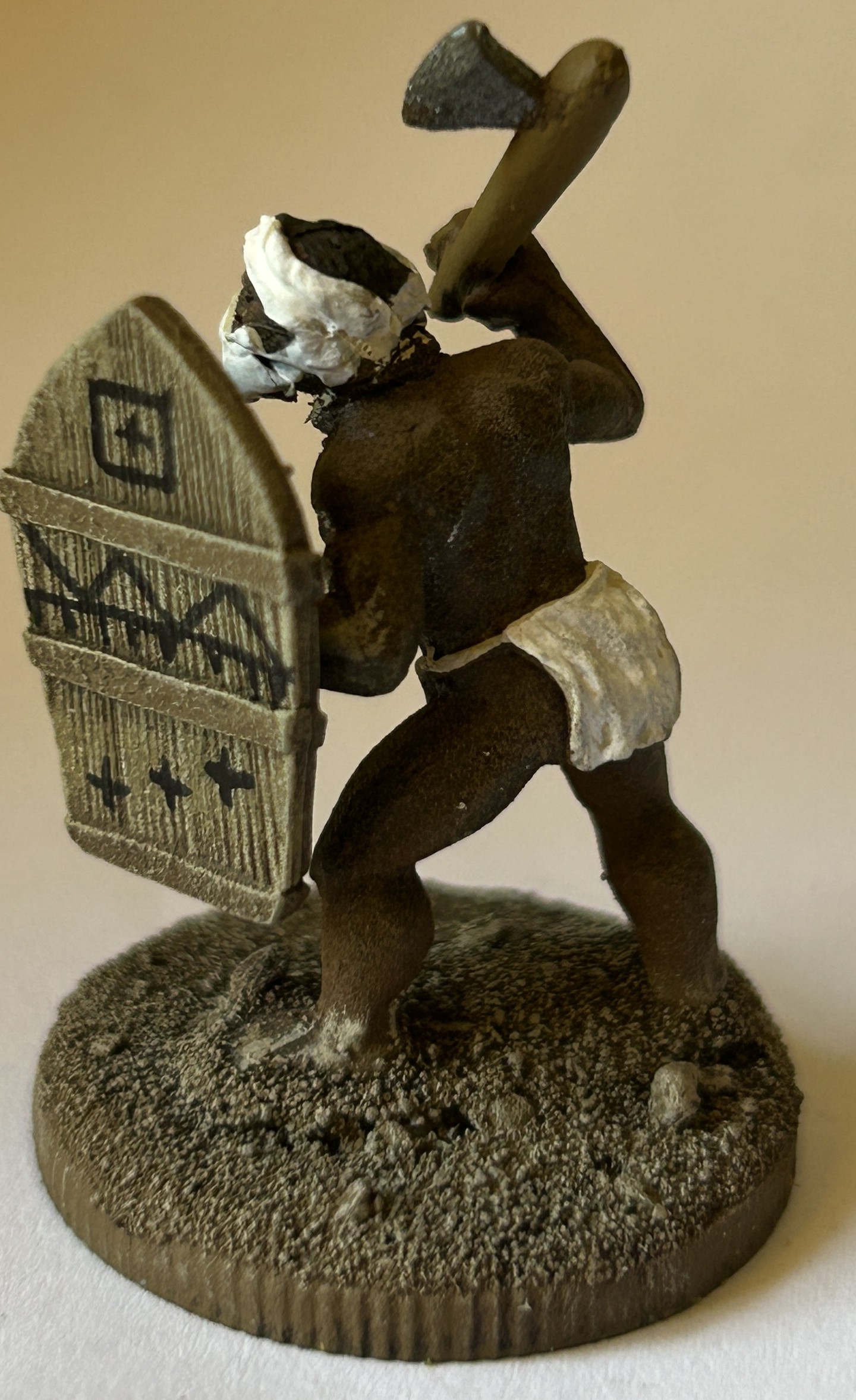
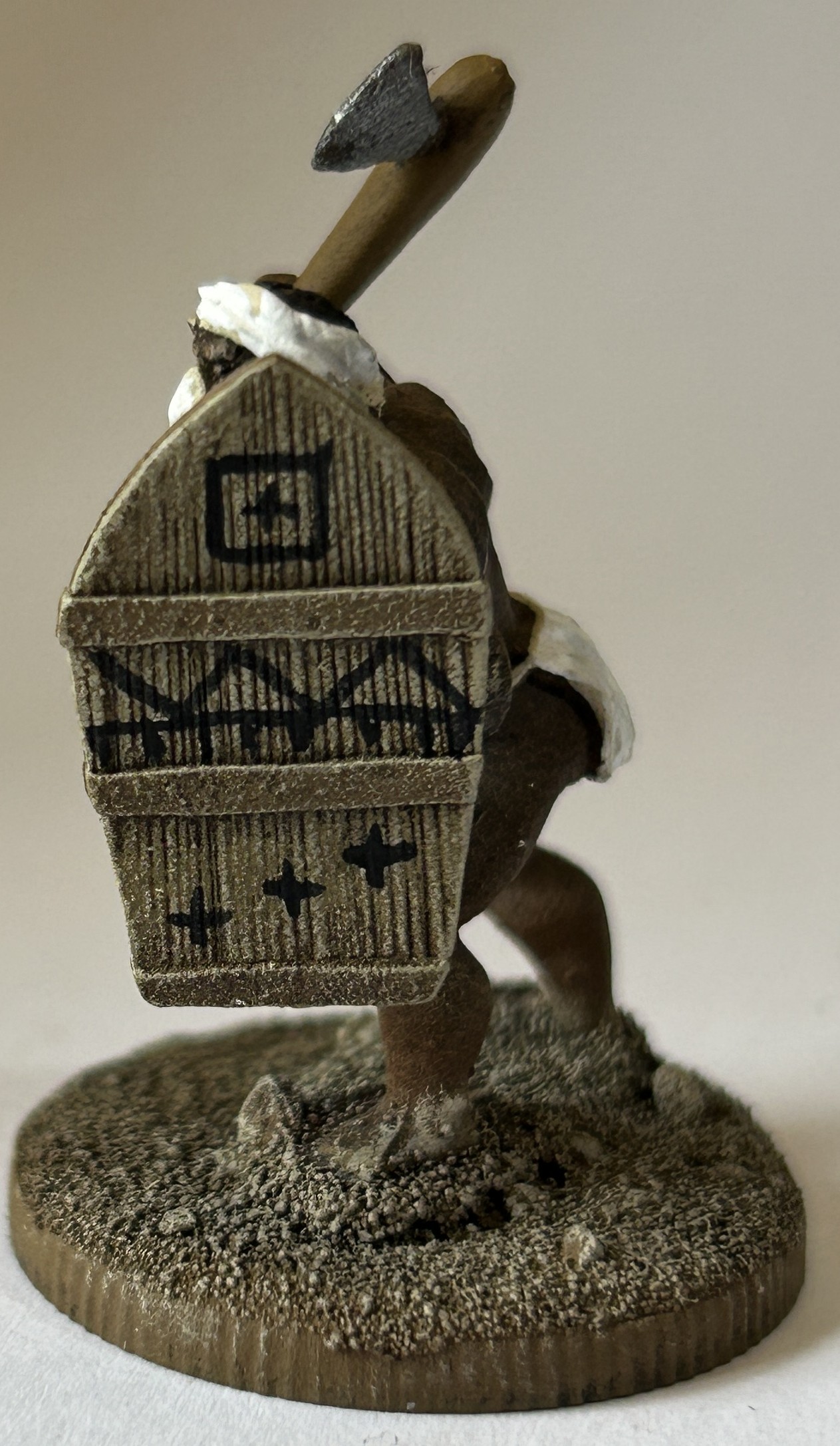
That’s it. On to basing using the scheme I detailed earlier.