





![NO Weekender Or Cult Of Games XLBS This Weekend [Updated]](https://images.beastsofwar.com/2026/03/No_Weekender_and_XLBS_this_Weekend-225-127.jpg)



A Foray into Napoleonic Wargaming




Recommendations: 1710
About the Project
Documenting my progress on collecting and painting 15/18mm Napoleonic miniatures. This started with challenging myself to try my hand at painting miniatures at a smaller scale, and to look at a historic setting rather than fantasy or Sci-fi. I went for Napoleonics as I have an interest in the history of the period, there are some great ranges of minis, and there's a certain appeal in having painted blocks of Napoleonic troops. I'm not building a collection for any particular game system, or following an order of battle, this is very much about enjoying the painting. I tend to have limited hobby time and I'm also a slow painter, so this is a very slow burn project.
Related Genre: Historical
This Project is Active
6eme Regiment de Legere
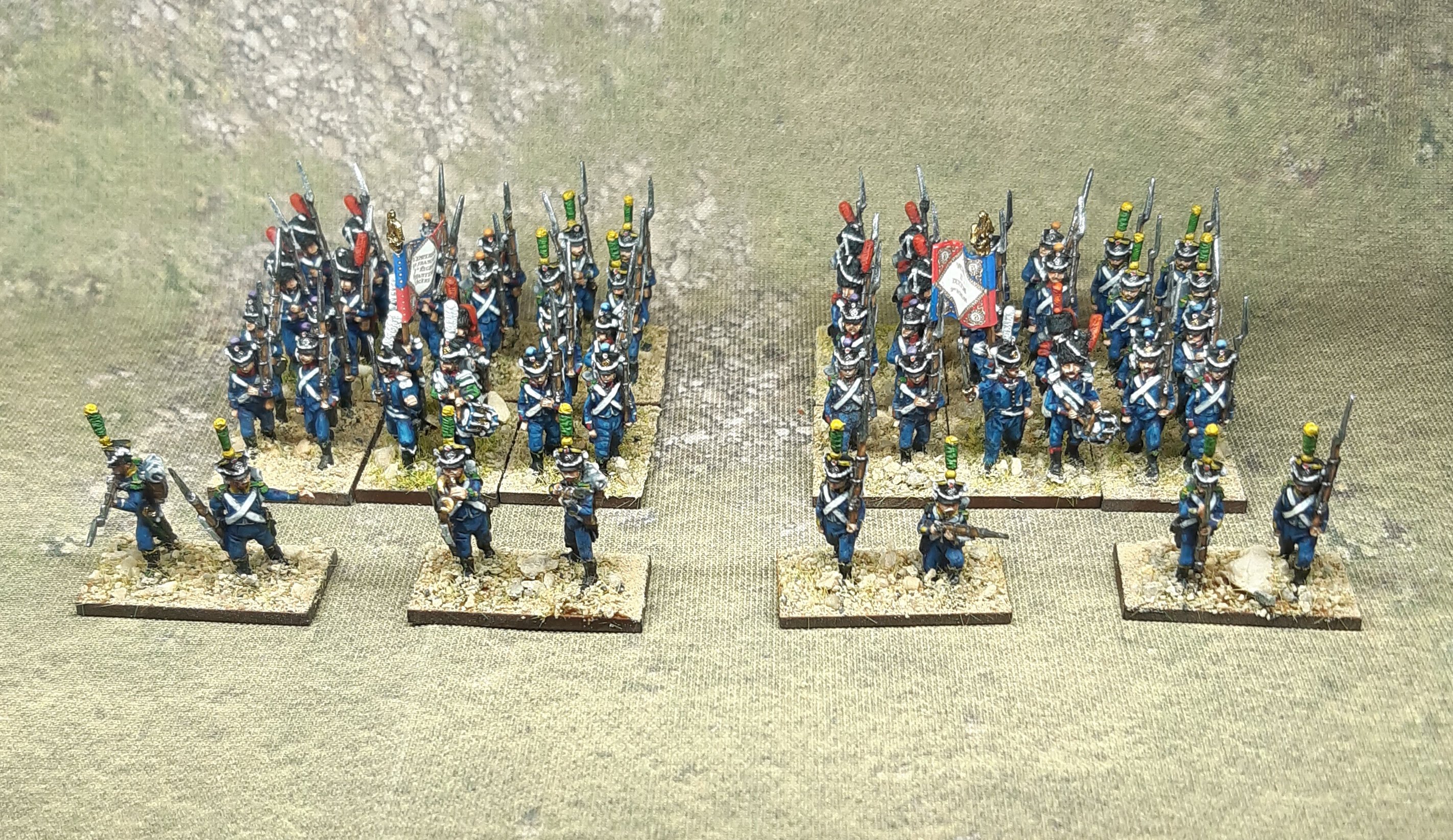
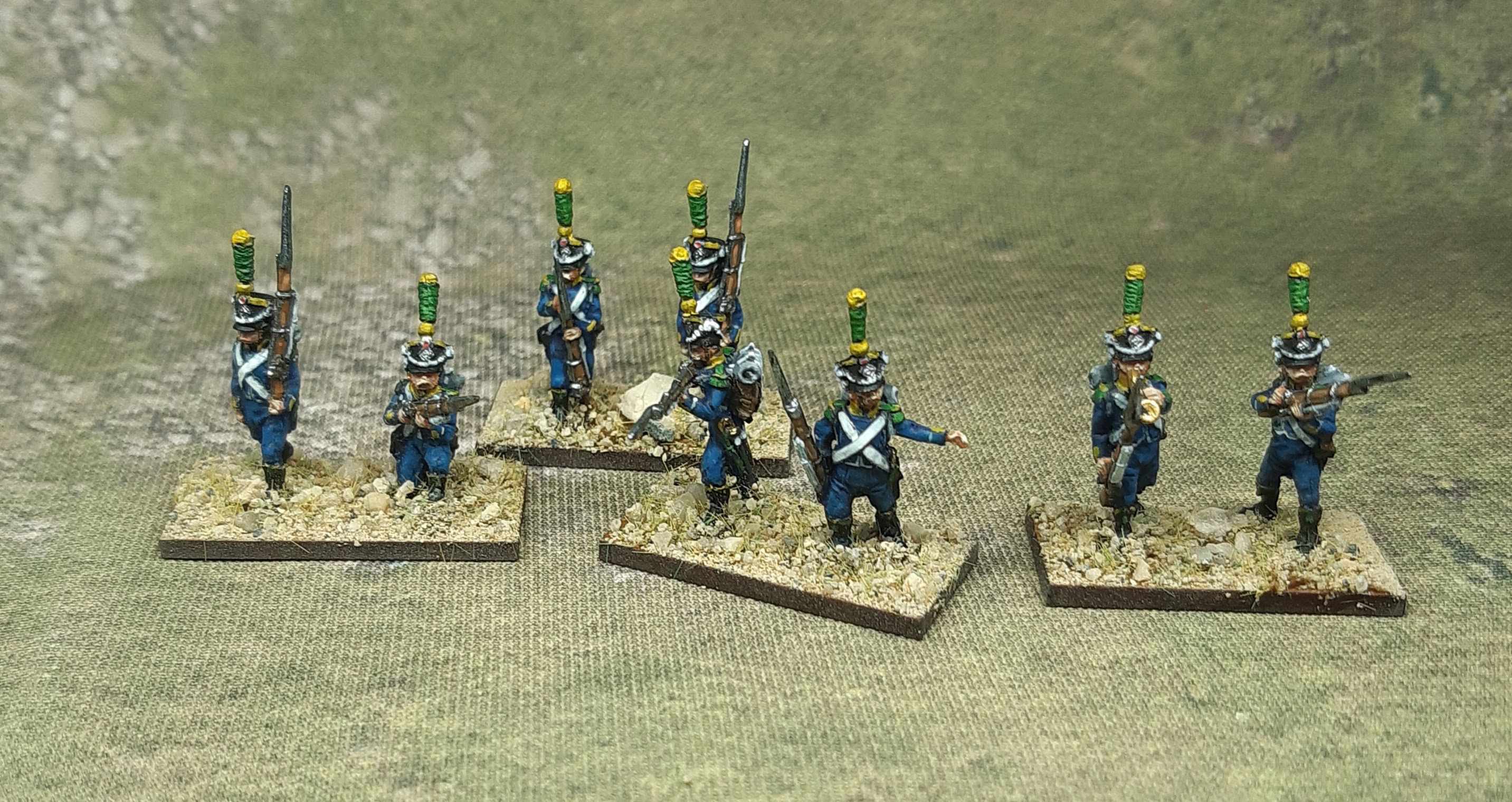
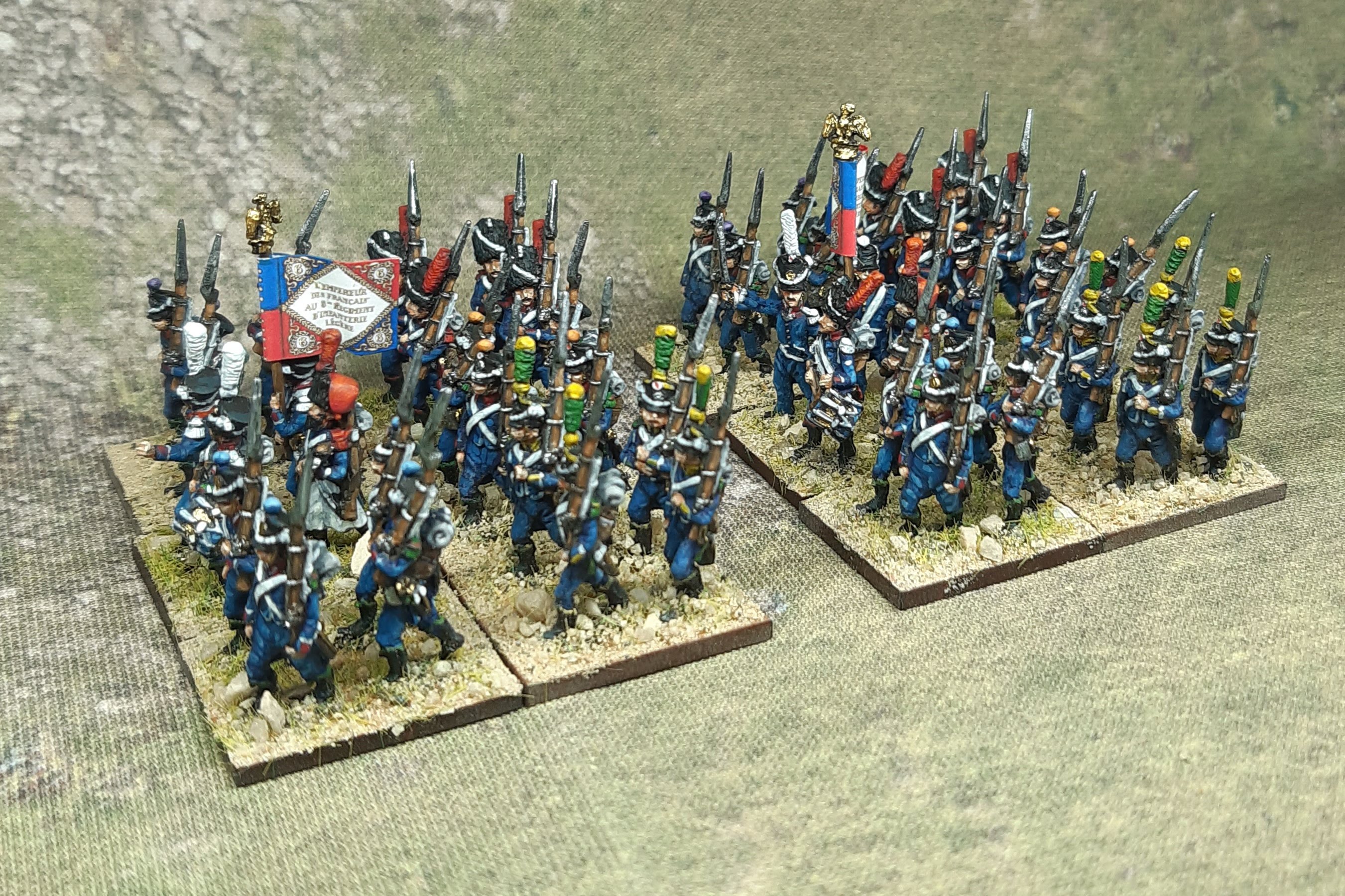
They took a little while to finish, but I finally got two battalions of light infantry completed for my Peninsula French. These battalions are part of the 6eme Regiment de Légere.
The 6eme received a fair few distinctions for their actions in the Peninsula. They formed part of the Army of Portugal, first under Massena, and then Marmont, brigaded with the 39eme Line Regiment. Volunteers from the 6eme were the first through the breeches in the siege of Ciudad Rodrigo in 1810. They also fought at Almeida, Busaco and Fuentes-de-Onoro, and formed part of the rear guard after Salamanca. The regiment was redeployed from Spain to Germany after Napoleon’s disastrous expedition into Russia.
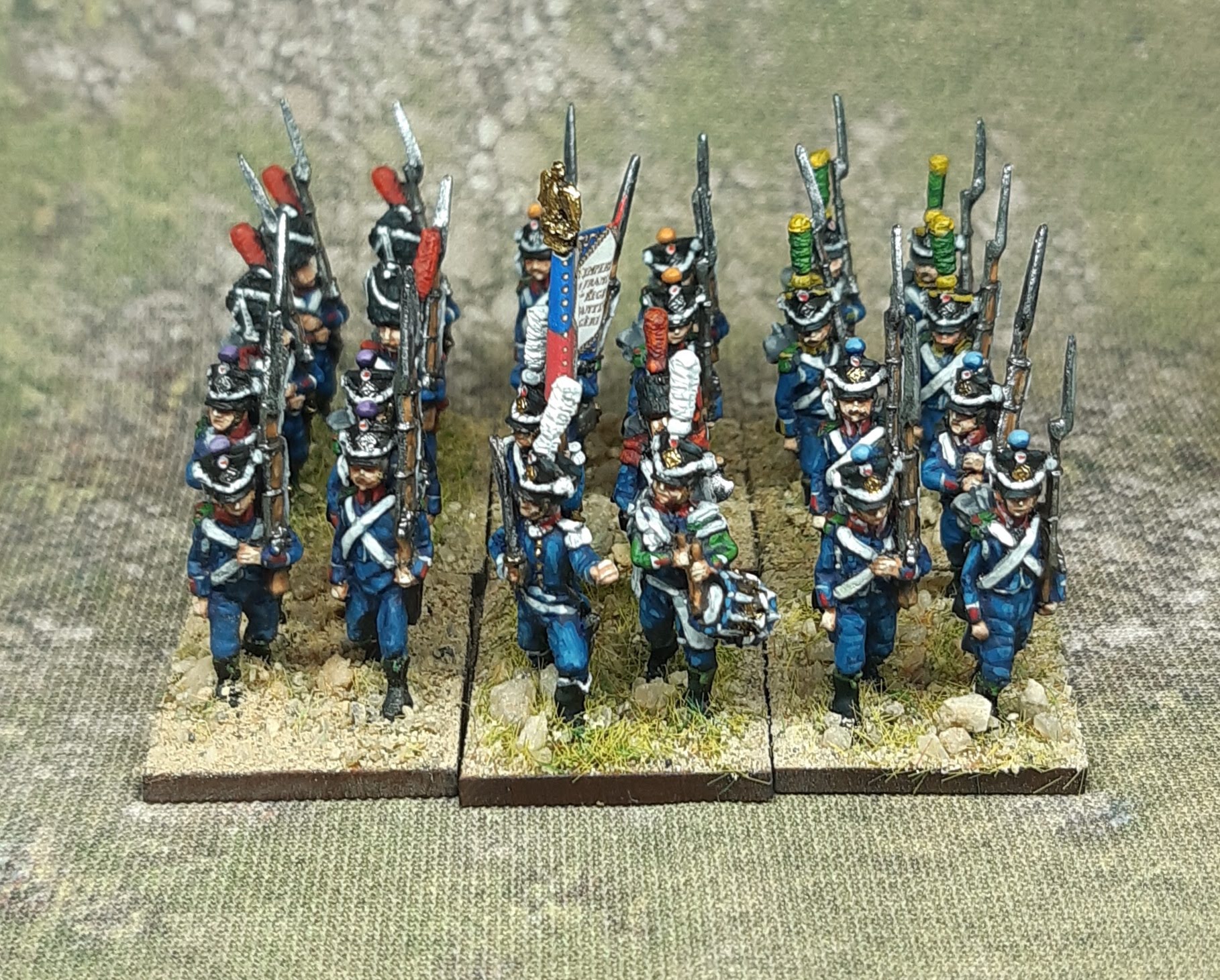
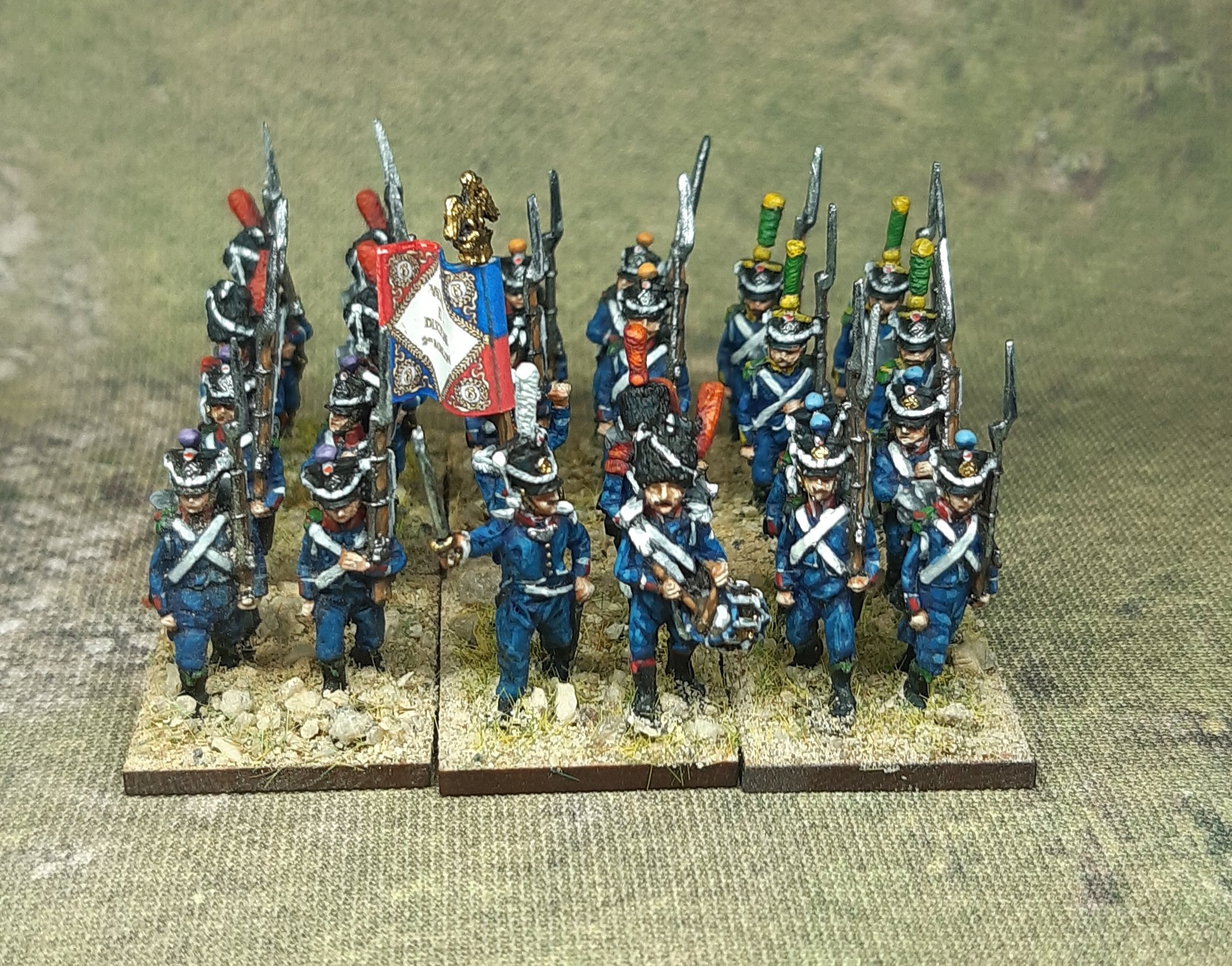
Like the line infantry, the structure of light infantry battalions was re-organised in 1808, each being composed of six companies. There were four centre companies, with the basic soldier being a chasseur, and two elite companies, one of Voltigeurs, and one of Carabiniers. The main differences in uniform between line and light infantry to capture for the Peninsula Campaign are the blue trousers as opposed to the white of the line, and the Hungarian style gaiters with coloured knots.
There are some inaccuracies with how I’ve portrayed these units, starting with the Eagles carried by both battalions, when in fact neither should have them. Light infantry regiments were only issued with a single Eagle, and in 1807 all light infantry regiments were instructed to leave their Eagles at their home depot. I also very much made up the uniform of drummer, having found it very hard to find any solid information on what the colours and patterns should be. My carabinier companies have bearskins; according to uniform regulations of the time, carabiniers were not issued bearskins, but there’s plenty of depictions of them wearing them, so I decided to include them.
Once again, all models are by Xan, and flags by GMB Designs.
French General
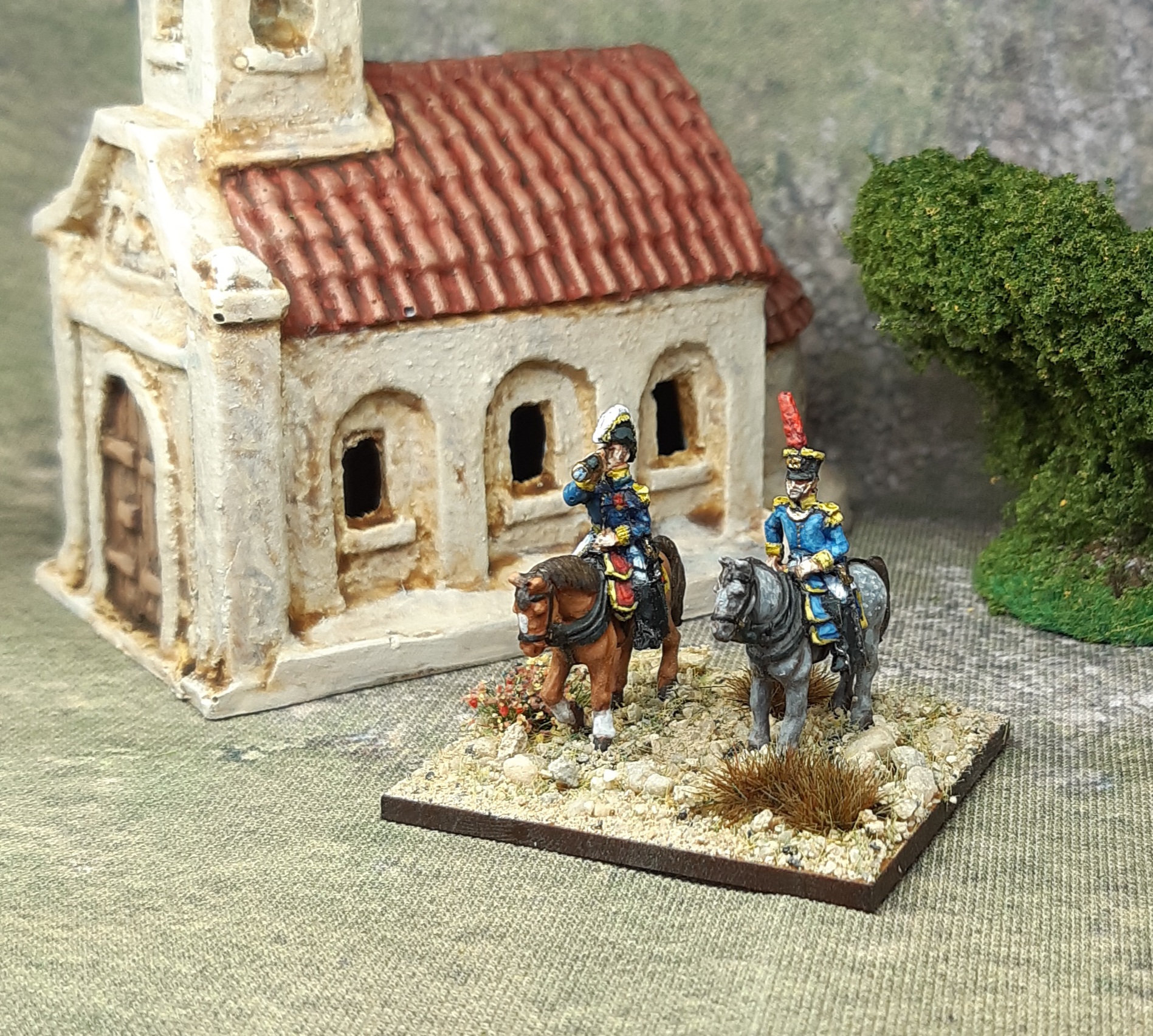
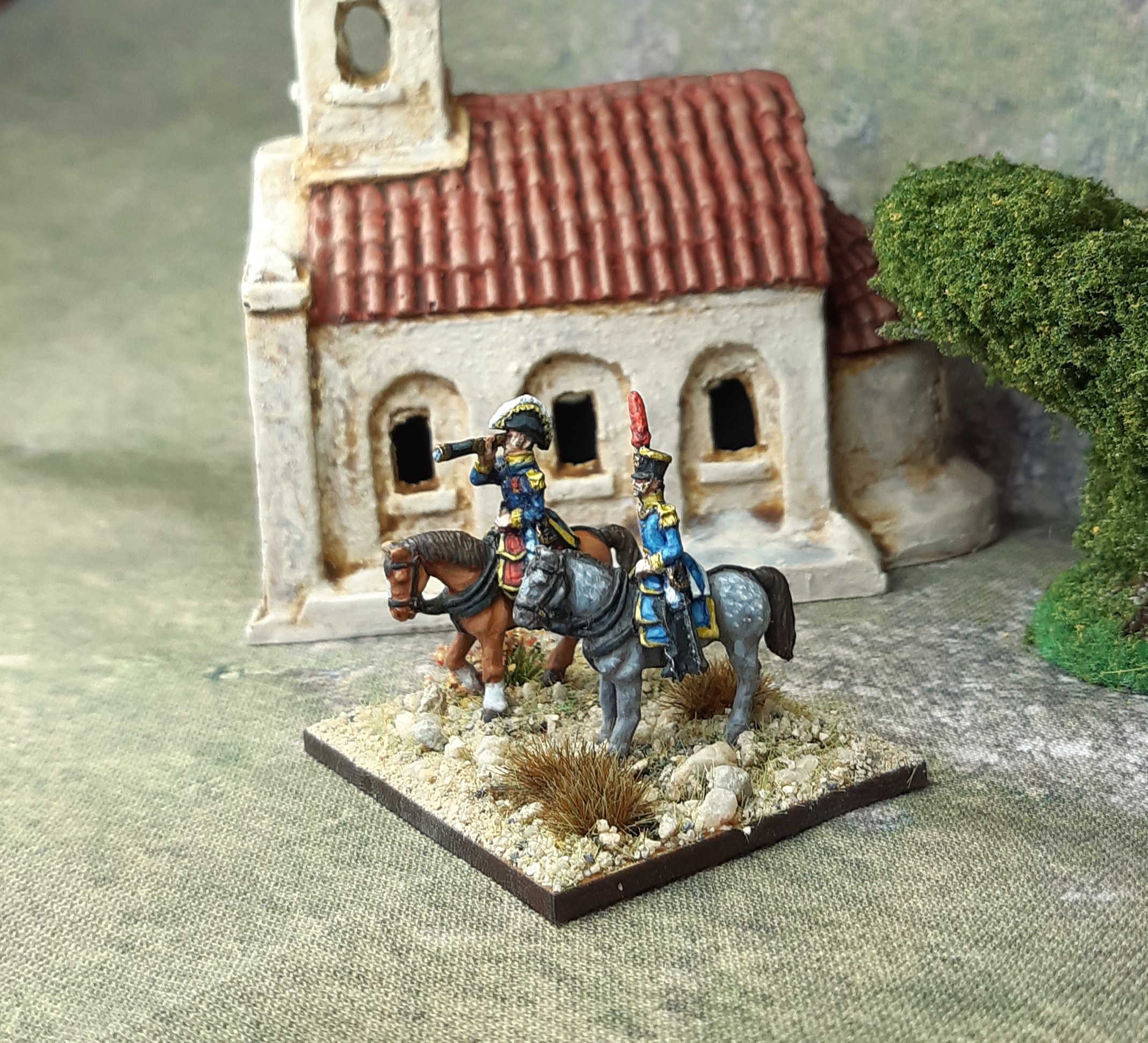
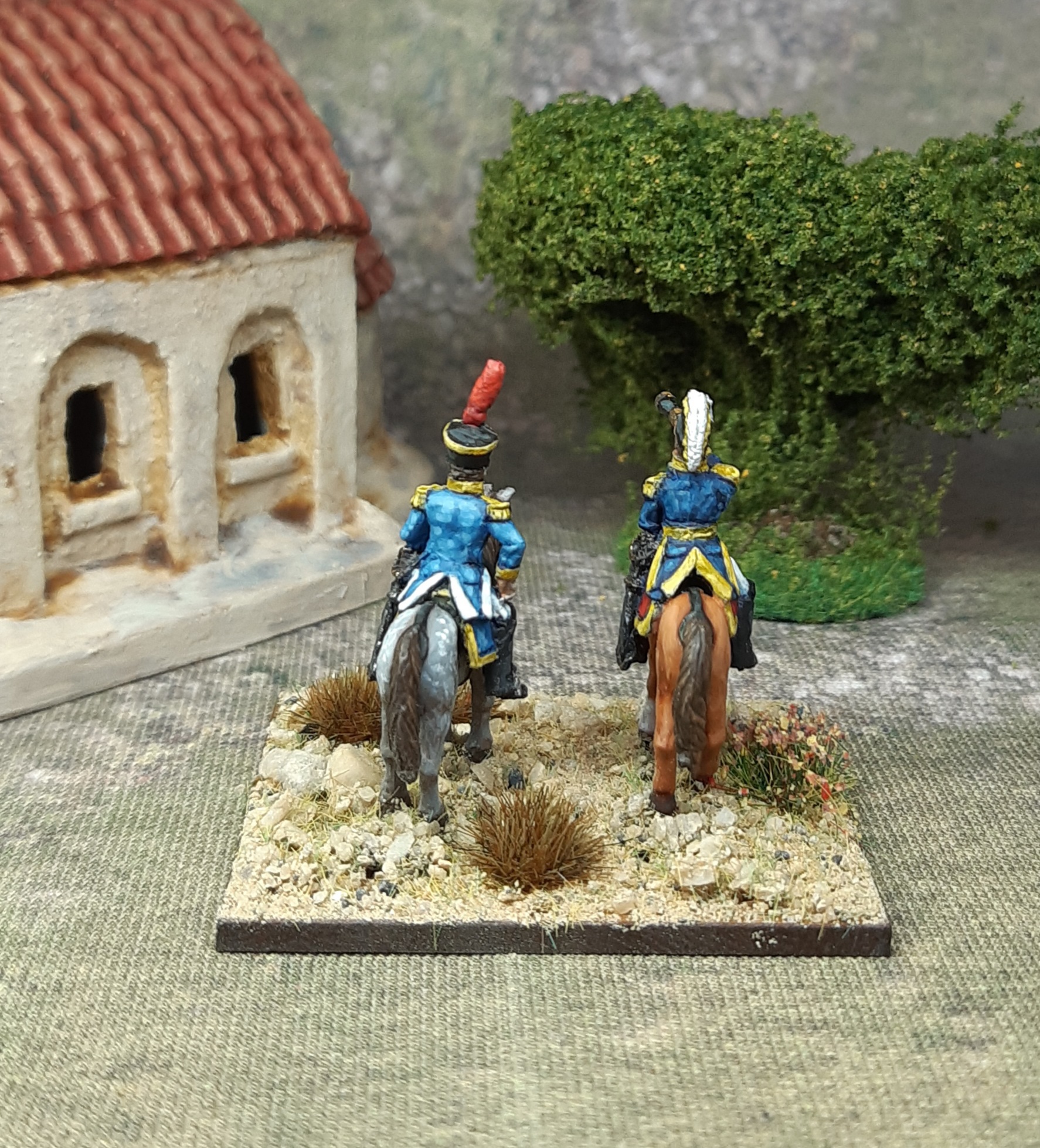
I needed to add in some command element for my French, so painted up a General d’Division with Aide de Camp. Both come as a joint pack from Campaign Game Miniatures. I quite like the character of the General with his telescope surveying the battlefield, with the ADC ready to convey orders as required.

Artillerie à Pied
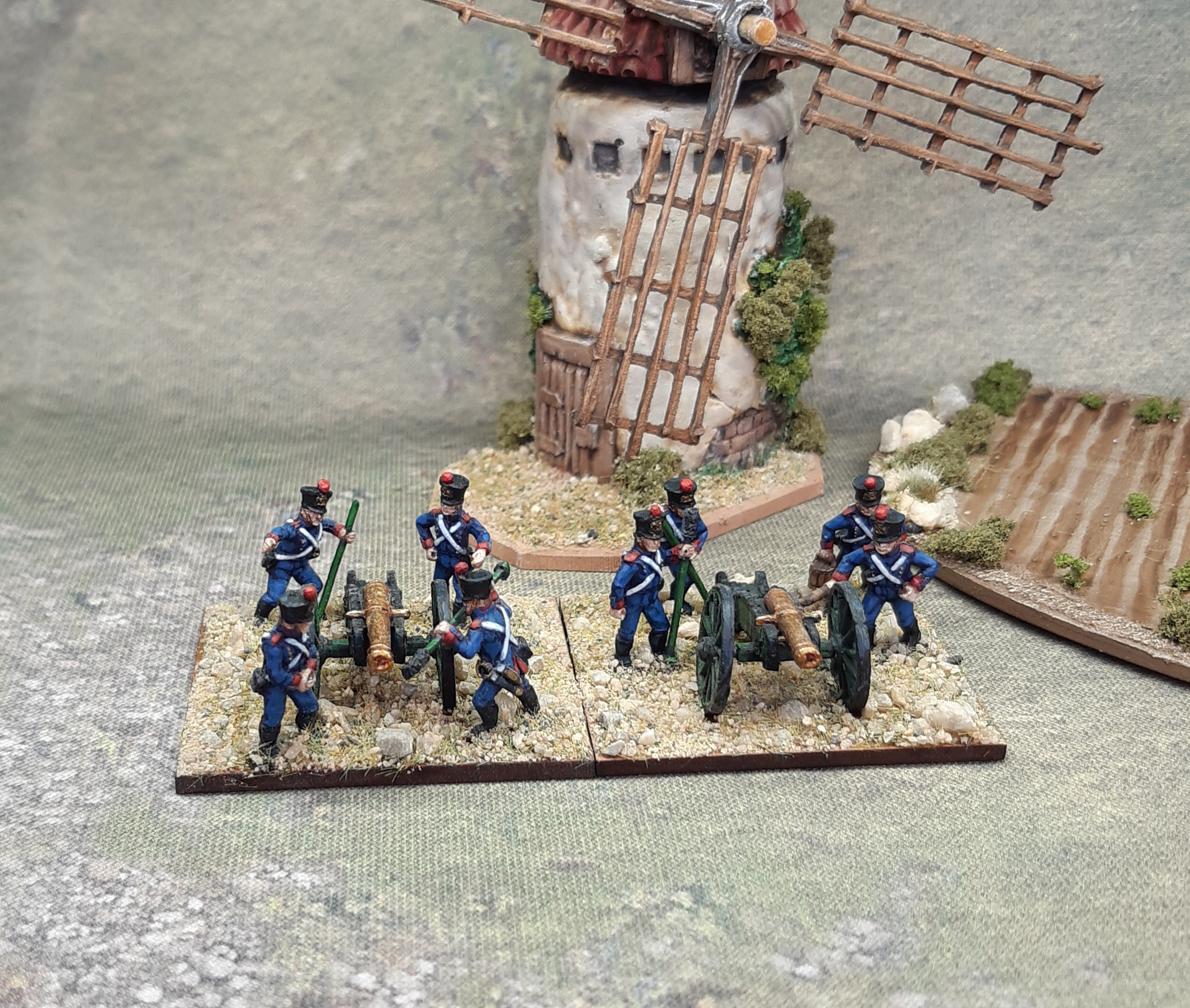
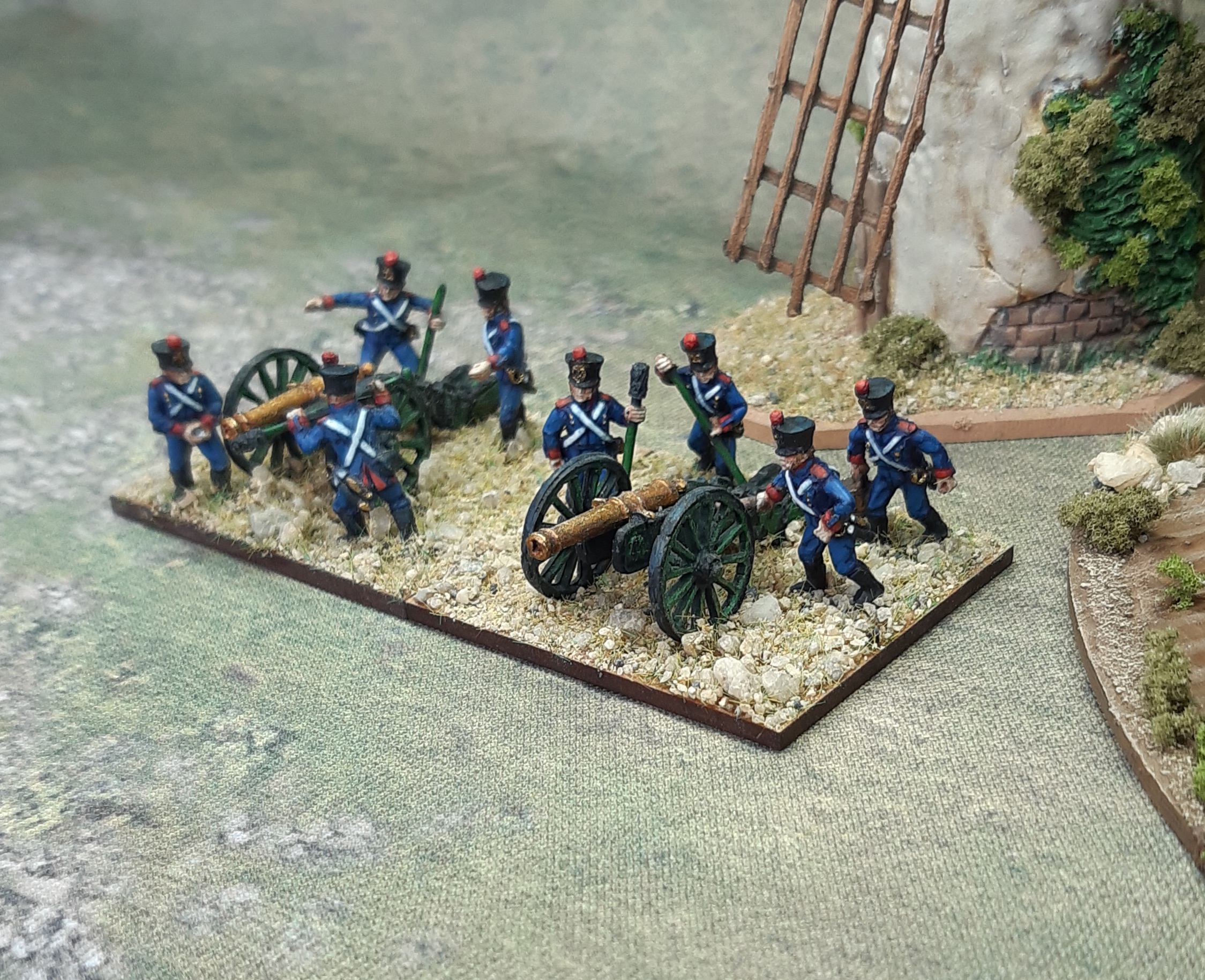
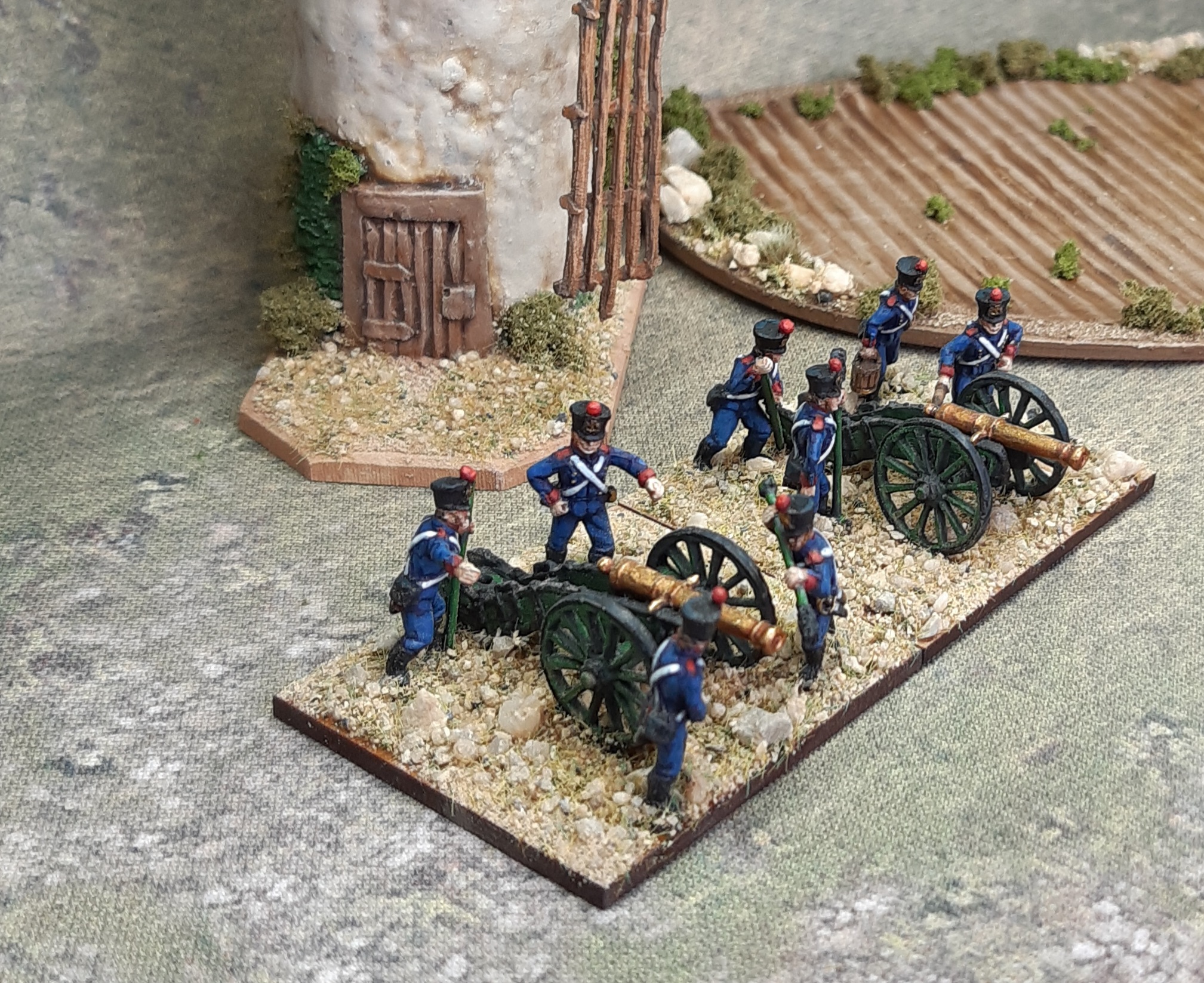
Added some support for the French infantry with a battery of foot artillery.
The French artillery was quite formidable, often used very aggressively and offensively compared to the more defensive deployment of allied guns.
The foot artillery probably has the simplest uniform to paint. It’s pretty much all dark blue, bar the red cuffs, shoulder straps, collar edging and turnbacks, and black gaiters. Gun carriages are a olive green. Possibly a nice place to start if you are new to Napoleonics to ease you in a bit.
These models are all from Campaign Game Miniatures.

39eme Regiment de Ligne
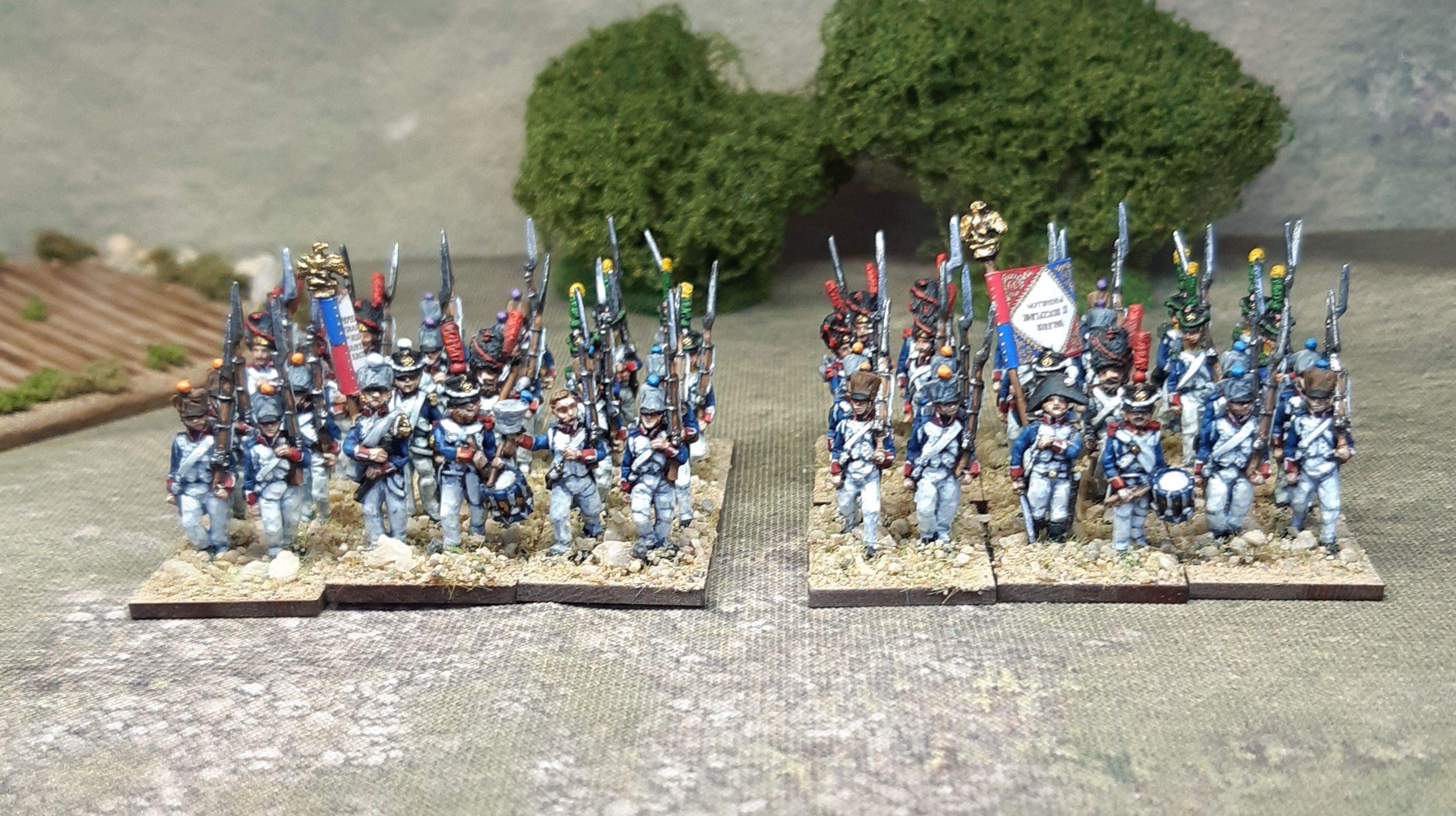
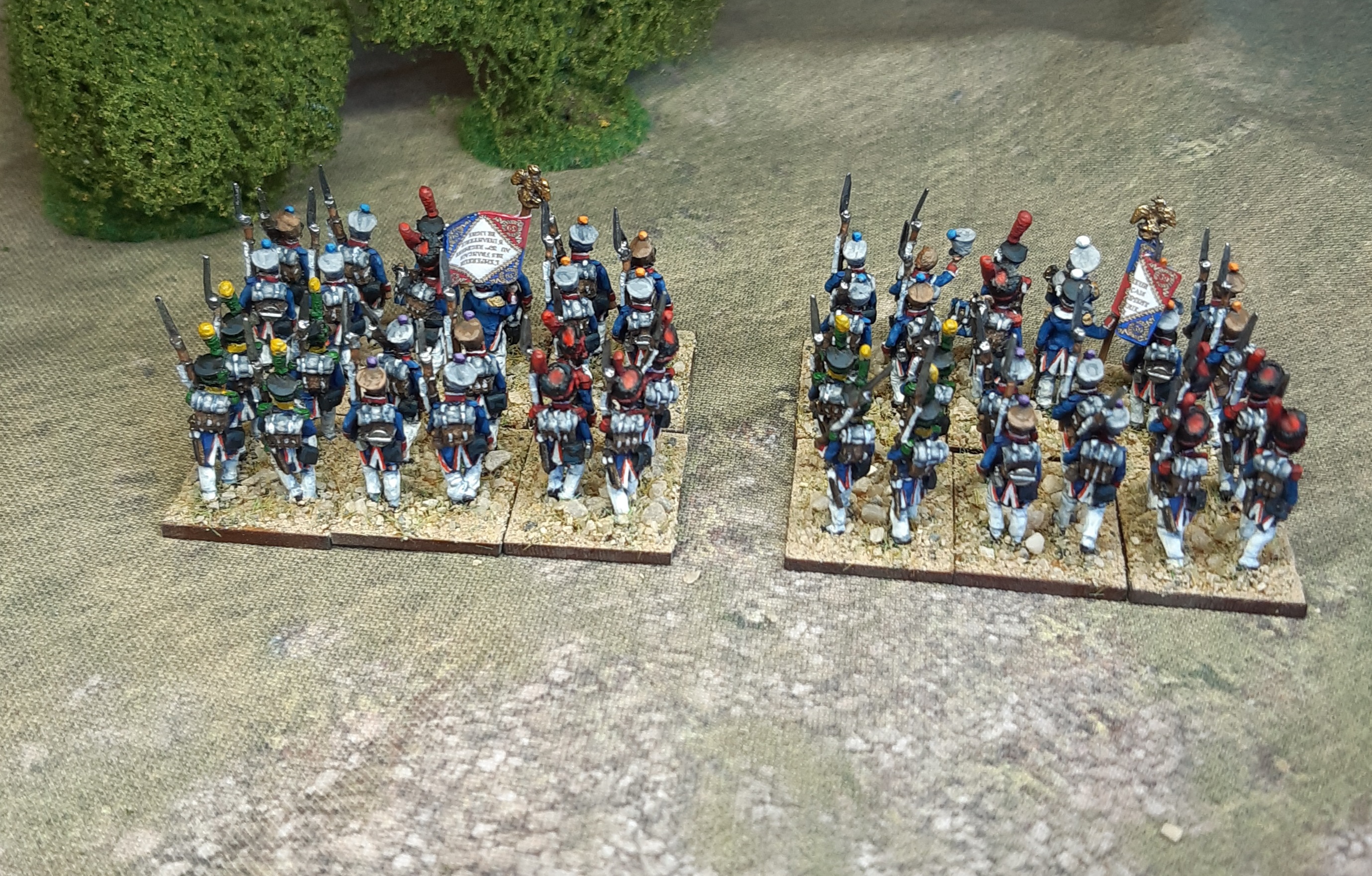
I’ve been slowly painting up some more French line infantry over the last couple of months, specifically the 1st and 2nd battalions of the 39eme Line Regiment.
The 39eme formed part of the French Army of Portugal, first under Massena, and then Marmont. They participated in quite a few of the major battles between 1810-13, including Cuidad-Rodrigo, Coa River, Almeida, Busaco and Torres -Vedras, Fuentes-d’Onoro, Almaraz, Nivelle and Bayonne. They were redeployed to Germany in 1813 to fight against the sixth coalition.
Models are again all by Xan, with flags by GMB flags.
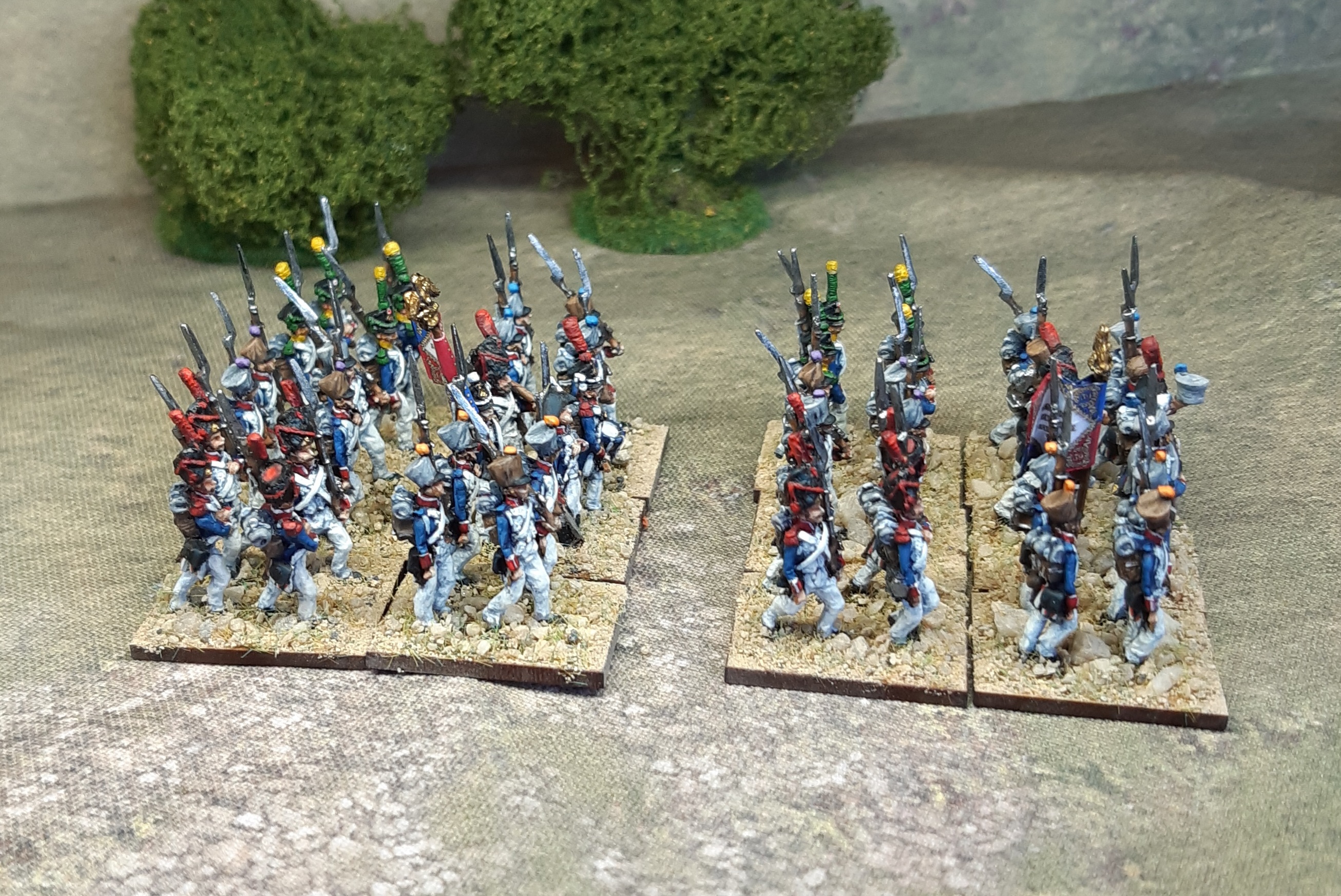
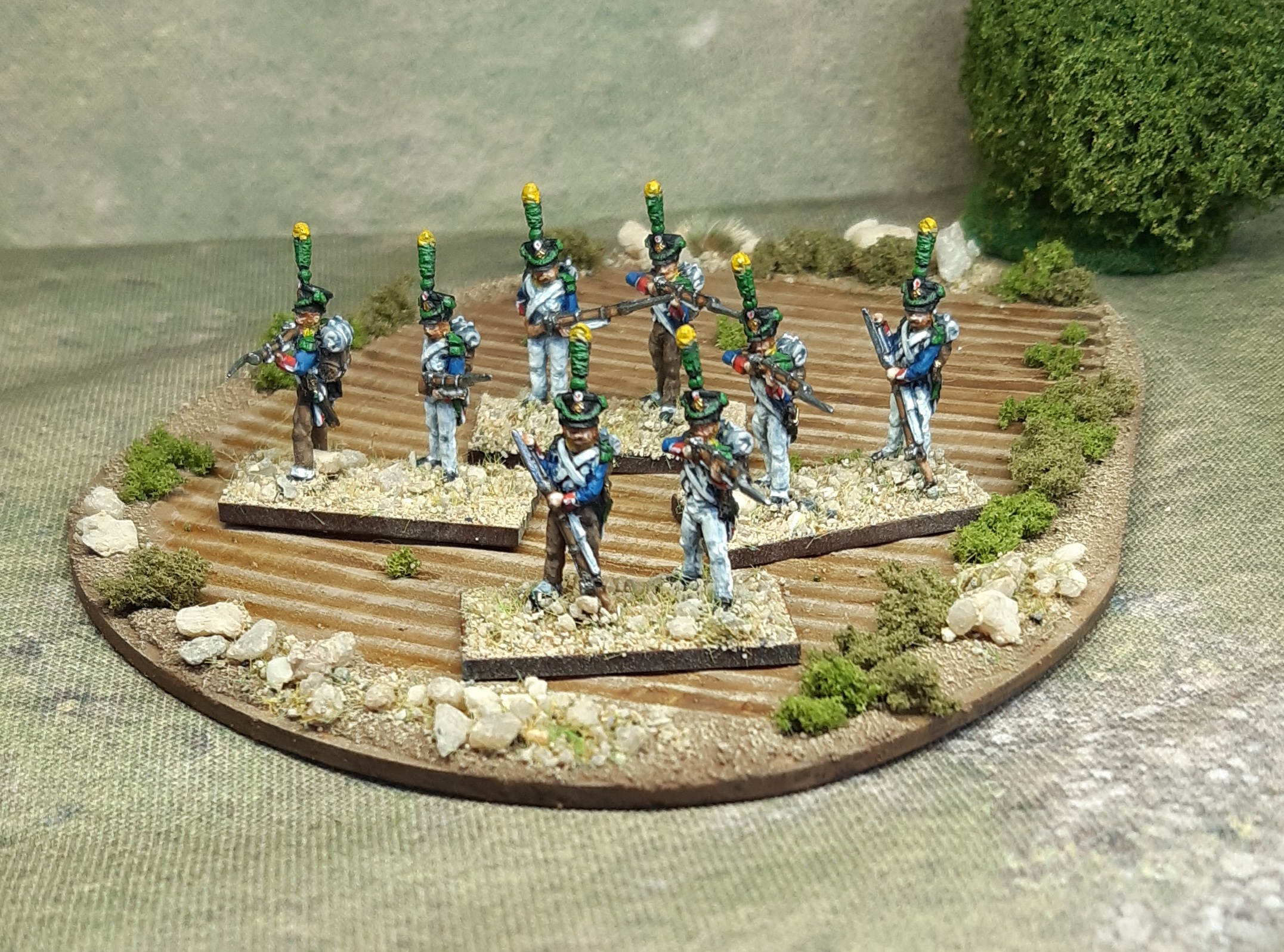 Voltigeur skirmisher bases
Managed to mess up and add one of the flags upside down, which I realised far too late. Whilst I can probably fix it, I’m leaving for the moment as a reminder to pay more attention to what I’m doing in the future!
French Camp
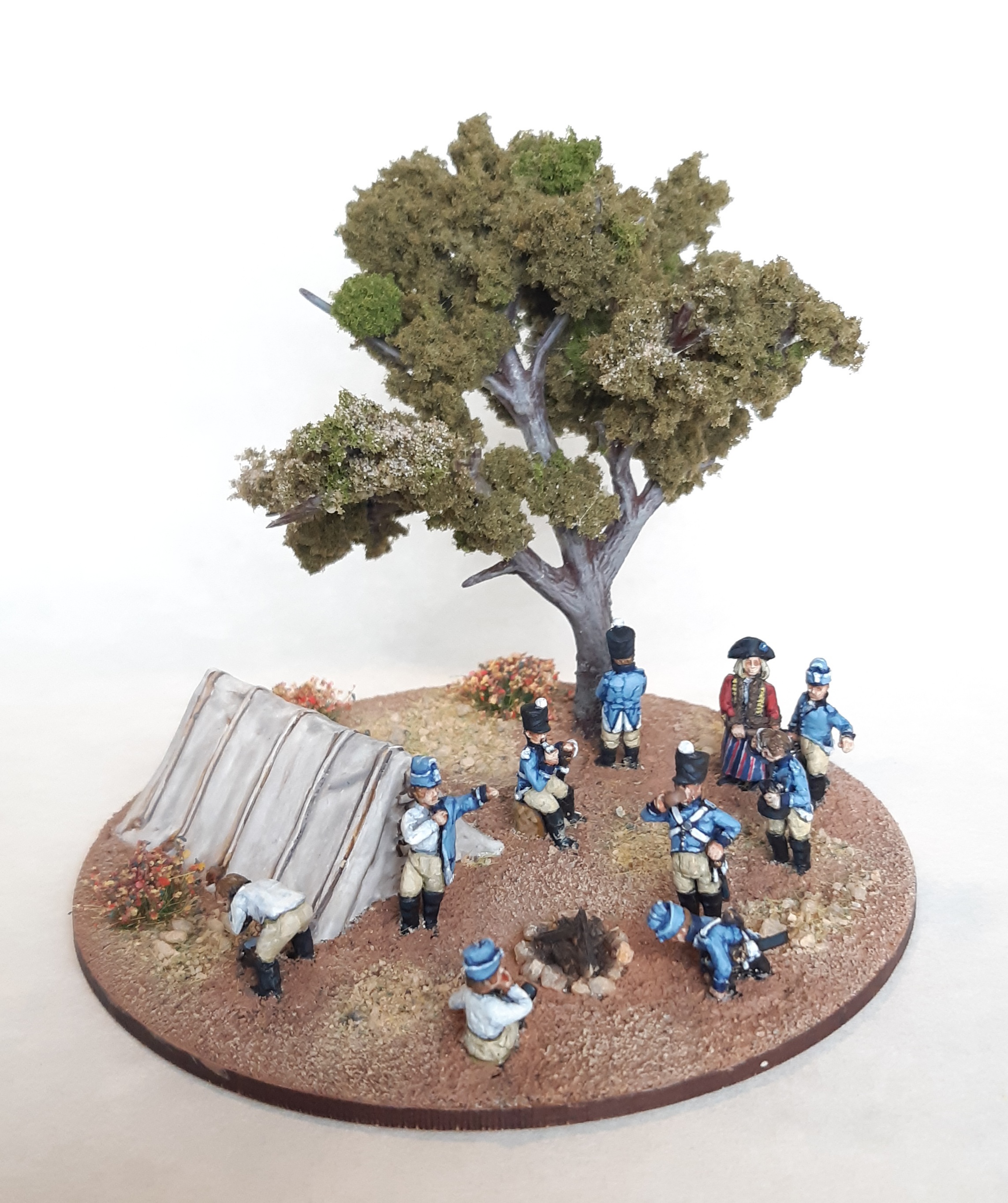
Quite a few Napoleonic ranges do some incidental miniatures for putting together camp scenes or ancillary support like hospitals or baggage trains. I came across this nice camp set by Eureka Miniatures, and thought a little camp scene could be fun to make, plus could act as an objective marker or something. The tent is a resin cast by Debris of War.

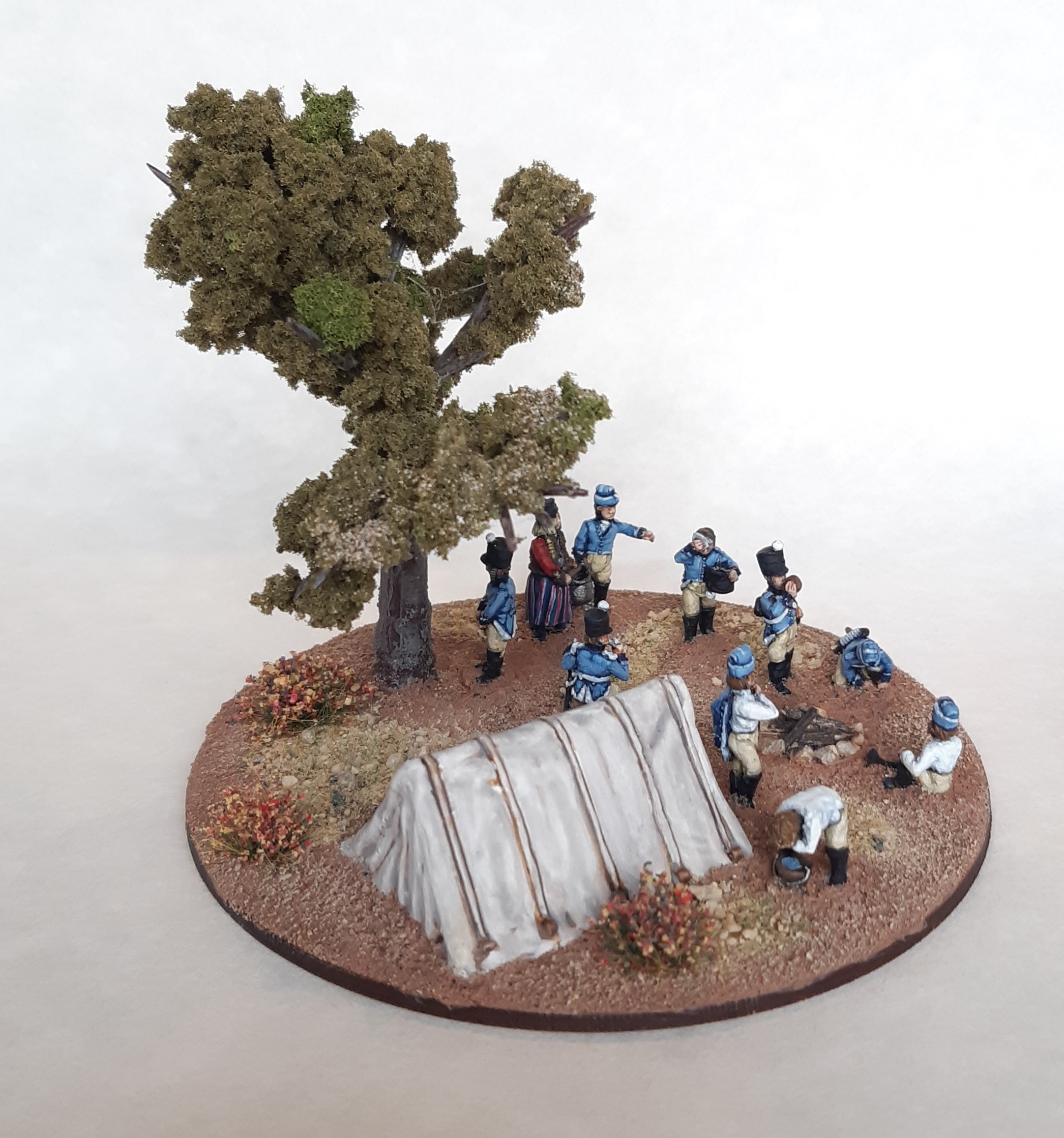
If you’re looking at this and thinking that the soldiers don’t look like French infantry, you’d be right. They are a group of artillery train drivers, wearing a single breasted Kinski coat, which wasn’t very common across the French army.
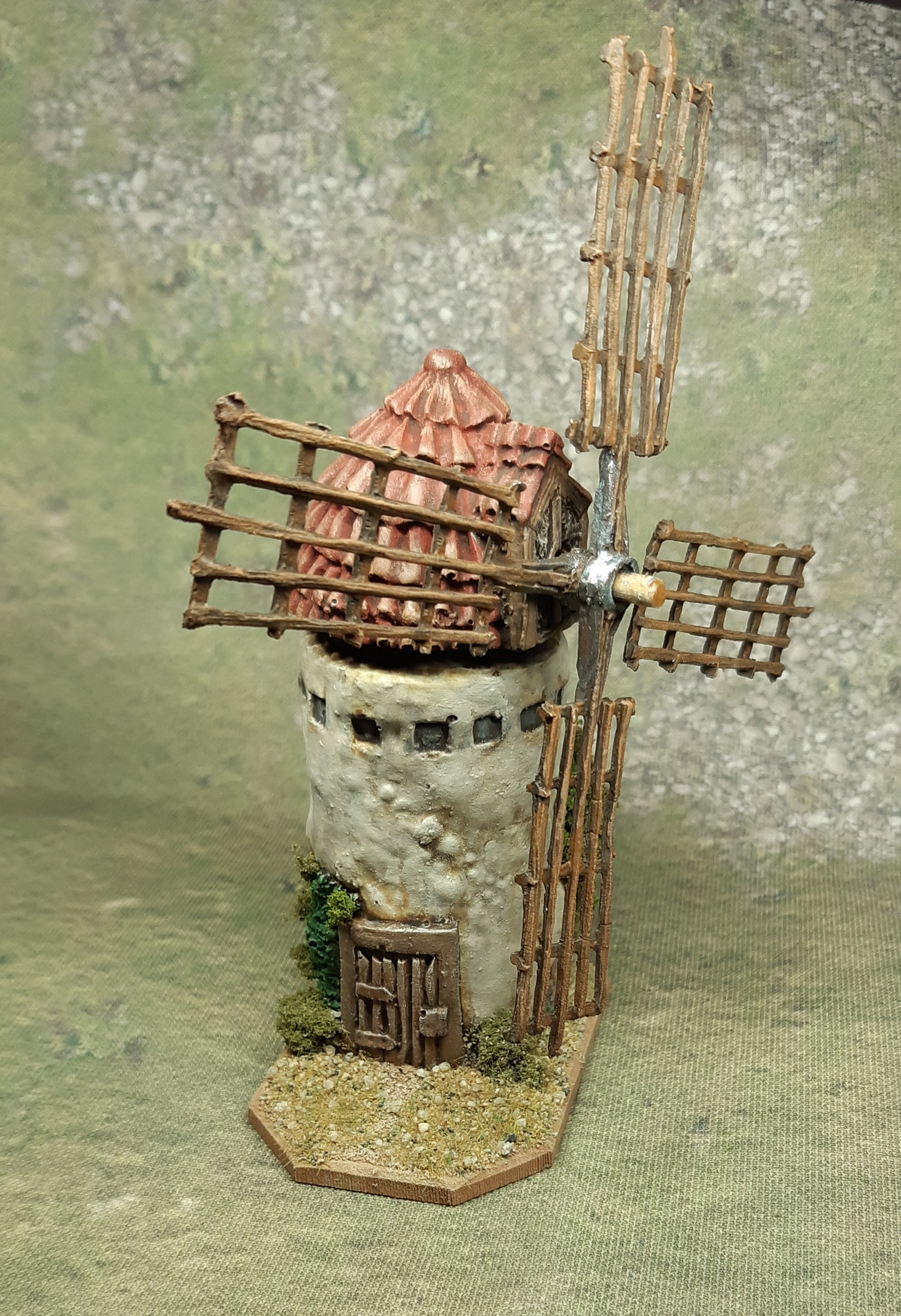
Church & Windmill
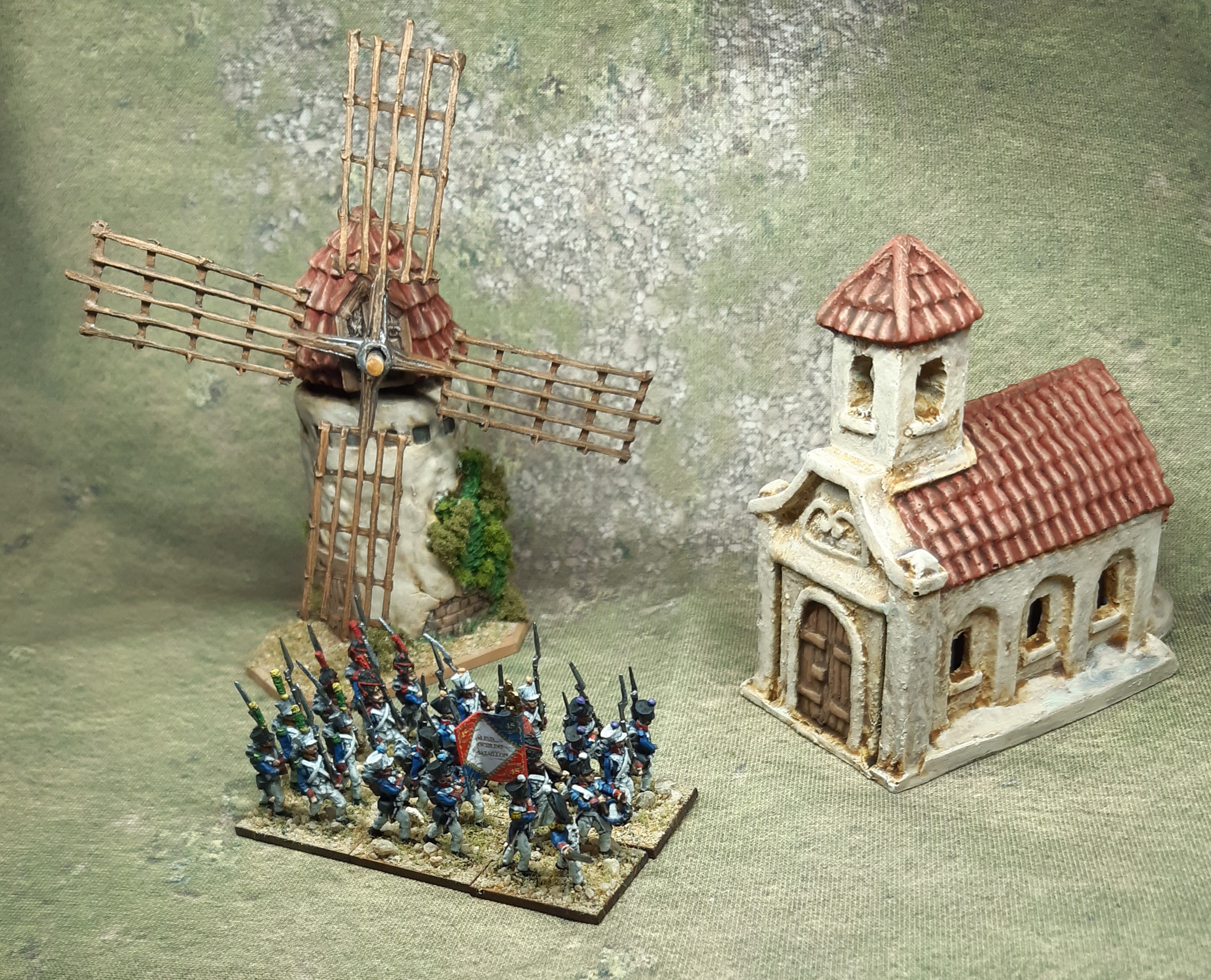
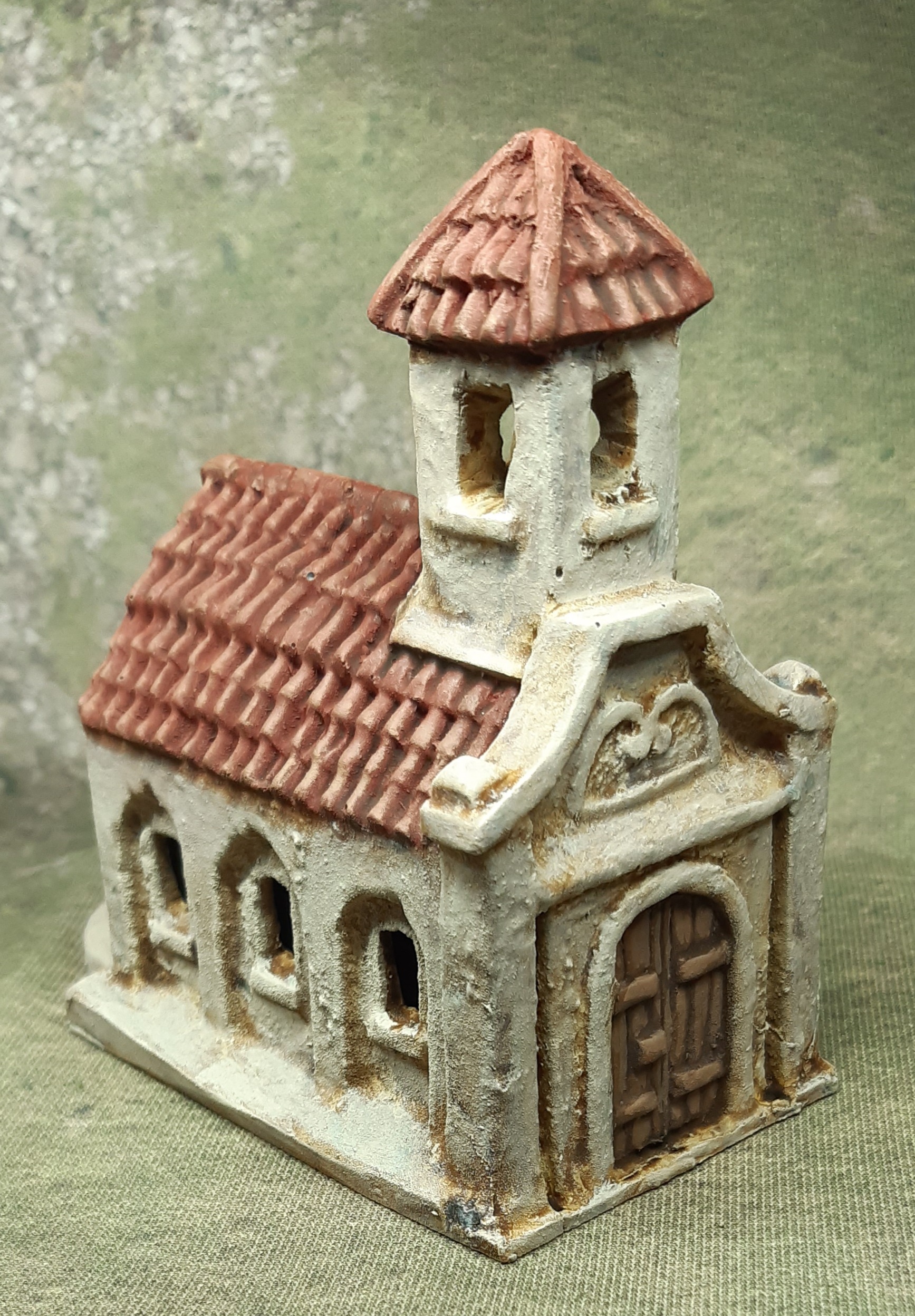
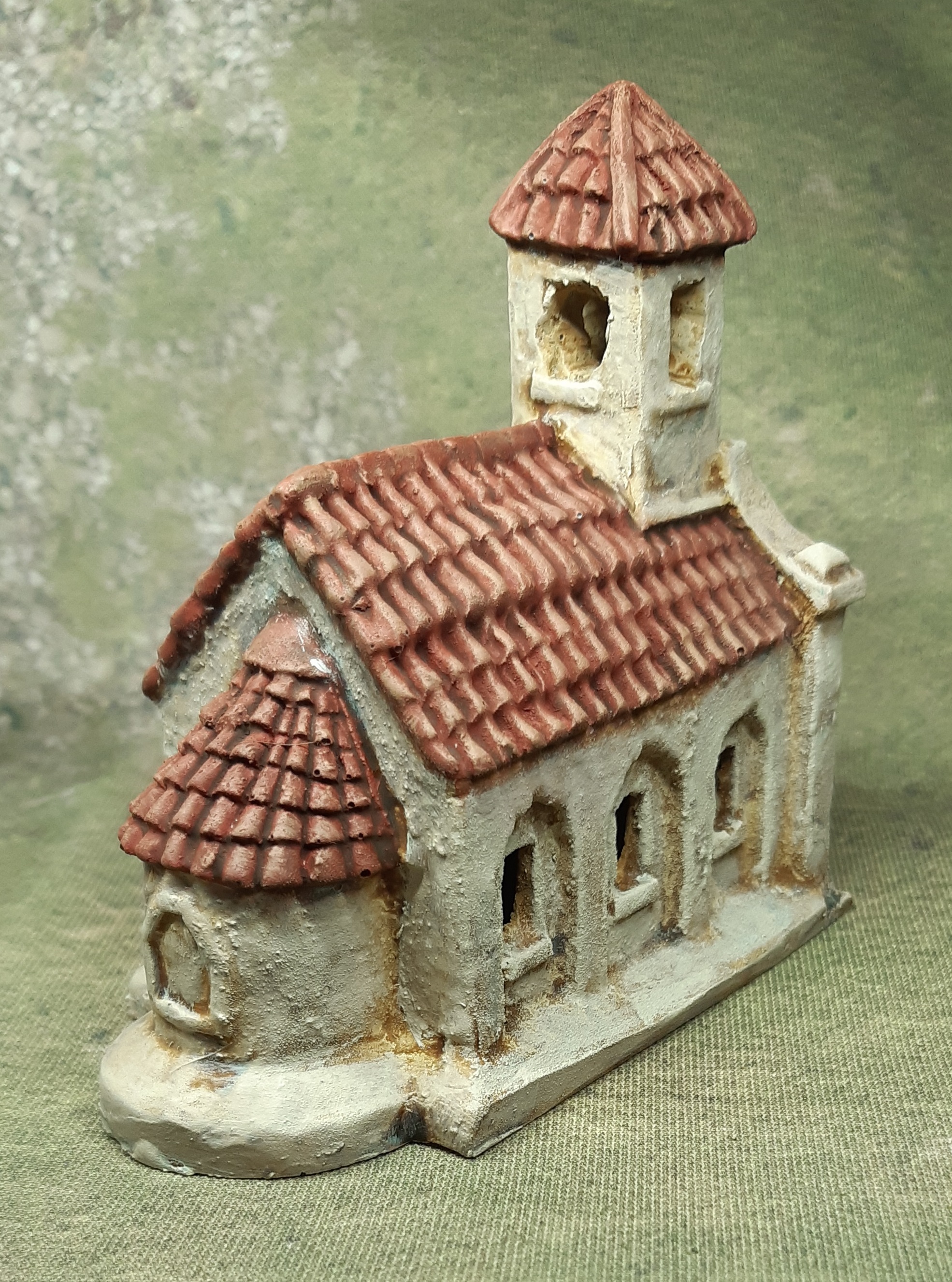
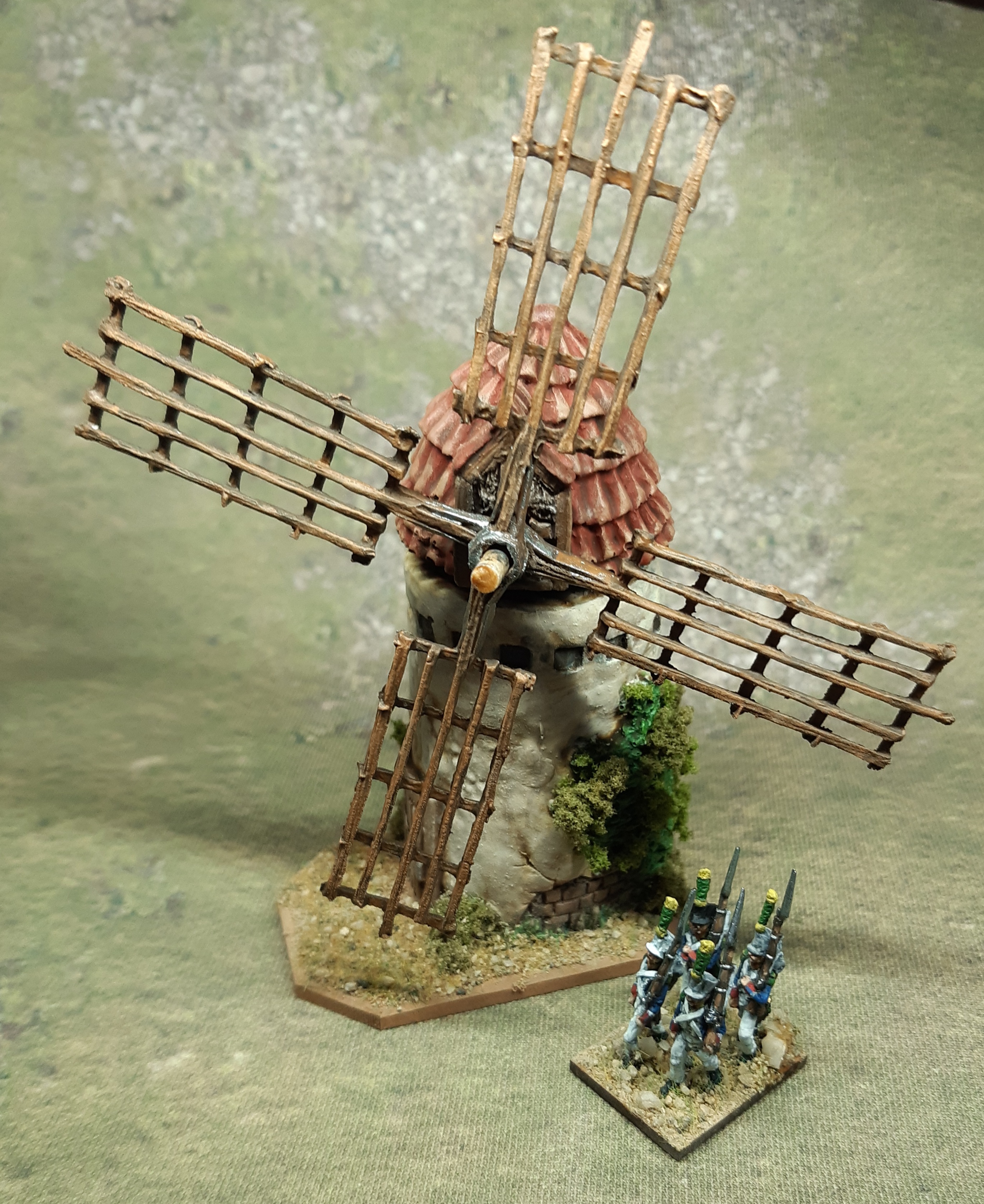
A couple of resin buildings to decorate the table, both from Hovels. I’ve had these for a little while, but I was a little disappointed with the number of bubbles on the casts, particularly on the roof tiles, with the windmill being worse than the church, so I had been putting off painting these. Whilst I patched some of the worst gaps, there was no way I was going to deal with all the roof tiles.
These are fast and sloppy painting efforts, as I didn’t want to spend much time on them. However, with a bit of paint, I don’t think they look as bad as I had feared.


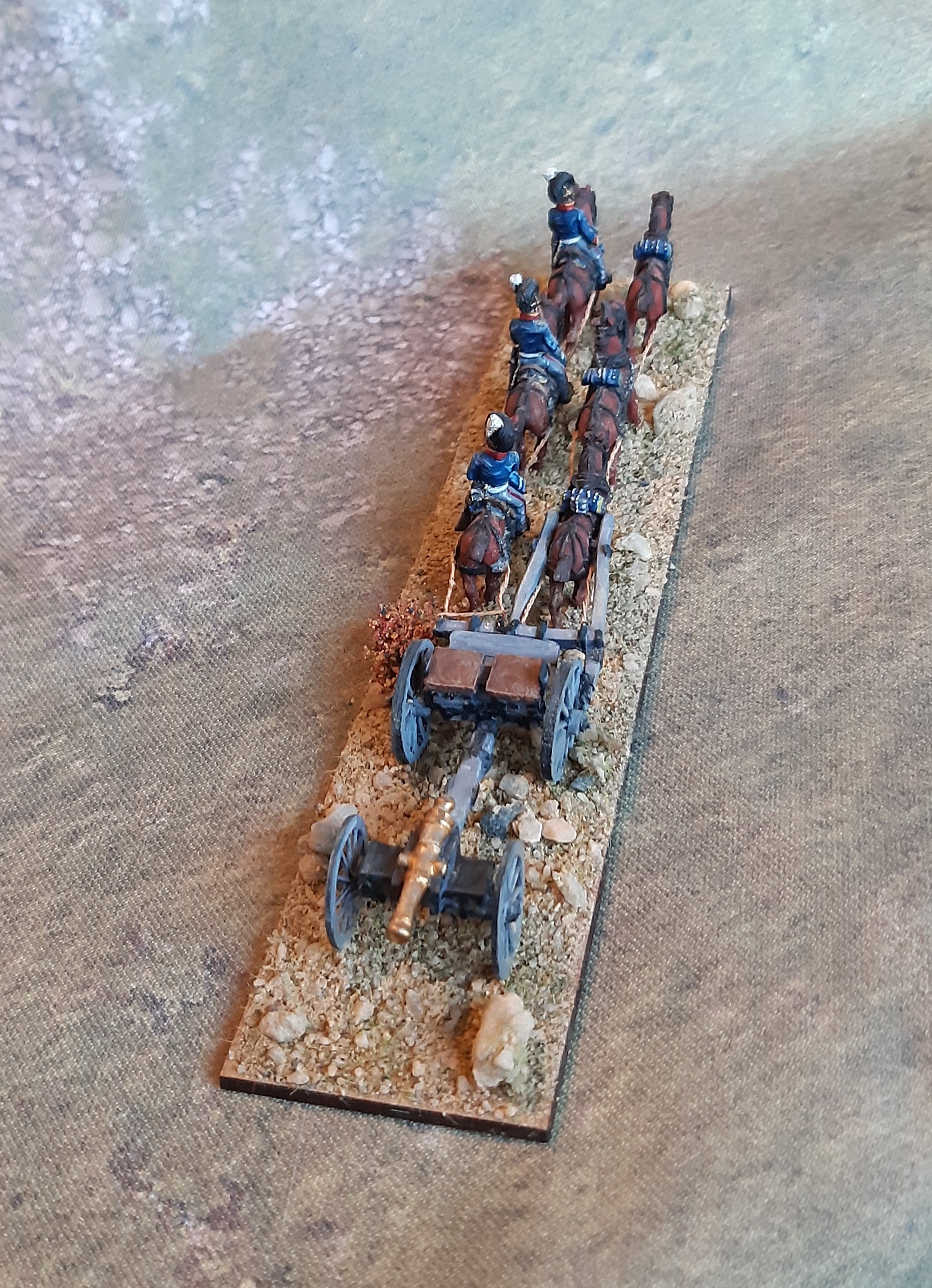
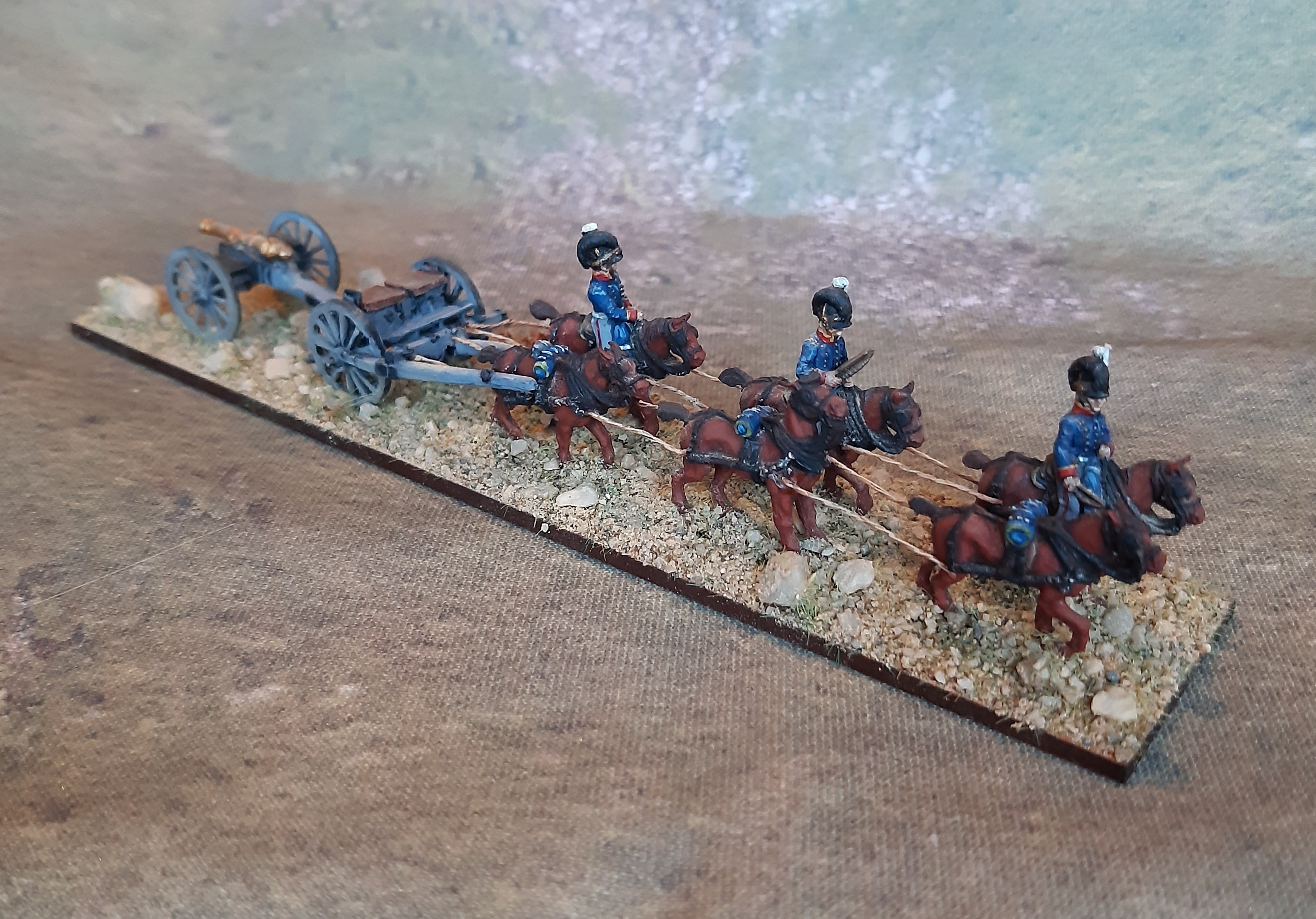
RHA Limber

Inspired by seeing Nightrunner’s fantastic 1/72 French army for DBN (check out the project here https://www.beastsofwar.com/project/1693277/) I decided to get a few more things painted for this project.
This is a British Royal Horse Artillery limber with a 6lb cannon. The RHA team and limber are by AB Miniatures, whilst the cannon is by Xan.
The tracers were made from salvaged plug flex, stripped back to get at the wires, with three strands twisted together and snipped to size. Like rigging Age of Sail ships, not an essential step, but adds to the finished look.


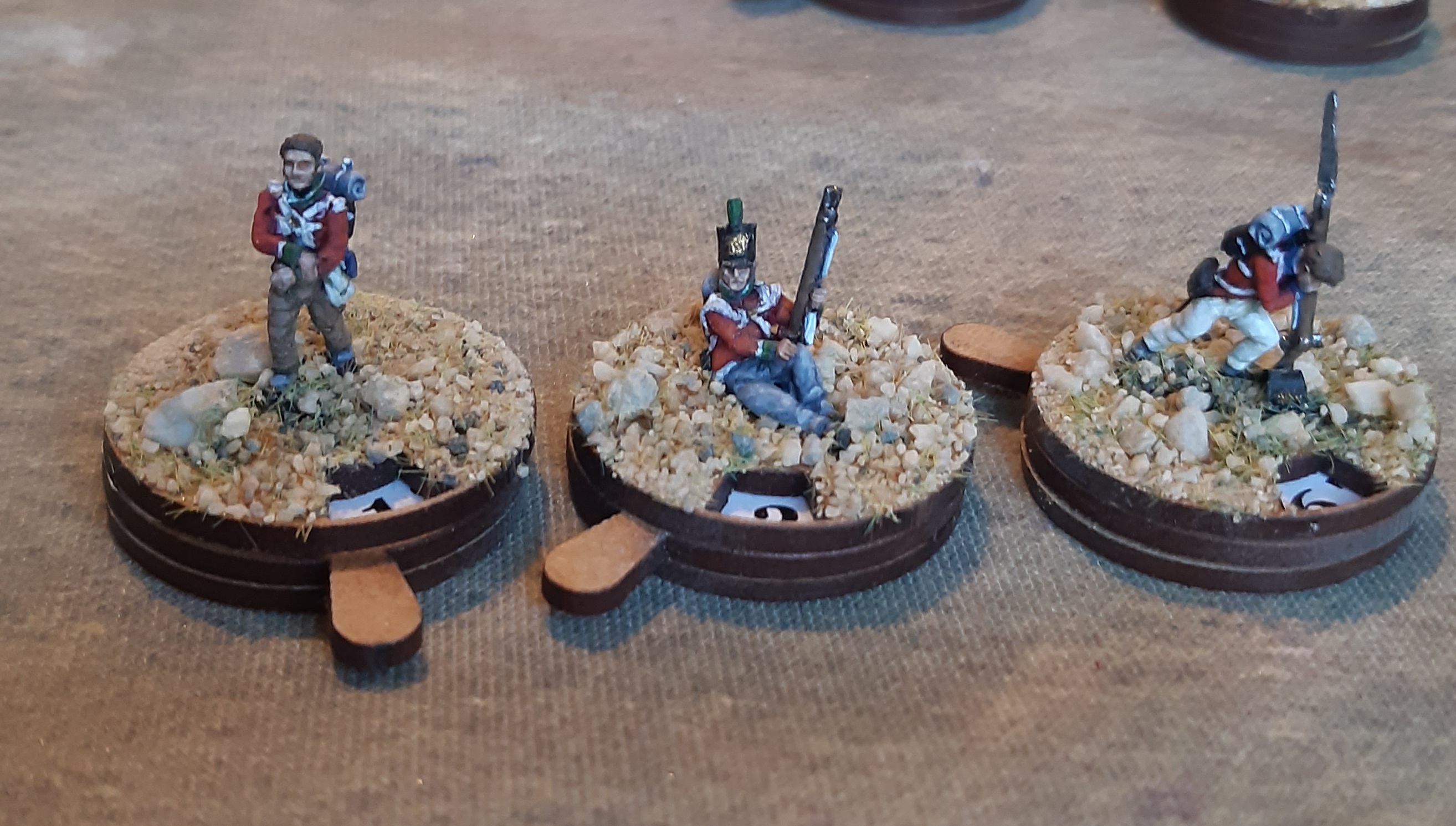
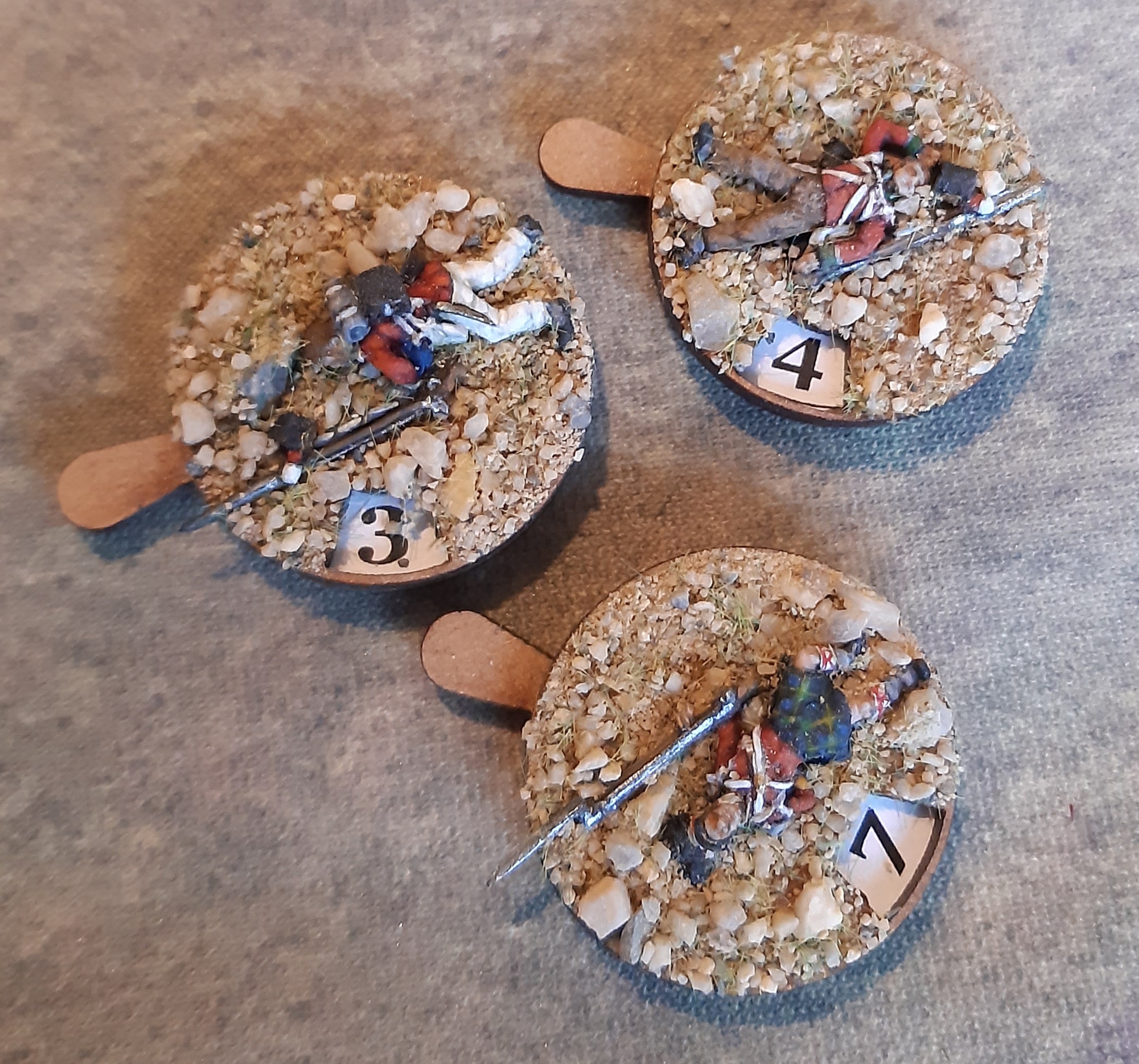
British Causalty Markers
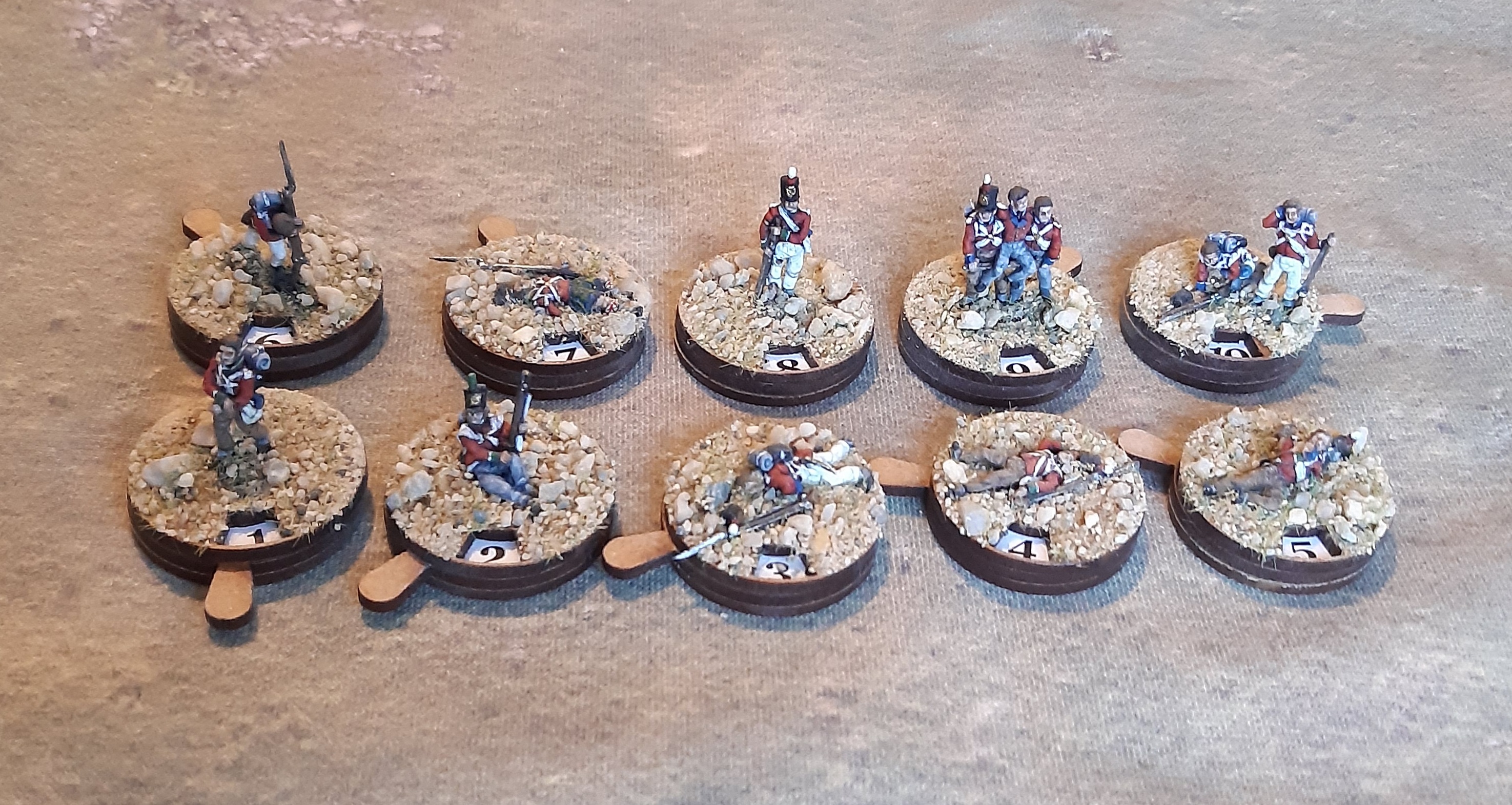
A set of casualty figures from AB Miniatures based on dials made by Warbases.
A very characterful set of walking wounded and those less fortunate, although I did have to find my tartan paint again for the Highlander.