












2026 Mission to smash the pile of potential




The Neon Dynasty: A Necron Painting Project
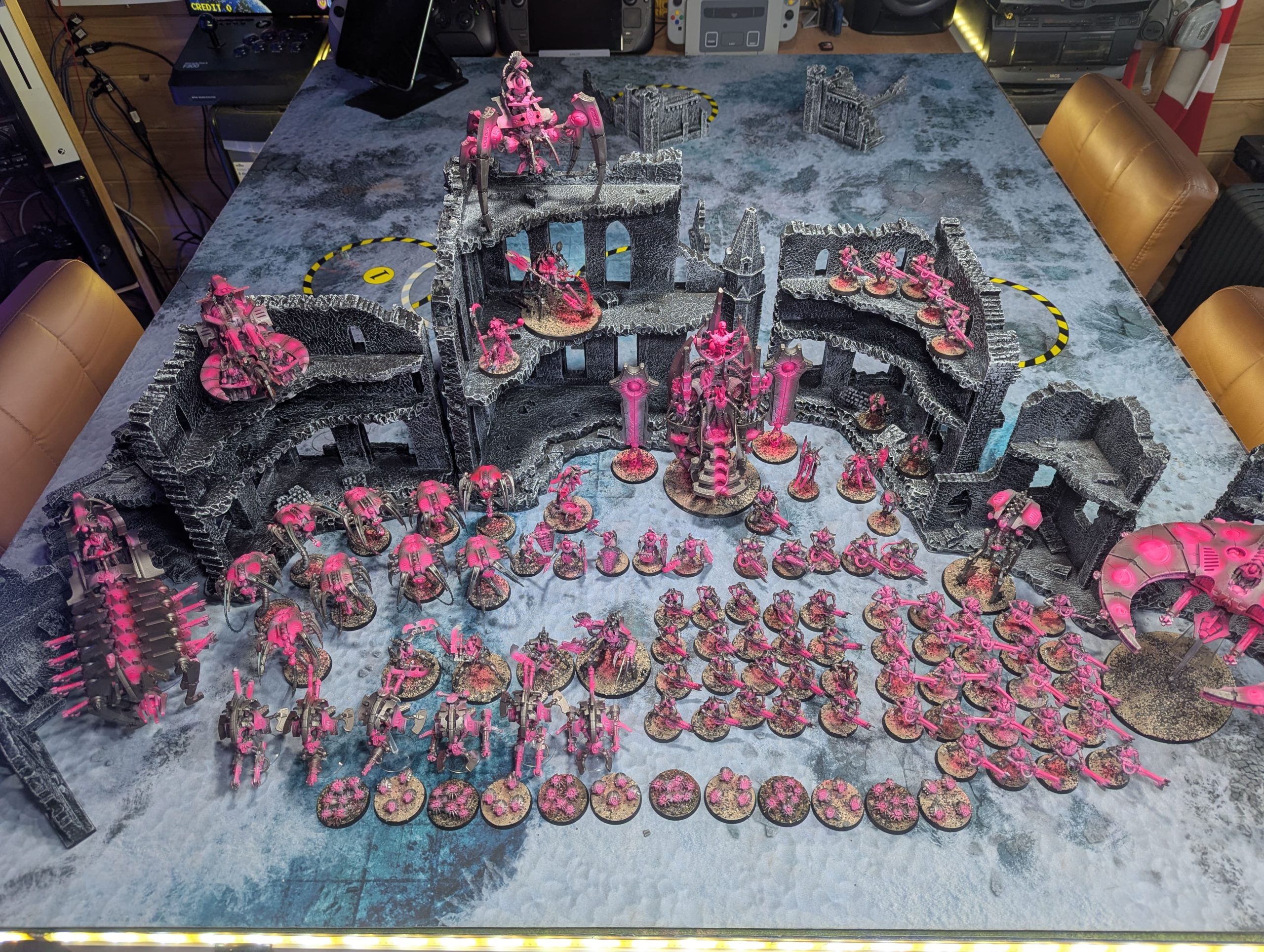
So, the compulsion struck again. Another project beckoned, but this time the goal was to finally tackle the absolute mountain of Necrons that has been quietly gathering dust in my hobby backlog for what feels like an eternity. I needed something fresh, something daring, to revitalise these ancient machines. The catalyst? Seeing the incredible potential of black light reactive paints.
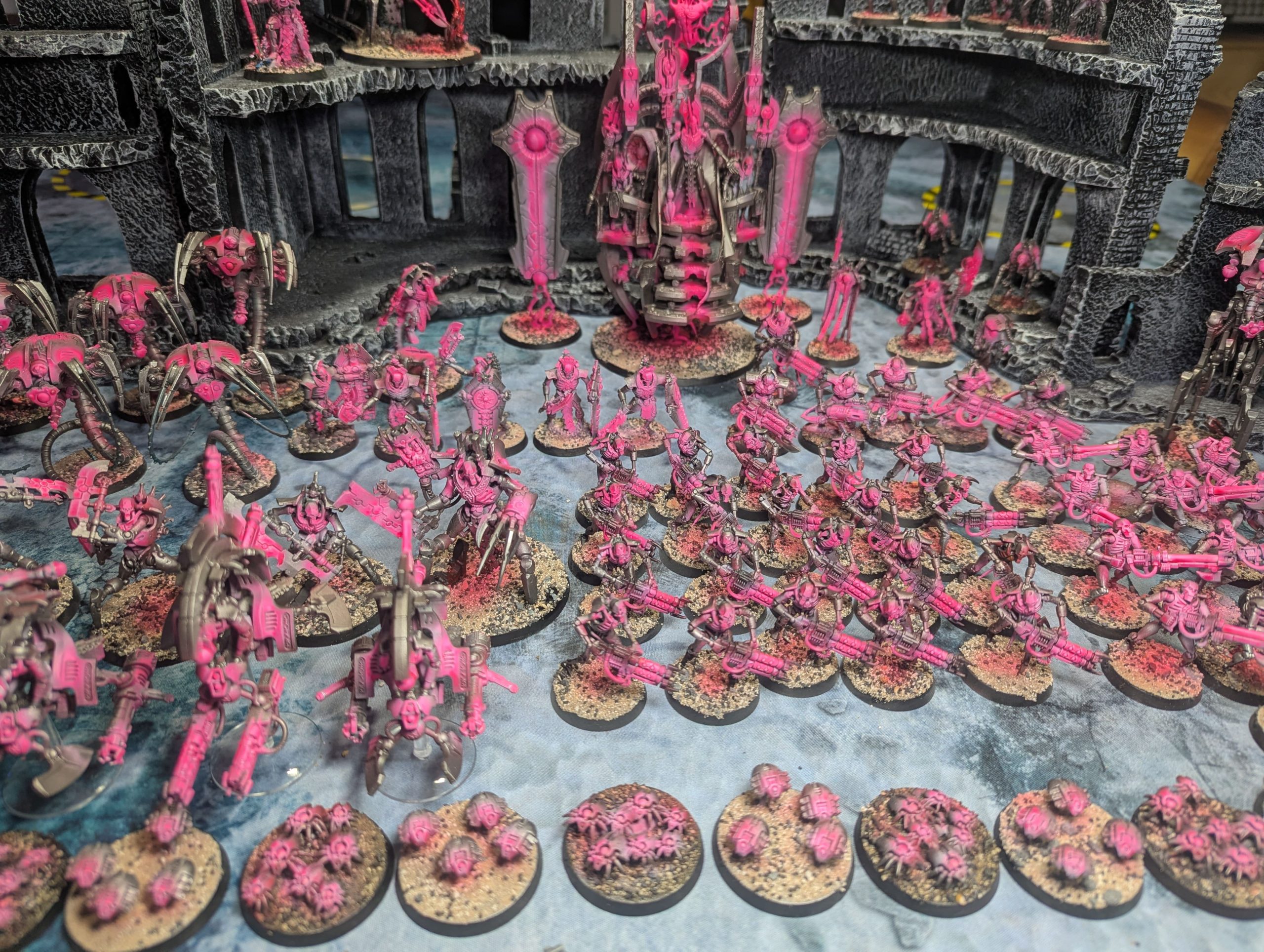
Naturally, the default choice for Necrons—the ghostly, iconic green glow—was considered, but dismissed almost immediately. Green is the default, the established tradition. It’s been done, and frankly, I felt that to truly motivate myself to paint this many models, something entirely different, something eye-catching, was needed. The concept of a bright, alien pink under the eerie glow of a black light took root, and the Neon Dynasty project was born.
What’s truly satisfying is how quickly and efficiently this transformation took place. Working against the usual lengthy, intricate process of painting an army, I was able to complete this entire force in approximately two days. The speed was a result of a highly streamlined and focused approach, proving that you don’t need dozens of layers and fussy techniques to achieve a striking, tabletop-ready finish.
This is the exact, simplified process I followed:The Two-Day Speed Painting Recipe
- Preparation – The Foundation of Darkness: The entire model was coated in Black Prime. This serves as a quick, effective base layer and is crucial for creating the deep, natural shadows that contrast beautifully with the neon colours.
- The Light Source – Zenithal Highlight: A gentle White Zenith highlight was applied. This means spraying white directly from above, concentrating the light where a natural light source would hit. This pre-shades the model and makes the subsequent metallic and neon layers pop.
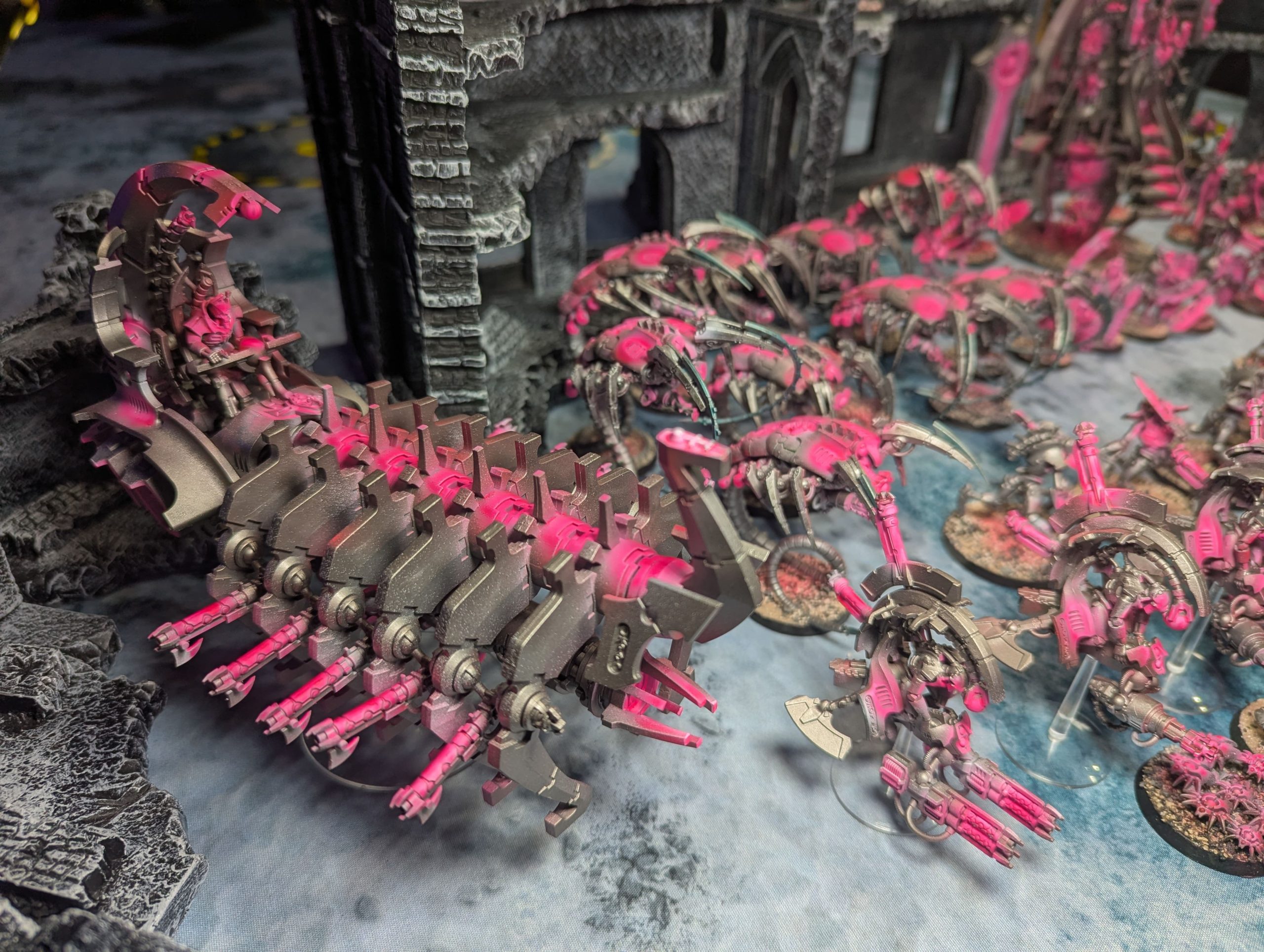
- Core Metal – Quick Coverage: An initial, rapid pass of Silver was applied using an overbrush technique. The key here is speed, not perfection. Do not worry about achieving full coverage or hitting every recess; the black primer underneath will serve as a perfect, deep shadow layer, providing instant depth and a weathered look.
- Aged Texture – The Drybrush: A targeted drybrushing with Necron Compound (or a similar bright metallic paint) followed. This instantly picks out the raised edges and the intricate details of the Necron armour, giving the metal a subtle, ancient texture that catches the light.
- Setting the Stage – The Neon Base: This is where the process diverged from standard painting. White Ink was introduced through an airbrush, specifically targeting the areas where I wanted the final neon glow—the weapons, eyes, and energy conduits. The highly pigmented white ink provides a perfect, brilliant base for the transparent fluorescent paint.
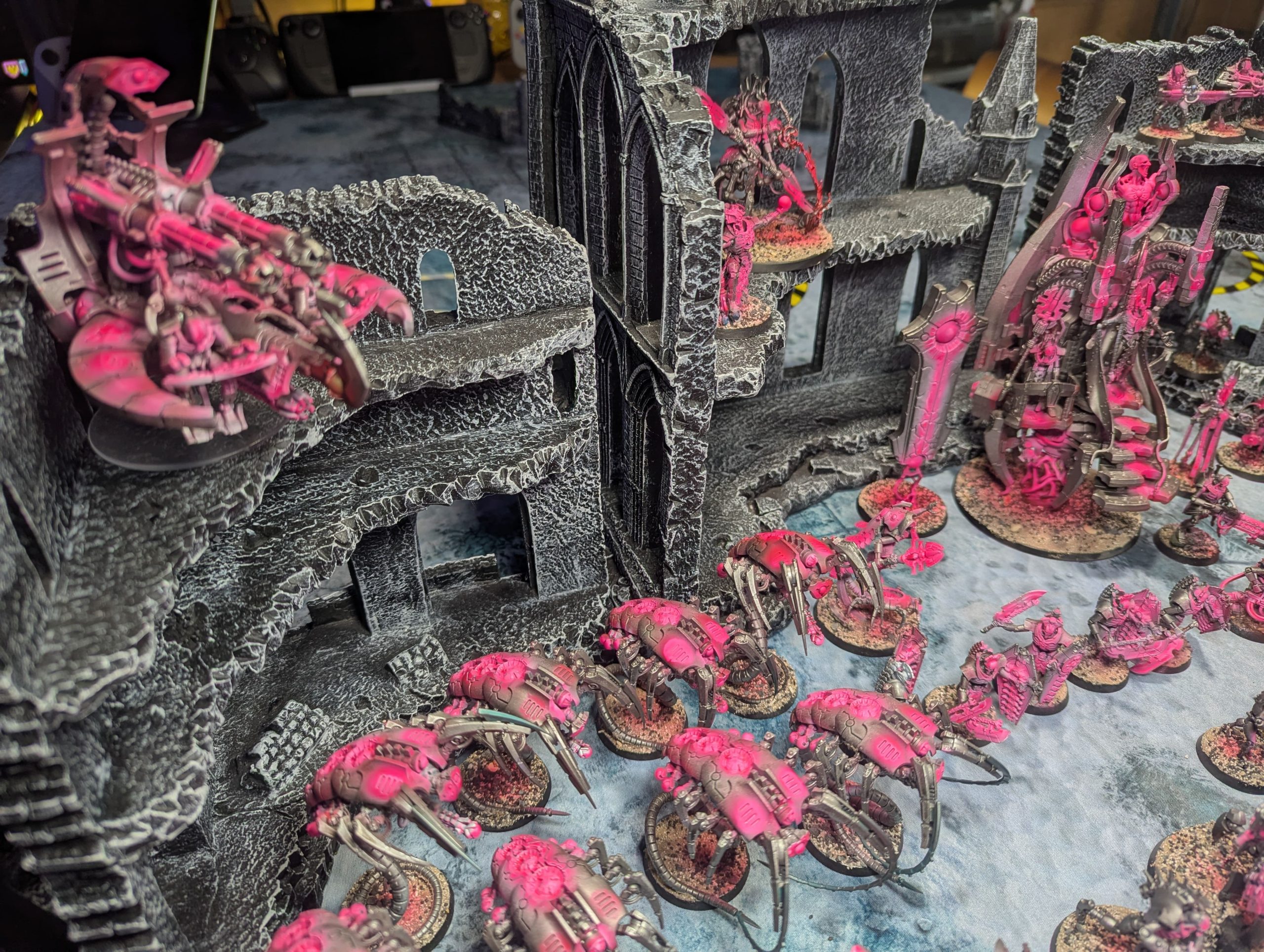
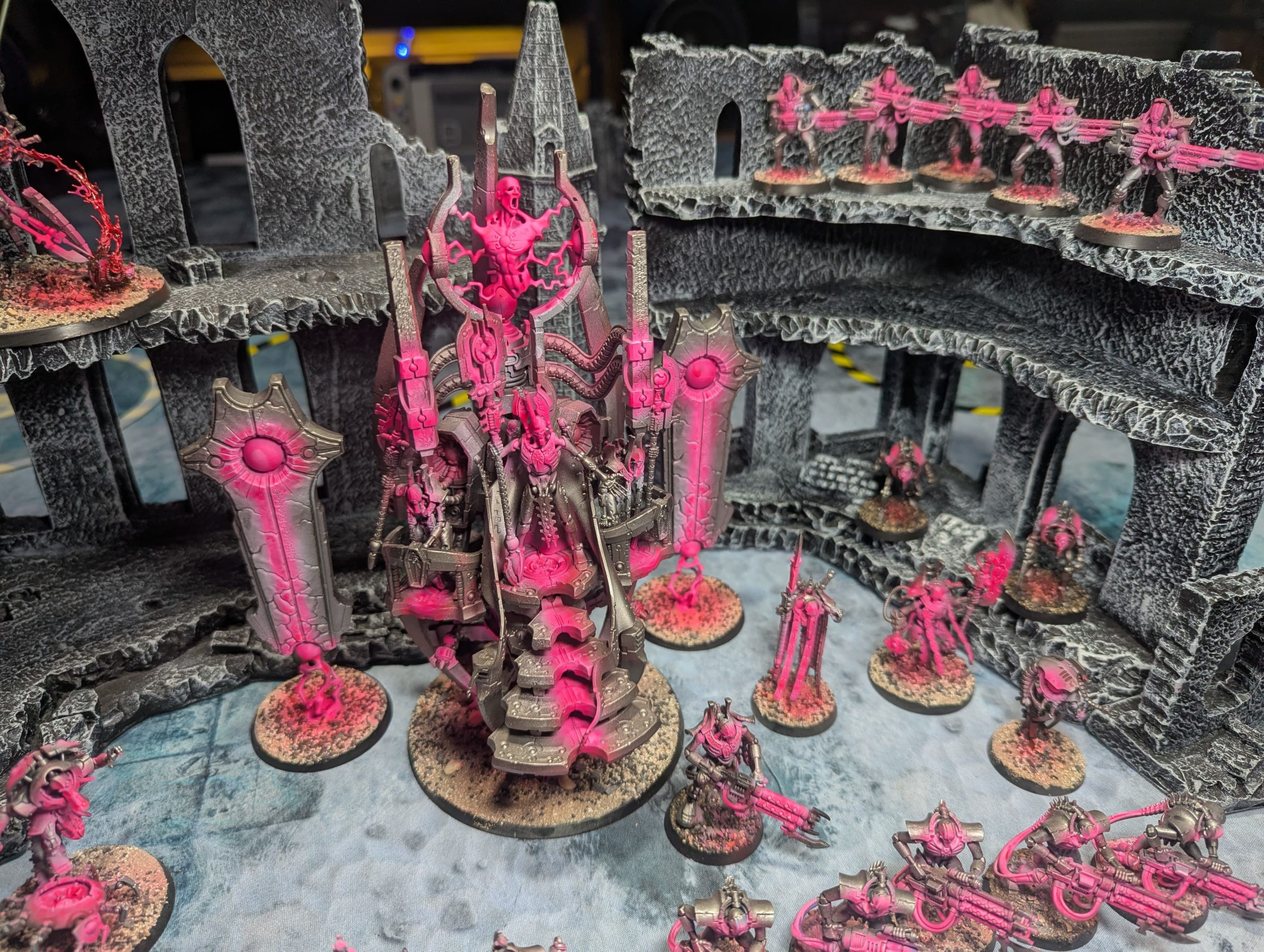
- The Glow – Bringing the Neon to Life: The vibrant Fluorescent Pink paint was then applied through the airbrush, sprayed directly over the white ink areas. Because fluorescent paints are transparent, the intensity of the colour is directly proportional to the brightness of the base coat, which is why the white ink was essential.
- Final Steps: The process was finished with simple, dark Bases to contrast the bright armour, and the army was complete.
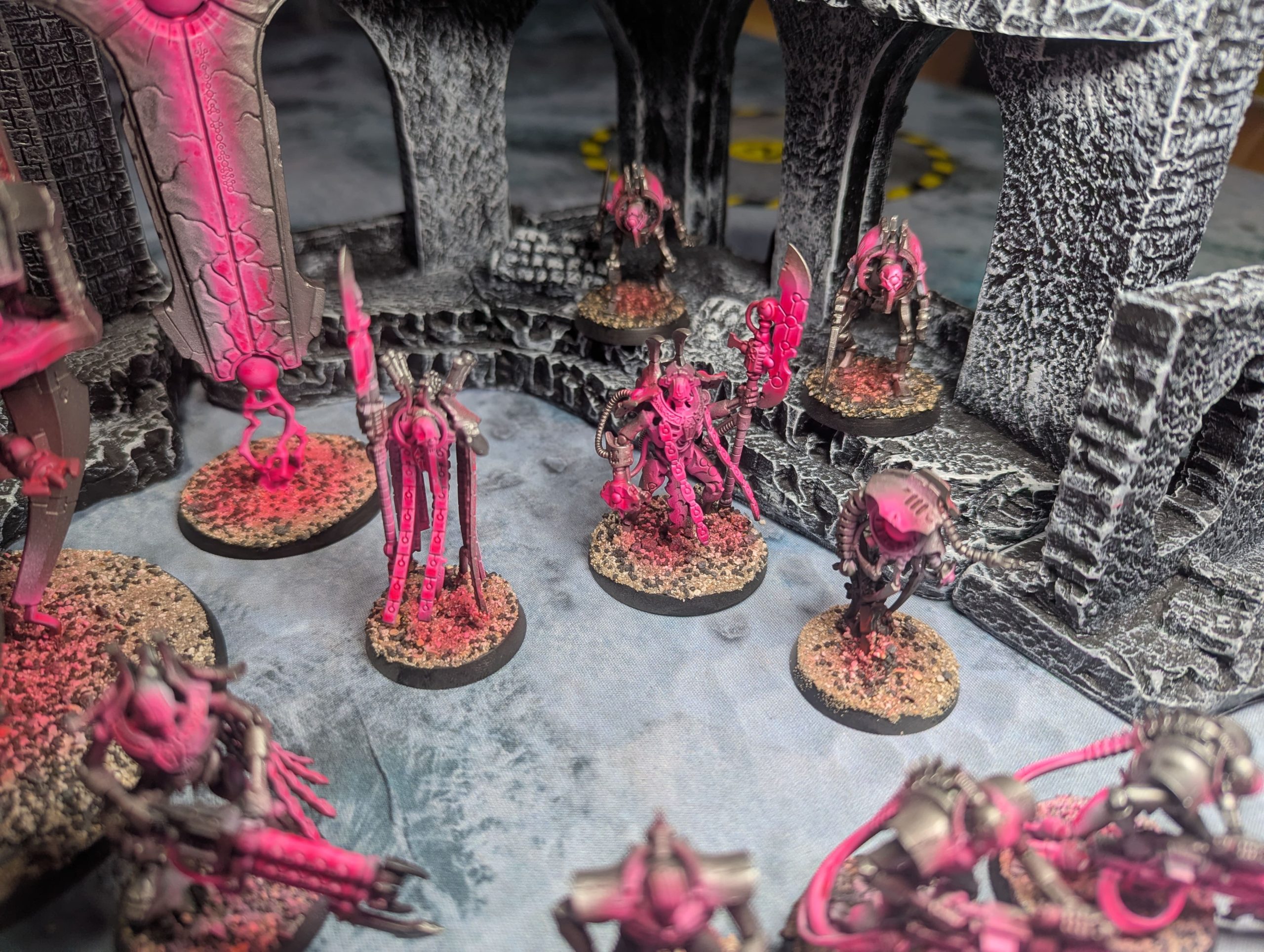
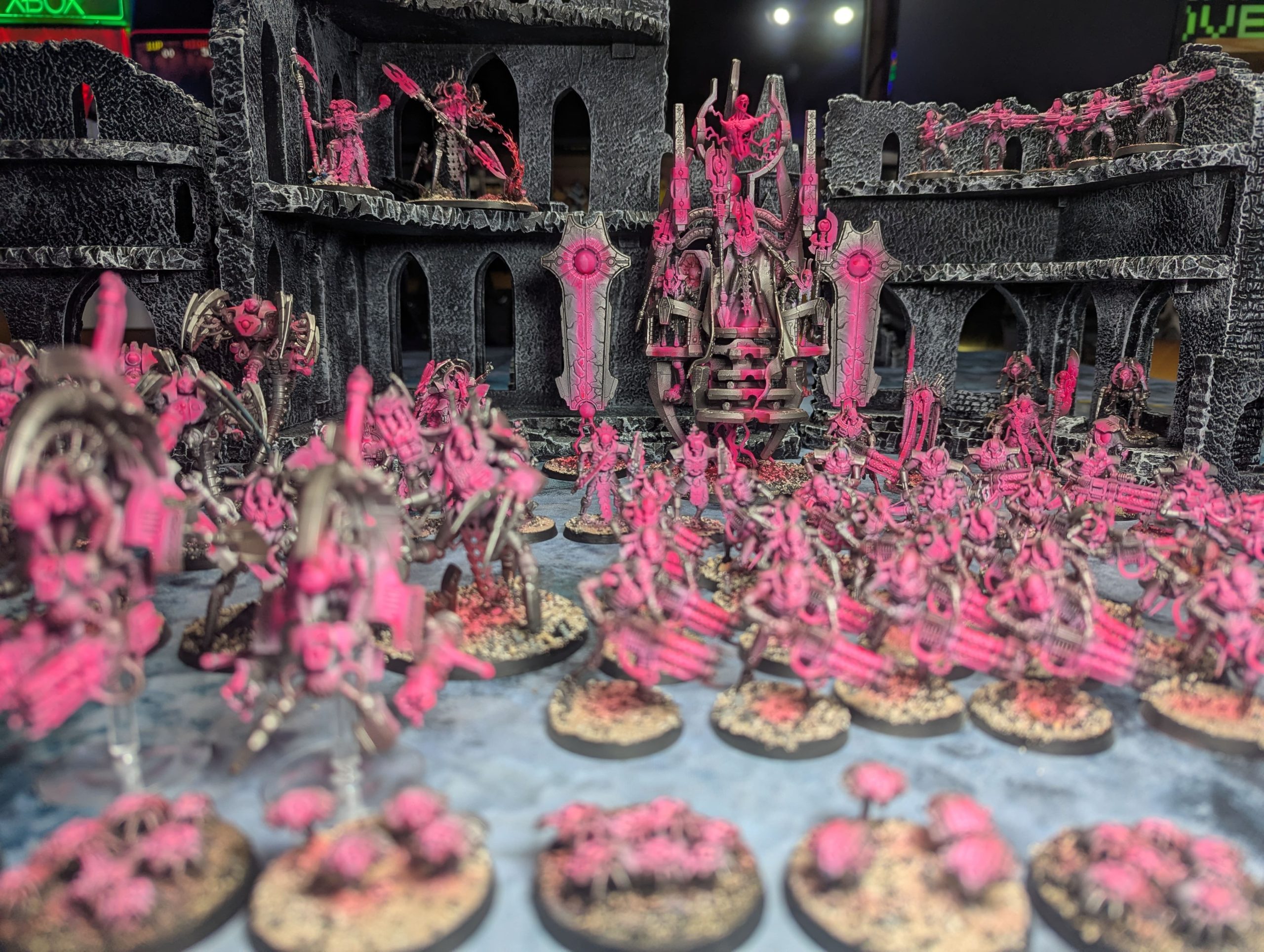
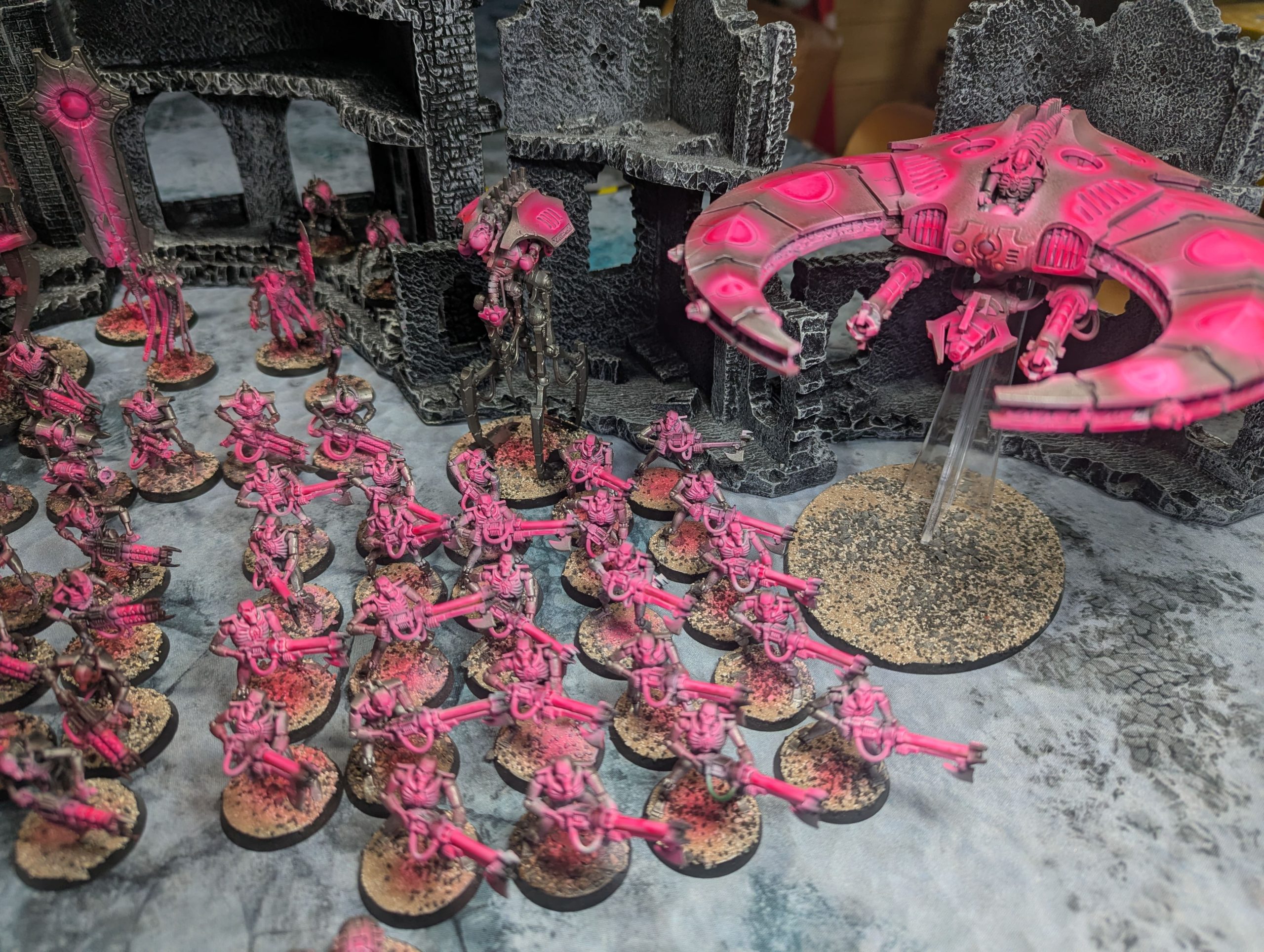
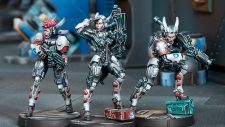
It genuinely was that simple. While a close inspection of individual models might reveal the speed of the painting process—a missed edge here, a slightly uneven coat there—the overall impact of the army on the gaming table is fantastic. The models read instantly, the metallic bodies are grim and aged, and the startling pink energy stands out brilliantly.
However, the true magic is revealed with a minor addition to the gaming setup: a simple black light. Under UV light, the fluorescent pink explodes with an incredible, ethereal glow, transforming the army into a truly unique, eye-catching force that demands attention. This project proves that sometimes, less is more, and a clever choice of paint and technique can breathe new, vivid life into an ancient army.