










Bolt Action Germans, Allies and Chinese Armies



Recommendations: 248
About the Project
I'm building three armies for Bolt Action. The Germans will be a combination of Europe and Western Desert theatre's of operation. The allies will be mixture of British and US troops which will be used for Late WW2 both European and Pacific, as well as the Korean Conflict. The Chinese will be late war Nationalists and Communist forces. The Communists will double up as a Korean War army, like wise the Allies will as well. Long term I plan to game in WW2, Chinese Civil War and the Korean Conflict. This project blog will include my efforts at building and painting the armies, as well as my research into the period and book reviews.
Related Game: Bolt Action
Related Genre: Historical
Related Contest: Bolt Action: Western Desert Boot Camp
This Project is Active
Built and started painting a Panzer lll tank

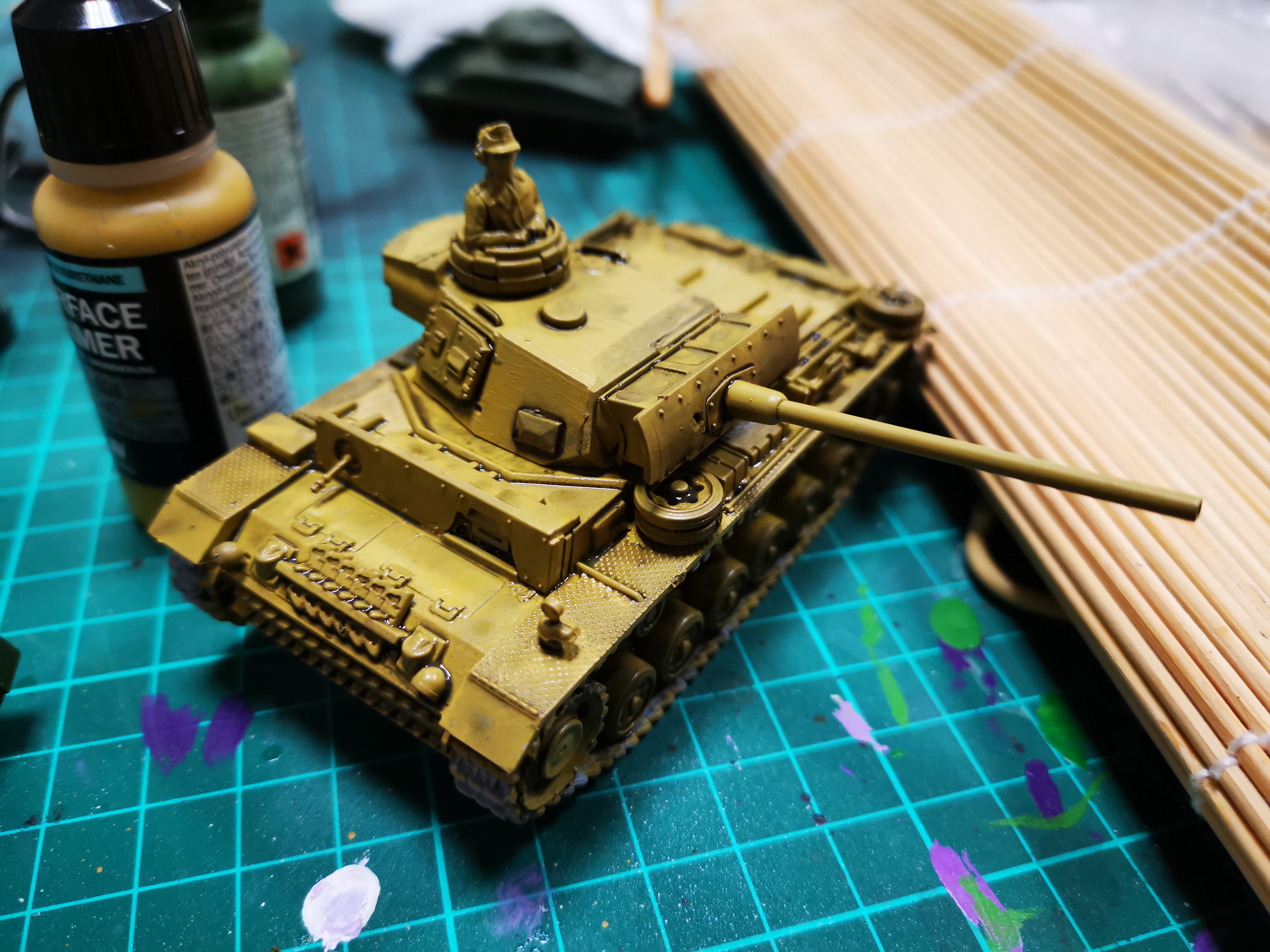
Finally got around to putting some paint onto the Panzer lll. I’m going to with a desert colour scheme as I have some Afrika Korp to build and paint.
Chinese T-34 Tank
I recently built and started painting a T-34/85 for my Chinese Korean army. I decided to go with Vallejo US army green. I’ve still got to finish with some weathering and a Red star on the hull.
For those interested below are some of the armor sold to China by the USSR
The Soviet Arms Sales to the PLA, 1950-55
Dr. Martin Andrew reports the following figures:
- 1950 – 300 T-34-85s, 60 IS-2s and 40 ISU-122s, which were organized into 10 regiments (30 T-34/85 medium tanks, 6 IS-2 heavy tanks, and 4 ISU-122 tank destroyers in each).
- 1951 – 96 T-34-85s, and 64 SU-76s, which were organized into 4 regiments.
- 1952 – 312 T-34-85s, and 208 SU-76s, which were organized into 13 regiments.
- 1953 – 480 T-34-85s, and 320 SU-76s, which were organized into 13 regiments (based on a total number of 40 regiments at this point).
- 1954 – 649 T-34-85s, 320 SU-76s, 22 IS-2s, 99 SU-100s, 67 ISU-152s, and 9 ARVs (two of which were based on the ISU chassis, the others likely being T-34s).
- 1955 – No figures are given by Dr. Andrew, but there were sales in 1955.
- 72 additional armored recovery vehicles and engineering vehicles were also supplied at unknown dates, probably around 1952-1953.
Total 1950-1954: 1837 T-34-85s, 82 IS-2s, 40 ISU-122, 67 ISU-152, 99 SU-100, 704 SU-76. A total of 2829 tanks, (excluding ARVs and engineering vehicles) organized into 67 regiments. Over 3000 vehicles are reported to have been supplied to the PLA from the USSR 1950-1955.
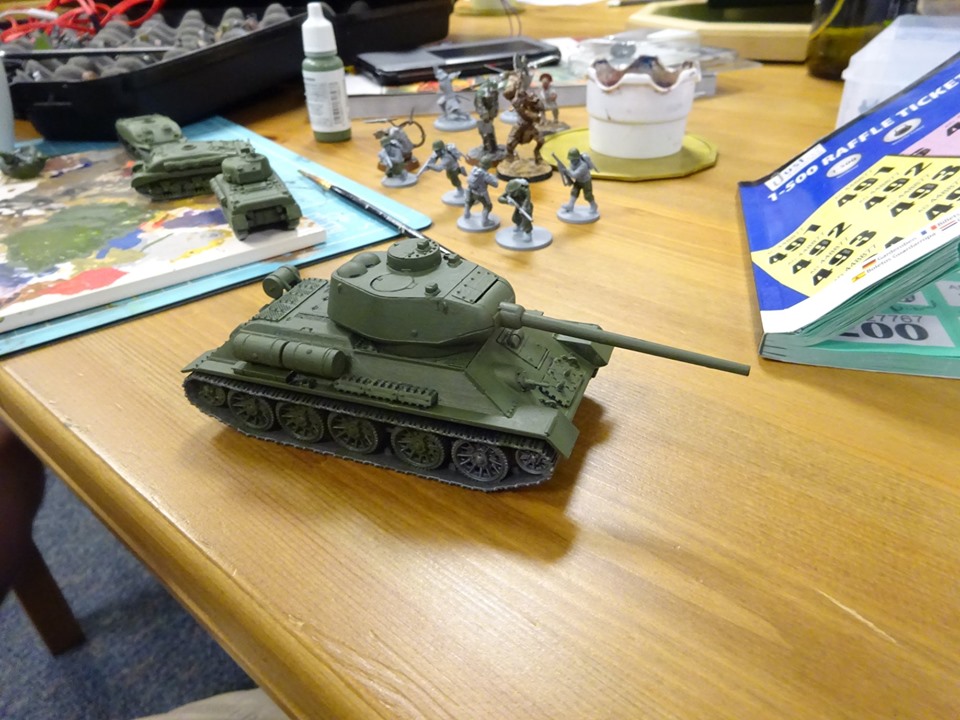 T-34/85 WIP
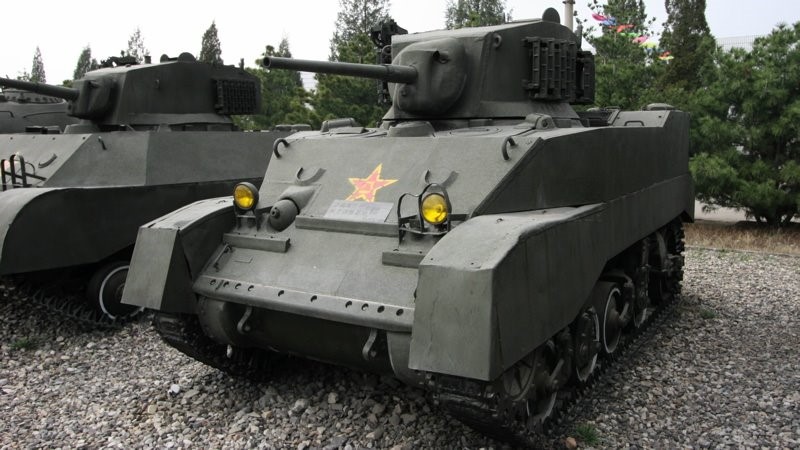 M5A1 Stuart of the PLA, on display in Beijing.
Plans for a Provincial Chinese town
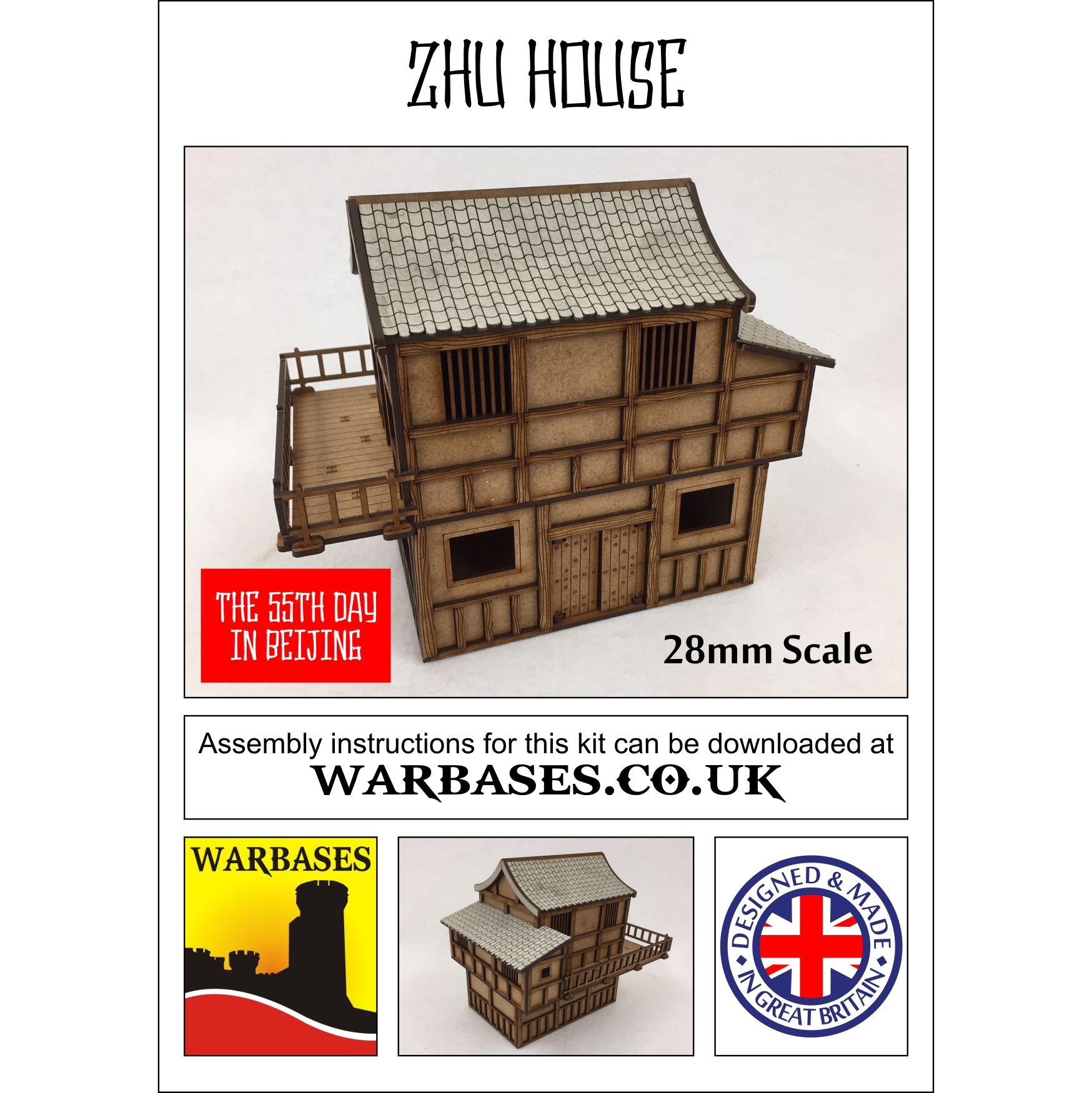
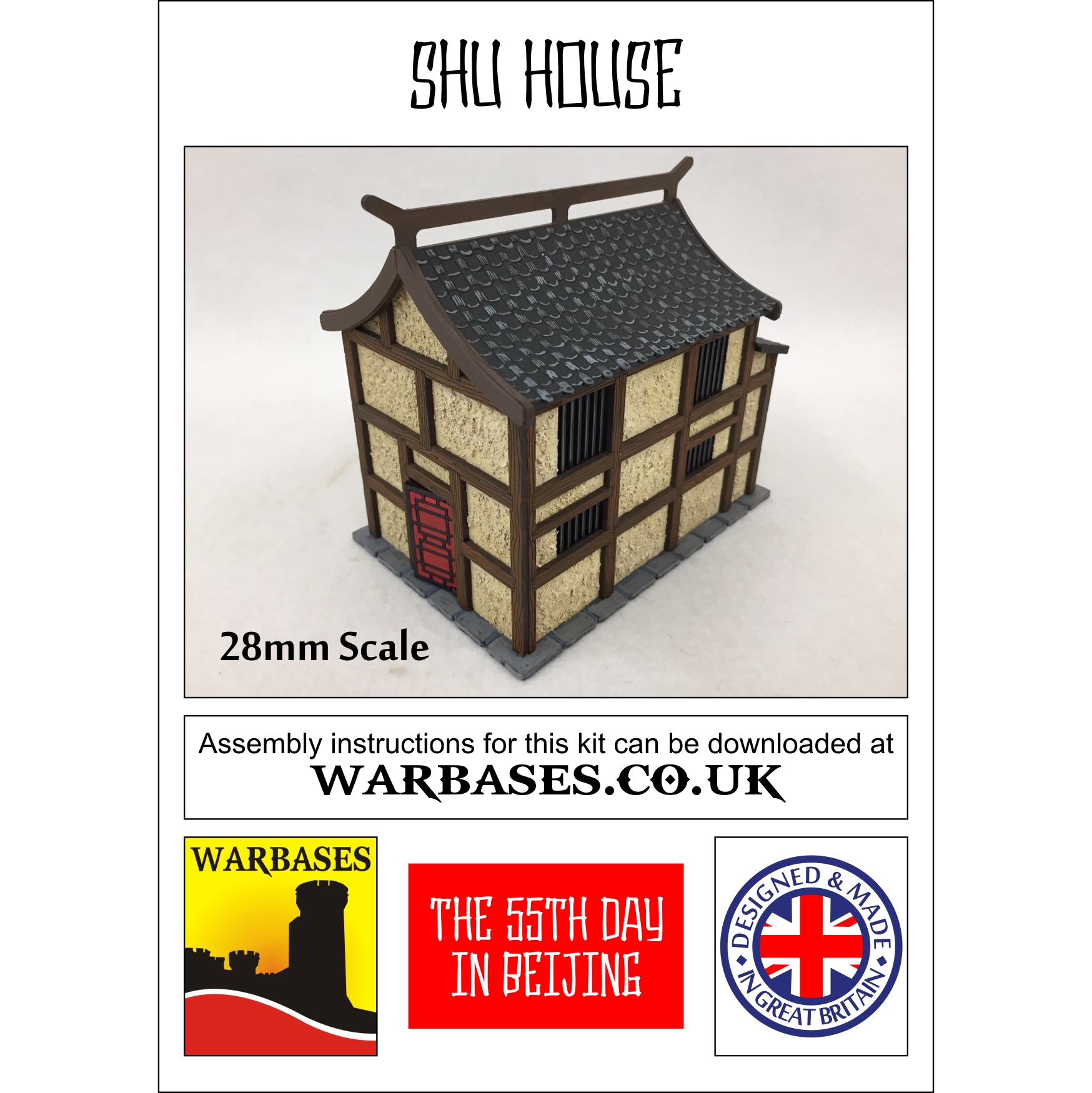
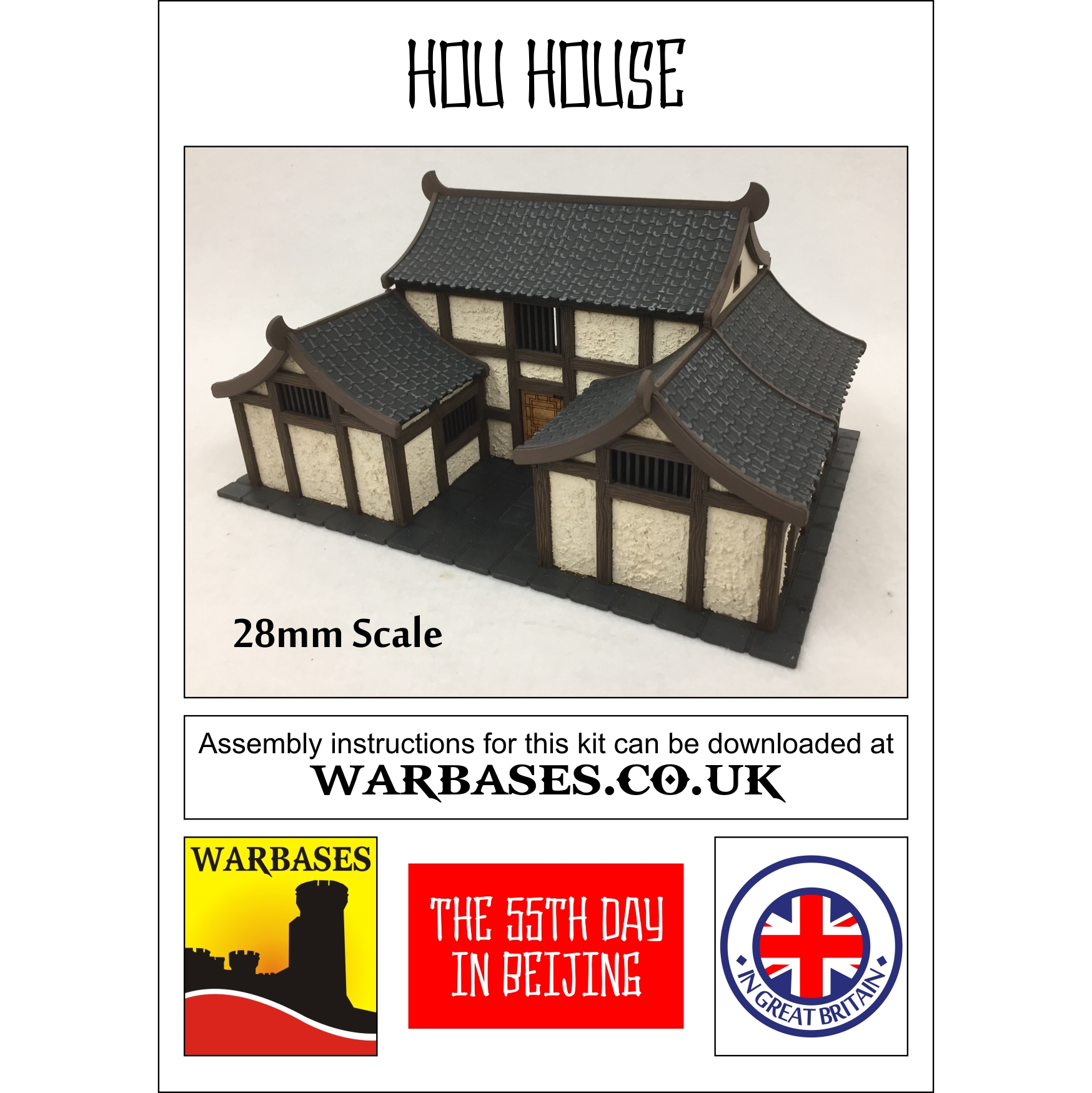
I have discovered a company in the UK which produces Chinese period buildings. So I’m planning to slowly build a small town using these mixed with some of the Asian buildings from TT Combat. My plan is to make it modular using the new tile system from Sarrisa.
https://warbases.co.uk/product-category/buildings/55th-day/

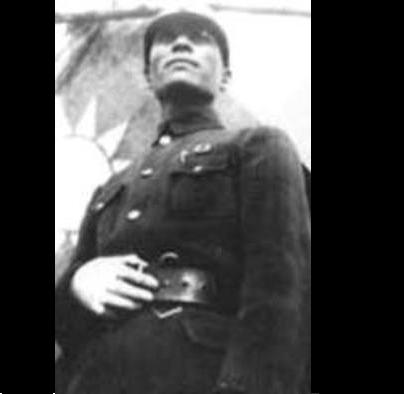
Xie Jinyuan; The hero of Sihang Warehouse
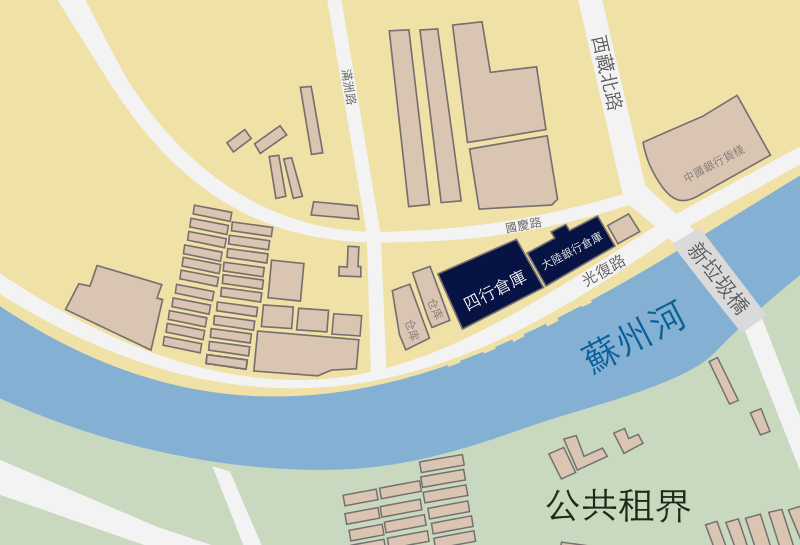
The Defence of Sihang Warehouse took place from October 26 to November 1, 1937 and marked the beginning of the end of the three-month Battle of Shanghai in the opening phase of the Second Sino-Japanese War. Defenders of the warehouse held out against numerous waves of Japanese forces and covered Chinese forces retreating west during the Battle of Shanghai.
Xie Jinyuan and 426 Chinese soldiers held the warehouse whilst under siege by the Japanese for 6 days with dwindling supplies and ammunition, they managed to hold off an advancing army that had all but captured Shanghai.
Xie attended the Whampoa Military Academy in Guangzhou and graduated in 1925 majoring in politics. After graduation he was assigned to the 5th Regiment, 2nd Division as a platoon commander, he was later promoted to company commander. In 1929 the division was involved in the defence of Shandong from a Japanese invasion, where Xie was badly wounded during the battle. After recovering from his wounds, he took command of the regiments machine gun battalion and was later promoted to major and was eventually transferred to the Wuhan HQ as a staff officer.
In 1931 he sent on assignment to the 78th Division of the 19th Route Army, and in October he was transferred to the 88th as the battalion commander of the Reserve Regiment. Xie fought against the Japanese again during the Shanghai War of 1932. He later served as vice regimental commander and was promoted to the rank lieutenant colonel.
The Battle of Shanghai started on August 13th, 1937. After defending in Zhabei, Shanghai, for over two months, the Chinese Kuomintang 88th Division decided to make a tactical withdrawal leaving a battalion behind to cover its retreat. Lieutenant Colonel Xie Jinyuan from 524th Regiment of the 262nd Brigade, volunteered to command the battalion with orders to defend the warehouse against all odds.
Defence of the Sihang Warehouse
National Revolutionary Army
Lieutenant Colonel Xie Jinyuan, commander of the Chinese force
524th Regiment, 88th Division: Regimental commander (CO), Army Lieutenant Colonel Xie Jinyuan
Executive officer (XO), Army Major Shangguan Zhibiao
1st Battalion, 524th Regiment: Battalion Commander, Army Major Yang Ruifu
1st Company, 1st Battalion: Company commander, Army Captain Tao Xingchun
2nd Company, 1st Battalion: Company commander, Army Captain Deng Ying
3rd Company, 1st Battalion: Company commander, Army Captain Shi Meihao (wounded), Army Captain Tang Di
Machine Gun Company, 1st Battalion: Company commander, Army Captain Lei Xiong
The battalion soldiers were issued one of either a Gewehr 98 or Karabiner 98k rifle, two crates of grenades, 27 light machine guns, most of which were Czech ZB vz.26, they also had 4 water-cooled Type 24 Maxim guns. The battalion was originally full strength of 800 men at the start of the battle for Shanghai, but by the time of the warehouse defence they were down to 426 men, all battle-hardened combat veterans.
Against the defenders was the Imperial Japanese Army’s 3Rd Division, whom had access to armoured cars, most likely Type 94 Tankettes, the average soldier would have been armed with an Arisaka Type 38 Rifle.
On 26 October 1937, as the Chinese defence of Zhabei faltered, Chiang Kai-shek wanted to withdraw all Chinese forces to defend the rural western regions of Shanghai and ordered acting commander of the 3rd Military Region Gu Zhutong to leave the 88th Division behind to cover their retreat. Gu was personally attached to the 88th Division and was vehemently against this plan, as was the division’s commander Sun Yuanliang, who sent his chief of staff Zhang Boting to Gu’s headquarters to argue against it. However, both hesitated to go against Chiang’s orders; Sun instead suggested that the number of troops left behind to cover the withdrawal would not matter.
He proposed (through Zhang) that a single regiment instead be left to defend one or two fortified regions, a plan Gu approved. Back at his own headquarters, however, Sun decided that a regiment would still be too many lives wasted and decided to instead order a single over-strength battalion – the 524th Regiment, which had been reduced to 423 men – to defend the divisional headquarters at Sihang Warehouse instead. Xie Jinyuan, relatively new to the 88th, volunteered to lead the regiment, relieving command from Yang Ruifu on 26 October.
When he was transferred to the 524th Regiment, Xie was not familiar with any of the men under his command. Its proximity to the Shanghai International Settlement made it world-famous and brought the war between the Chinese and Japanese to the world’s attention, if only briefly. During the defence Girl Guide Yang Huimin secretly delivered a Republic of China flag to the defenders; when she asked what Xie’s plans were, she replied “Defend to the death!”. Moved, she asked for a list of the names of the defenders to announce to the entire country. Xie realized that doing so would reveal to the Japanese (who had been fooled into thinking an entire regiment was stationed at the warehouse) their real strength. However, not wanting to disappoint Yang, he gave her the original roster of the 524th Regiment – 800 men, nearly double their actual strength.
By 31 October the rest of the Chinese forces had retreated and been redeployed to defend more favorable areas and the nearby Shanghai International Settlement was concerned at the combat taking place so close to them and petitioned Chiang to stop the fighting. Chiang, who considered the fight already won, agreed to withdraw the 524th Regiment to the foreign concessions before regrouping with the rest of the 88th Division. On 1 November the 524th withdrew; in the defence of the Sihang Warehouse escaping across the bridge to the British concession under the cover of darkness and heavy fire from the Japanese forces.
Commander of the 1st battalion, Yang Weifu wrote, “The Japanese army lighted the Tibet road up with searchlights and blanketed the crossing with machine-guns. At about 10 o’clock, their firepower became even more intensified with flat fire guns and trench mortars bombing once per second at the battle’s height.”
Casualties in the defence of Sihang Warehouse
1st Battalion 524th Regiment; 10 killed and 37 wounded
Japanese 3rd Division; Over 200 Japanese soldiers killed, unknown amount wounded (this is likely to be significantly higher than those killed, possibly in the 1000+ region). Also, several armored cars were destroyed and damaged.
Once the remaining soldiers had escaped, they planned to regroup with the rest of the 88th Division. However, they were placed under arrest by British troops, the reason was because the Japanese threatened to invade the concessions if the soldiers were allowed to regroup with their division. They were confined into the Italian area of the concessions and fenced off. They stayed there until after the attack on Pearl Harbor, when the Japanese moved into the concessions and captured the soldiers.
Xie Jinyuan was murdered on 24 April 1941 at 5 a.m. by Sergeant He Dingcheng and three others of his own soldiers, who were bought by Wang Jingwei’s government. Over 100,000 people turned up for his funeral, and he was posthumously made a brigadier general by Chiang Kai-shek.
One British officer said, “We are all soldiers with experience from the European War, but I haven’t seen any army more brave or heroic than the Chinese defending Zhabei.”
Even though the Chinese had lost the Battle of Shanghai, the defence of Sihang Warehouse proved to be a major morale-booster. Thus, the defenders of Sihang Warehouse became known as the Eight Hundred Heroes.
 Xie
Xie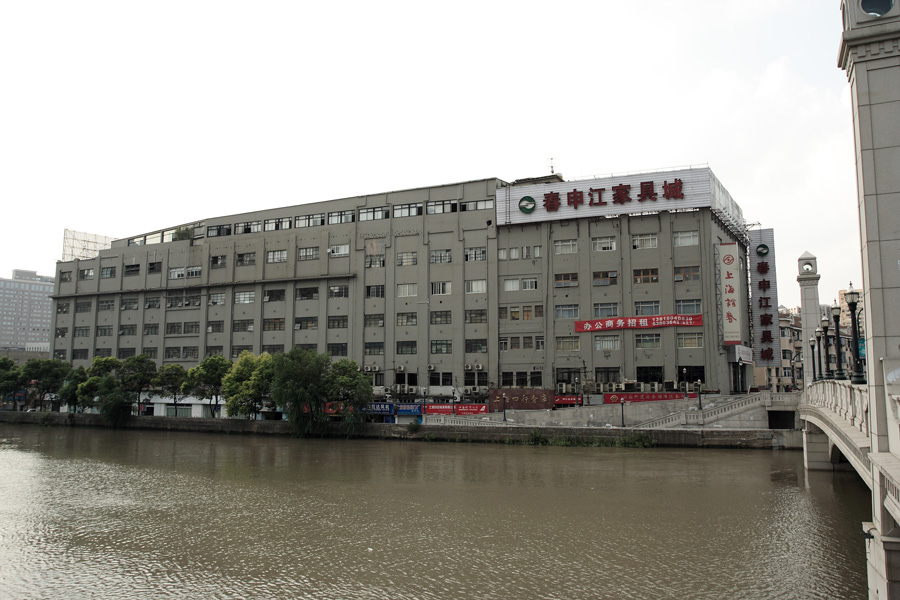 Sihang Warehouse
 Map of the area
 Girl Scout Yang
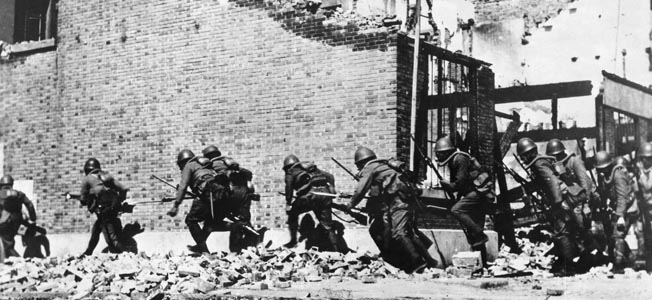 Shnaghai Battle
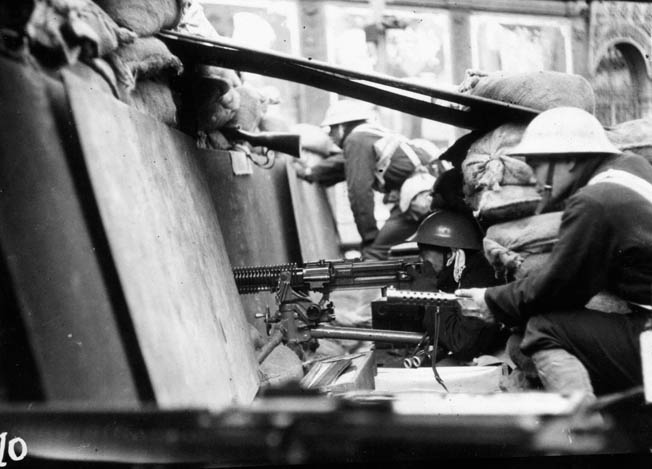 Battle for Shanghai
Started building Asian terrain
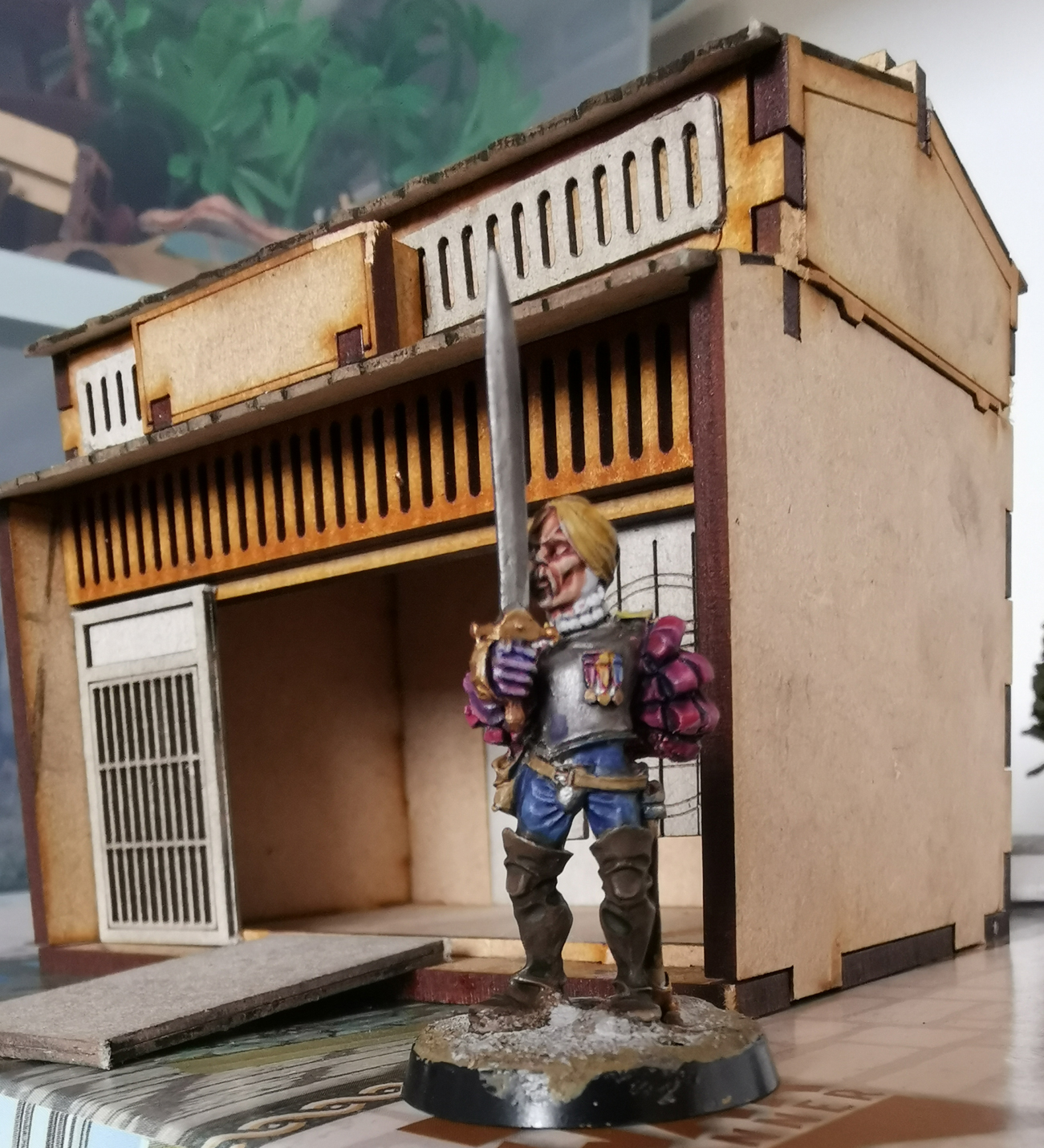
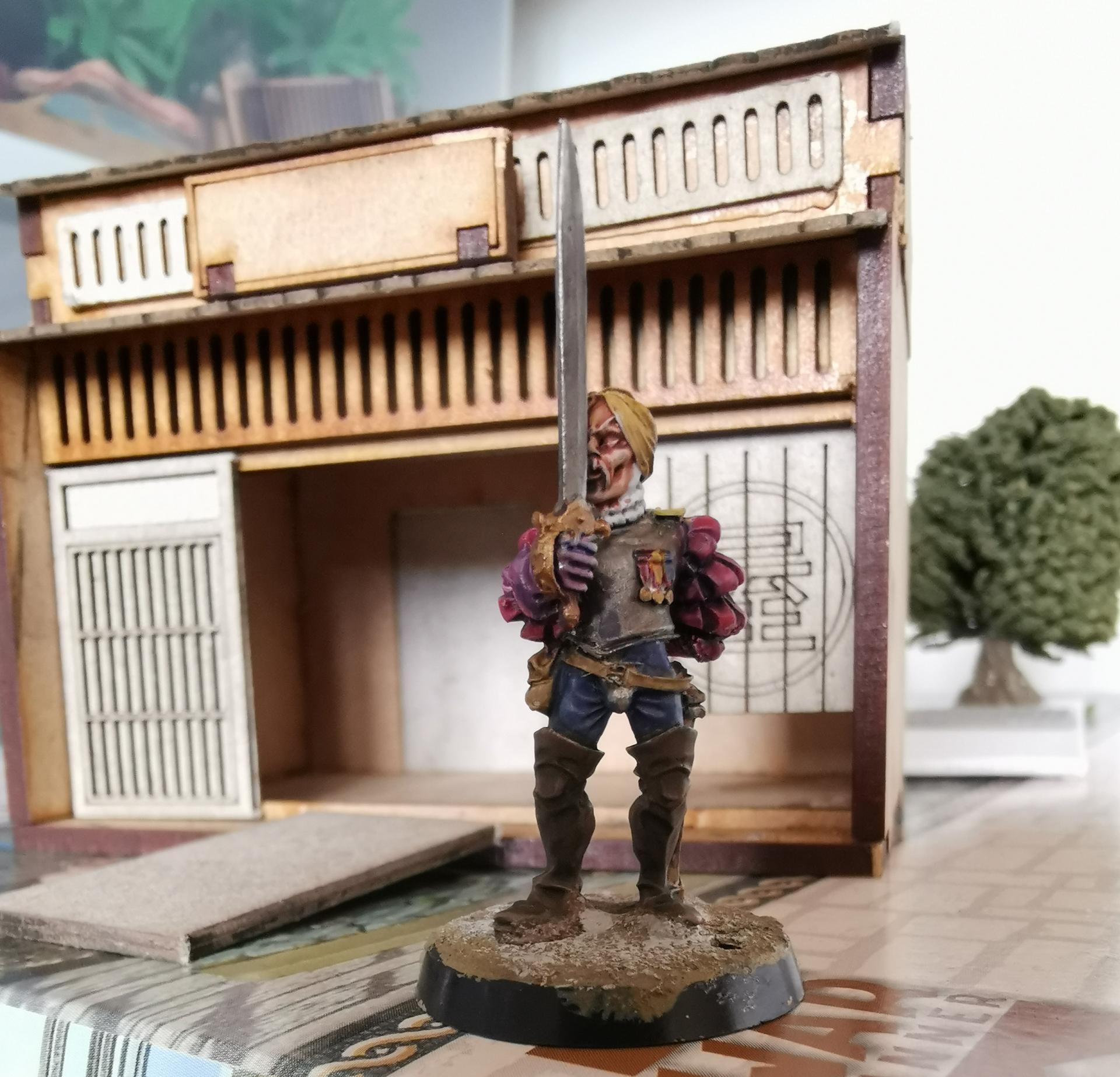
I’ve started picking up various Asian buildings in MDF for gaming in the Pacific and Asia. The first one I decided to build was the Machimya Shop building from TT Combat. Ignore the fantasy miniature in front of the building.
I also have some card buildings from China which are 20-25mm so I plan to use them as a template and scale them up to 28mm. The plan is to build them in foam board as well as using various building materials such as balsa wood.
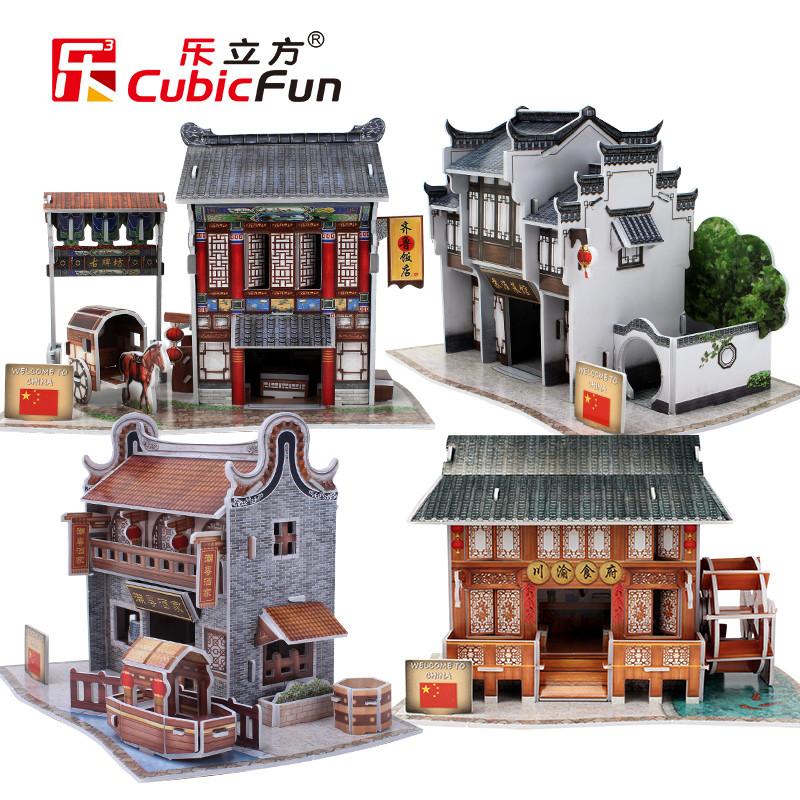 sample card buildings
Quick Up Date
This is just a quick update as I’ve been distracted by other projects such as starting Team Yankee. So far I have a completed Bren Gun Carrier for the British, and I plan to add a anti-tank element to the carrier, but the gunner will need painting.
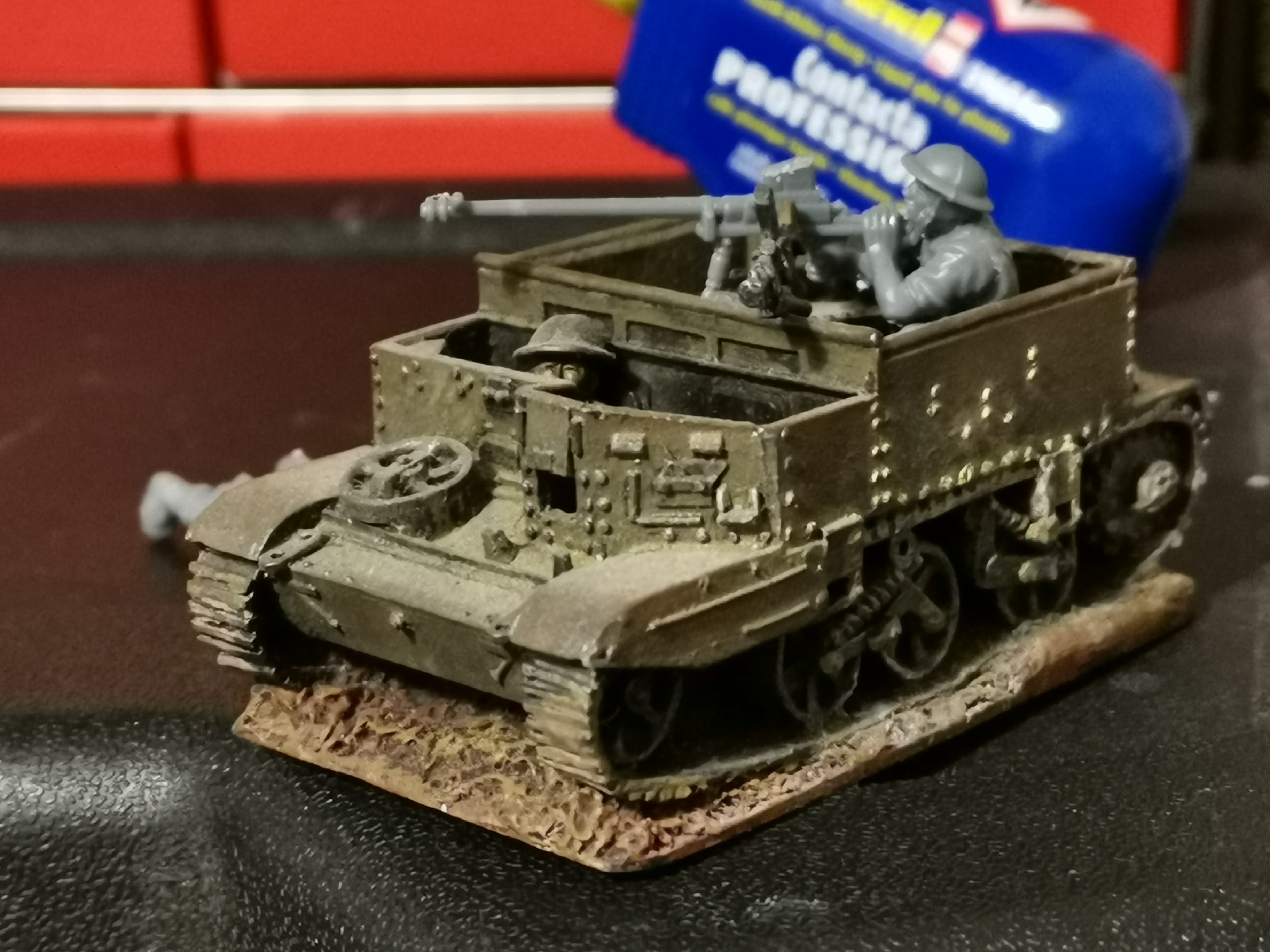 Bren Gun Carrier
China 1911
I wrote this article originally for Irregular Magazine, it gives some background to China prior to the war. The events that occurred between 1911-1912 allowed the rise of the Warlords between the first and second world wars. I plan to write another article covering the Warlord period, these show why China was completely unprepared for war with Japan due to the chaos in the country.
In the autumn of 1911 saw some of the biggest changes politically in China’s history. For the last 247 years China was ruled by the Qing dynasty. With failures to modernize China the people were becoming unhappy with Imperial rule and their ability to protect China from foreign powers. Several political anti-Qing groups with the purpose of creating change within the country sprang up all over China. Most of these also had support outside of China from Chinese communities living abroad, some of whom were in exile.
Prior to 1911 there had been several attempts by particular groups to rise up and over throw the Qing rulers, all of which had failed. Then on April 27th an uprising occurred in Guangzhou, known as the Yellow Flower Mound Revolt.
Huang Xing and approximately 100 armed revolutionary supporters forced their way into the Viceroy of Guangdong and Guangxi residence. Initally they were successful, but the Viceroy was reinforced with Qing government soldiers. These additional soldiers turned the tide in the Viceroy’s favour, the uprising suddenly turned into a disaster with only a few of the revolutionary members escaping, including Huang Xing, though he has injured. In the aftermath 86 bodies were found though only 72 could be identified, most of whom were young men.
One of those killed was a leading member of the revolution Lin Jie-min who on the eve of the uprising wrote a piece entitled A letter to my wife, which is widely considered a master piece in Chinese modern literature.
Wuchang Uprising
In October later that year, the Qing government nationalised the railways, which had been built by private investors. This led to what has been called Wuchung Uprising, what made this one successful was the support from local military.
On October 9th at the Russian Concession in Hankou Revolutionaries were planning an attack, whilst bombs were being prepared for this attack an accident occurred caused by an explosion. Sun Wu a local leader of the political group Progressive Association was injured along with several others. Those who were injured were taken to a local hospital for treatment and the staff suspecting something informed the local Qing government.
Members of the New Army garrisoned in the city of Wuchung led a coup against the local authorities on October 10th. The local Viceroy of Huyuang Duan Zheng is tasked with tracking down the revolutionaries. In response to this Jiang Yiwu and the Literary Society launched an attack, but Qing agents are made aware of the attack resulting in several members being arrested and executed. On the evening of October 10th, the New Army in WuChung stage a mutiny, this allows revolutionaries to take control of the Viceroy’s Government house/office. Duan Zheng managed to escape via a tunnel during the attack. Fierce fighting continued during the night for control of the city, with troops fighting street to street. The mutinied soldiers manage to capture key strategic places within the city leading to the defeat of government troops.
Battle of Yangxia
The battle of Yangxia was the largest military engagement of the 1911 revolution, lasting from October 18th to December 1st, a total of 43 days. The battle was waged in Hankou, Hangyang and Wuchang in Central China. The revolutionary army were outnumbered and out gunned throughout the battle, they fought defiantly in the face of greater odds.
On October 18th approximately 1,000 revolutionary soldiers launch an attack on Luijiamiao, a railway station guarding the Northern approach to Hankou. After fierce fighting on both sides the revolution army are driven back to Dazkimen. Later that day along with local railway workers they ambush a Qing troop train, killing 400 and derailing the train. The following day large numbers of volunteers join the Revolution army ranks, now numbering 5,000 strong they launch a second attack on Luijiamiao this time capturing the station.
With morale high within the ranks of the revolution army, they press an attack Wushengguan but are driven back with heavy losses. Two days later the provinces Hunan and Shaanxi pronounce their independence from the Qing government. As a result of the events had occurred in the Wuchang region Yin Chang is removed as head of government forces and replaced with Yuan Shikai.
Yuan Shikai’s first move as the new commander was to order the Beiyang Qing Army south on October 26th to attack the Northern Suburbs of Hankou, supported with heavy artillery and machine guns. In the fighting that ensued 500 soldiers of the revolution army were killed in action, they also lost control of Luijiamiao during the initial attack be later that day regained control of the station. The following day Qing troops captured and held the station, revolutionary troops were to try and fail to recapture the station for rest of the battle.
On the 28th Tomgmenghui revolution leaders Huang Xing and Song Jiauren arrive. Huang takes control of the revolutionary forces. The following day he leads 1000 soldiers to Wuchang, where 6,000 are holding out to superior Qing forces.
Feng Guozhang orders Qing troops to raze Hankou, the fires burn for three days and destroys much of the city. By November 1st Qing troops control Hankou, thousands on both sides are killed or captured in the fight for the city. Two days later soldiers from the Hunan province arrive to bolster the revolutionary army. By now eleven provinces have declared independence from the Qing government, along with elements of the Qing Navy defecting to the side of the revolution.
Huang Xing, against advice attempts to retake Hankou on the 17th of November. Starting with an artillery barrage revolution troops cross the Han river. The artillery fire from the revolution side is inaccurate and ineffective, the right flank falters and is halted by artillery fire from the Qing army. The left flank manages to cross the river but is now venerable to a far superior Qing Army and were forced to make a retreat back across the river.
Battle of Hengyang
Four days after Huang’s failed attempt to retake Hankou, the Qing military launch an attack on Hengyang. The first element of the Qing forces bypasses revolutionary defences, whilst the second on the following day attacks crossing the Han river. They captured the strategic heights overlooking Hengyang.
In response the revolutionary forces send reinforcements across the Yangtze river to Hengyang but suffer heavy losses on route. After seven days of fierce house to house fighting the Qing army slowly fights its way to the centre of the city capturing Hengyang Munnitions factory and revolutionary artillery positions on Guishan. On November 27th the revolutionary army retreats from the city having lost over 3,000 soldiers and volunteers during the battle.
Yuan Shikai agrees to a 3-day ceasefire on December 1st, Sichuan province declares for independent rule from central government and revolutionary forces were threatening to capture Nanjing and Shanxi. On the 25th December Revolution leader returns from exile abroad to Shanghai. On the January 1st, 1912 the Republic of China is founded. By February 12th the last Emperor Pu Yi abdicates Qing control of China for the last 247 years.
During the course of the revolution and civil war of 1911 there were several other uprisings and small-scale actions throughout China. Though the largest military action were in the Wuchang area of China.
Gaming this period can be done in several ways. Firstly, you could refight the battle of Yangxia, though you will need to remember that Qing forces were superior in numbers and equipment. Also, the majority of the revolutionary forces were volunteers, rather than military soldiers.
An ideal way to play this period of Chinese history would be to start off with a small skirmish force of revolutionary activists building up to a large-scale battle at the end of the campaign.
There is a film about some of the events during this period called China 1911, starring Jackie Chan.
https://youtu.be/j6OgfZbrot8


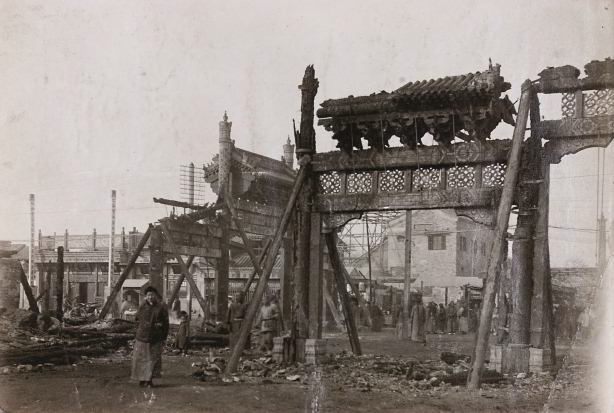
First Chinese Infantry conversions
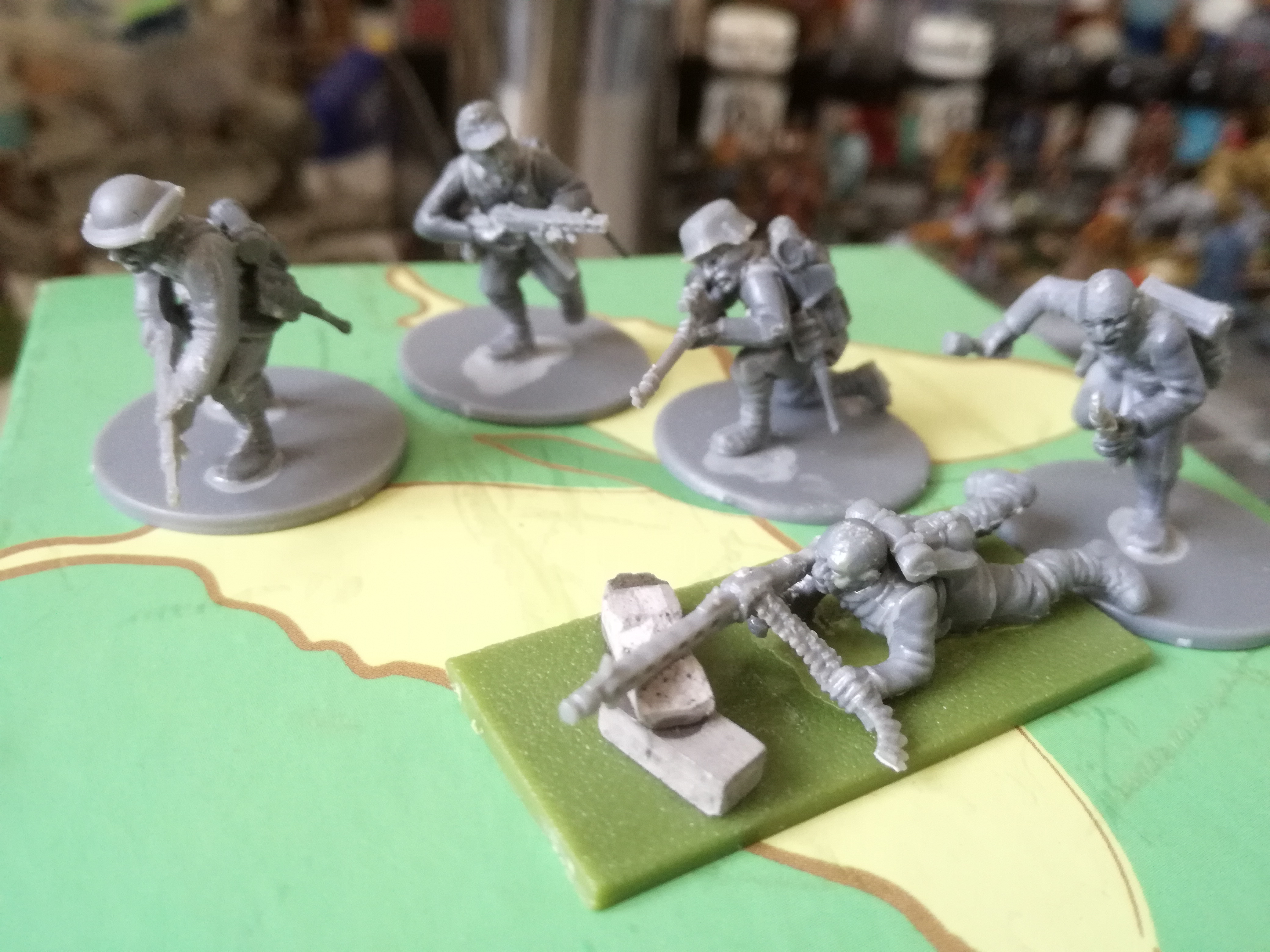
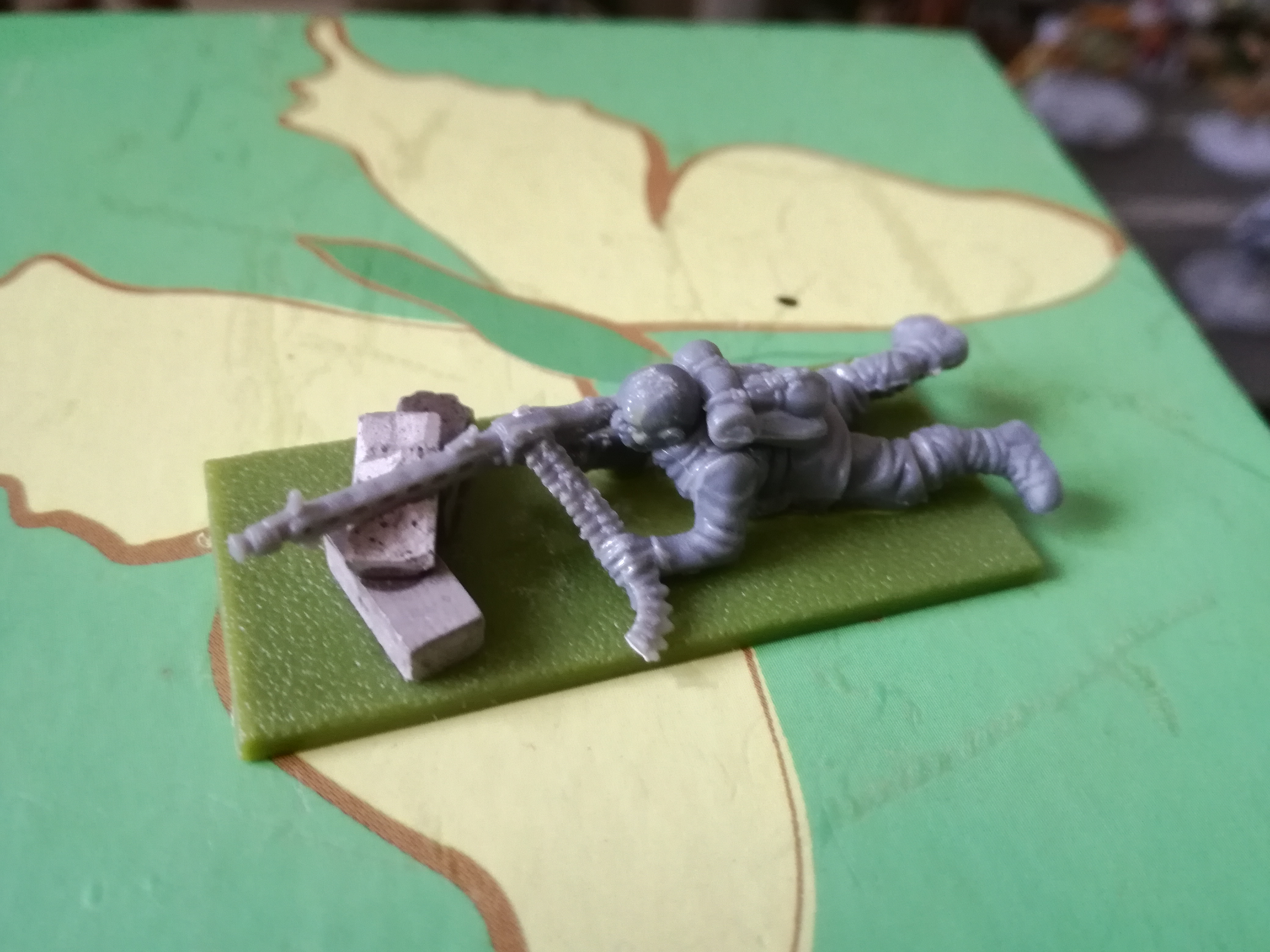
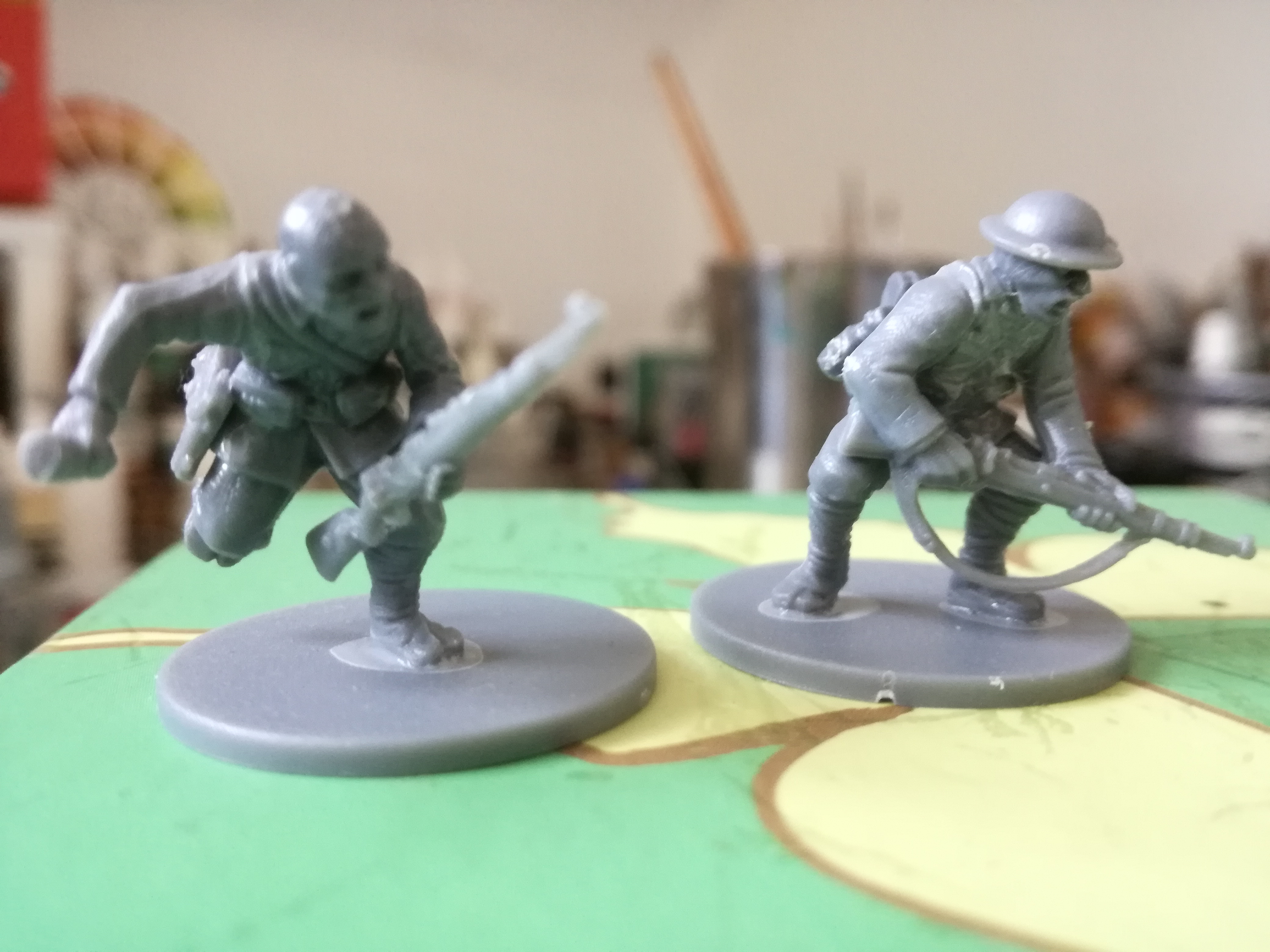
I’ve converted my first five minis using the Japanese infantry bodies, weapons and equipment from British and German plastic sprues. The two bare heads come from Fireforge Mongolian range, likewise the guy wearing the British tin lid is a head from Fireforge and the helmet from Warlord.
I’d prefer a dedicated plastic kit to make Chinese infantry and Rubicon told me at UKGE they are releasing Chinese Nationalists next year, but until then I’ll just have to slowly make suitable conversions.