









Heading Overseas with the Baron’s War



Recommendations: 1019
About the Project
Painting up all the figures for the Baron's War: Outremer.
Related Game: The Barons' War
Related Company: Footsore Miniatures and Games
Related Genre: Historical
This Project is Active
Local Christian Militia
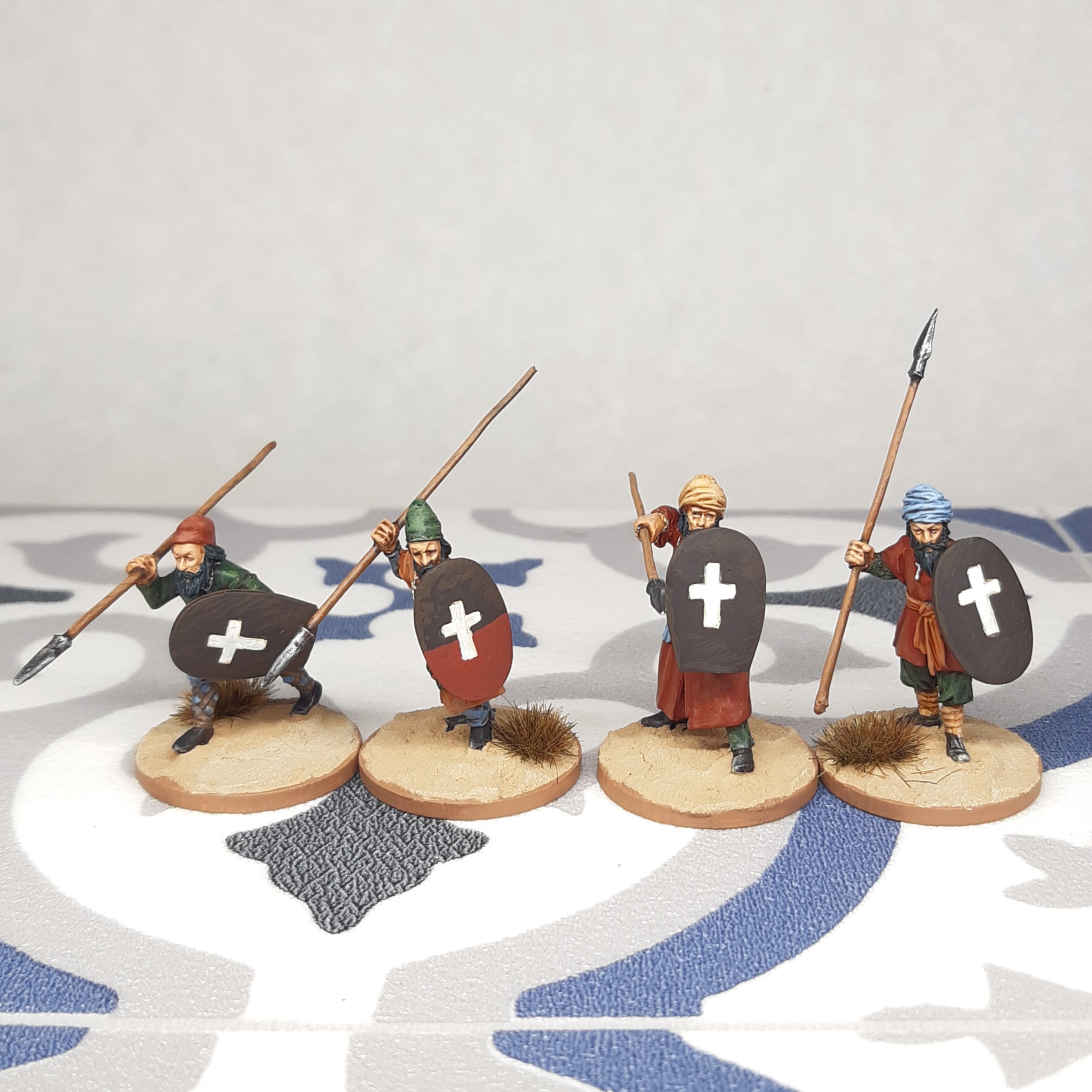
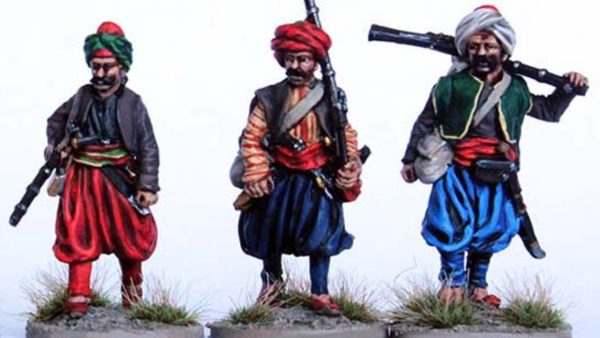
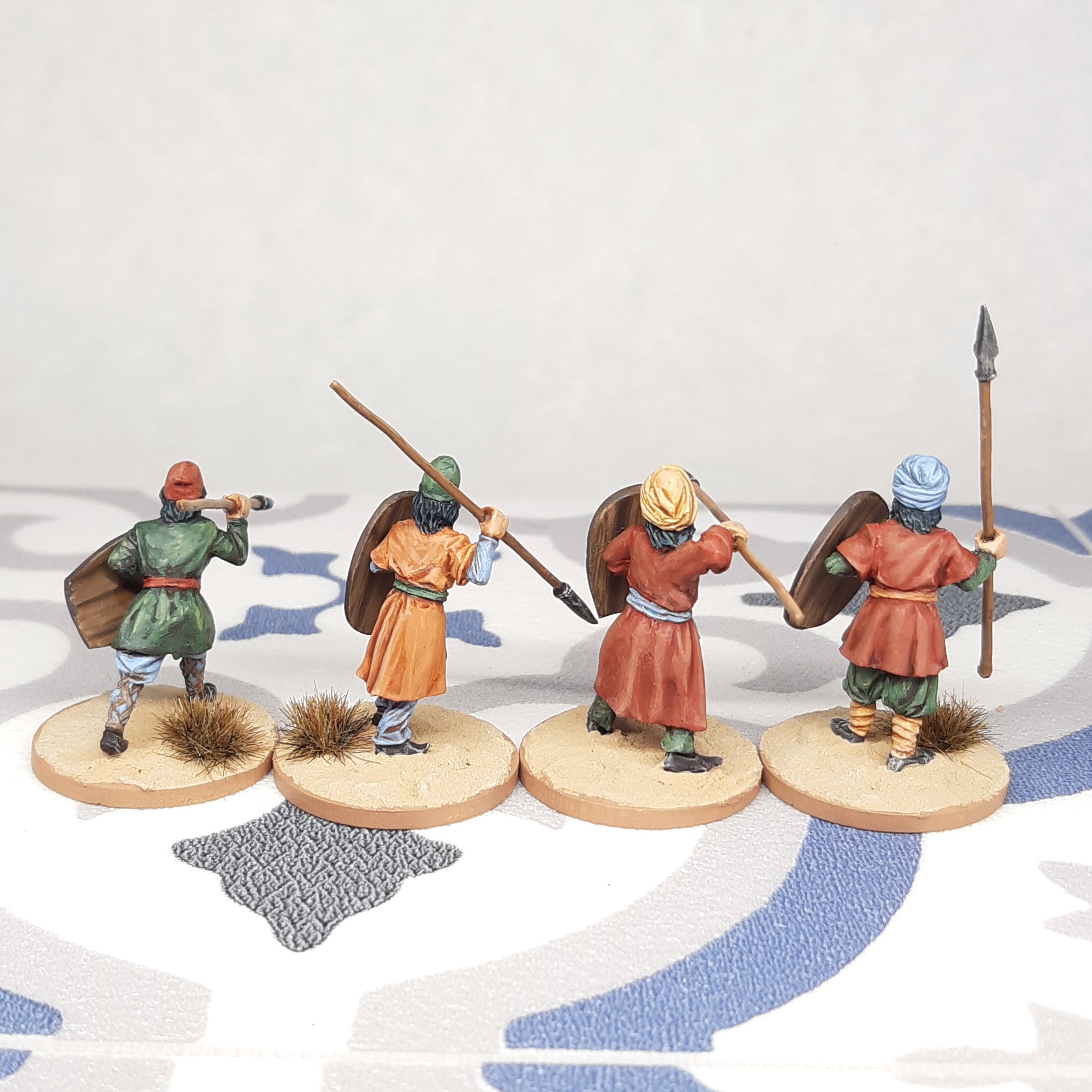
The plan with these guys was to use some of the same colours as I used on the Islamic models to date, but to deliberately tone down the brightness and avoid the purples and turquoise; the idea being the slightly plainer colours will align with the knightly orders, but with a bit of reference to the colours worn by the locals.
Mamluk Champion
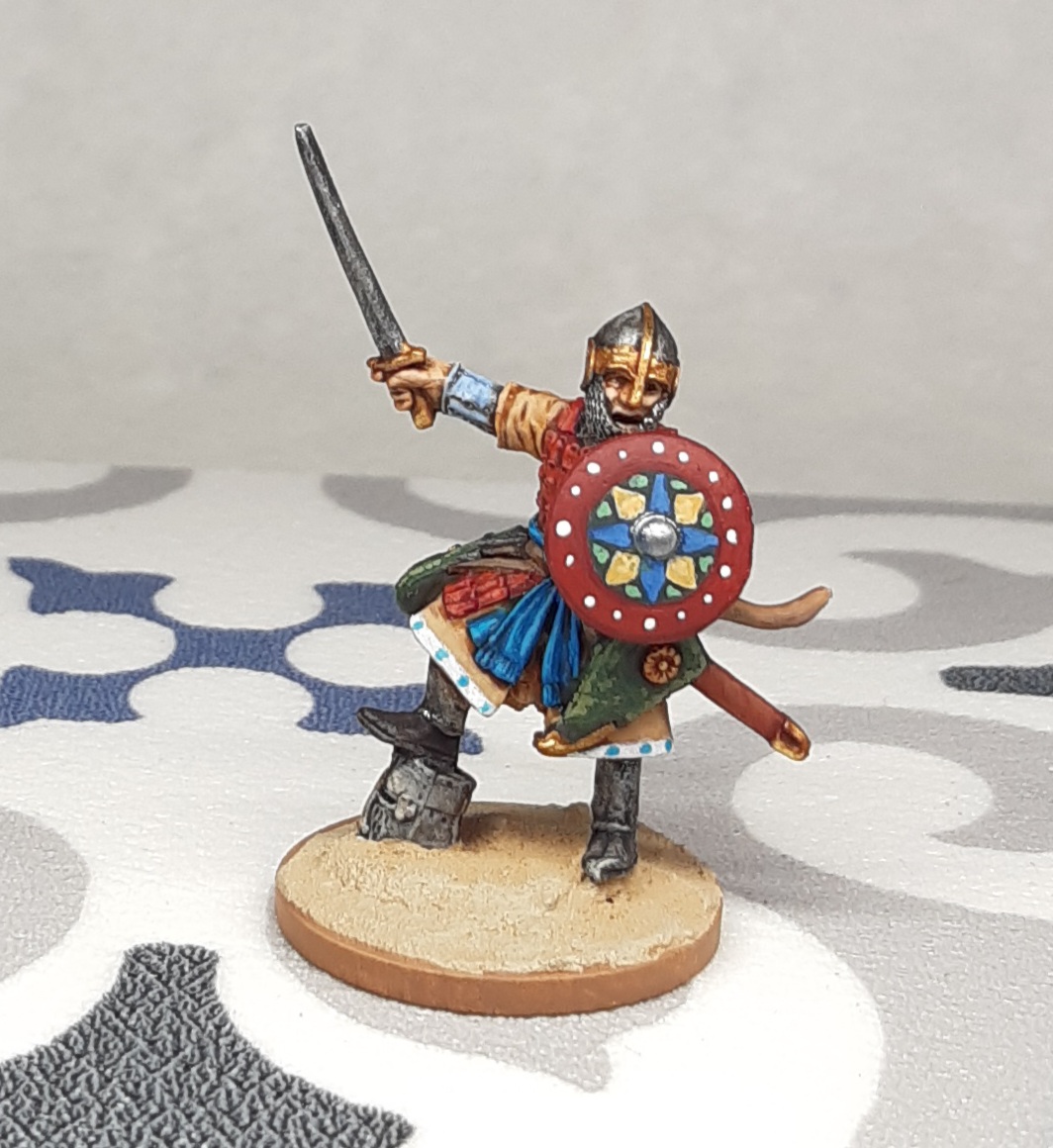
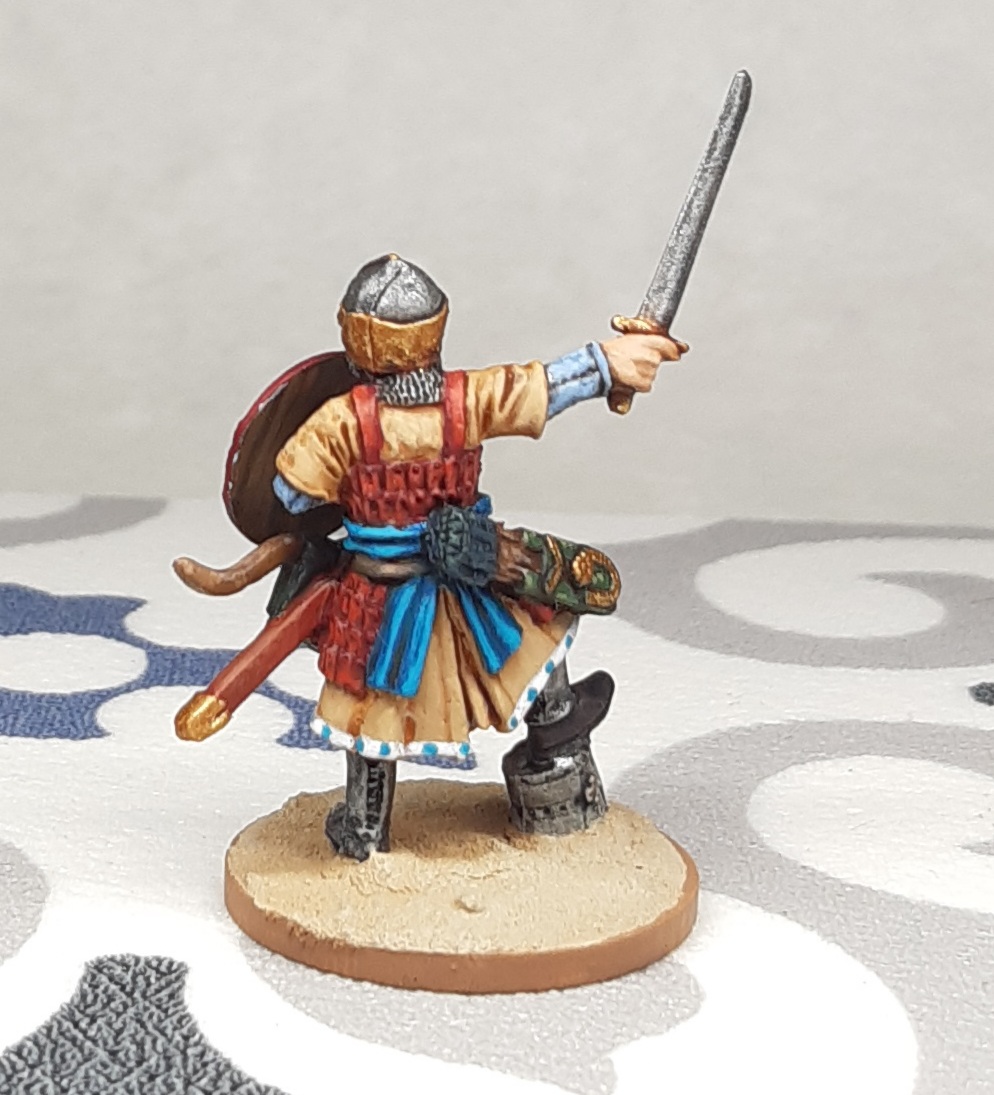
Another great character sculpt by Paul Hicks.
I got a bit lost when painting the shield, having to start over a couple of times and having a few moments of doubt about what I was trying to achieve (essentially I needed to brighten up the colours to get good contrast between them). I’m very happy I ploughed on, and although it’s not perfect, I’m quite pleased with the end result.
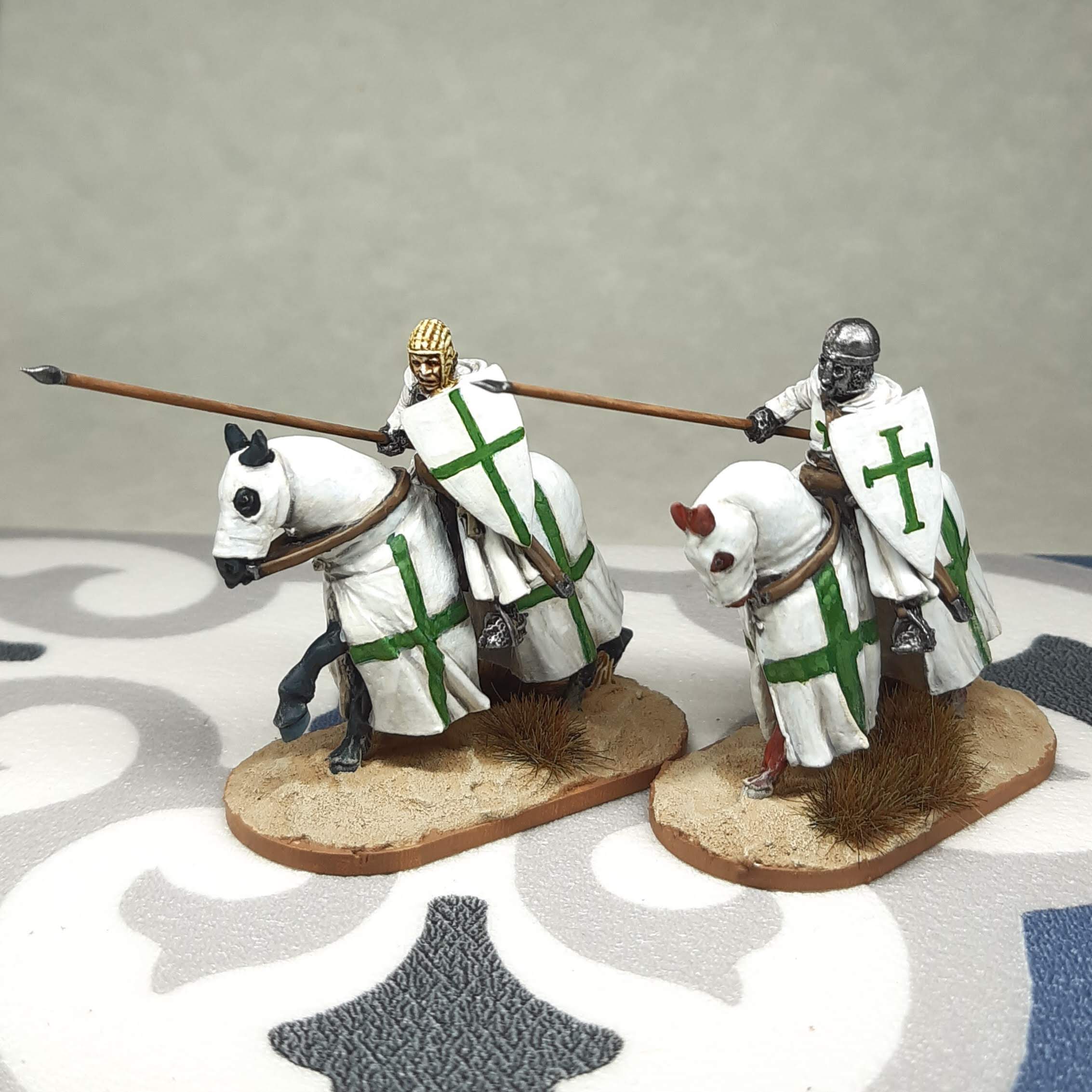
Leper Knights of St. Lazarus
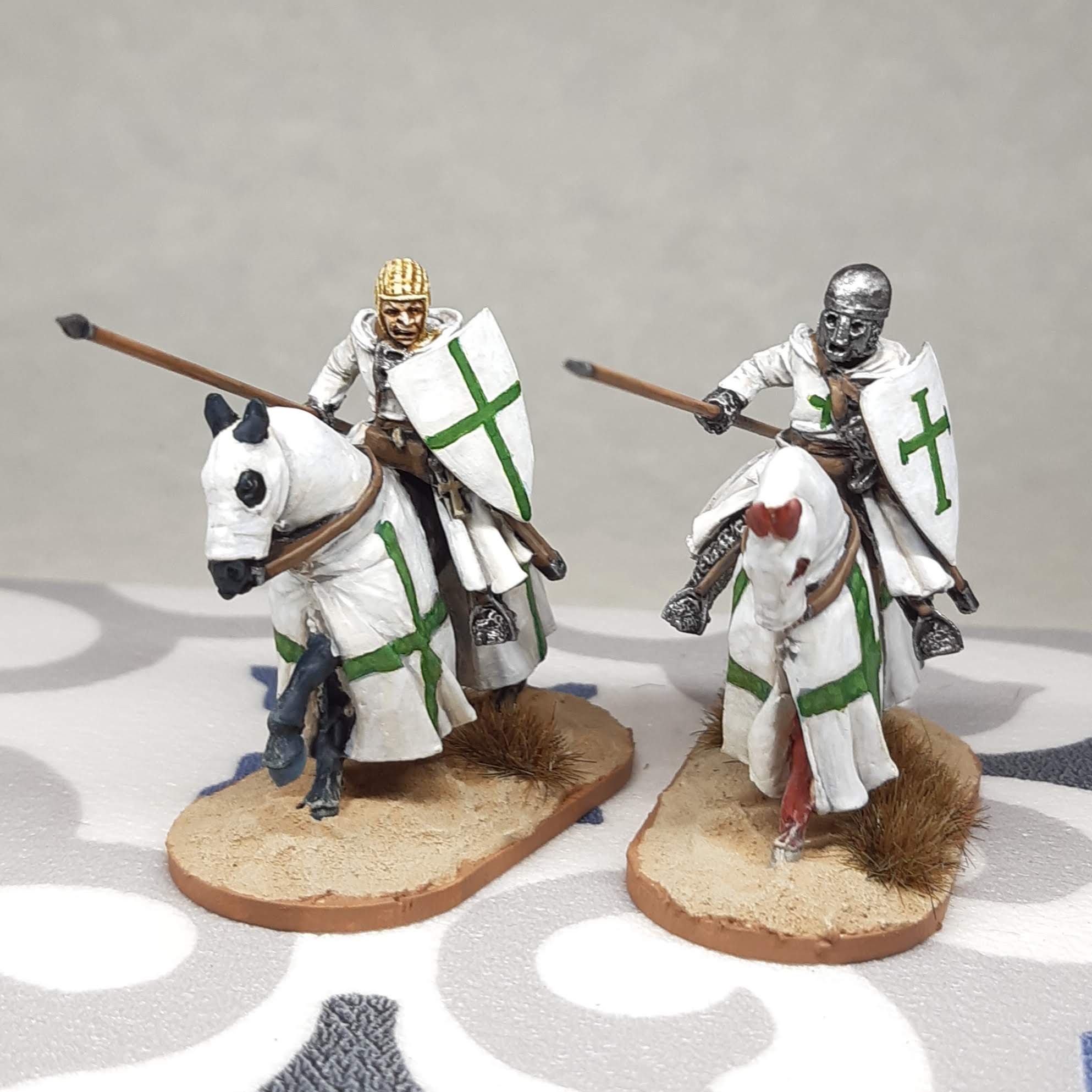
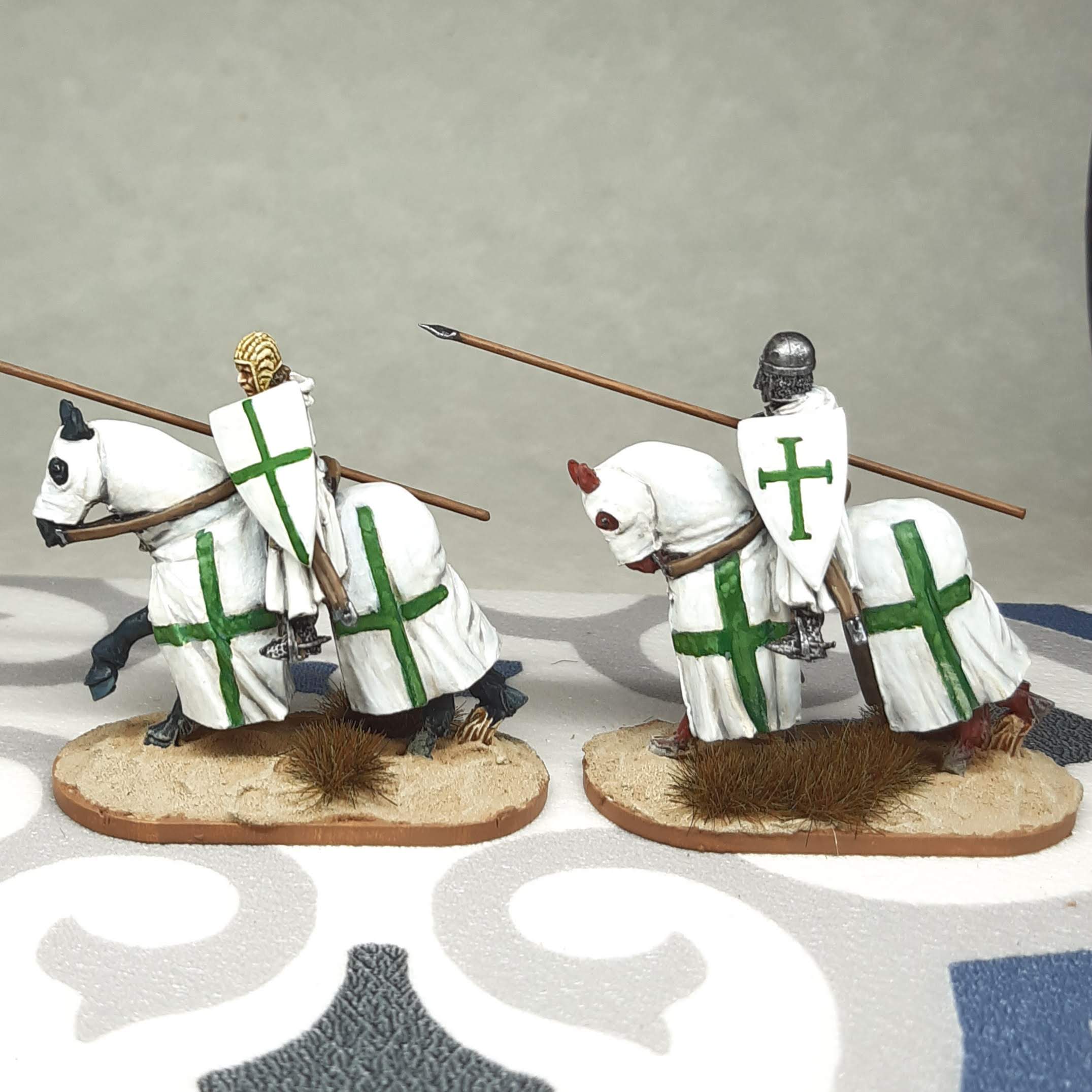
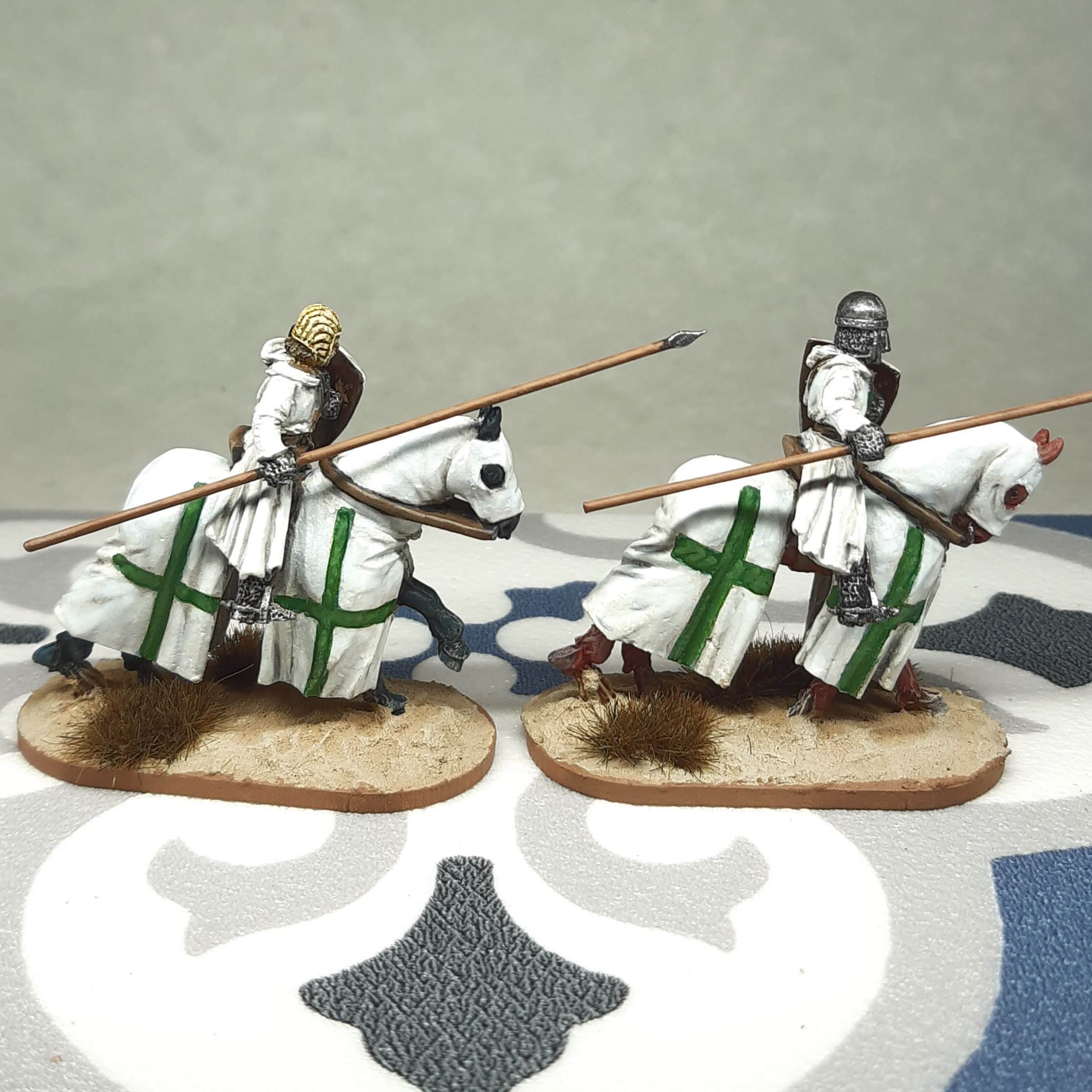
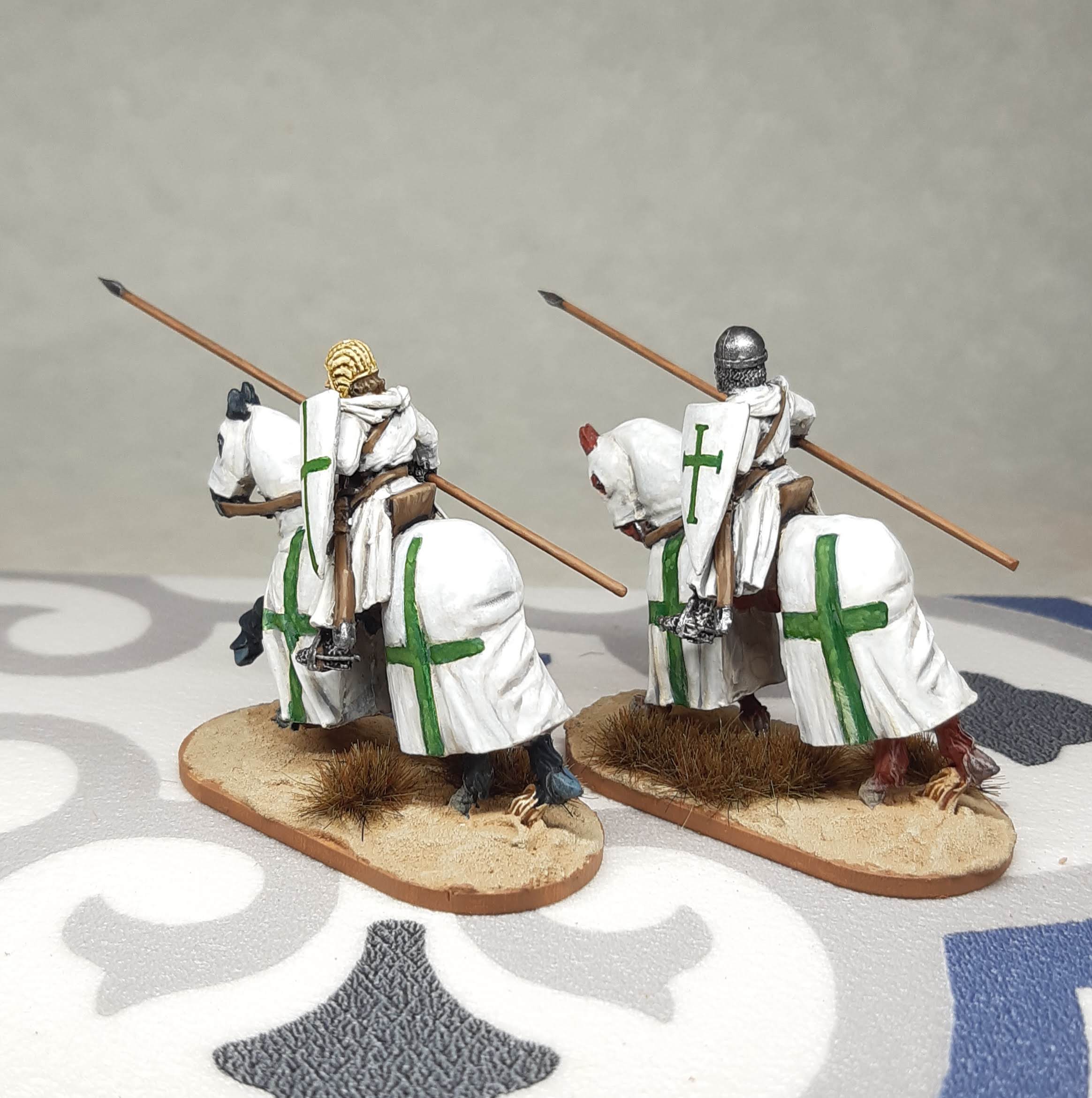
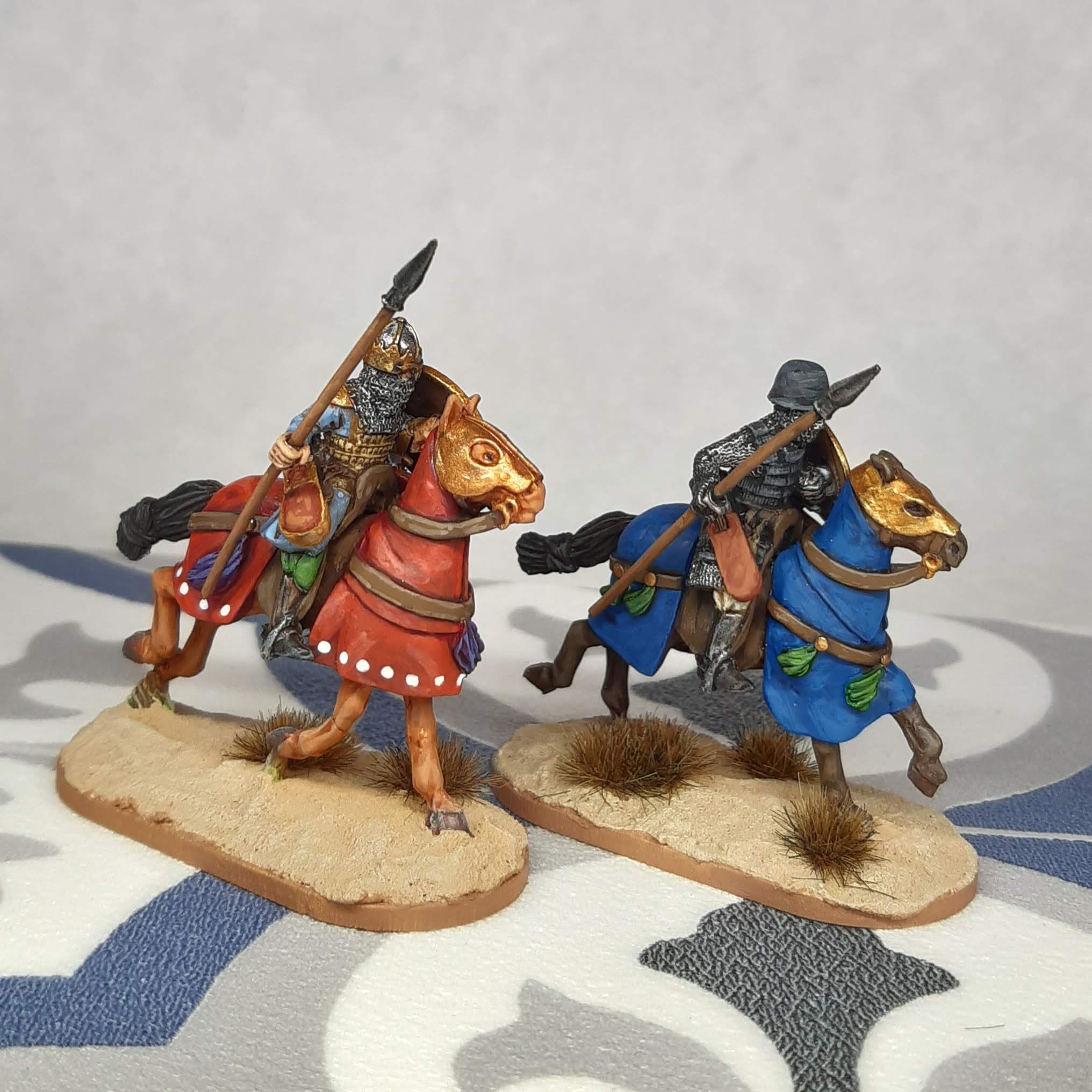
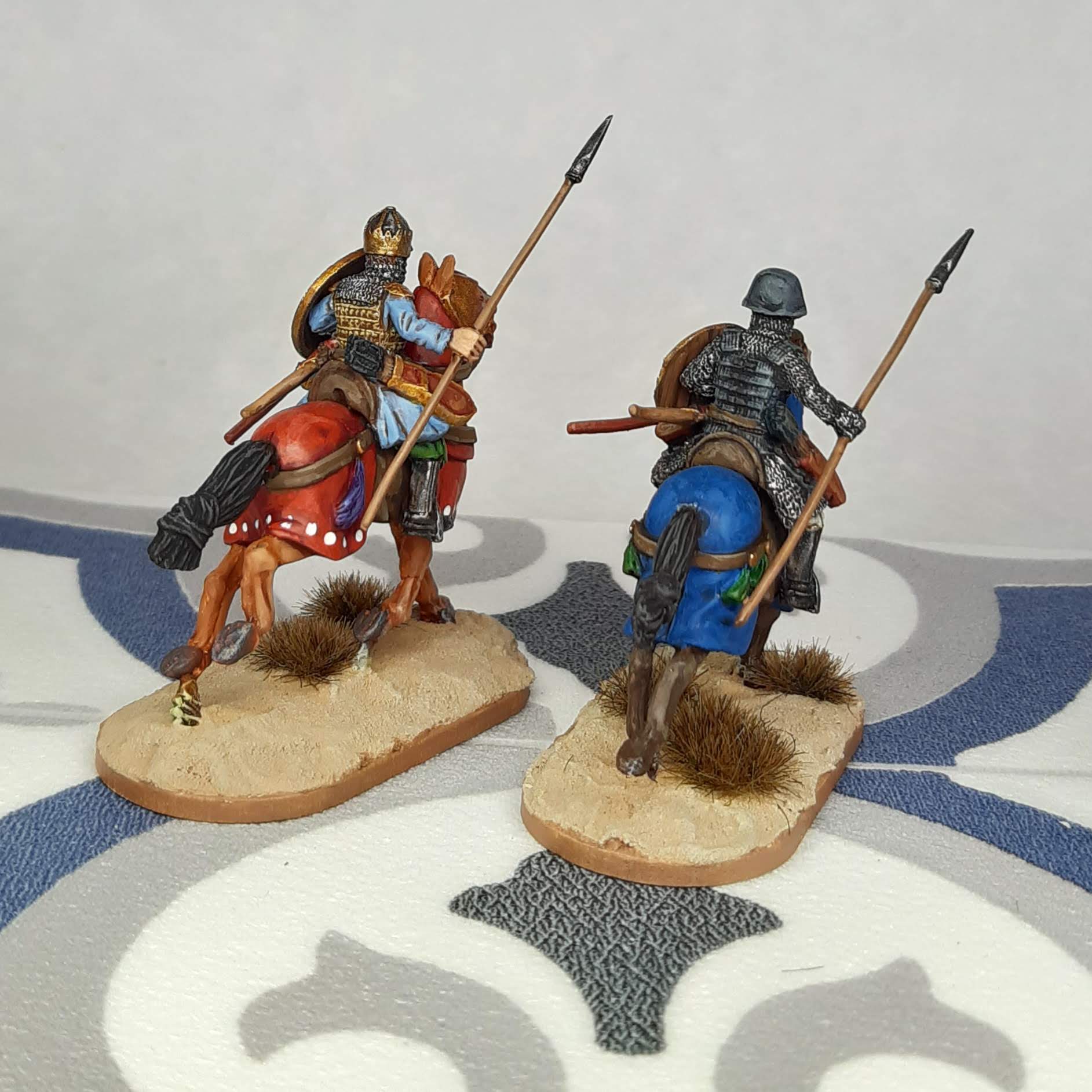
Two knights from the Order of Saint Lazarus of Jerusalem, also known as the Leper Brothers of Jerusalem. The military order was founded in around 1119 at a leper hospital in Jerusalem, named after its patron saint, Lazarus. It was recognised by the King of Jerusalem in 1142 and canonically recognised as a hospitaller and military order of chivalry in 1255.
Painting this pair reinforced my earlier decision to paint the majority of the knights in Hospitaller black rather than as Templars – white continues to be a challenge for me. I’m not unhappy with the end result, but I would have hit a mental barrier if I had another twenty odd models predominantly white in colour.
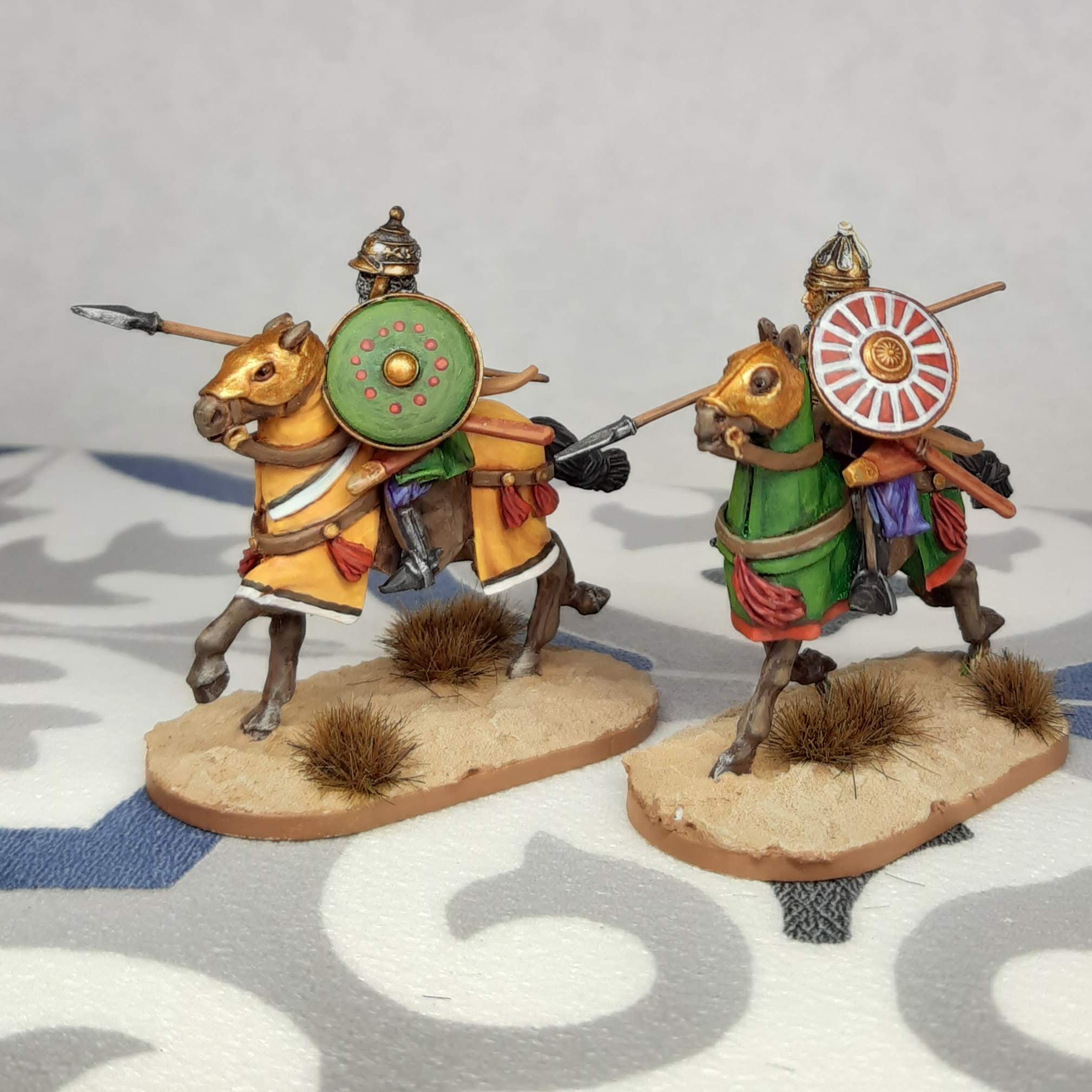
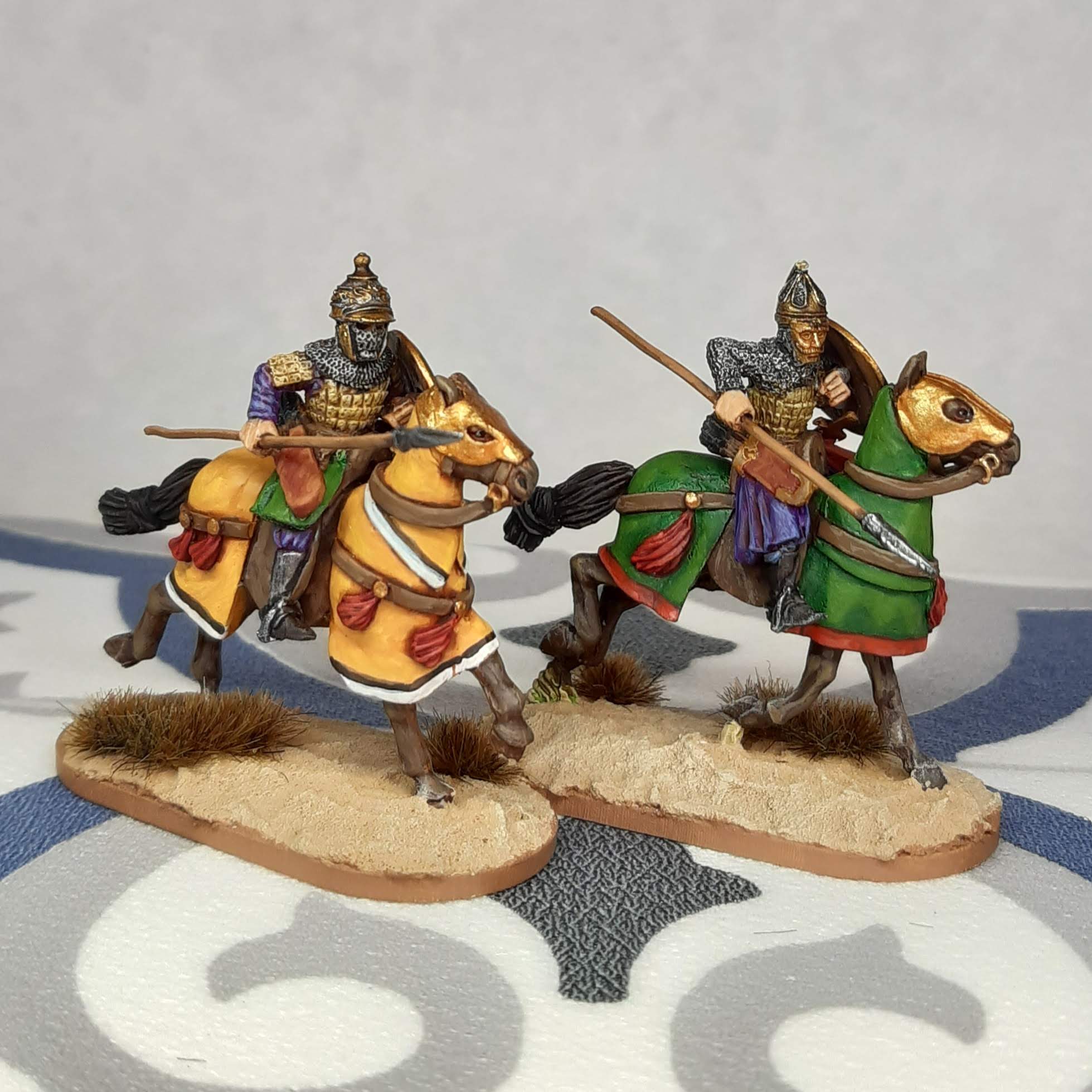
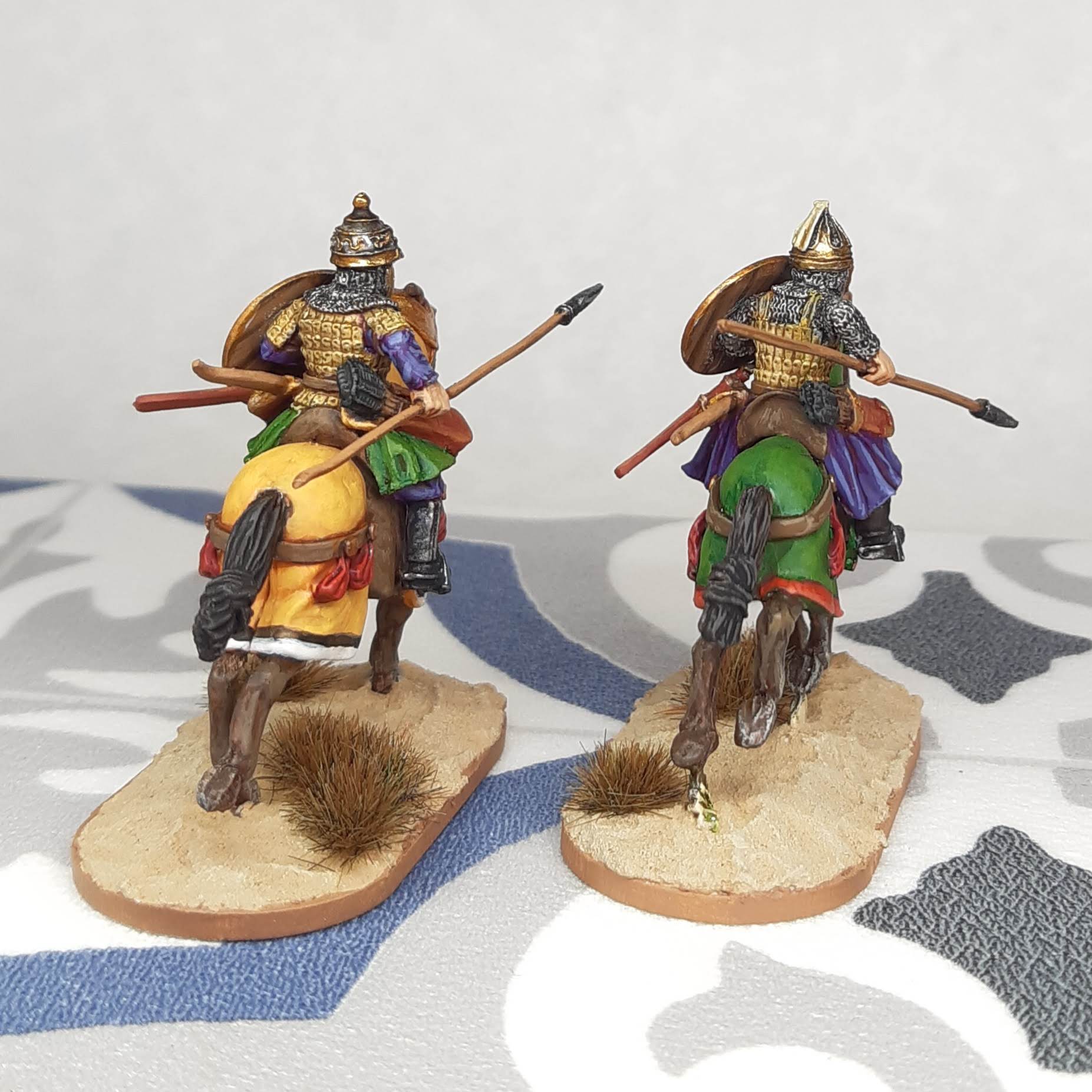
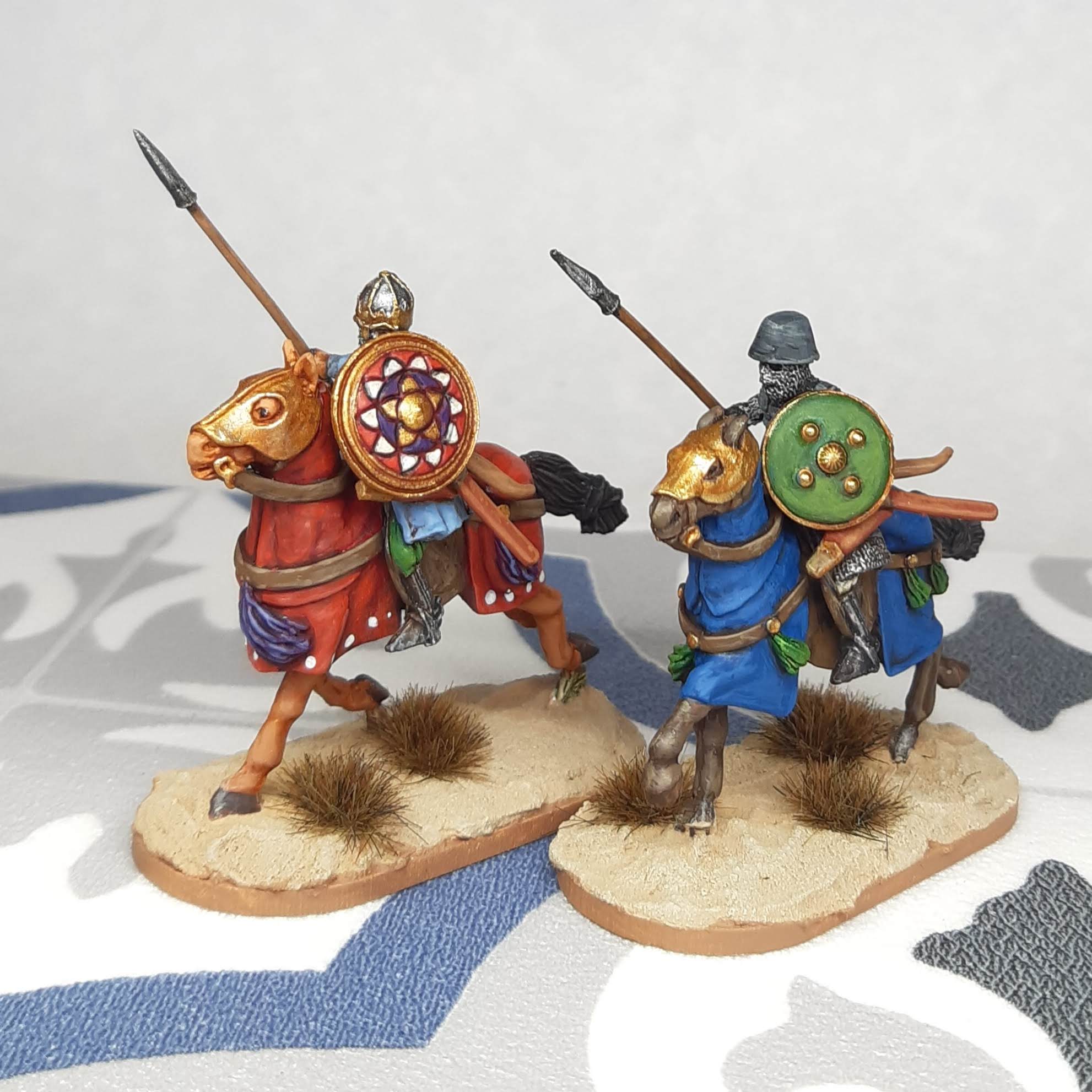
Islamic Infantry
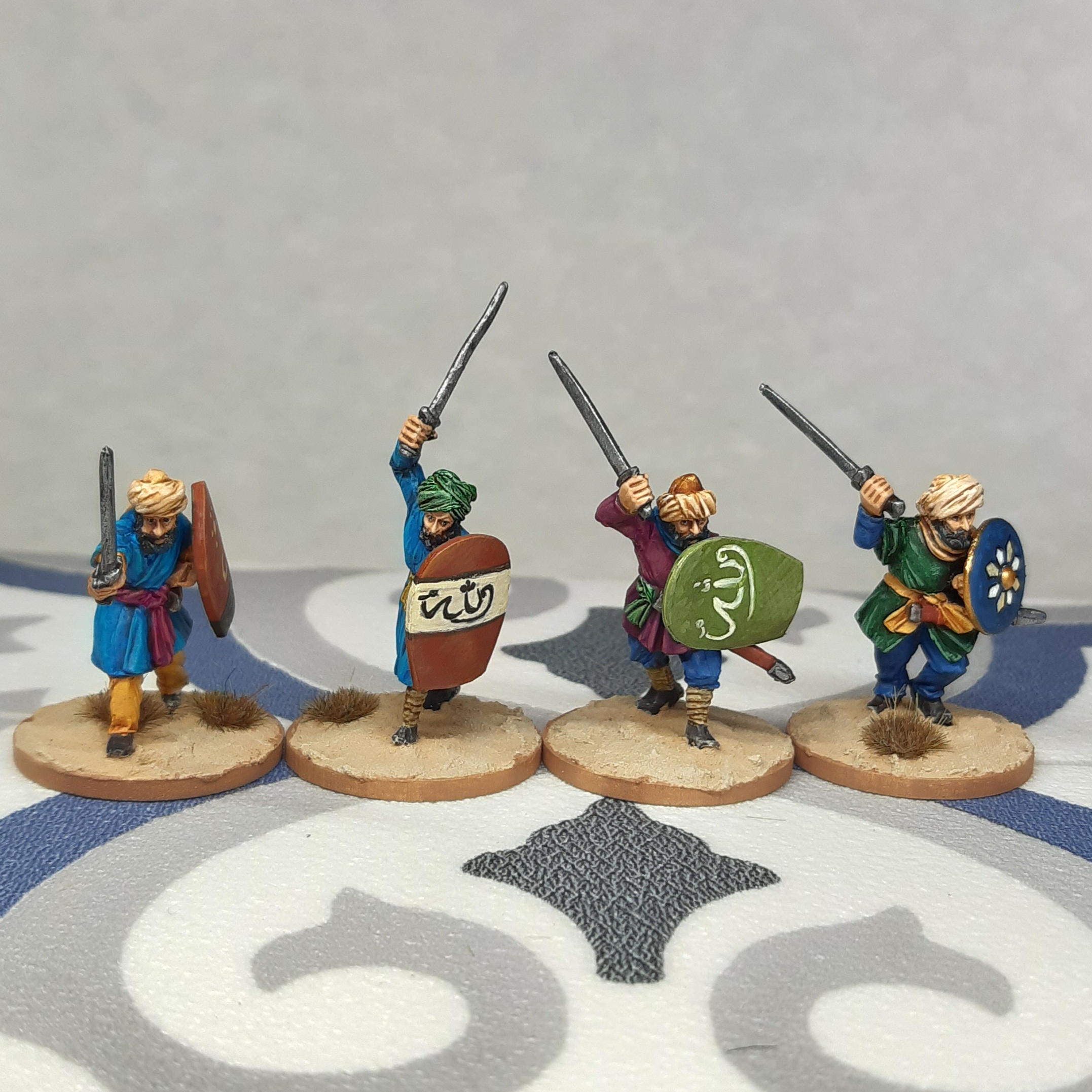
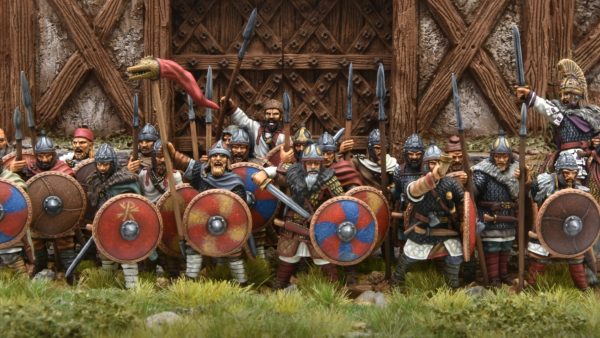
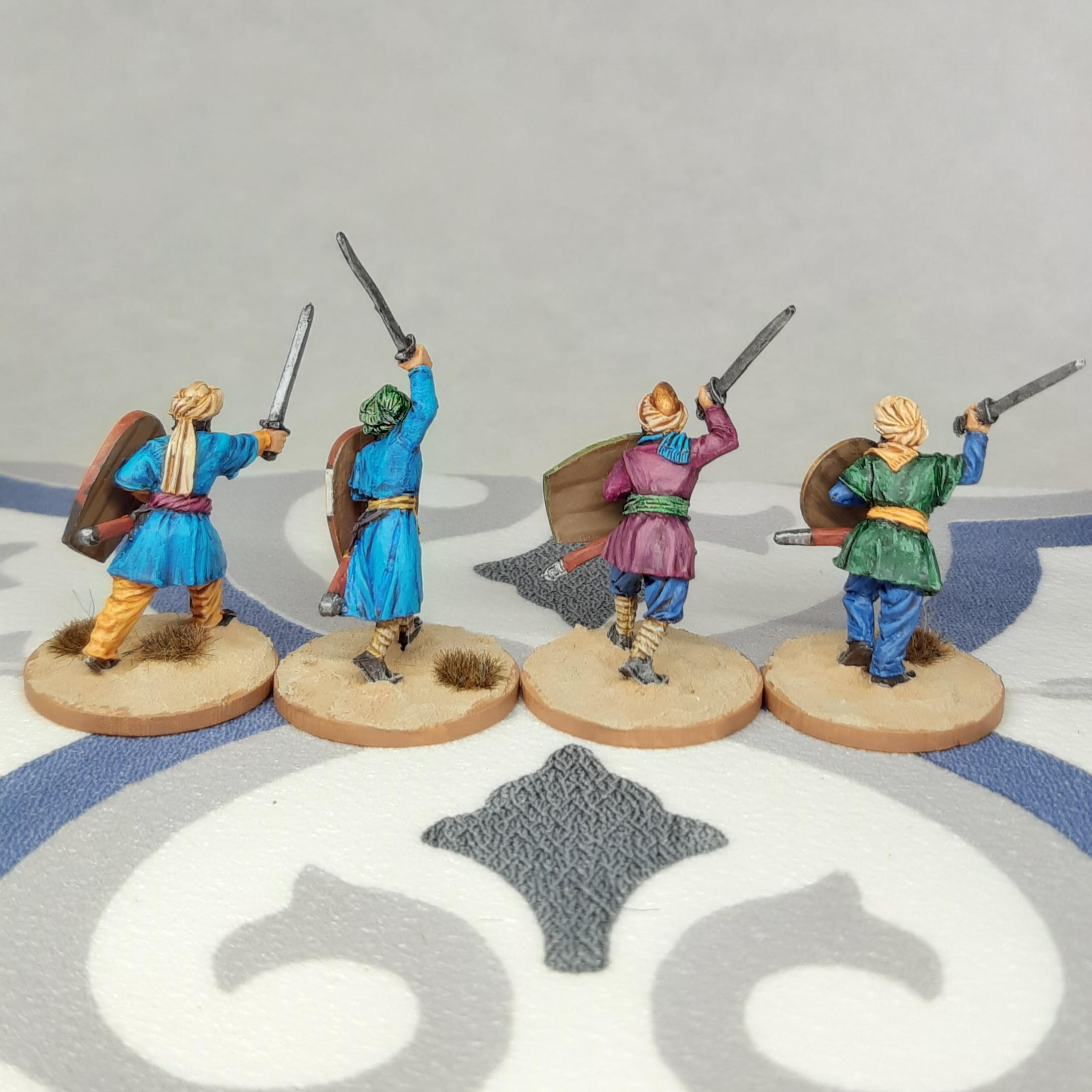
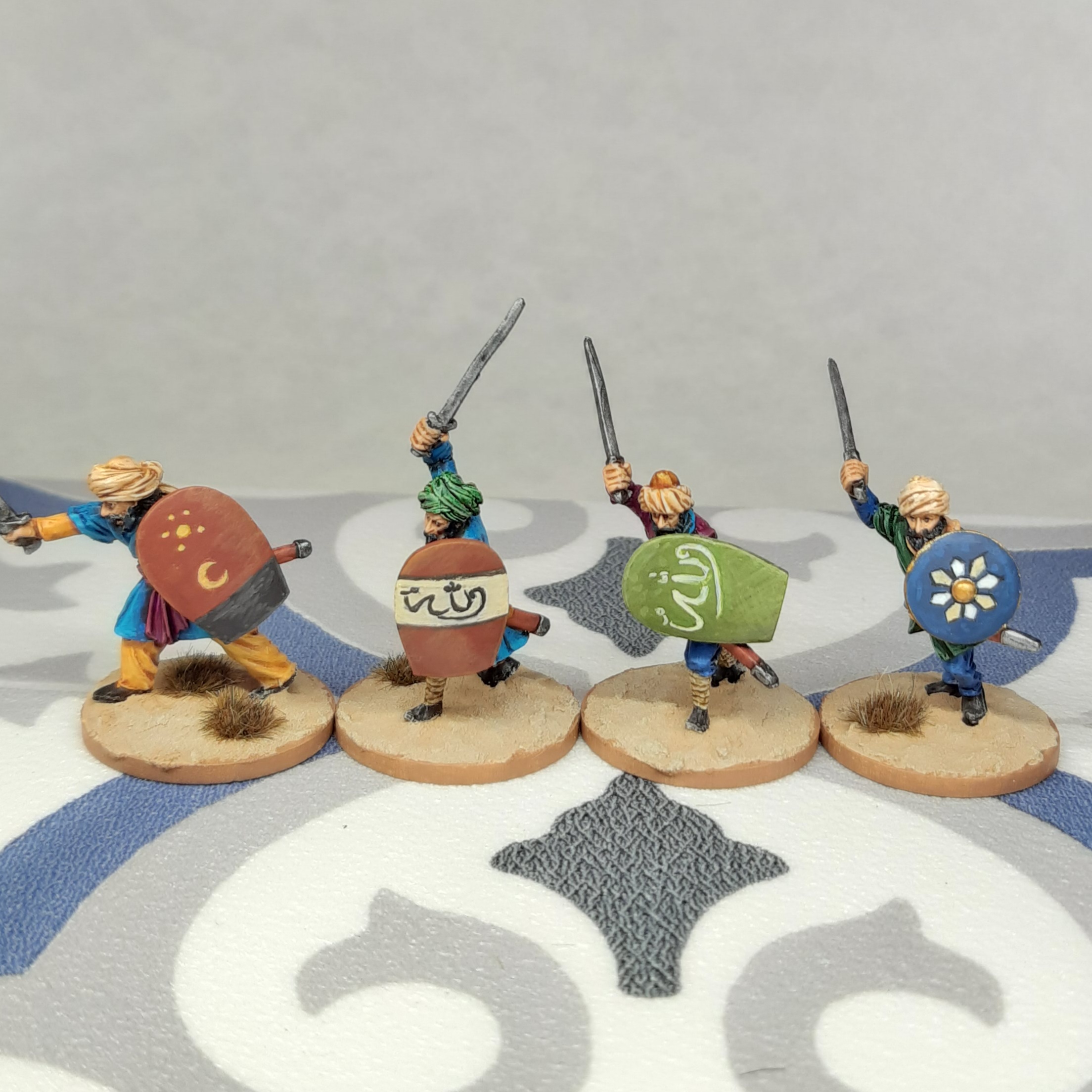
The first few of the Islamic infantry, these four armed with swords as opposed to the spears the majority will have.
Quite happy with how the shields turned out. Future me will likely be cursing when faced with more shields needing freehand to match later down the line, but that’s a problem for another day.
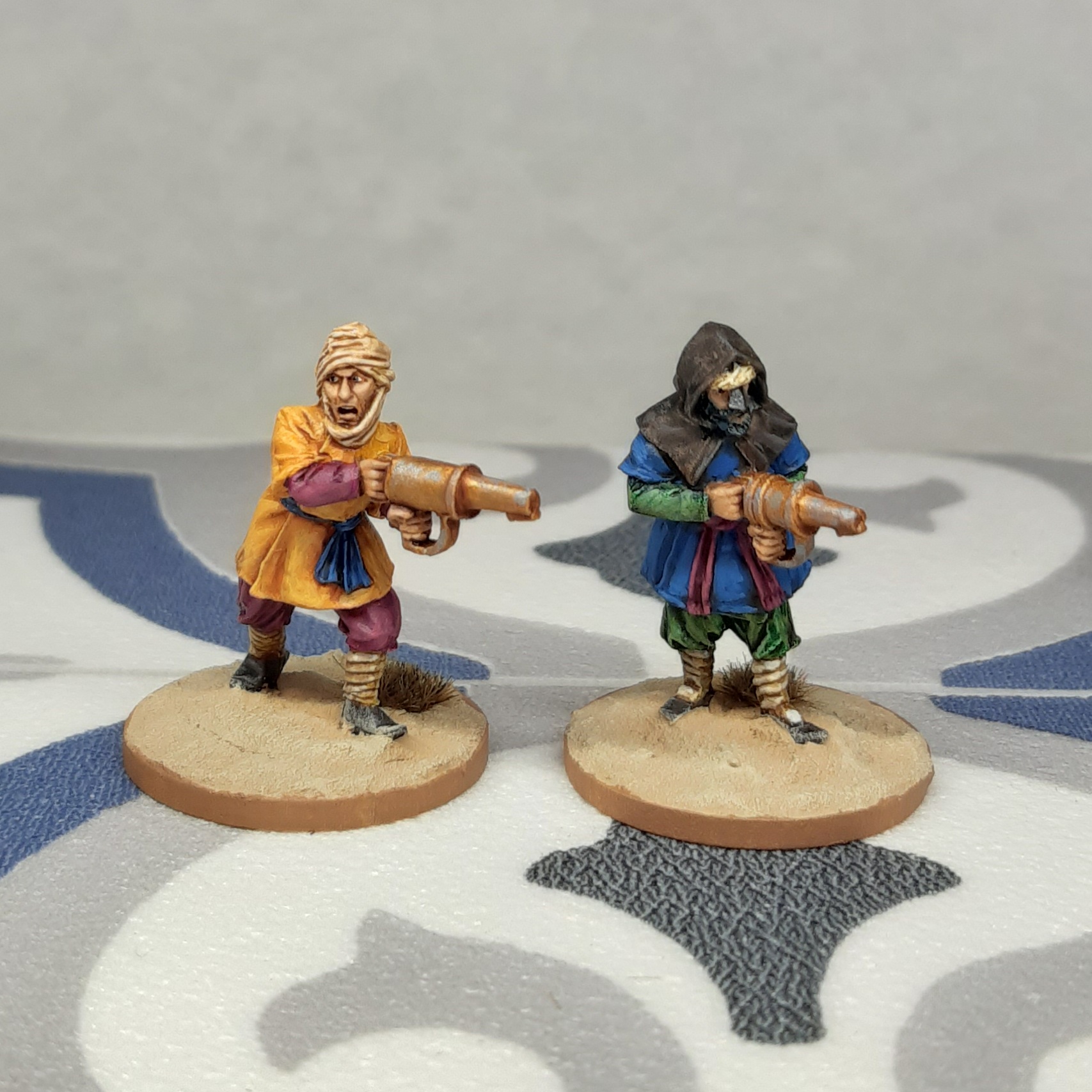
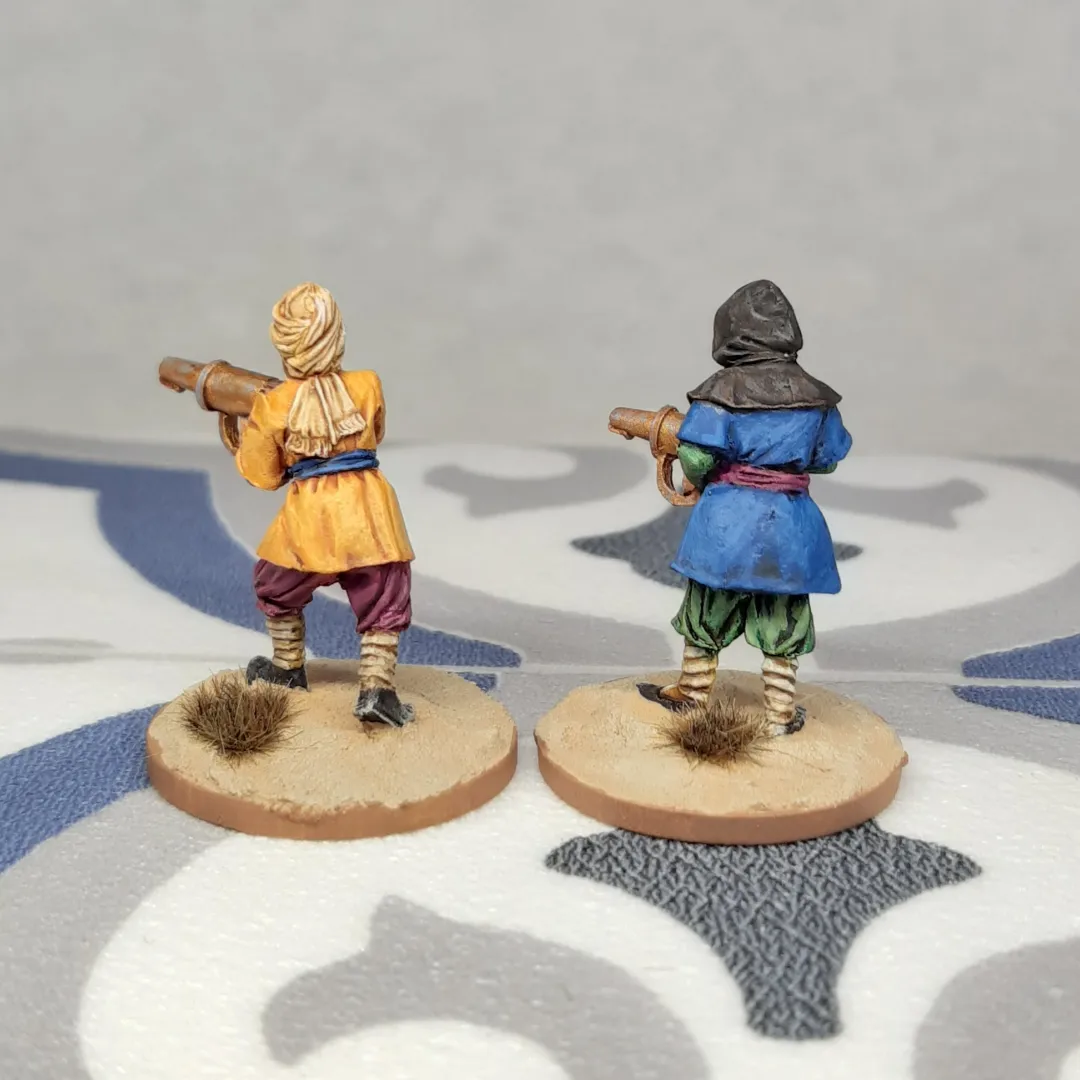
Naffatun
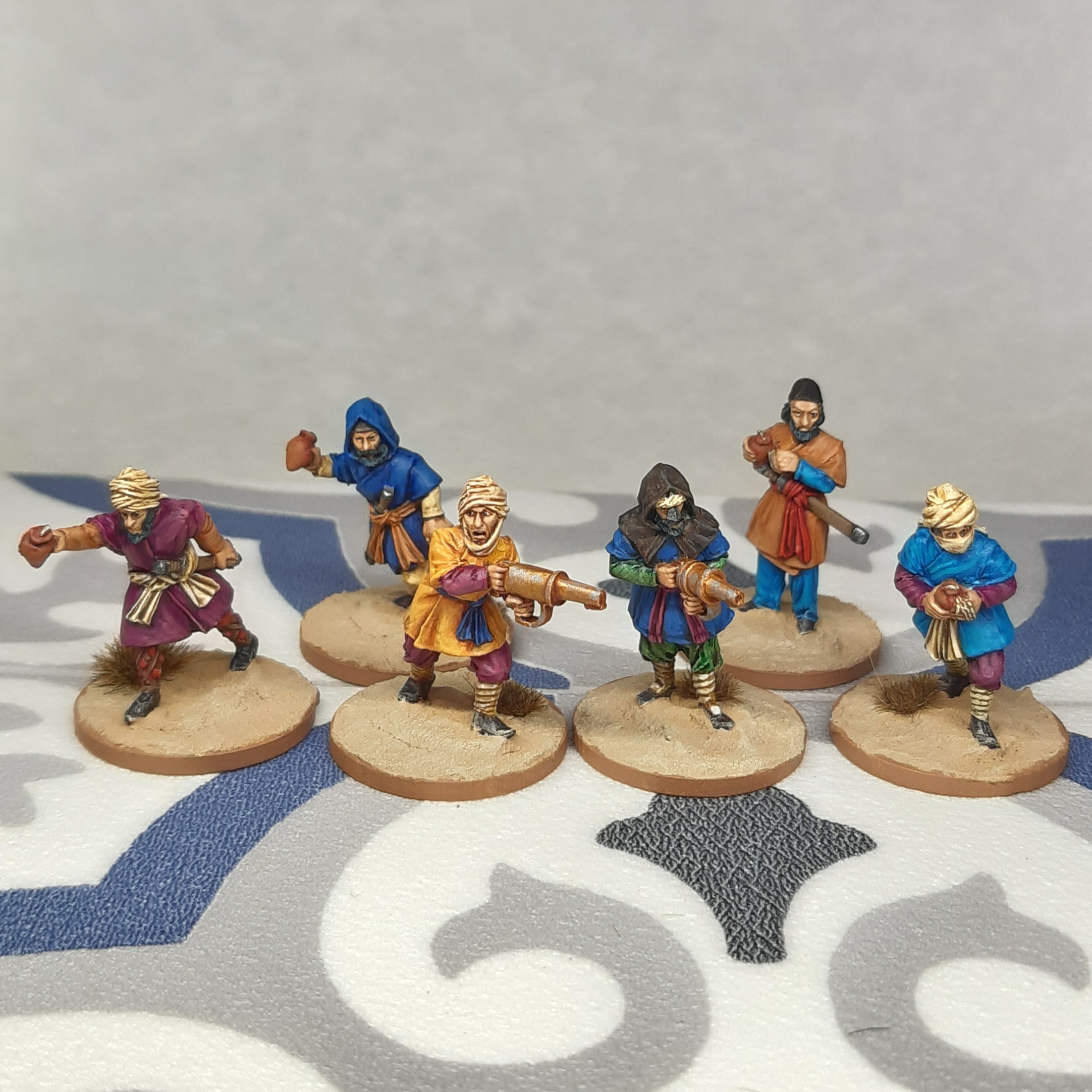
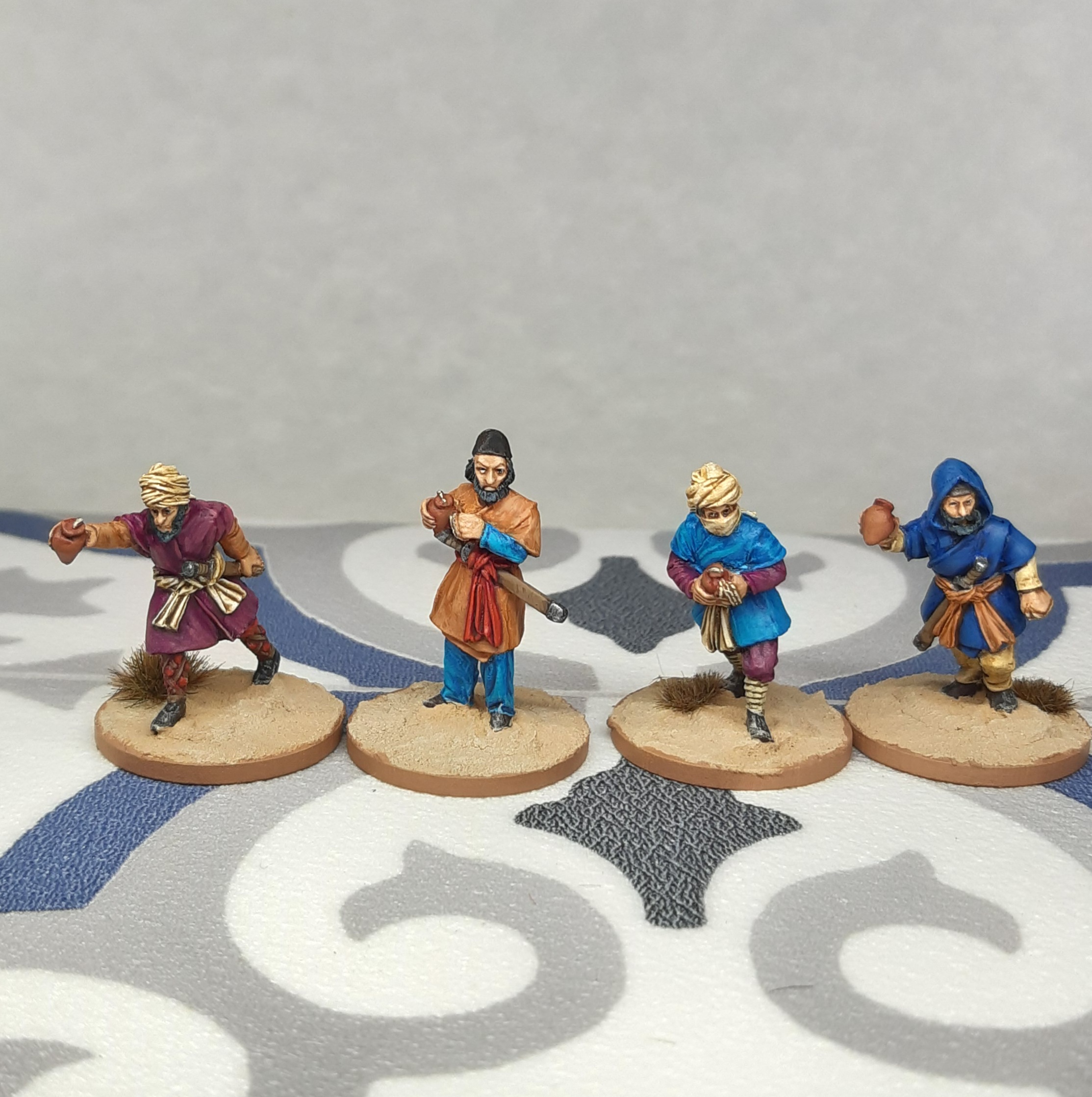
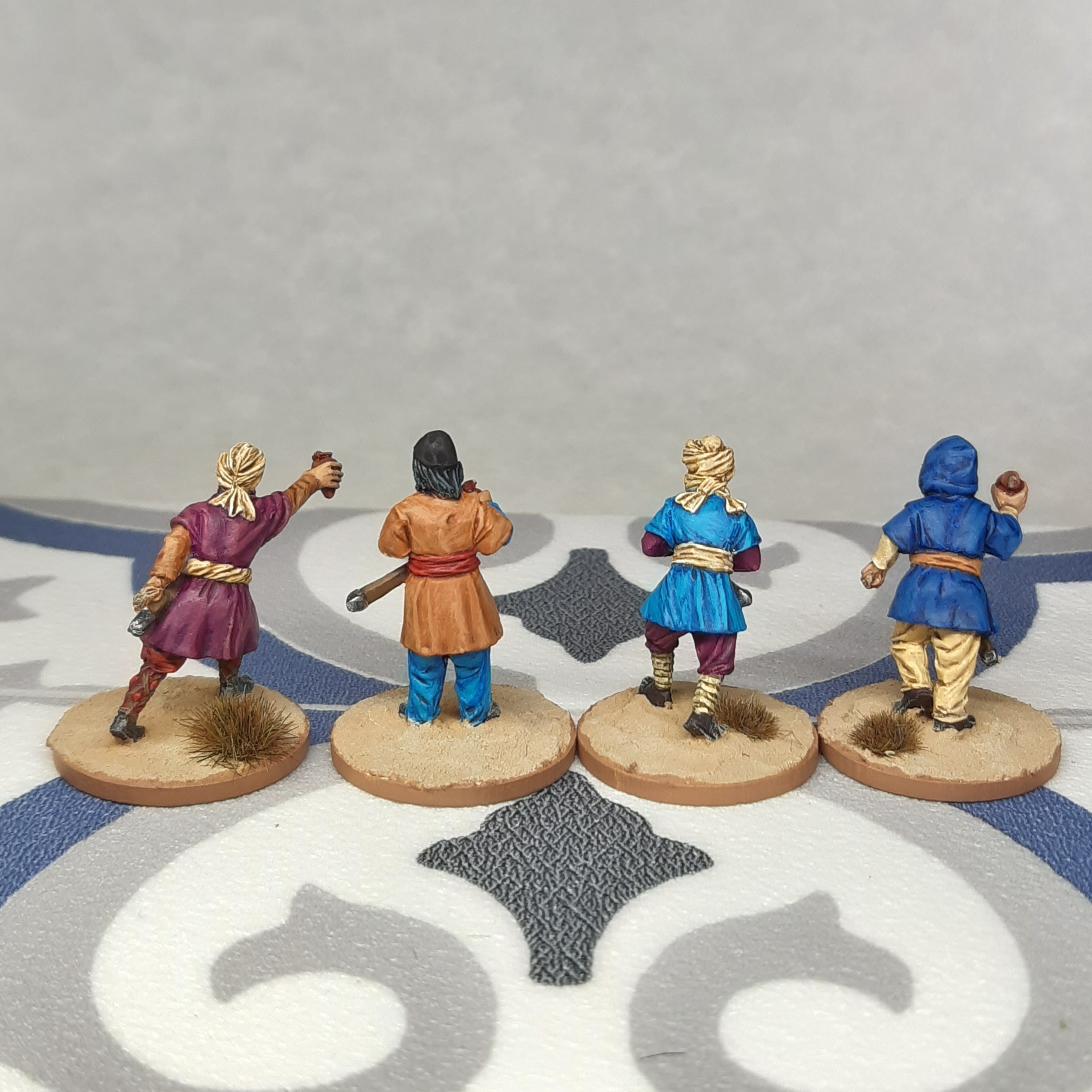
Naft (pitch) was often used by Middle Eastern armies. Examples of the ceramic jars that could be lit and thrown like grenades have been found, and were more common than the rarer and more exotic siphons. Although there are historical records of the siphons used to project burning liquid (Greek fire), including depictions in illuminated manuscripts, none have survived.
Assassins
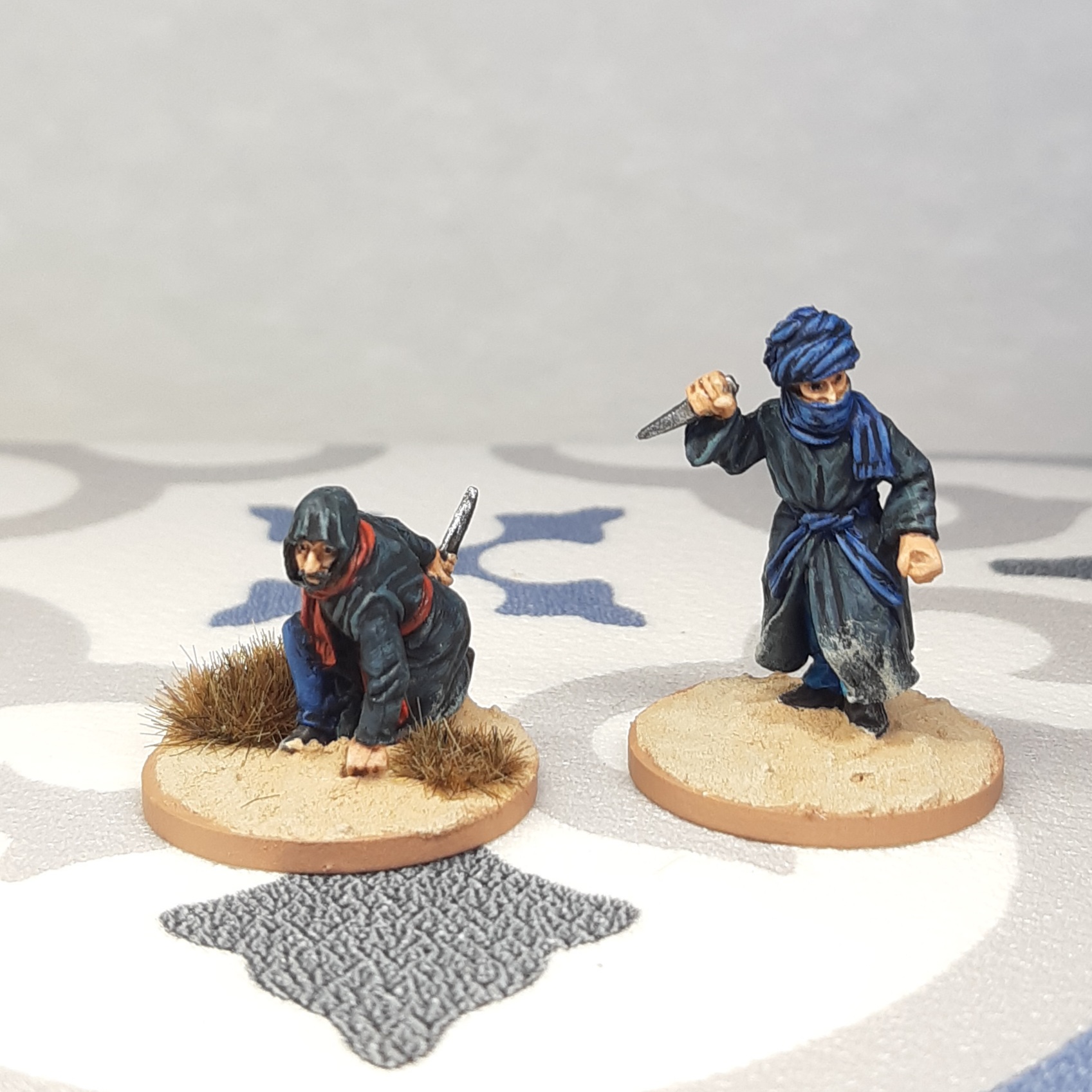
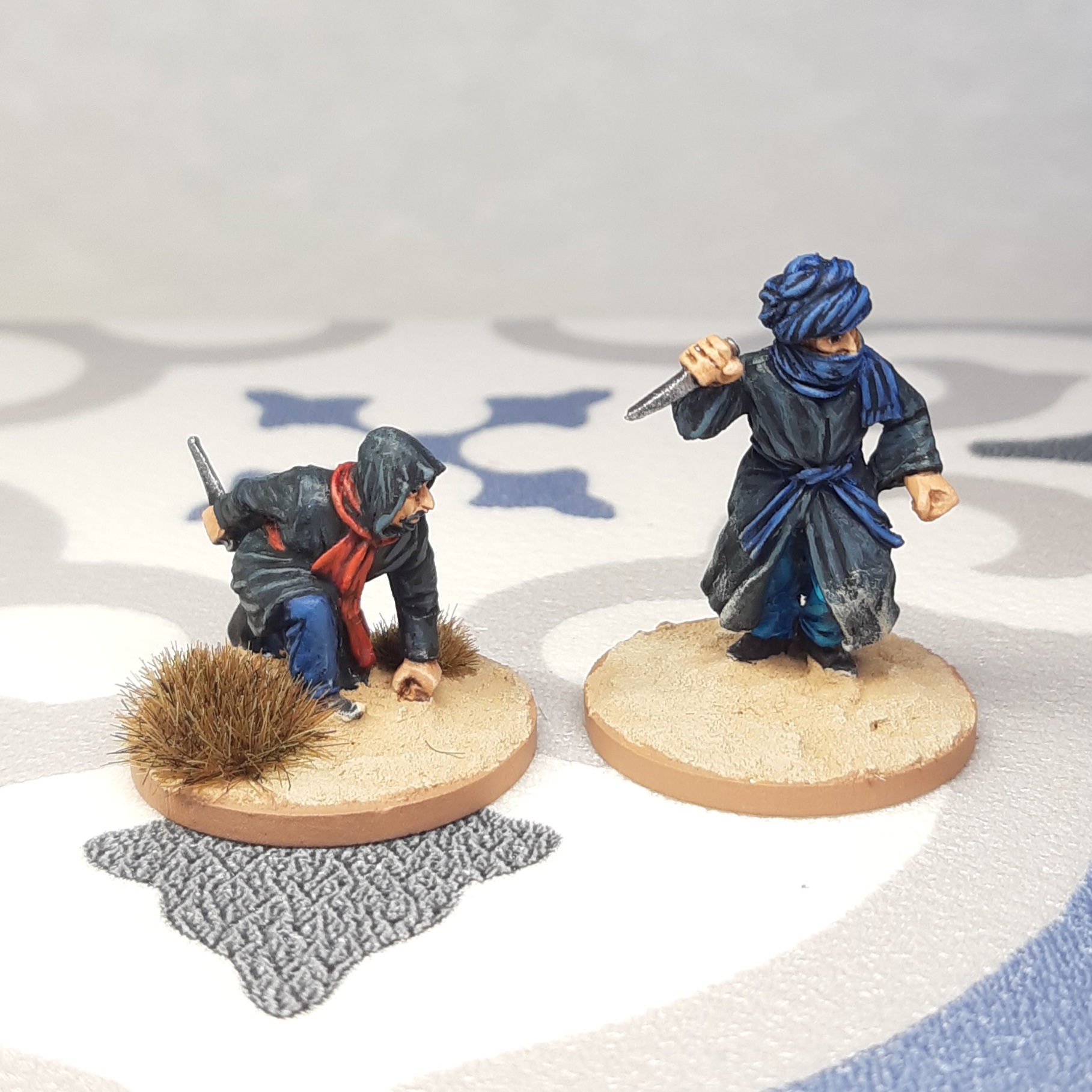
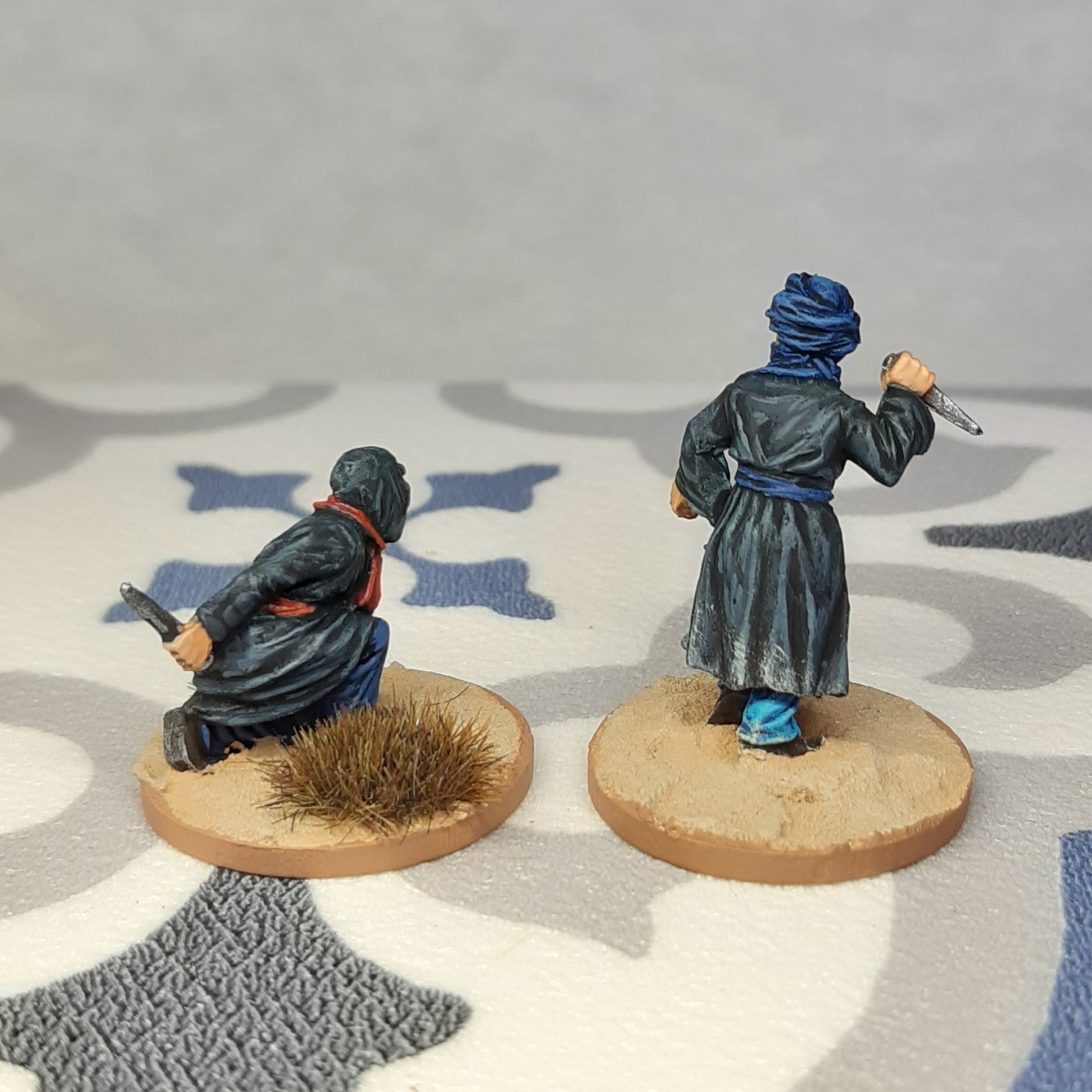
A pair of sneaky individuals belonging to sect of Nizari Ismailis Shia Muslims led by the mythical Old Man of the Mountain. Orginating from Iran, the Assassins held a chain of forts in the Syrain Coastal Mountain range, forming an enclave between the Crusader States of Antioch and Tripoli on one side, and their Sunni Muslim neighbours on the other.
Famed for their use of political assassination, they also engaged in regular warfare, striking alliances with both Christians and Muslims.
Turcopoles
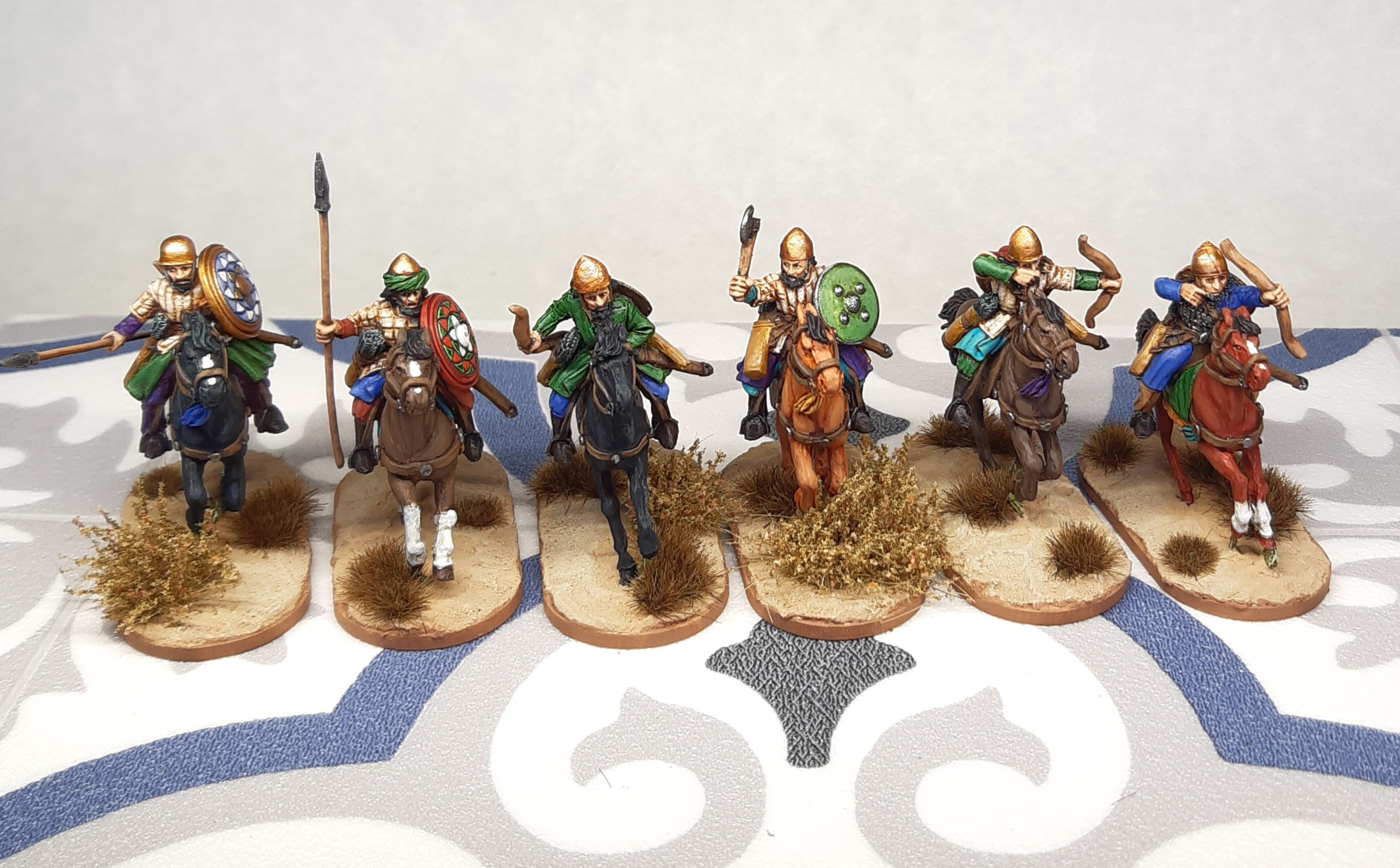
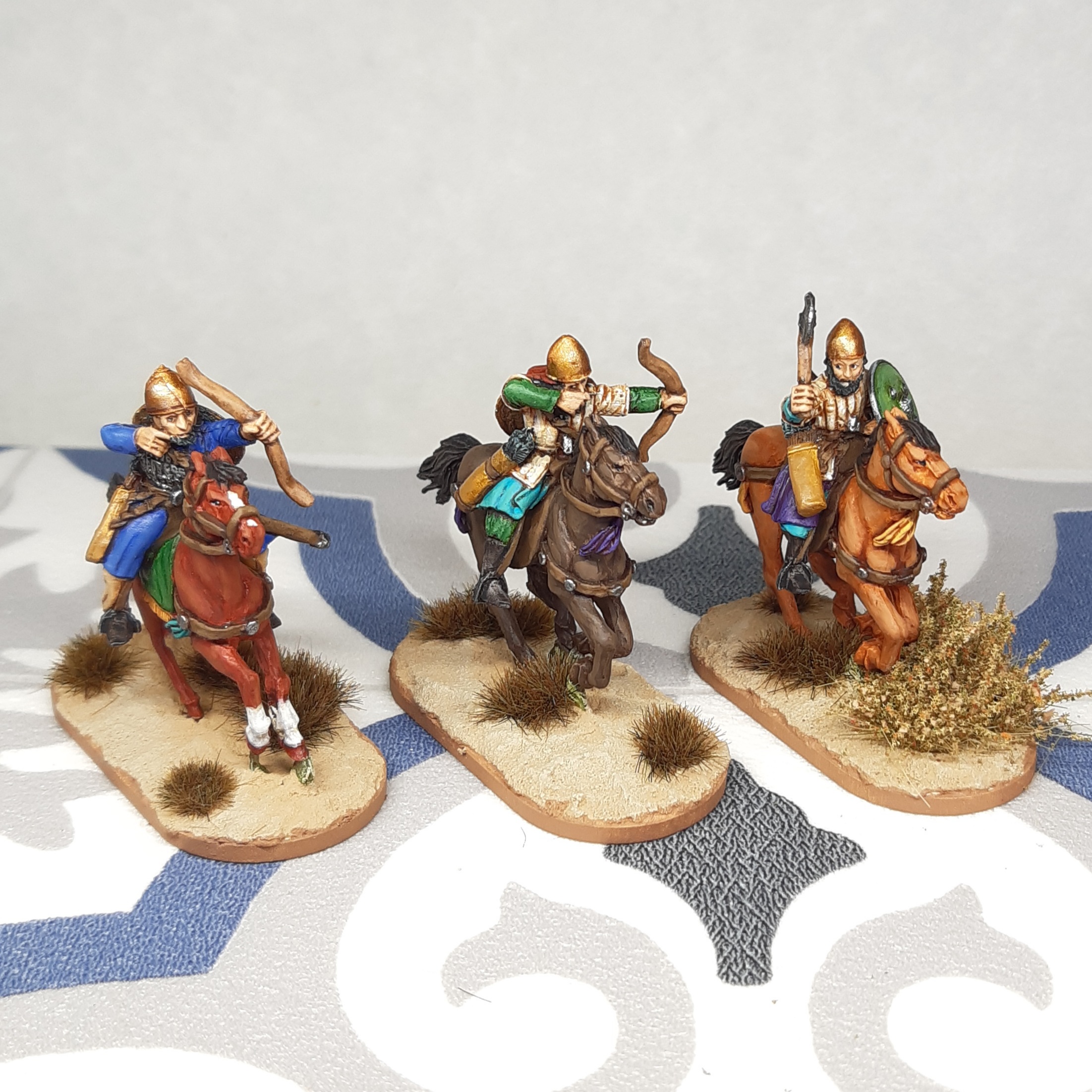
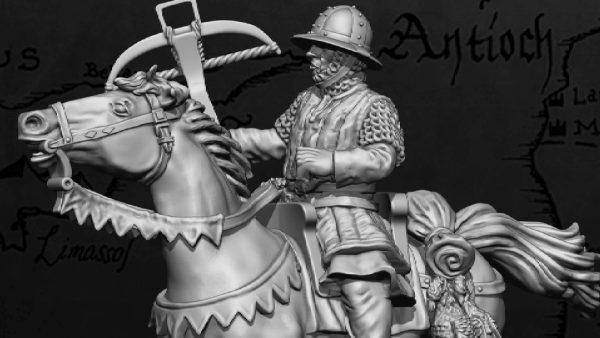
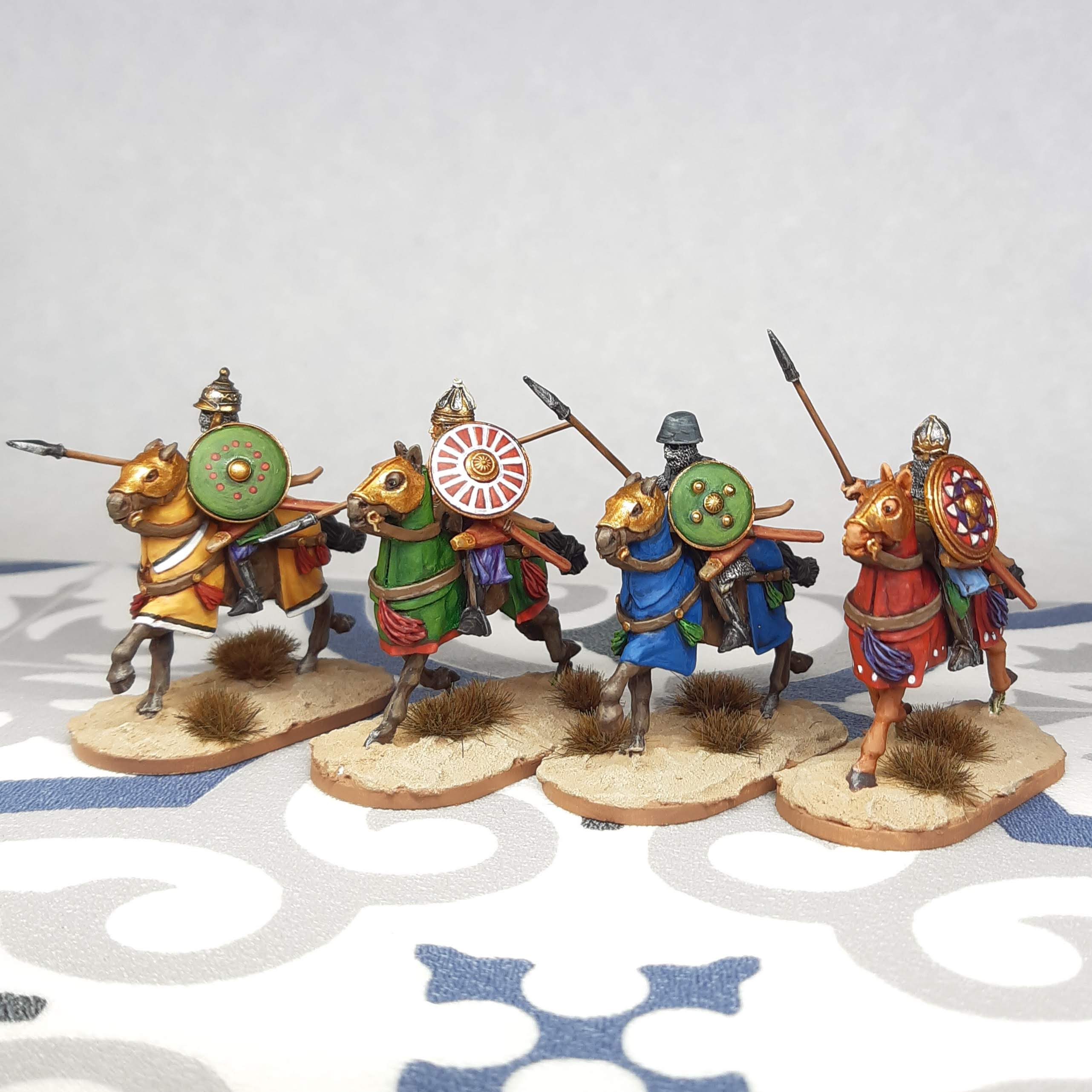
The Frankish Crusaders came from a culture that no tradition of mounted archers, primarily due to the broken and wooded terrain that characterised Western Europe. This is in stark contrast to the open landscape found in Outremer, and the Crusaders were presented with a formidable enemy in the harassing horse archers and light cavalry that they struggled to counter.
The Franks realised their need for light cavalry to screen their heavy knights and to conduct reconnaissance and scouting, and quickly remedied this, with reference to Frankish light cavalry in primary sources already by 1109.
Frankish mounted archers are misleadingly but consistently referred to as “Turcopoles” in the primary sources of the period. Despite the name, which was borrowed from the Byzantines, the term “Turcopole” in the context of the crusader states refers not to an ethnic group but simply to “mounted archers” — of diverse ethnic character.
Based on numbers at 16 different engagements and other references, research has concluded that the Turcopoles made up on average 50% of the mounted force fielded by the Franks. Furthermore, both the Templars and Hospitallers had Turcopoles integrated into their organizations and their Rule carefully accounts for them.
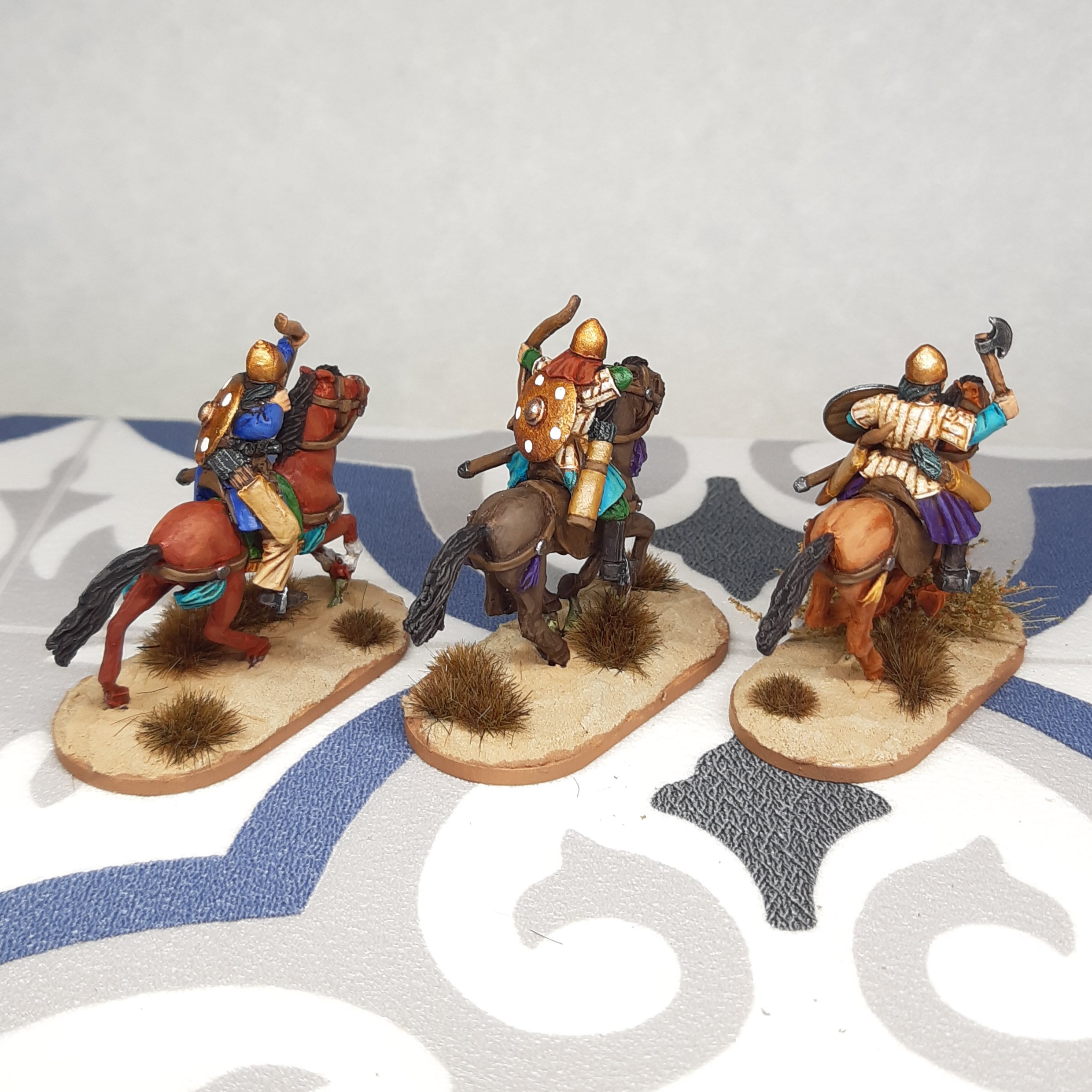
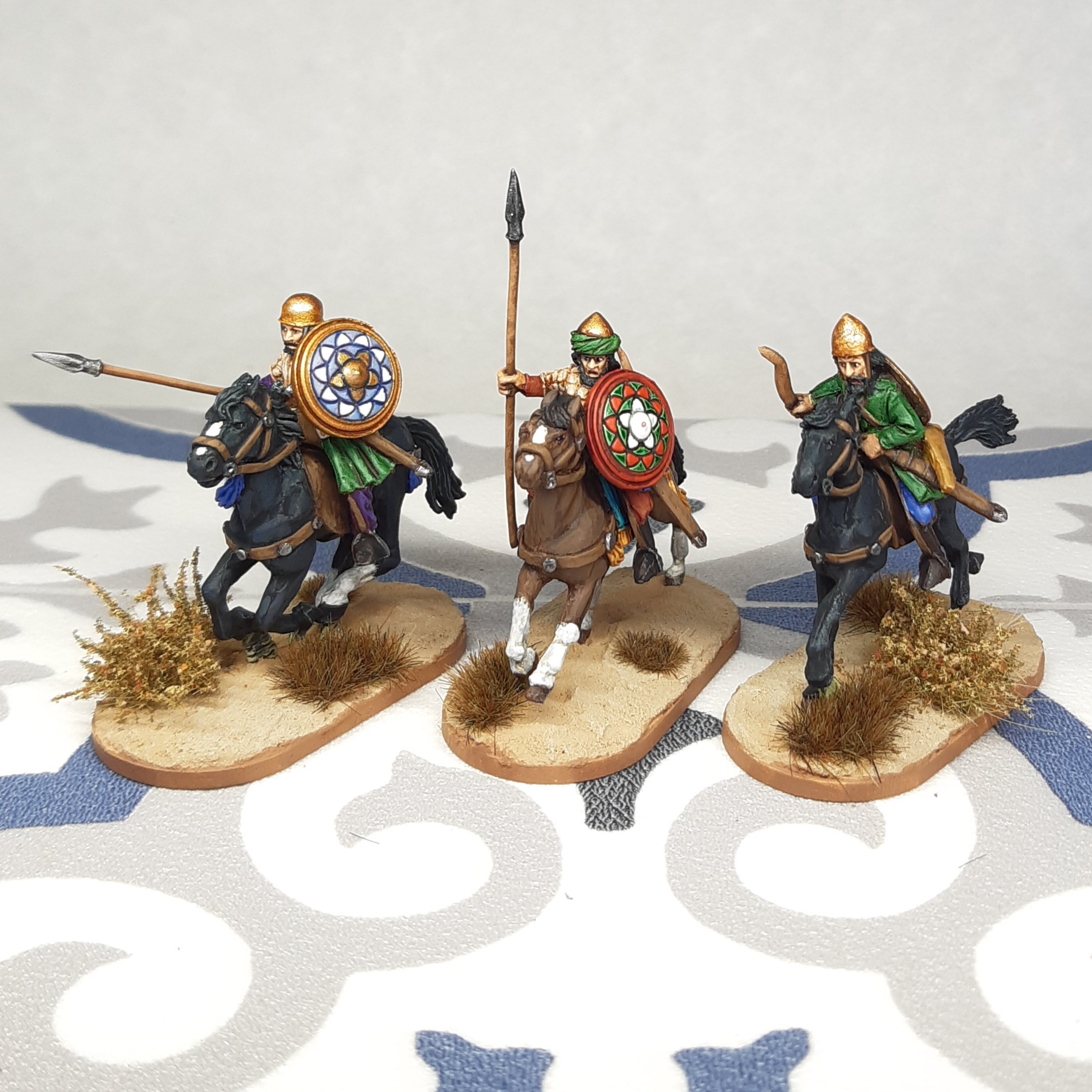
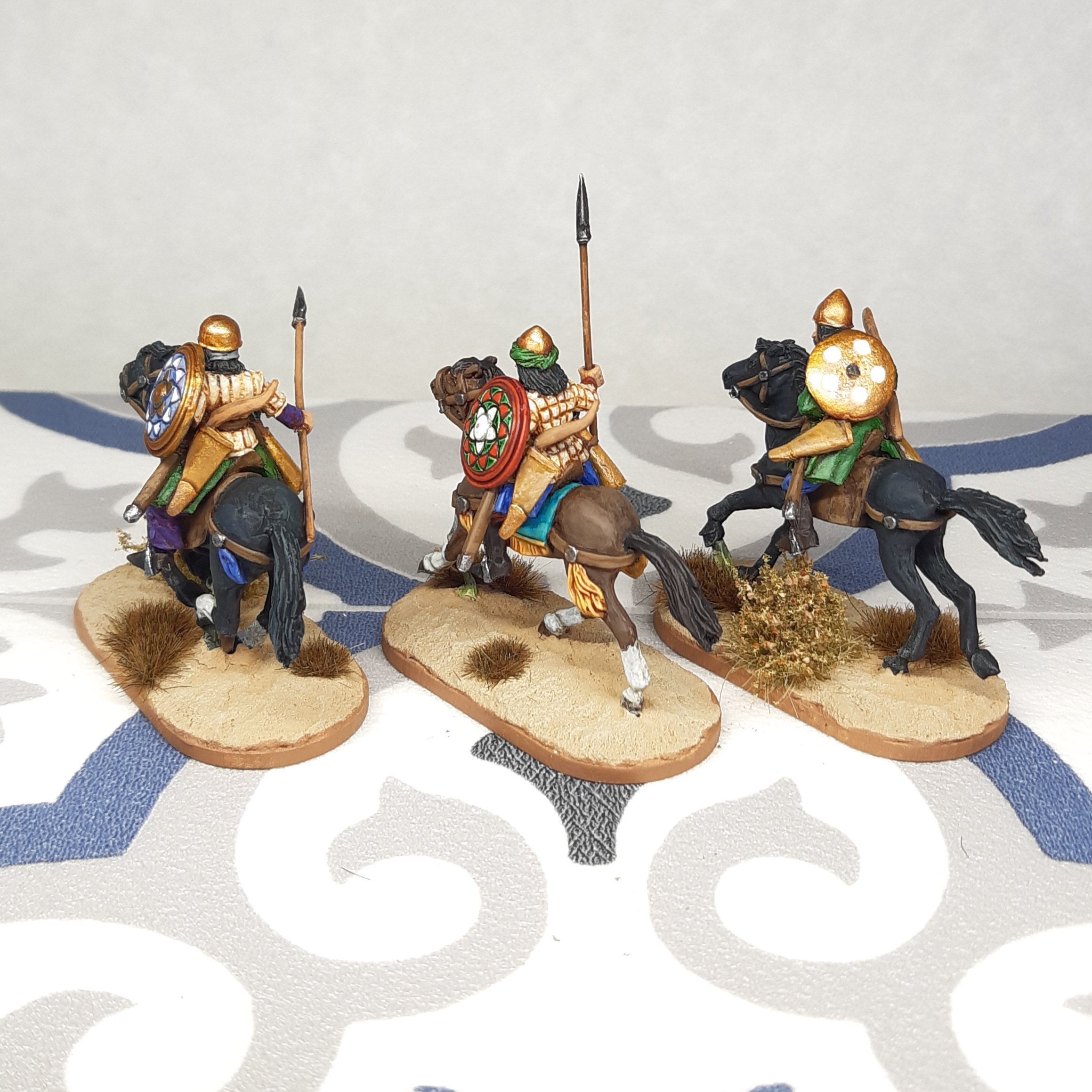
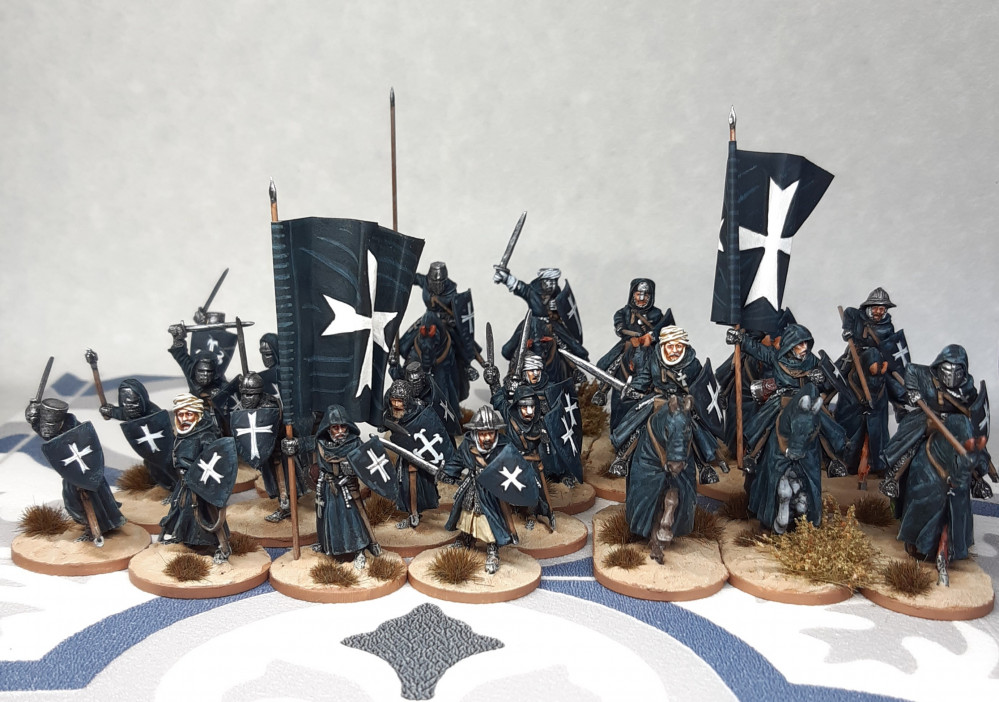
These six are representative of these light cavalry, used to compliment the heavy cavalry of the Hospitallers.
With these six finished, I’m also exactly halfway through painting up the Outremer Kickstarter models.