









![1918 Spring Offensive Wargame | Full Rules Overview with John & Gerry (WW1 Tabletop Game) [7 Days Early Access]](https://images.beastsofwar.com/2026/03/unboxing-warfulcrum-games-1918-spring-offensive-review-coverimage1-225-127.jpeg)


Siege of Acre 1191 – TerrainFest 2023



Recommendations: 316
About the Project
Building a 15mm Siege of Acre Gaming Table for Crusades Gaming
Related Game: SAGA
Related Genre: Historical
Related Contest: TerrainFest 2023
This Project is Completed
It all started with some maps...
The siege of Acre (infact Acre as a stronhold itself) has fascinated me for a few years now. And TerrainFest has given me the opportunity to have a go at modeling a representation of this increadible battlefield in 15mm
So I started by studying a few maps and diagrams of the city…
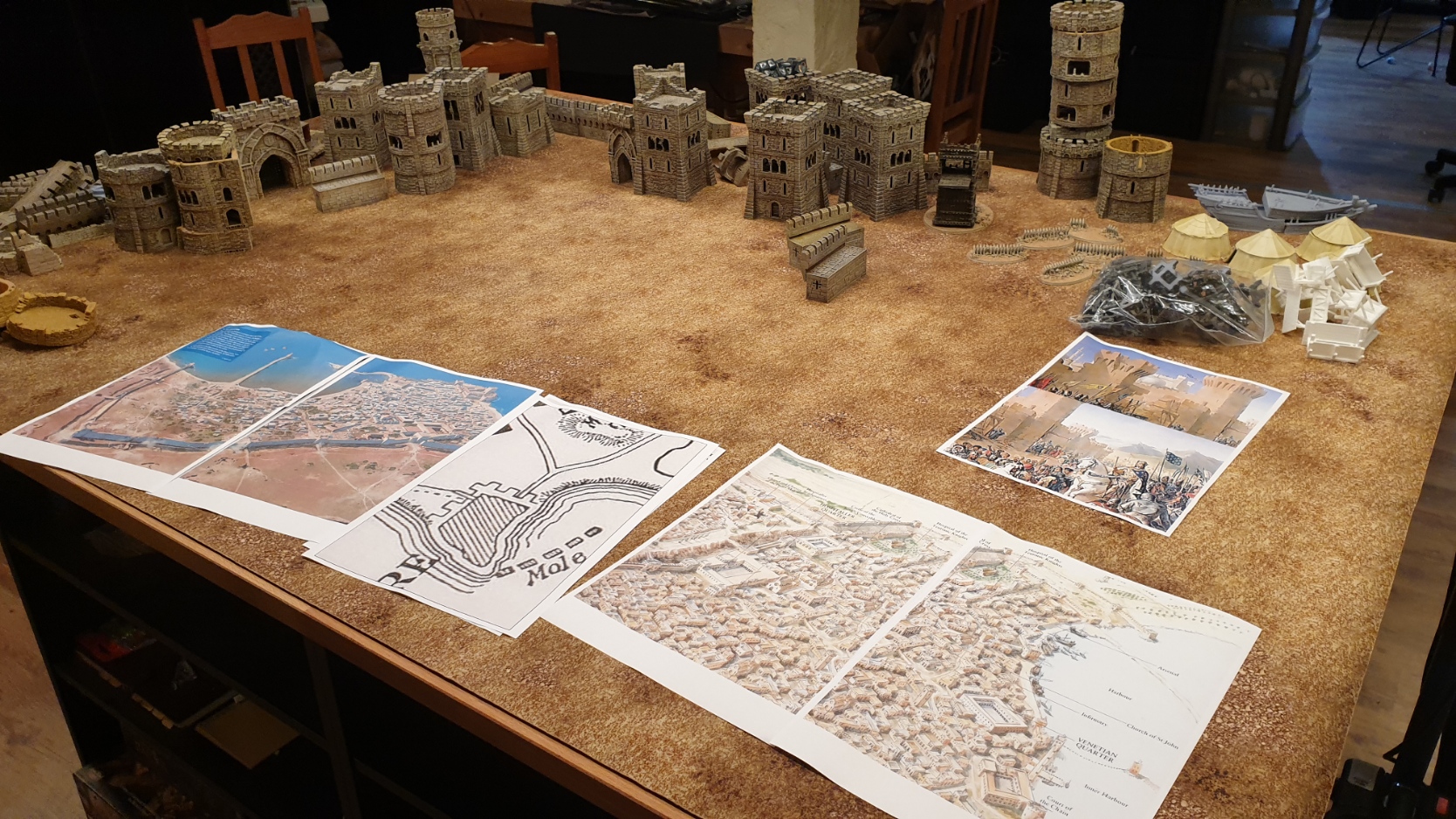
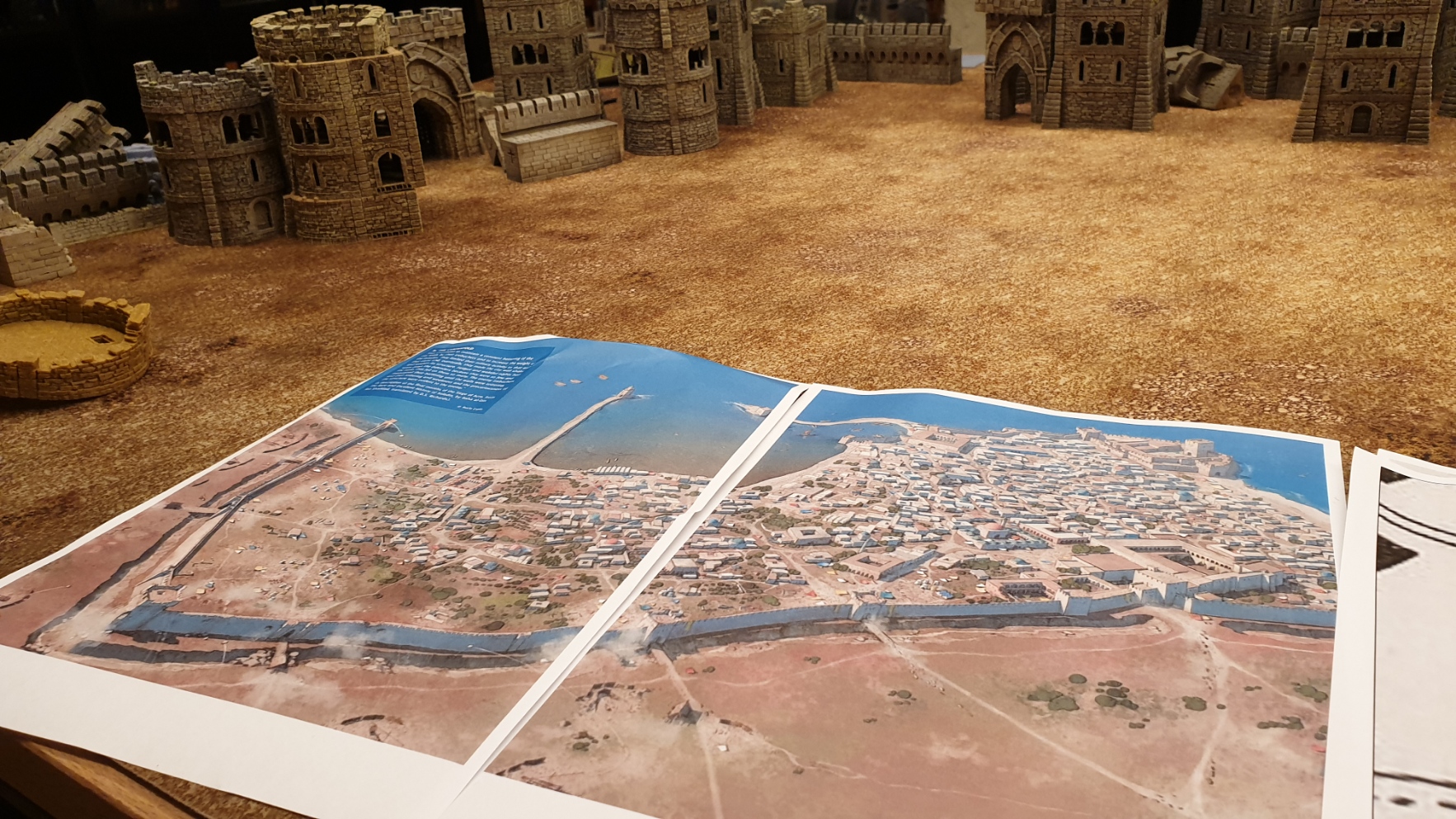
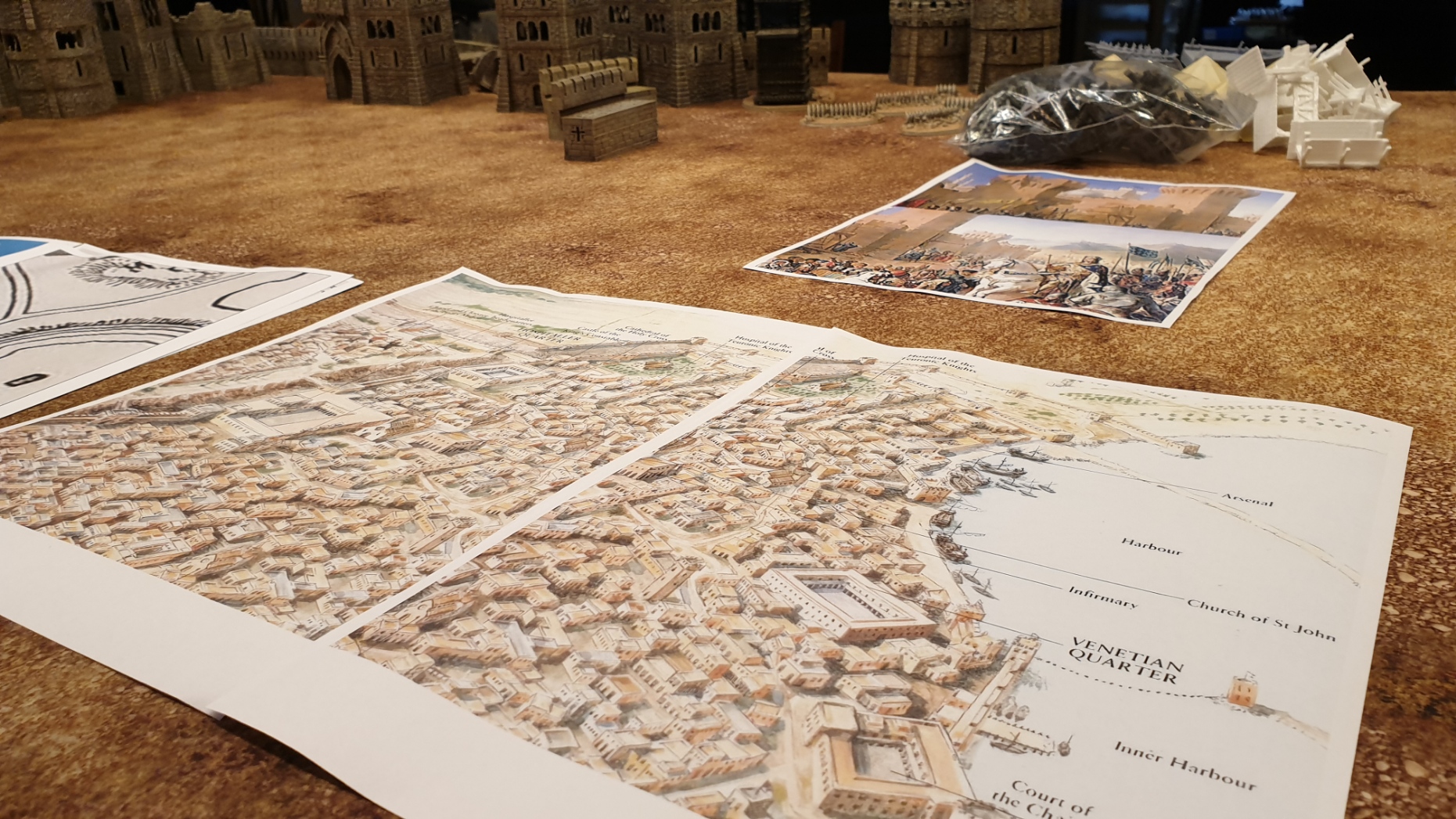
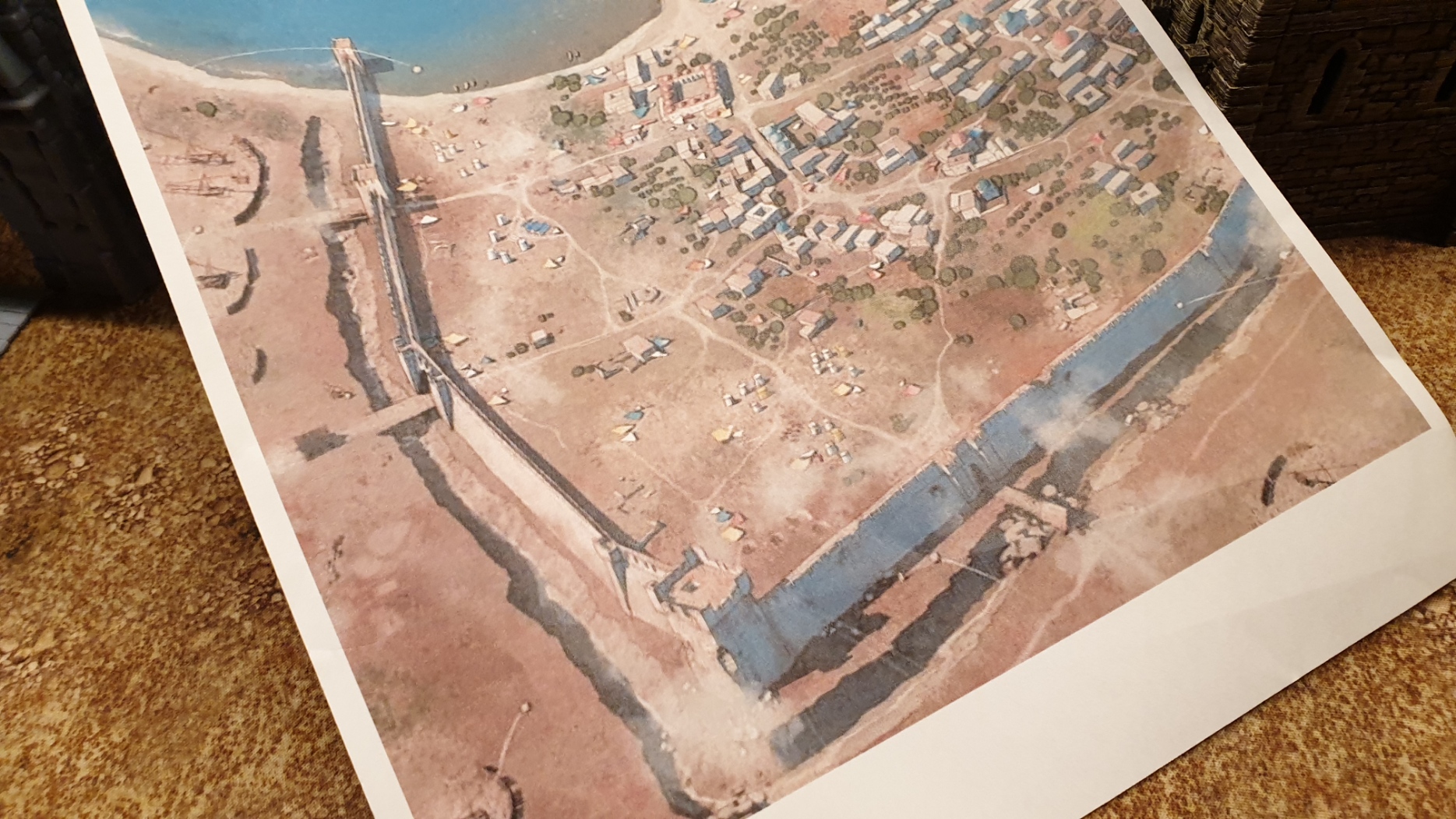
I also grabbed a couple of fascinating books on the types of fortress architecture of the period from osprey… highly reccomended!
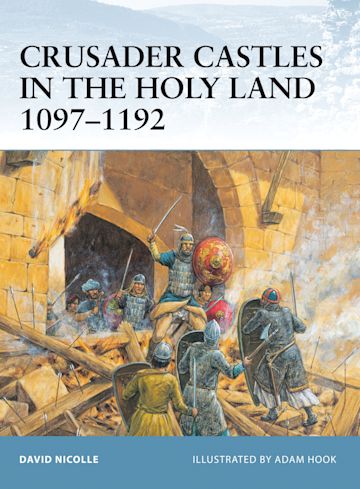
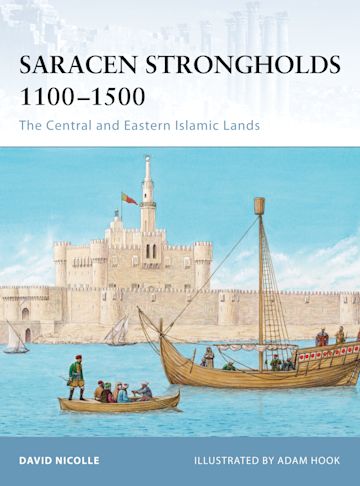
Grab what I have
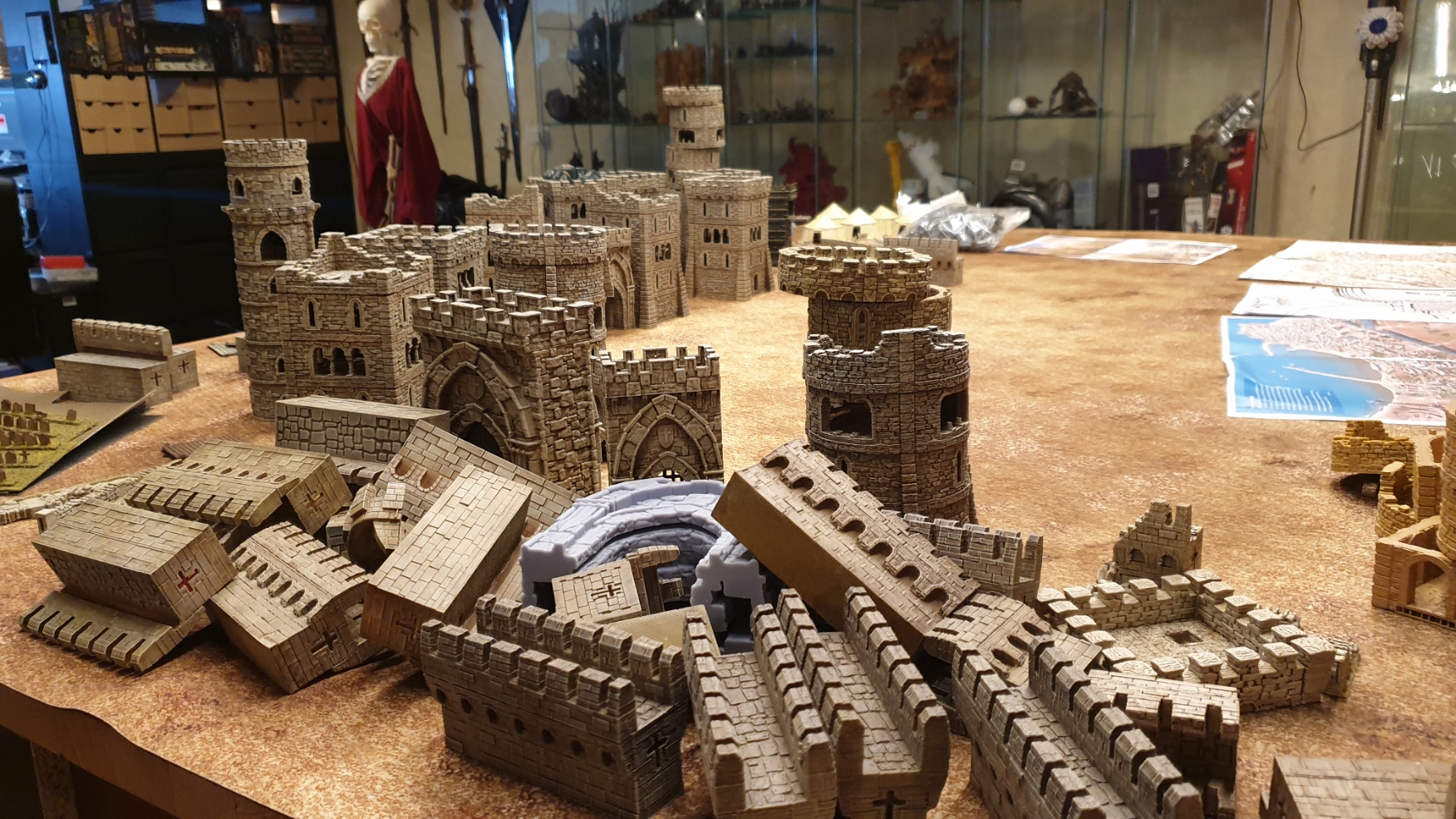
Over the last couple of years I’ve gathered up a few bits and bobs to explore scenarios based in the crusades and acre.
Most of my 3D Prints are from https://www.printablescenery.com/ – I love their stuff in particular as they dont cut the objects up into an insane number of parts, and its mostly designed to print without supports etc.
When printing for 15mm, I tend to find that printing at 60% of the original size works well.
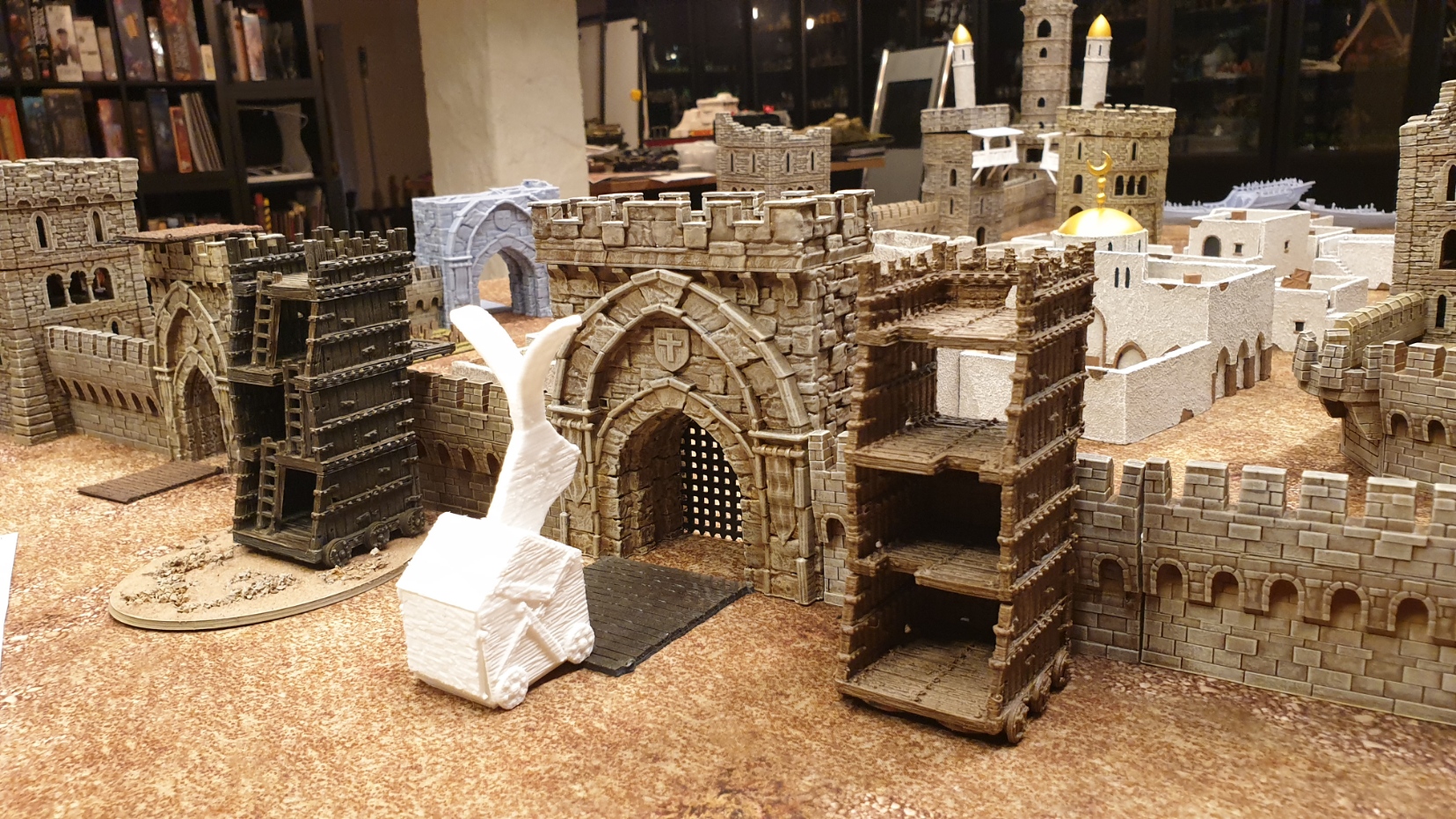
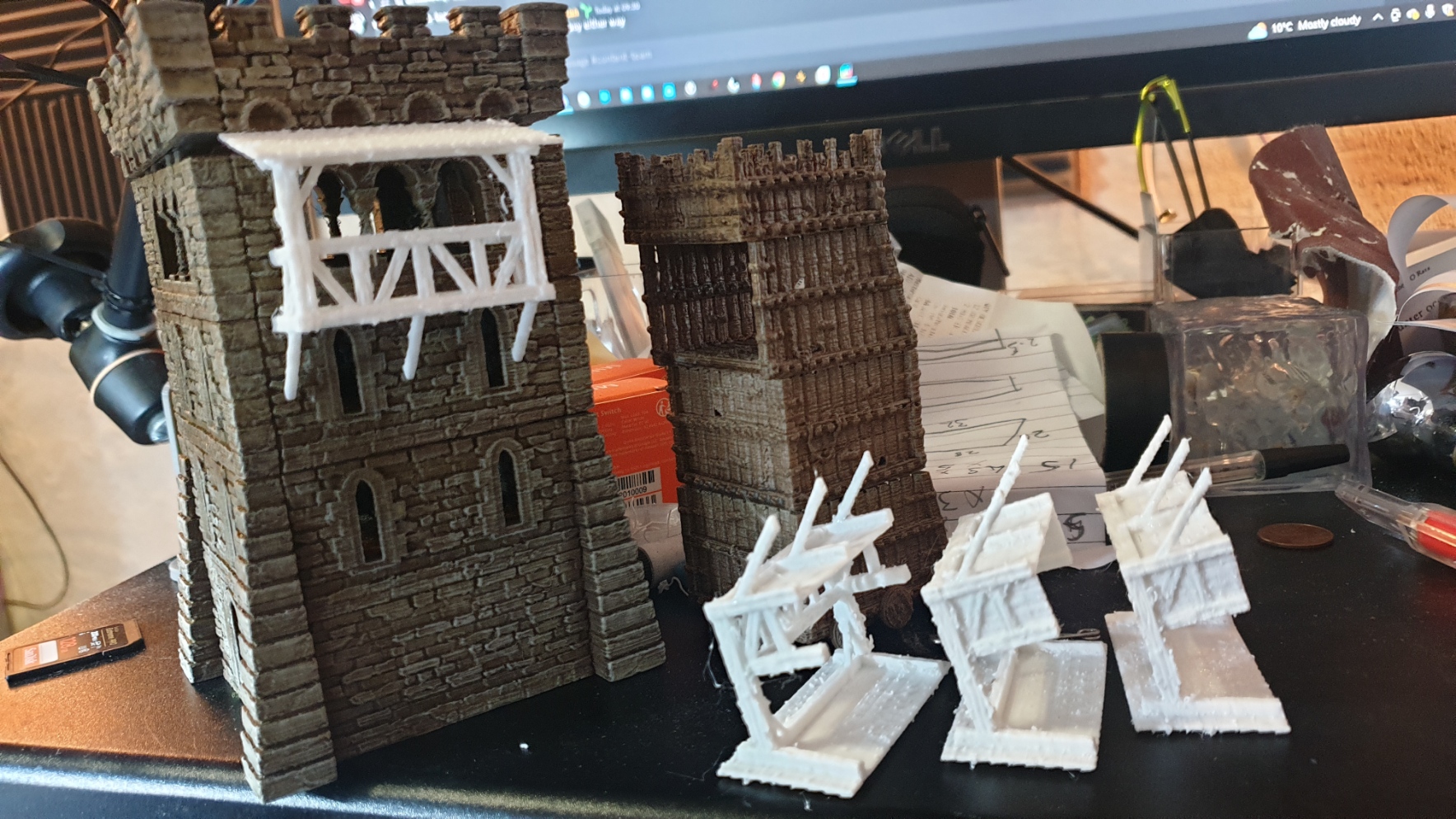
I also highly reccomend having a poke around thingyverse for othe bits and bobs.
I wanted to explore options for little details to raise the over all look of the table once complete.
Time to play with layouts
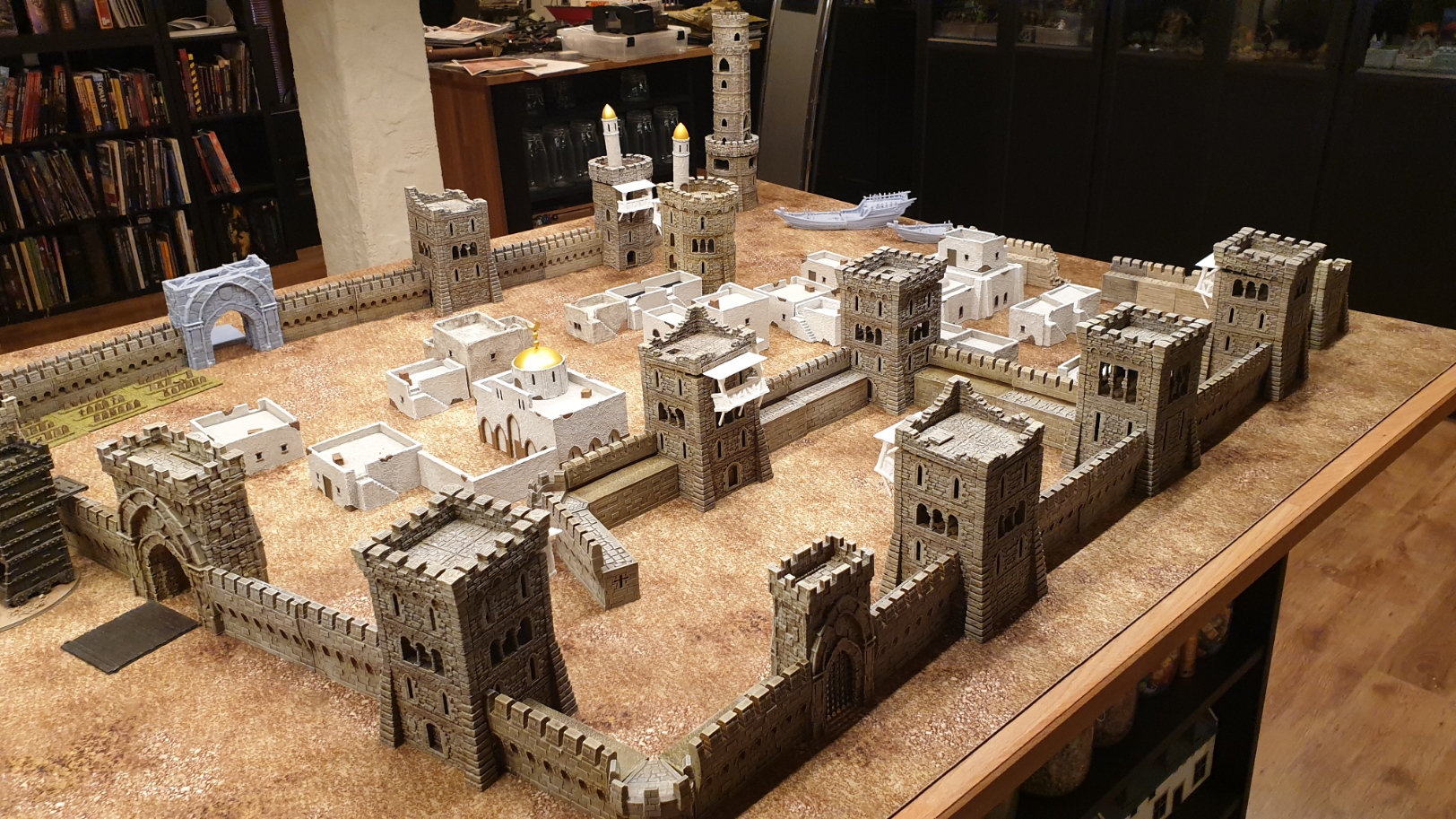
Once I got fed up looking at the maps it was time to start throwing stuff down on the table to see what kind of layout I could pull together, and could I get the vibe of acre at this scale on a 6×4 table.
So I threw down a desert mat and started placing and moving stuff around.
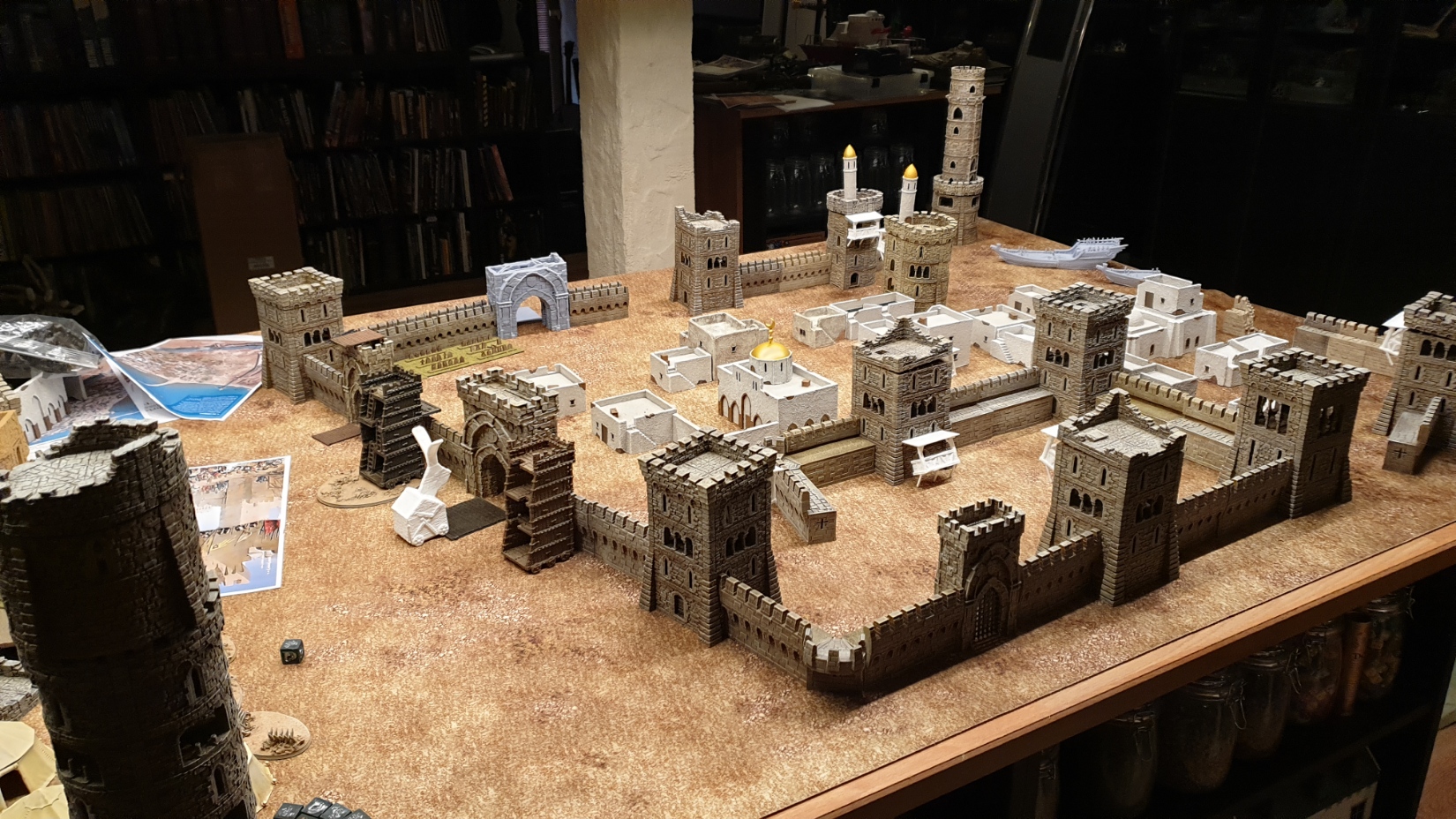
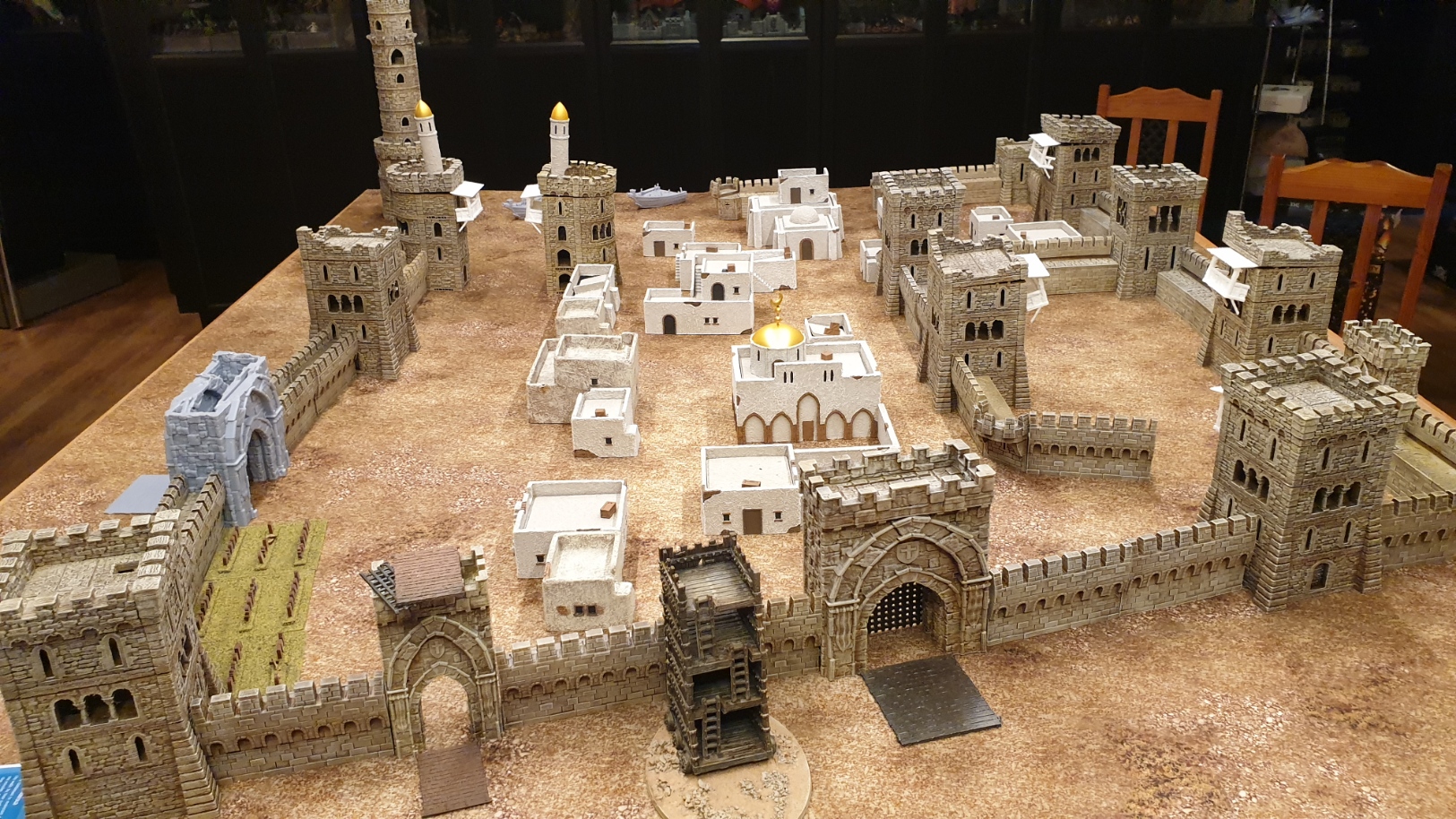
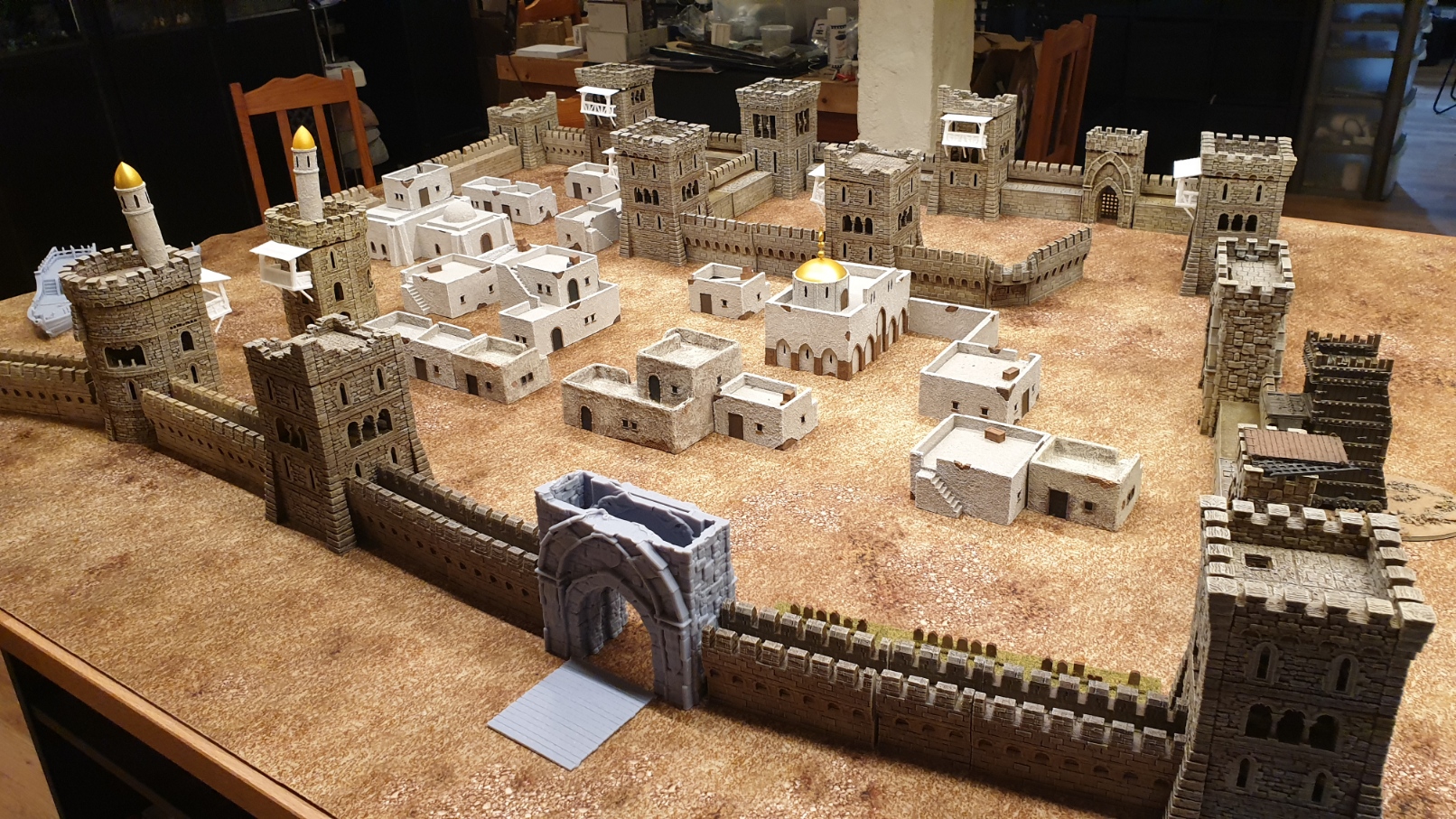
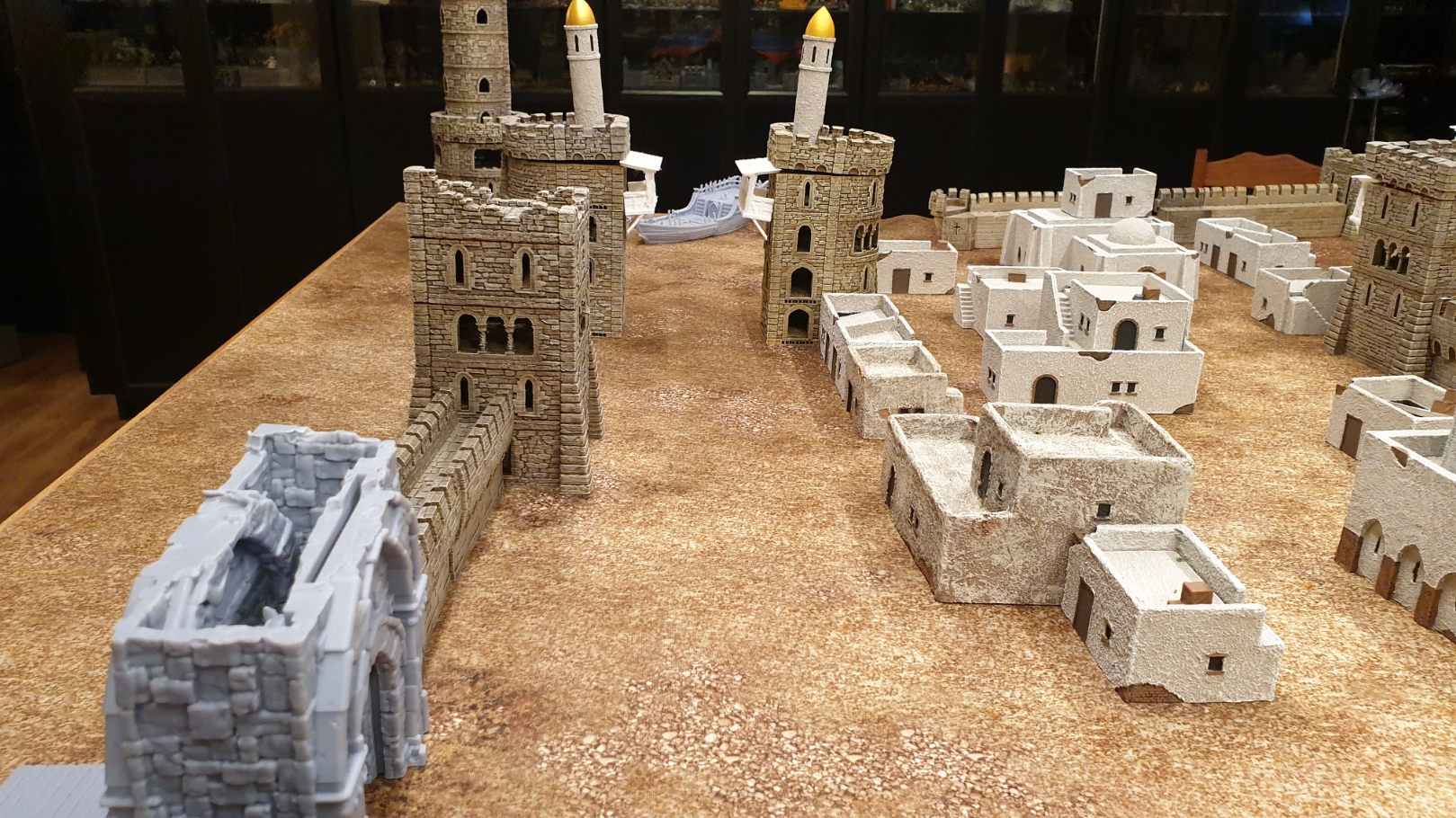
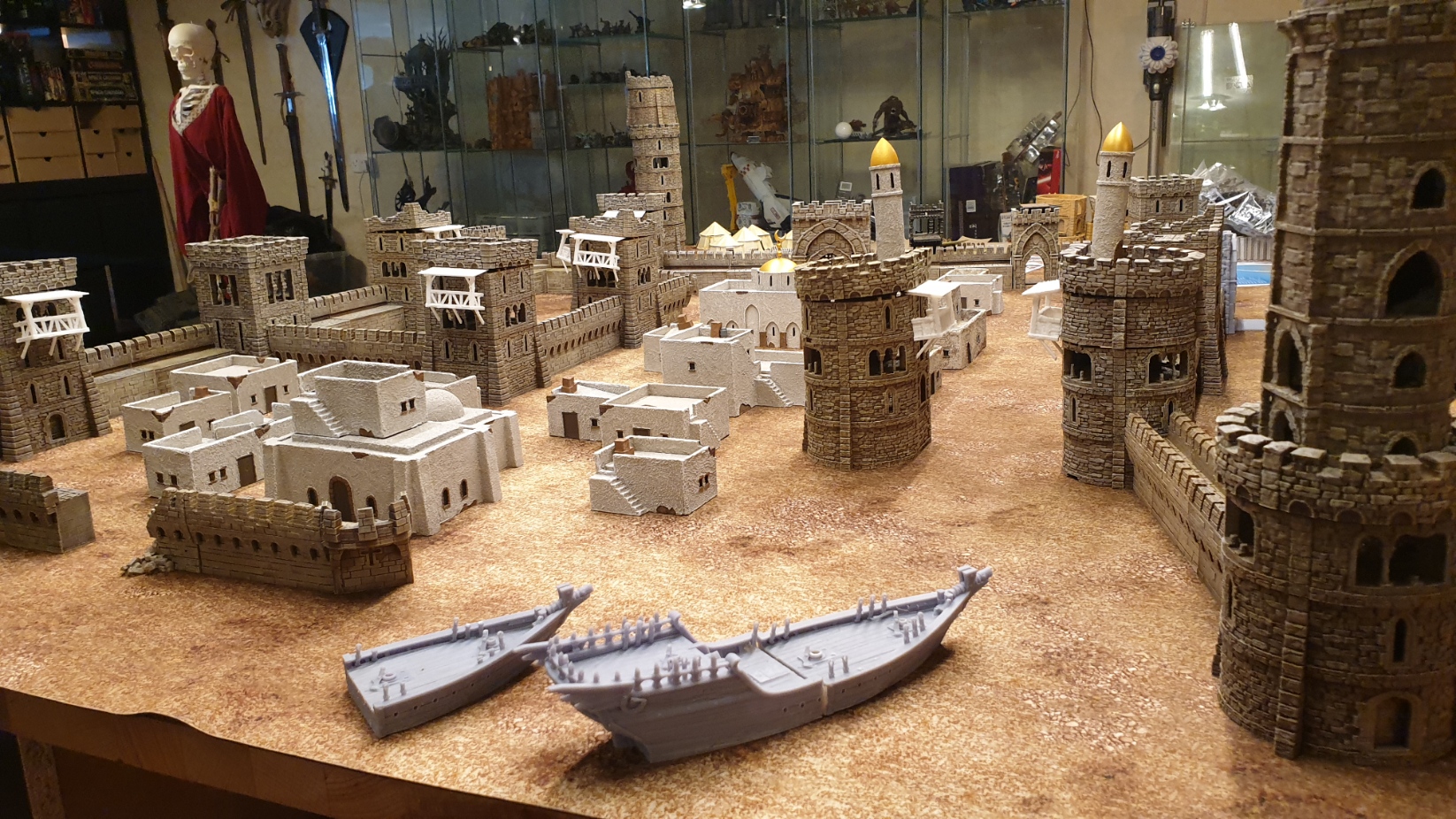
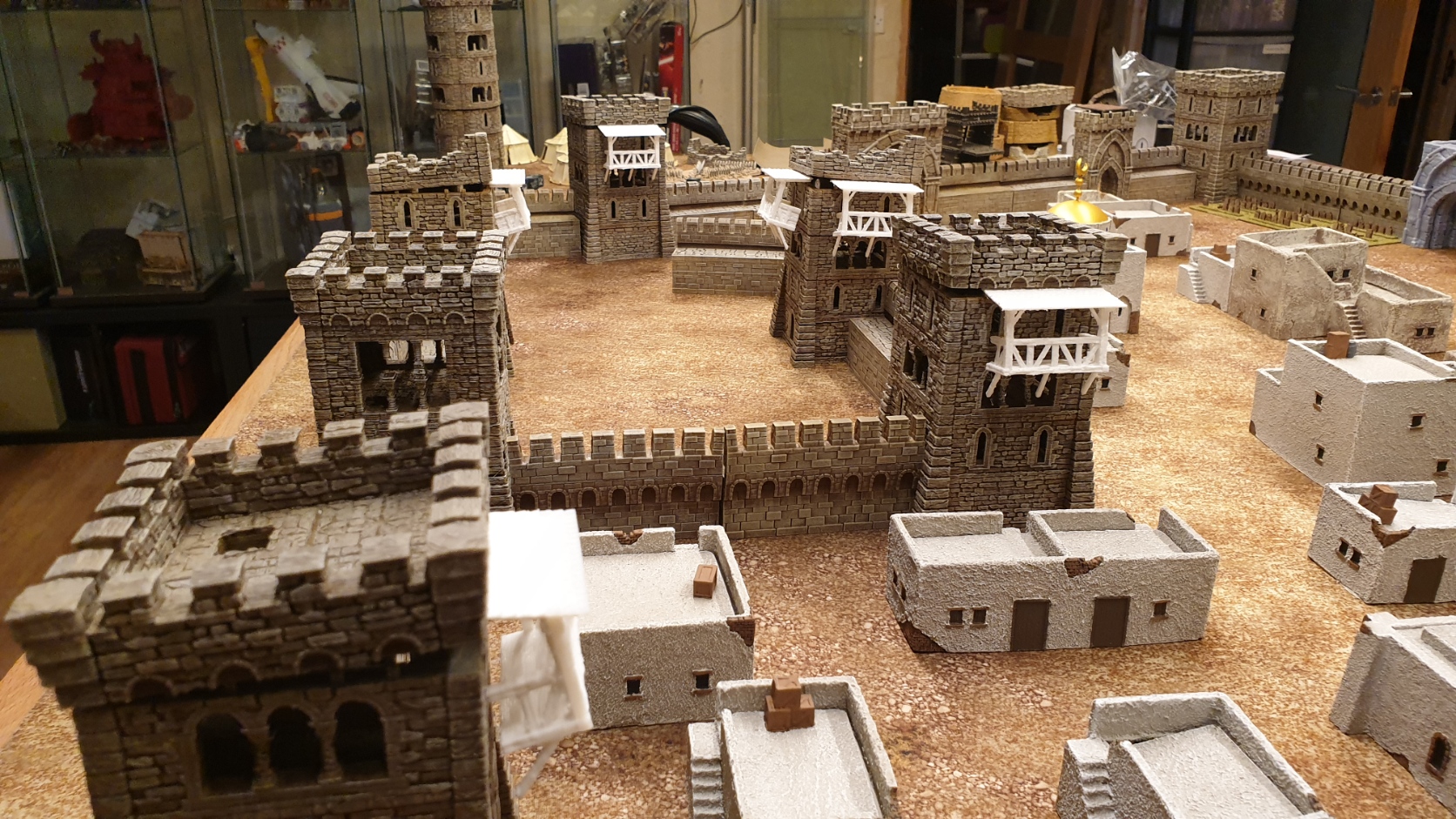
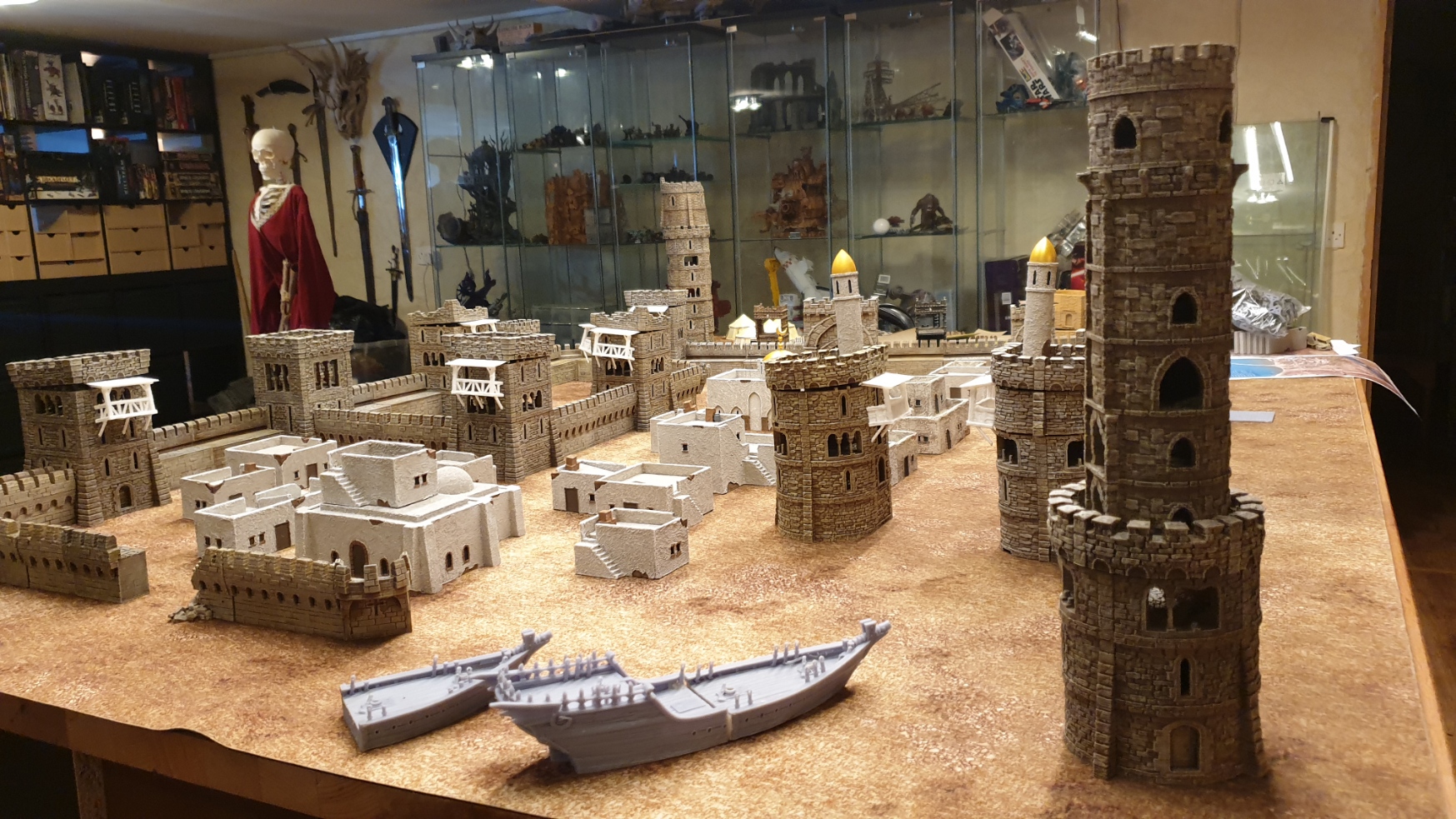
Foaming at the mouth!
While the layout seemed possible, and we all know I love a good gaming mat, it all seemed a little… flat.
Acre is a port and the port is its whole reason for being a strategic stronghold in the holylands. Also the fortress featured a dry moat so injecting some elevation into this process seemed like a task that had to be taken on.
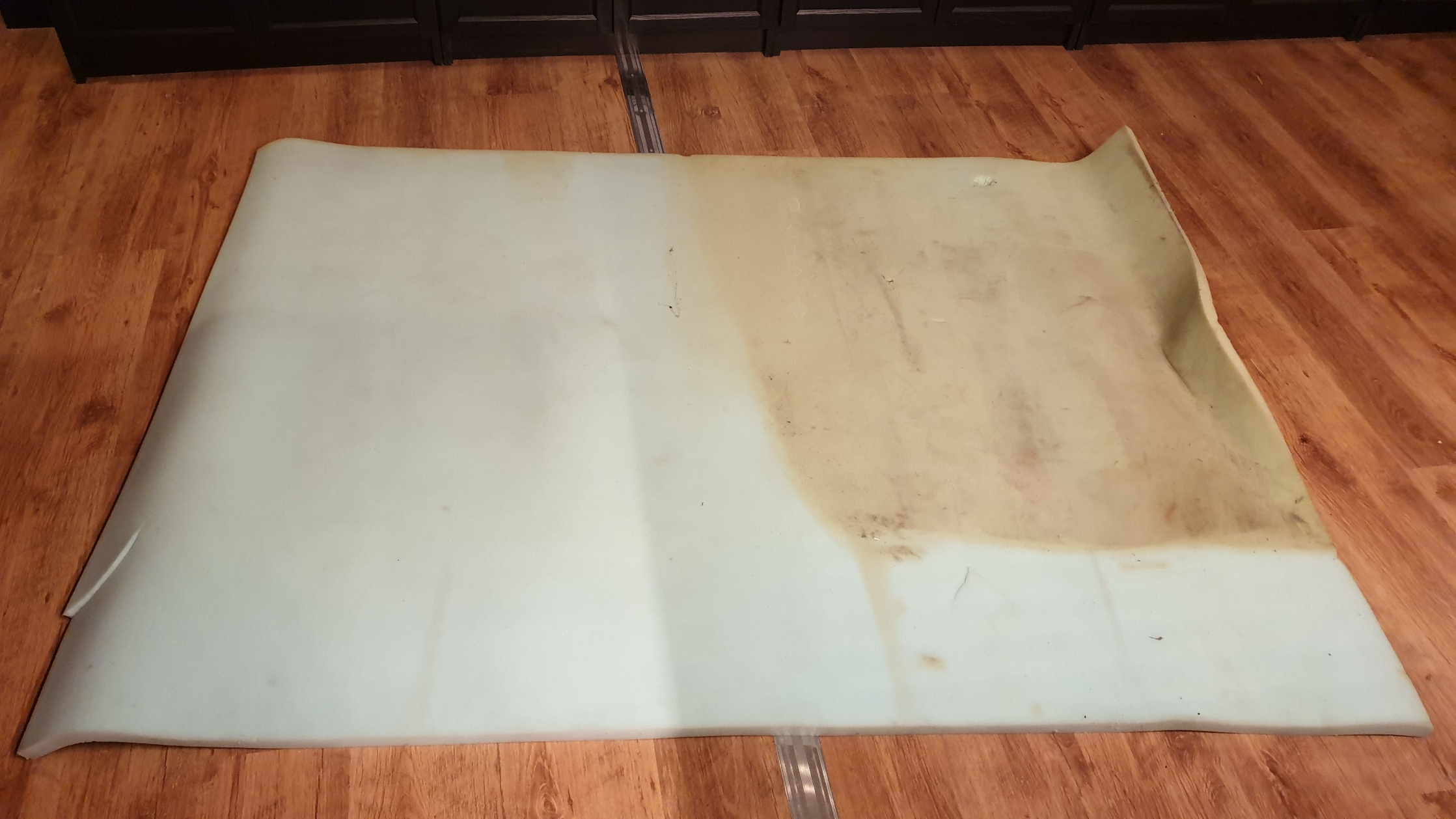
So I gave uphosltery foam a go, mainly because if done right I should be able to roll the table up and put it away in a cupboard. I really wanted to try and get that balance between oldschool sculpted gaming table, and something that wasn’t going to be a PITA to store.
So I rolled out an old 6×4 piece of foam I had in the store room and set to work on drawing out what this terrain would look like.
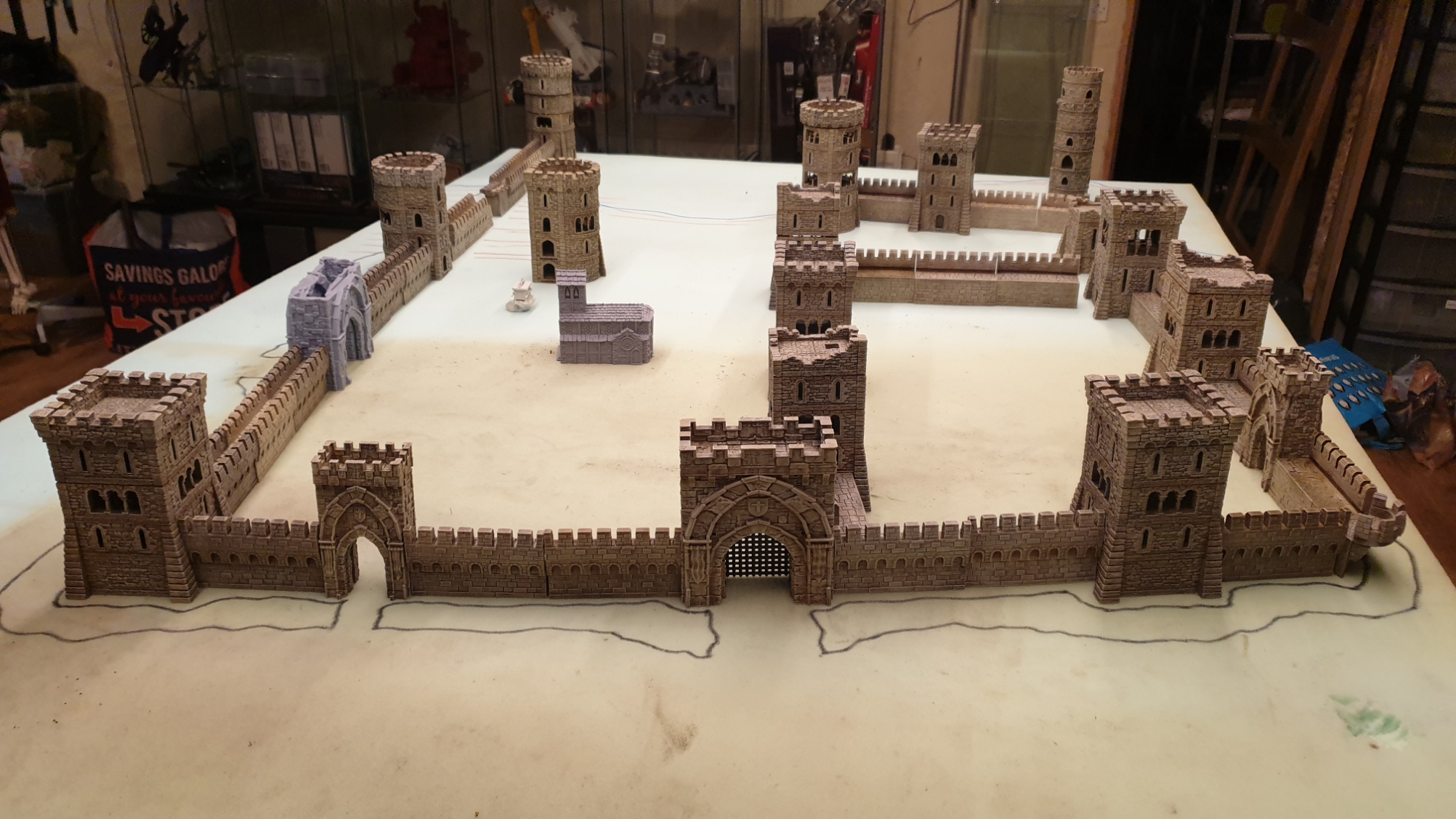
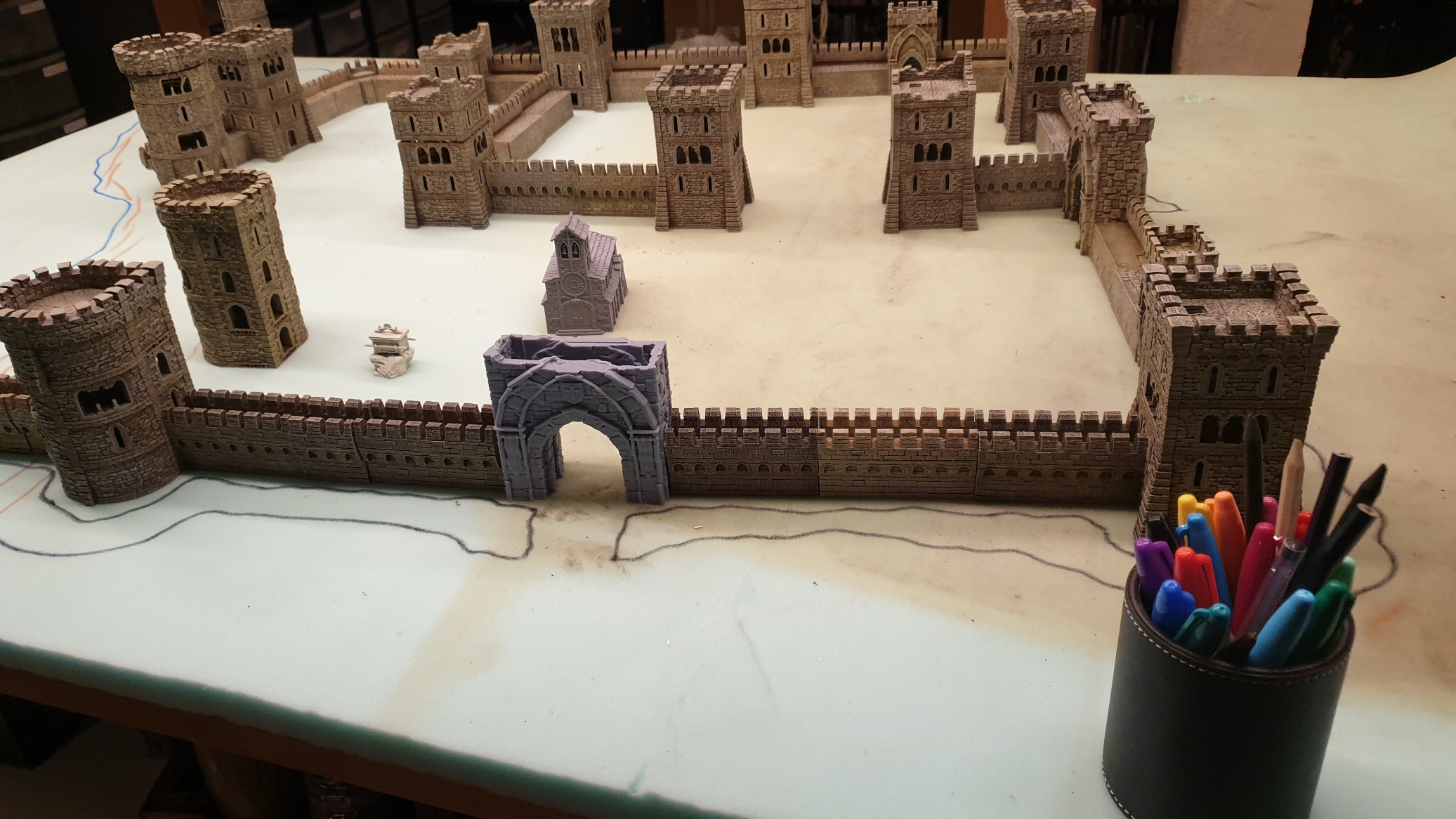
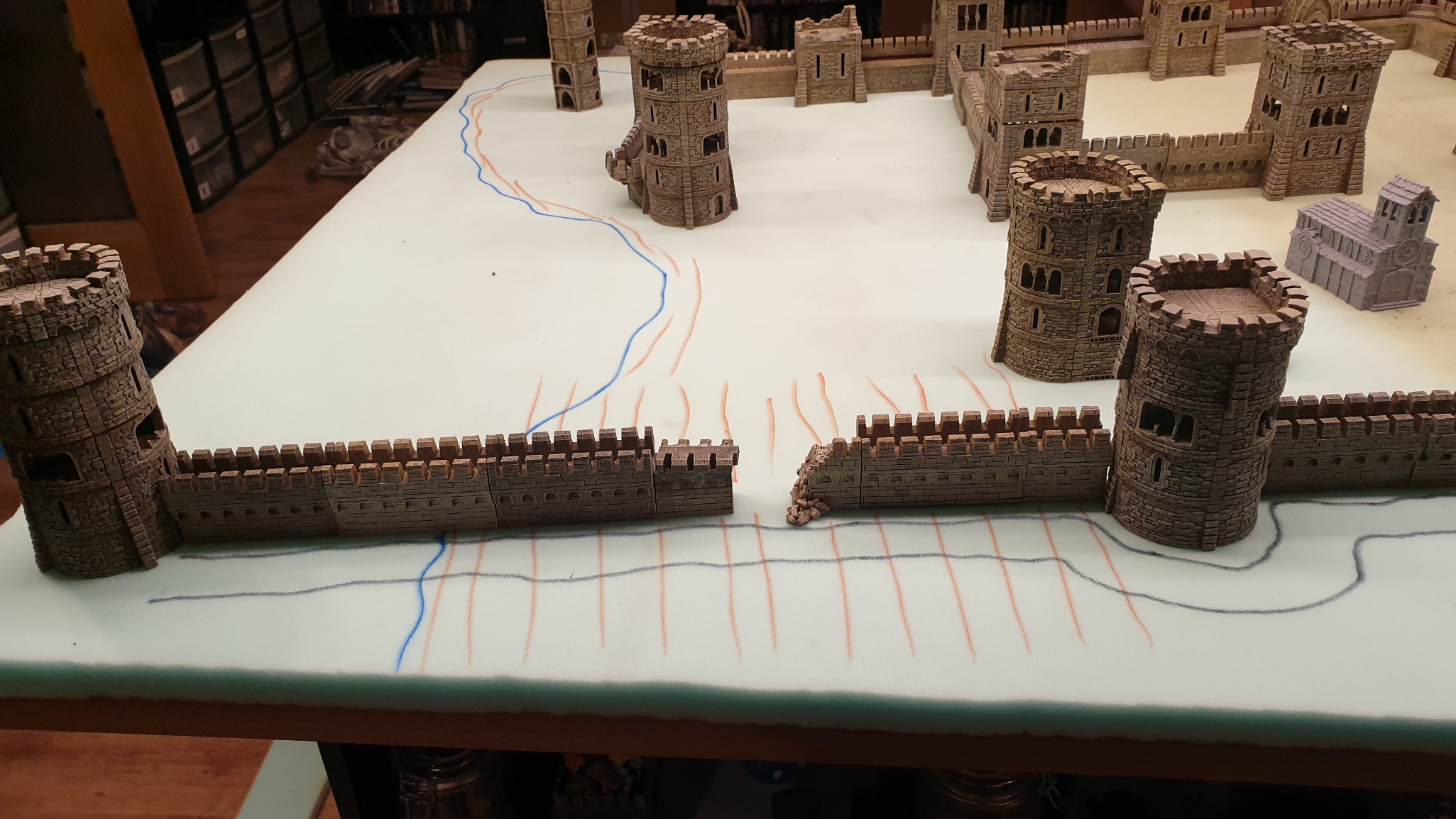
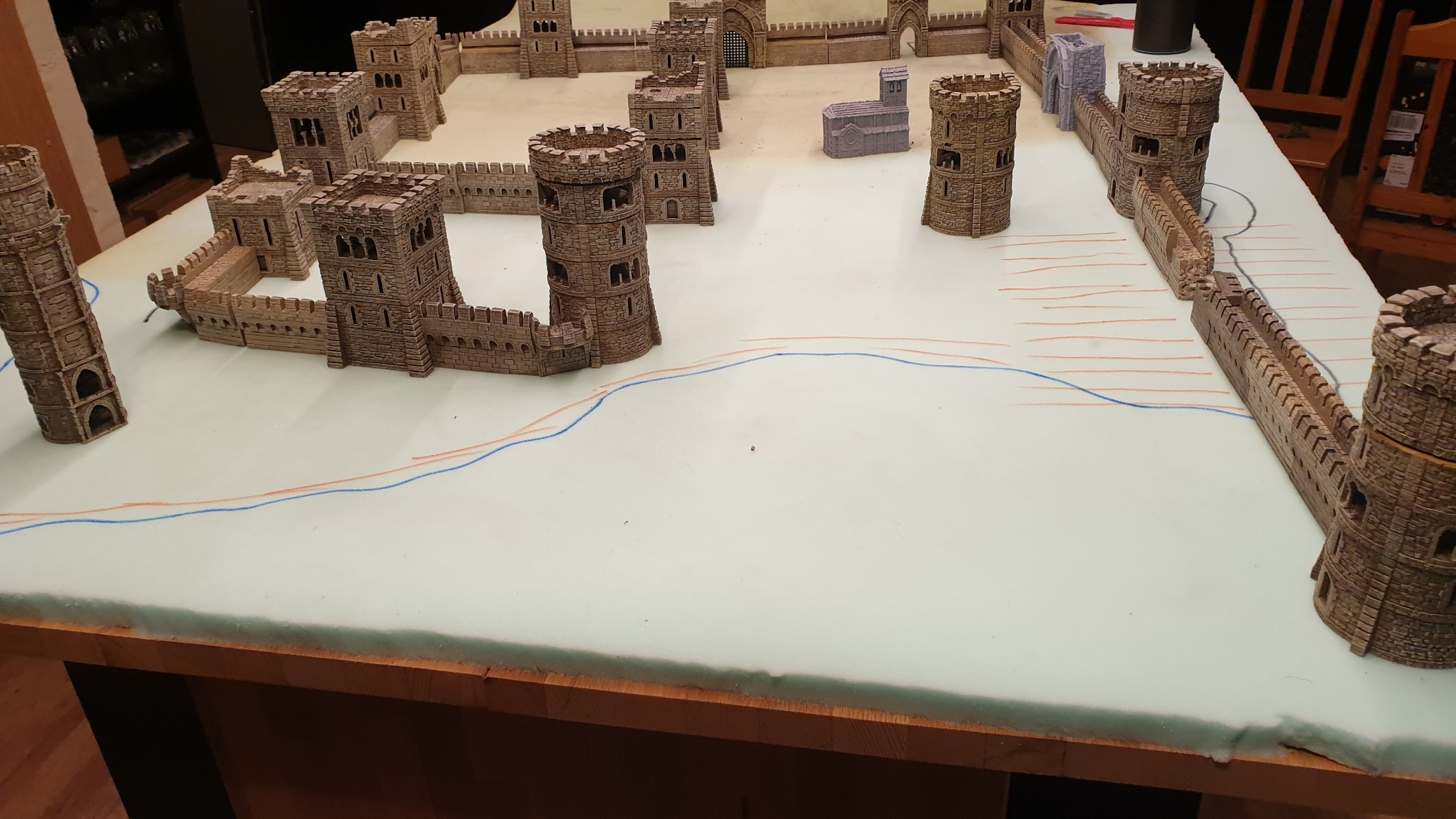
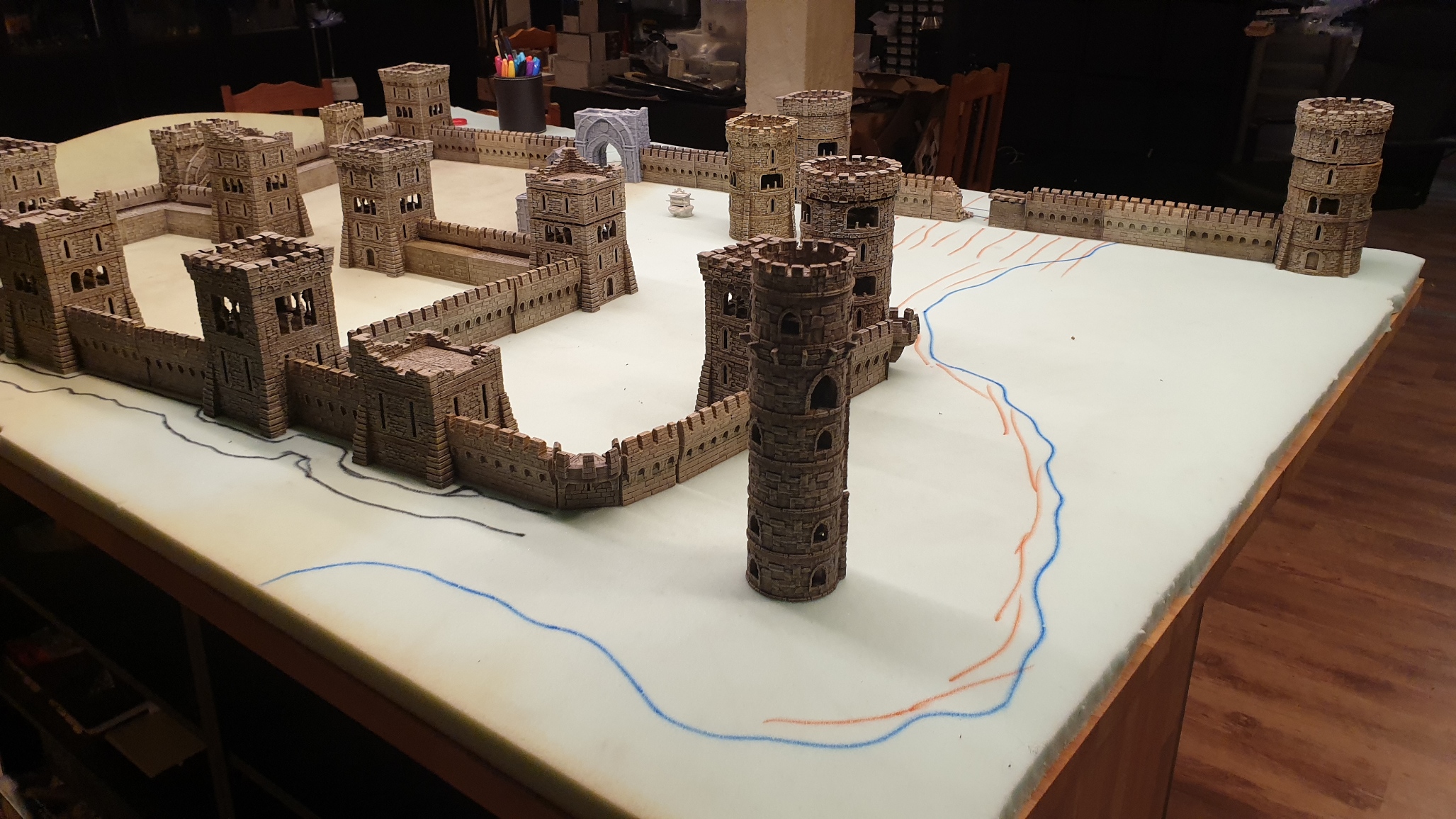
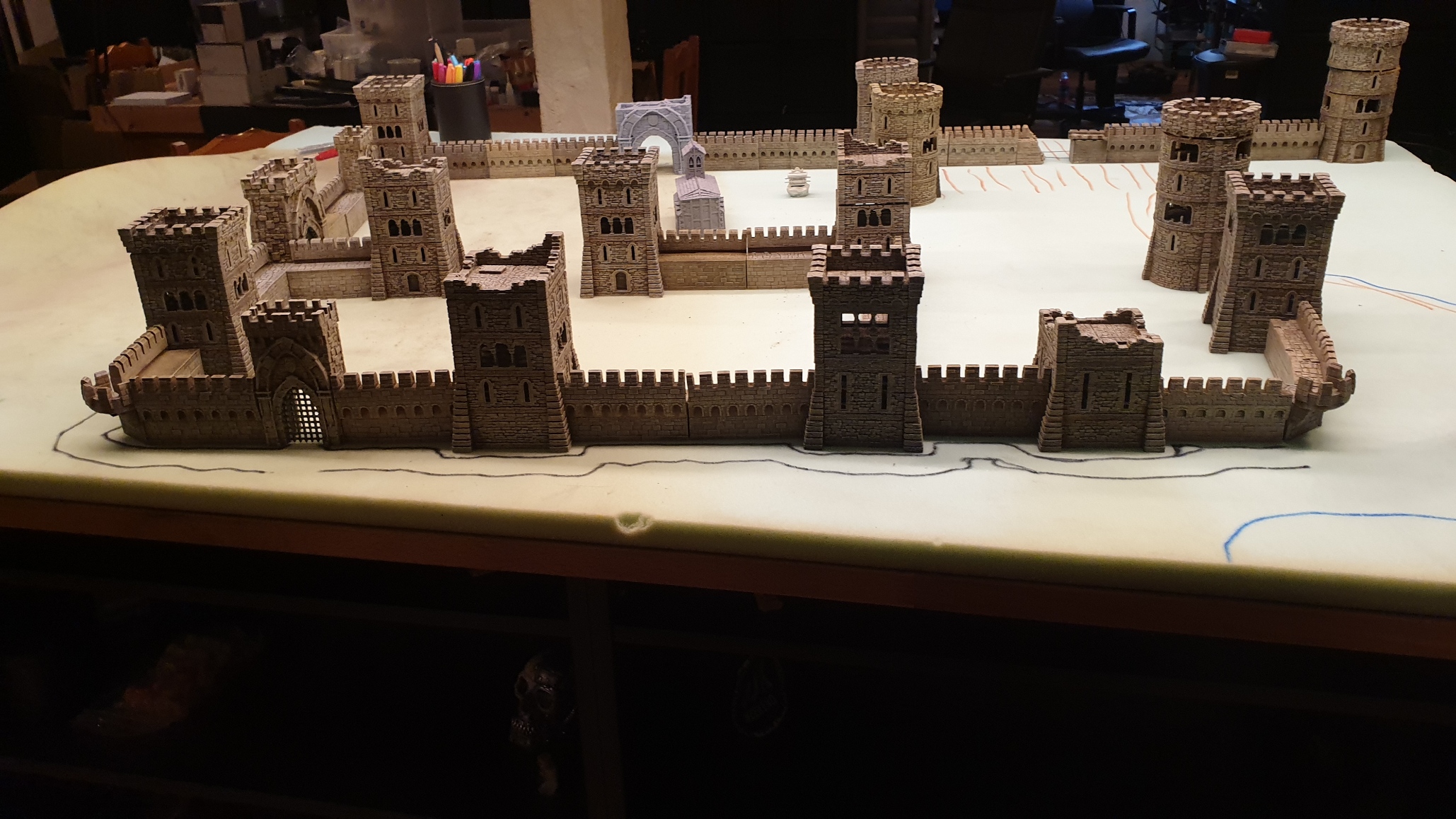
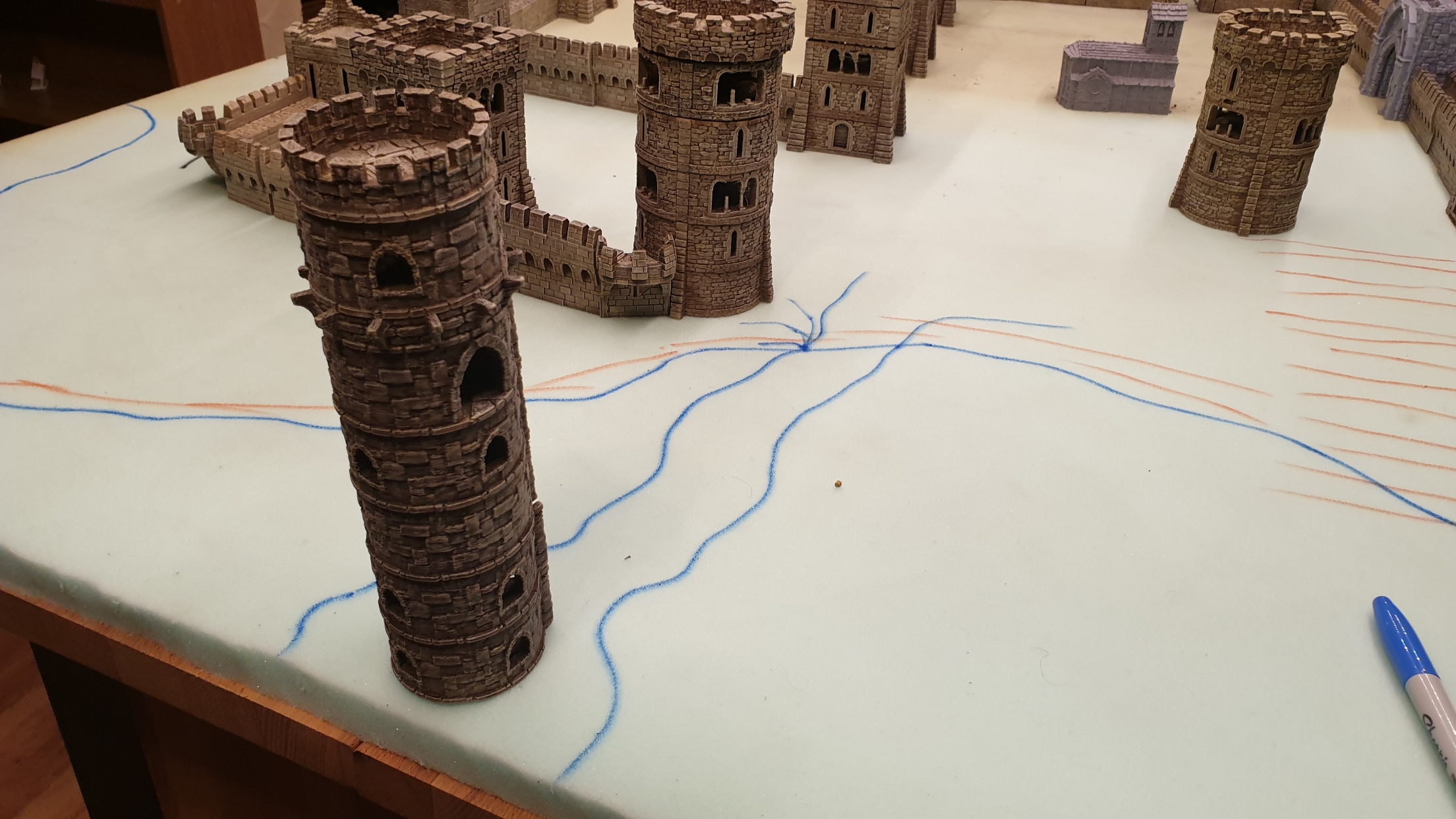
Bleed for your craft!
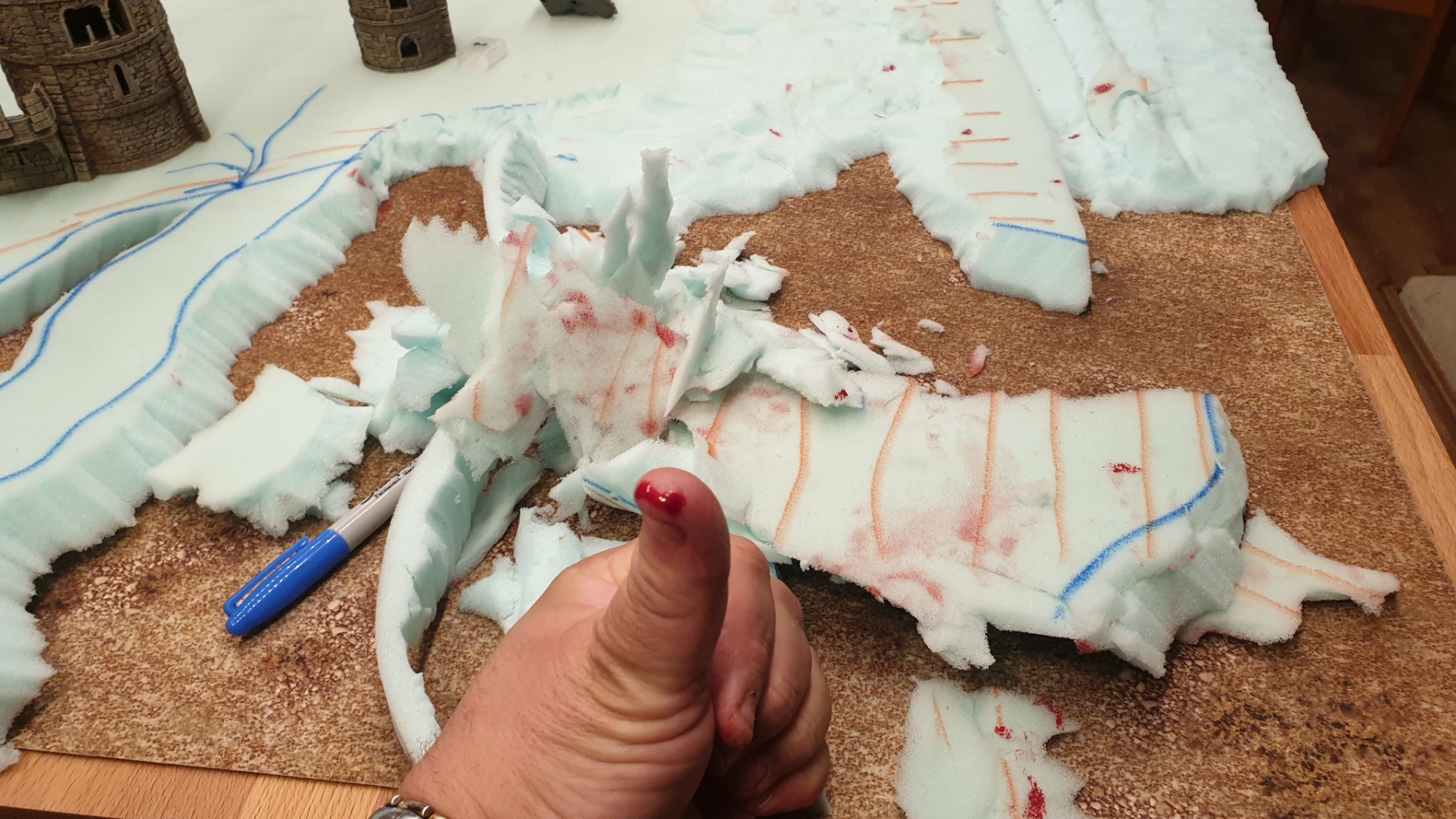
Once the various features of the terrain were drawn such as the moat, the coastline, the main gates etc it was time to start cutting, plucking, sanding and scraping!
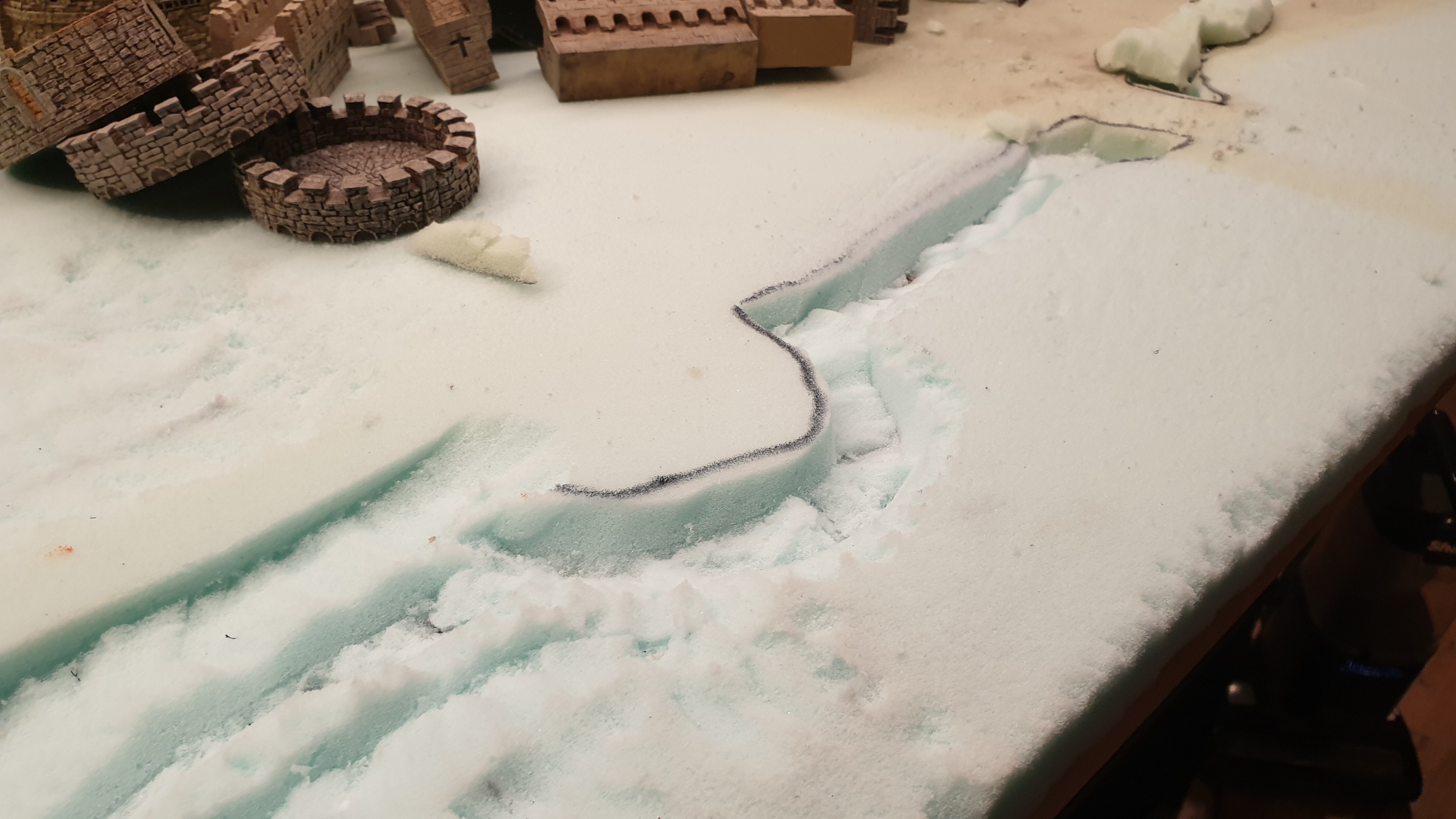
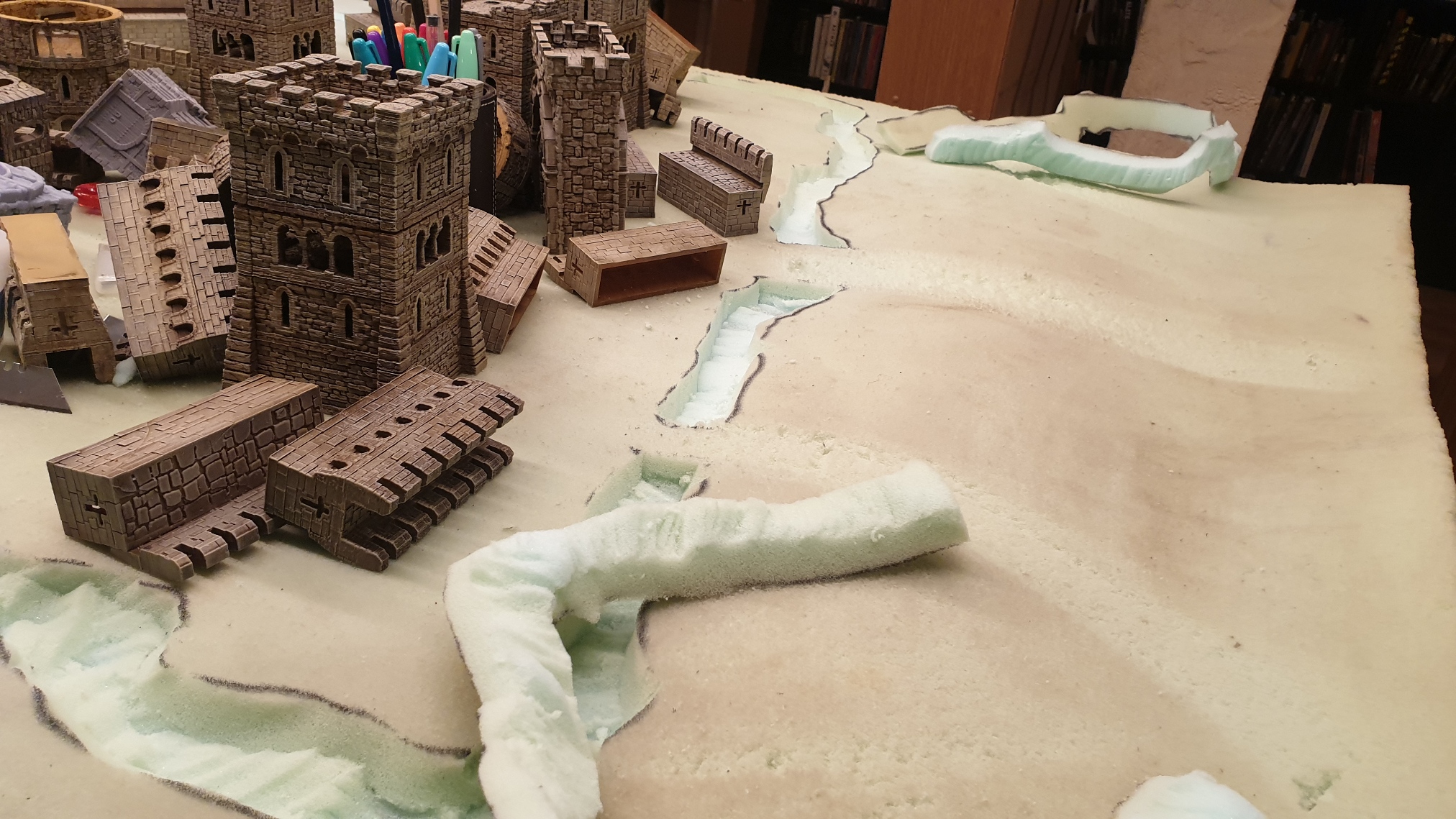
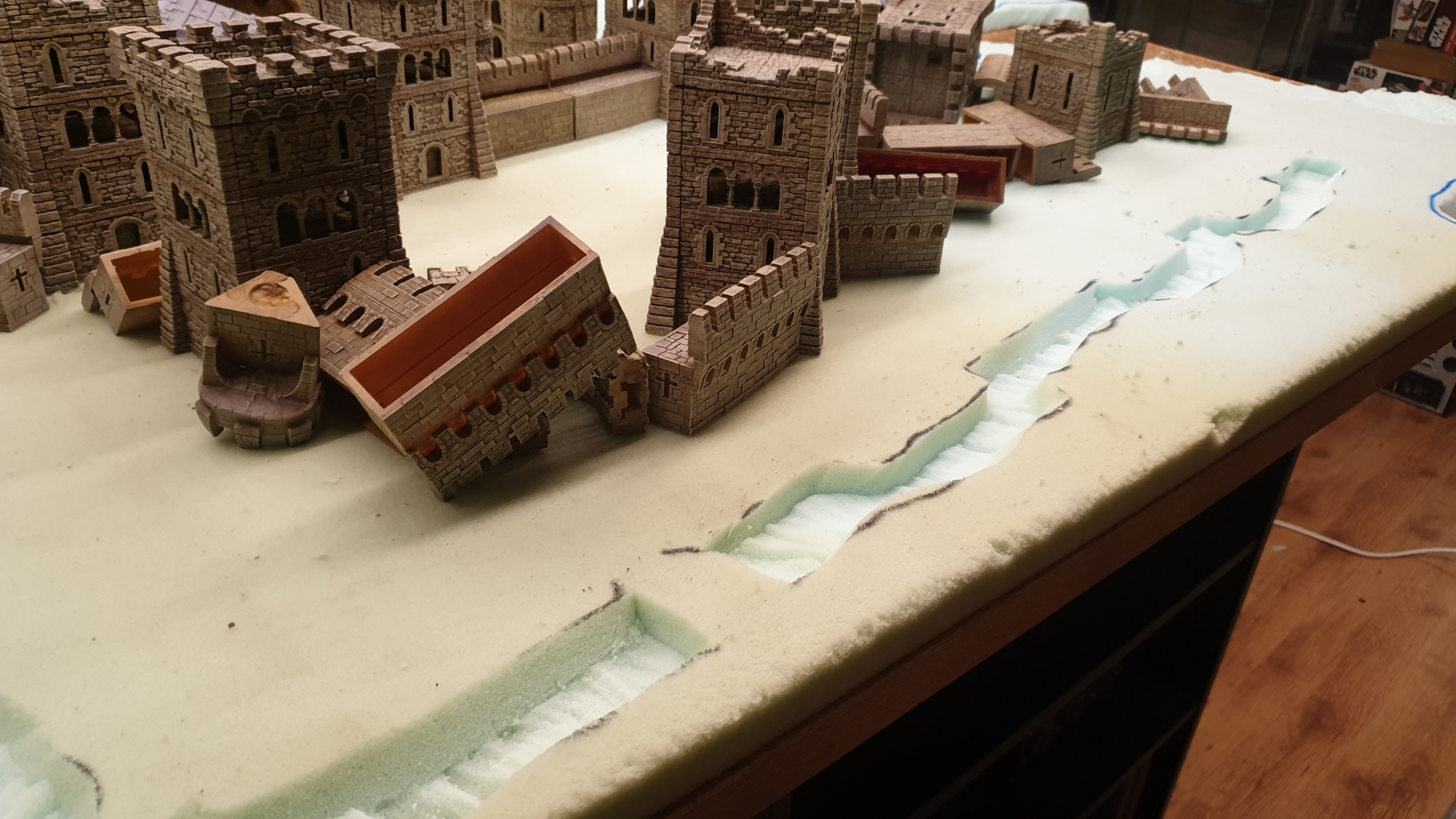
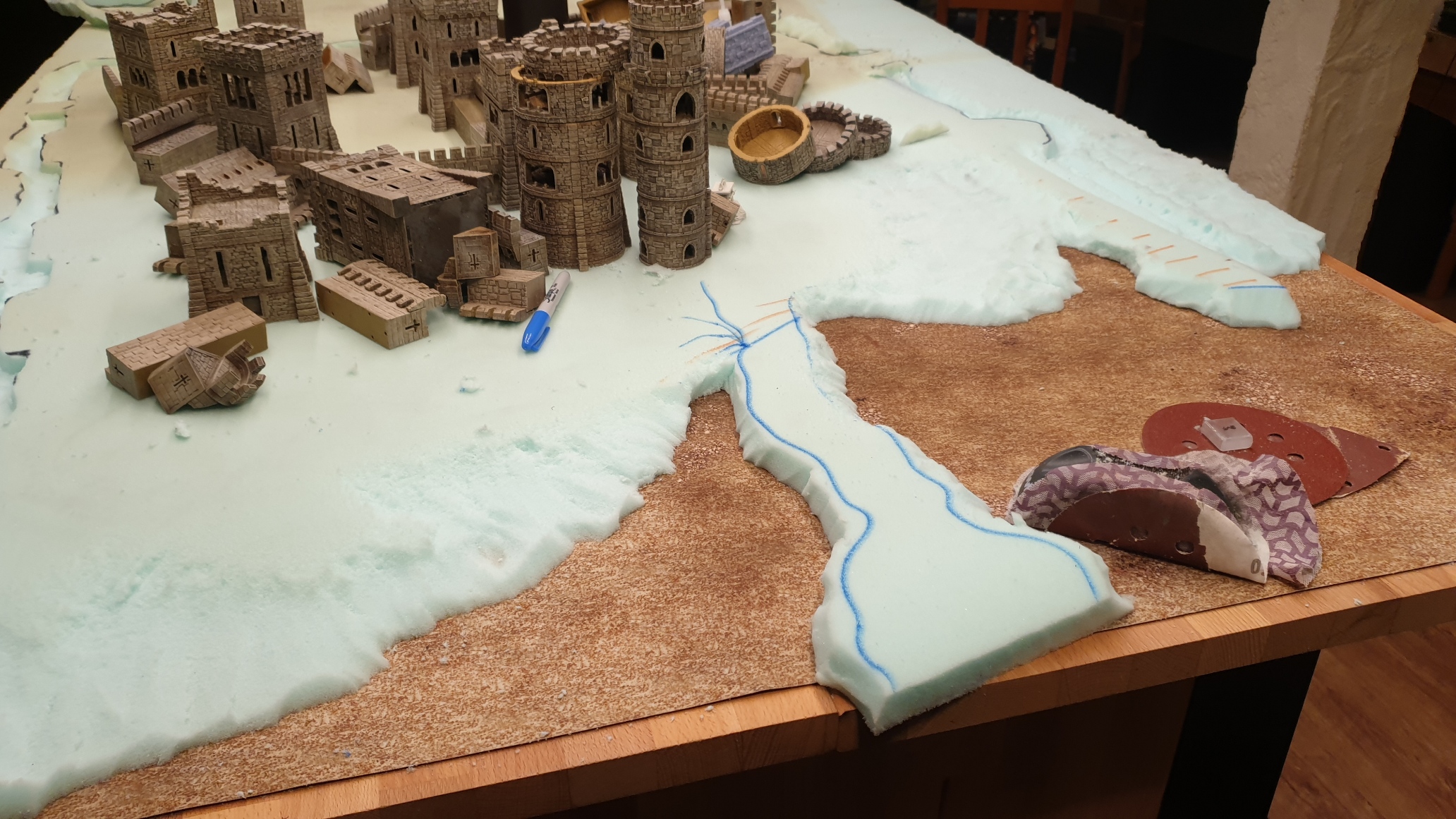
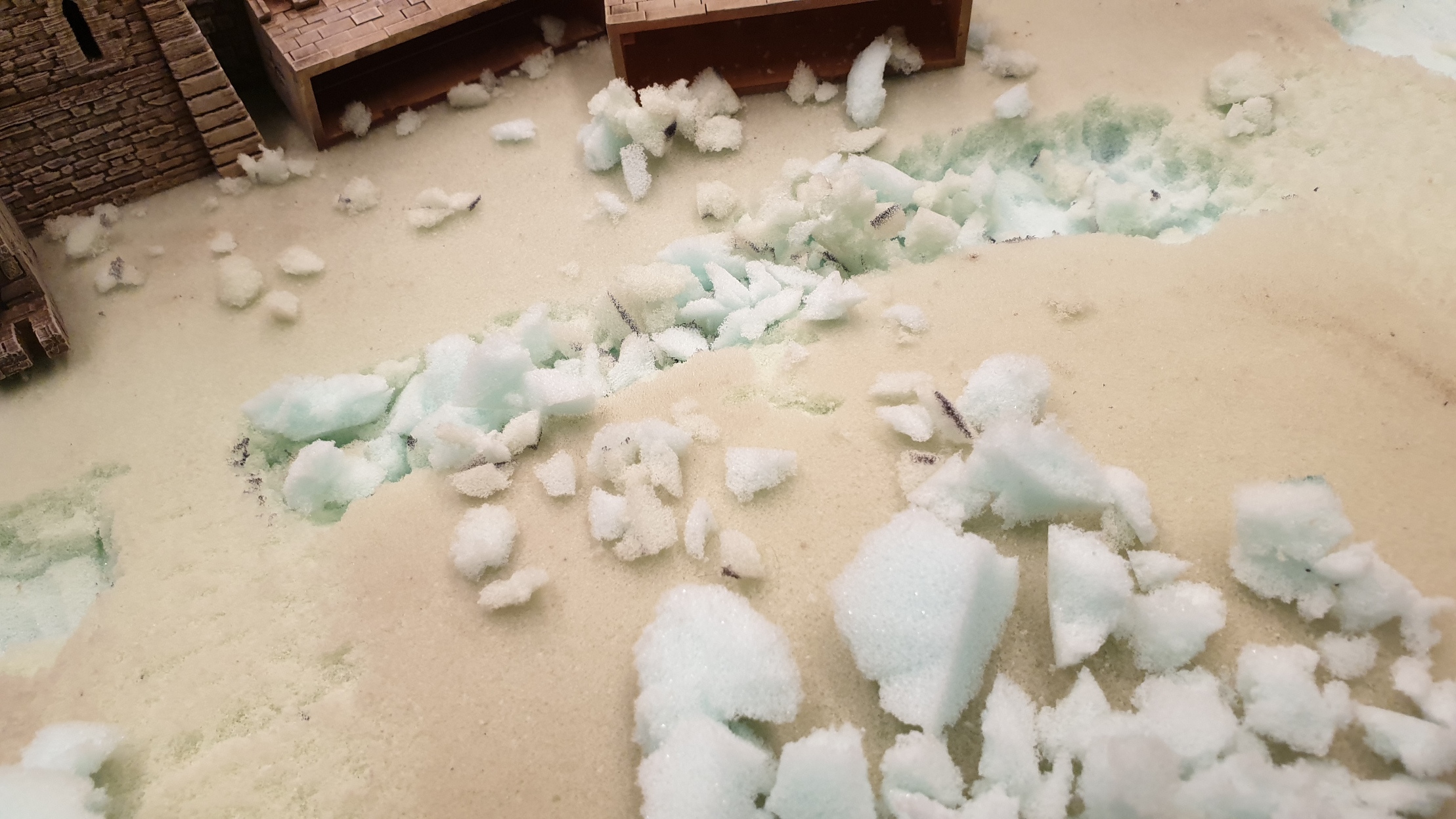
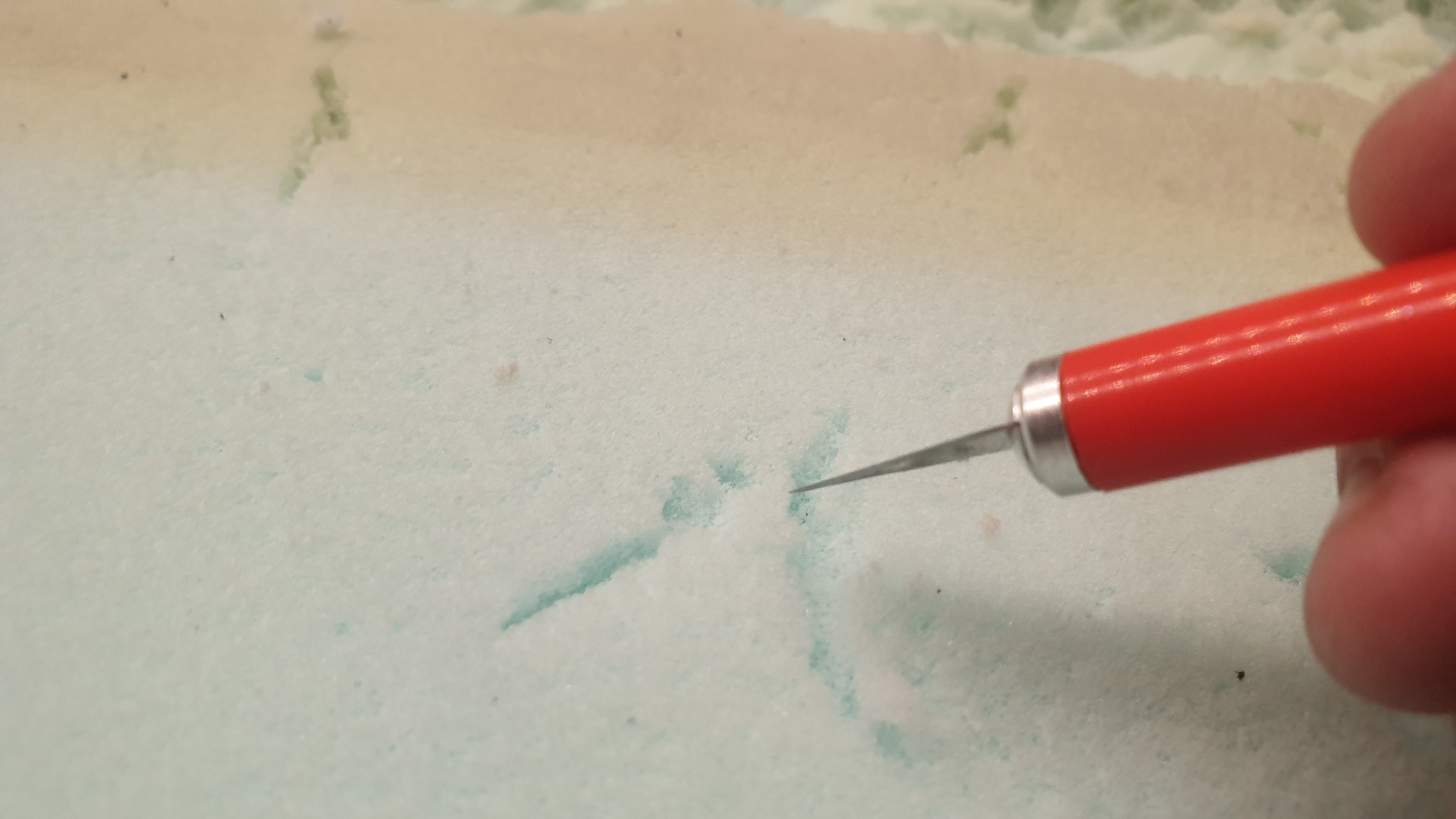
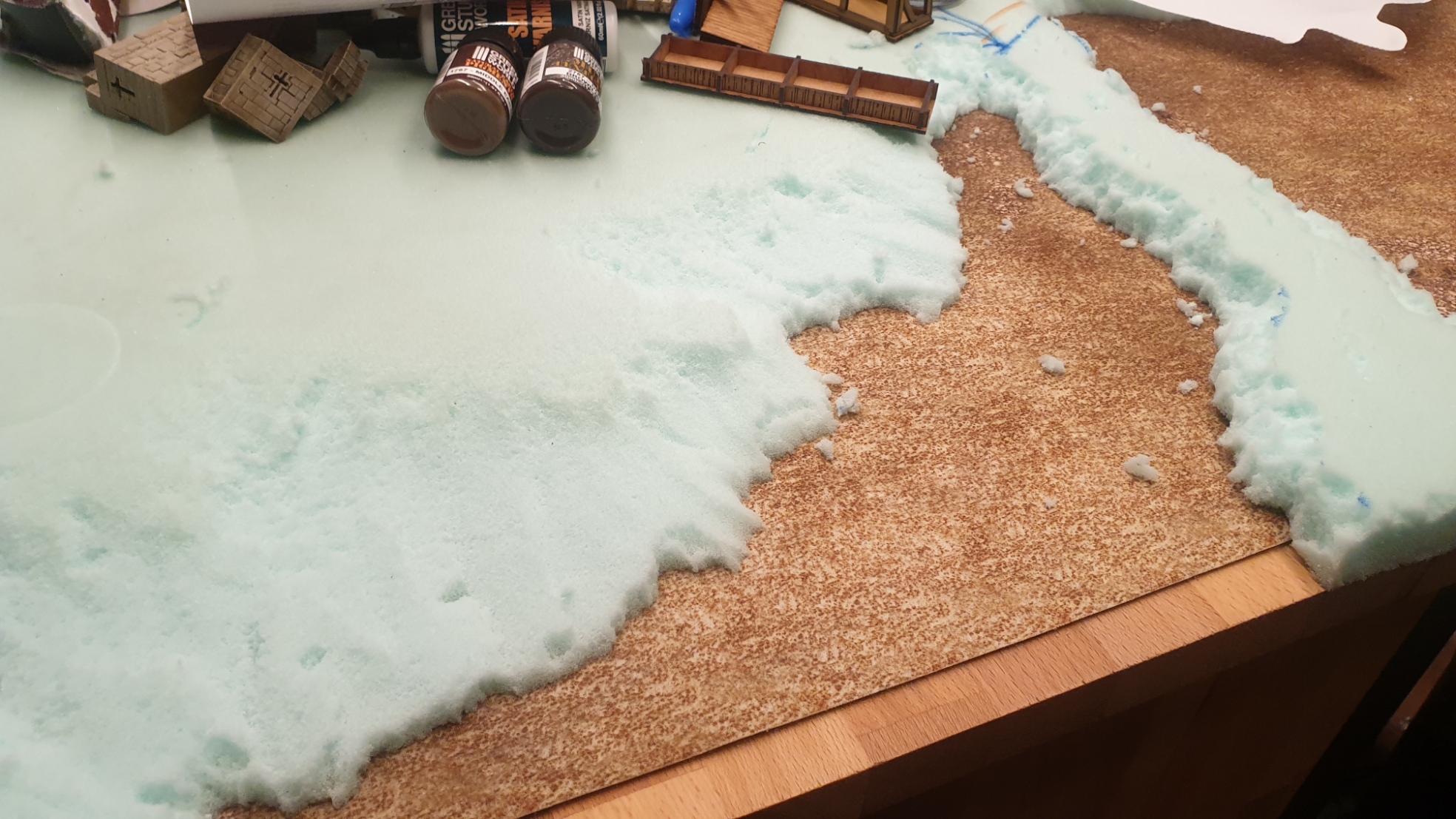
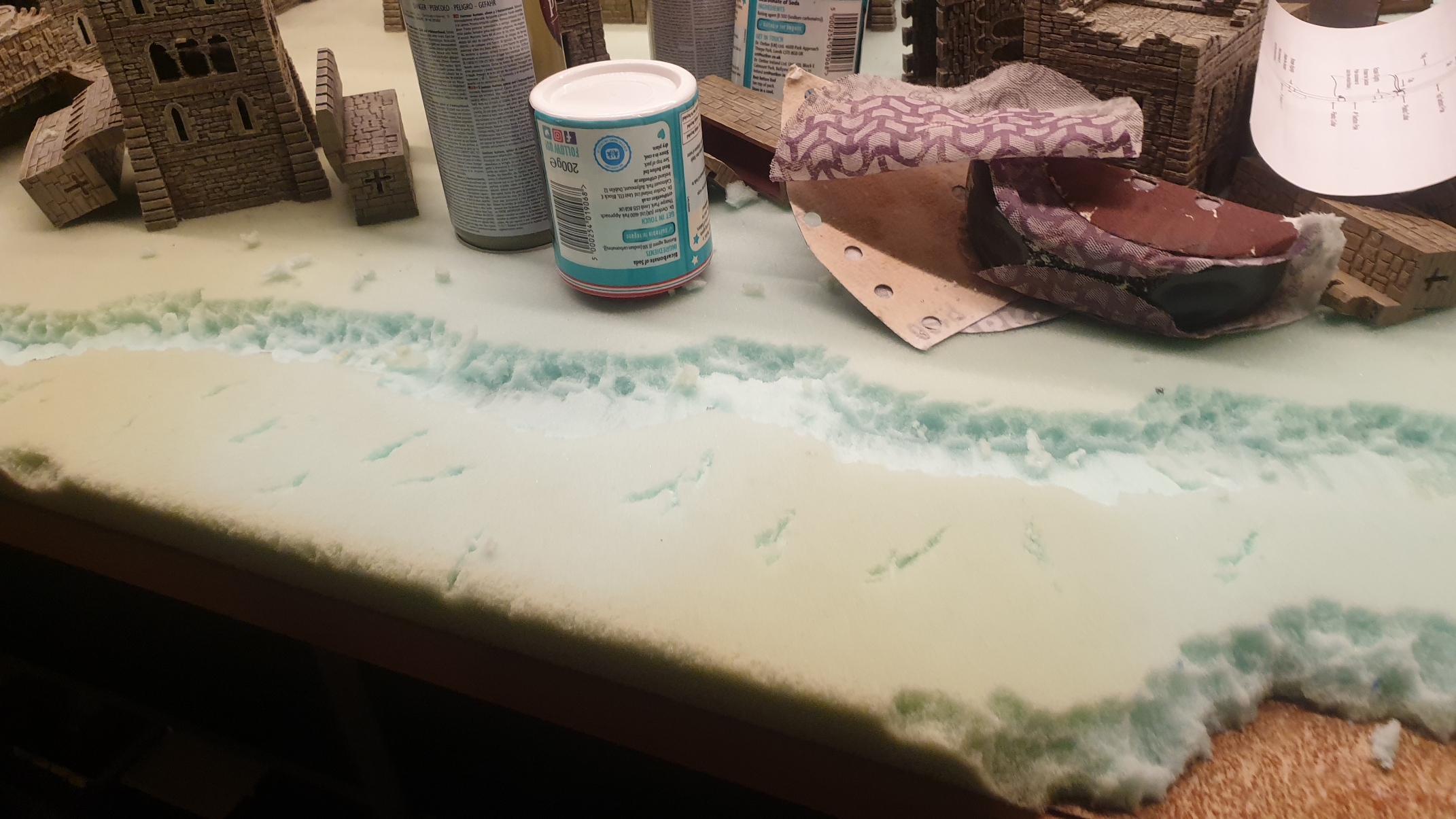
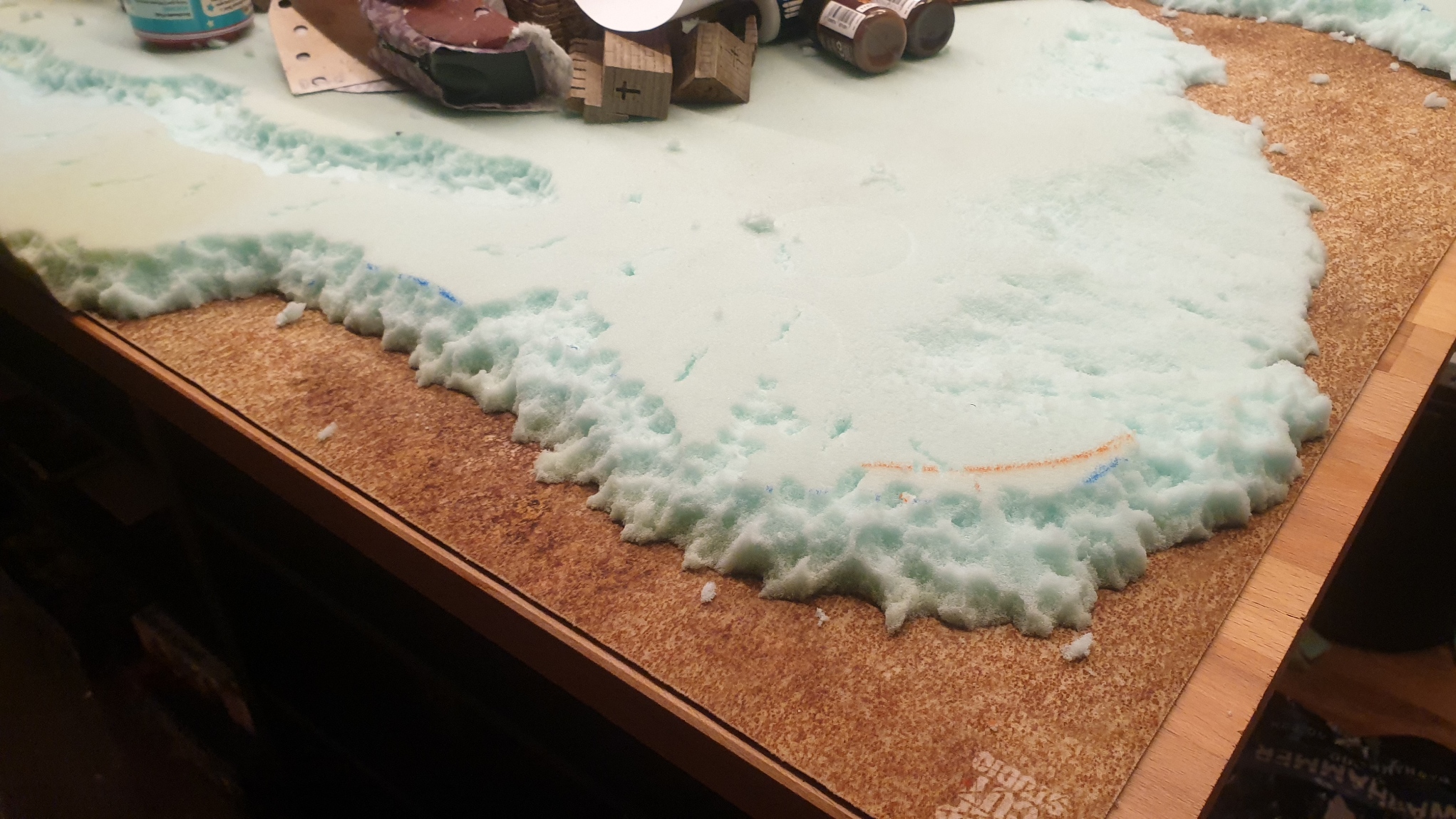
Some of the offcuts became a couple of important hills that feature in the maps of this battle field.
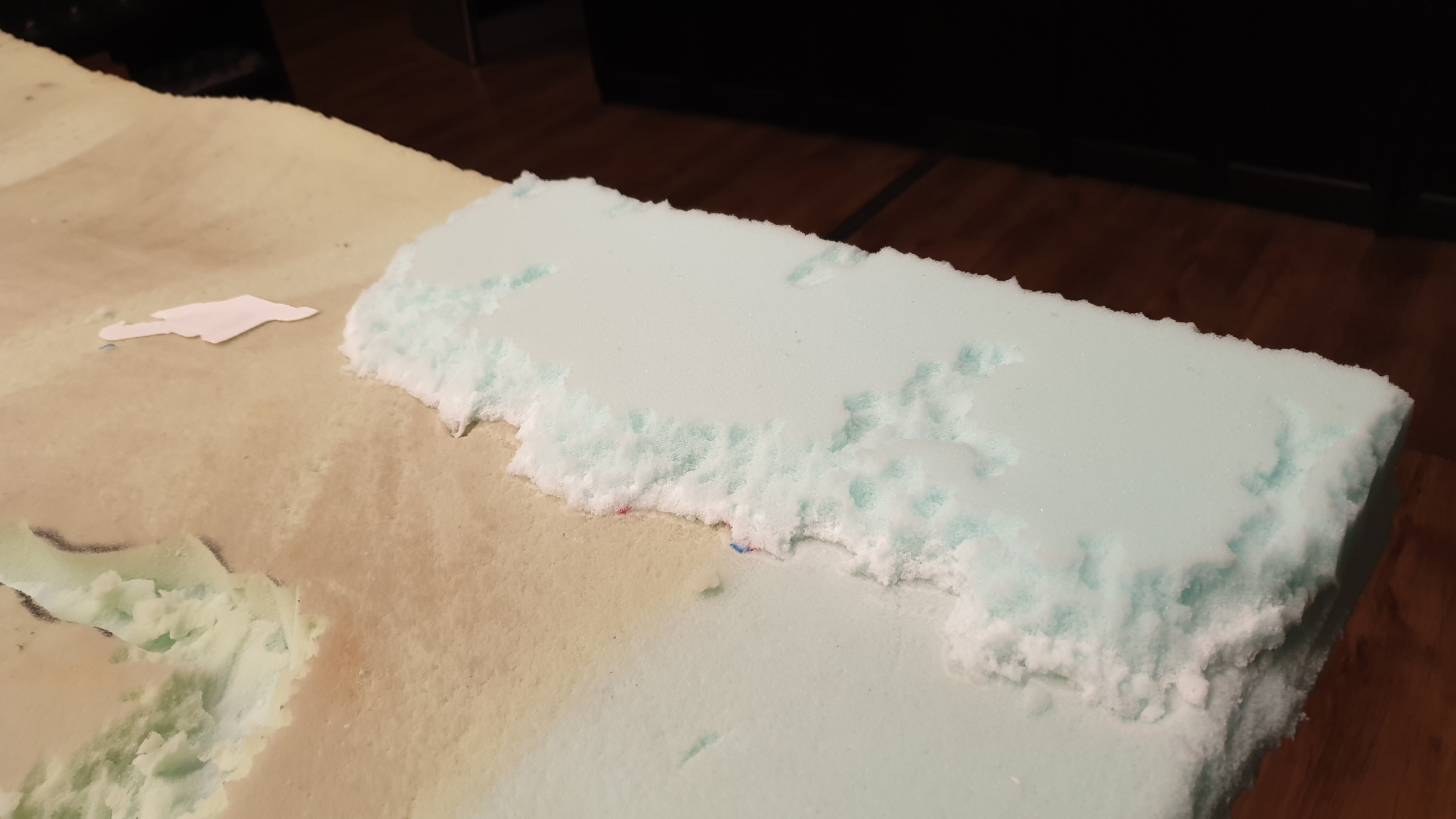
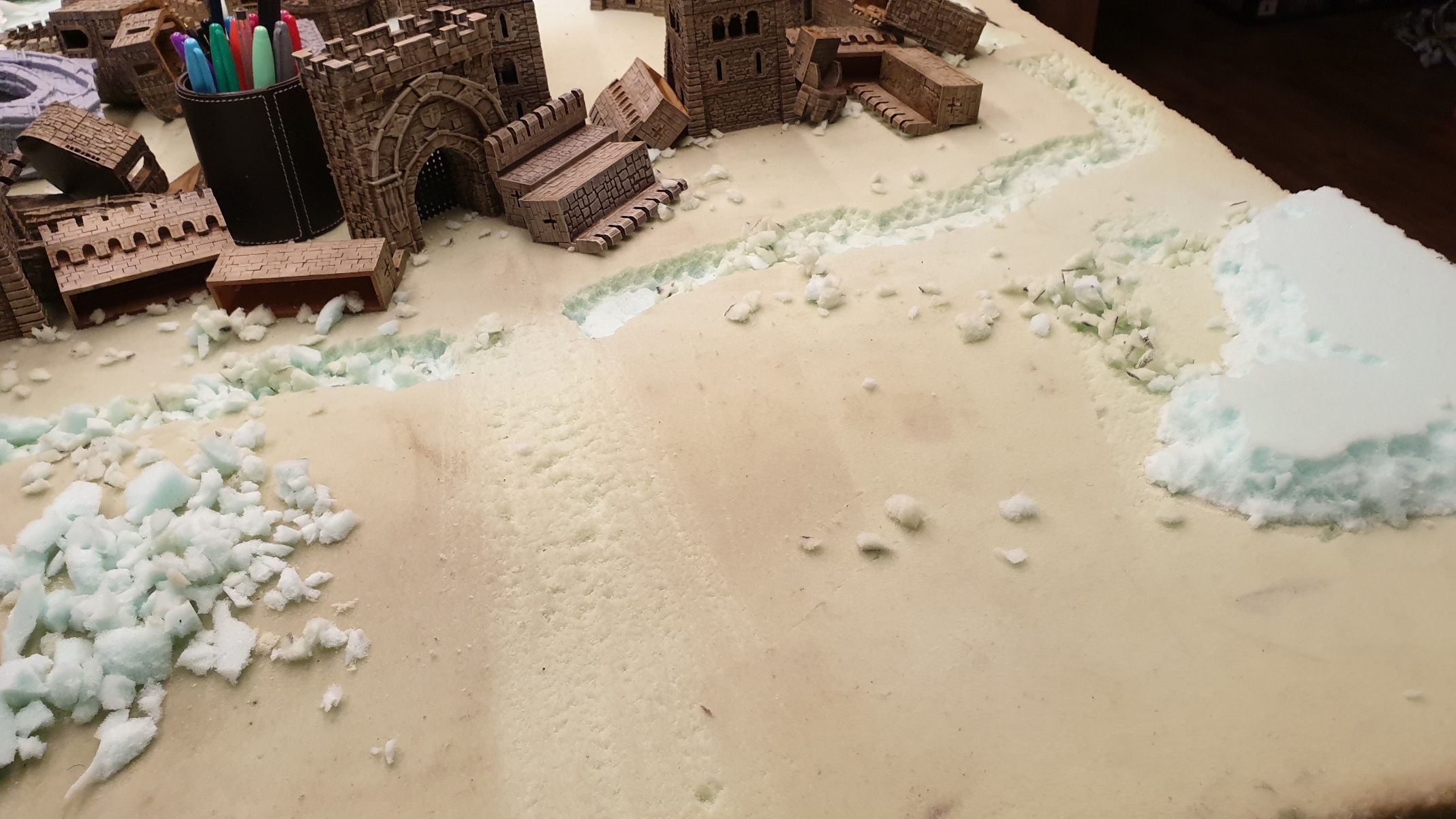
Once the initial round of shaping was complete it was time for another dry fit. (In projects like this repeated dry fits are not uncommon as they help you get a feel for how its all coming together.
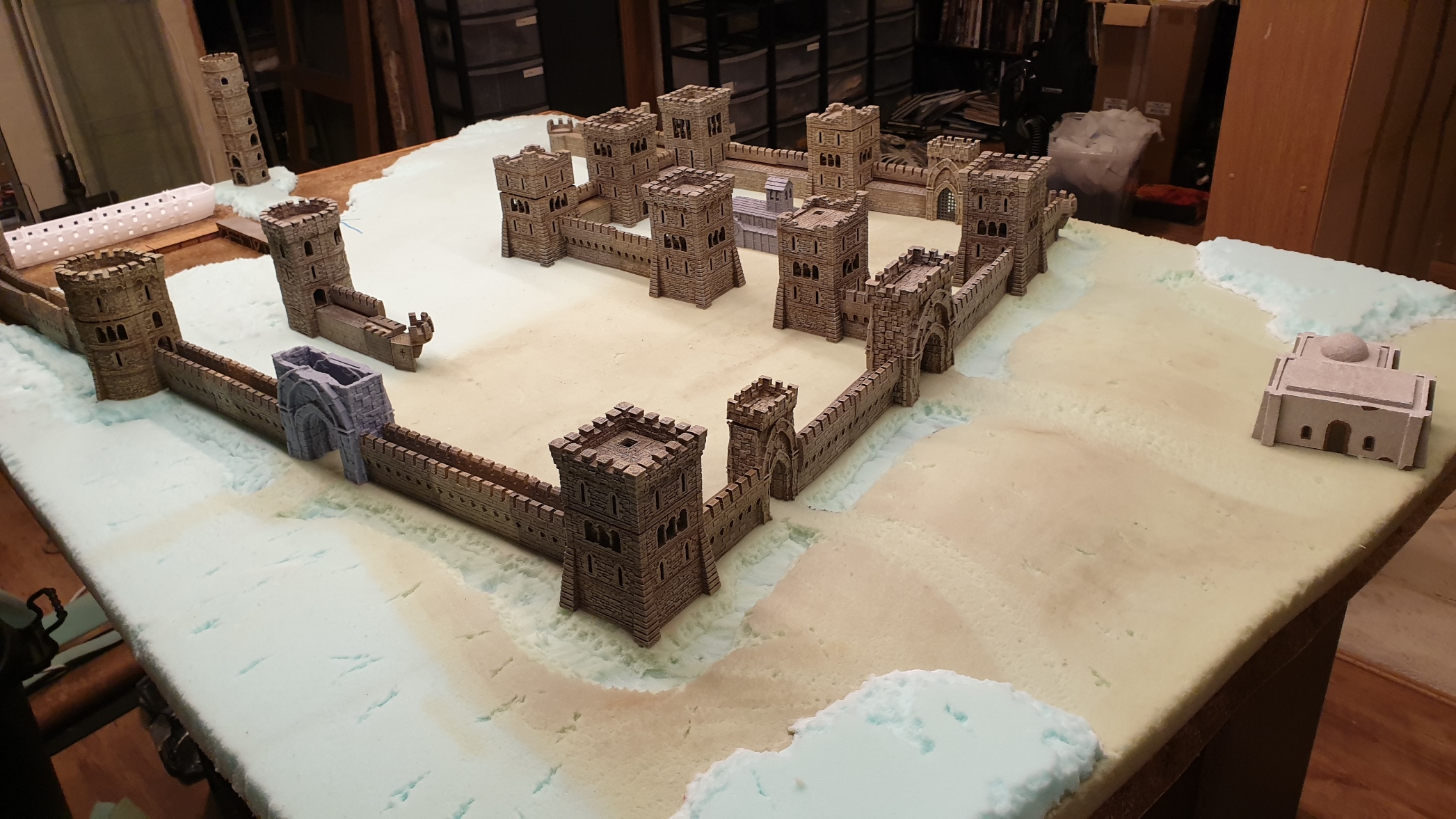
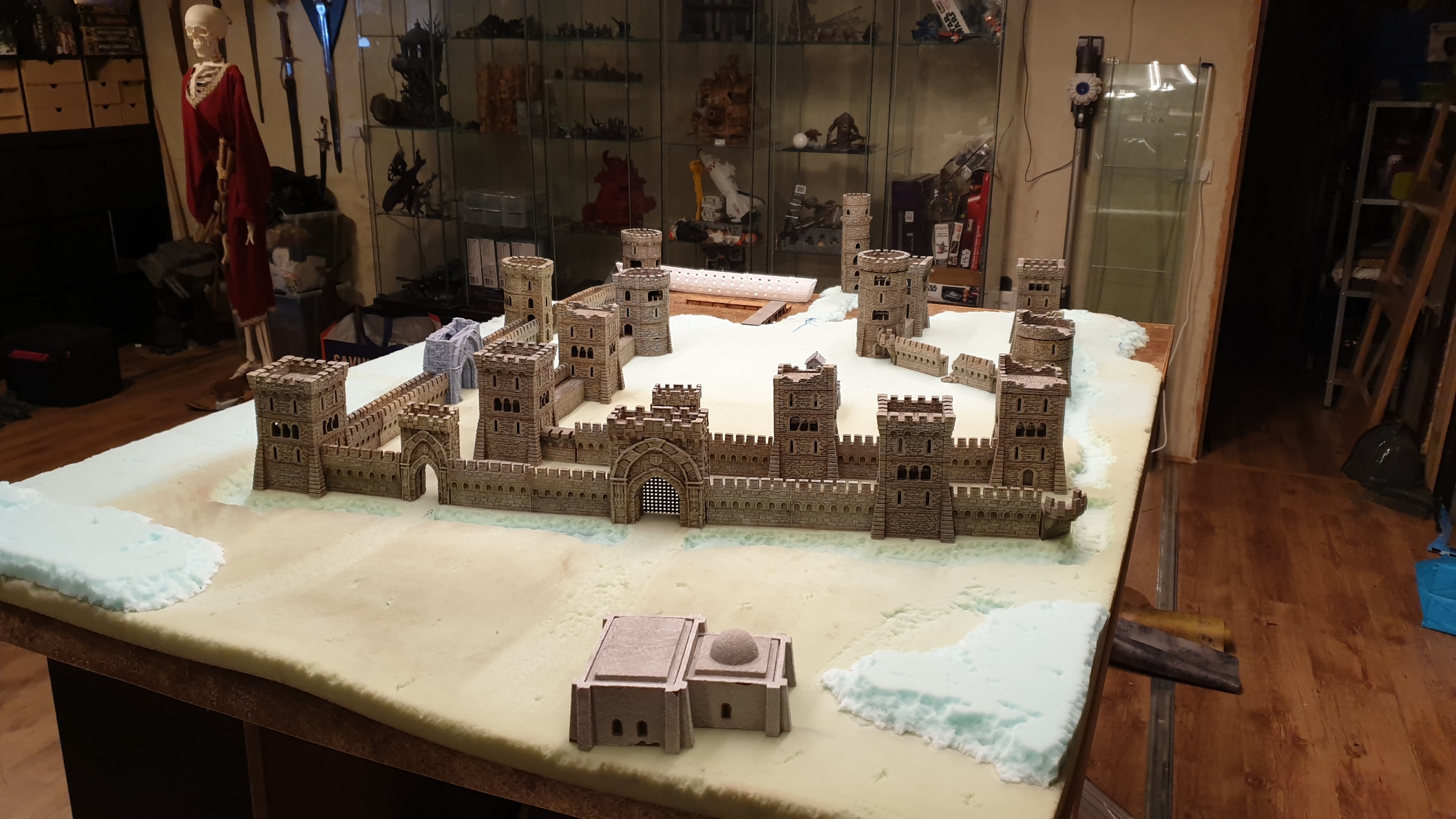
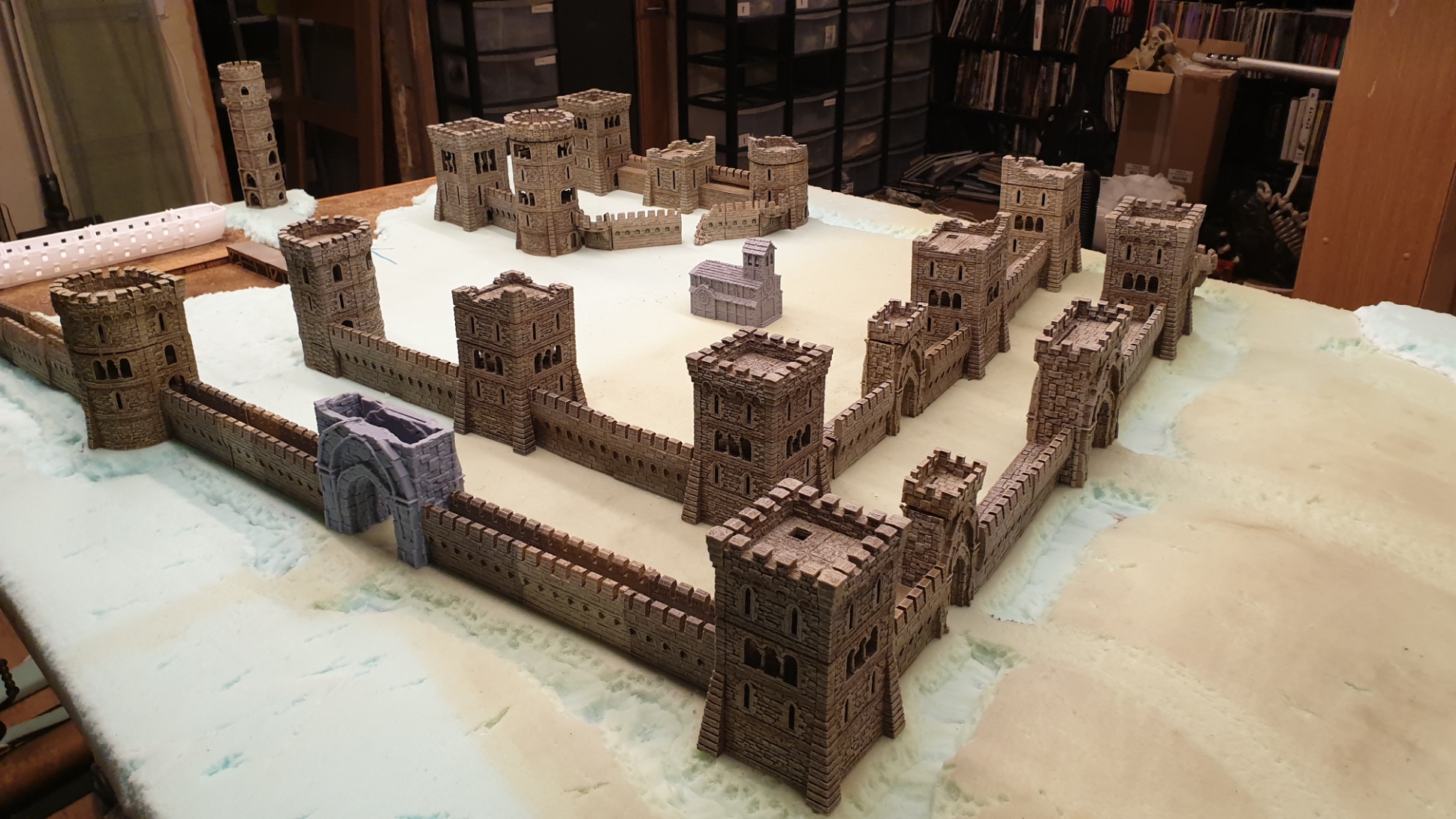
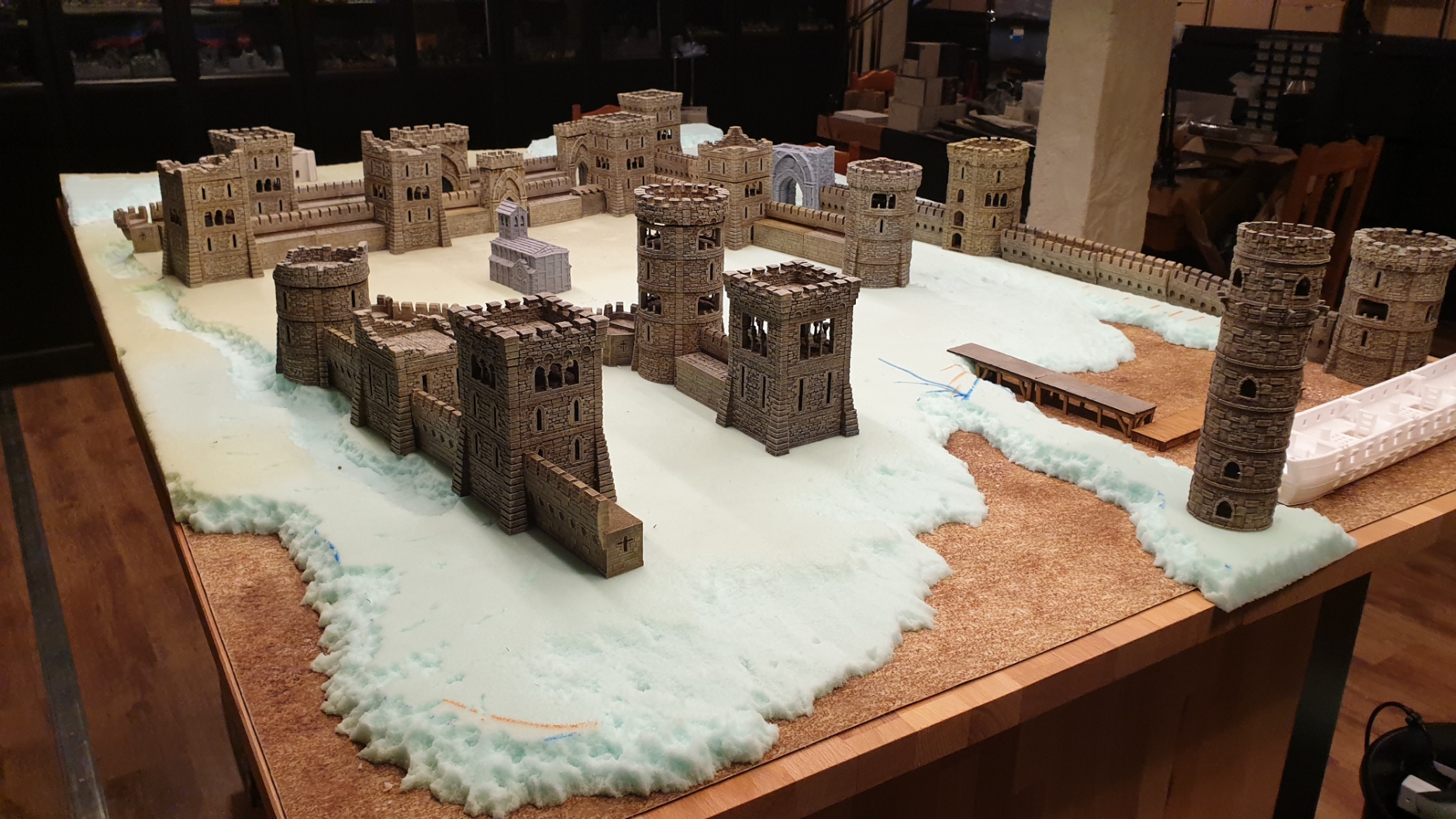
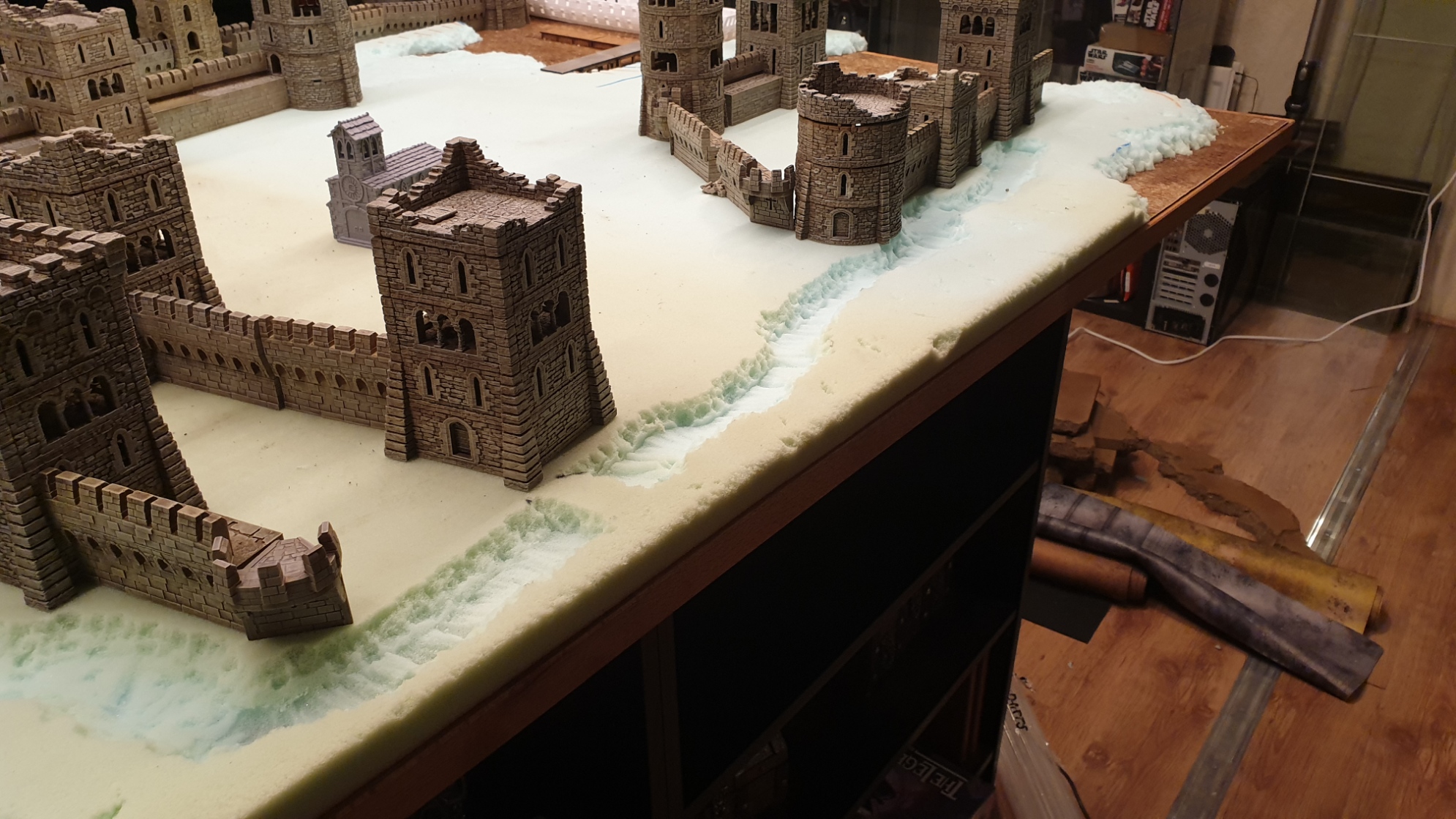
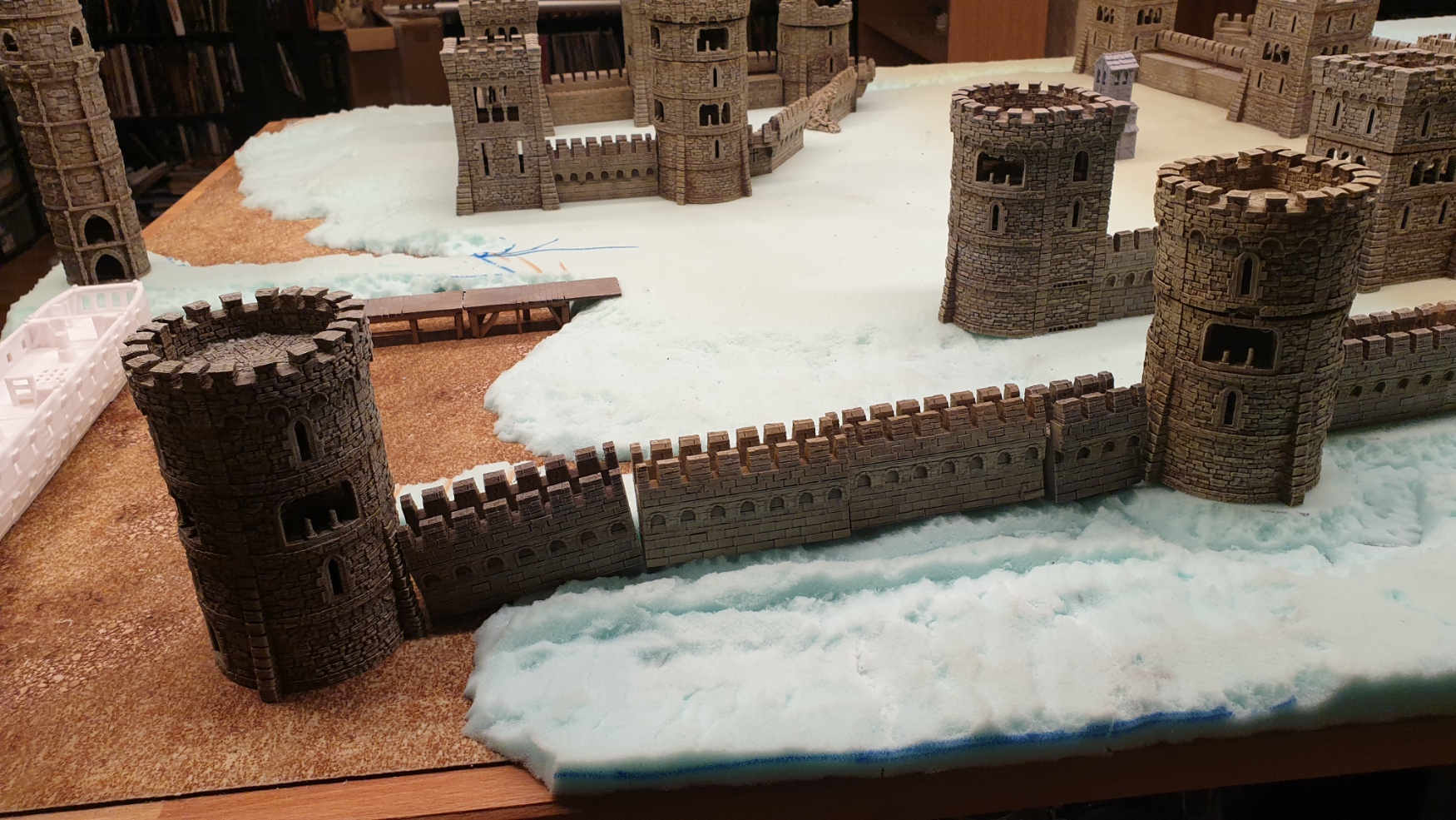
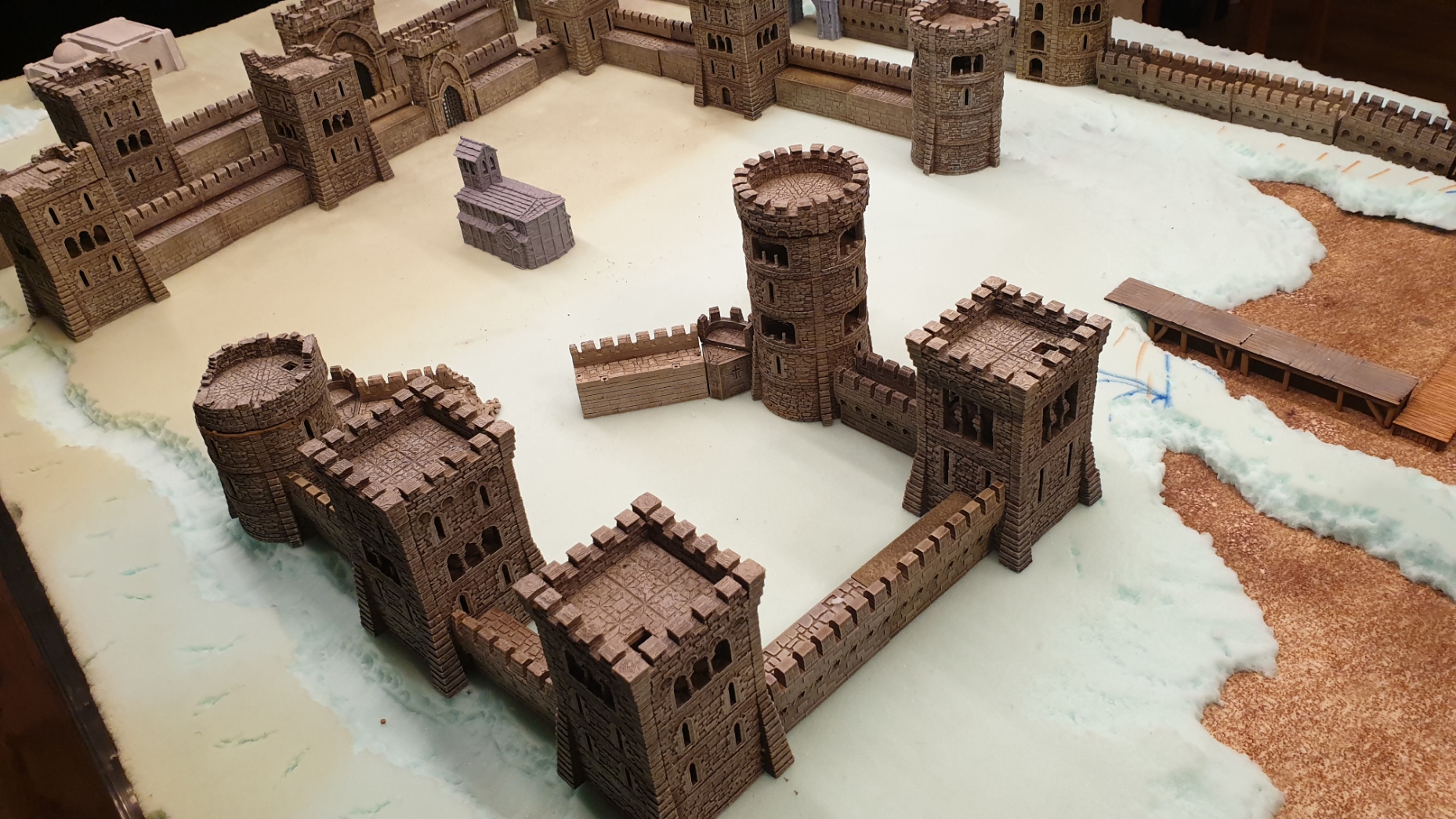
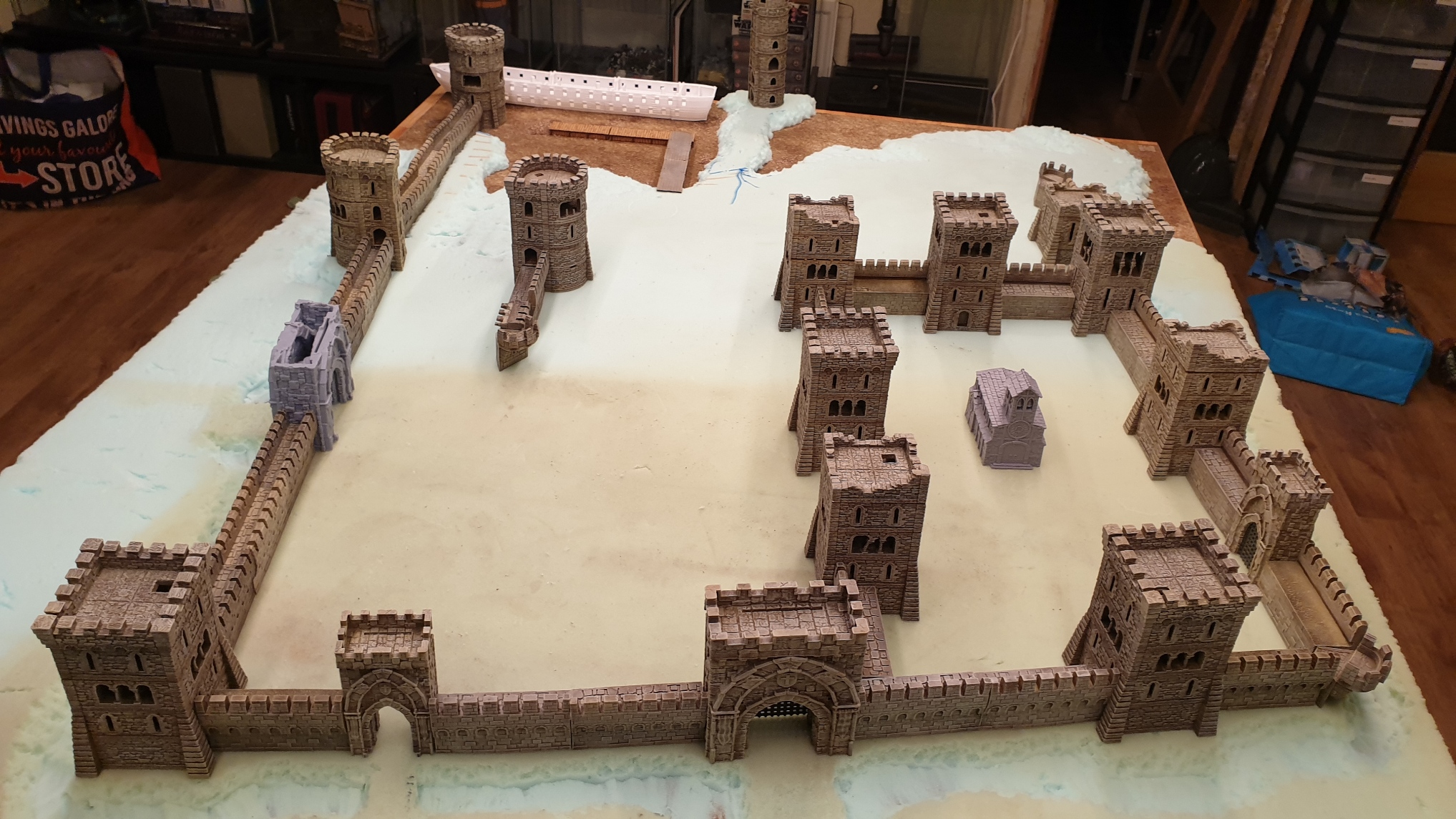
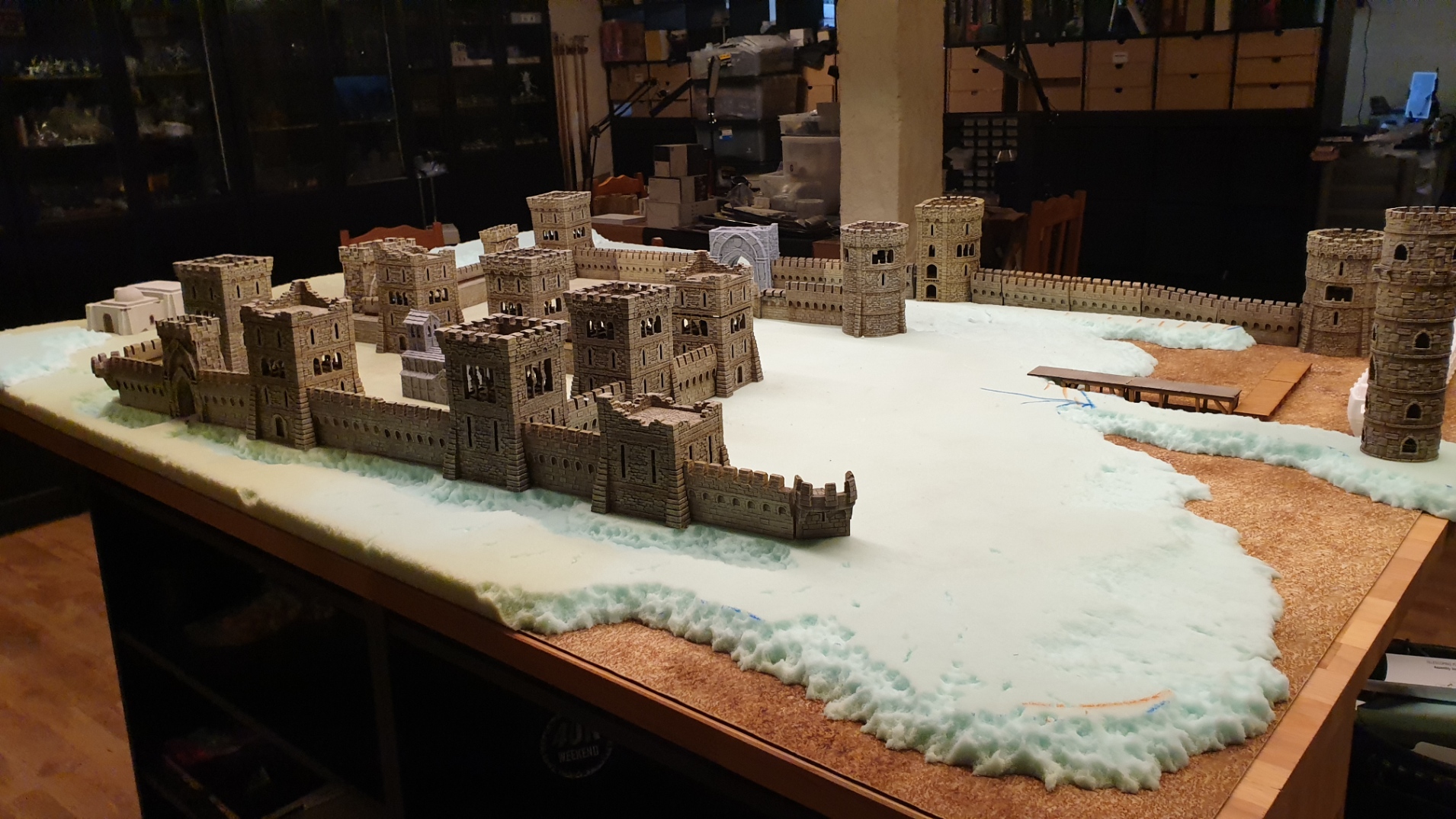
A gaming surface texture experiment
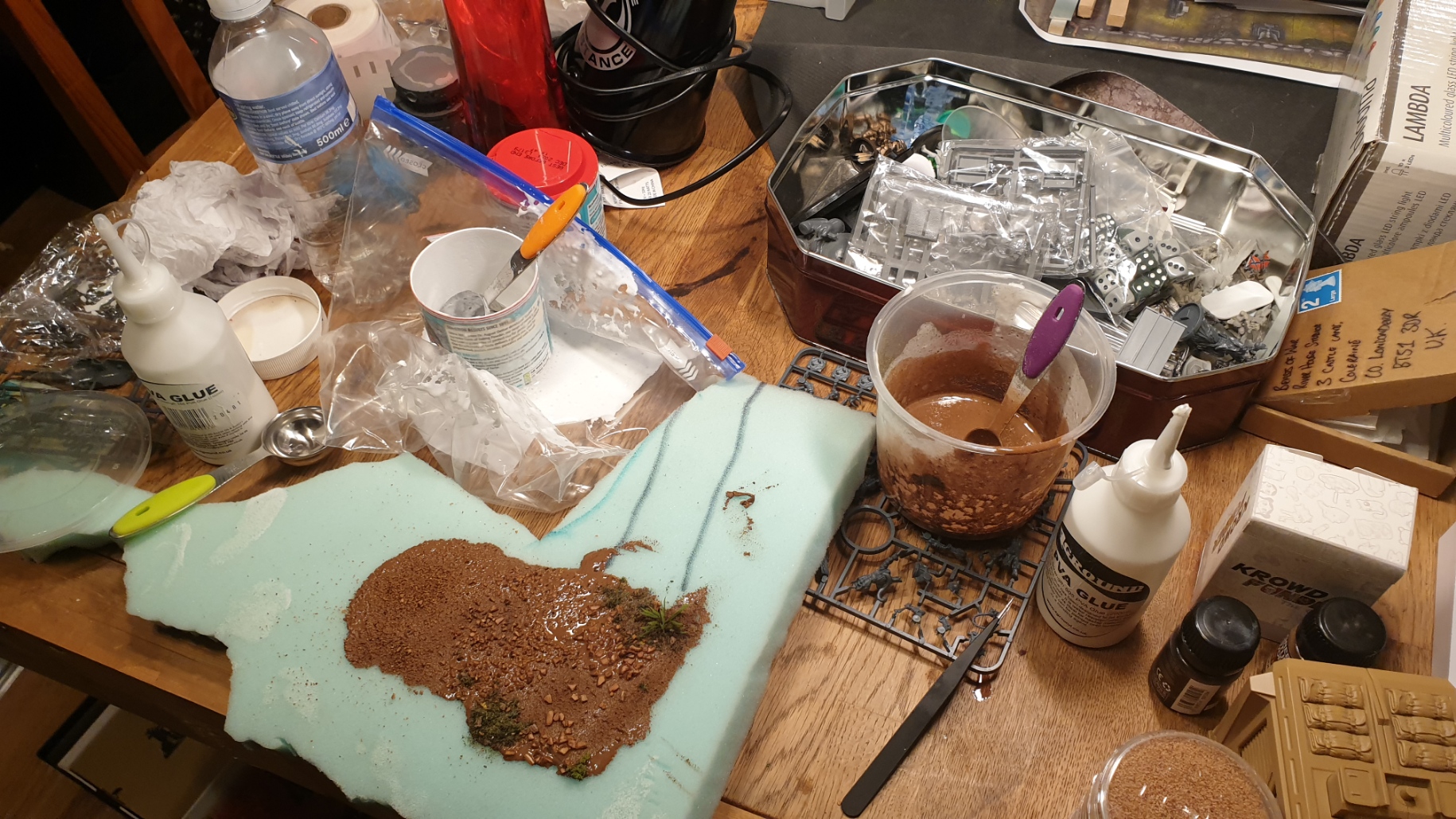
One of the first things that I started to explore were options for adding texture to the foam ‘mat’.
Now its actually quite easy to do with PVA, Sand and the usual suspects all working fine in terms of adhesion and final look – the difficulty comes if you want to keep the flexible property of the foam. The usual suspects set rock hard and mean the foam has to be stored flat, which for me was not ideal.
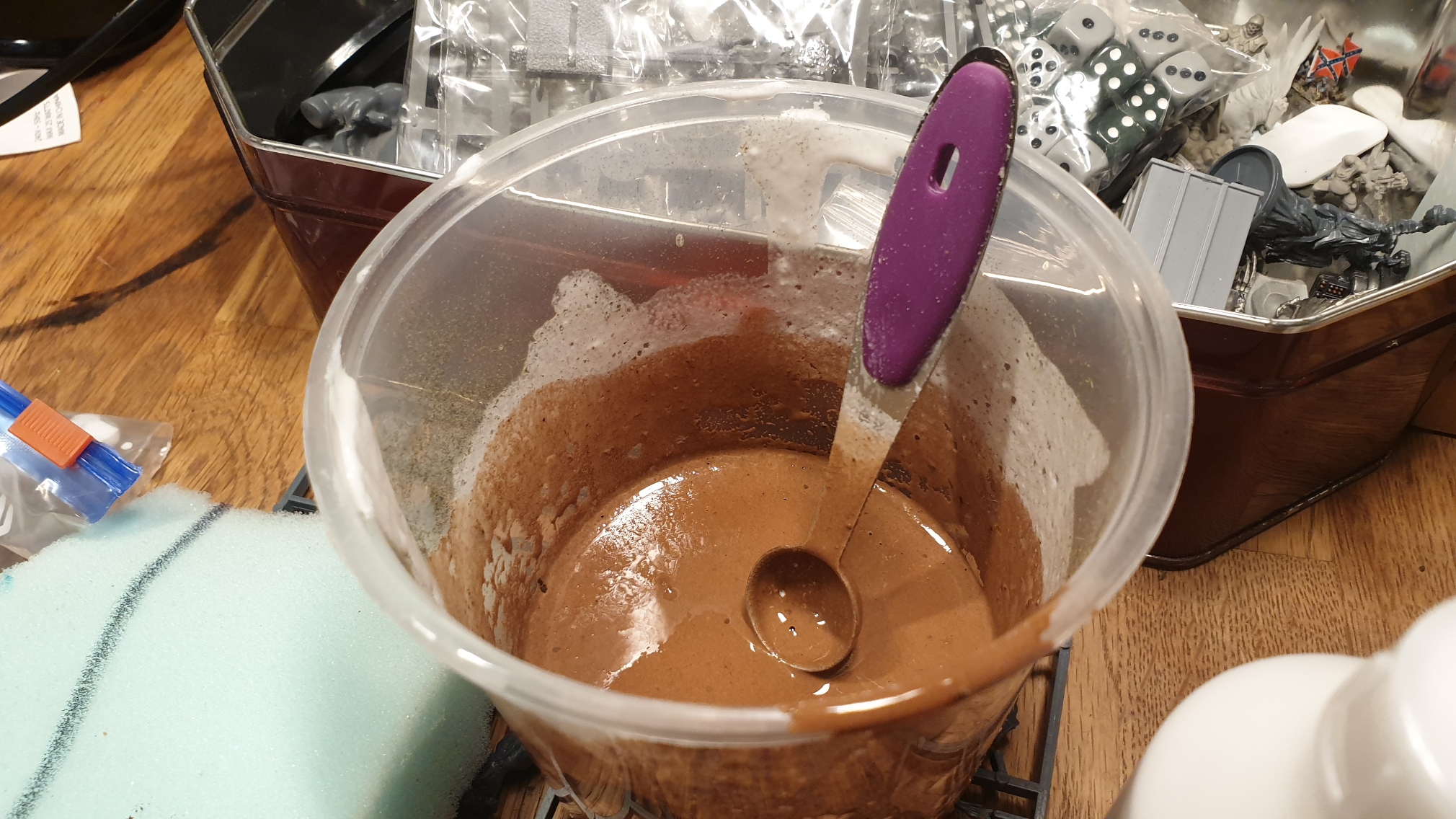
Experiment 1:
PVA
Bicarbinate of Soda
Pigment Powders
Mix of ground corks
An attempt to create a kind of flexible modge podge, didn’t work very well, it was flexible for sure but the bonds were weak and it just tore and crumbled. So not recommended.
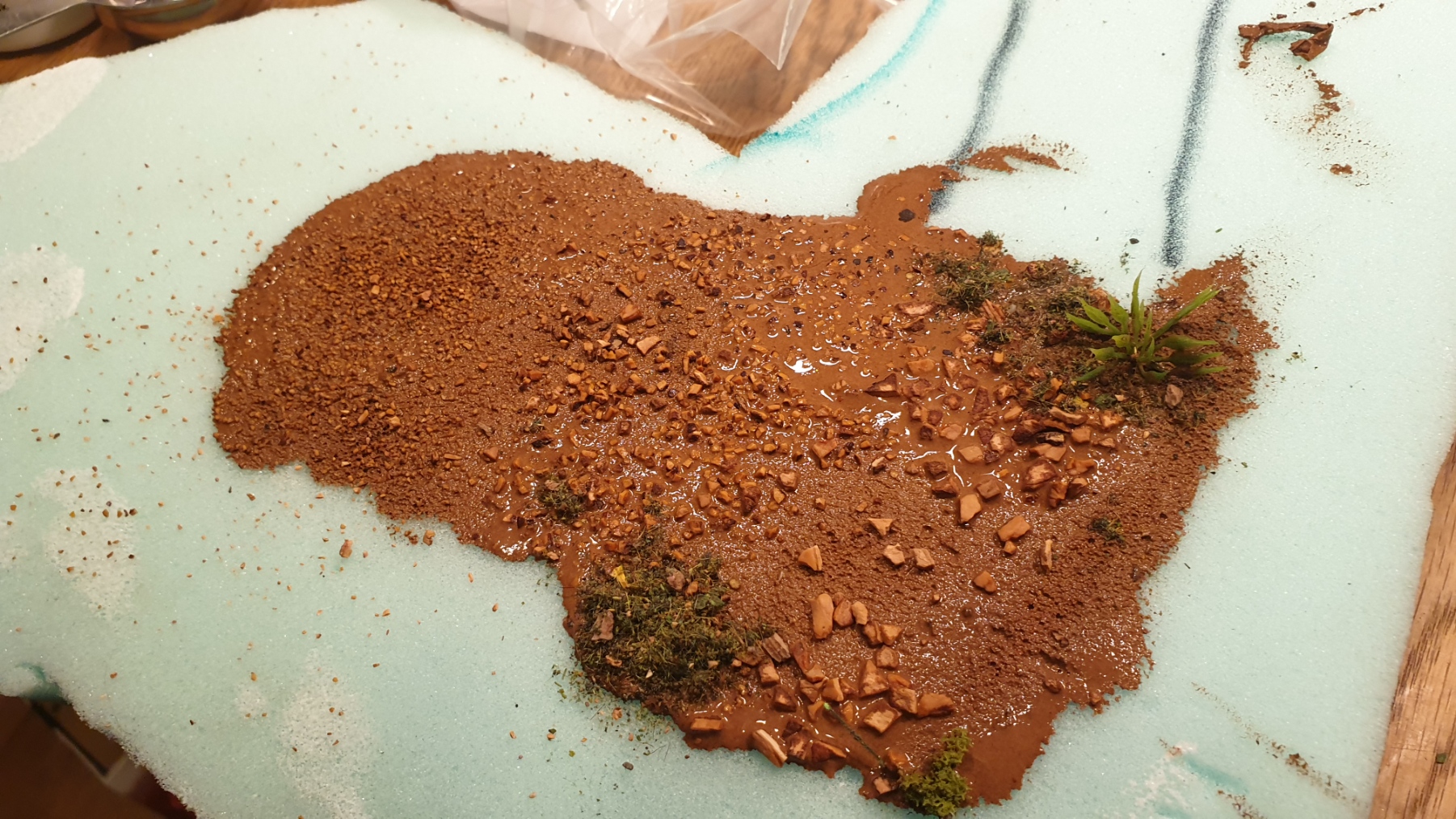
Experiment 2:
Silicone Adhesive (Tec7)
Mix of ground cork
Thinned with white spirit
This is an interesting option but takes a fair bit of testing to get the thinning right while not a complete failure it hadn’t just got it stable enough to use on this project so perhaps I can get this perfected for a future attempt.
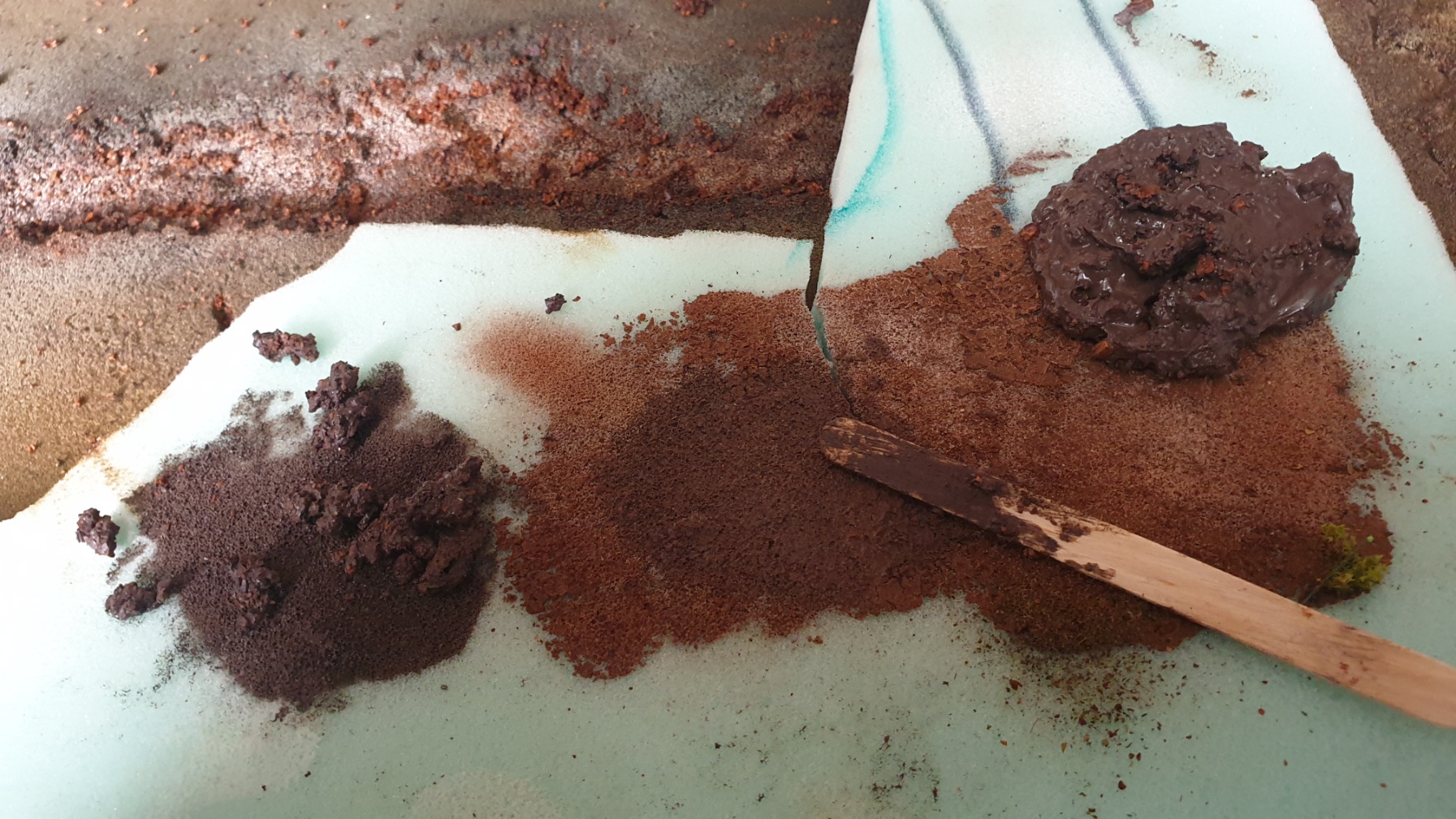
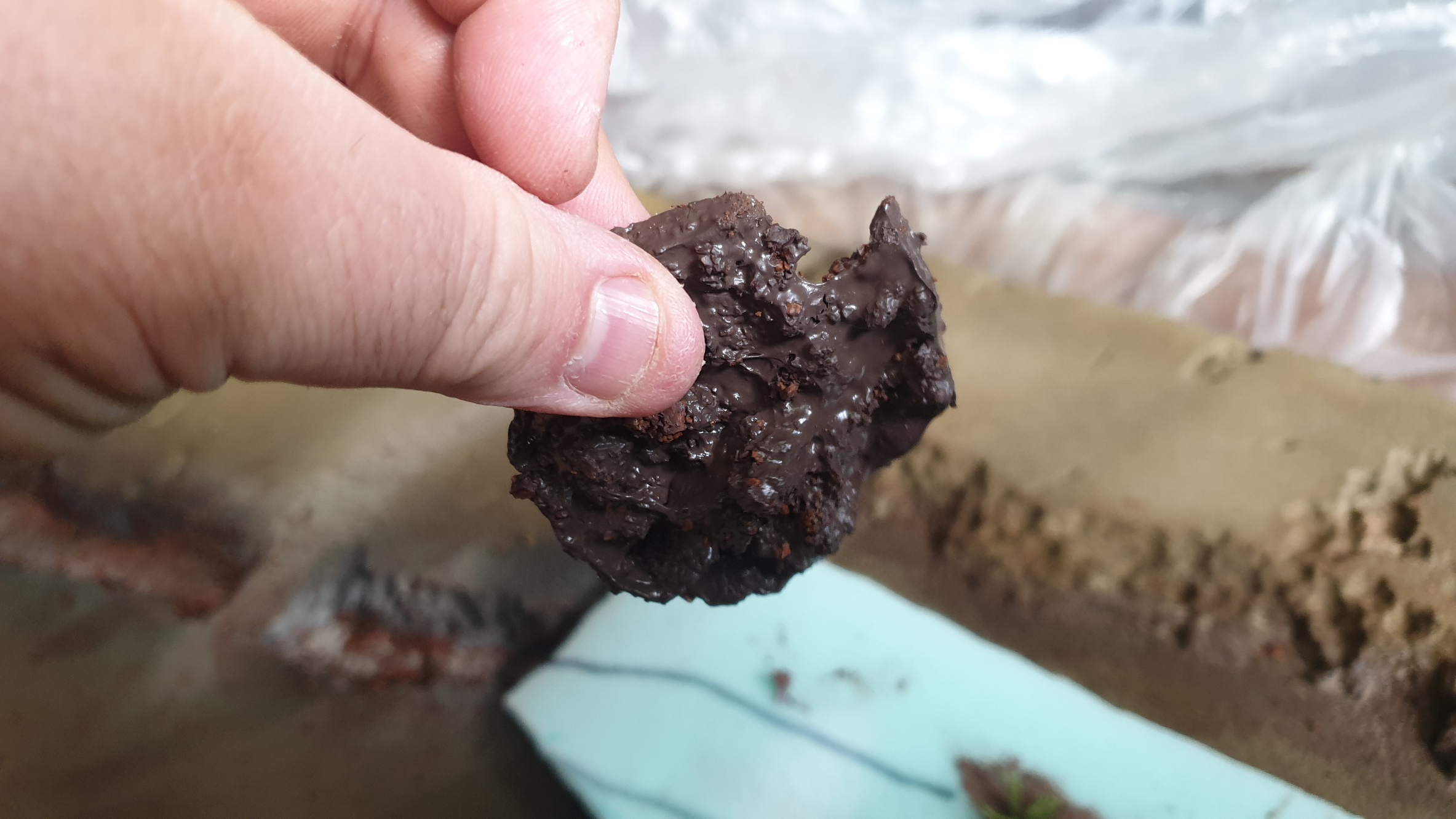
Paint
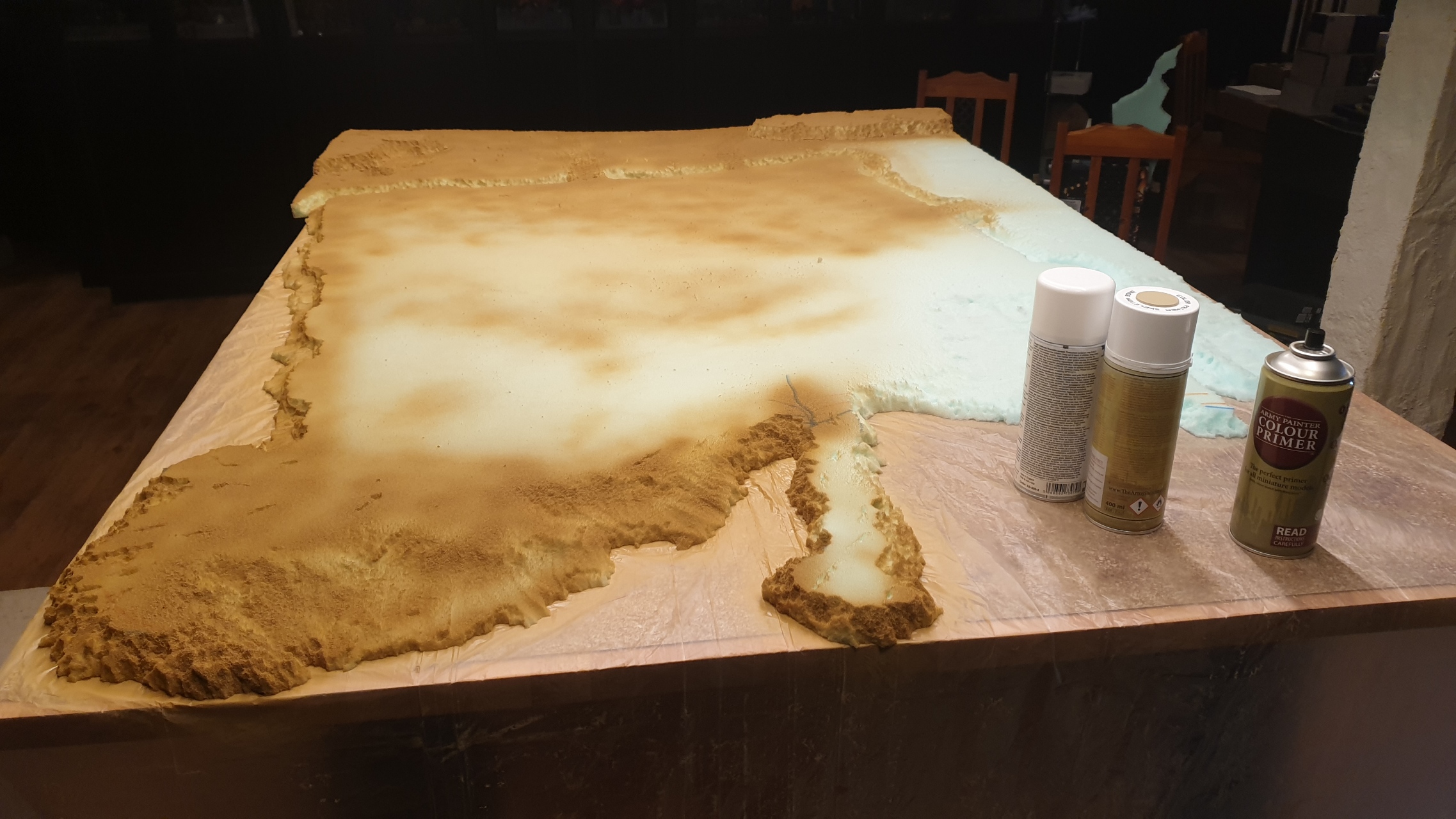
Foam actually takes paint well and you have a couple of options. The large tubes of acrylic craft store paint work well and with a little added water will absorb into the foam giving it a strong colour that handles tears etc well.
BUT!… It takes a long time to dry as foam by its very nature kind of locks in the moisture and takes a long time to air dry.
So for expediency I opted for sprays for this project. I had a couple of cans of spray lying around, so it was a bit of a no brainer to use them up. My main colour was army painter desert yellow.
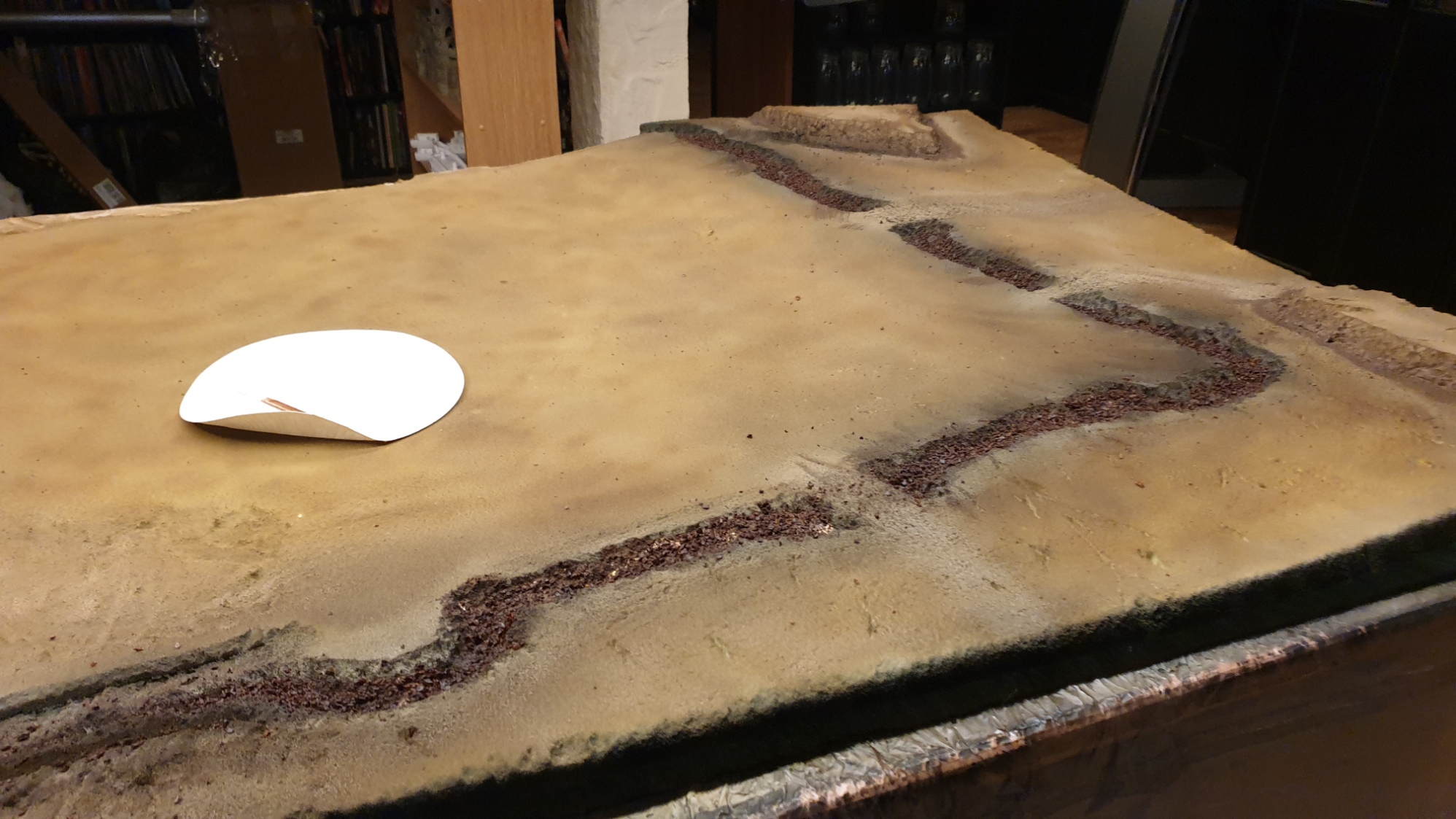
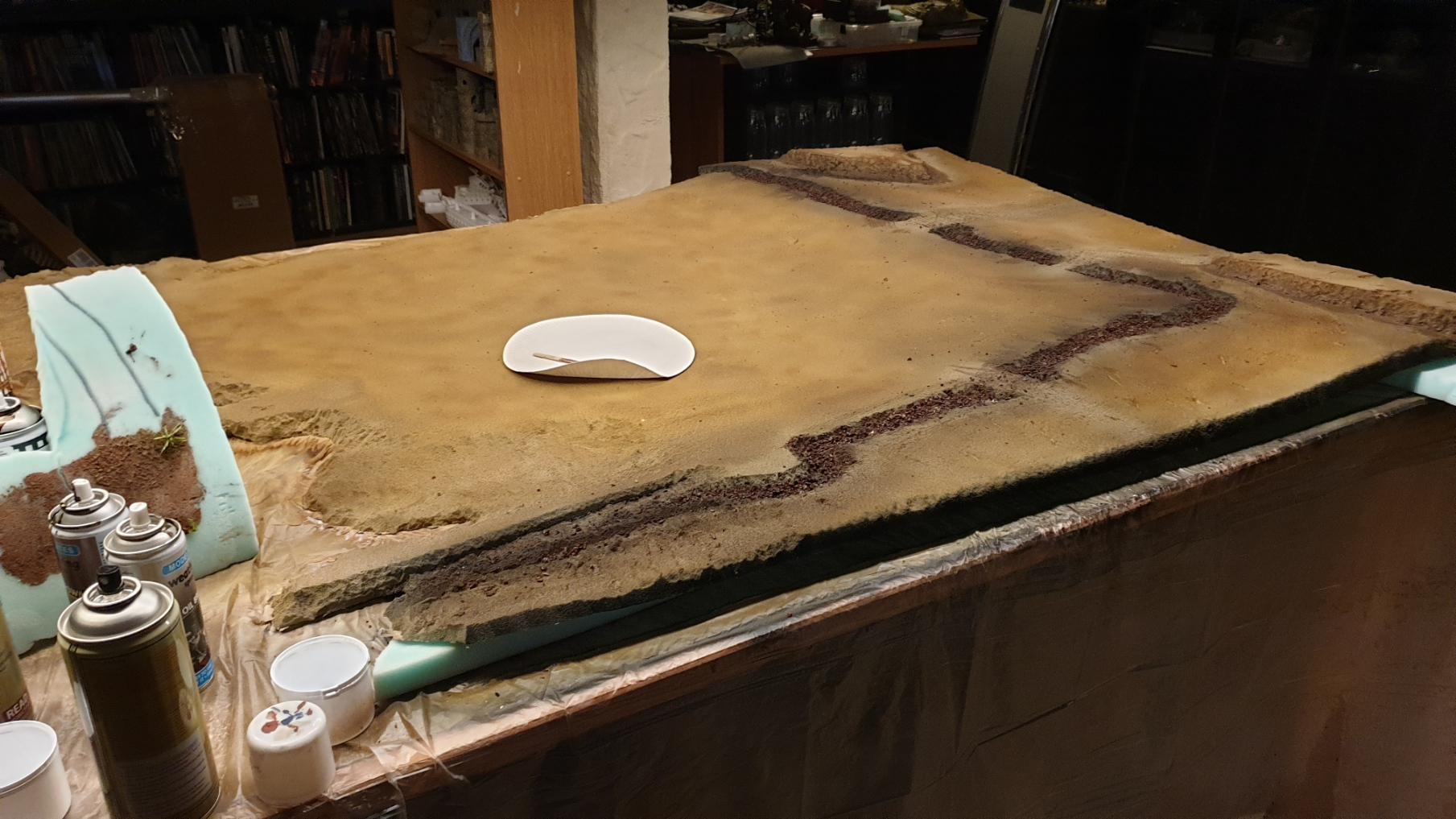
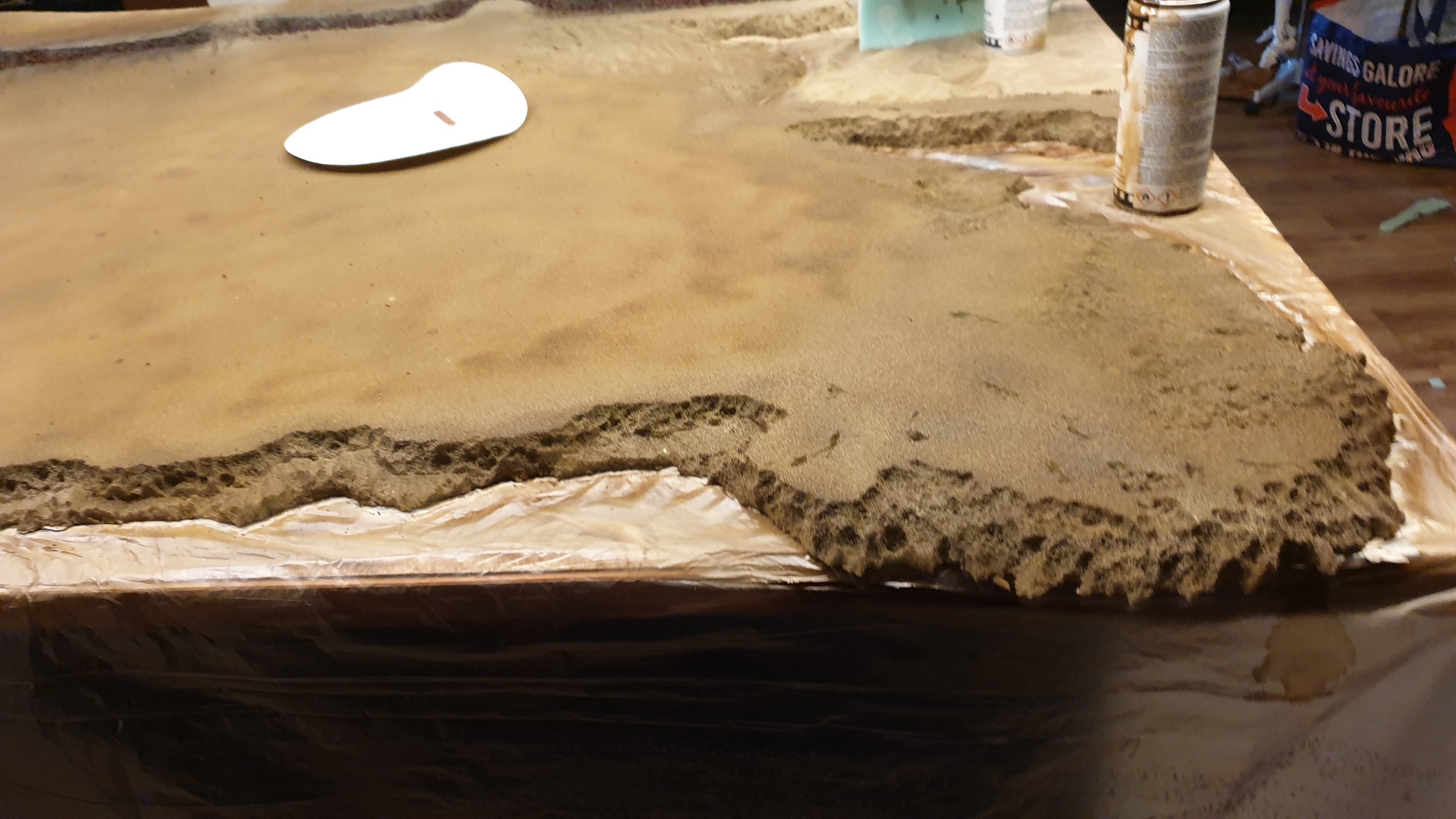
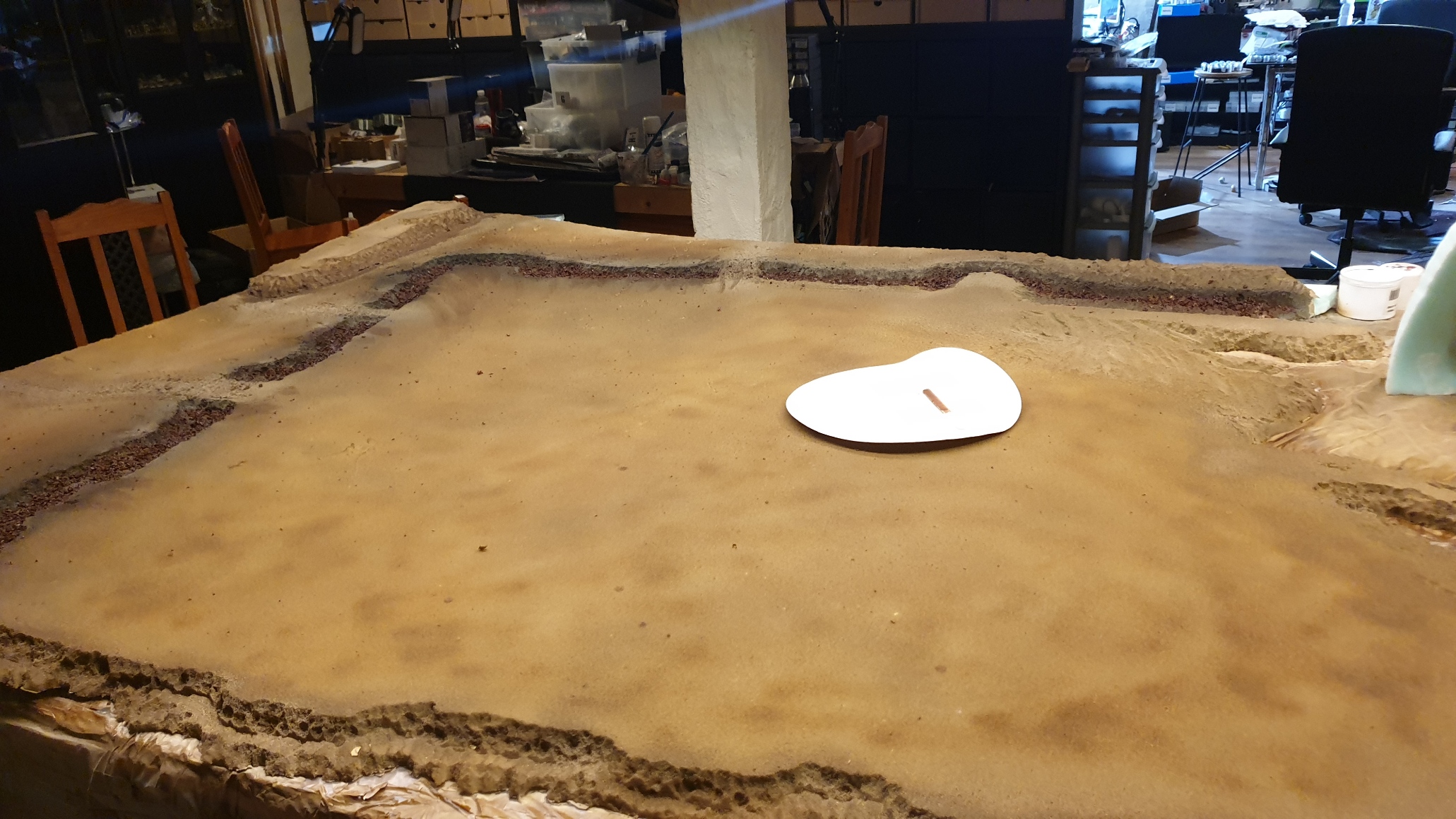
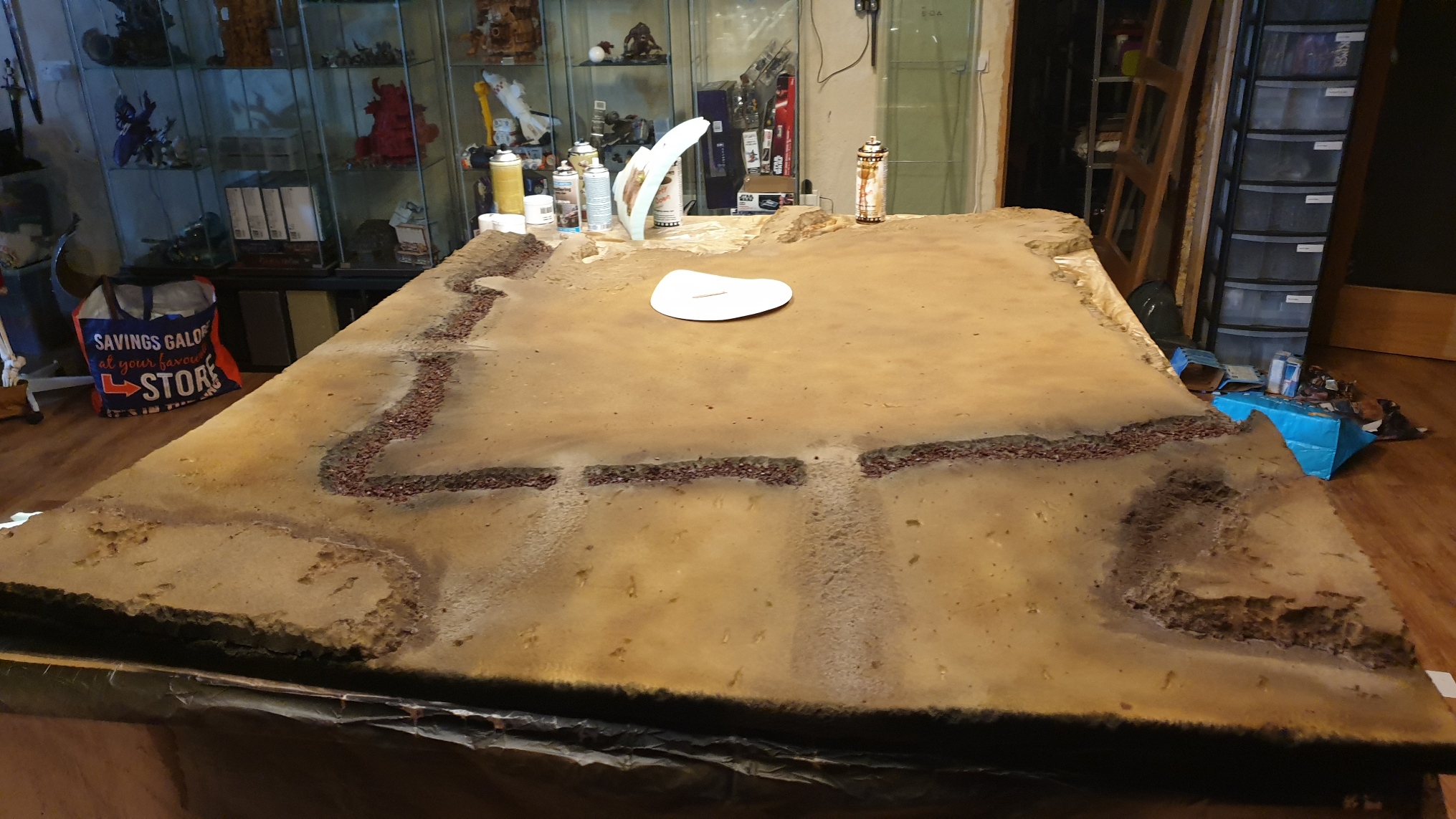
After desert yellow its was kind of random blasts of paints and weathering sprays to break things up.
A dark brown was used in the dry moat over the top of the thinned mix of Tec7 Silicone and Cork Rubble.
Then it was all left to dry to see how it might turn out…
Getting Side Tracked! - By Napoleon of course!!!
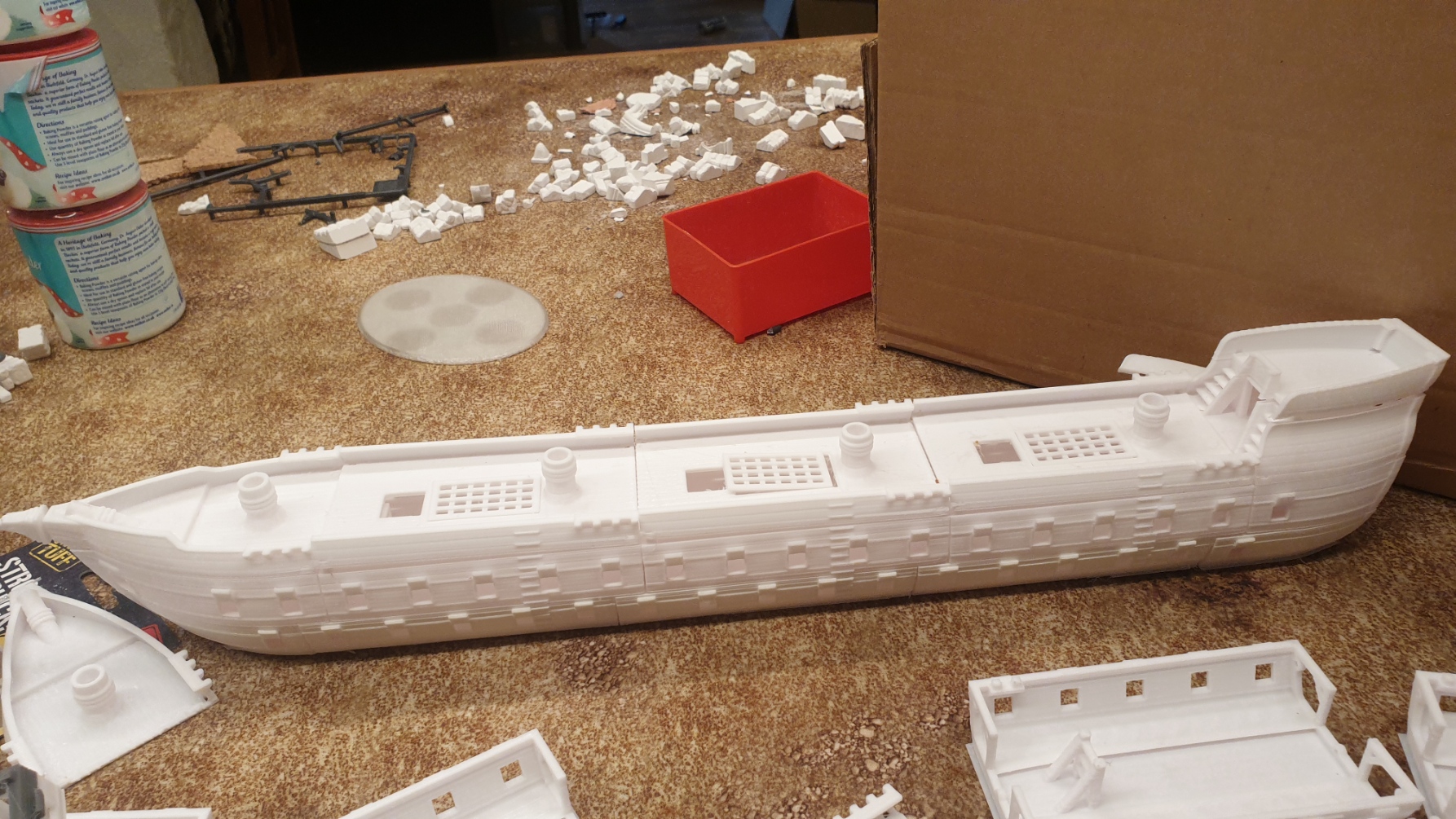
Drying time is an opportunity to kick back and research and it was during this little break that I delved even deeper into the history of the Acre Port and Stronghold.
That was when I learned that Napoleon himself laid siege to this city in 1799 during his ‘Middle East Phase’ where he quite fancied himself as a bit of an Alexander the Great.
So ofcourse like any wargamer I get completely side tracked for a while and even start to 3D print some 15mm scaled ships to use on this table for a period shift to Napoleonic time scales…
However it was time well spent...
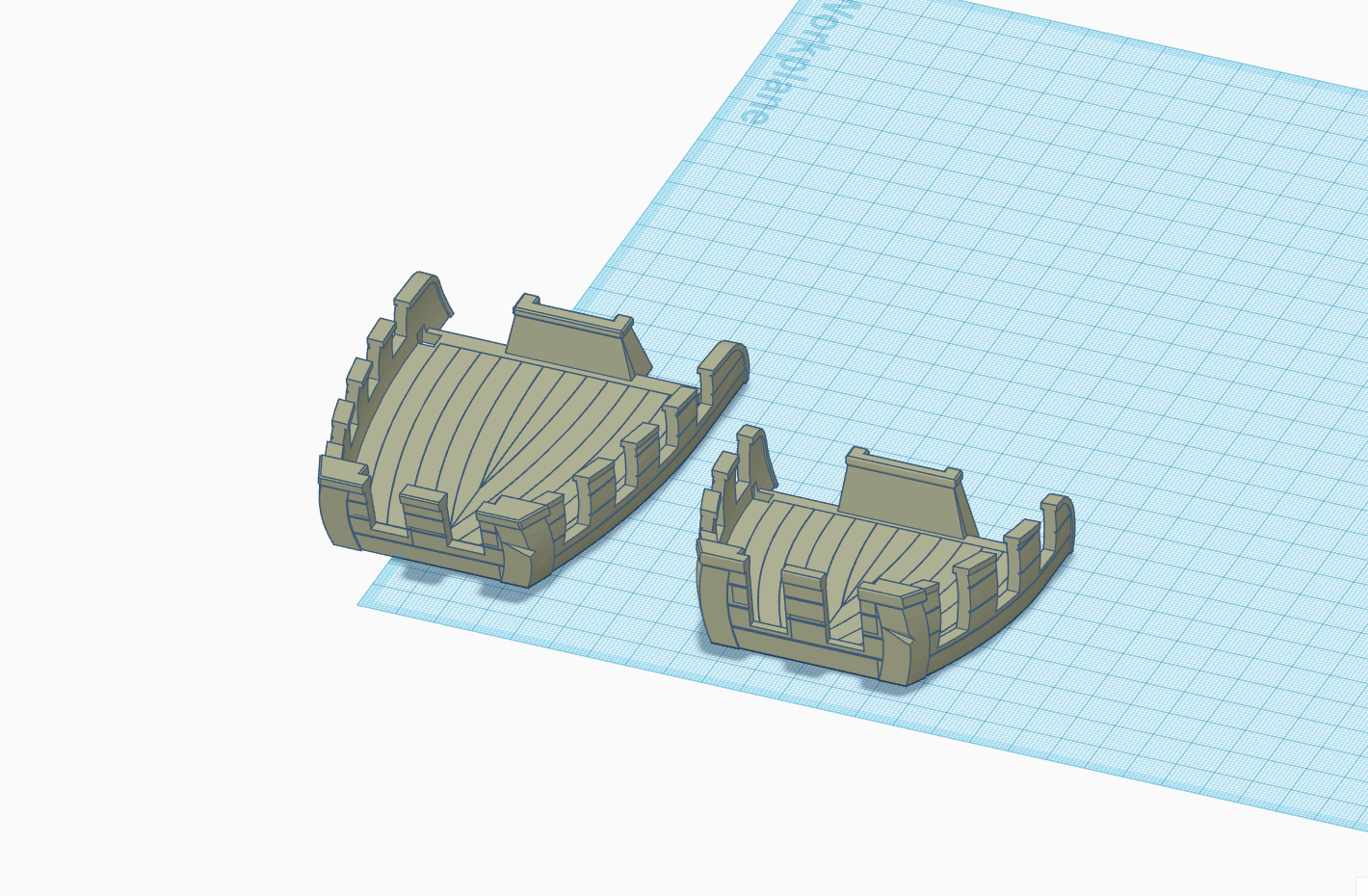
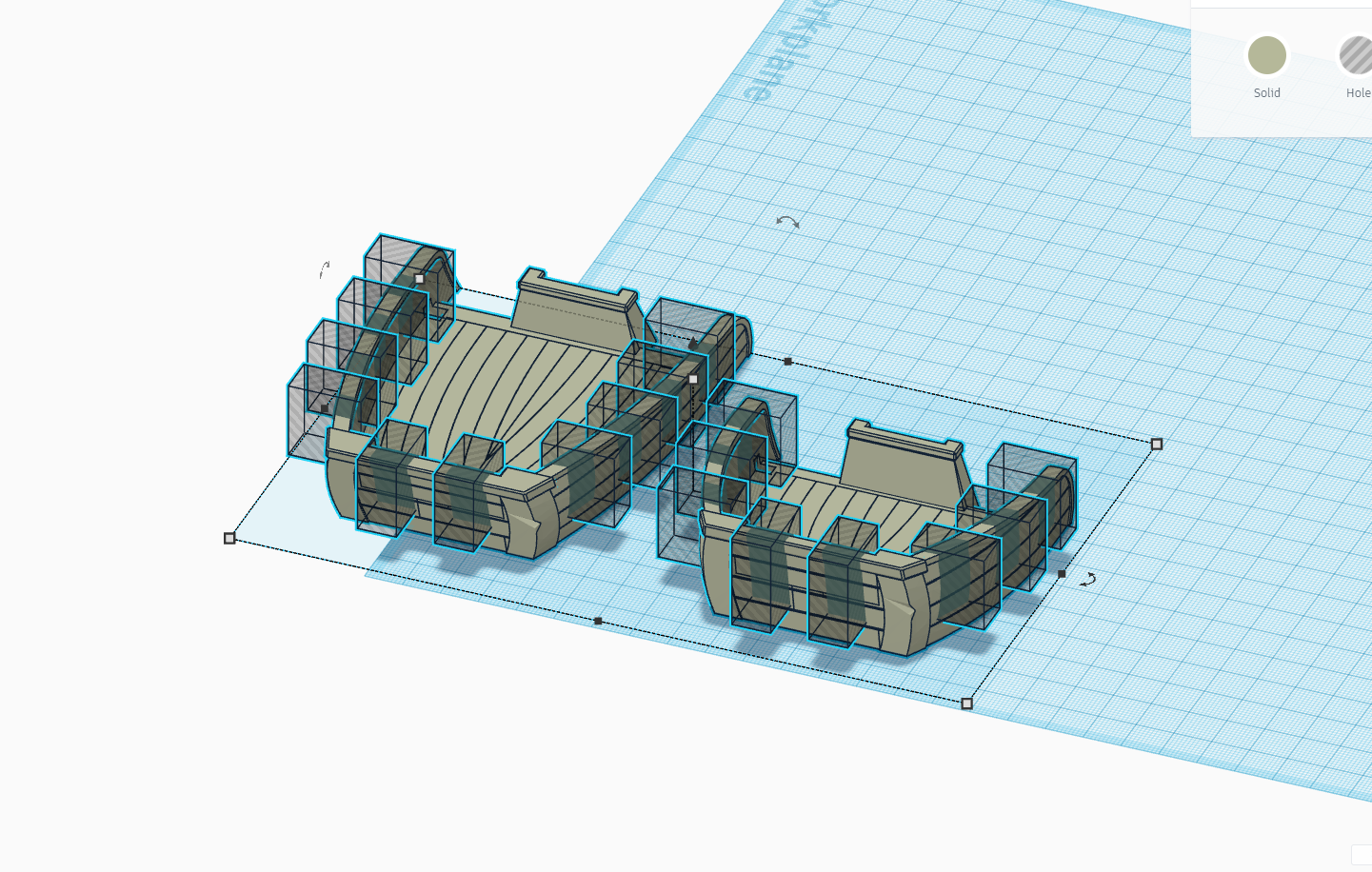
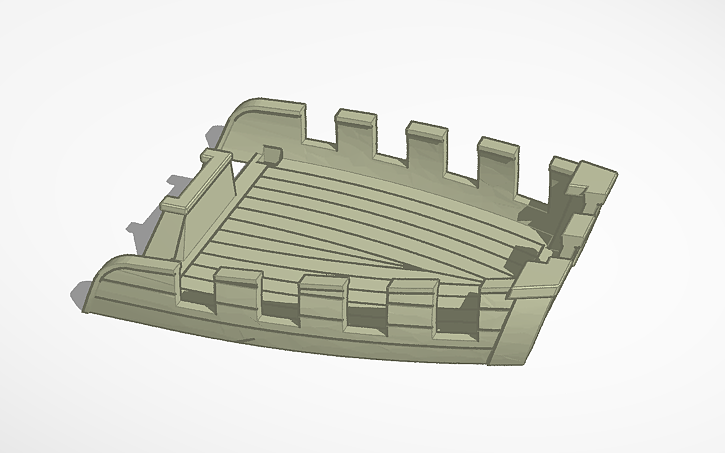
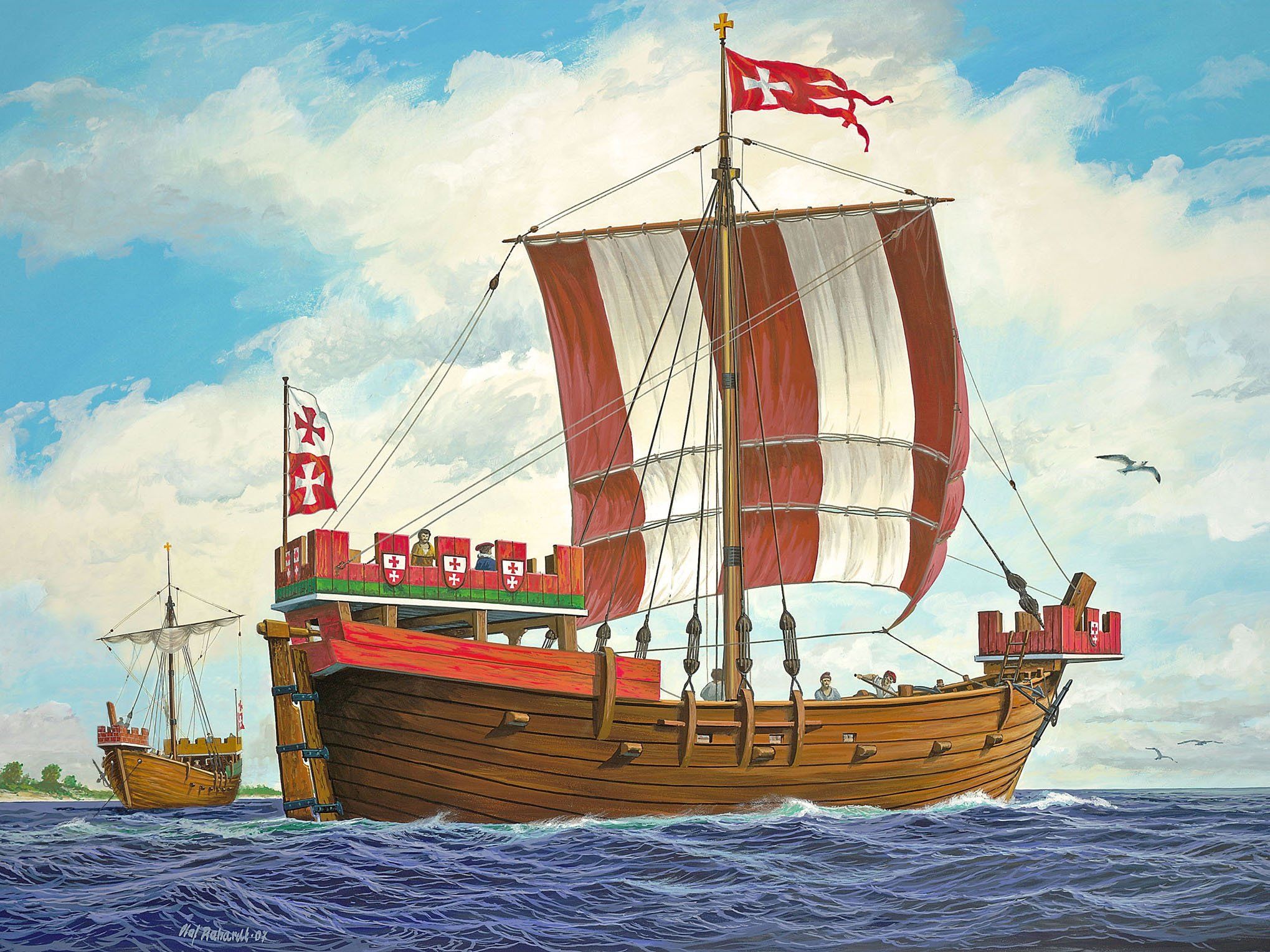
I was able to modify the components of the excellent modular ship file to create crusader style cogs complete with cute little battlements!
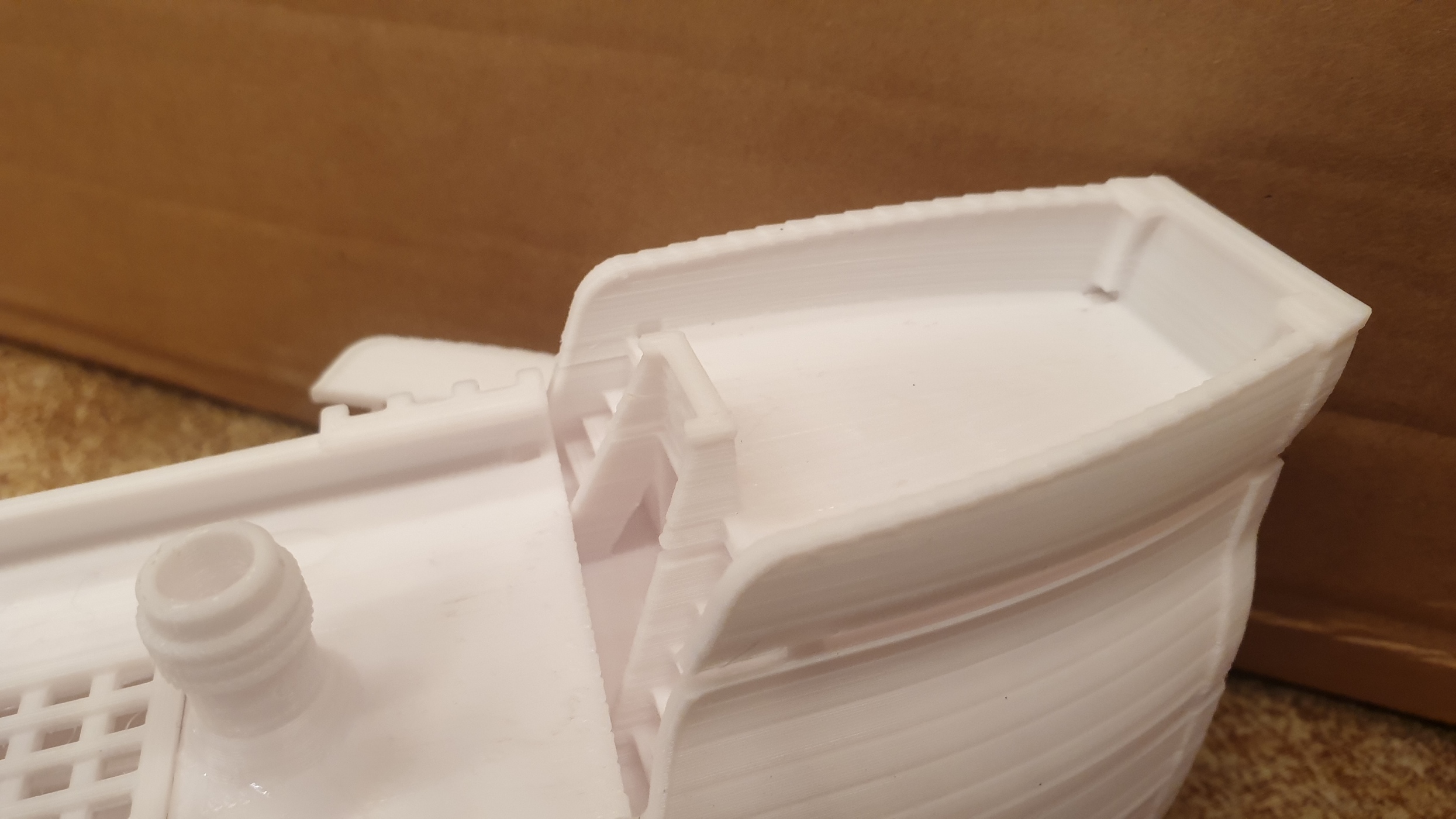
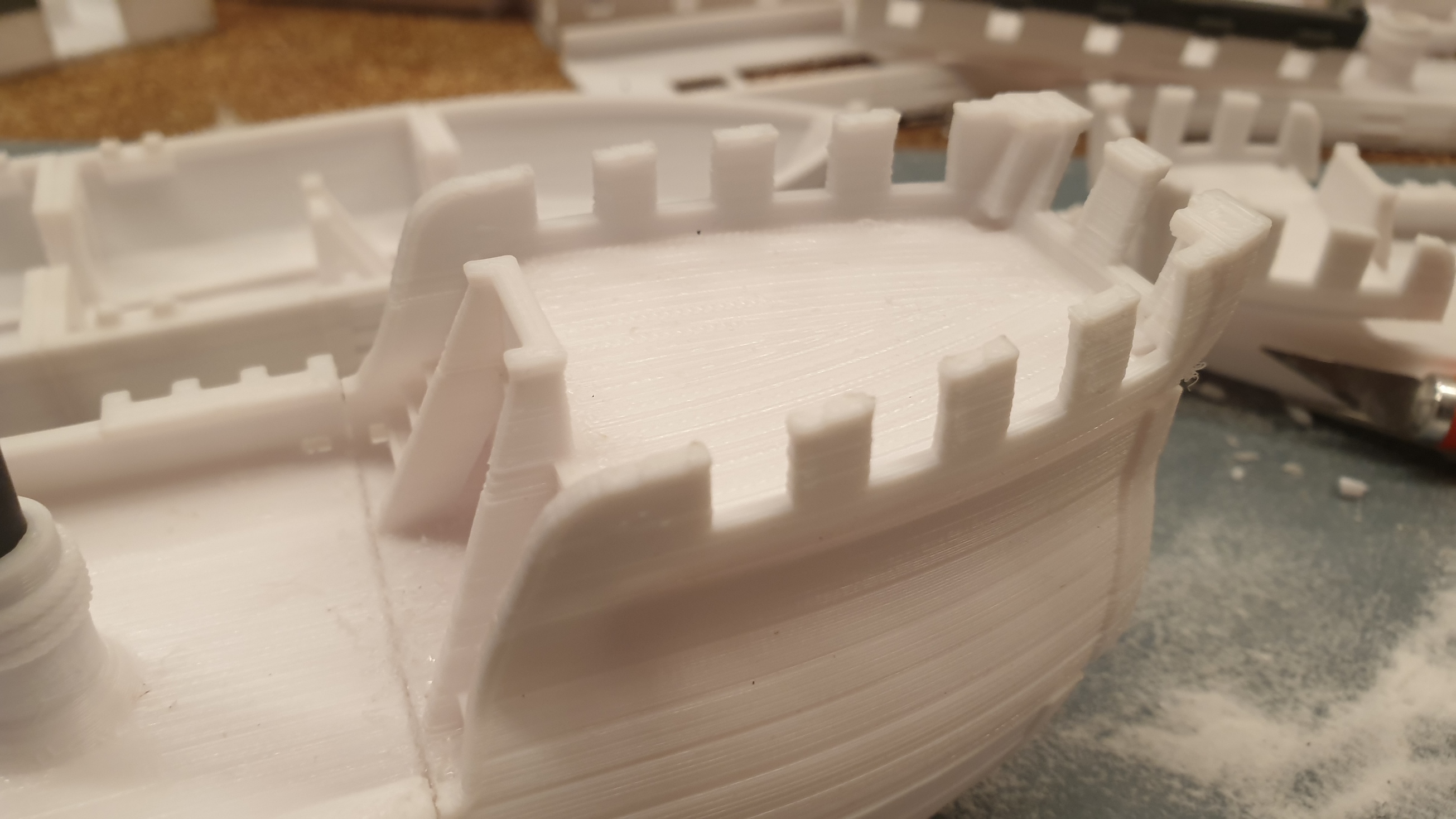
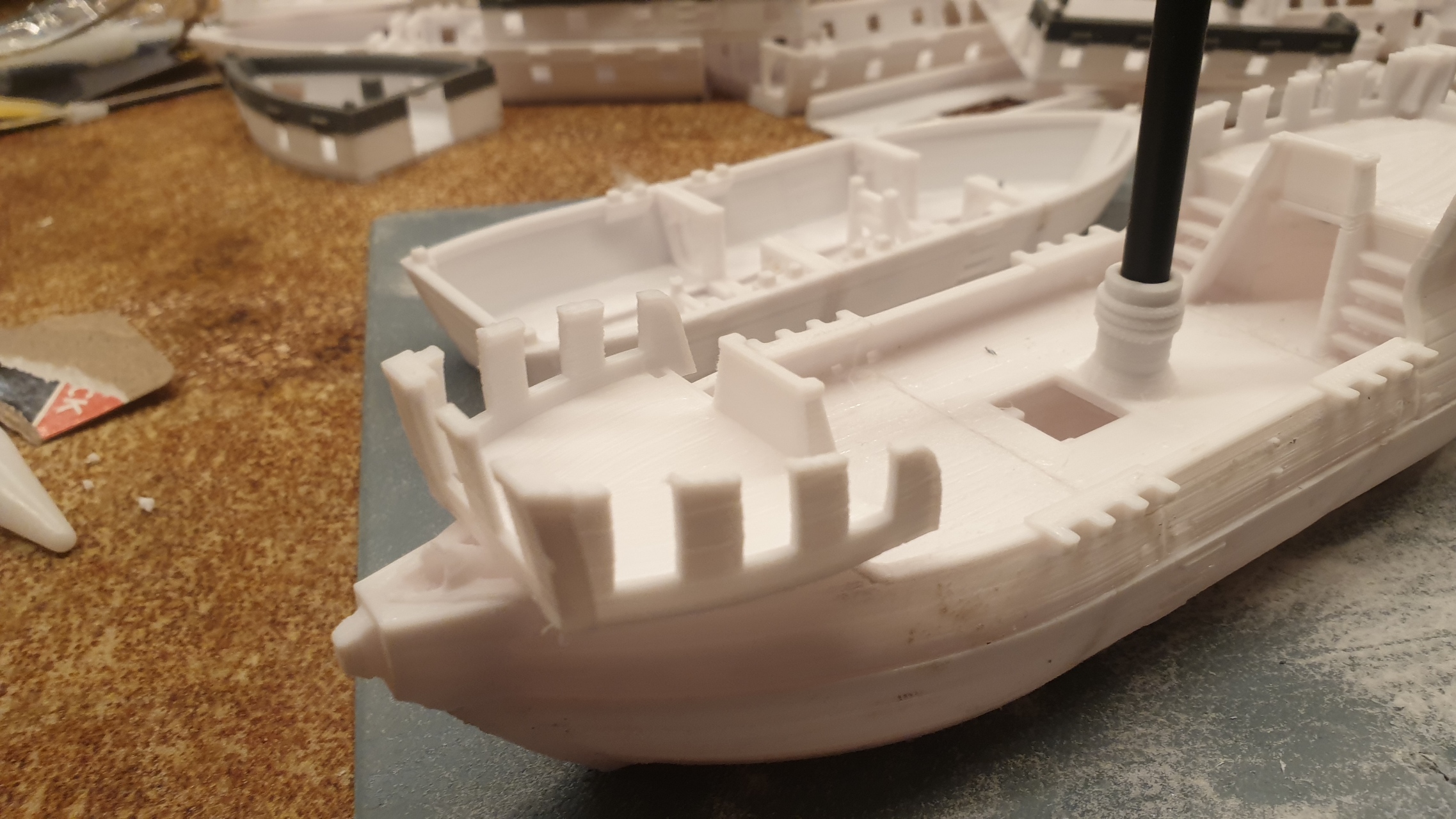
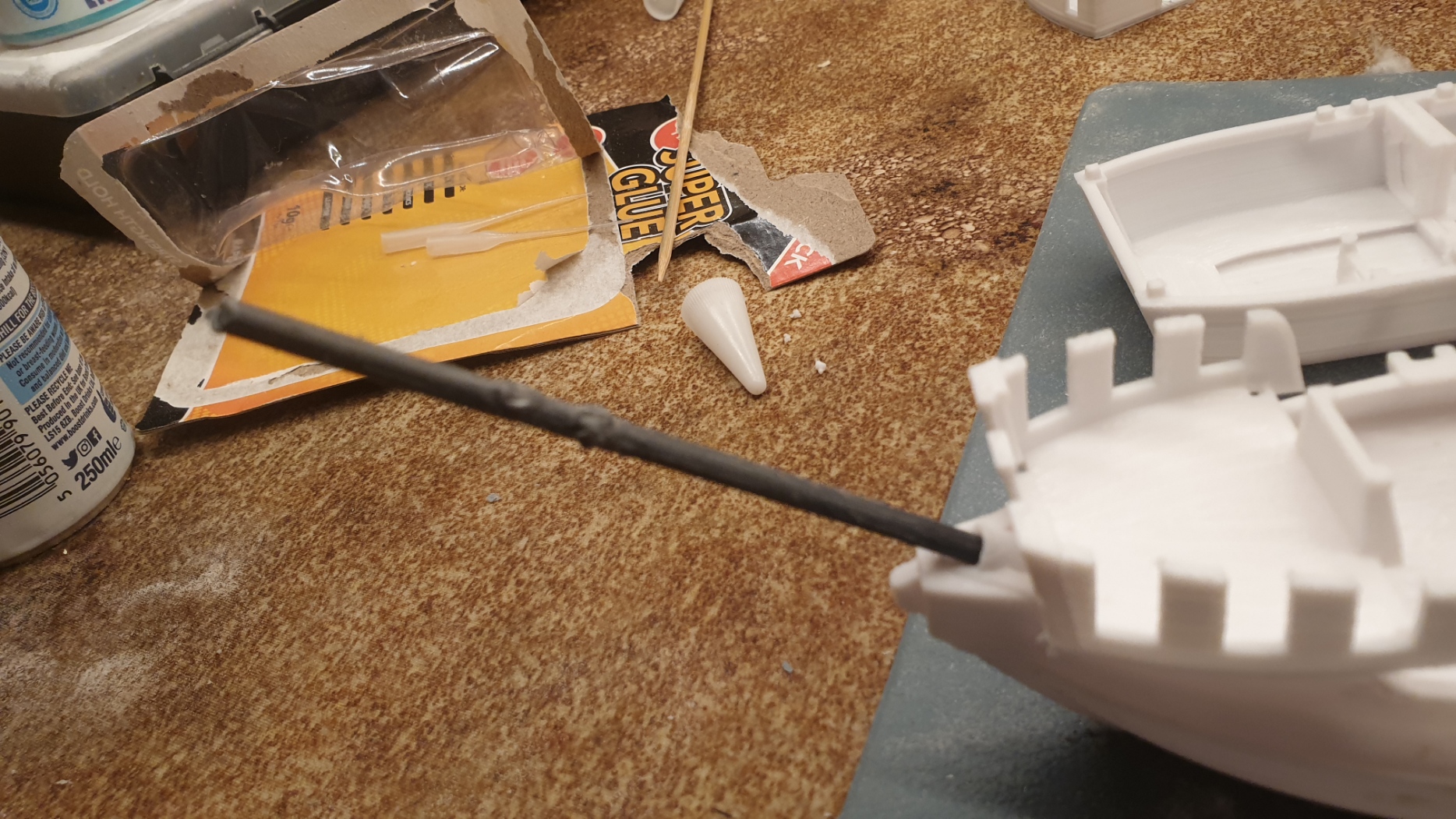
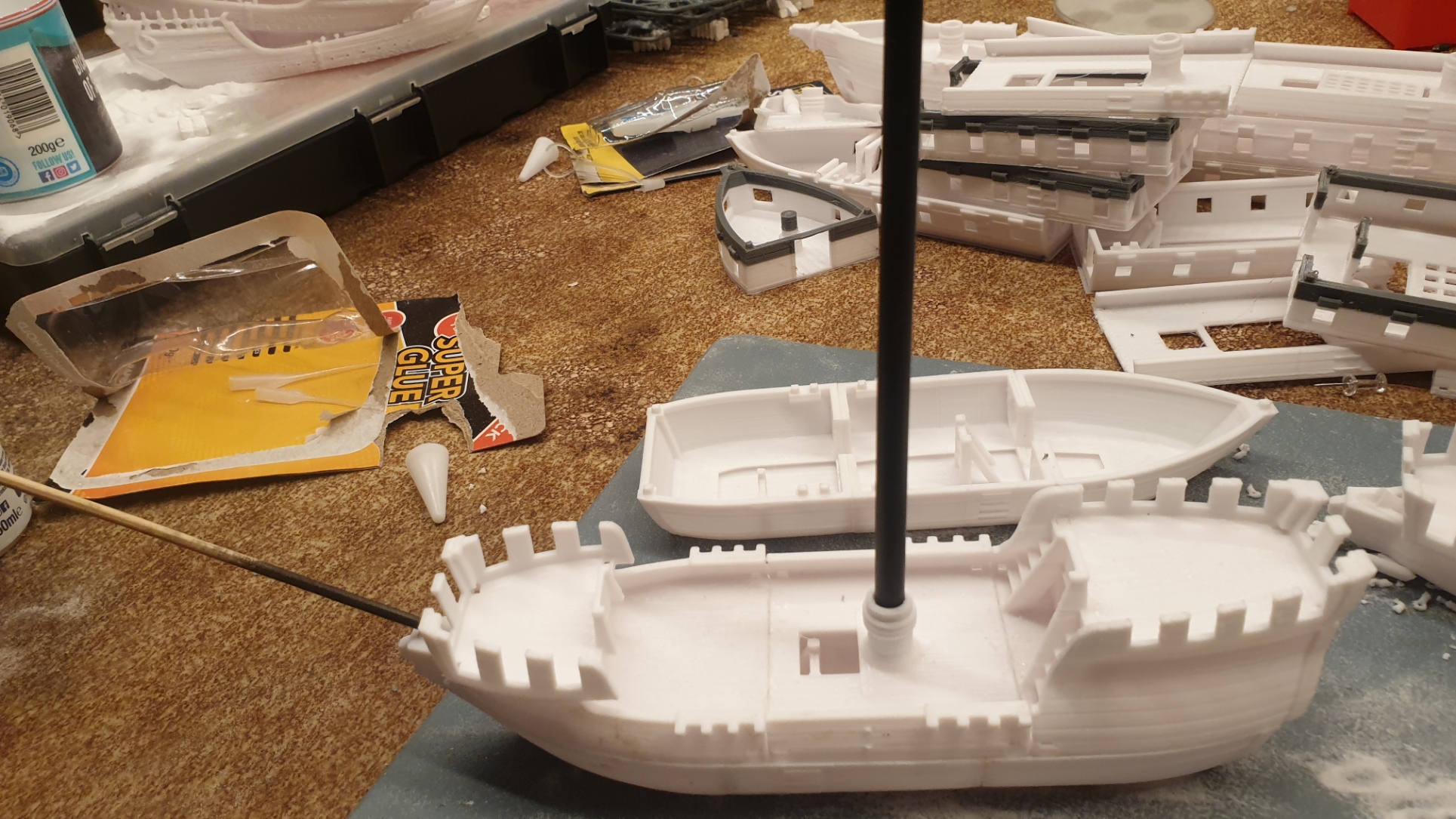
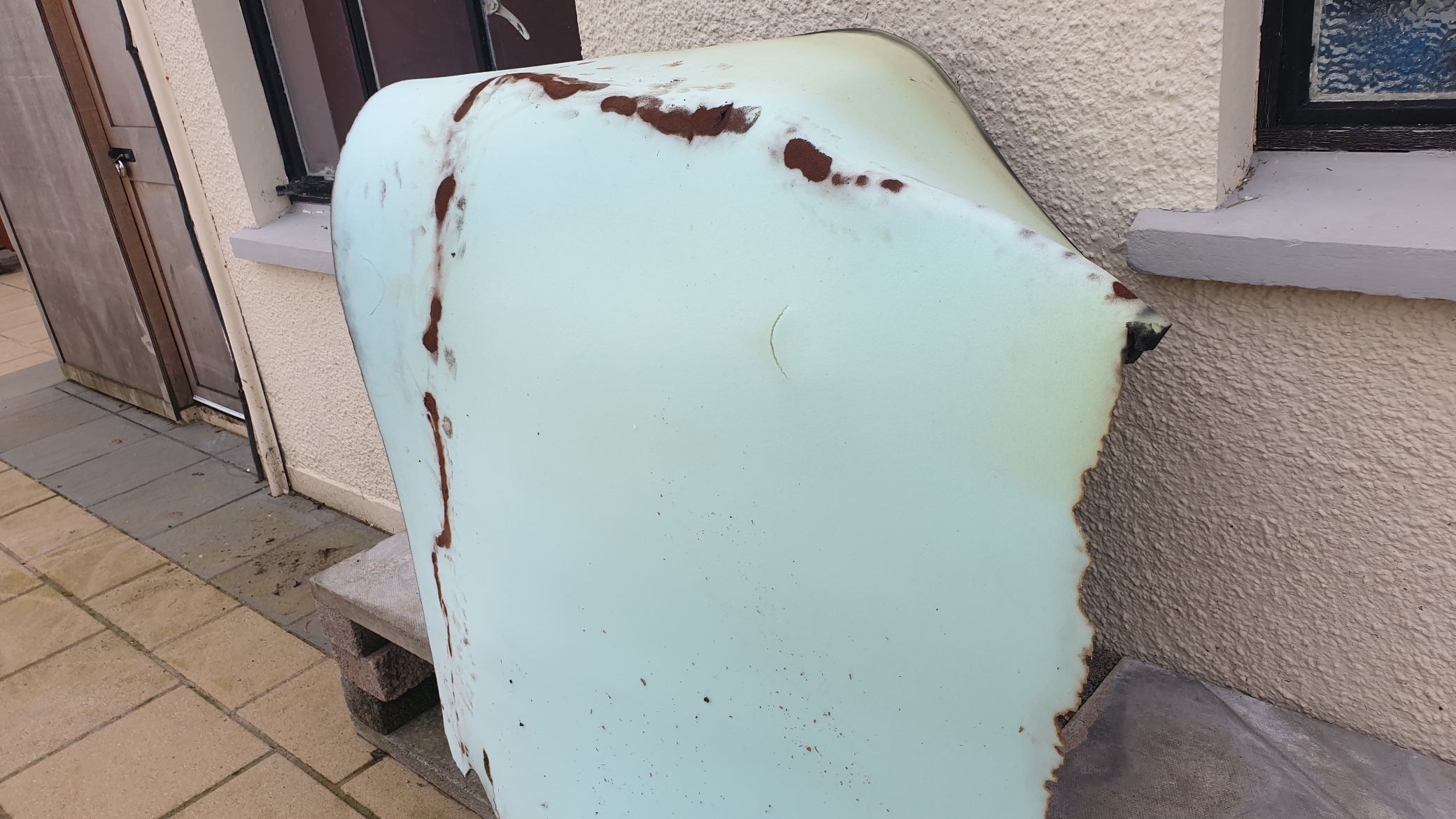
Meanwhile drying was taking ages – not the spray… but the thinned silicone so time for drastic measures – take it outside!



![StarCraft Tabletop Miniatures Game Pre-Orders Live Now [Updated]](https://images.beastsofwar.com/2026/03/starcraft-tmg-news-cover-600-338.jpg)



![Mounted US Cavalry On Kickstarter For Dead Man’s Hand! [Updated]](https://images.beastsofwar.com/2026/03/us-cavalry-main-600-338.jpg)