














Stuck on a Puzzle? How Short Mental Breaks Boost Your Hobby Mojo


Recommendations:
About the Project
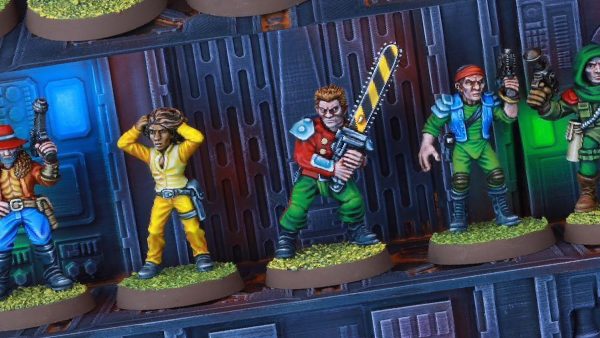
Ever find yourself staring at a half-painted miniature, a complex rulebook, or a campaign map, only to feel your brain start to fog over? You’re deep into your hobby project, but focus is fading and frustration is building. We’ve all been there. The common advice is to “take a break,” but what does that actually look like? I’ve found the key isn’t just to stop, but to engage a different part of your brain entirely. Think of your mind like a muscle group. Painting fine details, memorizing stats, or planning strategic moves engages specific cognitive functions. Continuously taxing them leads to fatigue and mistakes—like putting Agrax Earthshade where your highlight color should go. A proper mental cooldown, however, can reset your focus and even spark new creativity. This is where short, structured puzzles come in. I’m not talking about a three-hour Sudoku marathon. I mean a five-minute, self-contained logic challenge. It shifts your brain into a different problem-solving gear, giving your “hobby muscles” a true rest. The satisfaction of quickly cracking a neat little puzzle delivers a small dopamine hit, banishing frustration and often sending you back to your main project with a clearer head and a fresh perspective. My recent go-to for this has been the NYT Pips puzzle. It’s a perfect bite-sized logic game with levels that match your available brainpower—whether you need a gentle warm-up or a brisk challenge. For those days when the gray cells are particularly stubborn, I’ll sometimes use a handy free solver to nudge me past the block and keep the break short and sweet. For instance, the team at Pips Hint offers a great interactive tool that lets you work through the daily puzzle without just spoiling the answer outright. It’s the perfect bridge between total mental shutdown and staring blankly at your project. The real magic happens when you return to your table. That tank you were weathering? Suddenly you see the highlight placement more clearly. That rules ambiguity? You approach it with renewed logical patience. The brief diversion has acted like a system reboot, clearing the cache of your hobby brain. You’re not avoiding the project; you’re strategically optimizing your ability to enjoy it and execute it well. So next time you feel the hobby burnout creeping in mid-session, don’t just scroll social media. Try a five-minute puzzle detour. Engage a different part of your problem-solving mind, enjoy a quick win, and then return to your main event. You might just find that the path to a better-painted army or a smoother-running game night involves stepping away to solve a completely different kind of puzzle first.