





![Perfect Call Of Duty-Style Miniatures? Wargames Atlantic’s Operators Review [7 Days Early Access]](https://images.beastsofwar.com/2026/02/unboxing-wargames-atlantic-operators-coverimage-225-127.jpg)
A long time ago in a galaxy far, far away….



Recommendations: 549
About the Project
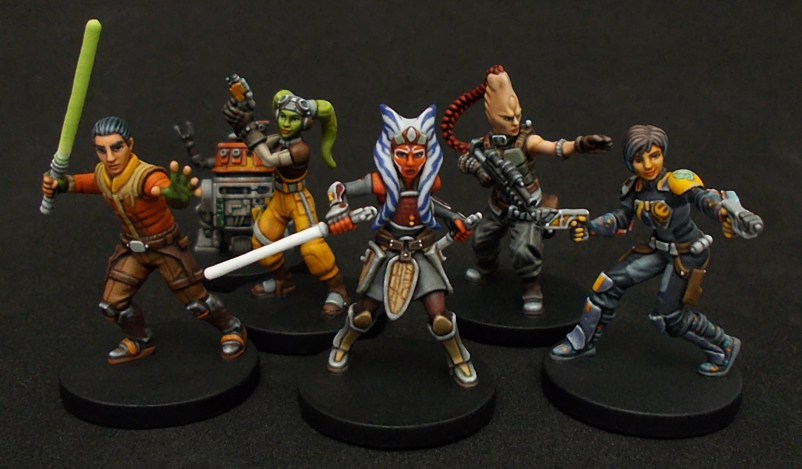
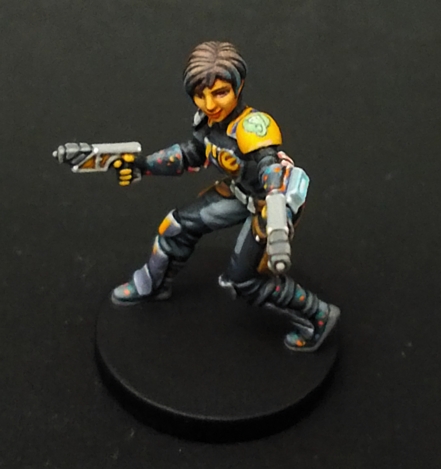
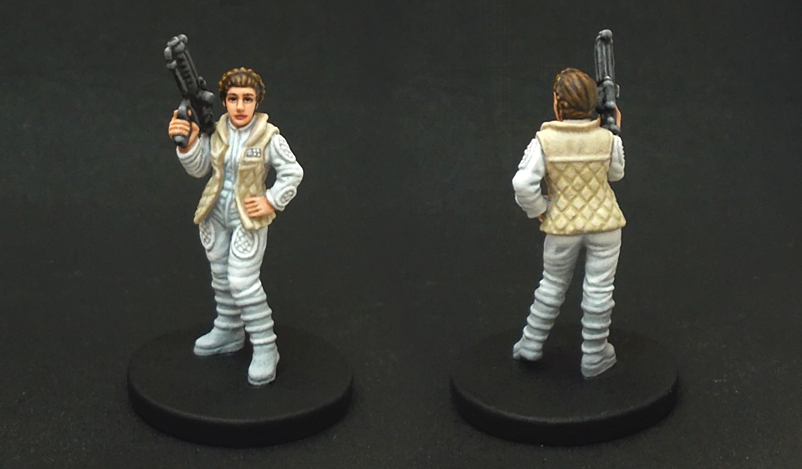
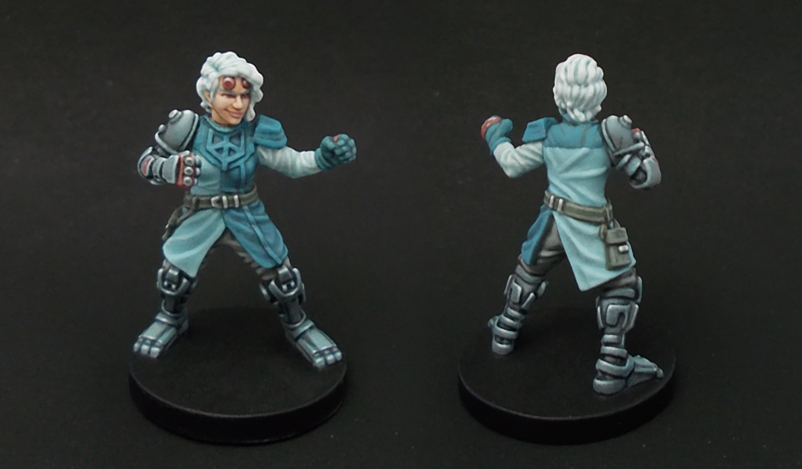
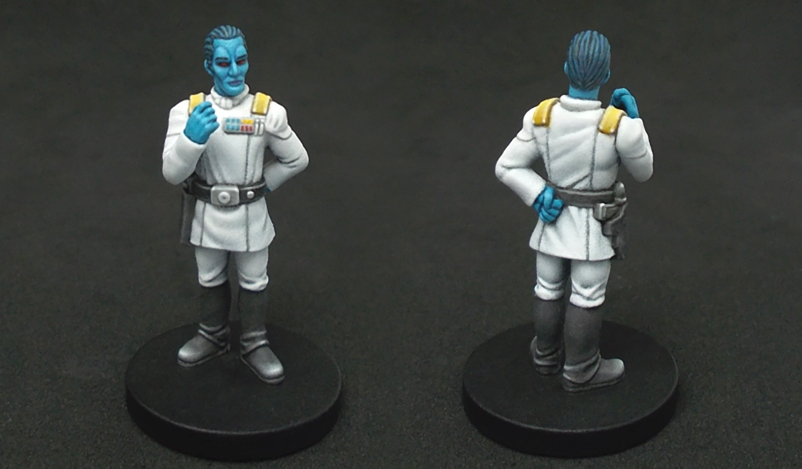
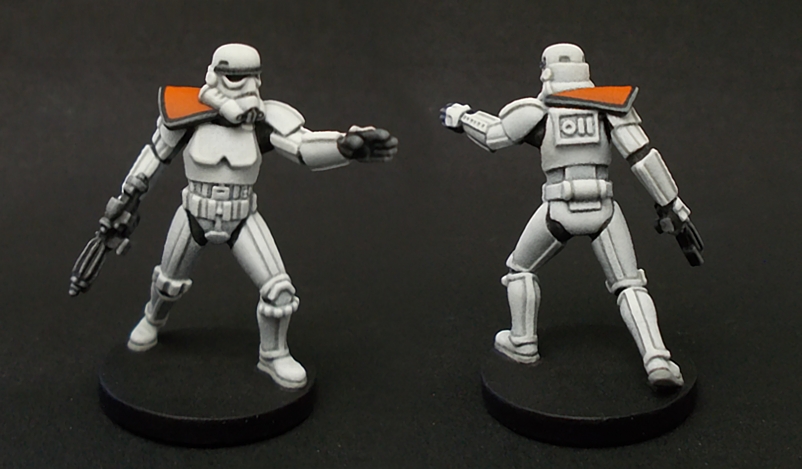
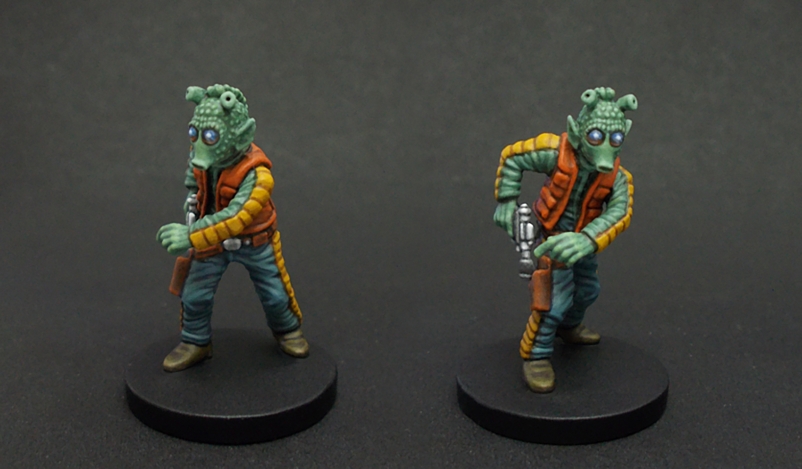
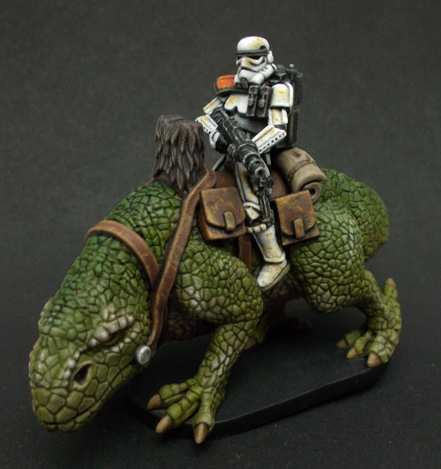
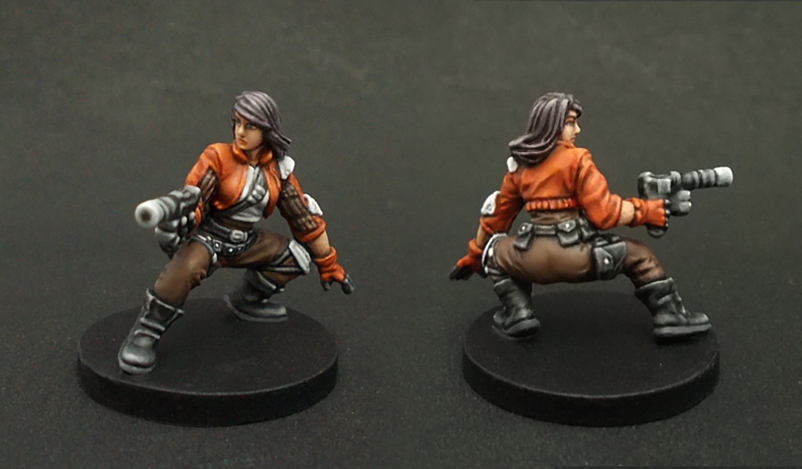
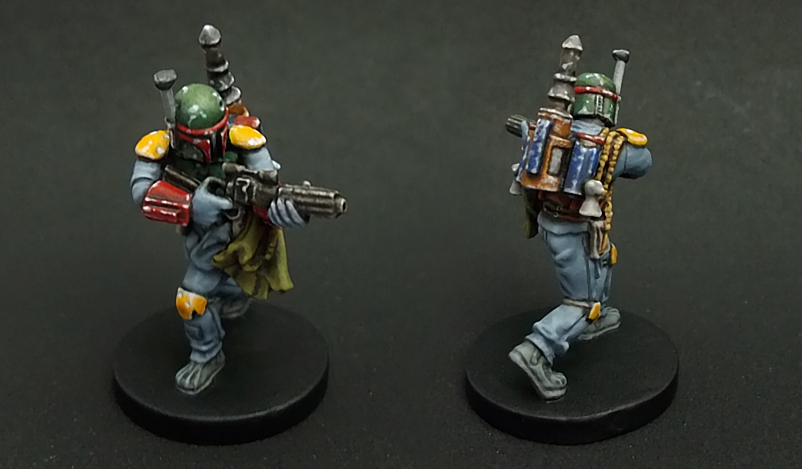
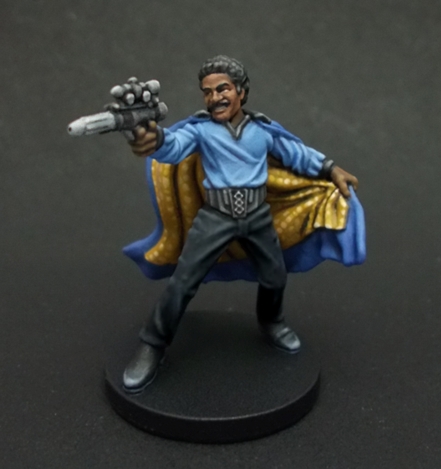
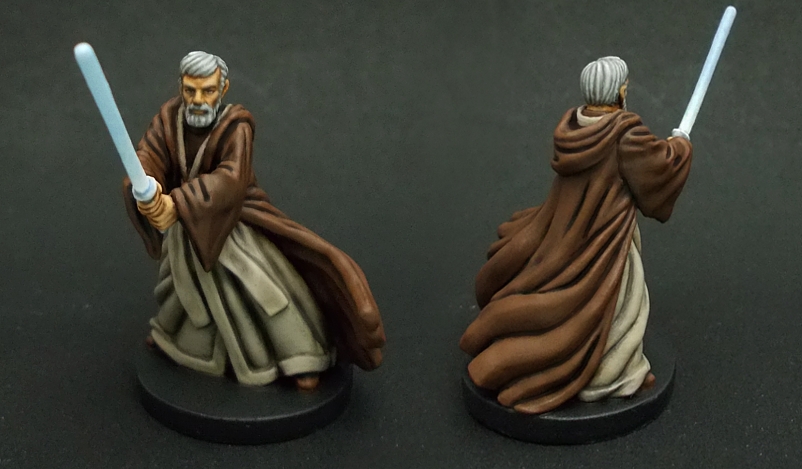
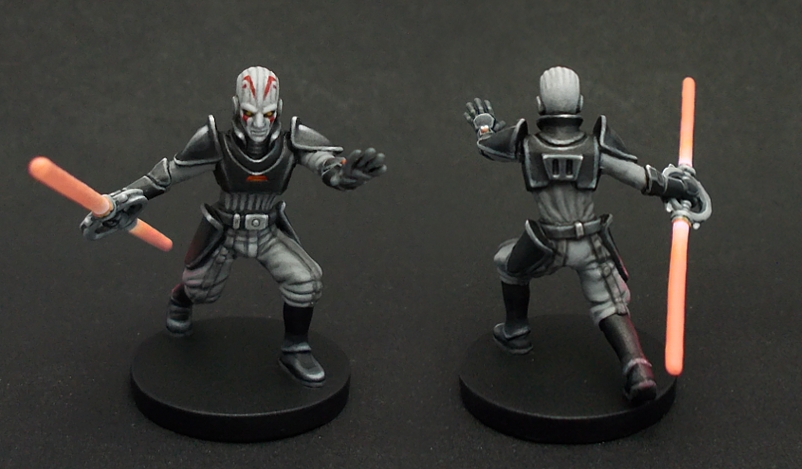
In this project, I will document all my miniatures and models for Star Wars Imperial Assault and other Star Wars-related games. My main focus are the many iconic characters from the movies and shows, and I'm always aiming at getting my paint jobs as close the original source material as possible.
Related Game: Star Wars: Imperial Assault
Related Company: Fantasy Flight Games
Related Genre: Science Fiction
This Project is Active
Red 2 X-wing model in 1/72 scale from Bandai - Part 2
With all my reference material assembled, I started by base-coating each sub-assembly with a light navy-grey, and then each a zenithal using an off-white to get initial subtle shadows and highlights. Next I focused on the cockpit interior, Wedge Antilles and the upper front of the fuselage:

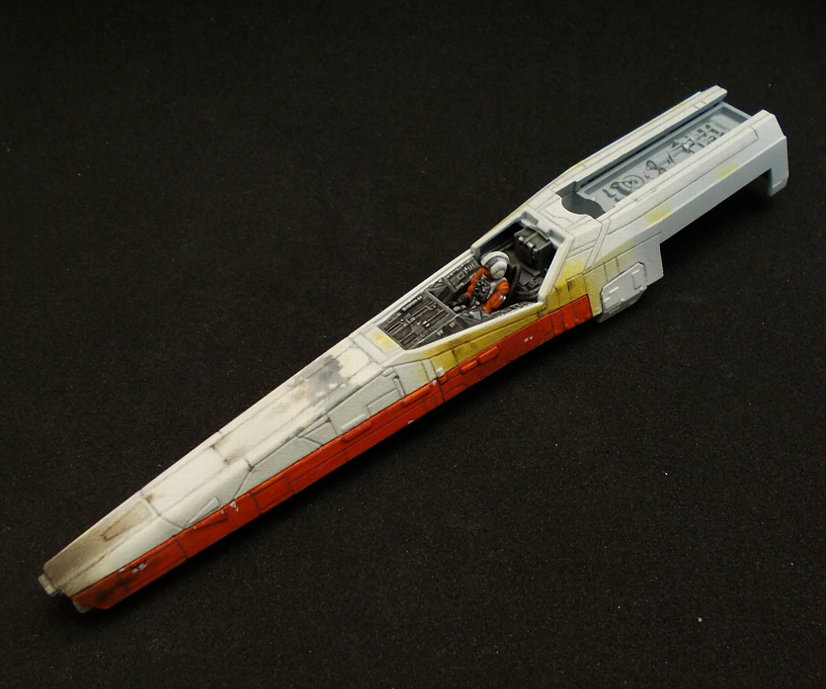
Next I painted the cockpit canopy, R2A3 and the droid strip on the fuselage behind the Astromech:

After that, I started painting the s-foils and engines – by far the most demanding part of the model because of all the detail and large surfaces:
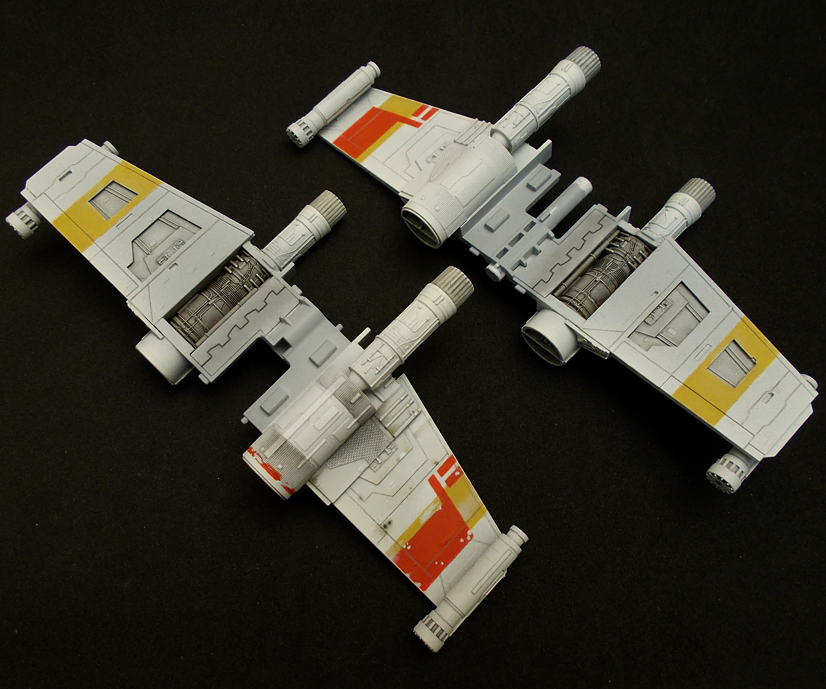
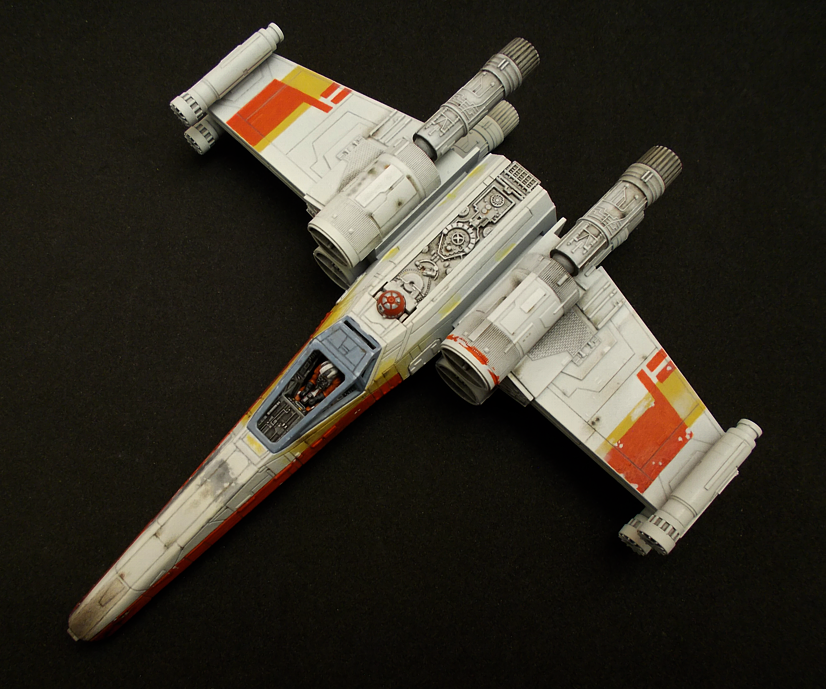
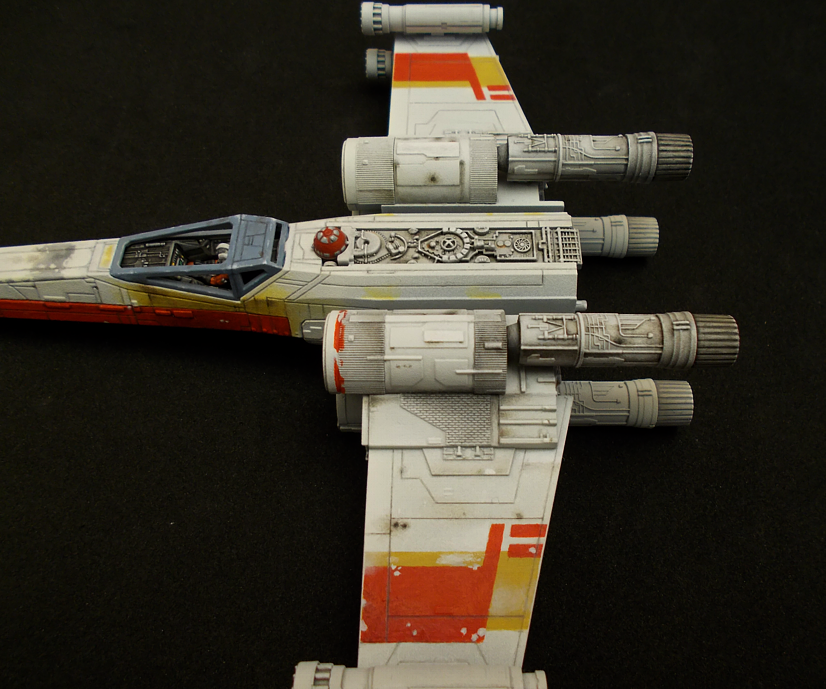
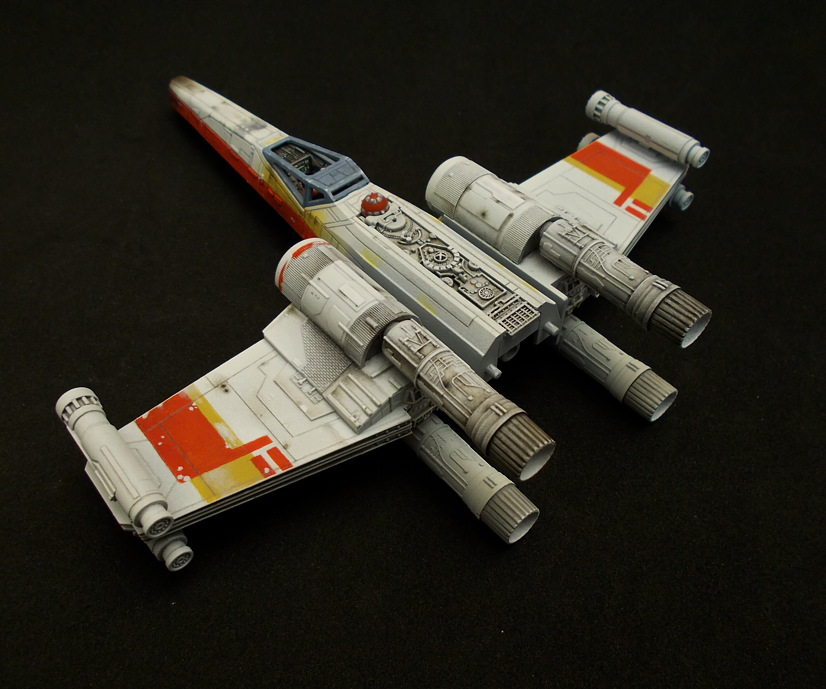
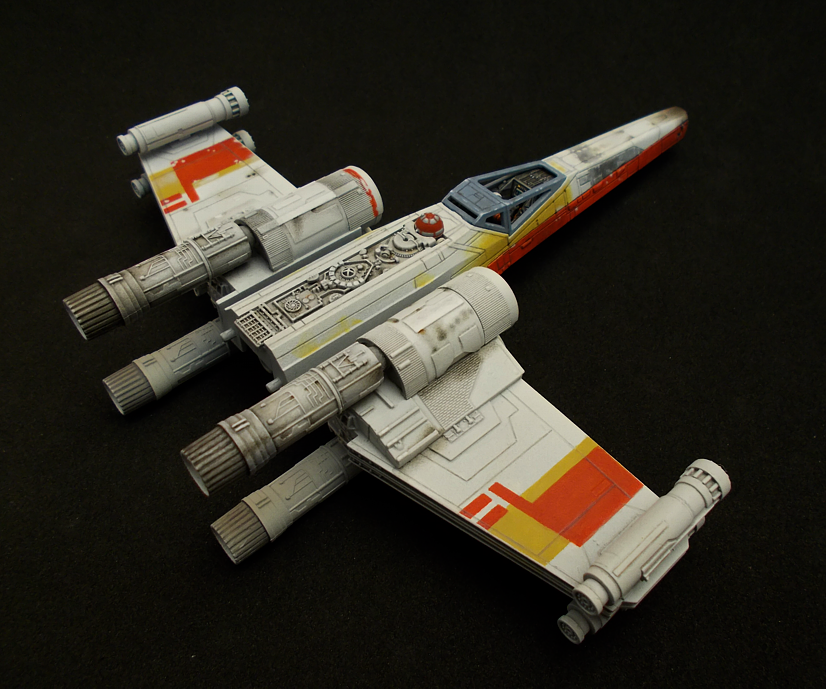
While the progress-images of the paint job are a bit over-exposed and thus the colours a bit exaggerated, you get a good impression of how the model will ultimately turn out. Once I was done with the S-foils and engines, work progressed much faster and the model was soon done. In part 3, you can enjoy lots of images of the finished model.
Red 2 X-wing model in 1/72 scale from Bandai - Part 1
In the past two weeks, I’ve started and completed a little model-building project. I’ve researched the original filming models used in the Original Trilogy for some years, and I’ve wanted to build, paint and own a replica of a few of them for quite a while. With the excellent and accurately detailed Star Wars model kits available from Bandai, I finally dove into it.
The kit represents Red 5 – Luke Skywalker’s X-wing – and since I wanted to build and paint Red 2 – Wedge Antilles’ X-wing – I not only needed to paint it differently, but also had to modify the lower half of the fuselage between the cockpit and the nose cone a bit. On Red 5 the lower half of the fuselage is a bit more narrow leading into the nose cone than it is on Red 2, so I had to widen it a bit. I did this by seperating the front half of the lower fuselage, cuttin it in half along ist central axis, and then spreading the font ends roughly 1.5mm apart. I then filled the resulting gap with a paste of molten plastic. This was left to set for a day and then sanded down to achieve the original flat smooth curve of the bottom f the fuselage. Then I re-scribed a few panel lines lost in the process.
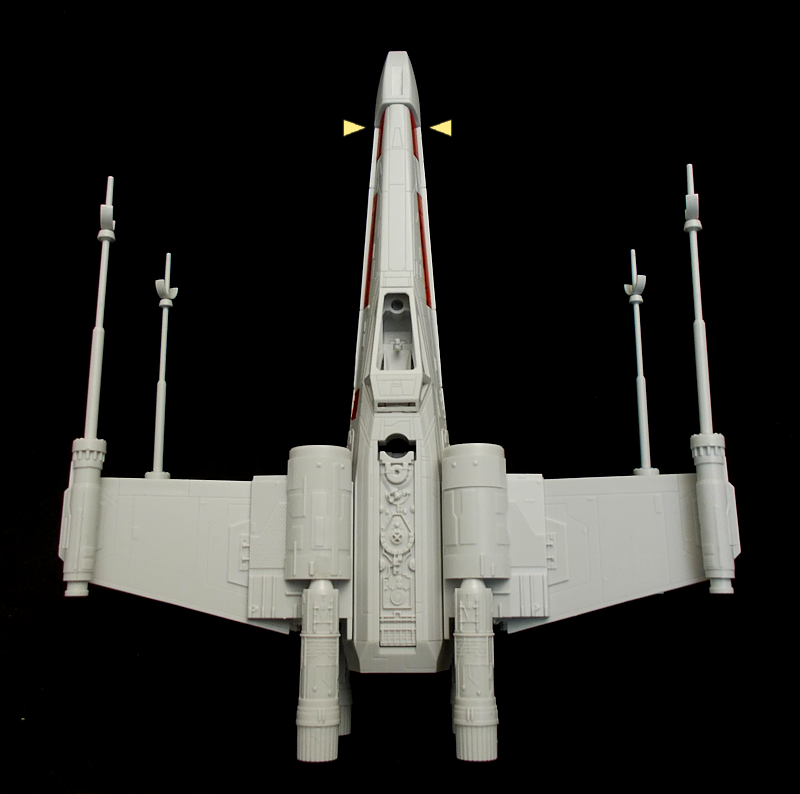
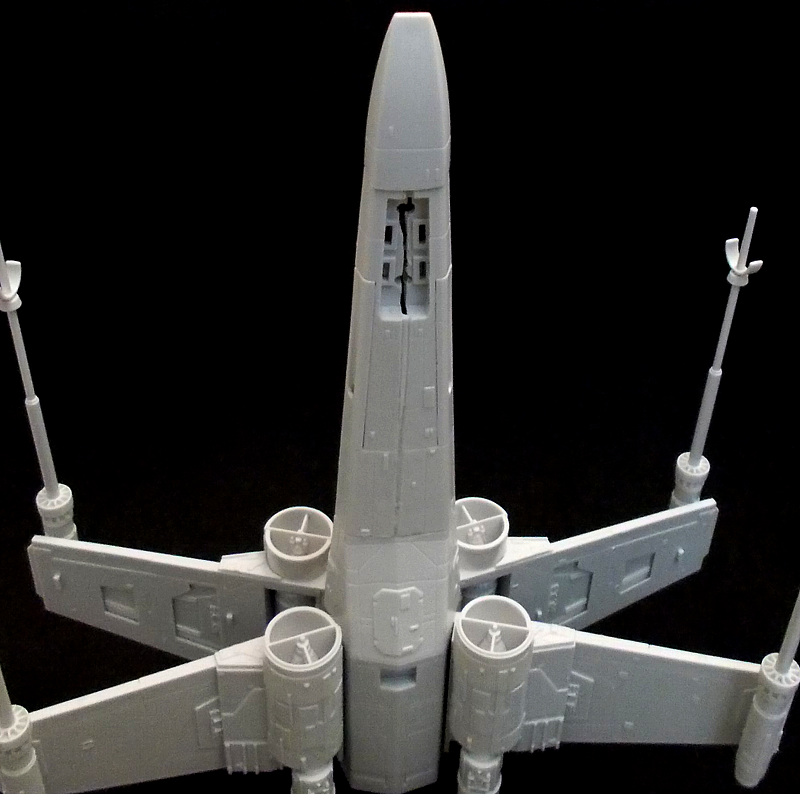

With that done, I seperated the model into sub-assemblies for easier paint:
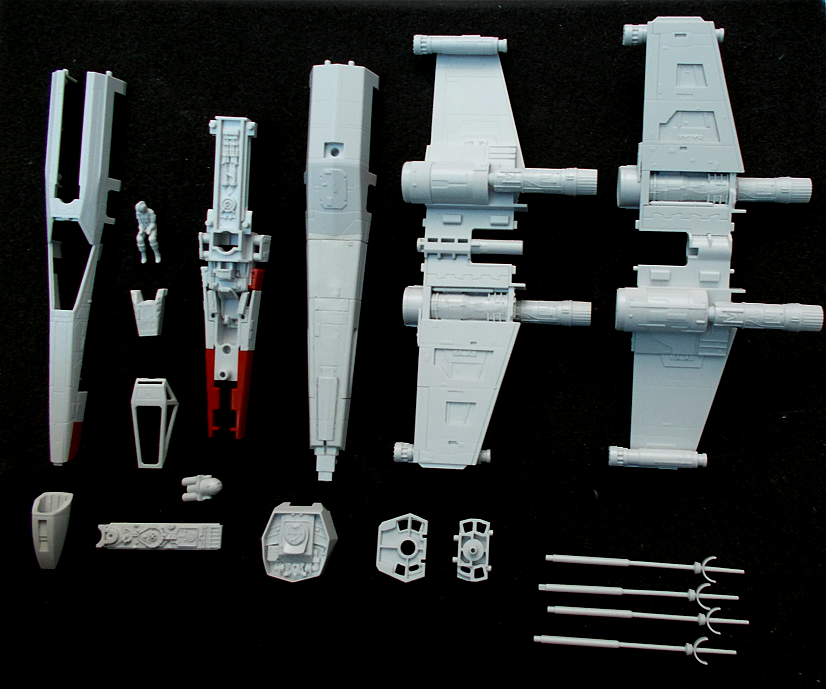
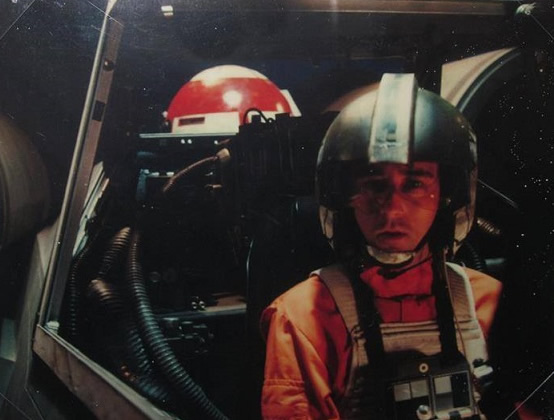
Now it was time to start painting. I used a few good photographs of the original studio model in order to accurately replicate not only the correct markings, but even tiny and nuanced details including dirt stains, chipped and discoloured paint and combat marks. As for R2A3 – Wedge Antilles’ Astromech – I did not paint ist visible head silver with red markings as on the studio model, but rather red with white markings as on the prop used on the Cockpit set when they filmed all scenes with Wedge in his cockpit:
The 3rd of six figures to paint in november...
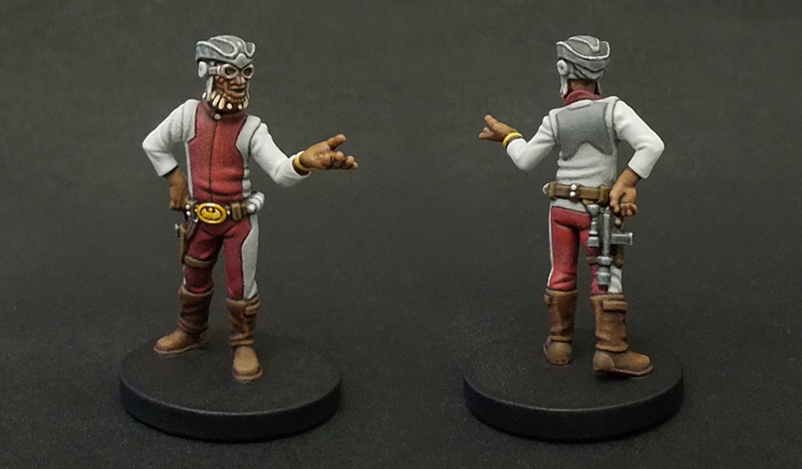
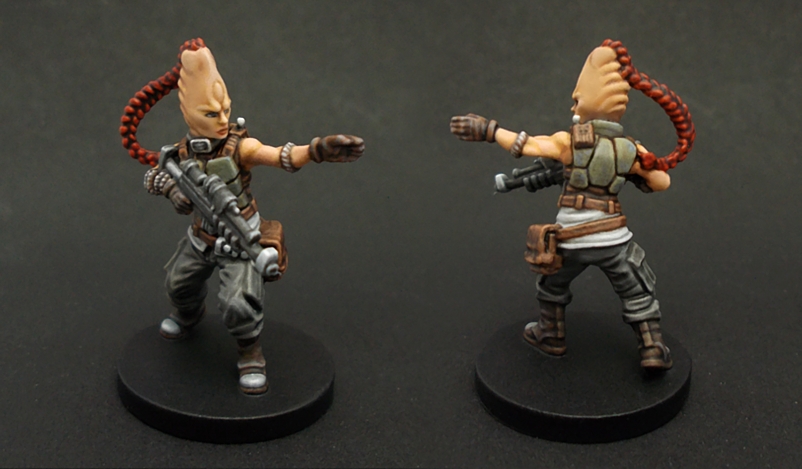
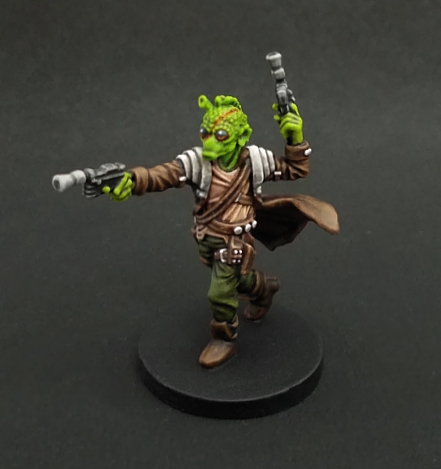
The third Imperial Assault-figure of the six I committed to paint each month for the next six months is a Clawdite Shapeshifter. First, some progress-images:
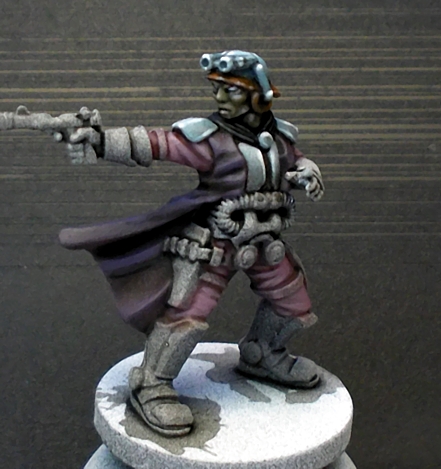
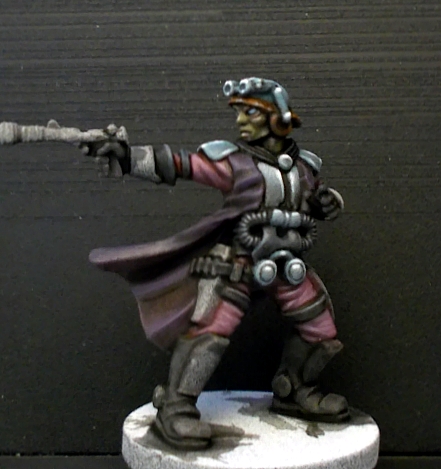
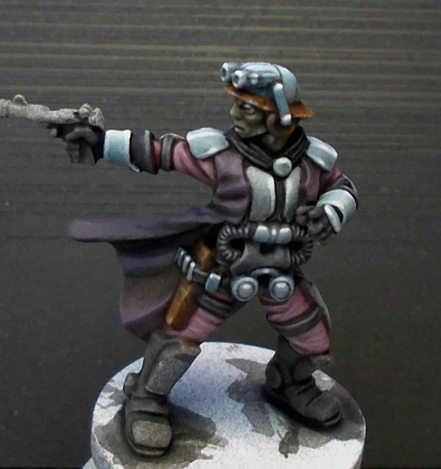
Here is the finished figure:
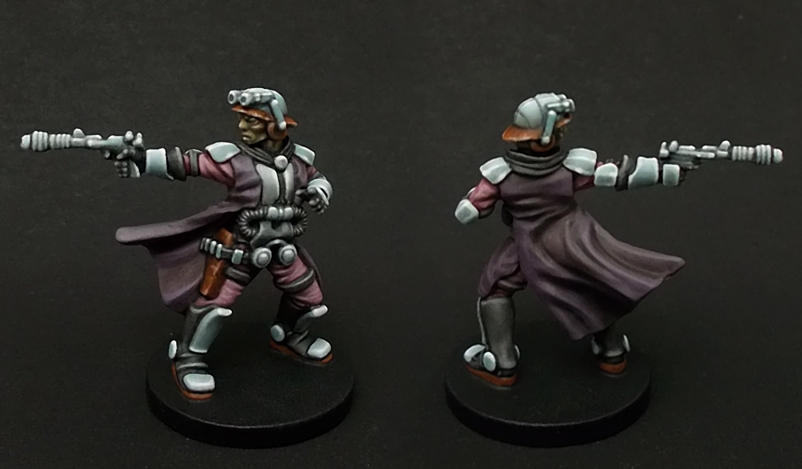
Painting 36 miniatures to display standard in six months...
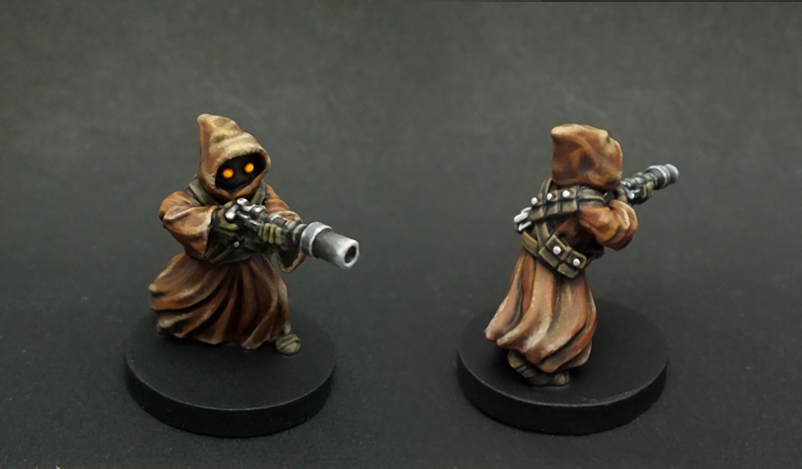
So, this november a new project season has started on tabletopwelt.de, and I’ve committed to painting 6 figures for Imperial Assault each month for the coming six months. I’ve also decided to solely focus on non-unique figures since I’ve focused mainly on painting unique and often iconic characters for the game, so the little fish now really deserve the spotlight.
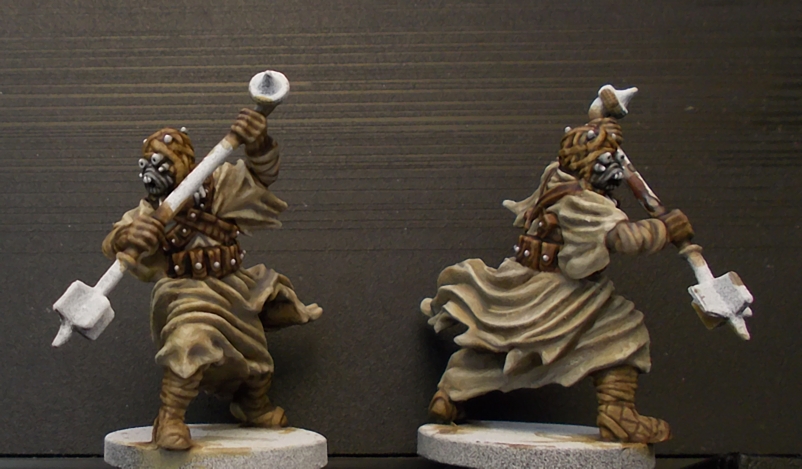
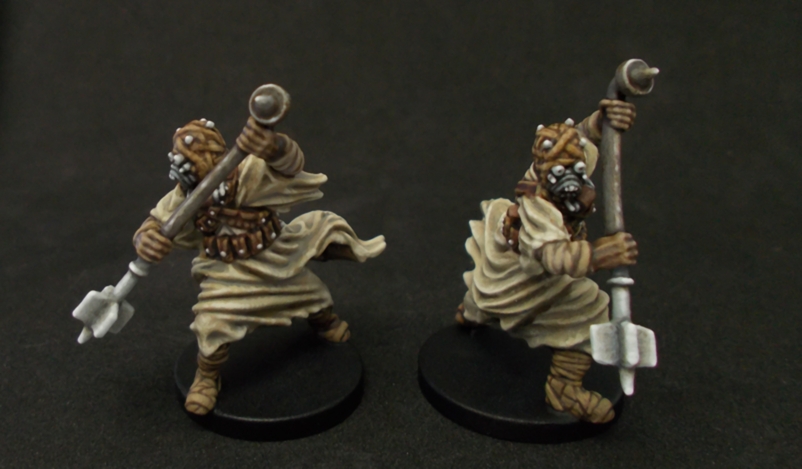
Painting non-unique figures/deployments doesn’t mean they’re not iconic themselves – we’re talking about Star Wars after all. I’ve started with two Tusken Raiders and have documented my progress along the way. Here they are:
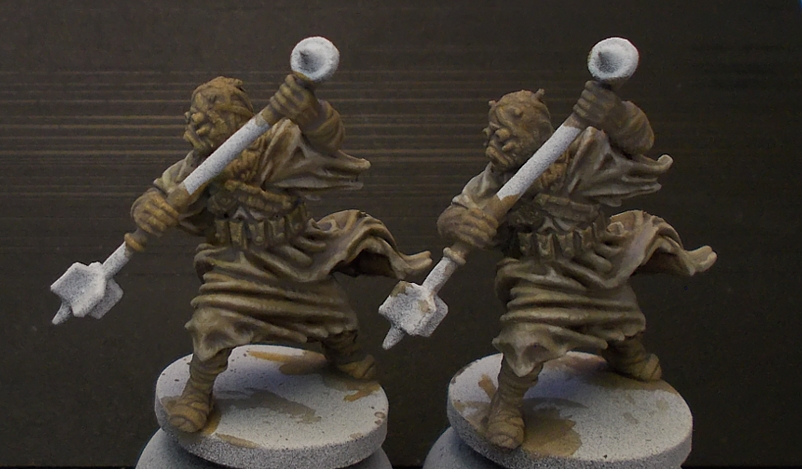
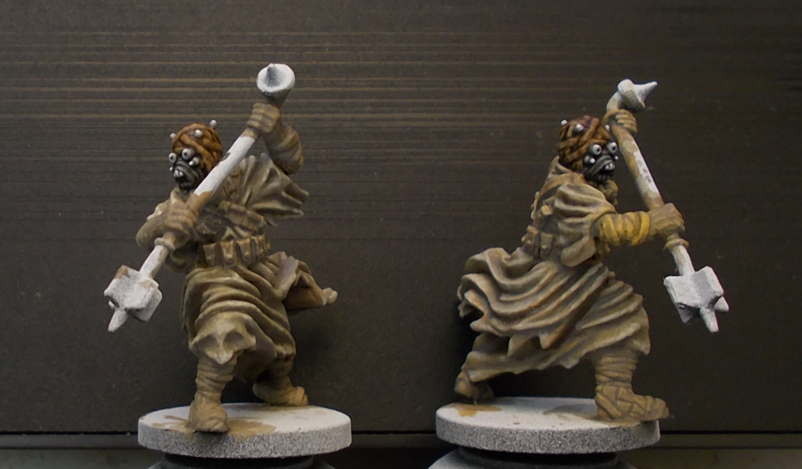
And here are the finished Tusken Raiders:
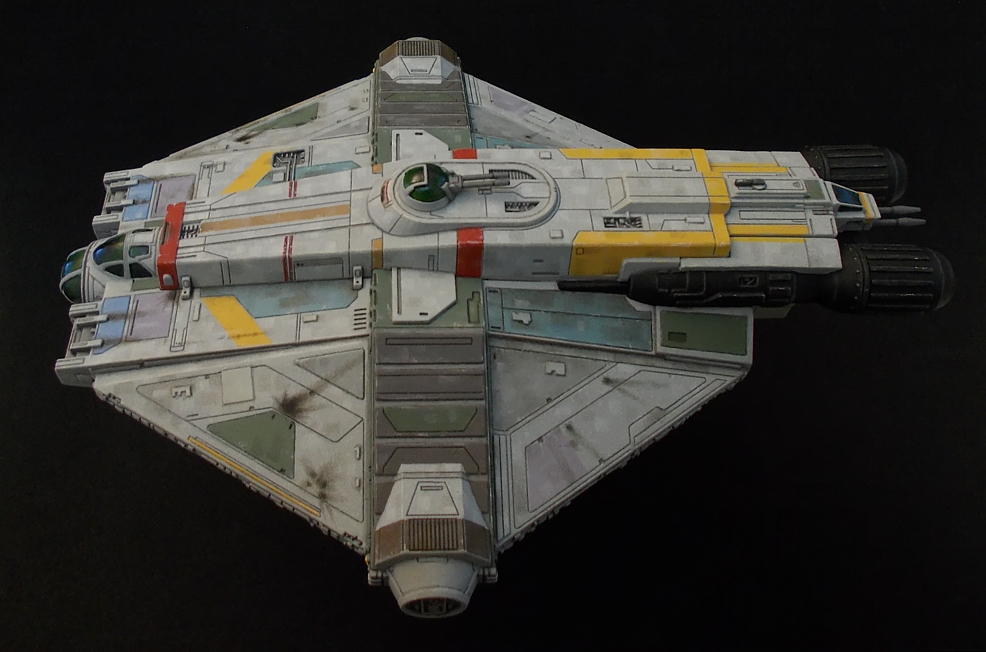
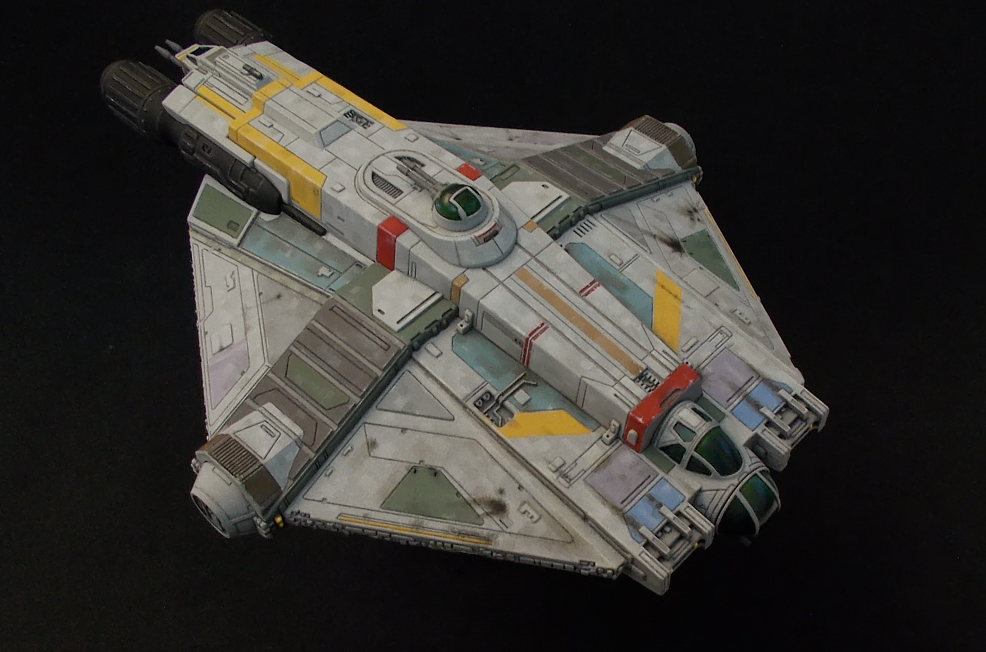
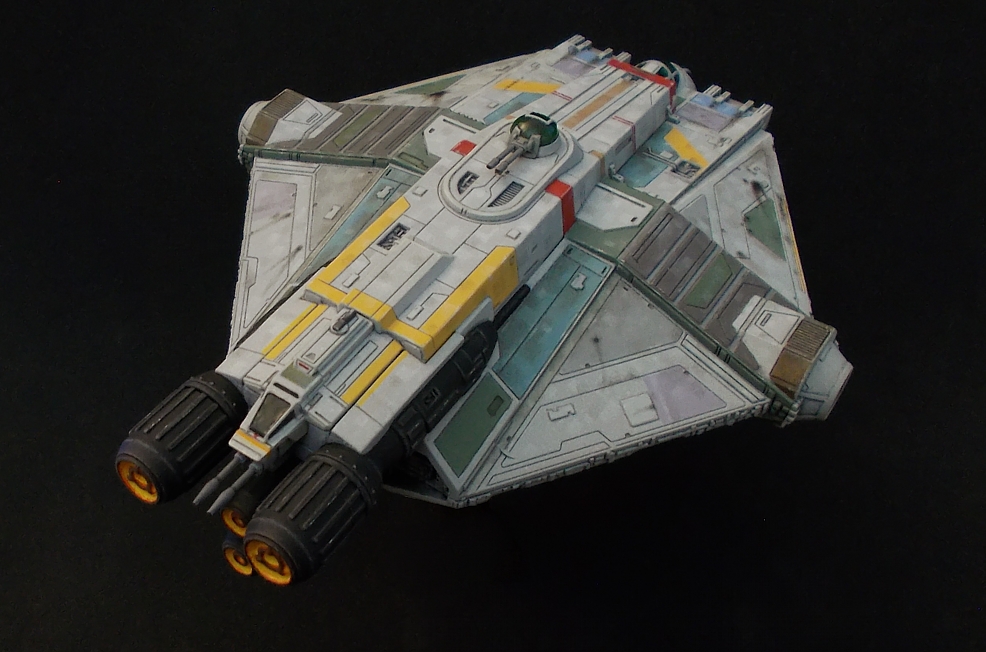
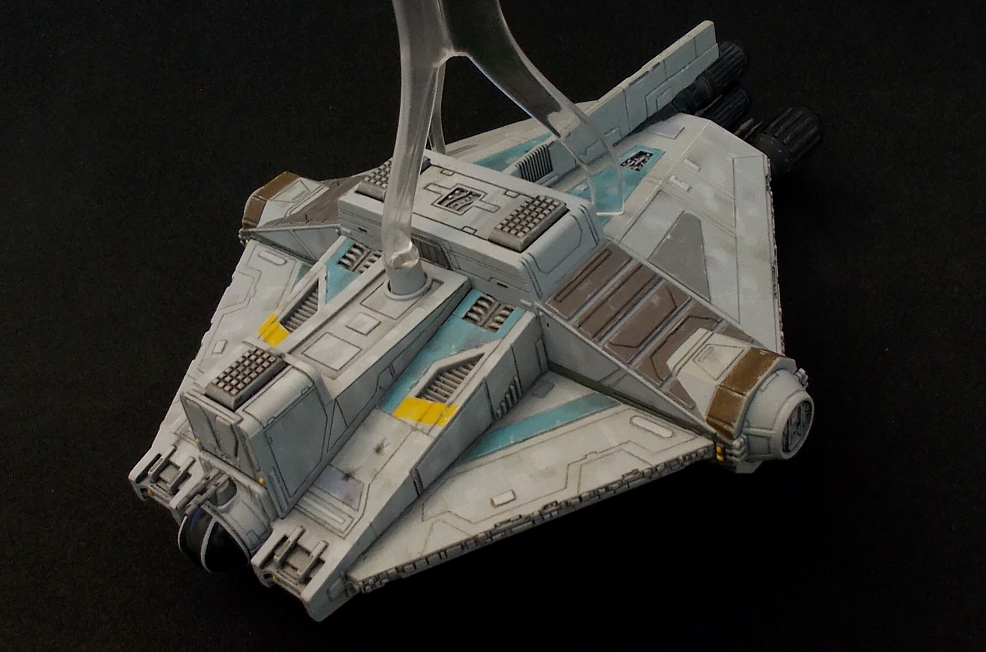
The GHOST for X-wing re-painted.
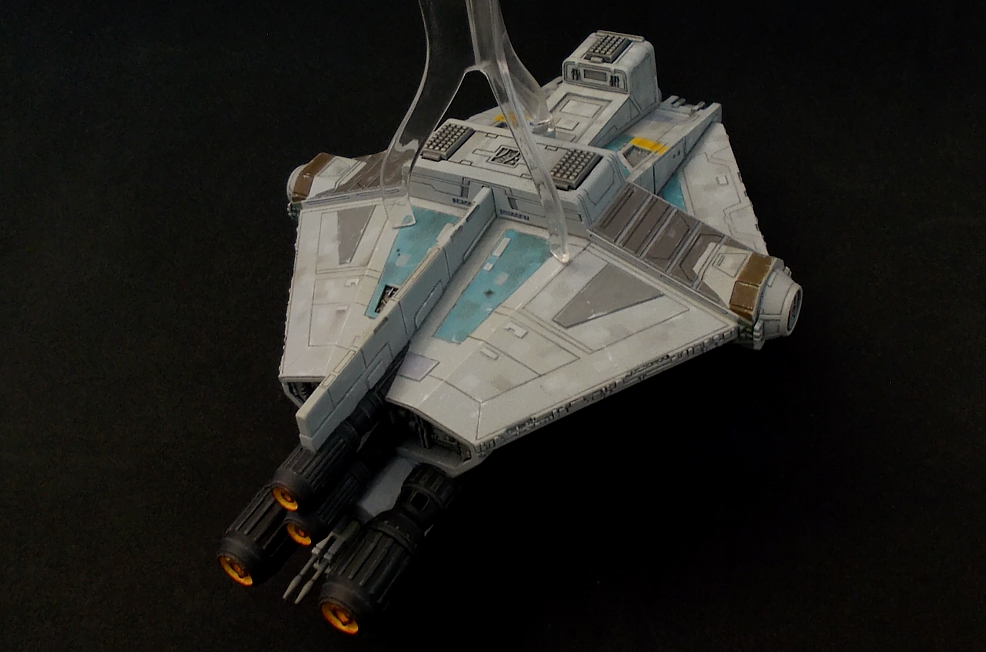
Two years ago, I bought the GHOST from Star Wars REBELS for the X-wing miniatures game – not because I played X-wing, but because I wanted to have a cool model of that ship and completely repaint it to match its screen counterpart. And this month, I finally got around to finish repainting it.
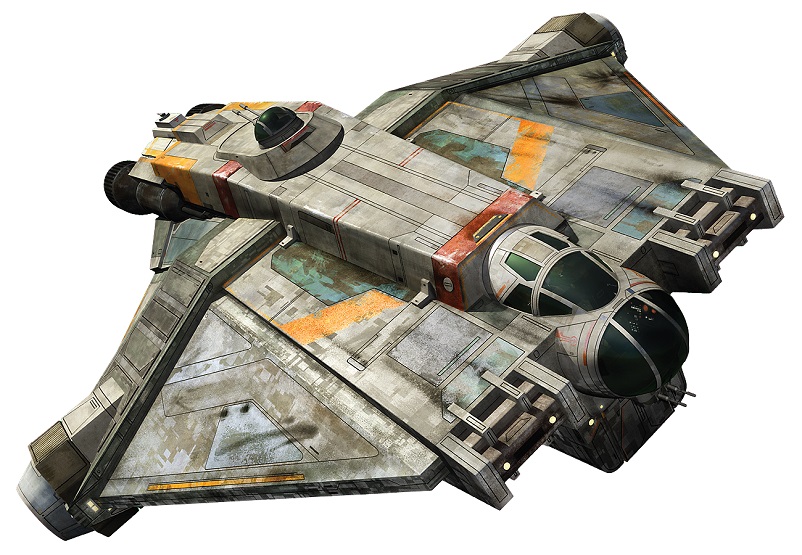
Since I approach my Star Wars miniatures and models pretty much like historical miniatures and models, I surrounded myself with loads of reference material for the GHOST, because I not only wanted to get the colours right, but also meticulously recreate the type of texture which is so iconic for all Star Wars vehicles, as well as all the specific dirt, grime and combat scars which give the GHOST personality.
I started by undercoating the whole model with a mid-light off-grey and gave it an even coat. Then I used an almost empty rattlecan with a matte off-white and used that to give the whole model loads of teeny-tiny unevenly distributed sprinkles. With that done, all panel-lines were thinly filled with Nuln Oil. Next, I applied all the different colours and darker greys to panels and/or in patterns as specified in my reference material.
Now came the part which was both fun and very, very tedious: Painting on uneven tiny geometrically patterned rectangles and short broad lines in a slightly lighter and a slightly darker colour all over the ship, with some areas leaning more towards the darker tone and others more to the lighter tone.
After that, I had to apply smudges and dark, almost black battle scars as well as some subtle streaking. At that stage, I also painted the glass-parts of the various canopies, the guns and the engines. The engines got some subtle, uneven edge-highlights, and the dark canopies excluding that of the docked PHANTOM in the back received transitions into a vibrant dark green towards their edges.
Finally, a very light off-white was applied roughly and unevenly to all edges to create the effect of some glints and chipped paint. Some of it was extented into some panels to create further scratches.
I think I got very very close to the original digital model with this one and I’m very proud of the result. In my opinion, the use of an airbrush and smooth transitions which we miniatures-painters usually prefer do not work on a model like this which needs to look rough and beaten, but still hint at neat evenly-applied paint from when it left the factory underneath all that dirt and grime, and I believe I managed to do that. 🙂