










DARKSTAR CAMPAIGN UPDATE: DUCHESS ANNABEL’S WAR IS OVER




Recommendations: 3619
About the Project
The year is 2512.
The powers that remain on an ecologically-devastated and plague-ravaged Earth have been forced to look to the stars for the resources, capital, and room not only to expand, but to survive. While the setbacks encountered by mankind over the past 500 years have forced him to unite in a shaky global coalition and make fantastic strides in technology, they have also caused seismic and reactionary shifts in religion, culture, and politics. A second age of imperialism has dawned, and because man would never survive another war on the fragile remains of planet Earth, he is forced to ply his oldest trade ... war ... exclusively among the stars.
Darkstar is a tactical war game postulating naval combat in a “science faction” universe set five centuries into a troubled and uncertain future. Players take command of warships serving in the new “black water” navies of reborn empires of old, struggling for control of shipping lanes, resources, and colonies. Ships maneuver and fire in fast-paced combat, with survival not only of the players’ fleets at stake, but perhaps their nation and all of humanity as well.
Related Genre: Science Fiction
This Project is Active
First Online Game on Saturday, December 1st!
So as you may have seen in another project thread:
https://www.beastsofwar.com/project/1303724/
… we’ve been having great success with playing tactical wargames via web conference with OTT / BoW community members all around the world. So far we’ve been doing great with Panzer Leader and Arab Israeli Wars, but on Saturday December 1st we’re expanding this idea to Darkstar.
Myself and @davehawes will be playing online Darkstar on a virtual game board using MS Excel, pitting a British light carrier force against a larger, but slower and less-agile cruiser battlegroup of the Holy Russian Empire. We may even have a couple of spectators!
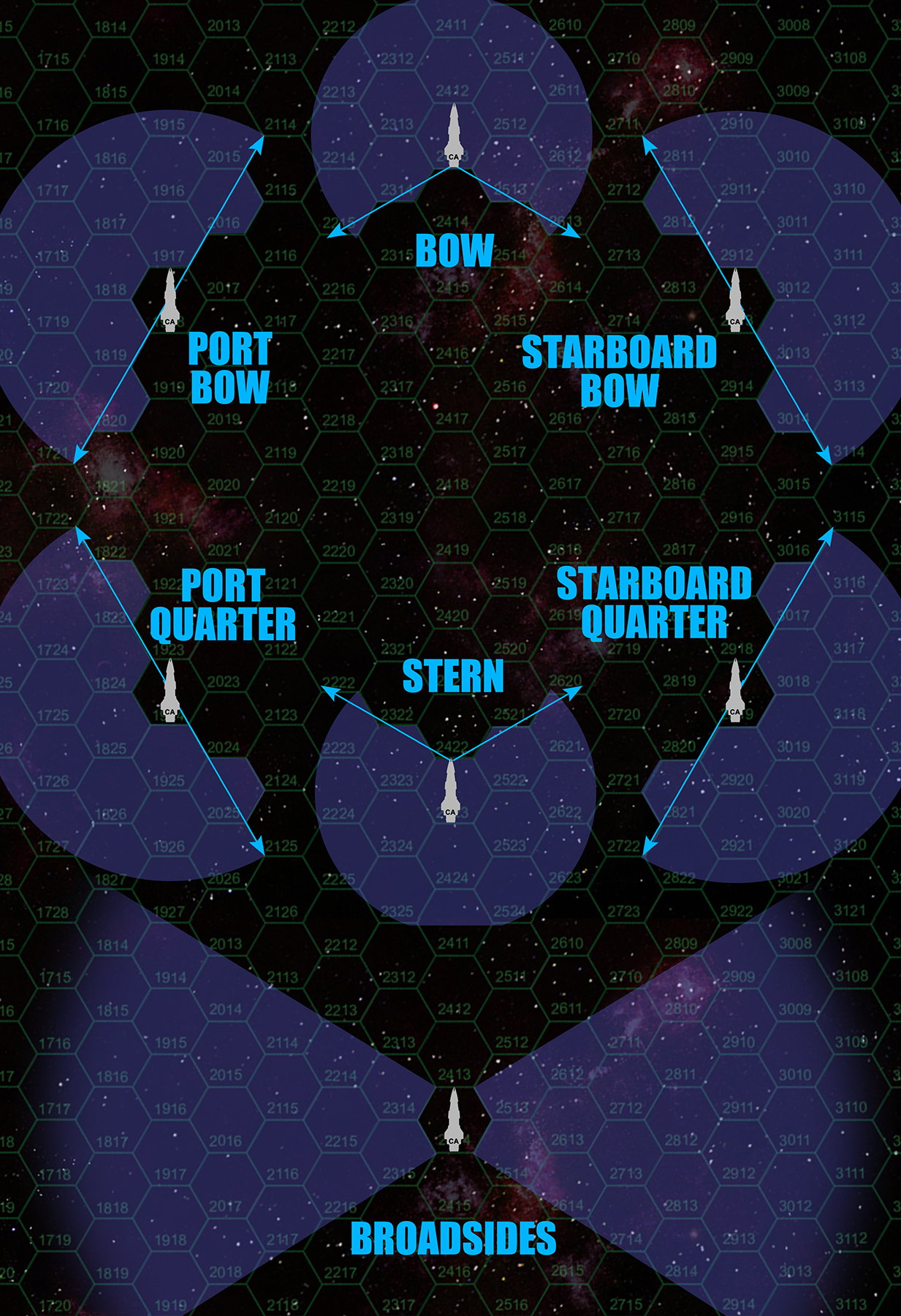
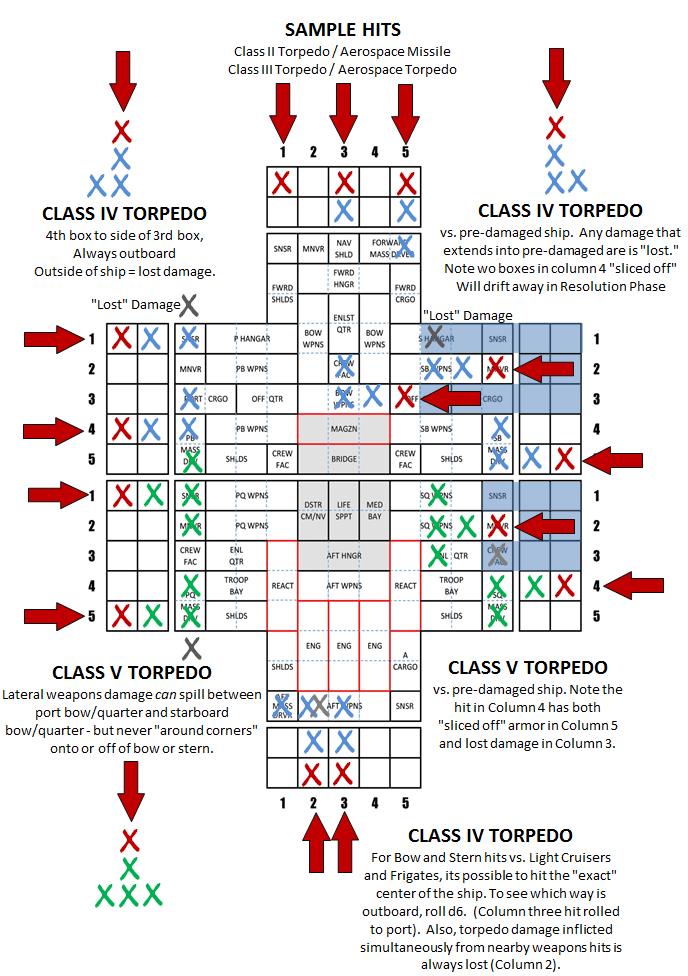
Meanwhile, work continues on an official, codified rule book. As previously reported, all summary concepts, initiative, and movement rules are written and illustrated, both for warships and aerospace craft. I’ve now completed aerospace combat, including dogfights, aerospace torpedo and missile attacks, recover and rearming rules, strafing attacks, etc. I’ve also written and illustrated how mass drivers work, and warships torpedo strikes.
I’m now working on warships combat (main guns blasting away at each other). So that’s range calculation, base to hit, adjusted hit targets, weapons arcs, and target facing rules.
Next step, applying damage.
This is up to 27 pages and counting. The good news is I’d say I was at least halfway done at this point.
Requested Materials - Darkstar Weapons Lists
Good afternoon, BoW / OTT:
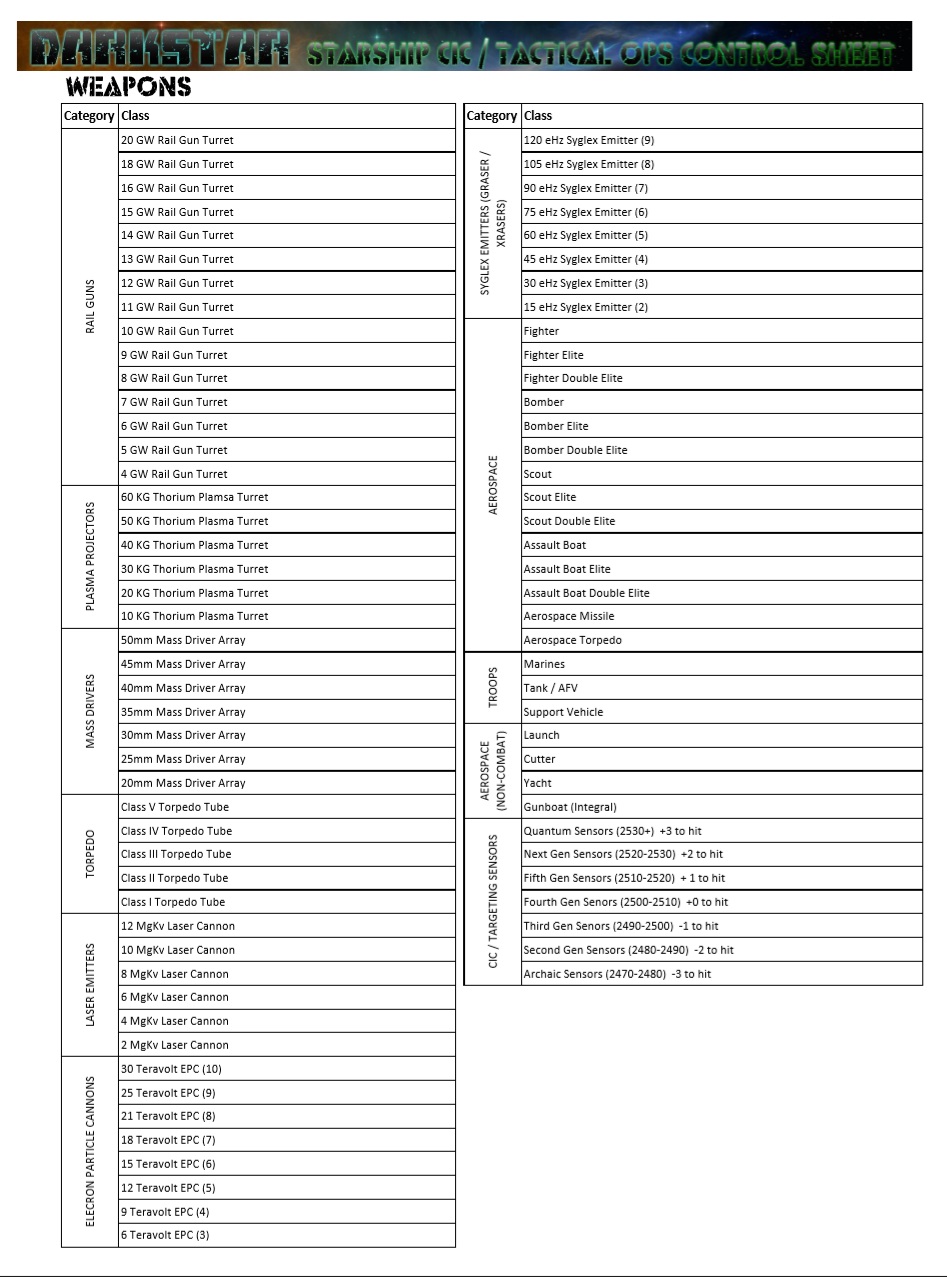
Responded to a request from @bloodstrike for a list of all the major weapons types (and associated weapons / equipment systems) available for design / installation in a Darkstar warship.
Which reminds me, if anyone hasn’t checked this out yet, please take a moment to review his great project thread, here, where he’s taking information presented ion the text and design tables and 3D printing his own ships.
https://www.beastsofwar.com/project/1305447/
Also, @elessar2590 has also been developing a fleet of 3D models for use with Darkstar.
https://www.beastsofwar.com/project/1305519/
I’s so exciting and humbling to see other people take the idea of Darkstar and plug into their own skill sets, tech, tools, and hobby, producing what is in fact “new content” to expand the Darkstar universe even further.
Progress Report - Darkstar Rules
Good afternoon, OTT / BOW!
Okay, just to keep everyone informed, I’m happy to report that after a short break for US Thanksgiving holiday weekend, work on the Darkstar tactical rules is making very solid progress.
Two chapters are written –
1) Fundamentals – to include scales, components, warship types, and turn sequence, astrophysical bodies, gravity, the warship record sheet, etc.
2) All Rules for Initiative and Movement – to include warships and aerospace and torpedoes and astrophysical bodies.
3) Starting actual combat rules tonight.
Might be taking a slight slowdown later this week to start preparing documents / game boards for our first on-line play of Darkstar (Saturday 1 December, 2018).
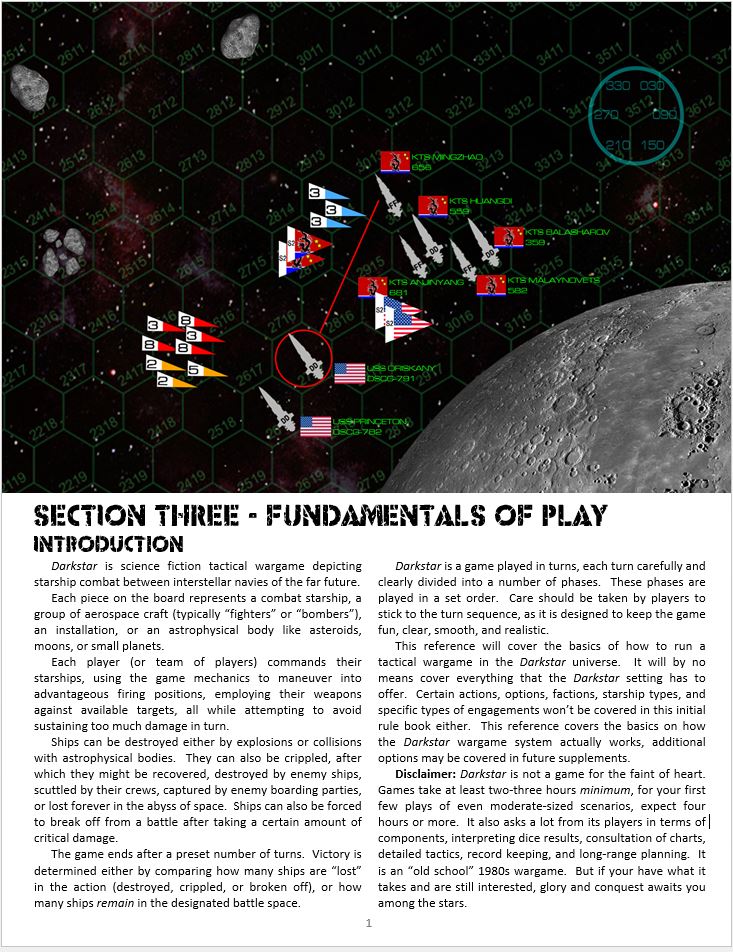
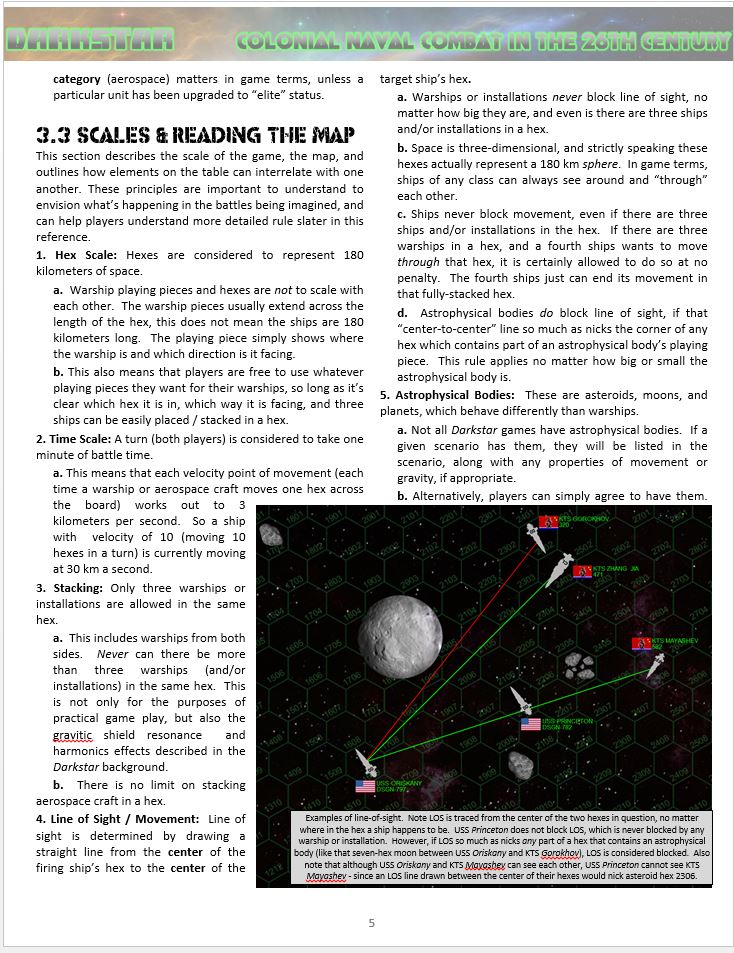
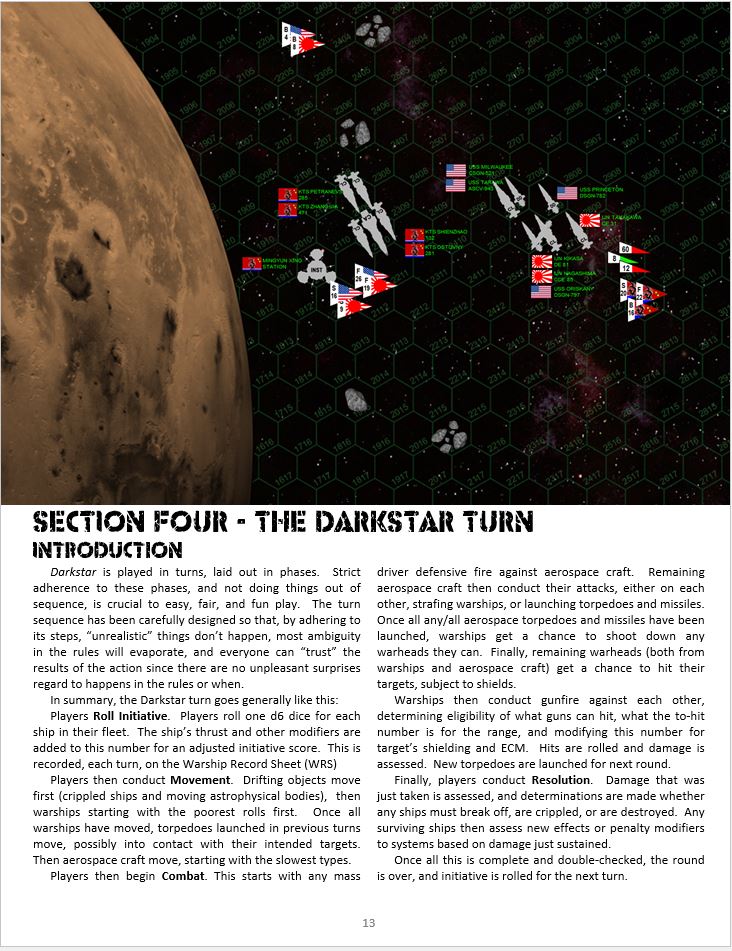
A few low-res sample pages below.
Just so no one is in any doubt that this IS coming!
More updates to come!

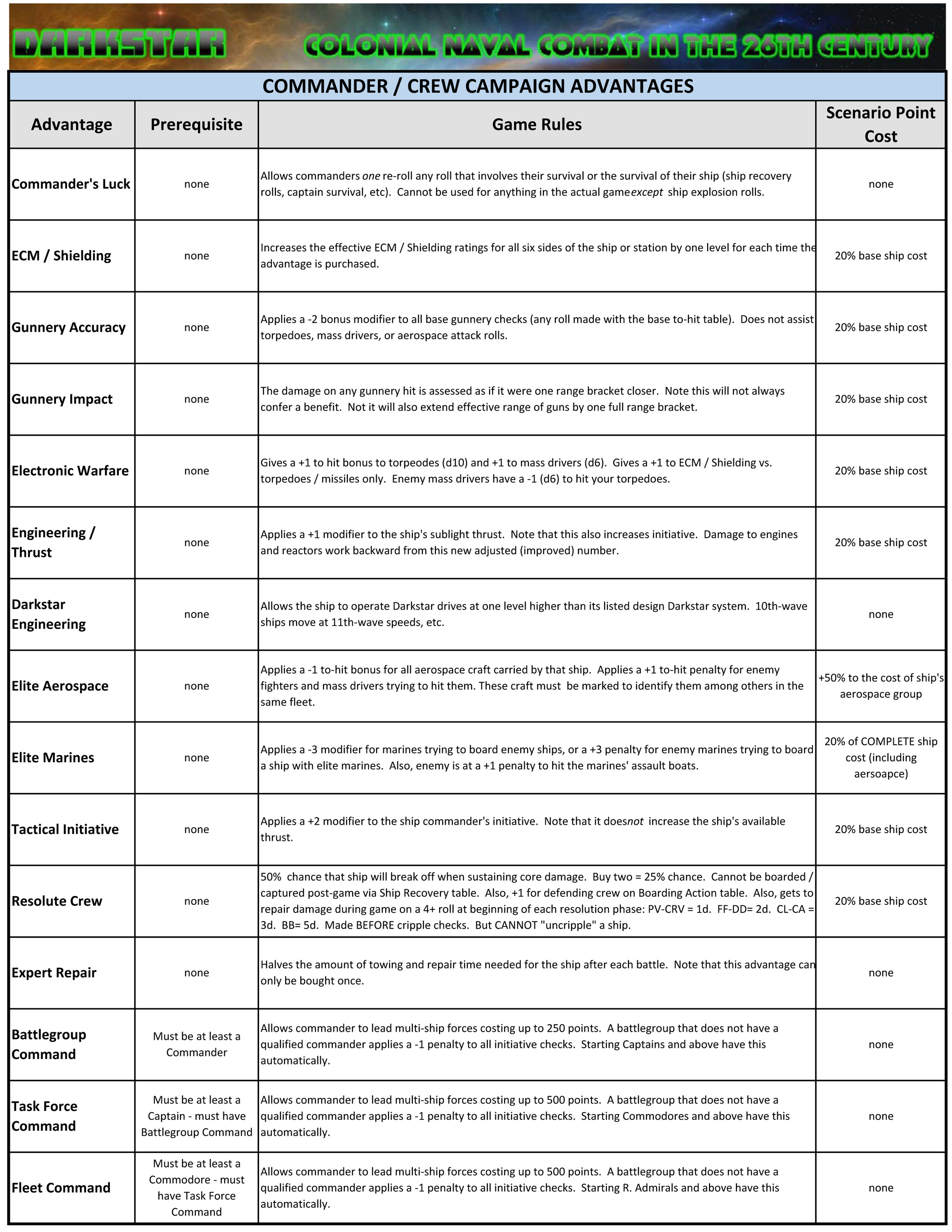
Darkstar Campaign Chart - Advantages and Awards Chart
So here is the chart that lists the things that players can buy with campaign points, basically “xp” you get for fighting or winning battles.
Typically you get 1 point for being in a battle.
That is increased for 2 points if you come out on the winning side.
Sometimes players will agree that one ship per game gets some insane award for great rolls, bravery, kickass events, etc. Then you’d get 3.
For every 6 points accrued, you get to select one thing off this list.
Almost universally, the first thing selected is “Commander’s Luck.” This is the advantage that usually lets commanders survive long enough to get other advantages. ECM / Shielding is another popular choice. Save your own ass before you start plotting the ruin of others.
Like any game I design (or enjoy) … Darkstar is an unforgiving mistress. You can lose your ass very quickly in this game. So it pays to have a little bit of “grace” when it comes to those all-important post-game survival checks (is your crippled ship recovered, scuttled, captured, or lost forever in the icy tomb of space)?
Requested Warship Classes - US and Japanese
Good morning, all ~
Okay, first update:
Rules started. Seven pages written, formatted, illustrated. This is going to be a long journey.
Meanwhile, I’ve had some requests for the Warship Record Sheets on a few classes. Namely, “medium carriers” and frigates for the US and Japan. So I chose light fleet carriers (built in the weight class of light cruisers), and frigates. These are attached below, not only in .jpg format for immediate view, but also as downloadable .pdf files below.
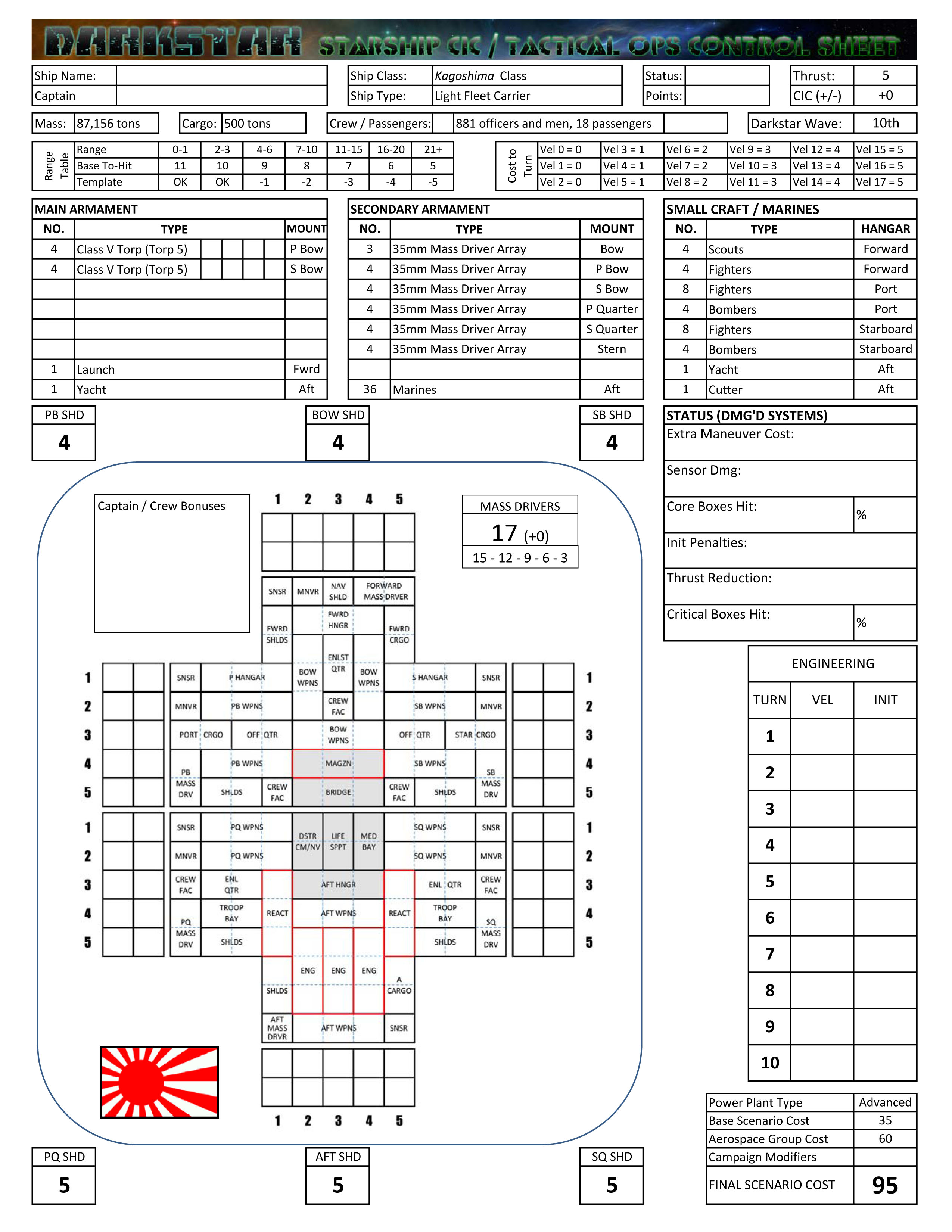
The Kagoshima class aerospace carriers are named for cities in the Kagoshima Prefecture of terrestrial Japan, southernmost of all prefectures in the home islands. Since its baptism of fire in the Sino-Japanese Iota Pegasus War of 2502, the class has proven its worth and there is talk of expanding the class to include ships named after another prefecture as well.
The design is fairly standard, with two bays for the A9M “Kataka” (Fire Hawk) naval aerospace fighters mounted port and starboard and a larger one installed centerline in the fo’c’sle. Port and starboard launch bays also carry the B7N “Tenrai” (Heavenly Thunder) bomber, while Ki-202 “Hien” (Flying Swallow) scouts are carried forward. Aft bays also carry the cutters and yacht.
What sets the Kagoshima class apart is its torpedo capacity, with two quadruple bays of Ki-45 “Toryu” (Dragon Slayers) mounted on port and starboard bows. While detractors point out that these cut back slightly on the aerospace craft the Kagoshima can carry (indeed, they carry less than the American Endeavor class), the Kagoshima still carries a bigger strike group than the comparable Russian Gagarin or British Invincible classes.
Furthermore, it cannot be denied that these torpedoes add a devastating element to the carrier’s overall strike capability. Sent in with the strike group against the same target on the same vector, these torpedoes almost guarantee that enemy defenses will be so occupied shooting down the Dragon Slayers that the strike group will have practically an open door. The Kagoshima also carries powerful mass driver defenses to keep the ship safe from enemy strike groups, and expanded cargo bays to support long-ranged operations deep into enemy-controlled space.
Like all carriers, however, the Kagoshima remains desperately vulnerable without her aerospace group, and is never deployed near potential enemies without a generous screen of destroyers and frigates.
Built and commissioned at:
Akagi Prime, Gamma Leporis
Shogun Station, Callisto
New Kyoto Shipyards, Earth
Ships in Class
CCE 77 – IJN Kagoshima – On Duty
CCE 78 – IJN Izumi – On Duty
CCE 79 – IJN Kanoya – On Duty, Annabel’s Star
CCE 80 – IJN Hioki – Torpedoed and exploded, 2511
CCE 81 – IJN Ajune – On Duty
CCE 82 – IJN Amagi – On Duty
CCE 83 – IJN Nakatane – On Duty
CCE 84 – IJN Kimotsuki – On Duty
CCE 85 – IJN Nagashima – On Duty, Xi Scorpio
CCE 86 – IJN Satsuma – On Duty
CCE 87 – IJN Osaki – Exploded, Battle of Santa Catalina
CCE 88 – IJN Yakushima – On Duty
CCE 89 – IJN Kikai – On Duty
CCE 90 – IJN Tatsugo – Destroyed in collision, Andromeda Arc
CCE 91 – IJN Toshima – On Duty
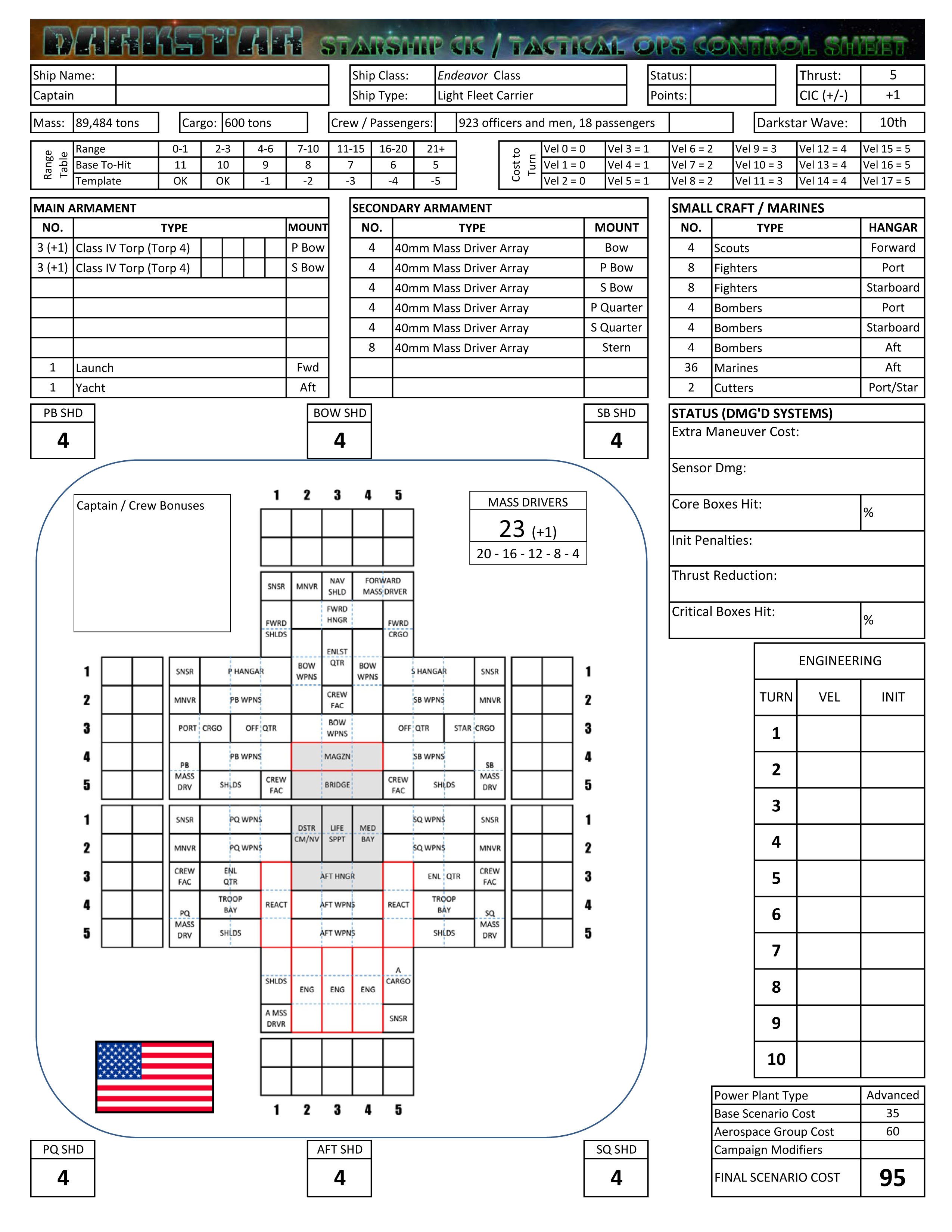
The Endeavor class light fleet carrier is another example of classic United States naval doctrine: the forward deployment of expeditionary fleets, task forces, and battlegroups based around the large, fast, and heavily-loaded aerospace carrier.
Of course, since Lexington class supercarriers are too large and expensive to be deployed everywhere, intermediate classes like the Endeavor serve as a bridge between these “war-enders” and smaller carrier classes like the Buford and the Chosin.
In parallel with these “light fleet carriers,” a secondary Saipan class has also been developed for use by the United States Marine Corps. Basically, these are Endeavor class carriers whose cargo bays have undergone slight modifications to carry “Harrier” class assault boats, tasked with the assault of planetary colonies and orbital installations.
Like all American ships, the Endeavors carry names steeped in national history. The first five units of the class are named for the original space shuttles constructed by NASA during the 1970s and 1980s. Even now, five centuries later, service aboard the Challenger and Columbia is seen as a special honor among officers and men. Many of the other ships are named for famous American carriers of World War II.
The service records for the Endeavor class carriers so far has been exemplary, although it bears noting that these ships are never sent anywhere without substantial escort. Like most American carriers, they are “pure” aerospace platforms, almost helpless in any engagement without their strike group. But that strike group is a fearsome factor in any battle. With a reinforced squadron of Vought “Corsair” fighters-bombers and another of Grumman “Avenger” torpedo bombers, plus two pair of “Hawkeye” scouts, (32 aerospace craft in all), and Endeavor class carrier can establish aerospace superiority many Second-Band moons or planets, or even a lightly-held star system.
** In the planetary assault configuration, the Saipan class carries 4 fighters and 4 bombers for ground support, 12 “Harrier” class assault boats, 196 Marines, 4 tanks, and 4 support vehicles. Cutters, launches, and yachts remain unchanged.
Built and commissioned at:
New Virginia Orbital Yards, Earth
Triton Shipyards, Neptune Navy Yard
Fort Dyron, Proxima Centauri
CSCV-441 – USS Endeavor – On Duty
CSCV-442 – USS Columbia – On Duty
CSCV-443 – USS Challenger – On Duty
CSCV-444 – USS Discovery – On Duty
CSCV-445 – USS Enterprise – On Duty
CSCV-446 – USS Liberty – On Duty, Xi Scorpio
CSCV-447 – USS Freedom – On Duty
CSCV-448 – USS Independence – On Duty
CSCV-449 – USS Intrepid – On Duty
CSCV-450 – USS Hornet – Under Construction
CSCV-451 – USS Essex – n/a
Saipan Class
LHCA-471 – USS Saipan – On Duty
LHCA-472 – USS Belleau Wood – On Duty, Xi Scorpio
LHCA-473 – USS Iwo Jima – On Duty
LHCA-474 – USS Guadalcanal – On Duty
LHCA-475 – USS Inchon – On Duty
LHCA-476 – USS Khe San – On Duty
LHCA-477 – USS Peleliu – On Duty
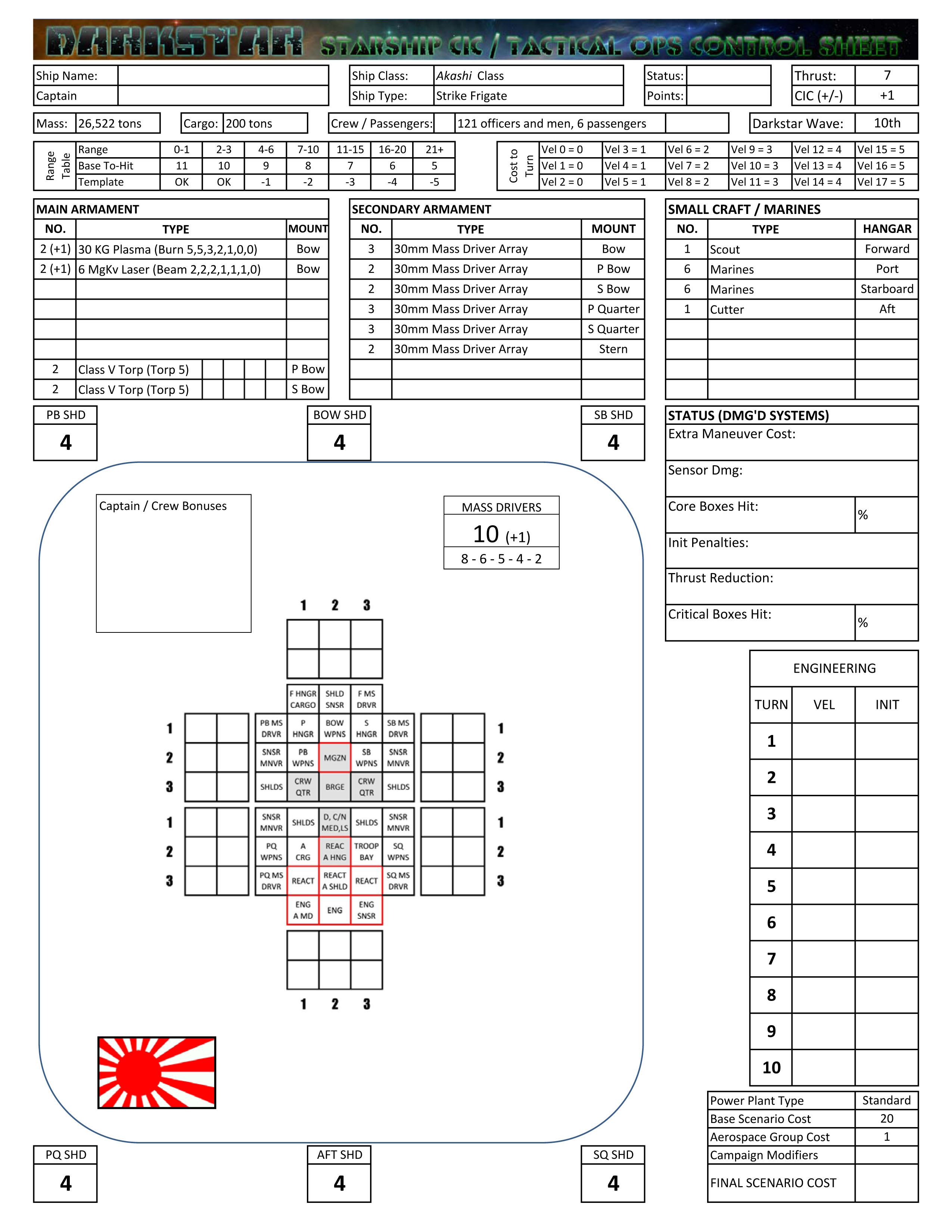
When it was originally built, the Akashi class assault frigate was something of a throwback to an earlier age of Japanese naval tactics. A hyper-aggressive design, the ship mounted virtually all its weapons, ECM protection, and gravitic shielding up front, with only an afterthought of defense to its aft quarters. Clearly, the Akashi was meant to “slash” at the enemy in bold strikes, using its superior thrust to speed into enemy formations, inflict maximum damage, and speed back out again.
Of course, such attacks are typically best made along the bow or stern of the target, denying the enemy a full retaliatory broadside and maximizing the Akashi’s chance of survival.
In practice, however, this didn’t work. No matter how skillfully the captain placed his ship, the Akashi’s stern remained vulnerable to weapons like torpedoes and aerospace fighters. Losses were absolutely hideous, and a horrified Japanese Naval Review board took the ships off-line to reconfigure their defenses to a more conventional layout.
Even now, the Akashis are spare, lean, and spartan ships, even by Japanese standards, and there are unconfirmed reports that they are crewed strictly by men with no families. Some Americans enlisted men have been heard to call them “kamikaze karts,” while British press has listed them as “banzai boats.” Such dismissal, however, is a dangerous understimation of the Akashi’s potential. After all, very few ships of their class can match the sheer firepower of their frontal barrage. In the end, it’s up to the crew to make the most of the Akashi’s strengths, and keep its weaknesses hidden.
FE-12 – IJN Akashi – On Duty
FE-13 – IJN Wutazashi – Exploded, defense of Akagi Prime
FE-14 – IJN Narushima – Exploded, Psi Serpentis
FE-15 – IJN Sakaimura – Exploded, 19 Draconis
FE-16 – IJN Karajima – Destroyed, Canis Minoris
FE-17 – IJN Kanoate – On Duty
FE-18 – IJN Yurakazu – On Duty, Annabel’s Star
FE-19 – IJN Tanakasha – Exploded, Kapteyn’s Star
FE-20 – IJN Kikukawa – On Duty
FE-21 – IJN Kitamura – On Duty
FE-22 – IJN Takarada – On Duty, Annabel’s Star
FE-23 – IJN Wutazashi II – On Duty, Annabel’s Star
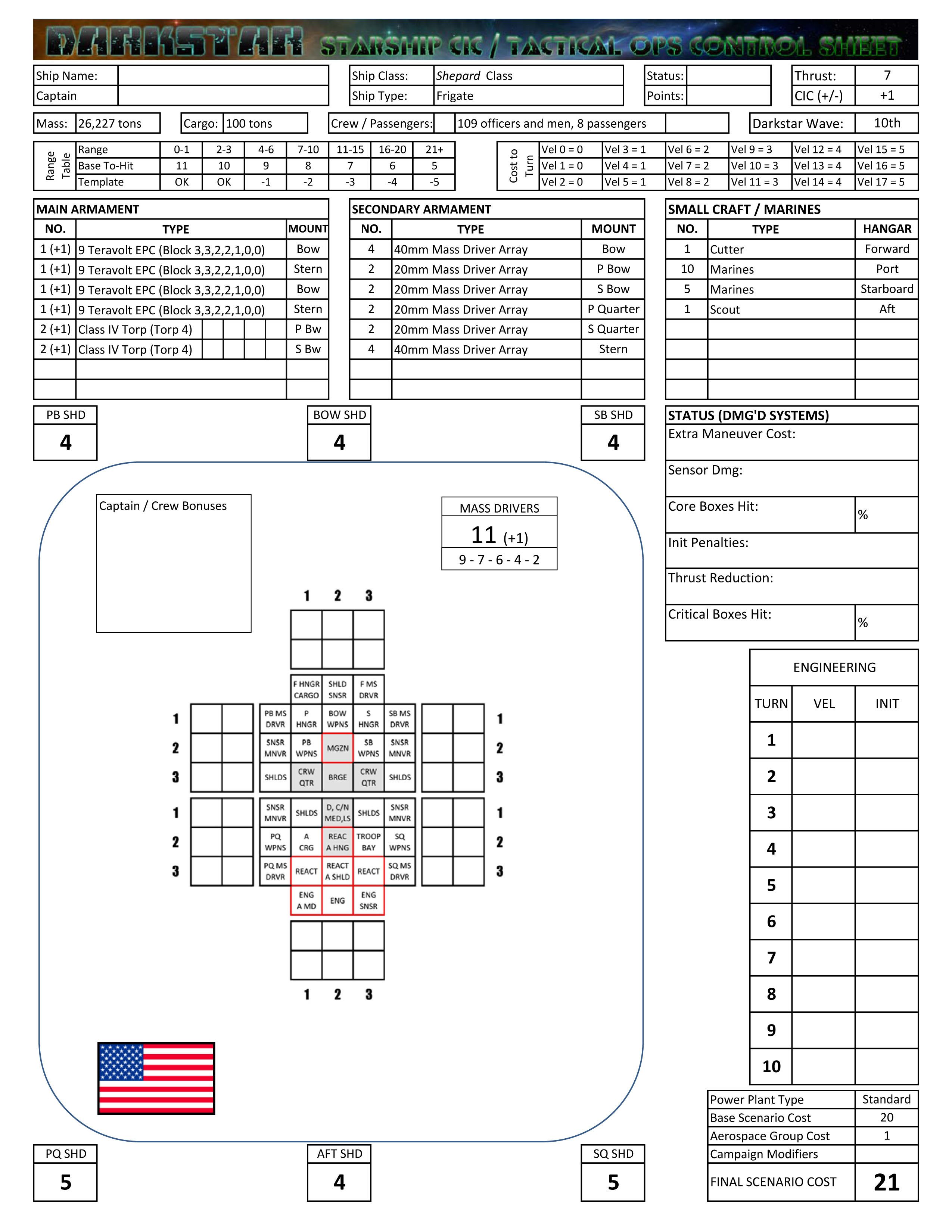
The Shepard class frigate is a workhorse of the United States Navy, perhaps one of the most ubiquitous symbols of American maritime power in Known Space. After all, while mammoth dreadnoughts like the Colorado class battleships or Lexington class supercarriers are certainly impressive, few people will actually see one. Shepards, by contrast, are everywhere.
The class was first launched in the late 2480s, after the disastrous failure of the Kearsarge class frigate. These older craft were stubbornly mounted with 5- and 4- gigawatt rail guns, which were just to heavy for ships this small. The guns were too short in range to allow effective reach, forcing the Kearsarge to close to dangerous proximity with larger opponents. They didn’t pack enough punch, and their weight robbed the frigates of what’s supposed to be a frigate’s trump card: speed.
Only when the US Navy finally turned their back on small-hulled rail gun-armed ships and embraced the new technology of the electron particle cannon did the fleet get the frigate class it so desperately needed.
Named for astronauts of the long-ago Mercury and Apollo programs, the Shepard class has since become a mainstay of the fleet, with no fewer than thirty-five units built and an updated redesign currently on the drawing boards. At less than 25,000 tons, the Shepard is somewhat light for a frigate, while its array of 9-teravolt EPCs give it a tremendous punch, especially against smaller ships. Standard tactics call for these weapons to be fired in broadside, carving deep swaths in enemy armor before the the Mark 48 gravitic torpedo (retrofitted from the older Mark 36) slams home to break the enemy ship.
Mass driver protection is also formidable, built around standard American 20mm Oerkilon and 40mm Bofors mounts. One possible weakness is the design’s age and lack of a more sophisticated electronics, targeting, and CIC suite. But so many of these ships have been built and that it’s unlikely that the US Navy will seriously consider scrapping them any time soon.
FSGN-611 – USS Alan Shepard – On Duty
FSGN-612 – USS Buzz Aldrin – On Duty
FSGN-613 – USS Neil Armstrong – On Duty
FSGN-614 – USS Scott Carpenter – On Duty
FSGN-615 – USS Michael Collins – On Duty
FSGN-616 – USS Scott Glenn – Captured, Andromeda Arc
FSGN-617 – USS Gus Grissom – On Duty
FSGN-618 – USS John Young – On Duty, Xi Scorpio
FSGN-619 – USS Walter Schirra – On Duty
FSGN-620 – USS Gordon Cooper – On Duty
FSGN-621 – USS Donald Slayton – On Duty
FSGN-622 – USS Edward H. White – Scuttled, 2499
FSGN-623 – USS Roger B. Chaffee – Scuttled, Andromeda Arc
FSGN-624 – USS Pete Conrad – On Duty
FSGN-625 – USS Edgar Mitchell – On Duty
FSGN-626 – USS David Scott – Lost in combat, 2511
FSGN-627 – USS James Irwin – Destroyed, Andromeda Arc
FSGN-628 – USS Charles Duke – On Duty
FSGN-629 – USS Eugene Cernan – Lost in combat, 2508
FSGN-630 – USS Harrison Schmitt – On Duty
FSGN-631 – USS James Lovell – On Duty
FSGN-632 – USS Fred Haise – Destroyed, IK Pegasi
FSGN-633 – USS Frank Borman – On Duty
FSGN-634 – USS William Anders – On Duty
FSGN-635 – USS Tom Stafford – On Duty
FSGN-636 – USS Dick Gordon – On Duty
FSGN-637 – USS Jack Swigert – On Duty
FSGN-638 – USS Stuart Roosa – Lost in combat, 2505
FSGN-639 – USS Al Worden – On Duty
FSGN-640 – USS Ken Mattingly – On Duty
FSGN-641 – USS Ronald Evans – On Station, Xi Scorpio
FSGN-642 – USS Don Eisele – On Duty
FSGN-643 – USS James McDivitt – On Duty
FSGN-644 – USS Walter Cunningham – On Duty
FSGN-645 – USS Rusty Schweickart – On Duty
ANNOUNCEMENT: DARKSTAR RULES WILL BE WRITTEN!
Okay, Beast of War community … you win! I am officially running up the white flag! Your Soviet-style “human-wave” tactics have finally overcome my hesitation, reluctance, fear, and cynicism. I will bend to your will.
I will write the Darkstar rules – as in actually down on paper.
*… God help me … *
Please understand, I am positively thrilled that this project has had so much support over the preceding year, and continues to draw so much attention and positive feedback from the community. It really has touched a nerve it seems, in bringing detailed, tactical, “crunchy” wargame play to the sci-fi genre in a way that we really haven’t seen since the 1980s glory days of BattleTech, Traveler, and Renegade Legions.
But as someone who has written wargame rule books before (and I mean written rulebooks, 1980s style, not the glossy, fabulously illustrated, but ultimately vague and badly organized material we so often get today) …
… I have no illusions what I am in for.
So, a few things:
- This rule book will be written over the next month or so. It will take at least that long.
- This rule book will contain no fluff. All of that has already been presented in the .pdfs available in this project thread.
- This will be a bare-bones “legal document” that will emphasize clarity, organization, cross-referencing, examples, and the actual “nutz-n’-boltz” mechanics of actual tabletop play.
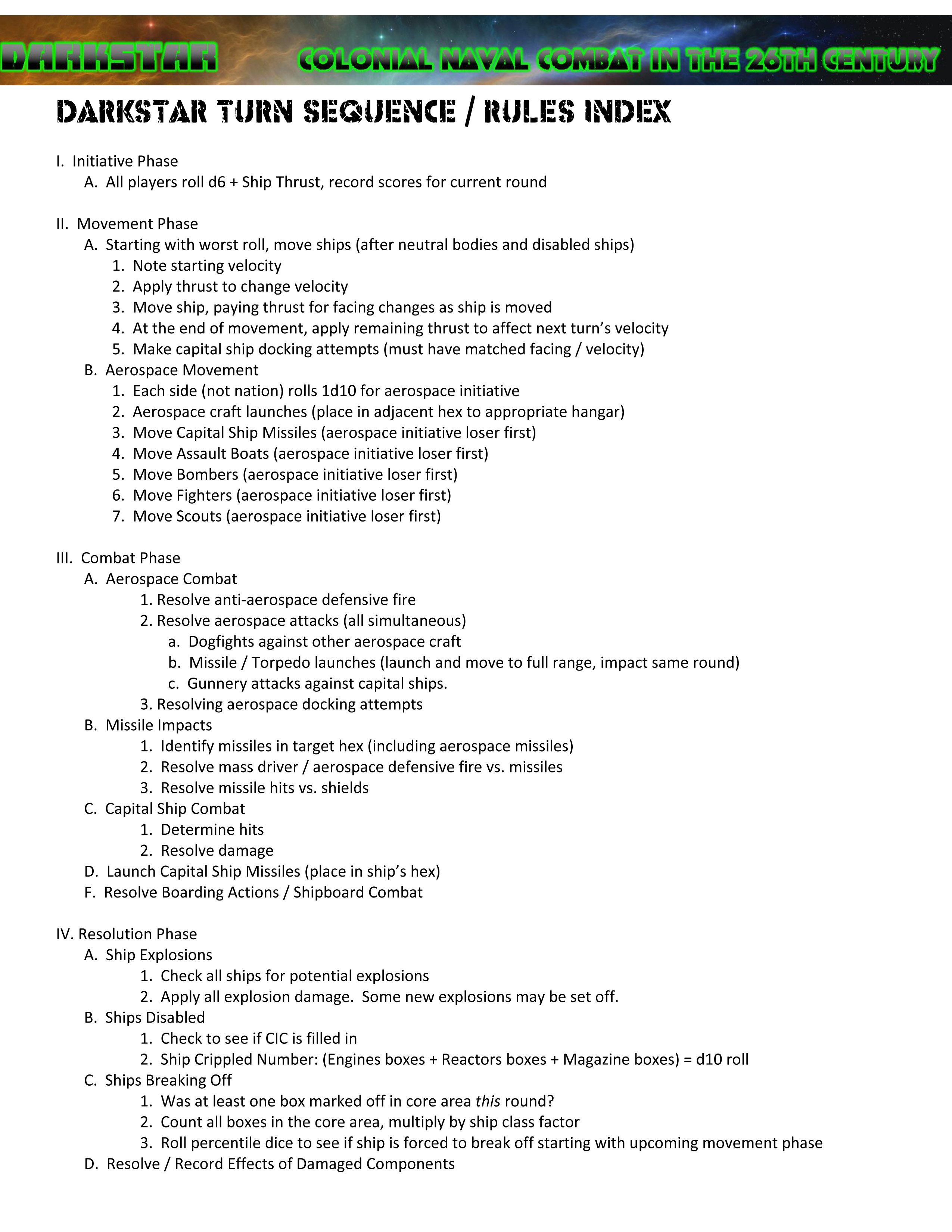
- The Turn Sequence included in this project thread below will serve as a general “table of contents,” with four additional small sections:
- Setting up scenarios
- Determining victory
- Upgrading your ship / commander / crew
- A sample of warships
- The book will not include all factions for all ship classes. I’m sorry, I just can’t. Not for a first try at a rule book. That would be 200 additional pages right there.
- The book will not include the MS Excel tables for building / designing your own ships from scratch. If anyone is interested in trying that, we can work together online via Discord or GoToMeeting or Google Hangouts or some other medium.
- The book will not include the full campaign rules for determining how these interstellar wars start, progress, and end. Again, it’s just too much.
- The book will not include planetary invasions, ground installations, boarding, etc. Again, this is all to much, and to be honest, it only transpires in about 5% of Darkstar games anyway.
- All of these these elements not included may be included in smaller future books, depending on how the first book goes and how well it is received.
- At the moment I have no plans for monetizing this or anything. All I will be producing is a series of .pdfs, which honestly can be copied and spread around after the first one is sent out anyway. There will be no maps, components, miniatures, etc., nothing from which I will be trying to derive revenue.
- I will be accepting donations through PayPal if anyone wants to support me or my work. Rewards for such donations may be anything from your name being included in the book, a starship in the official canon being named after you, a colony, or a “legendary general” in the historical background of one of the factions.
- I will certainly “be around” to answer questions, clarify rules, or even help run online Darkstar games and/or tutorials via a web platform to be determined.
So there it is. I am officially doing this.
Apologies in advance, I will be more or less vanishing from Beasts of War / OTT for at least the next month or so as this project gets started.
And again, we’ll be running online games in the next couple of weeks. There’s already a “bit of a line” so to speak. And I’ll be a little backed up with these written rules.
But stay tuned to this project thread! Every recommendation and comment is a little more encouragement! Updates and progress will be posted!
Take care, and thanks as always for everyone’s support.
James “Oriskany”
Historical Editor, Beasts of War
Materials from Lets Play Video
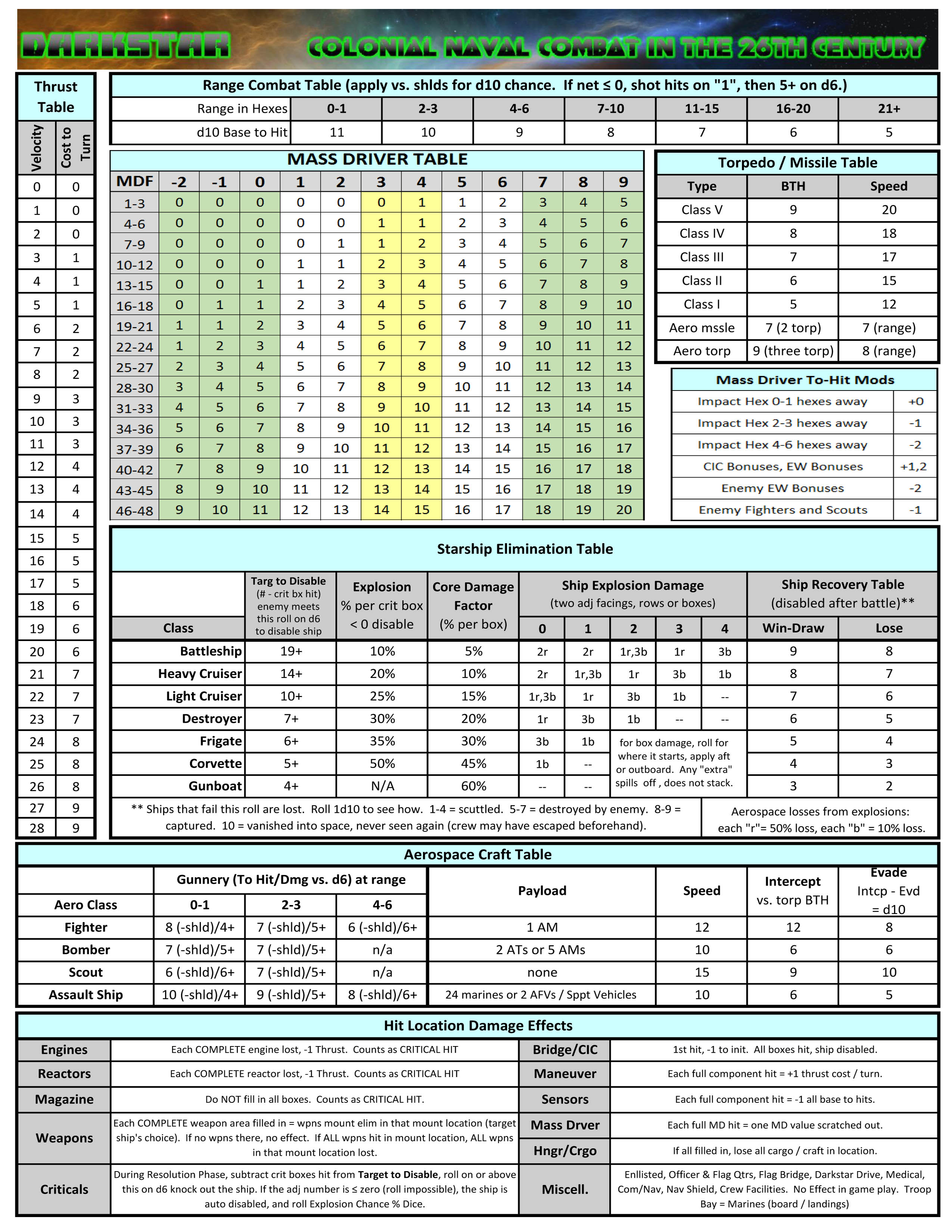
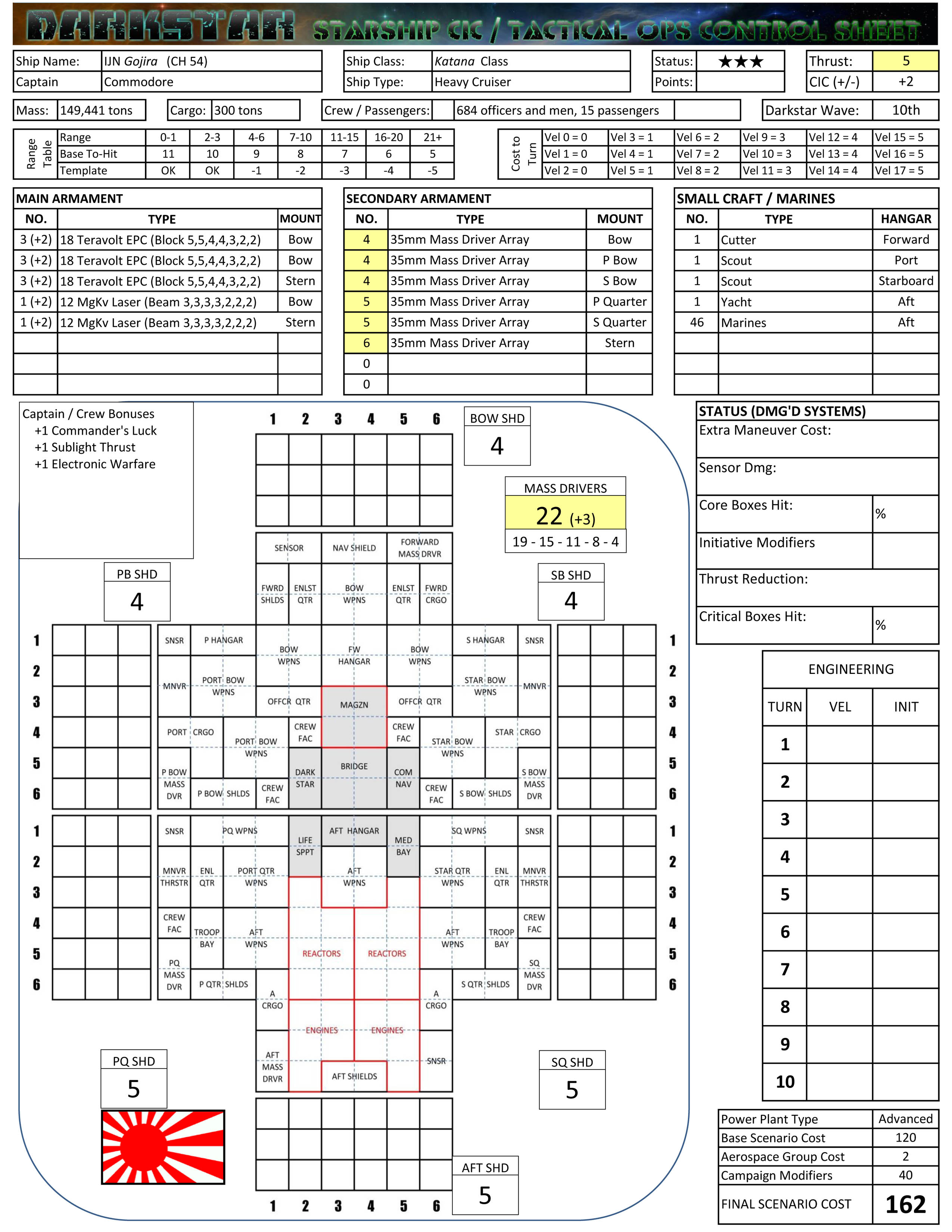
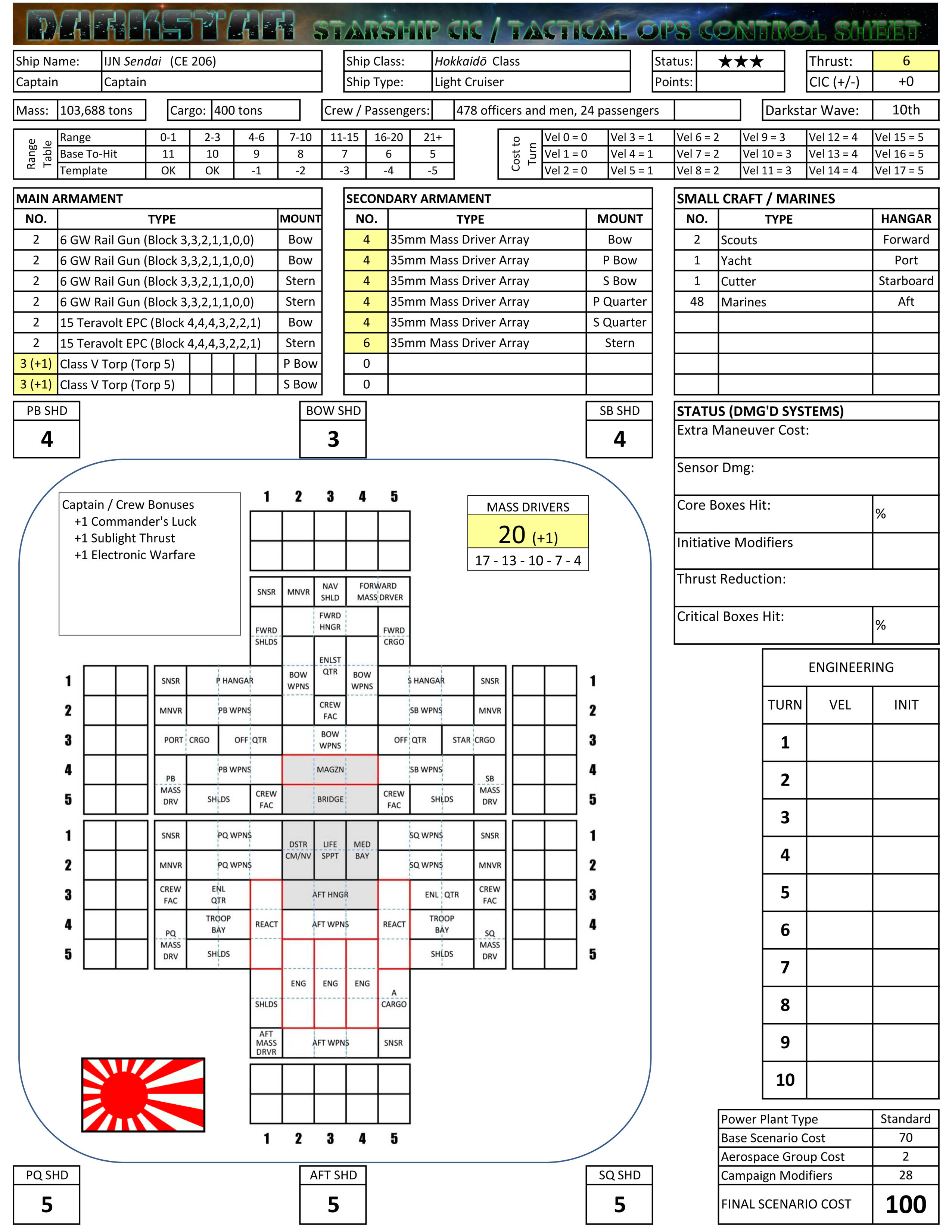
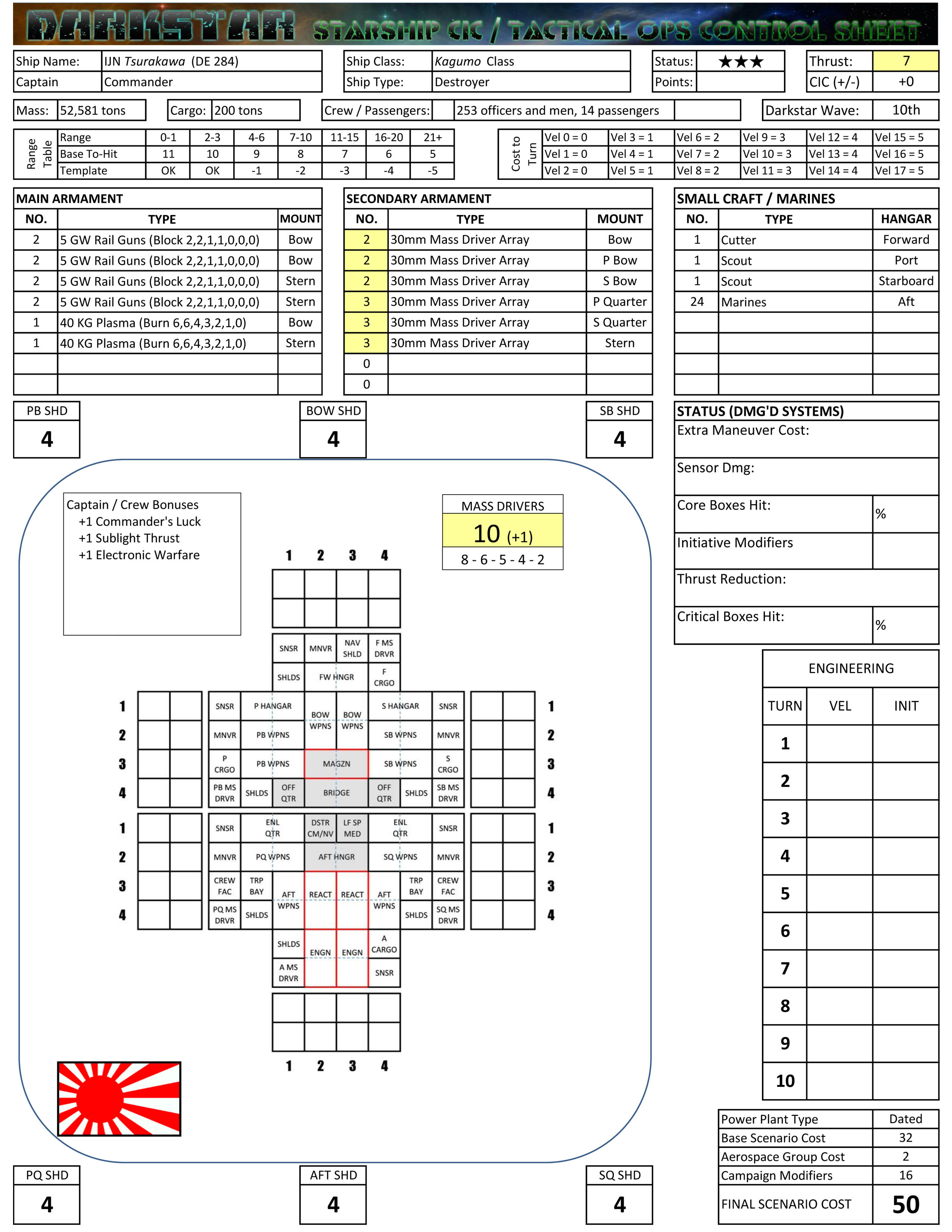
Some people have been requesting more information on the ships, rules, and charts used in the recent “Let’s Play Video” for Darkstar.
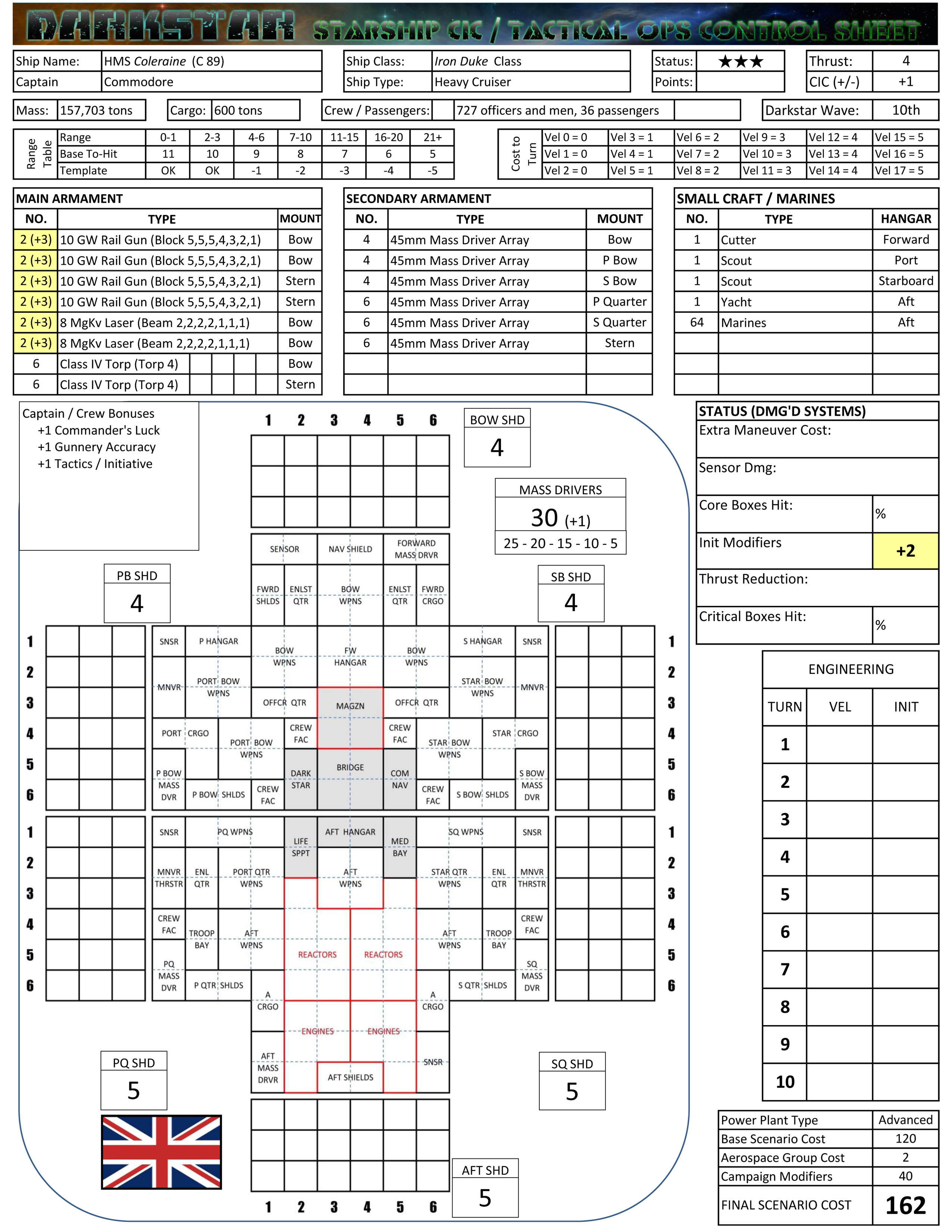
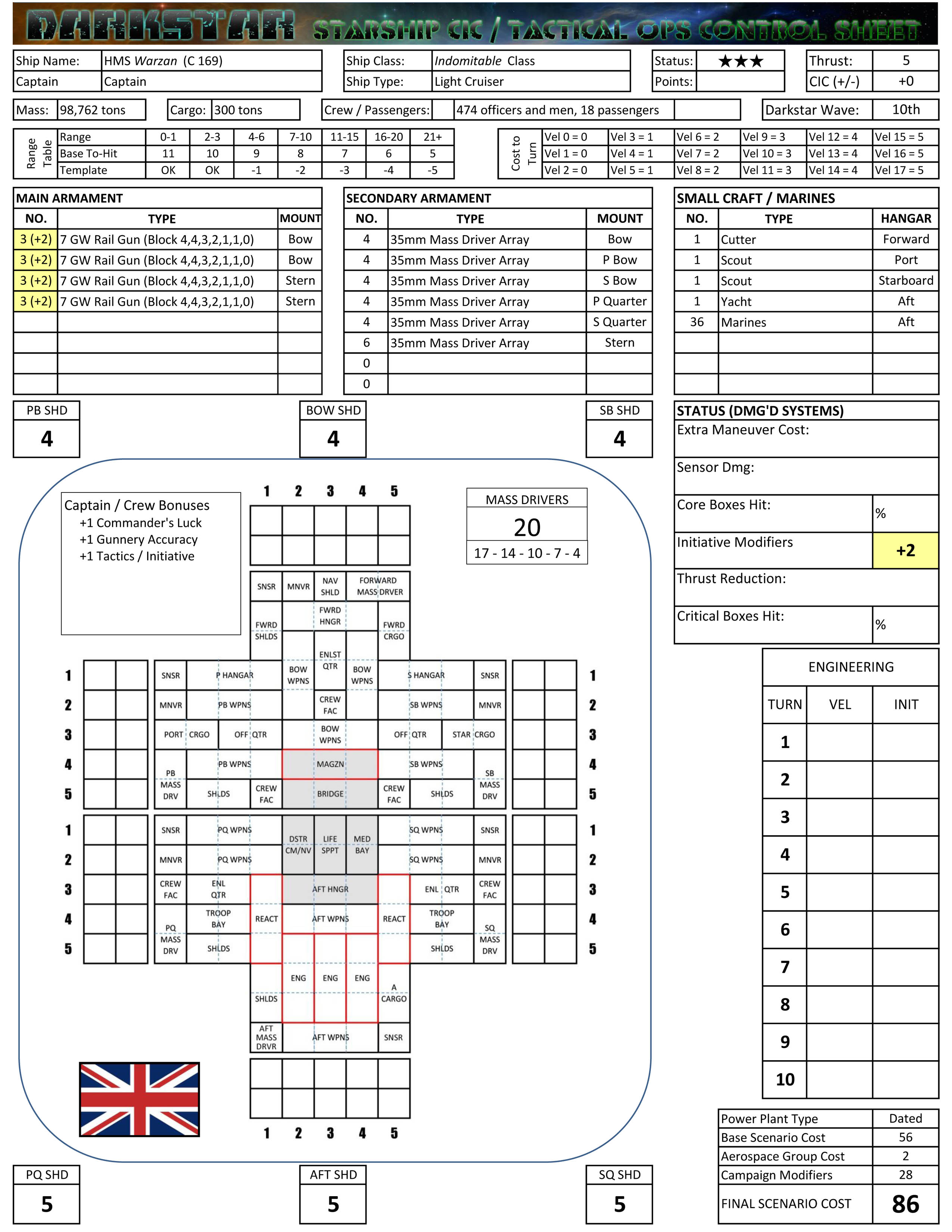
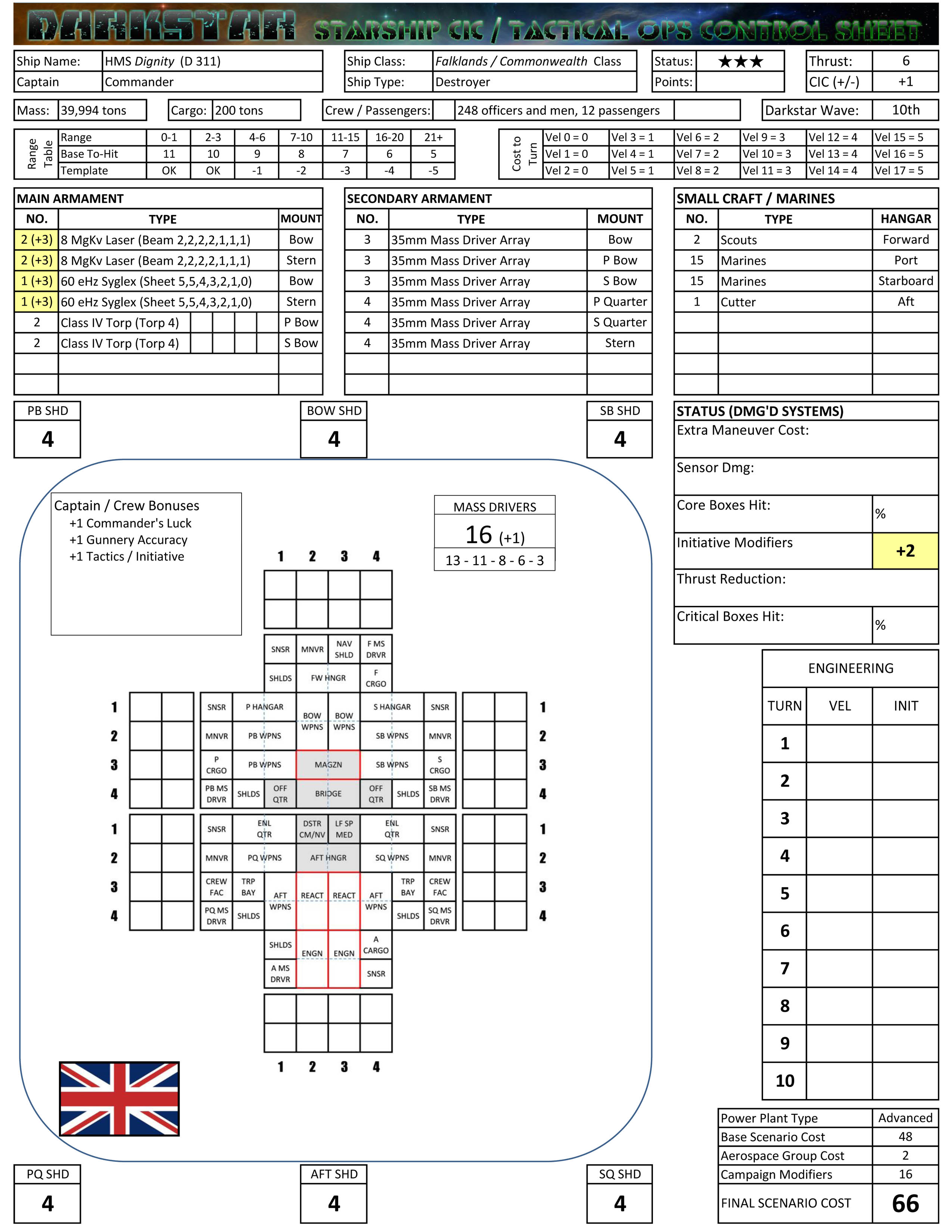
Accordingly, I have attached here the Turn Sequence, master chart reference sheet, and the ship record sheets for the six ships used in this game.
Holy hell! 1362 recommendations!
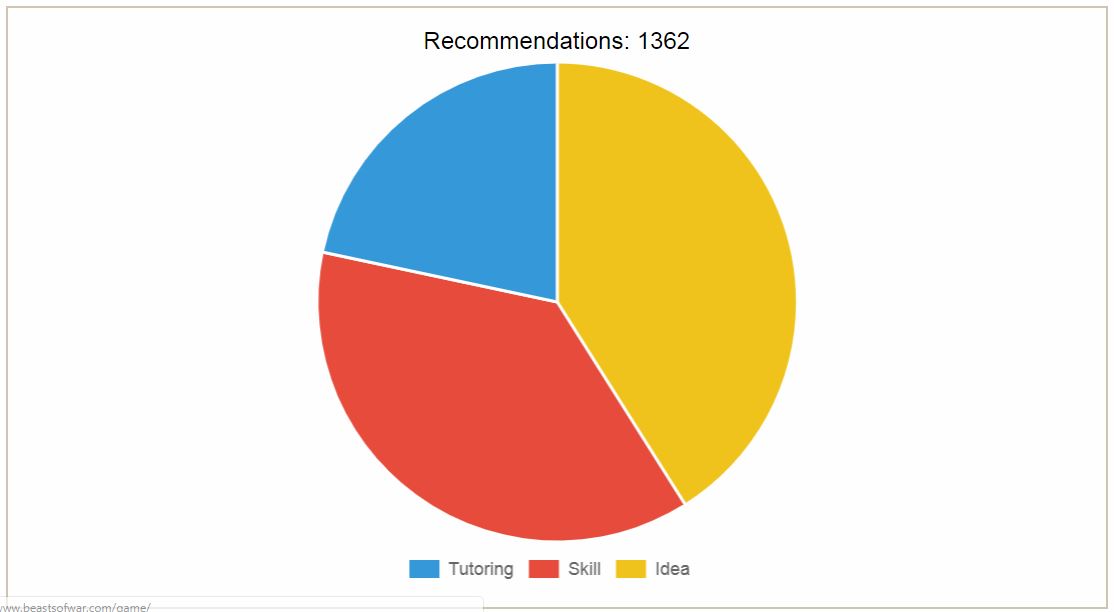 Thanks so much, Beasts of War / OTT, and all the community, for making Darkstar the highest-recommended project on the site! Huge thanks to all the followers, Justin and Jenn for the great video, and Lance, Colin, and the editors for making this a truly epic video and contributing so much to the success of this project