





































A Dive into Pillage



Barbarian Conspiracy
In the late Roman period Britain had become the bread basket of the Northern Empire, providing vast amounts of grain to the army stationed along the Rhine and in Gaul. It had become a valuable region of the empire, and so was a target for raiders seeking loot.
In AD 367 Roman Britain was under attack from the Picts in the north, Irish and Saxons, many people at the time believed there may have been a conspiracy, including Ammianus Marcellinus, a contemporary historian, who called it Barbaica Conspiratio or Barbarian Conspiracy.
The question today is, what there a conspiracy or were the multiple attacks just a coincidence. For over a year the Empire had been fighting on several boarders against the Alamanni, Sarmatians, Austaraini and the Goths. It is just possible that the Empire was seen as vulnerable, and it was coincidence that they all attacked at a similar time. Empire was over stretched and the barbarians were able to take advantage of this.
In 337, thirty years prior, Constantine died, and the empire was divided between his three sons, Constantine II (Britain, Spain and Gaul), Constans (Italy, Balkans and Africa) and Constantius was given the East. There were now three emperors, who were all highly ambitious. In 340 AD Constantine II invaded Italy, civil war erupted and during the conflict Constantine was killed. Which allowed Constans to absorb Britain, Spain and Gaul.
There were now a Western and Eastern Emperor, but in the west things were still tense and unsettled. By 350 Constans had been usurped by Magnentius who retained control of the west until 353 AD, when he was over thrown by Constantius II.
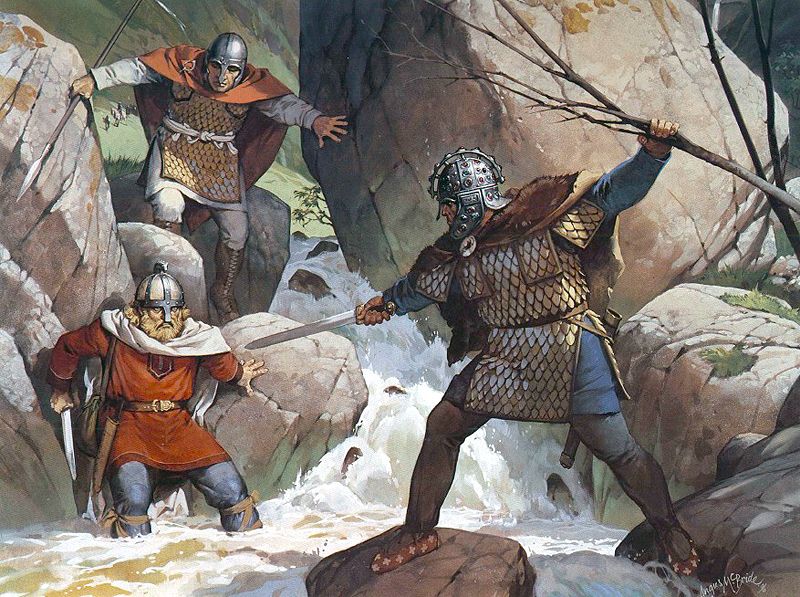
The Empire, especially in the west had been in turmoil since the death of Constantine, civil war and usurpation had added to the chaos. So its understandable that some of the barbarian tribes decided to take advantage of the situation. The first sign of this would be in 360 AD when the Picts and Scots broke a peace treaty, laying waste to the countryside near the Northern Frontier in Britain. The alarm was raised, and the Emperor responded by sending Lupiciaus, master of cavalry, who was a stout and fierce soldier, with a great deal of experience to deal with the troubles in Britain. During this time the Alamanni were causing trouble in Gaul and elsewhere.
By 364 AD the empire was under assault by numerous barbarian peoples. The Alamanni were ravaging Gaul and Raetia, the Sarmatians and Quadi were attacking Pamania. Back in Britain Picts, Scots, Saxons and Attacoti were bringing misery and conflict. Africa was under attack from Austariani (Moors) and the Goths were plundering parts of Thrace and Moesia. On top of all this Persia was stirring in the east. The Roman army would have been stretched beyond breaking point, unable to meet all of the threats. Troops would have been pulled from regions to cope with the most severe threats, which would have left those regions vulnerable.
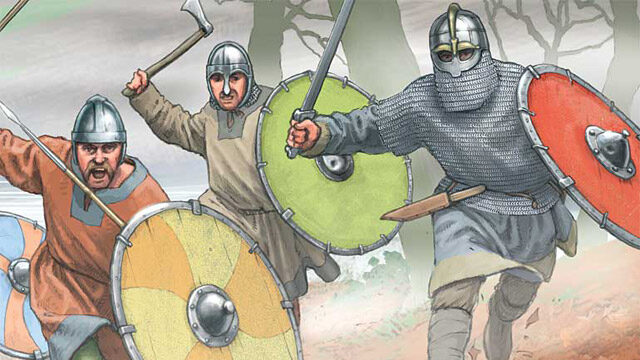
AD 367 is described as the year of the Barbarian Conspiracy. In Britain there was a concerted invasion by land and sea. Four peoples attacked Britain that year from different directions, attacking different regions of Britain. For the conspiracy to have worked, would have meant that it would have to been agreed upon in the years preceding AD 367.
There is no real evidence to support a barbarian conspiracy. For this conspiracy to have worked, then you would also have to add the attacks in other parts of the empire as well, because these attacks helped to pull troops away who could been sent to aid Britain. In the late fourth century this really wouldn’t have been logistically possible for all of these tribes to have worked together, and make a conspiracy work.
Though there was serious troubles during this period in Britain. Hadrian’s Wall had to be repaired in places due to the troubles. Parts of Kent were plundered, though these were probably more opportunistic rather than part of some conspiracy.
There was a degree of social unrest during this time amongst the populous, and the attacks by the Northern tribes occurred because of this situation, attacking and taking advantage of the fact that the Roman army was preoccupied. Local Roman military was over stretched and weak, the Picts took advantage, roving at large and causing devastation, but this was more raiding rather than a concentrated invasion by a well organised army.
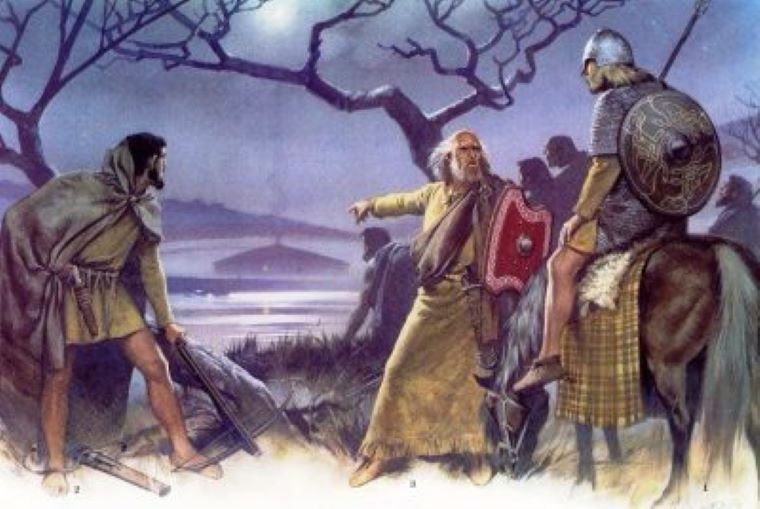
The Romans eventually sent Theodosius the elder with a group of regiments to restore order in Britain.