





































A Train Called Alice – Spring Clean



Recommendations: 441
About the Project
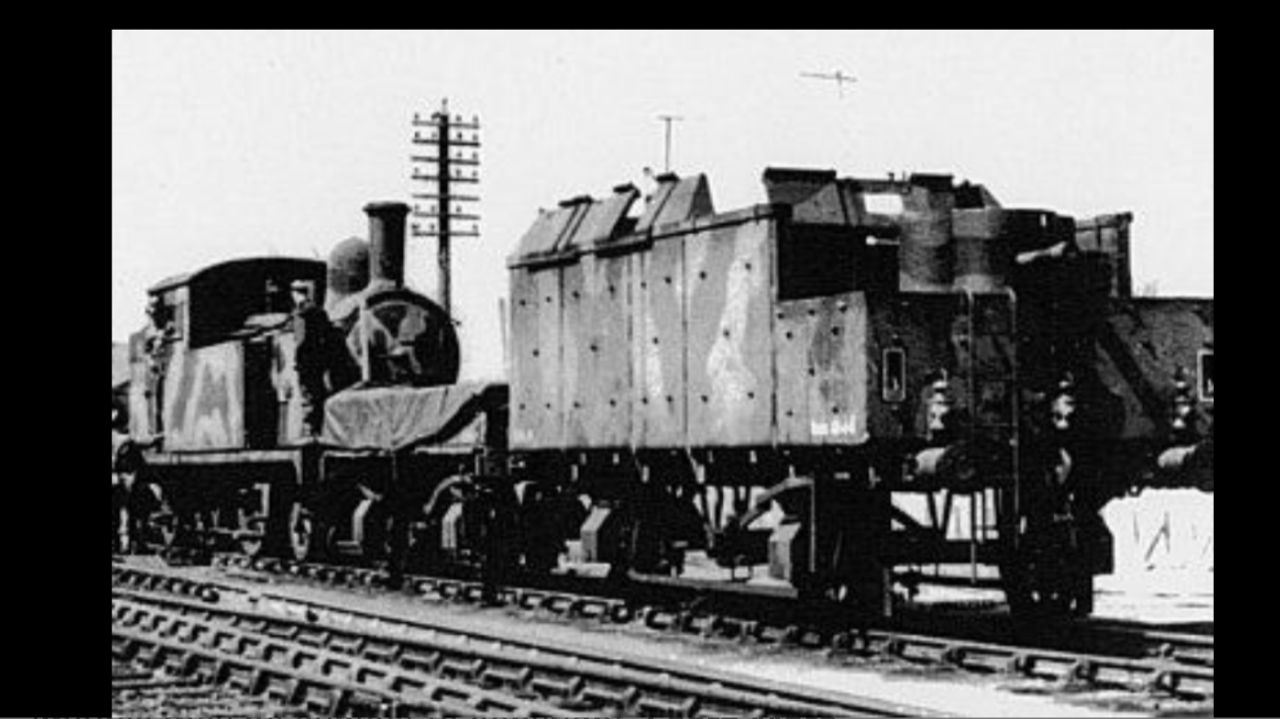
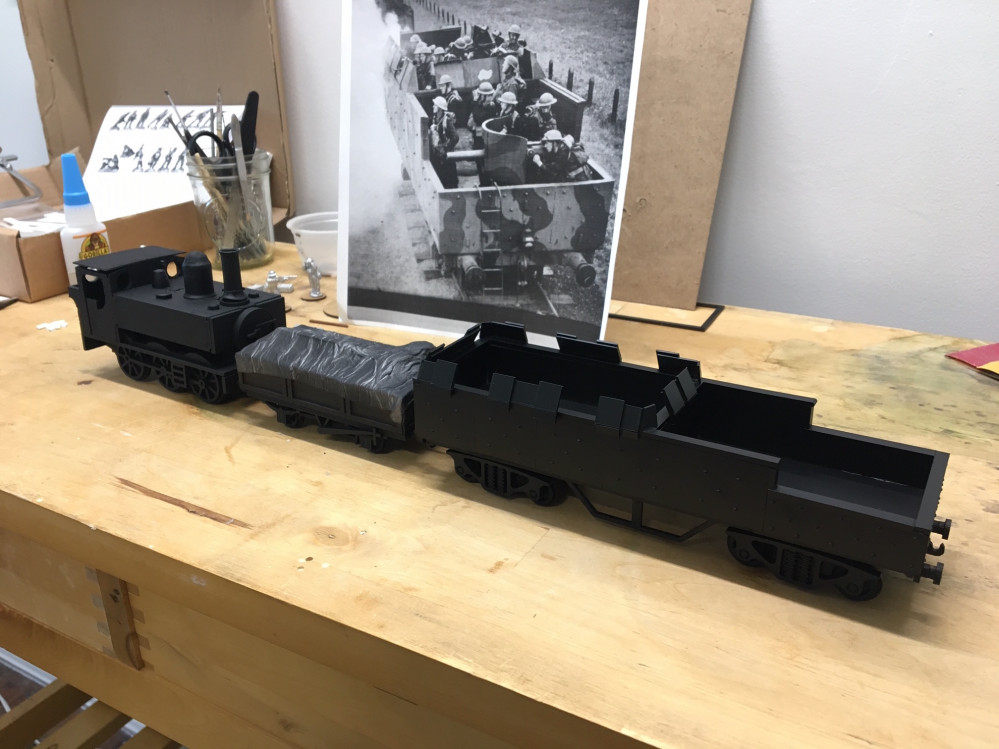
In early 2019 I started building a Home Guard army for Chain of Command. While researching, I stumbled upon the above photo of a British Home Guard armored train. How cool is that?! I had to build it. The parts have sat dormant in a corner of the yard till now.
Related Game: Chain of Command
Related Company: Sarissa Precision
Related Genre: Historical
Related Contest: Spring Clean Hobby Challenge (Old)
This Project is Active
Tending To The Tender
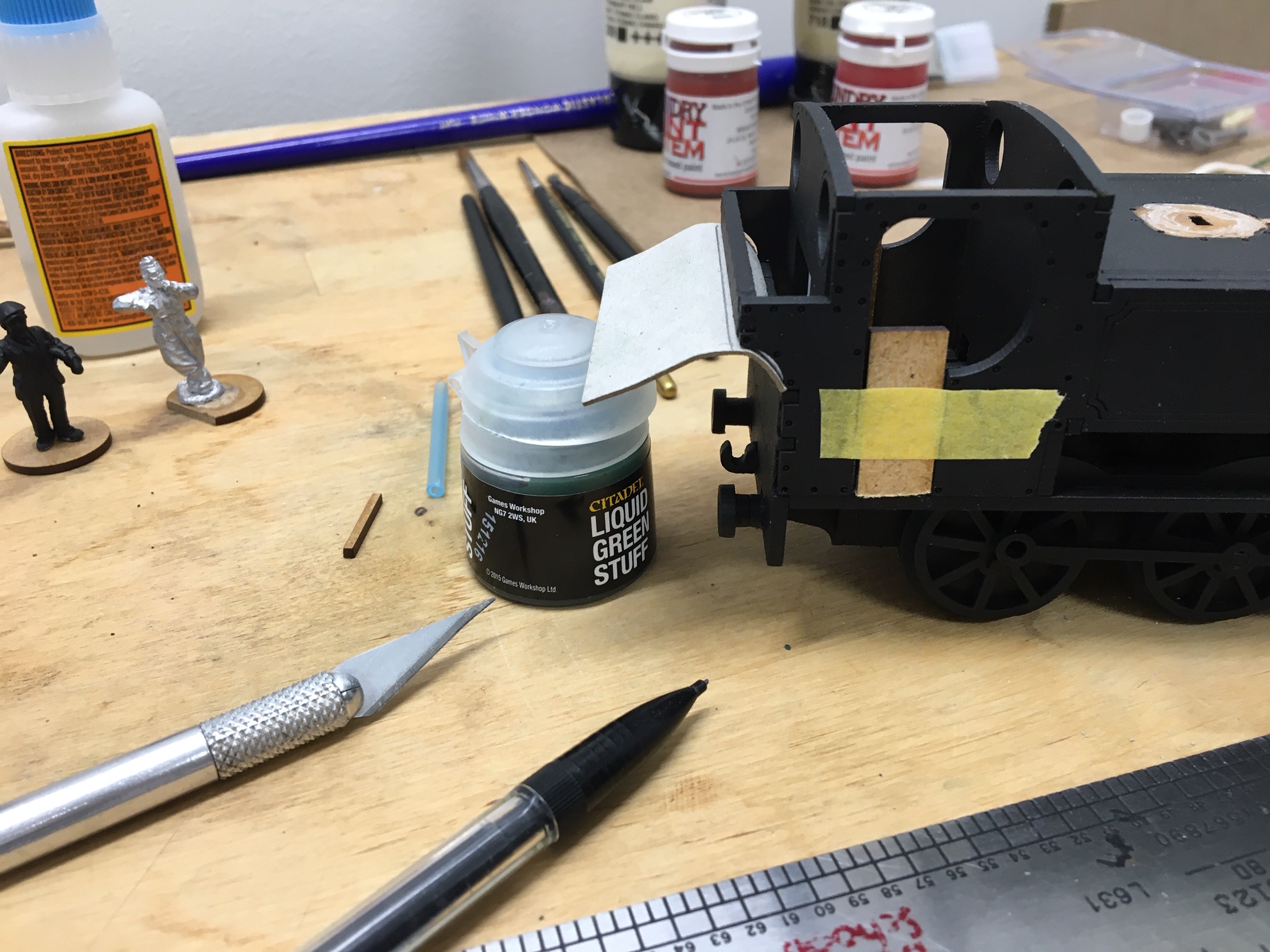
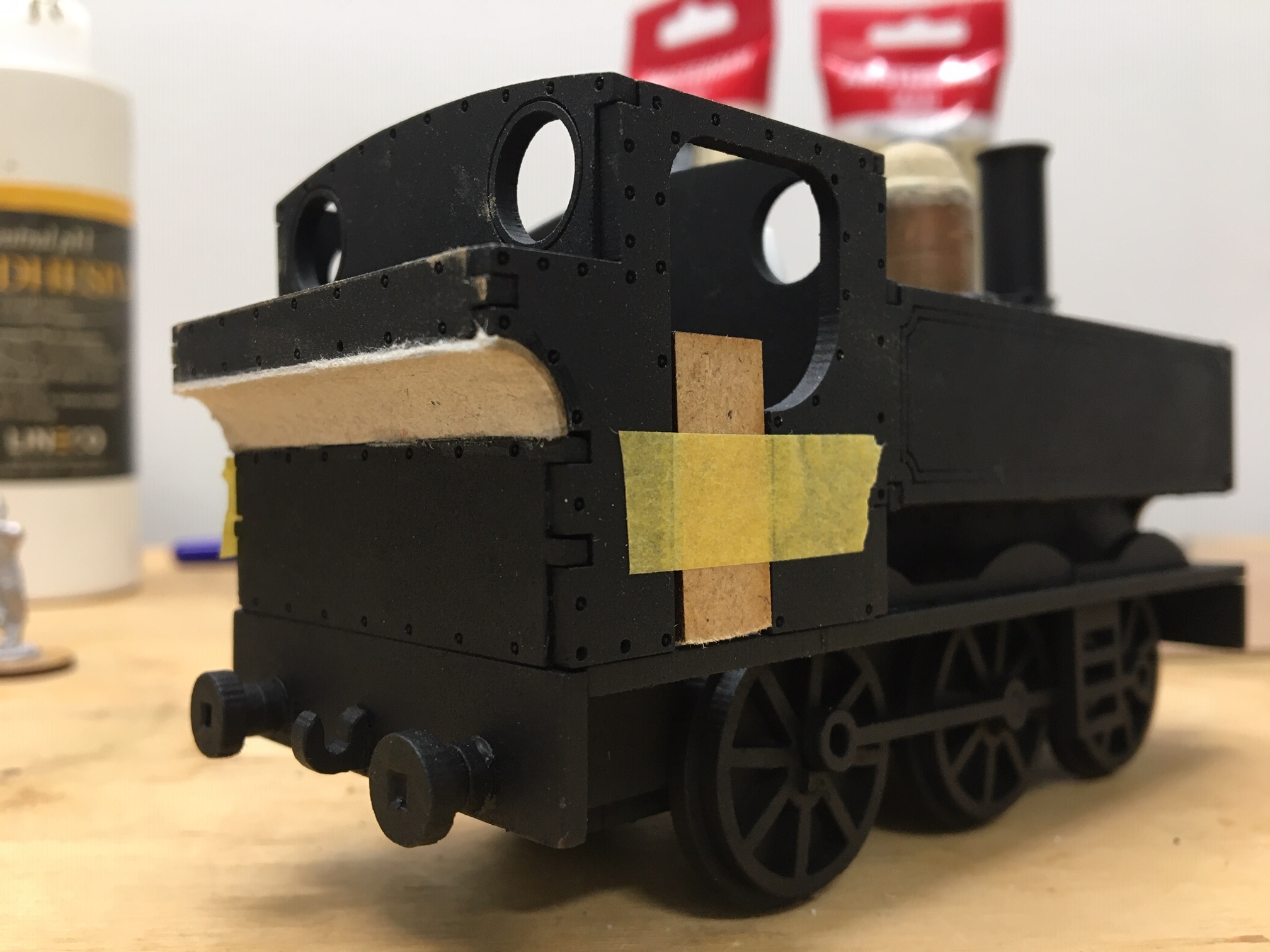
I try to keep all the negative space pieces from MDF kits to use “some day”. I found two pieces of scrap to use as doors for the engine cab. I’m just dry fitting them in place with tape, to live with the idea. I may remove one or both.
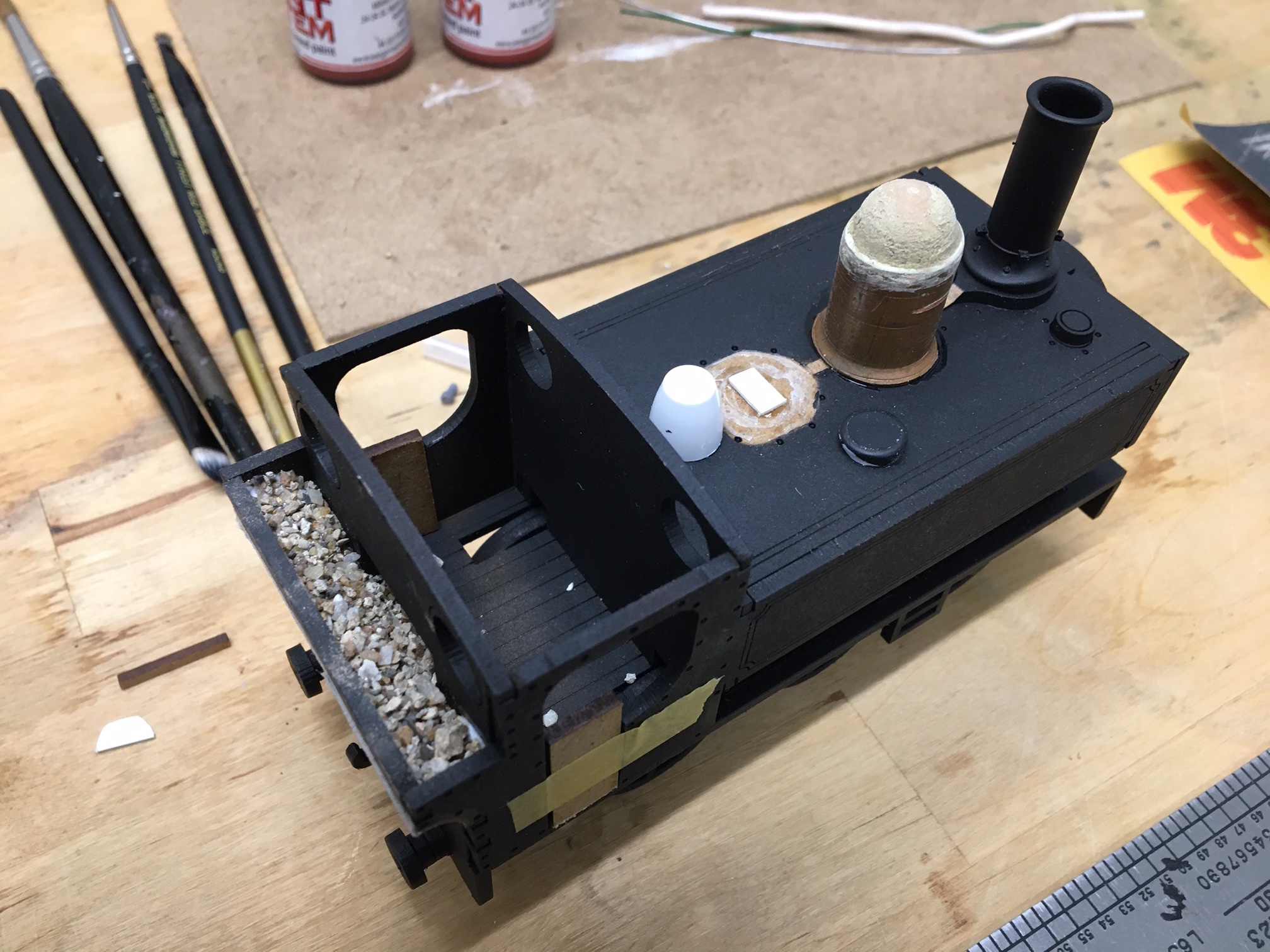
The original kit does not come with a bottom cover for the tender. (I’m calling this part a tender, If any train enthusiasts know better, please correct me.) I used left over 1mm card to fill in the gap. I cut a wide piece to length and then bent it around my x-acto knife to get the quarter round shape. I then traced the width line and cut it out. turned it around and did the same thing again. I then super glued it into place.
Next I poured glue into the hooper and added little grains of rock. Put it aside to dry at a 45˚ angle so that the grains don’t run out into the cab.
Pannier Tank Engine Overhaul

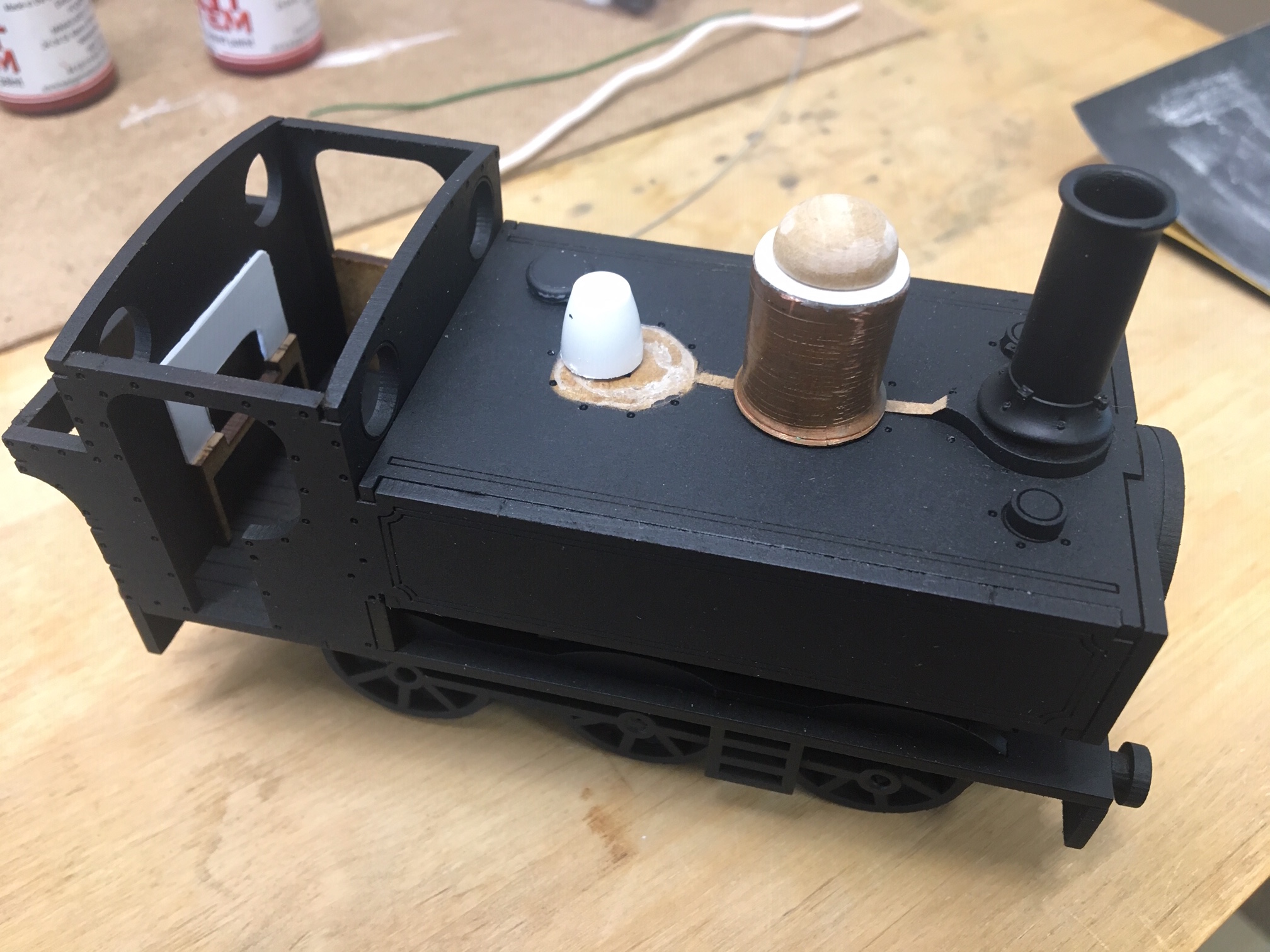

Starting with a minor converted Tank Engine, I decided to try and match my reference photos of the real Armored train. Out of bitz I added a large dome and a safety valve further back. I then scratch built a Fire box and controls for the cab. I also added some detail to the tender. Still more to do.
This has been very therapeutic. I never would have put this much detail and time on a project let alone post it to the world. Thank you OTT for helping me stay sane.
Supply Wagon
 Sweet Silhouette
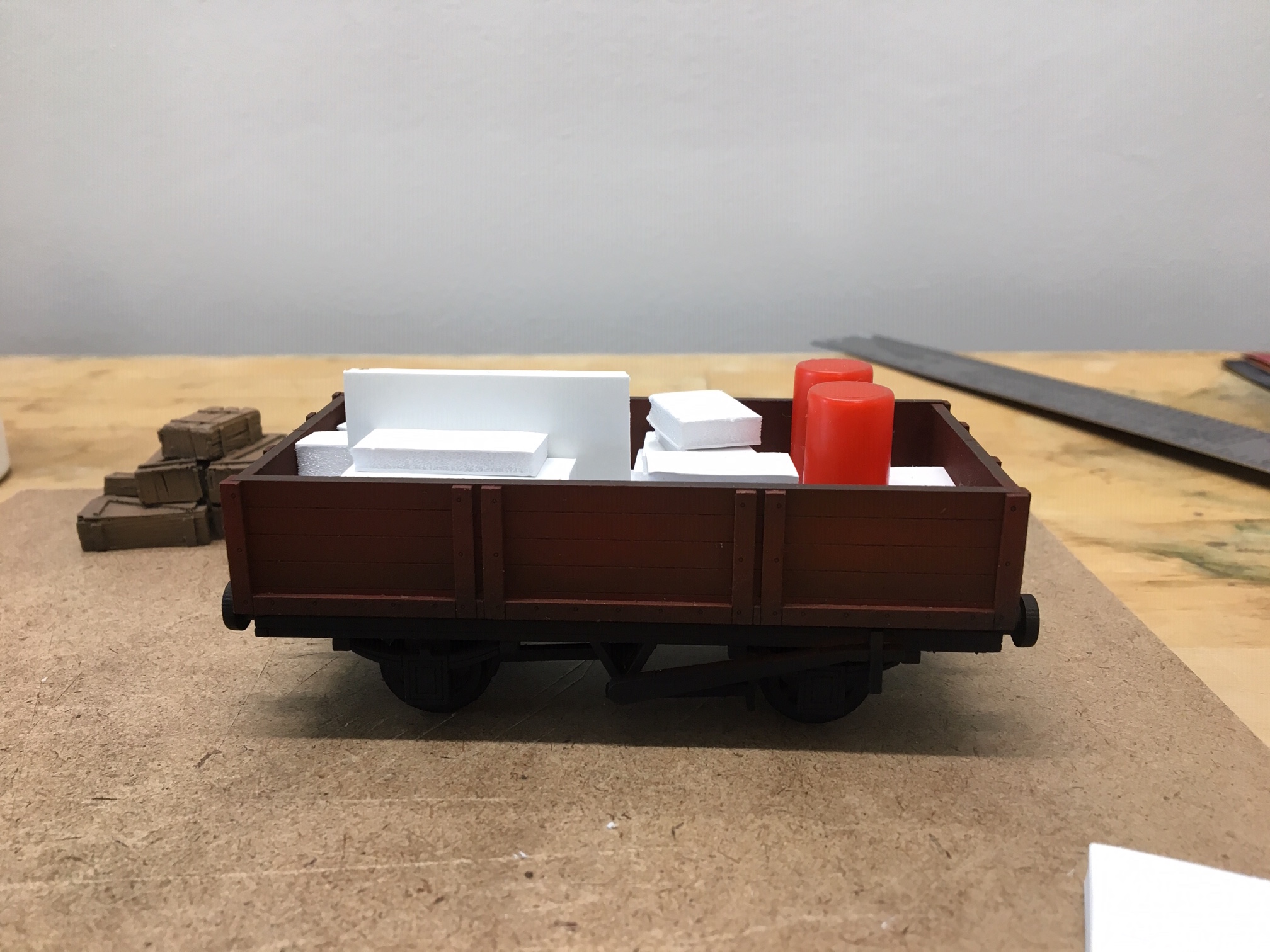
 To represent supplies I added foam bits to the wagon and a couple of round bits to represent drums of some kind. I added a thin vertical piece in the center. Just grouping a balanced composition. No need for detail because it all will be covered.
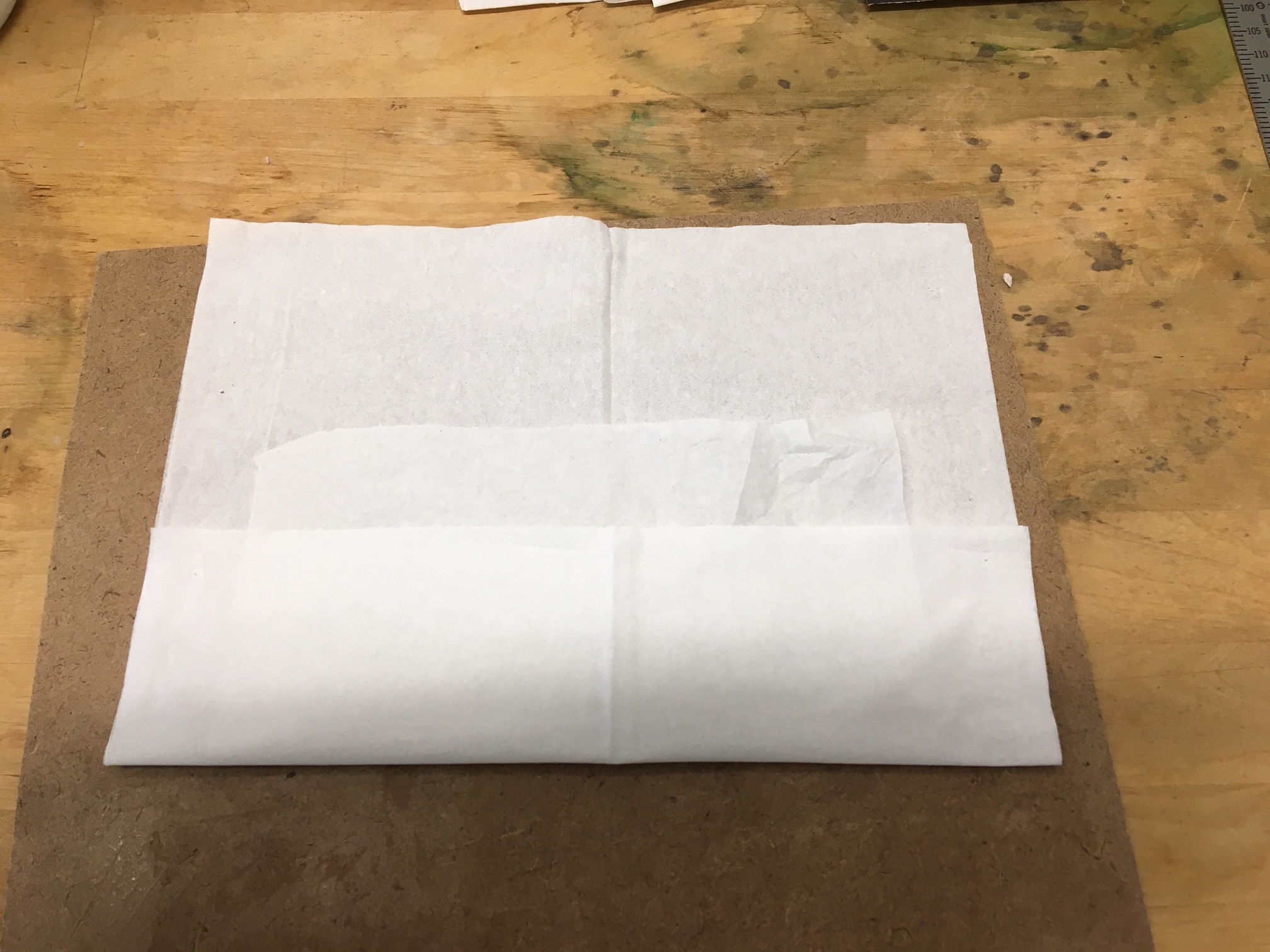
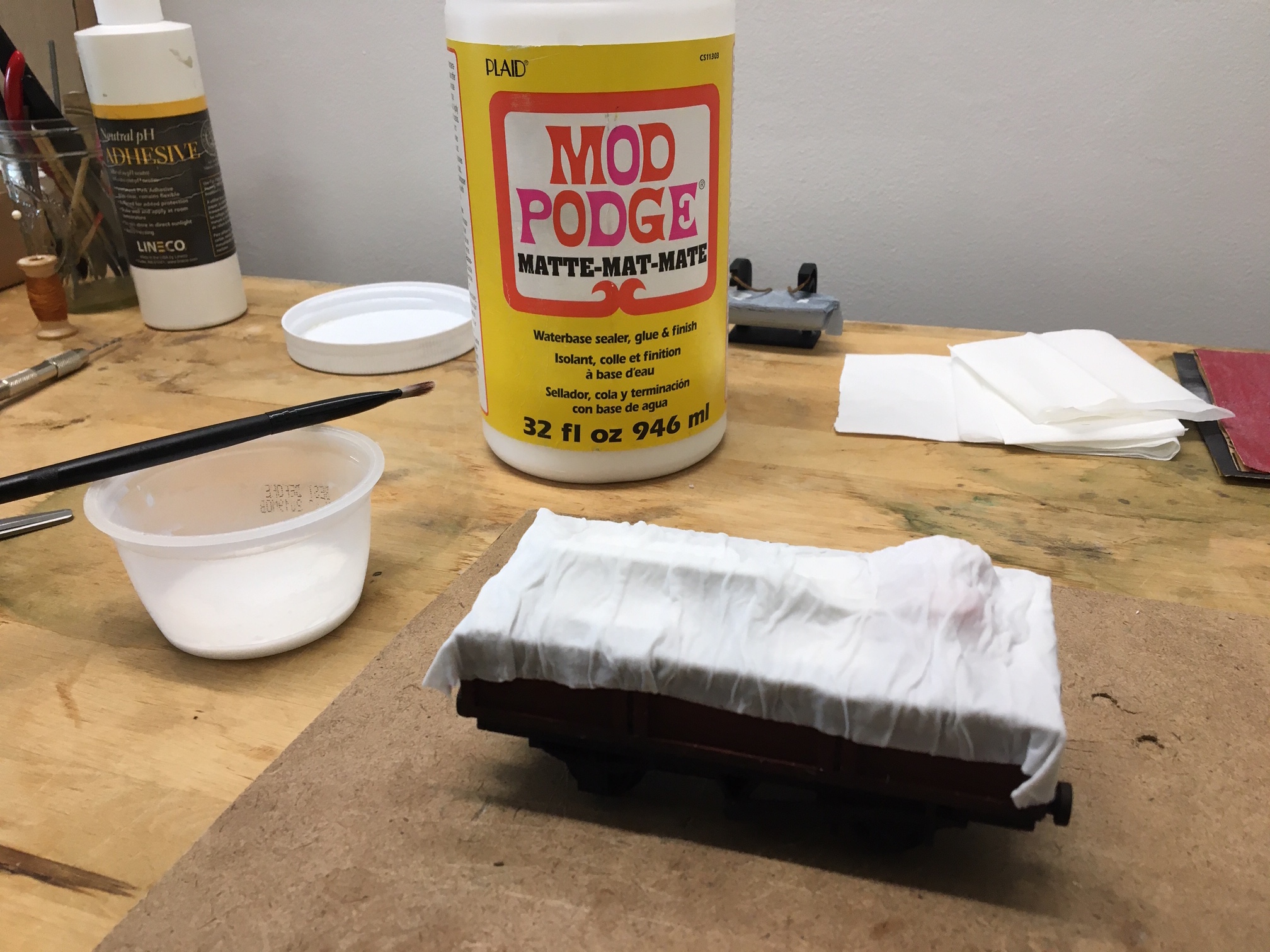

And now for the cover or Tarp. To strengthen the tissue, preventing it from ripping, I added tissue paper to the center of the Kleenex. Fold the Kleenex around the tissue paper and cut to length. Add water downed Mod Podge to both sides and gently place on top of the Wagon. With the back of a brush I gently pressed down to create the silhouette of the baggage/supplies.
Taking Steam
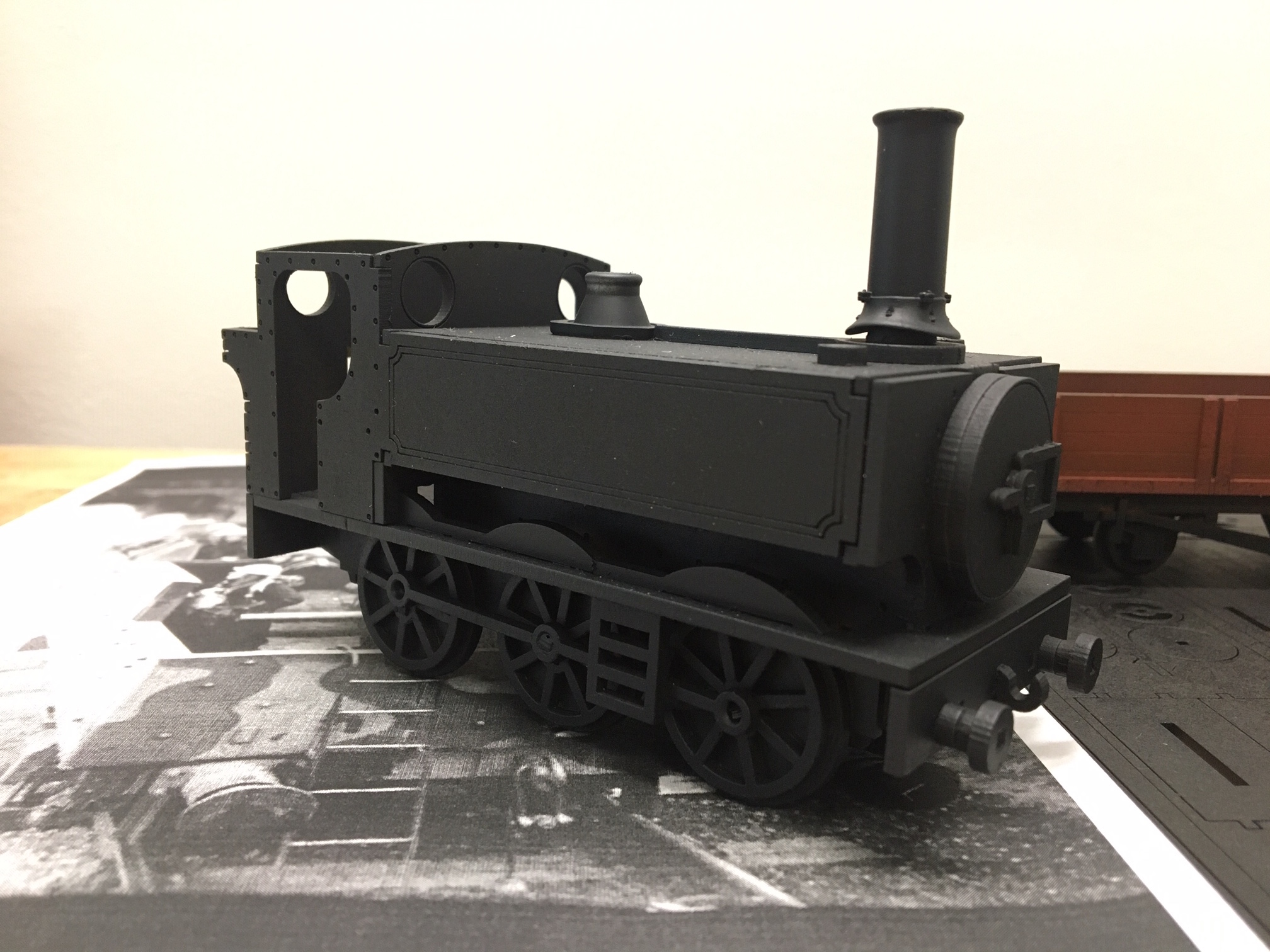 Sarissa Precision Pannier Tank Engine
This kit was the first I ever built from Sarissa. I had a really hard time with it from what I remember. A lot of really tight fitting parts that, mostly around the driving wheels. I added a brass chimney from an On30 model and a plastic bit for a Dome.
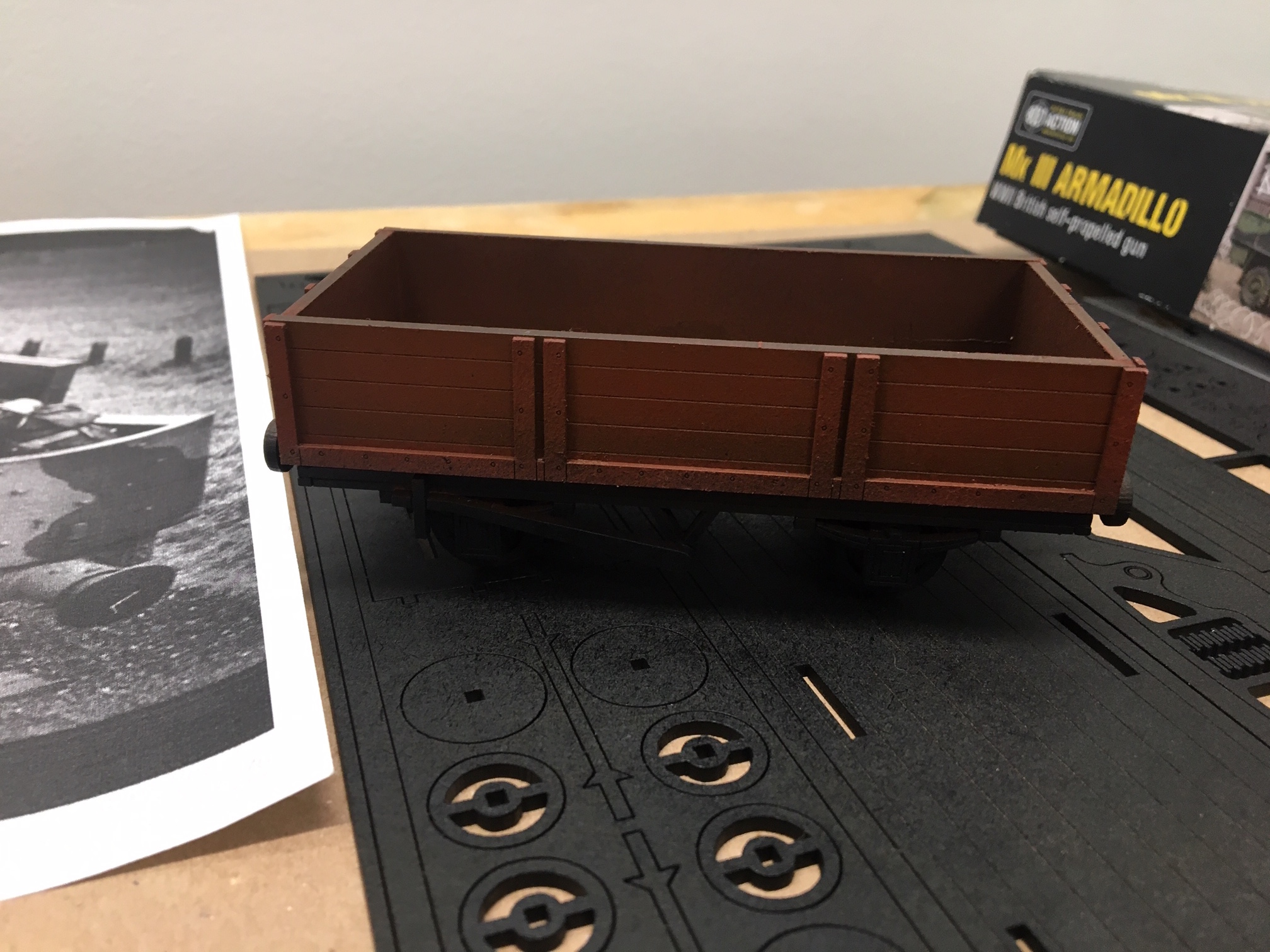 Sarissa Precision Low Aggregate Wagon
A simple kit to build, no fuss. The original wagons were kitted with folding tables, ammunition lockers, and other essentials including tanks for drinking water. There would also have been a cooking stove.
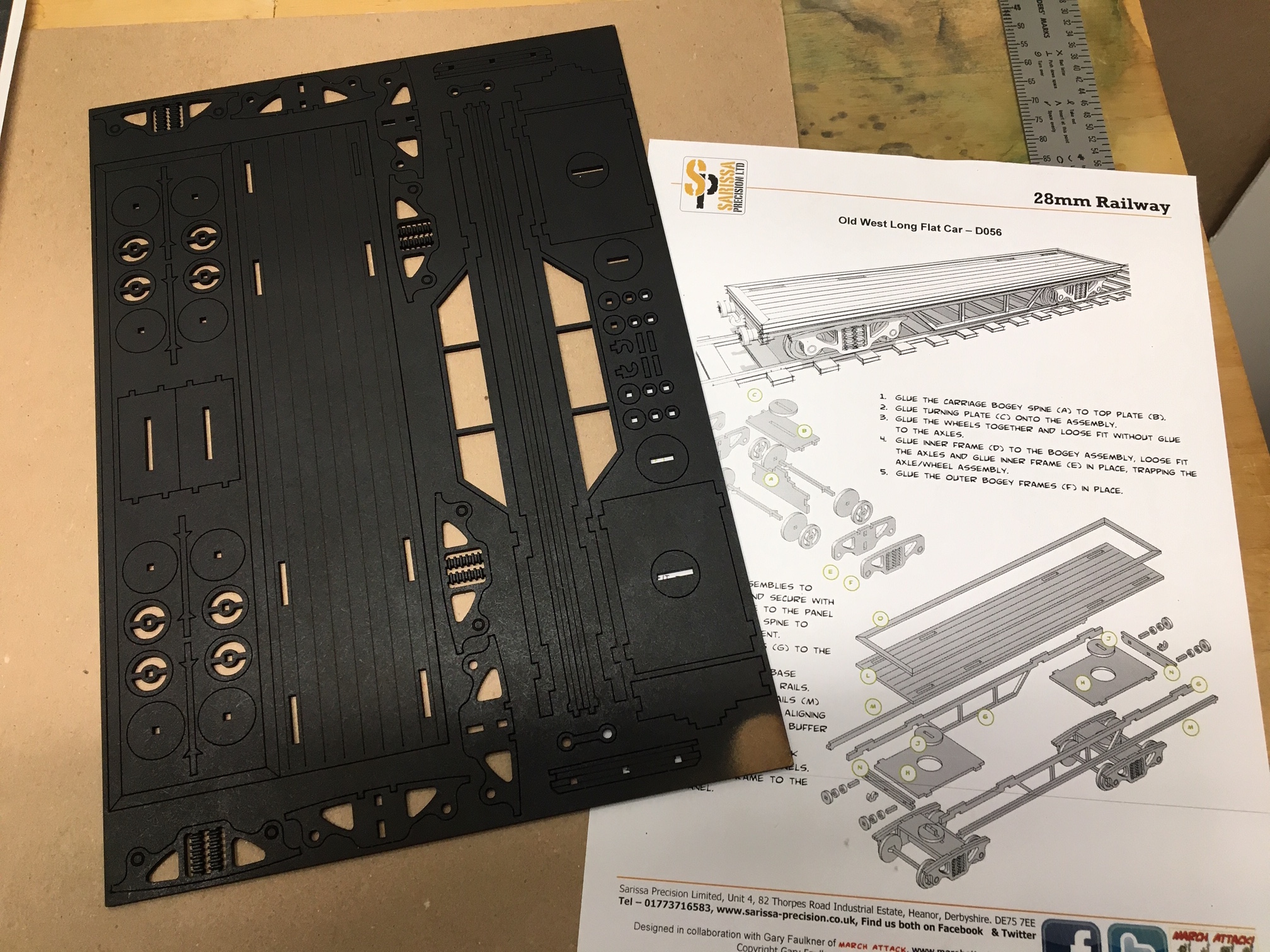 Sarissa Precision Old West Flatbed Wagon
On this I planed to scratch build the armored car using plastic card and foam core. I got as far as Primer.
Collecting Stock 2019
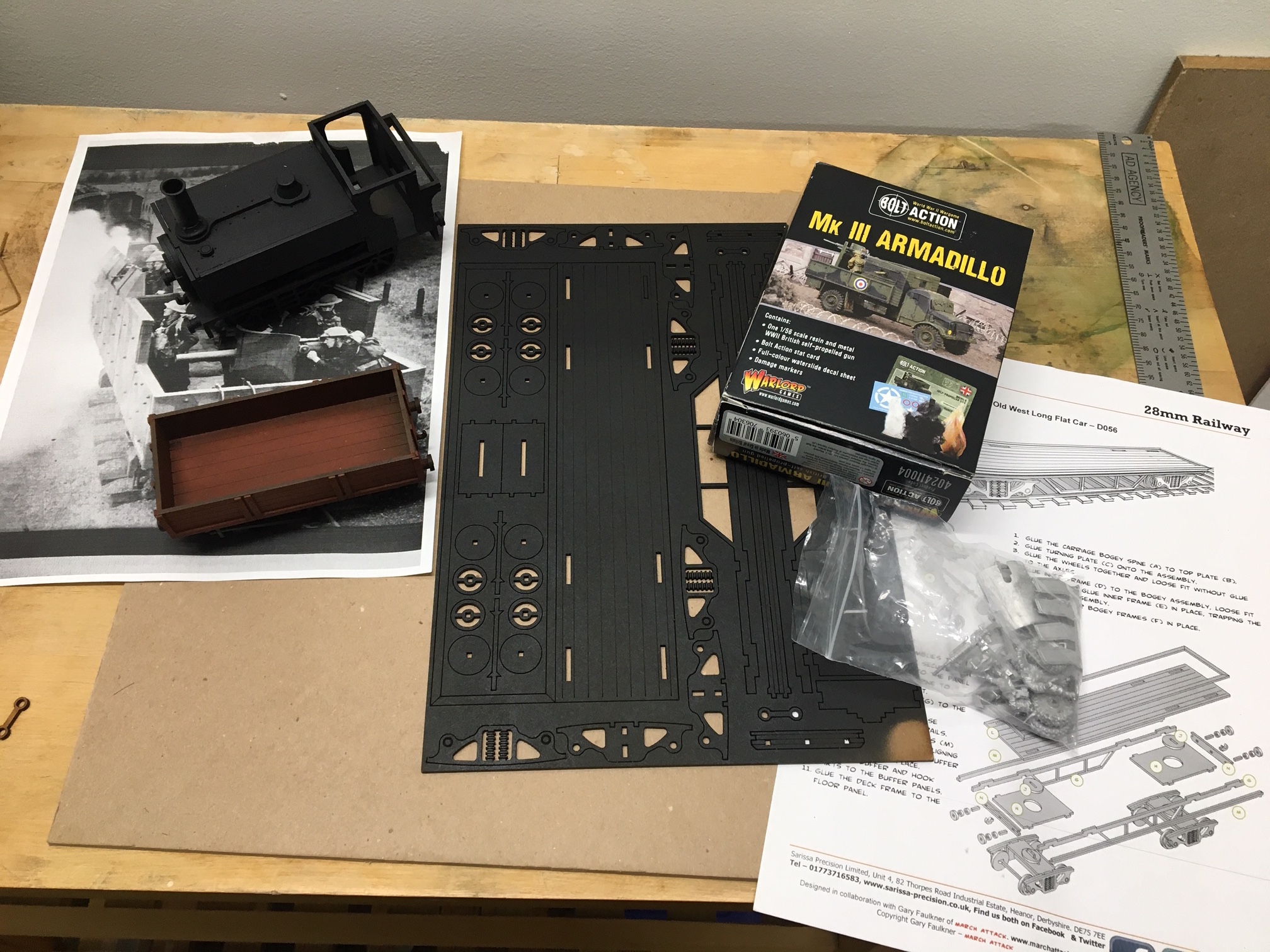
My original thought was to use a Sarissa Pannier Tank Engine to power the train. A low Wagon for supplies and scrap build the armored car on top of an Old west flatbed wagon. I also ordered a Mk III Armadillo with the intension of using the gun and crew in the armored car. I was going to magnetize the gun and crew so I could use them with the Armadillo when needed.
Background
During the First World War, Britain commissioned two armored trains. The trains followed the shipping tradition of being given names. Number one was HMT Norna. Once complete, it was stationed at Edinburgh, Scotland to provide protection for the north. Train number two was named HMT Alice and was based at Norfolk to provide protection along the East coast of England.
When the Second World War broke out, the British government still saw the potential of having such vehicles available as a quick response to the threat of a possible invasion. This time, Britain commissioned the conversion of 13 locomotives into armored trains.