






















![Make Your Own Star Wars: Legion Heroes! Rebel Agent & Officer Set Review [7 Days Early Access]](https://images.beastsofwar.com/2025/12/unboxing-atomic-mass-games-star-wars-legion-rebel-alliance-agent-_-officer-coverimage-225-127.jpg)




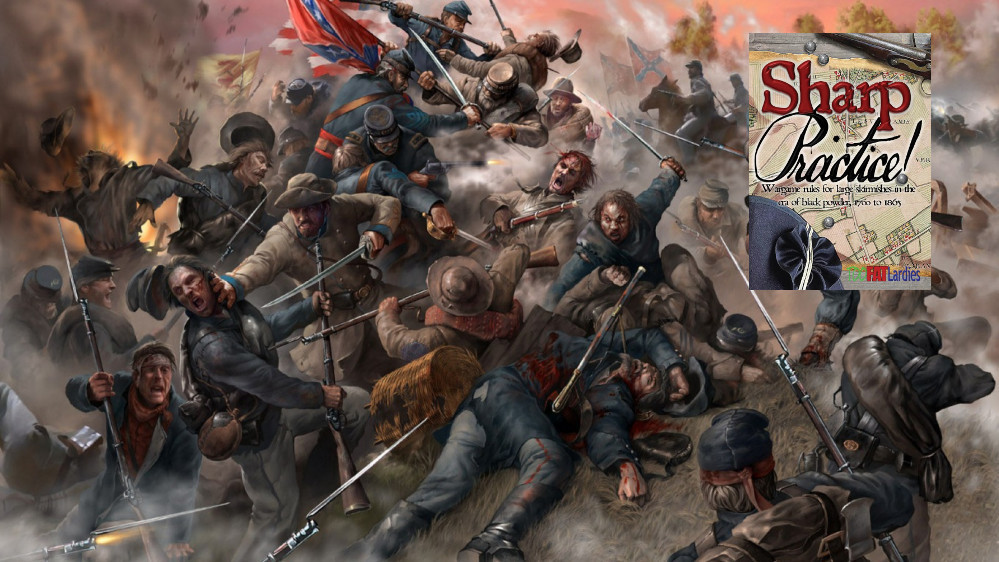
Sharp Practice - ACW for Pennies on the Dollar.



Starting in the 1st American Civil War (the 2nd is not far off I think!)
Hi everyone,
Last summer I spent a lot of time war gaming – mostly Silver Bayonet and Fantasy Battles. In between I tried out several games, and one of them was Sharp Practice by the Two Fat Lardies.
I had the rules but I never played the game. My friend had two ‘Indian Mutiny’ forces and I played a few games with him. I have to say I enjoyed the game a lot. I feel it is a game for mature players, but my friend was only 18 years old.
It has been mentioned often on OTT, that movement in Sharp Practice is a pain in the butt and there is truth to that. My friend and I overcame this by adding extra movement dice. This resulted in faster games, as the groups made better headway.
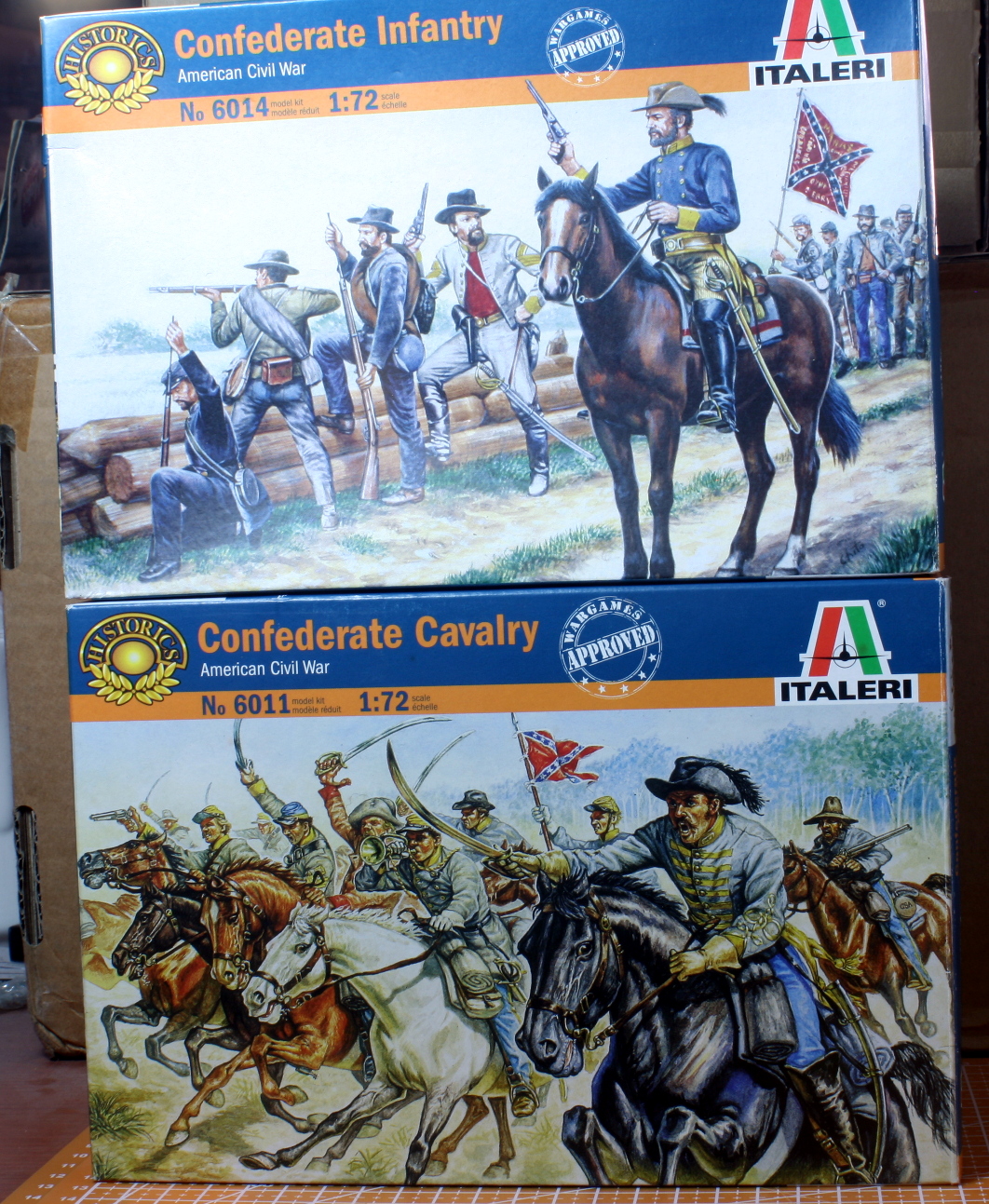
Therefore, I decided to build two forces myself. At first I was going to do Napoleonics, but I was already playing and painting Silver Bayonet. Since I had bought several boxes of ACW in 1/72 scale from a car boot sale several years ago, I decided to paint them up.
I have never played in this period, so it was something new to delve in. Also they are super easy to paint up.
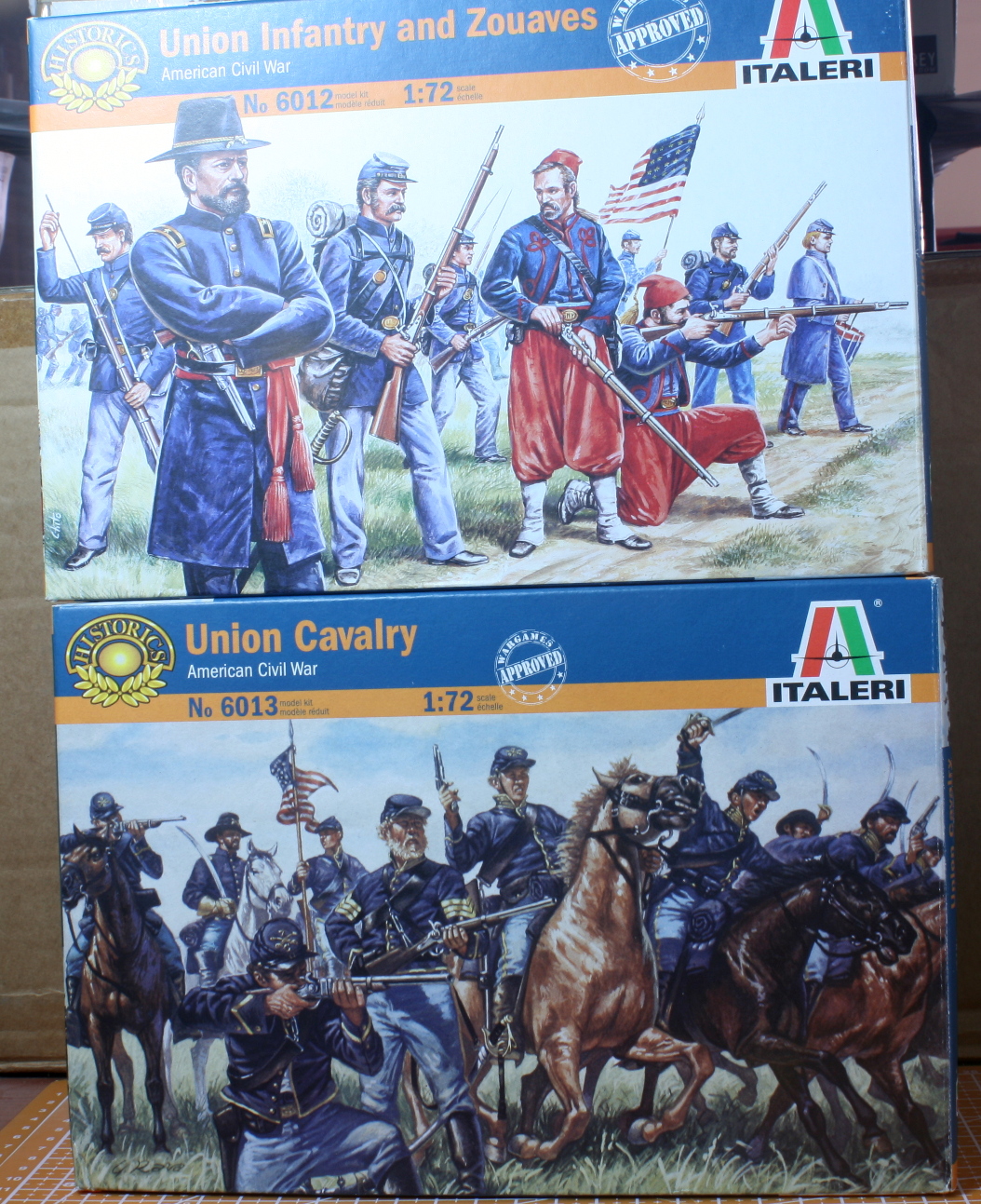 The core force of my Union army.
 The core force of my Confederates.
 Extra boxes I had bought from the Stretlets and Hat ranges.
Below is a quick summary of how I go about painting these miniatures. The most time consuming aspect is the cleaning. Some of these models come from the mid-eighties and the mold designs show their age pretty well.
There is a lot of mold lines on some of the miniatures, especially the Stretlets and Hat models. Therefore I recommend using a very sharp hobby knife to remove them. The plastic is soft and can easily burr if sanded.
I will paint the army up in batches of 12 figures at a time, since the paint schemes are very simple: two tones of blue for the Union and a grey and two brown tones for the Confederates.
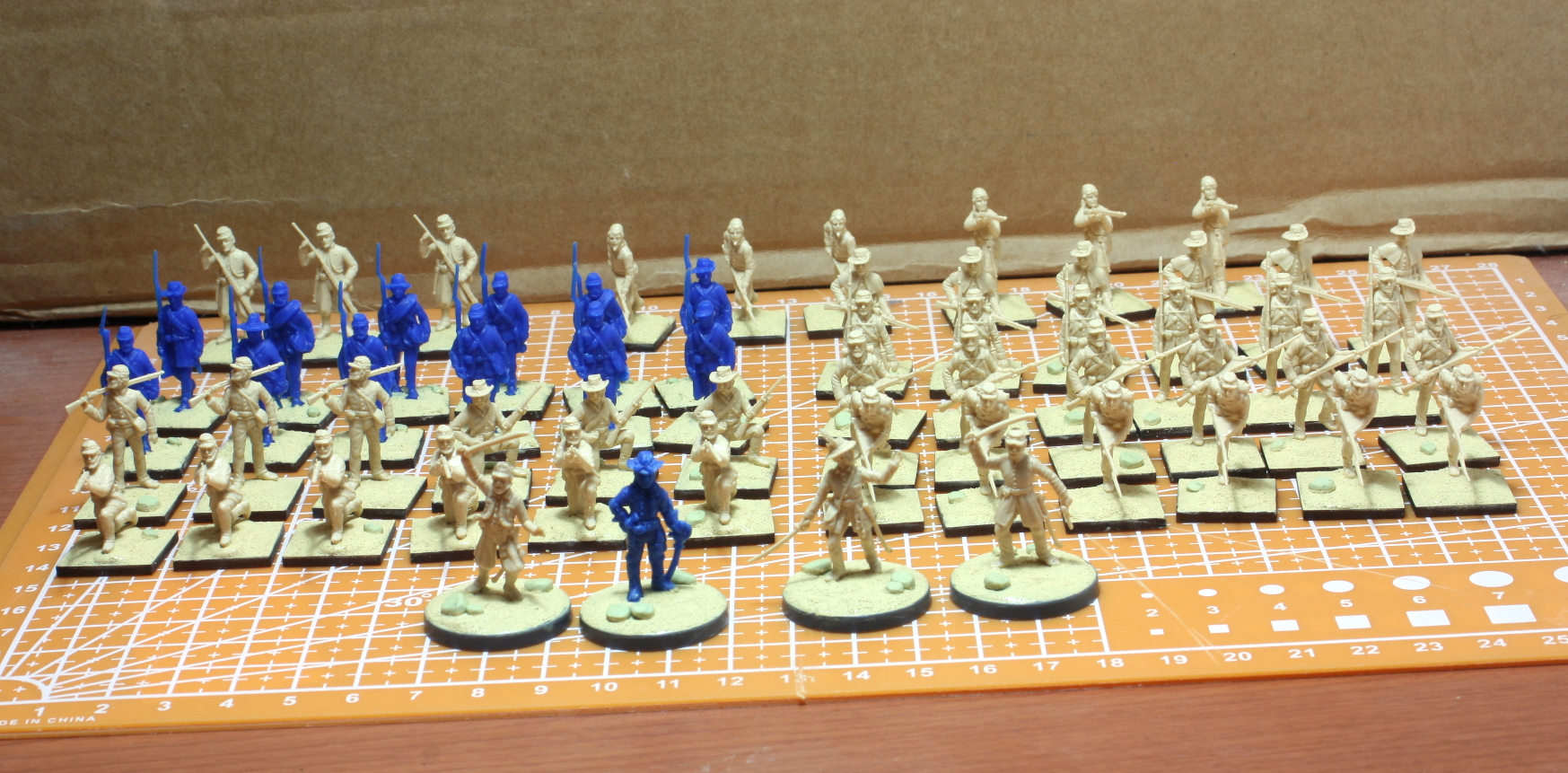 Union forces cleaned and ready to be primed.
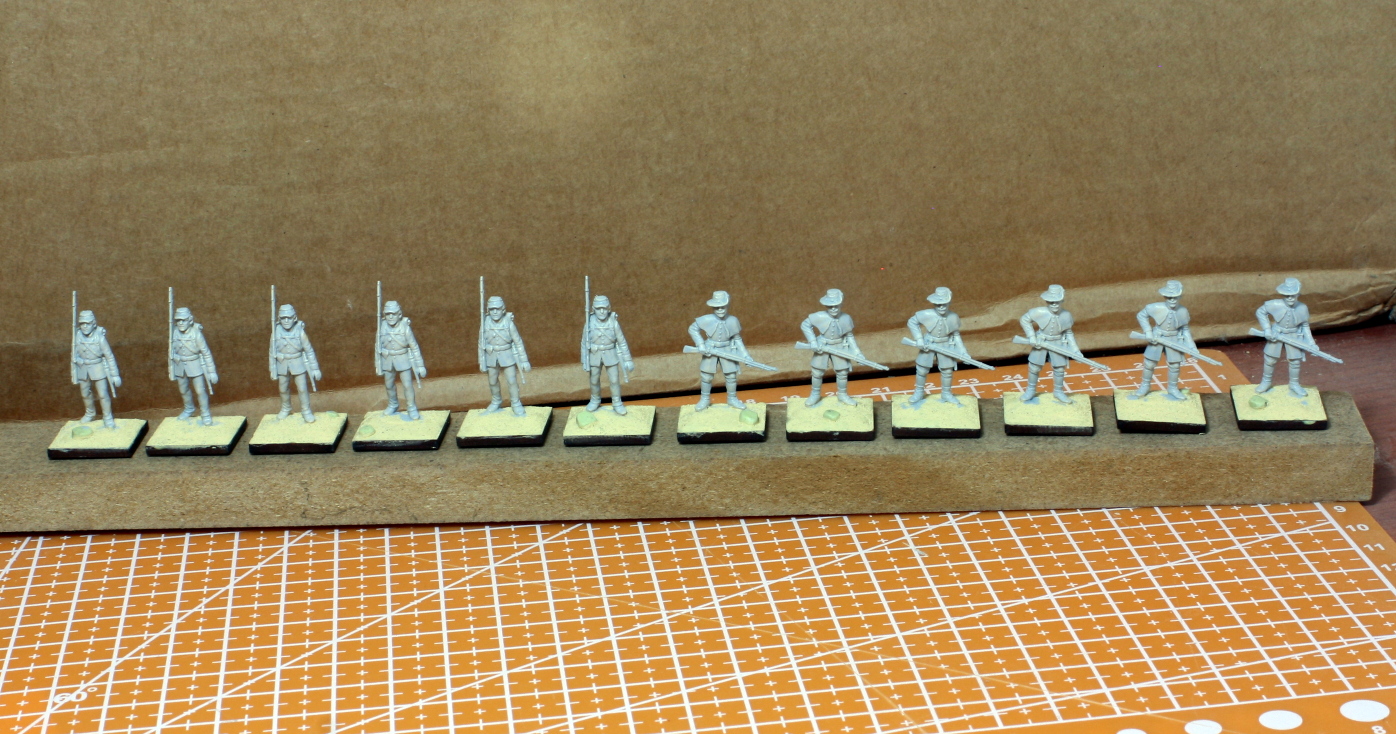 Figures primed with an airbrush. I don't recommend doing it with a brush.
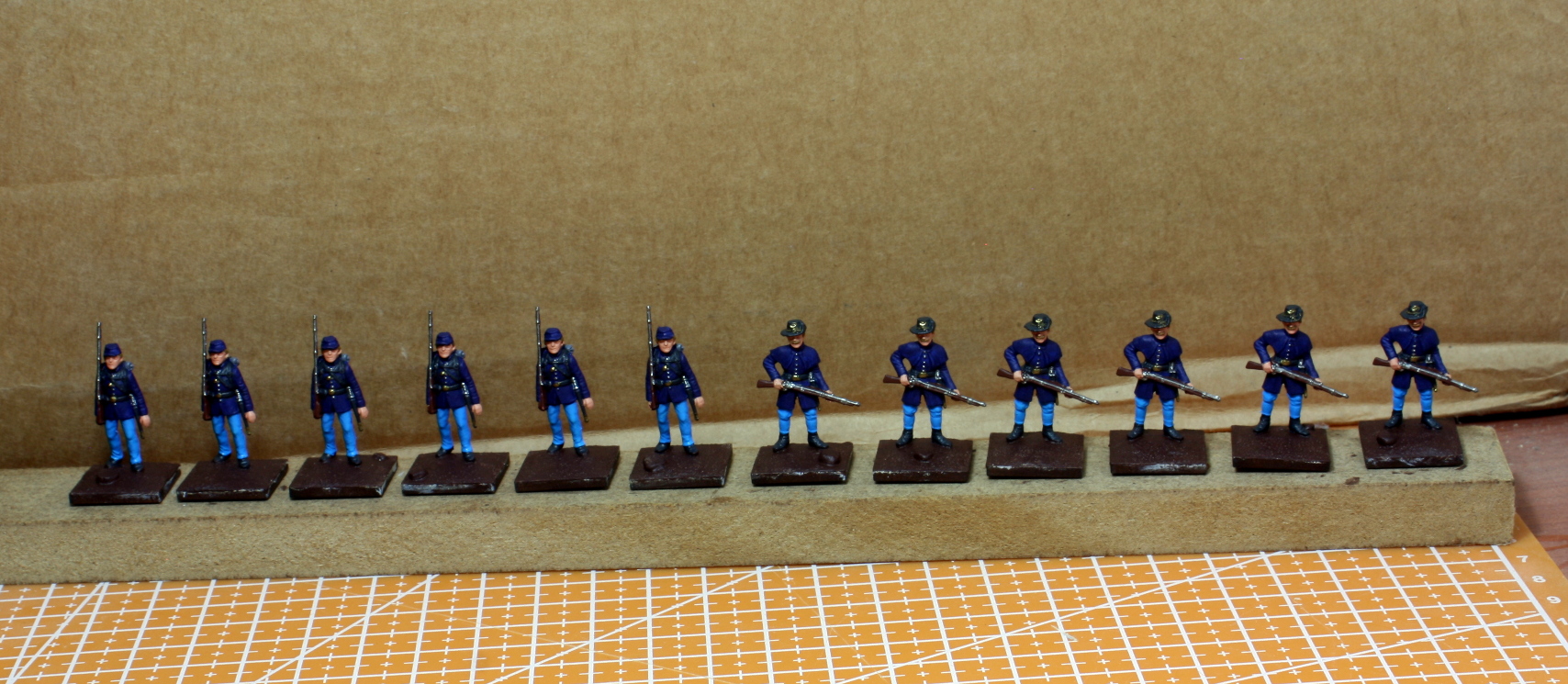 Models all based coated.
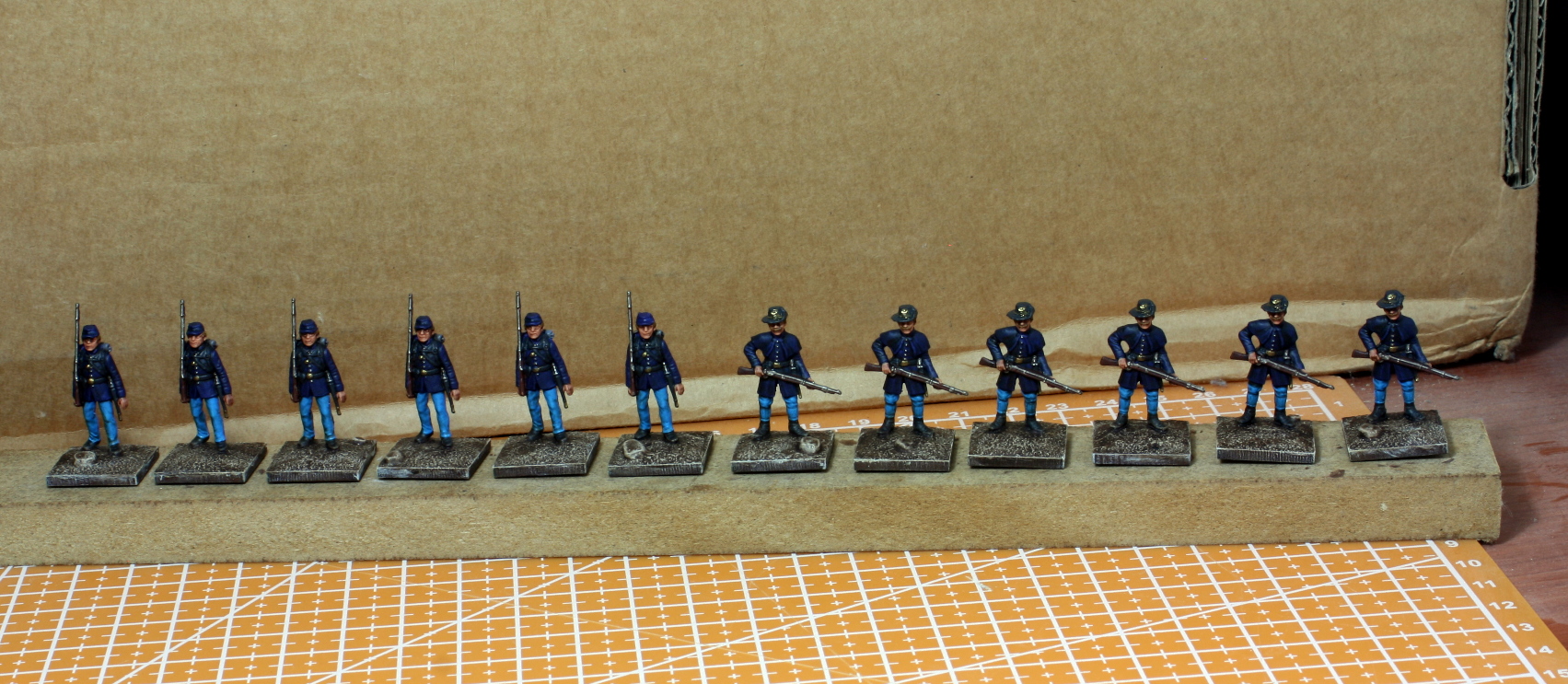 All models washed with diluted Agrax Earthshade.
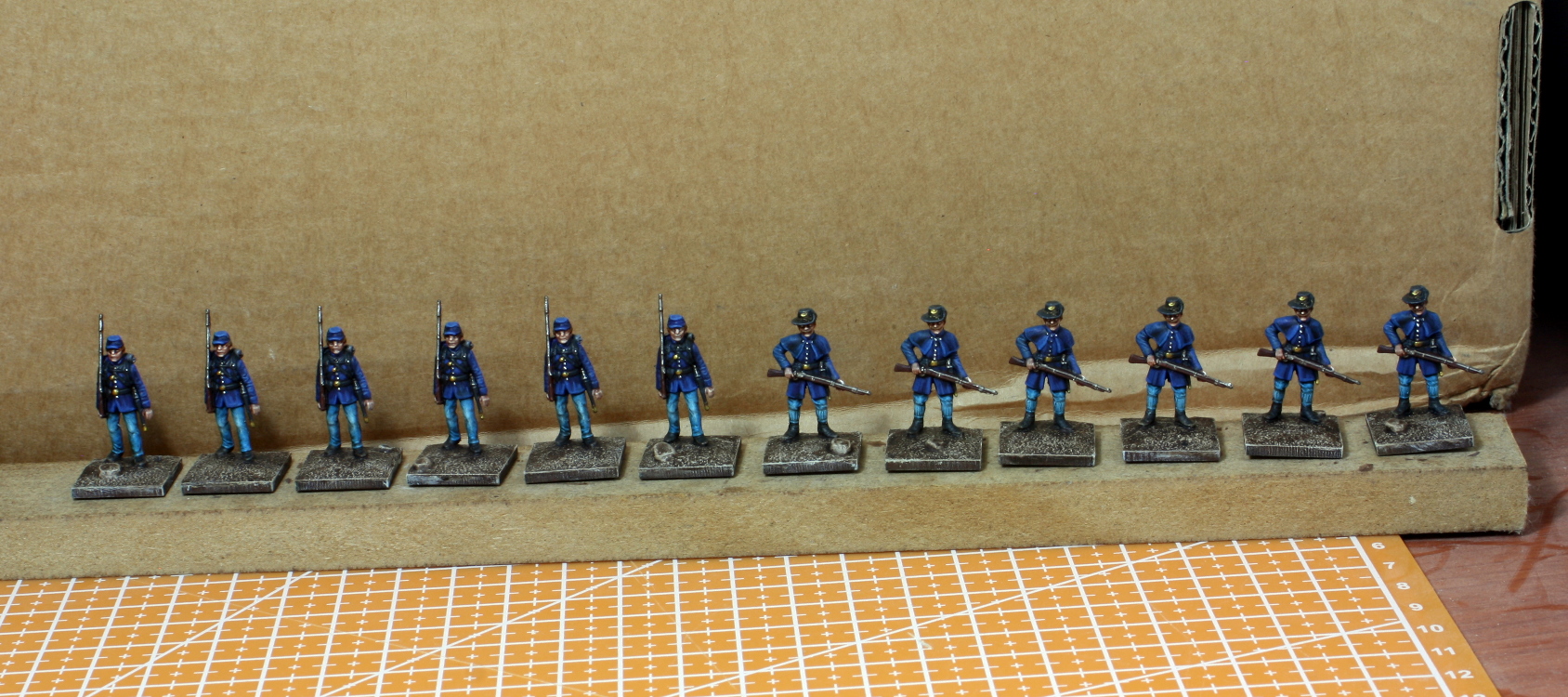 Models drybrushed and highlited.
 Some tufts are added and viola - ready in 6 hours.
That is all for now. I will post some short updates as I go along. I will also be building some terrain for this period since I have none. I will have to order some though, as I have never wargamed in this period.
Until next post stay safe and have fun.
NR






Love your work. I know the blog post is a couple of years old but I hope you will get a notification regarding this.
I totally agree with you about the disparity in cost between the different scales. I just can’t get over the cost of 28mm, it’s wild!
I have an old 24mm – 1.72 scale collection that I have pulled out of mothballs and am in the process of revamping and tidying up. I was considering switching to 28mm but then the sobering cost of replacing the old scale dampened my enthusiasm. And why bother, the smaller scale has great figures.
My question is about your painting style. Could you explain the dry-brushing technique, the paint tone etc. I love your final result, it looks fantastic.
Cheers.
@jono-dinkum Hi, sorry fr the late reply, but these days I try to stay off the internet as much as humanly possible. Yeah, I find playing historicals in 1/72 scale ideal. Cheap, plentiful and enough detail to be enjoyable.
With respect to painting, it is mostly layering. I am not a big fan of drybrushing, so I use it sparingly. The layering is basically a three colour system. A main colour base, then a first highlight, followed by a second highlight on the higher points. I relay on washes for the shadows. During this project, I used agrax earthshade, if I recall correctly. If I had to do it again, I would probably use oil washes (or maybe enamel washes), because you can remove the excess without staining the highlights.
I use a light drybrushing for the hair, or sparingly on the folds in cloths around the elbows, knees, and edges of jackets and trousers.
Just make sure to wash the sprues in warm soapy water first, and I found airbrushing or spray-canning on a light grey primer helps a lot with the process. Also the true secret is neatness. Be as neat as possible and your army will look good at this scale with just base colours and a wash.
If you start or have a project, send me the link – I’d love to follow it!
Thanks so much for getting back to me mate.
Right, I figured that you were using a decent primer and a series of light washes (Agrax Earthshade is a good one, I use Vallejo oils usually). It was the highlights and dry brushing that were new to me. I use dry brushing for terrain but never on figures, it’s a great idea and creates an excellent effect.
I agree, neatness is the key and I have often pushed some minis back to the work bench to clean them up if they’re not right.
I just realised I could document my progress on this forum. It didn’t even occur to me to be honest. I could also show some pics from my English Civil War project and ancients.