






























![O-12 Infinity Fast Response! Firebat Attack Wing Unboxing & Review [7 Days Early Access]](https://images.beastsofwar.com/2026/01/unboxing-corvus-belli-infinity-firebat-attack-wing-coverimage-225-127.jpg)




A Dive into Pillage




Vikings – Raiders of a Nordic kind
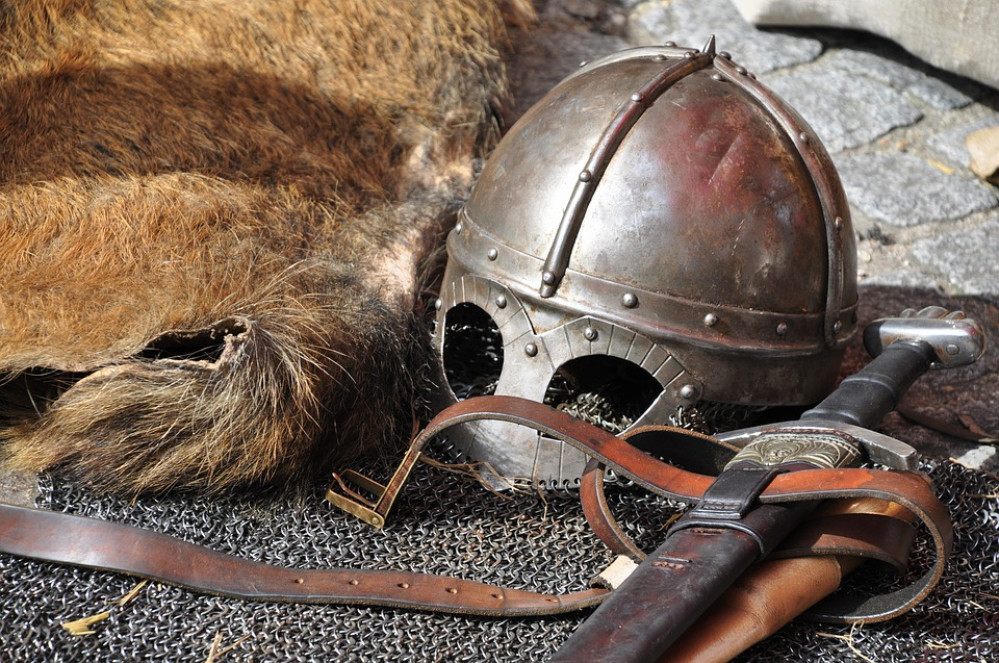
So what do we know about the Vikings, well the image of the horned helmet is a myth, its based on a bronze celtic helmet found in the Thames. There is no current archaeological evidence to support the image of a horned Viking helmet. Yes, they did raid the coast, but they were also proficient farmers, craftsmen and women as well a great explorers and sailors.
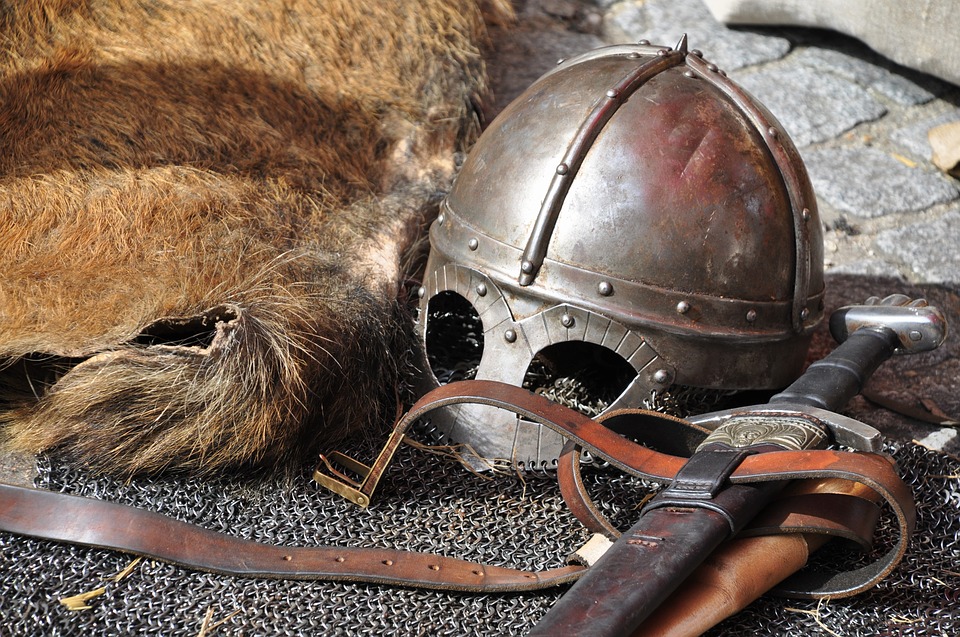
The Vikings heyday was between the 8th and 11th century, during this period the colonised large areas of Europe, the UK, Iceland, Greenland and were the first European settlers in what is now known as North America, or as the Vikings referred to it as Vinland.
In Old Norse, the word is spelt víkingr. The word appears on several rune stones found in Scandinavia. In the Icelanders’ sagas, Viking refers to an overseas expedition (Old Norse fara í Viking “to go on an expedition”), and víkingr, to a seaman or warrior taking part in such an expedition. (Wikipedia)
One of the first sites I came across of interest was The Viking Answer Lady, and the page in particular concerning Norse name construction. Though this wouldn’t be terribly useful for a wargame purpose, it would be great for those who are planning to role play Nordic characters.
The Vikings were renowned warriors and were considered quite fearsome in battle, so my next port of call was Regia Anglorum, a Dark Age re-enactment society in the UK. This site has a number of useful articles which include a detailed account of a Saxon/Viking Village called Wichamstow.
Viking culture is rich in myths and tales of the gods, and a couple of good sites which looks at this aspect of Norse life ad cultures are The Norse Gods and Hurstwic.
The Vikings were considered great explorers crossing the oceans to become the first settlers in North America, and settling in Iceland and Greenland. The Norse who came to Newfoundland were not fierce raiders in search of pillage and plunder. The Norse appearance here was the last step in a relatively peaceful expansion of livestock farmers across the North Atlantic, taking in parts of the British Isles, Iceland, Greenland, and finally Vinland.