

















![Make Your Own Star Wars: Legion Heroes! Rebel Agent & Officer Set Review [7 Days Early Access]](https://images.beastsofwar.com/2025/12/unboxing-atomic-mass-games-star-wars-legion-rebel-alliance-agent-_-officer-coverimage-225-127.jpg)





A Frenchman in England - My barons' War...



Peasantry - Levies
Having completed my two original factions purchased a year ago, it was now time to tackle the new starter box, which gave me an opportunity to add to teh current factions, for 1000 plus points games. But before I decided upon new barons and lords, along with the cohorts of knights and sergeants, I took the path of least resistance and decided to create units of levies for both sides, as they are generic enough to fit either the rebels or loyalists.
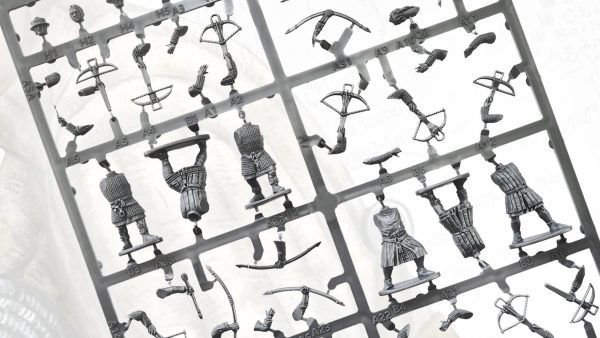
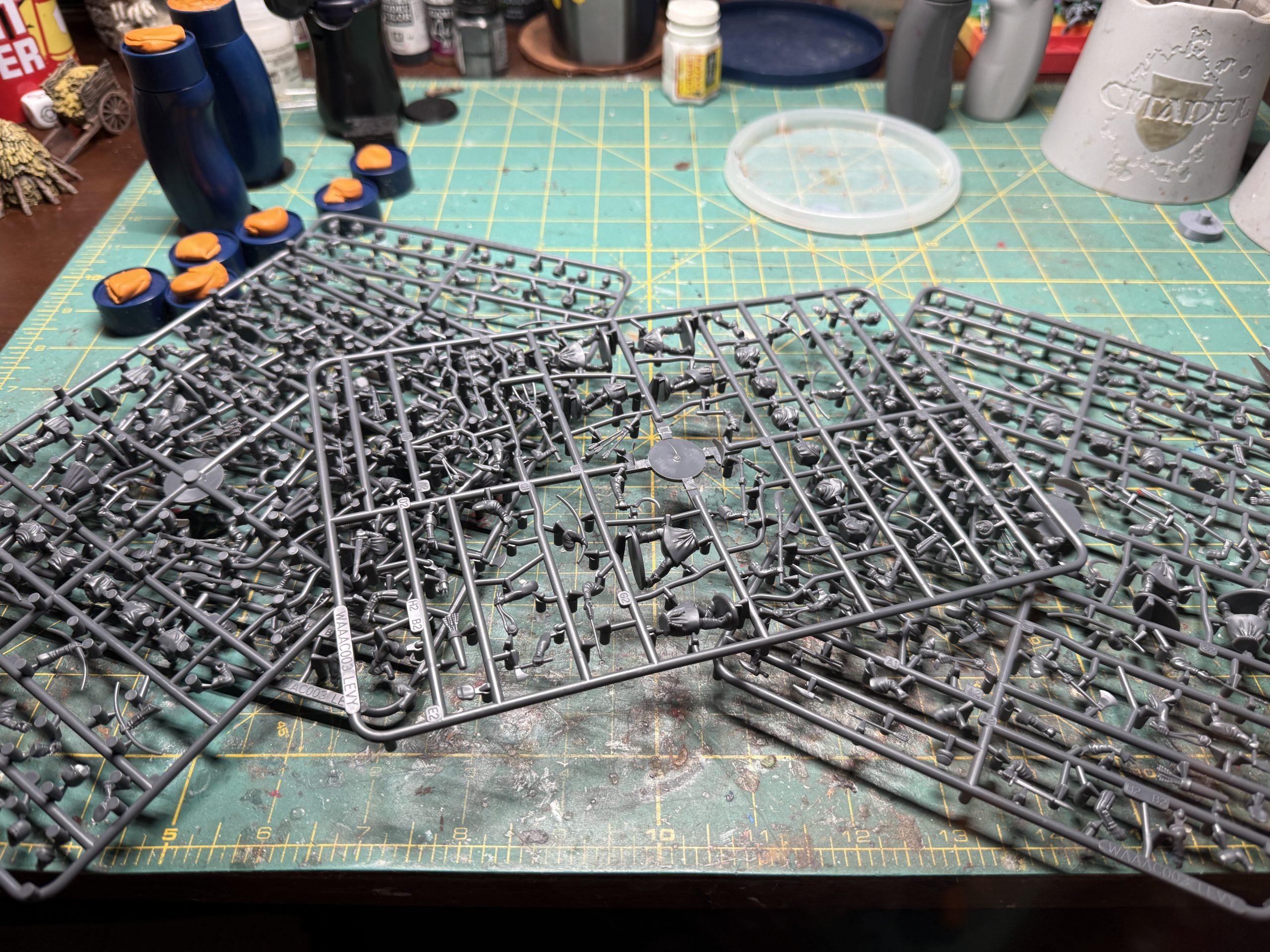 Sprues galore from the depth of the starter box.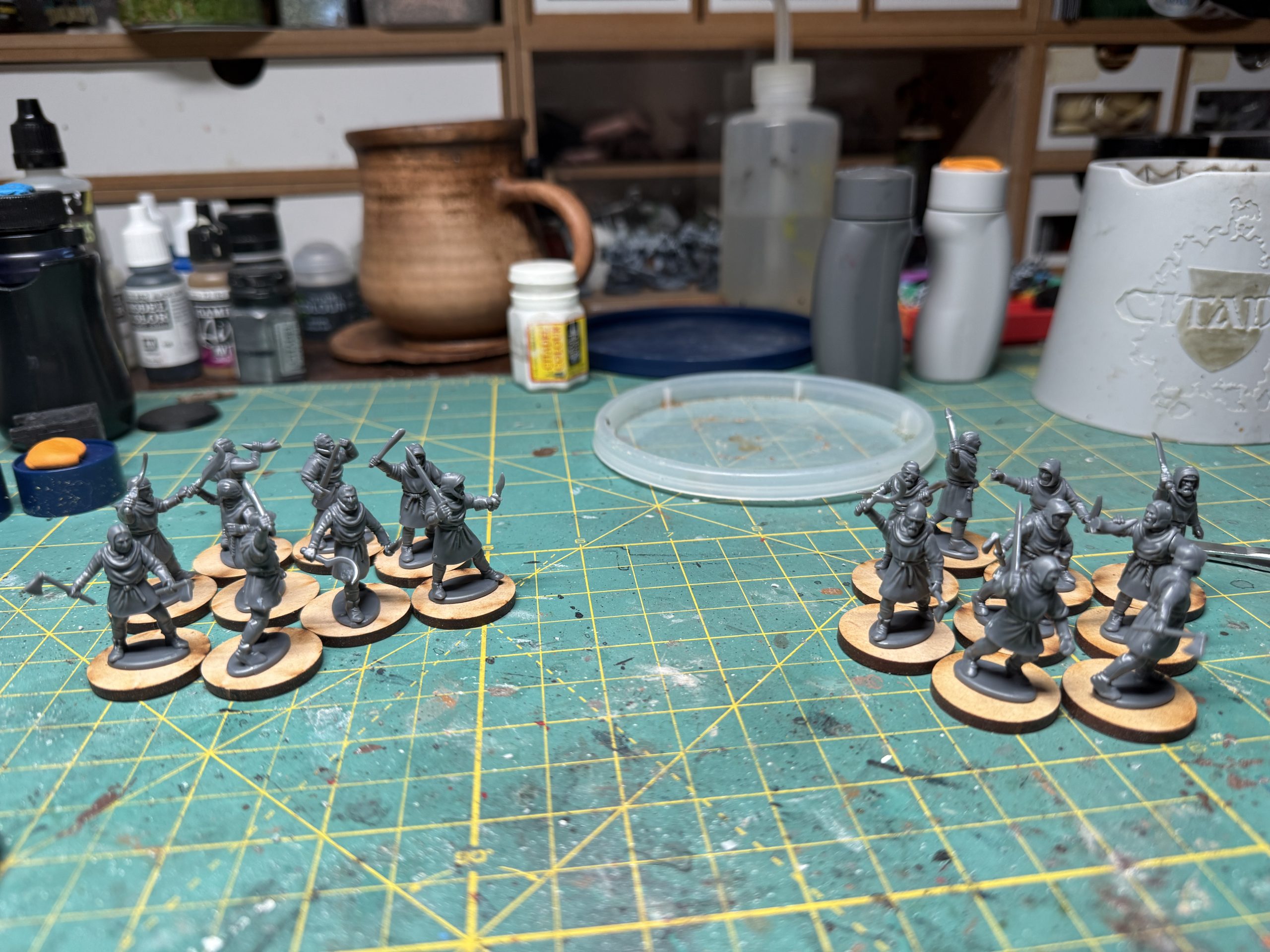
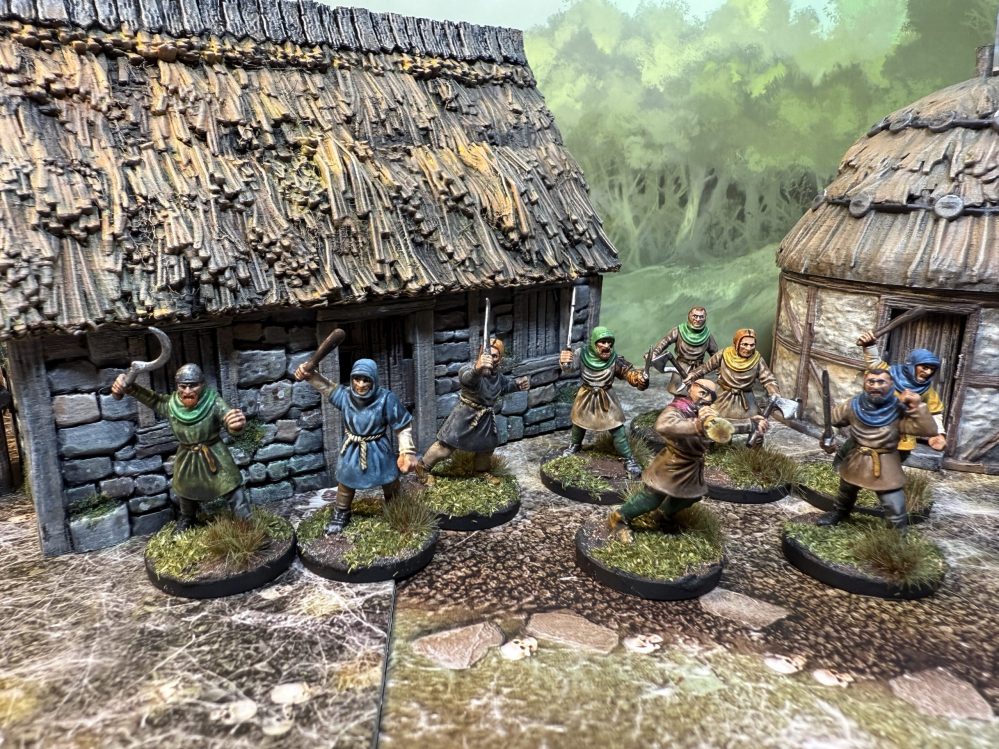
Counting the available miniatures in the levy sprues, I determined I could create two units of 9 miniatures with 6 left to create the bulk of a third units. For the two full units, I selected hand weapons troops and went to work on assembling the miniatures.
Assembly Tip: When building miniatures from these sprues, you are going to use more than one sprue and thus should pay attention that you do not create two miniatures alike. While legs and bodies are similar enough to allow for similarities, it is easy to ensure that not two miniatures in your group have the same arms and head, thus creating more of a rabble effect.
Peasants clothing: A Google search produced the following text, which I found was accurate enough for my Hollywood style Medieval world.
Medieval Clothes Color – Peasants
1. Undyed natural tones – off-white, beige, gray, and light brown were the most widespread, as many garments were made from undyed wool or linen.
2. Brown shades – achieved with simple vegetable dyes (like walnut or oak bark); easy and cheap to produce.
3. Greenish or yellowish hues – from plants such as weld, dyer’s greenweed, or nettles; these were common among rural folk.
4. Muted blues – woad was grown in England, so pale or washed-out blue was attainable for tunics or hoods.
5. Reddish or rust colors – madder root could yield dull reds or brick tones, but brighter red was rare and costly.
Why Bright Colors Were Rare
• Expensive dyes (such as kermes or imported indigo) were reserved for nobility or wealthy merchants.
• Peasant fabrics were wool or homespun linen, which didn’t take dye as vividly as fine cloth.
Typical Peasant Ensemble
A male peasant might wear:
• A wool tunic in brown or gray,
• A linen undershirt in natural off-white,
• Hose or leggings in slightly darker brown or green,
• And perhaps a hood or cloak dyed in faded blue or green if he could afford the dye.
Painting Tips:
Assemble your paints in 5 groups:
- Muted greens
- Muted browns
- Muted Blues
- Muted Reds
- Greys
For the leggings, use darker colors: I would suggest doubling up on one tone (green and brown) and ‘voila!’ you have five very distinctive tones for each peasants.
For the tunics: repeat the same exercise but with lighter colors.
Undershirts are off white
Hoods: User a different color than the tunic but maybe brighter. Not necessarily historically accurate but more colorful on the table.
Shoes: Black, brown or grey speed paint.
Metal instruments/weapons: black dry brushed metallic (with a touch of chrome on edge and reflective parts if you want).
Process:
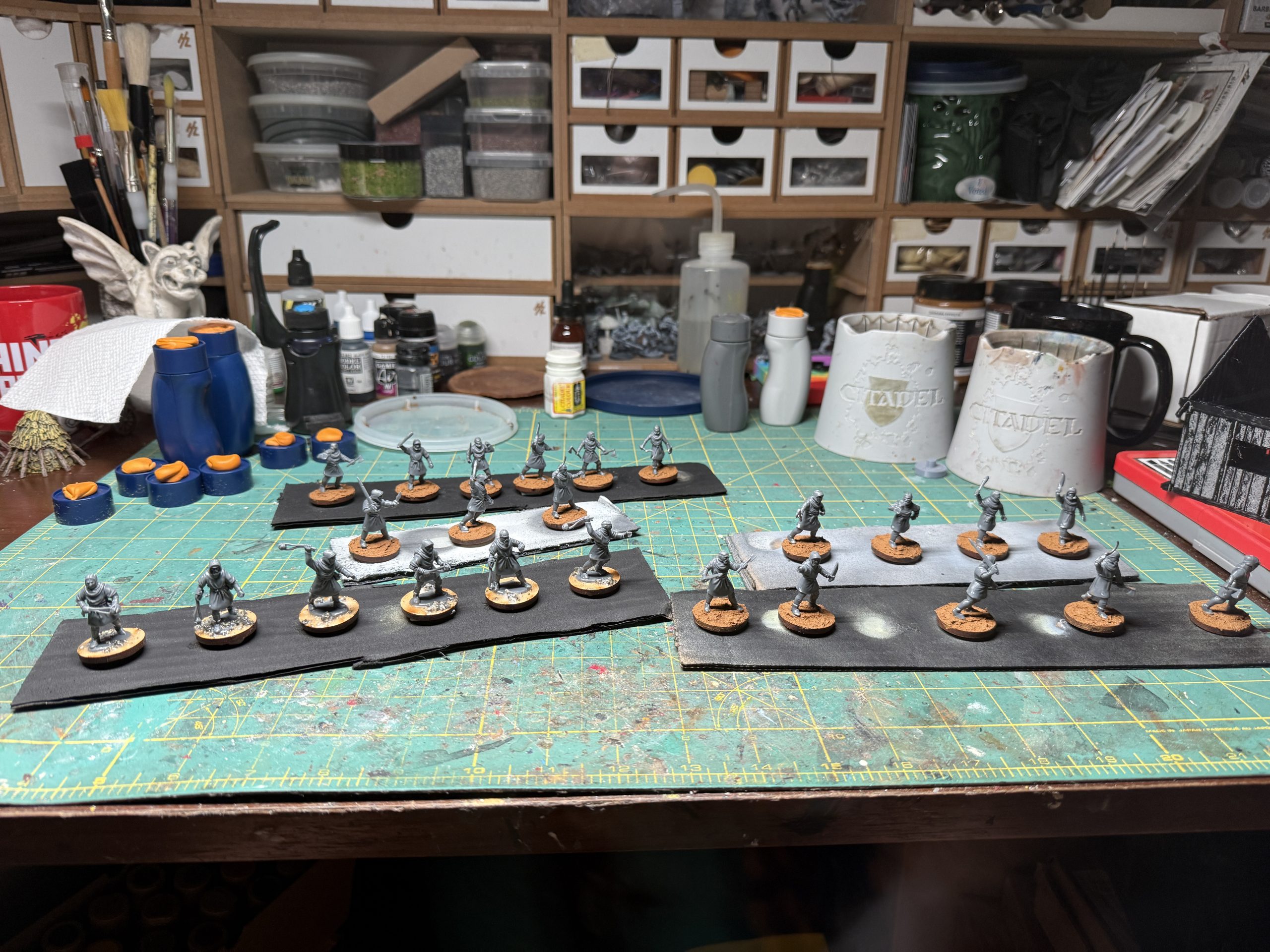
1 – Zenithal priming (in my case, black spray can followed by makeup brush dry brushing of white on areas hit by the sun)
2 – Base colors
3 – Wash. IMPORTANT: while using army painter strong tone is very speedy, I found that using colors-specific washes bring better contrast and less dullness in the color. This is of course, up to you.
4 – Highlight: original color or a tone lighter.
5 – Face and eyes: Gives the miniatures more expressiveness.
6 – Paint and furnish the base. IMPORTANT: as the troops look very similar to each other, and so ato differentiate the sides, I place a tuff of grass on the same side for each unit and opposite sides for the other, given I am painting both forces. That greatly helps on the battlefield and is mainly invisible to the casual observer.
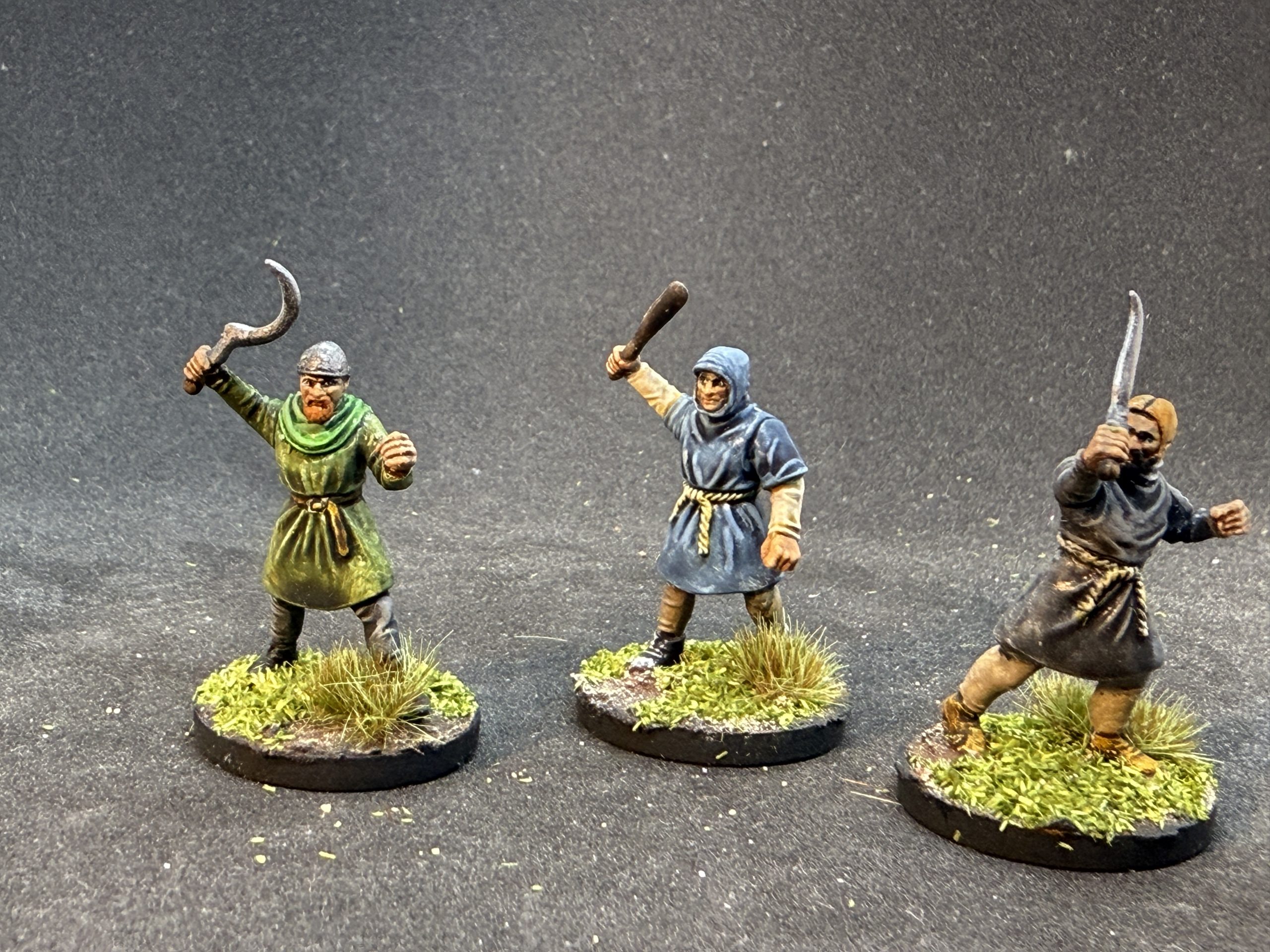
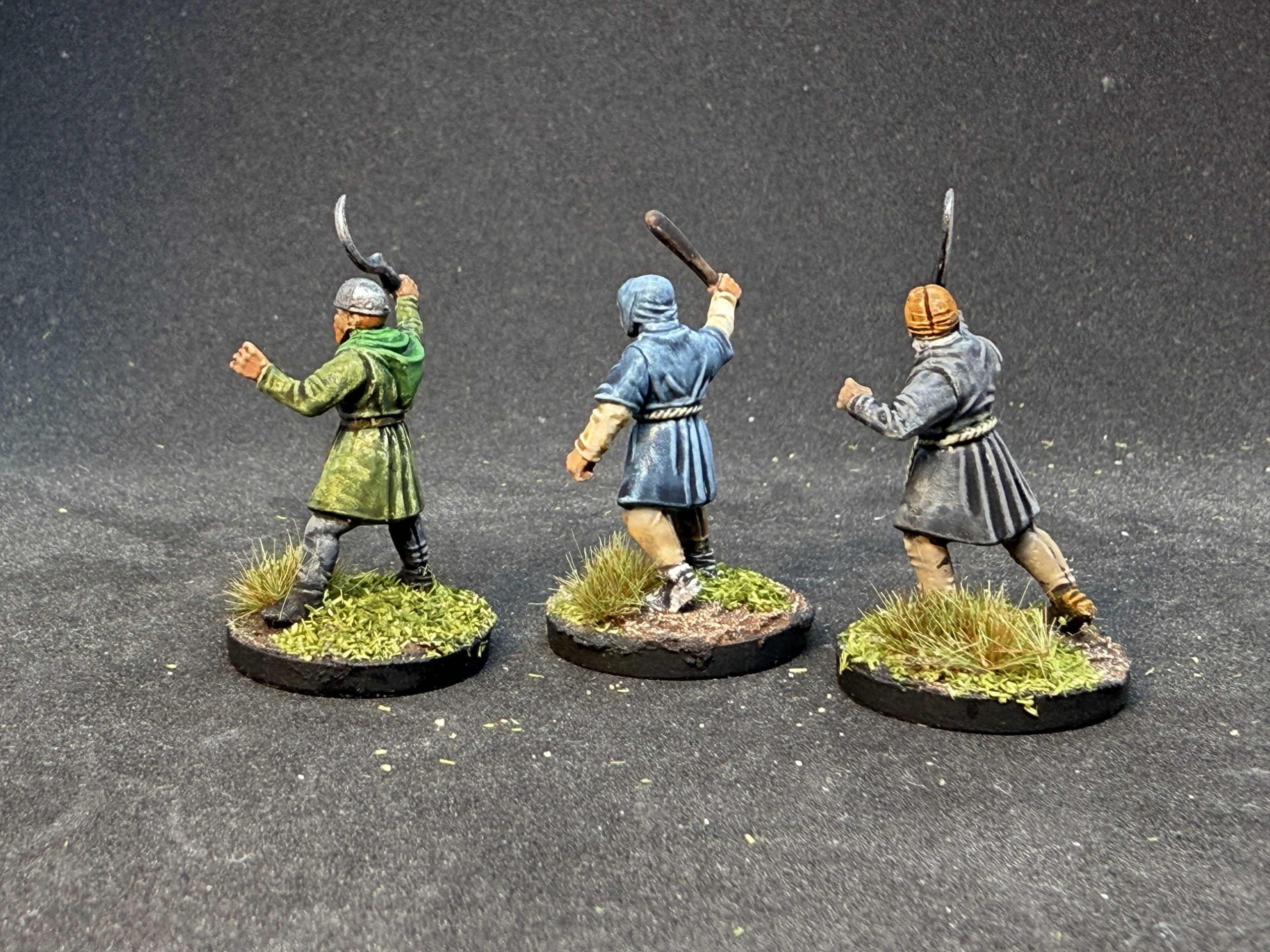
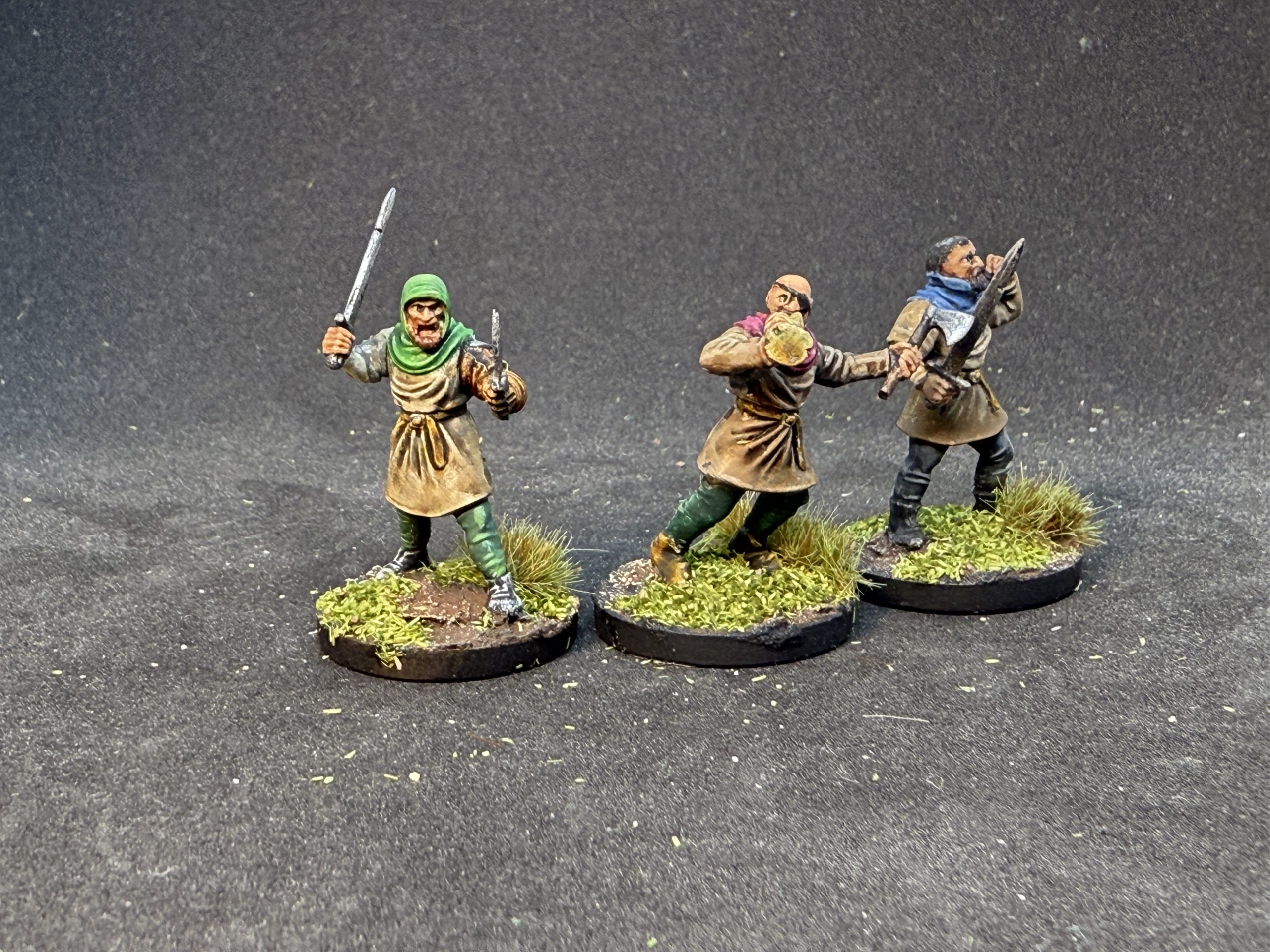
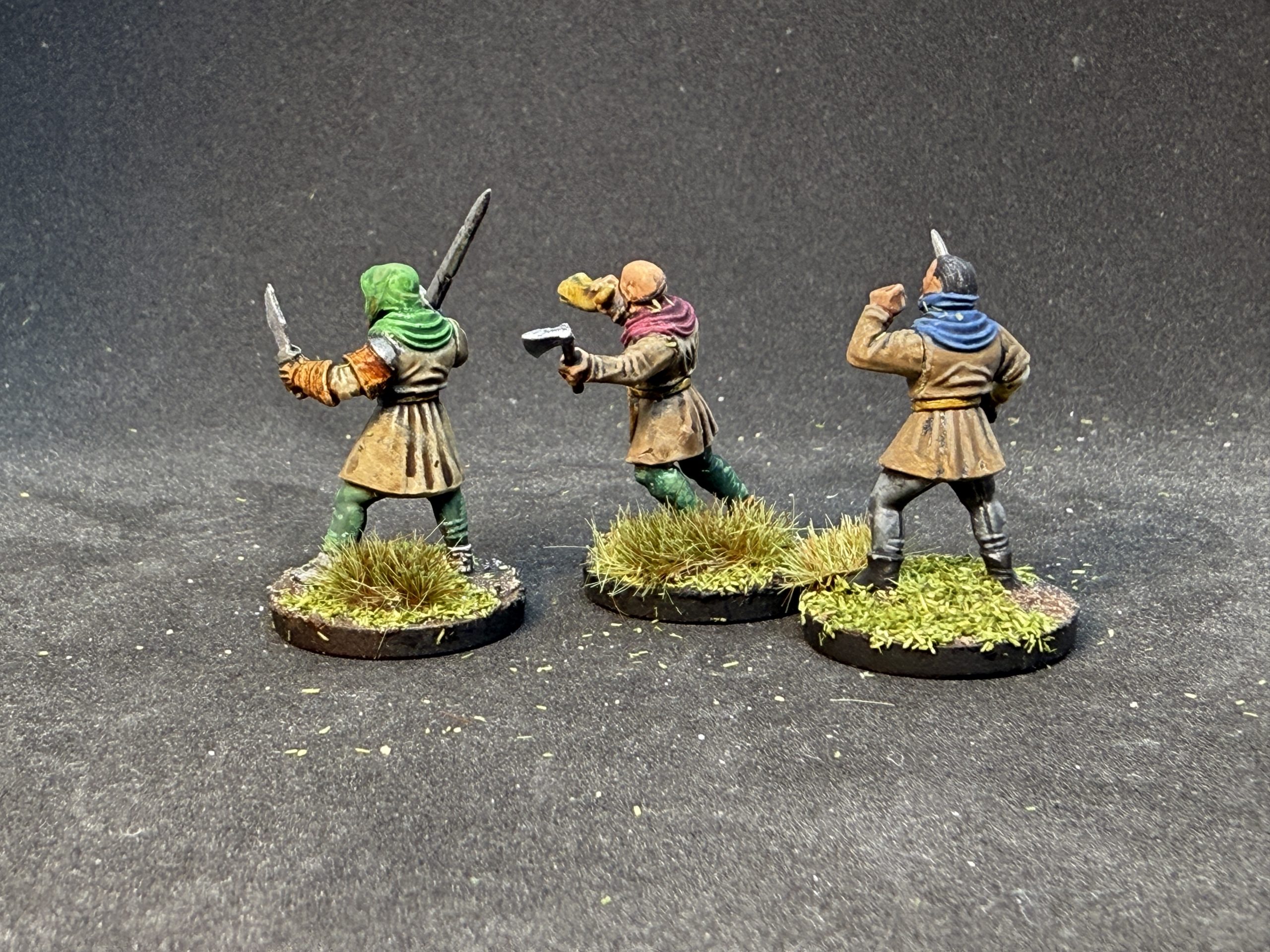
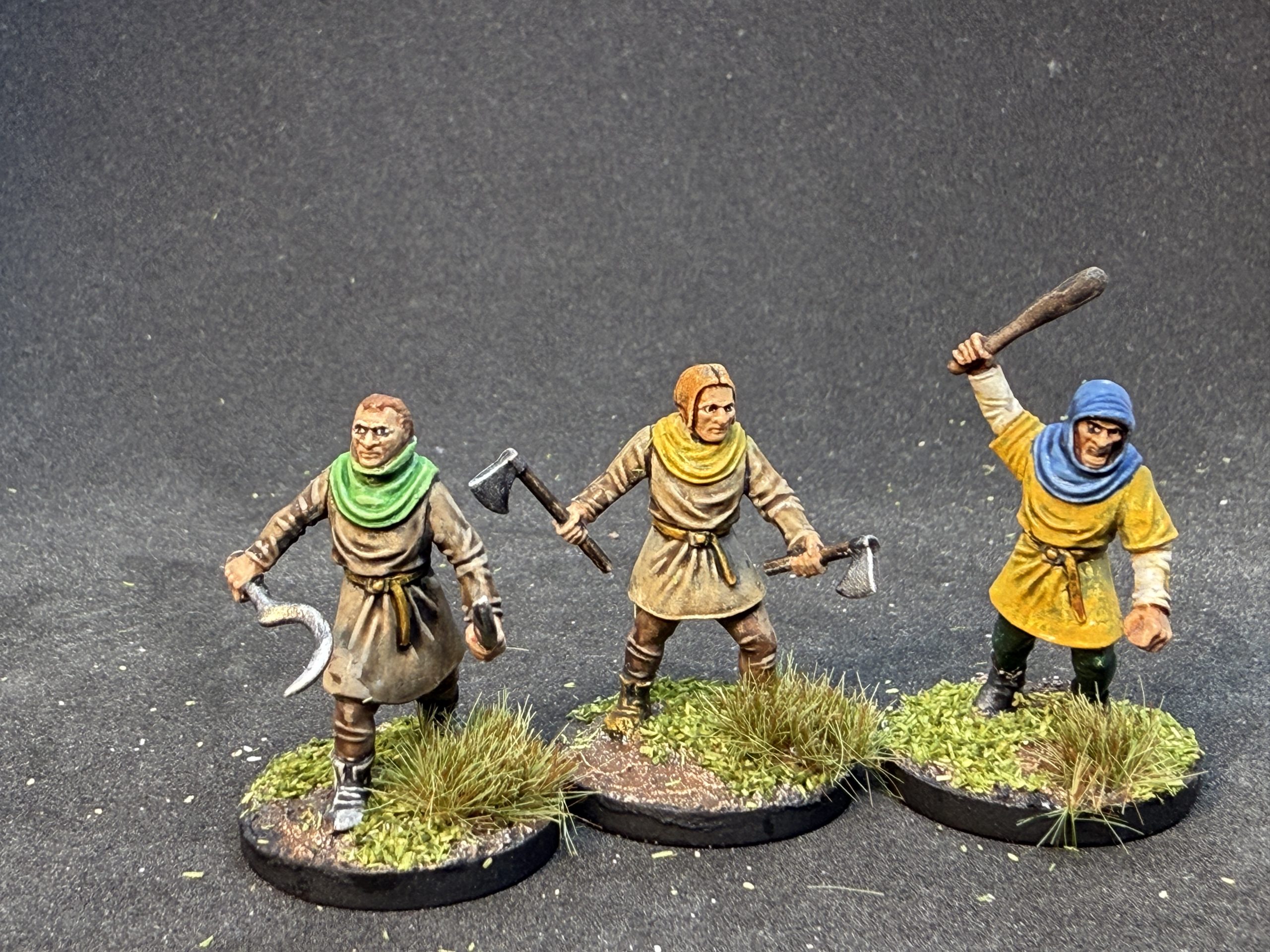
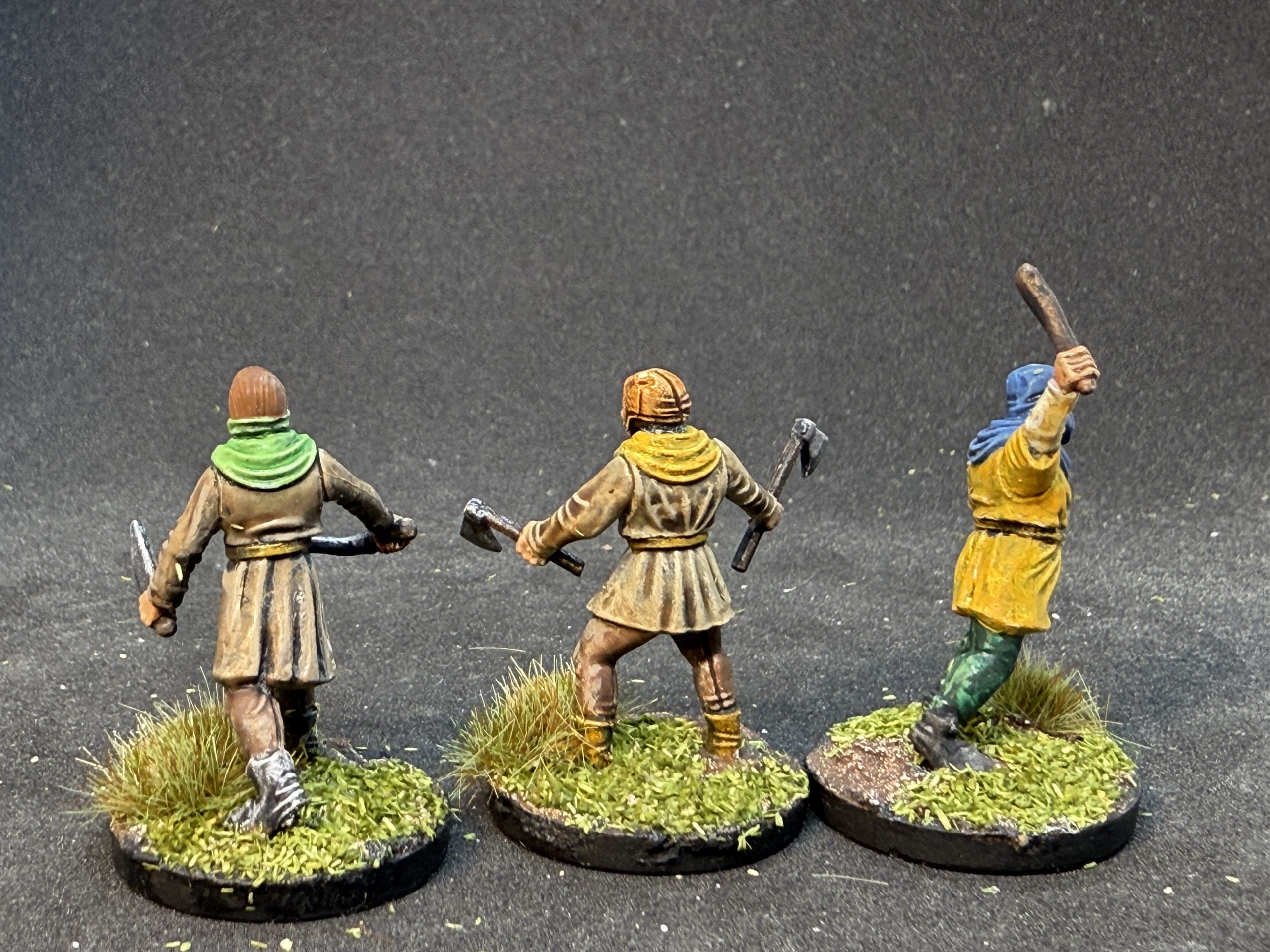
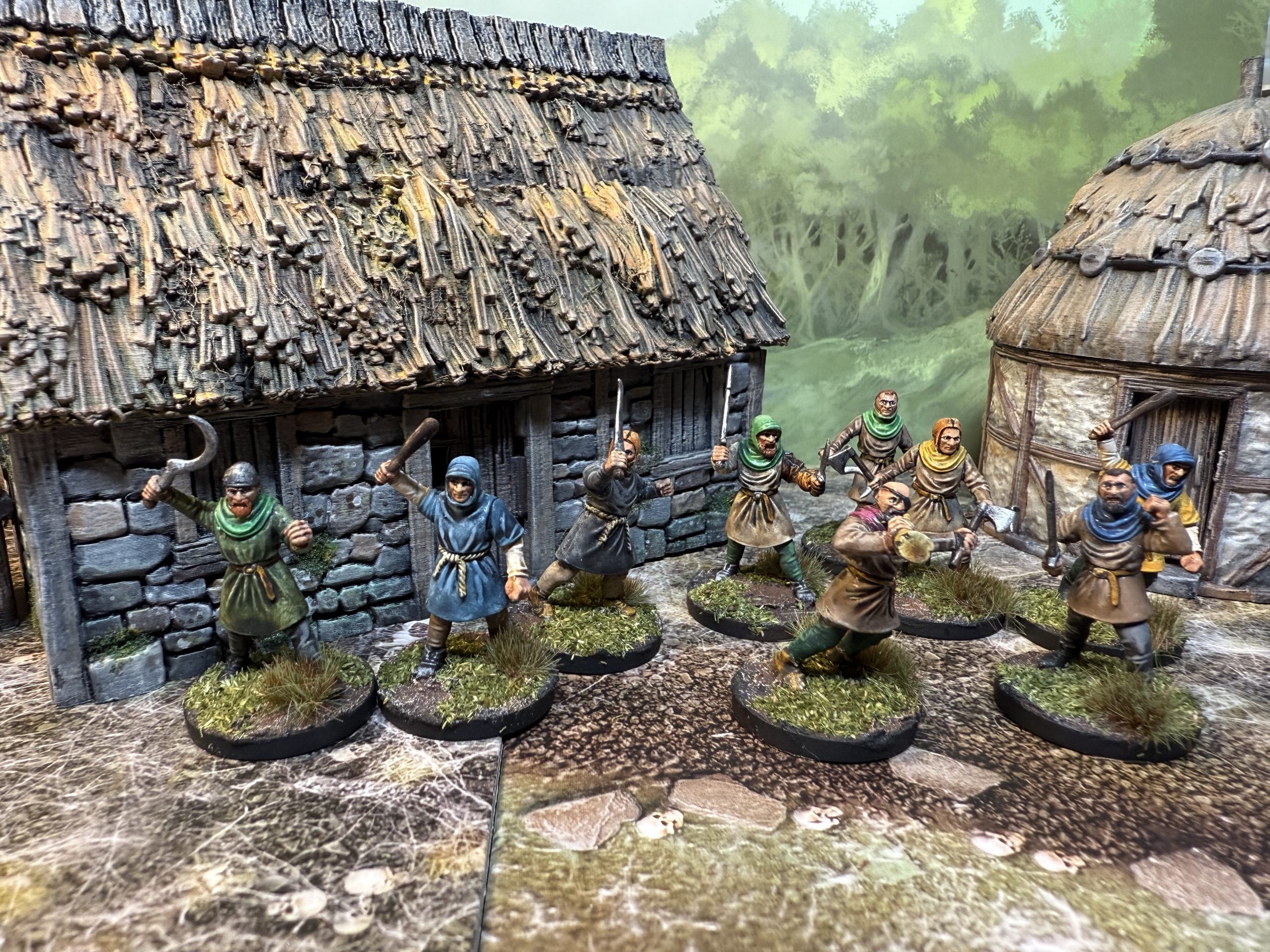 First unit - Did you spot the easy kitbash?
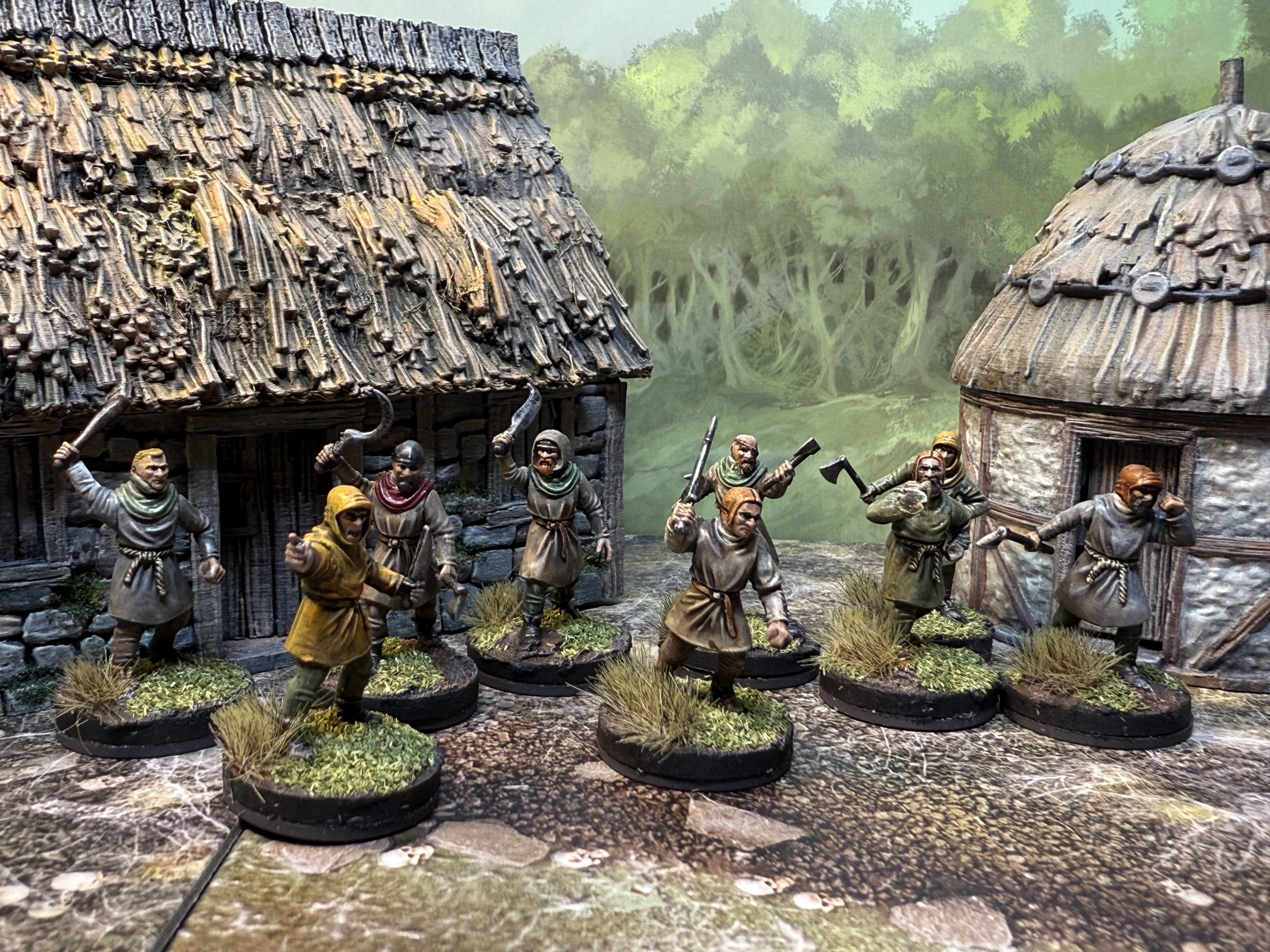 Second unit
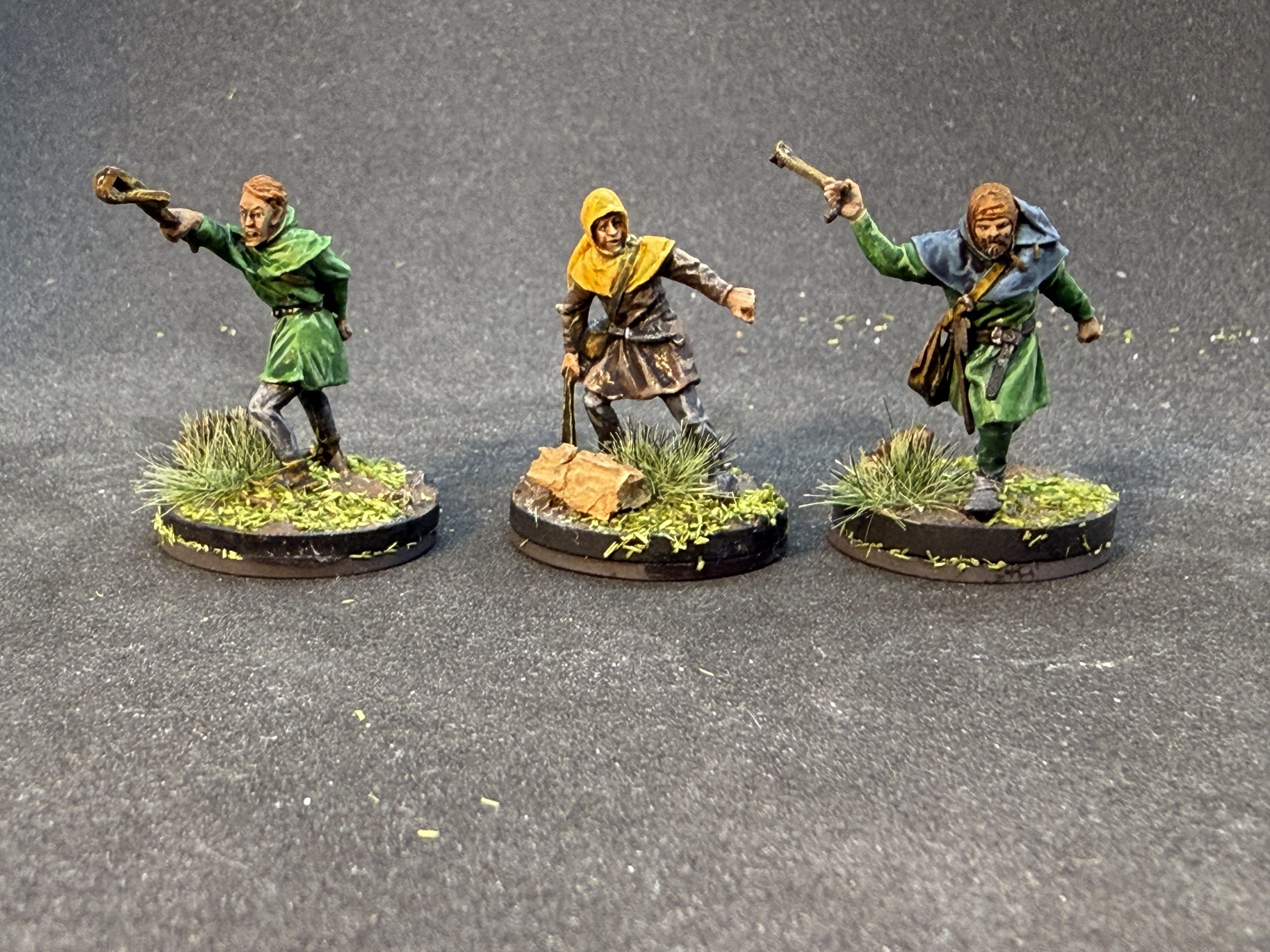
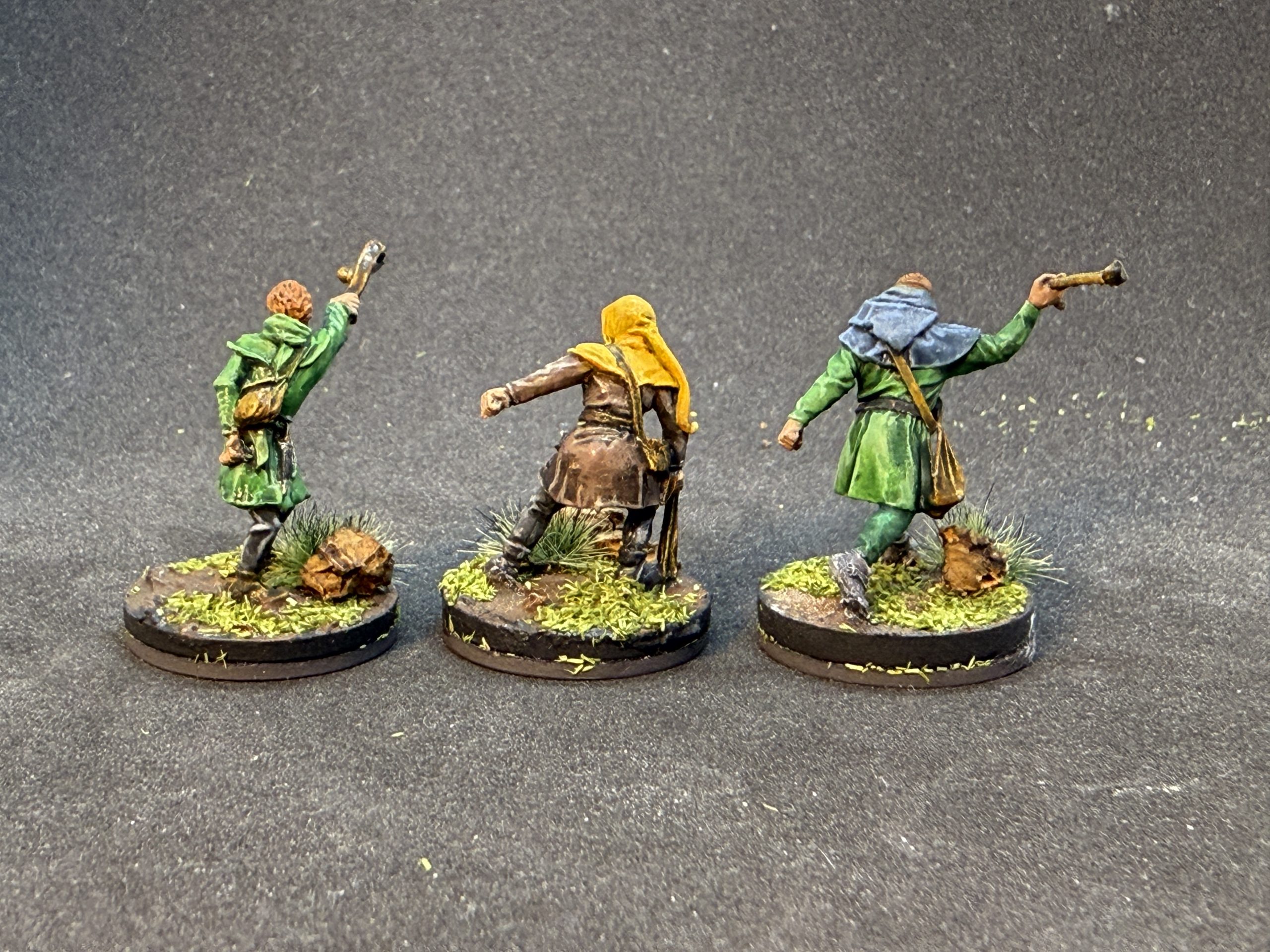
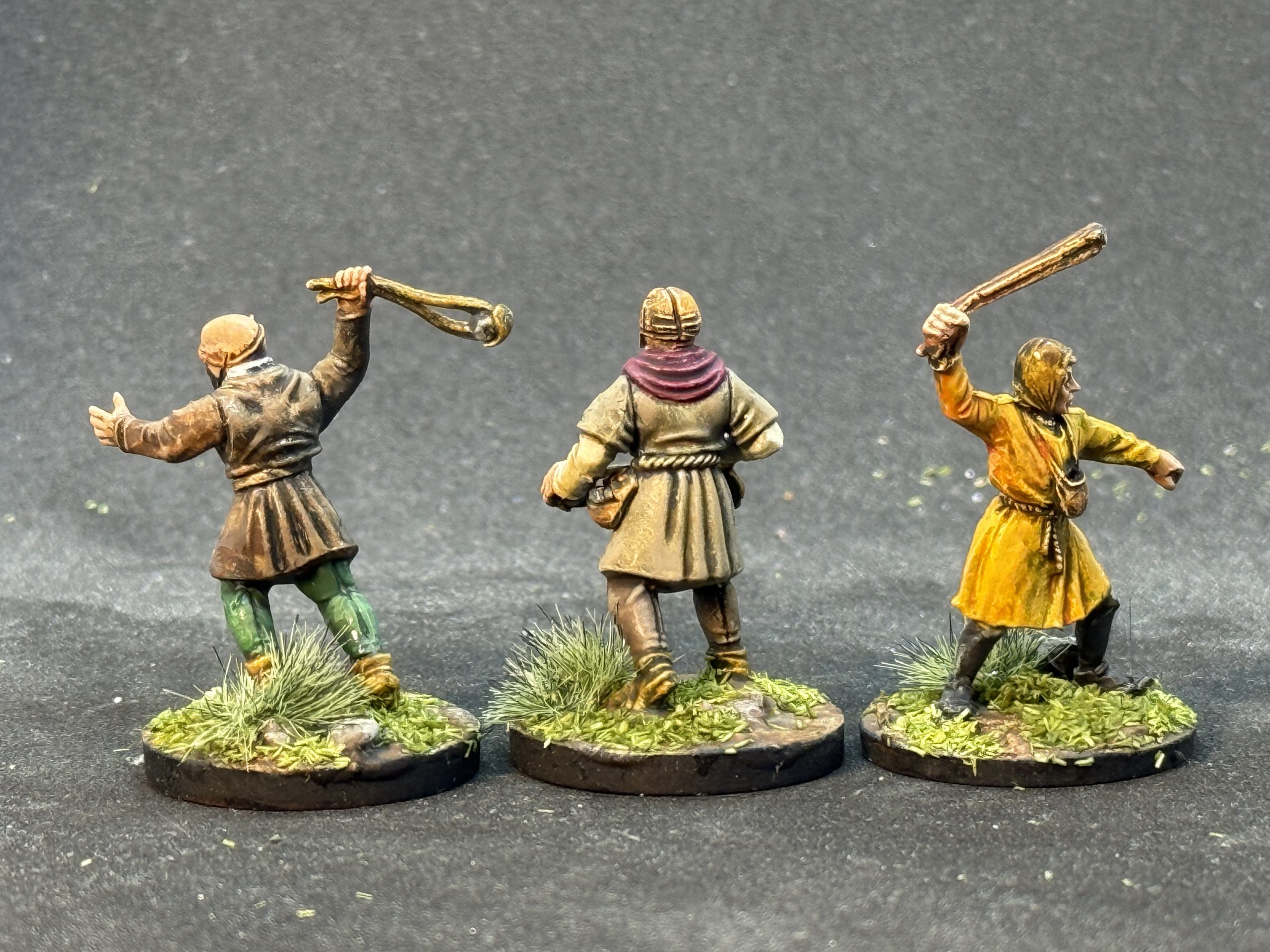
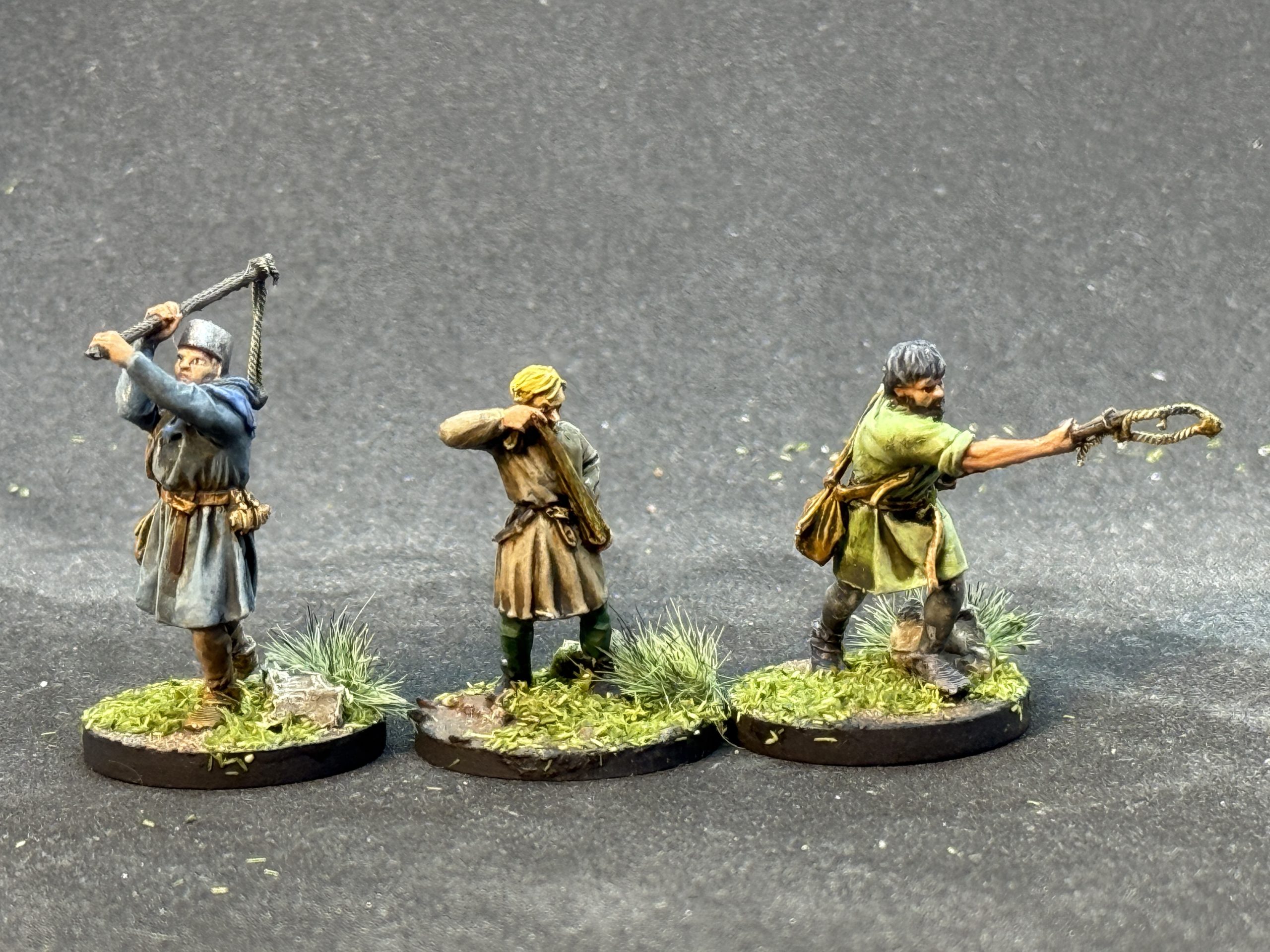
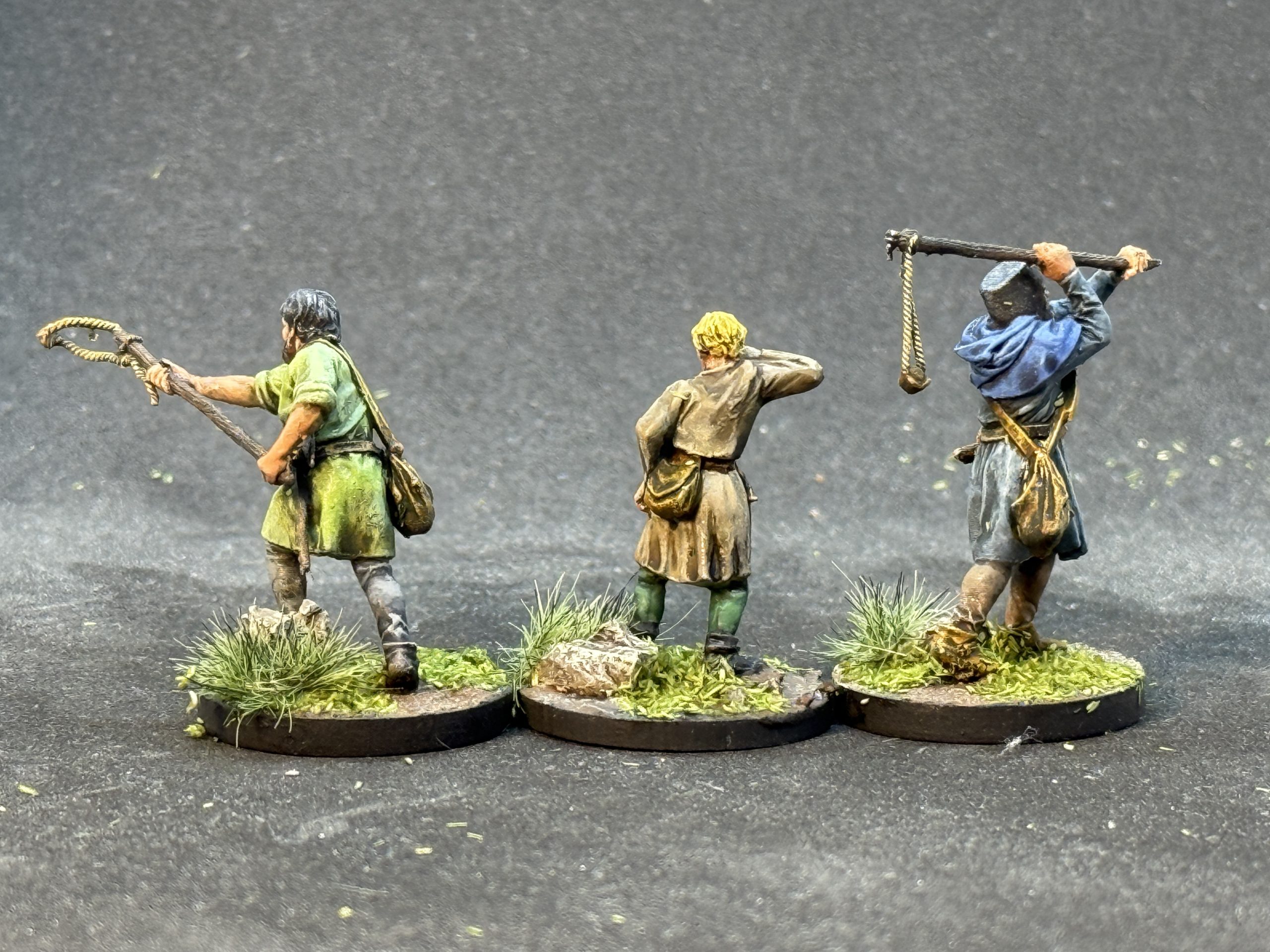
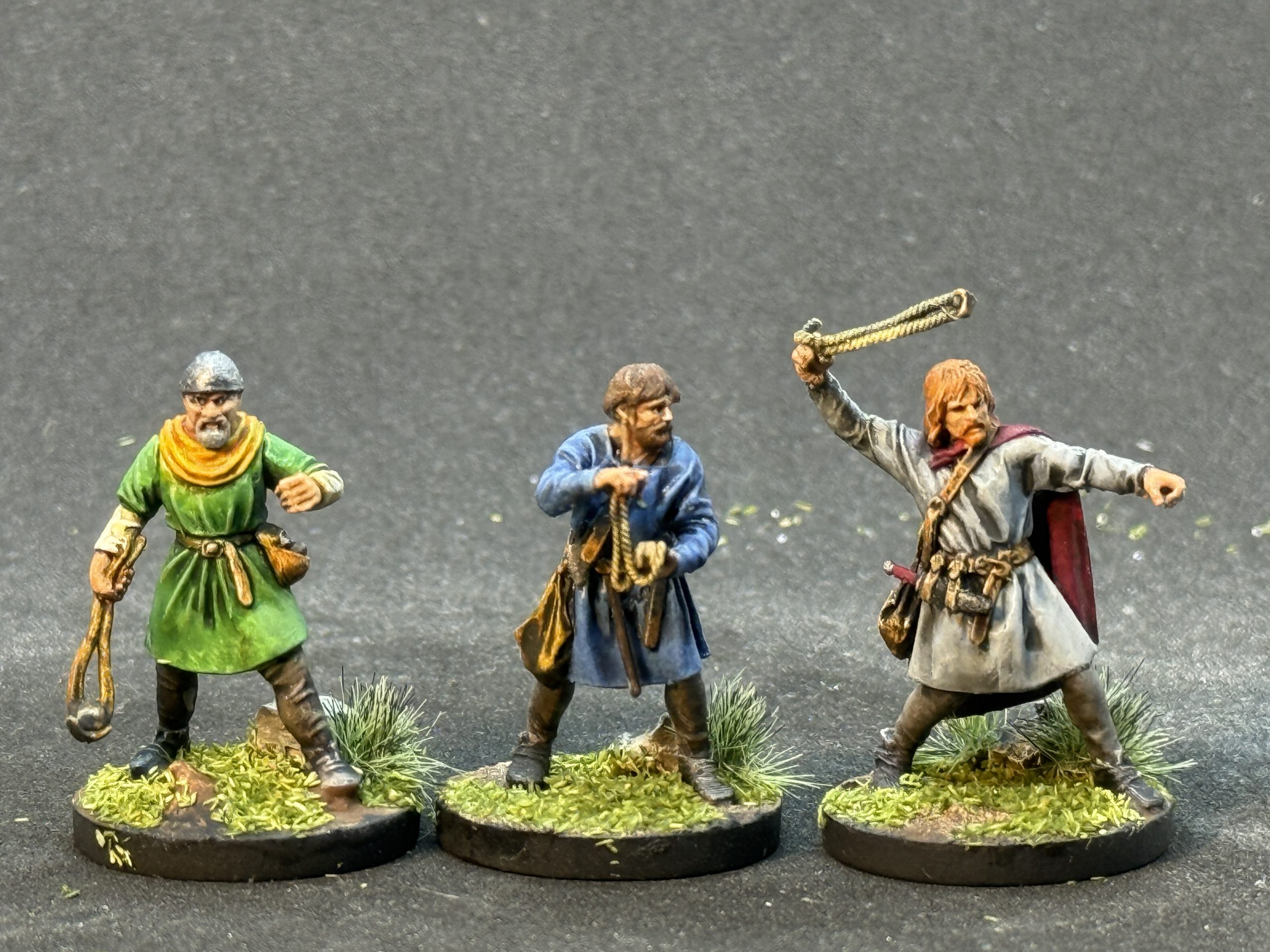
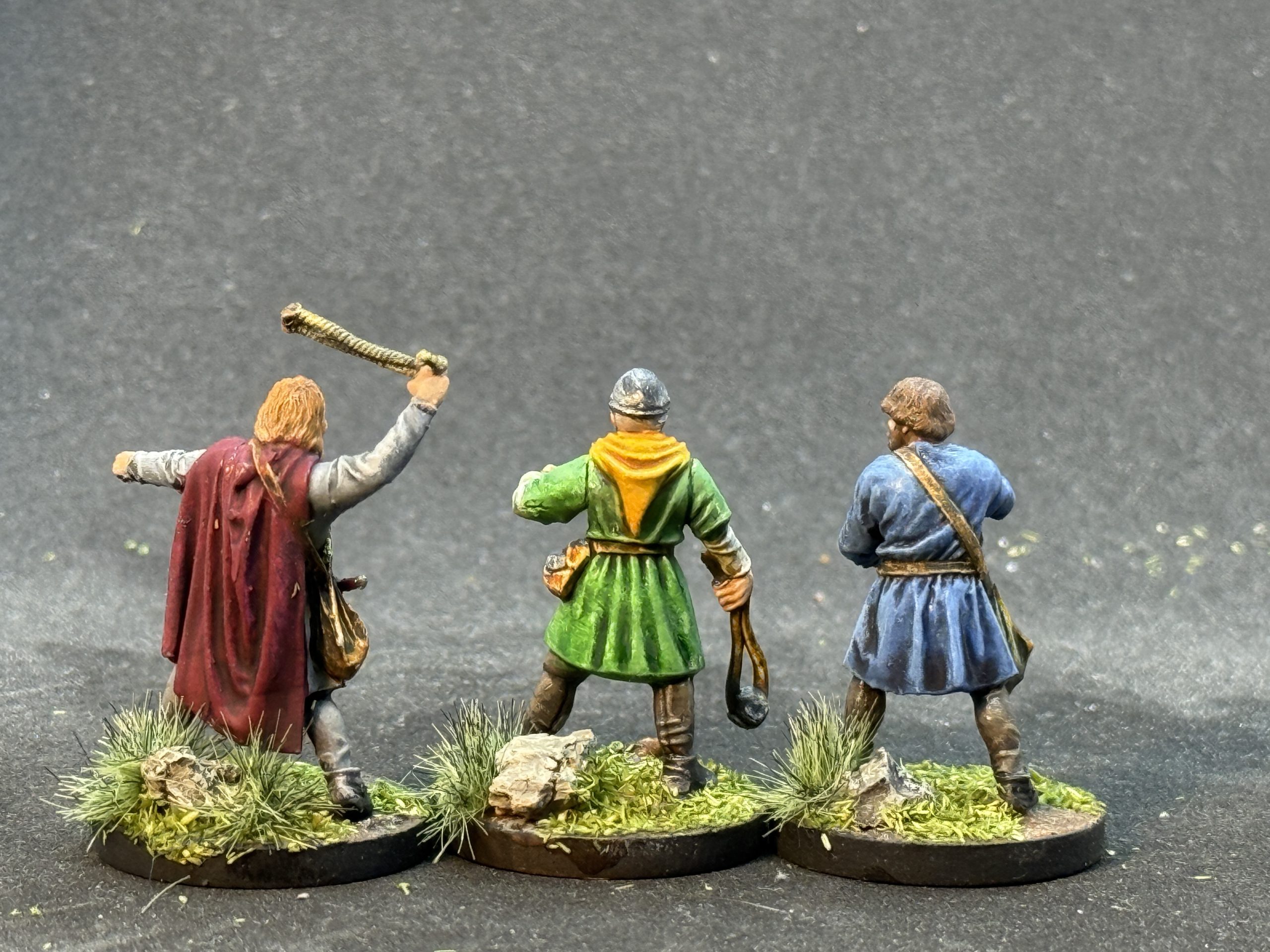
I used the remaining miniatures on the sprue to build slingers, which I had none and complemented their numbers by the original metal slingers from Footsore as well as some exquisite 3D printed miniatures from Reconquer Designs. Many of
Reconquer Designs miniatures are a little late period for the Barons War but I deemed the slingers appropriate. What do you think?
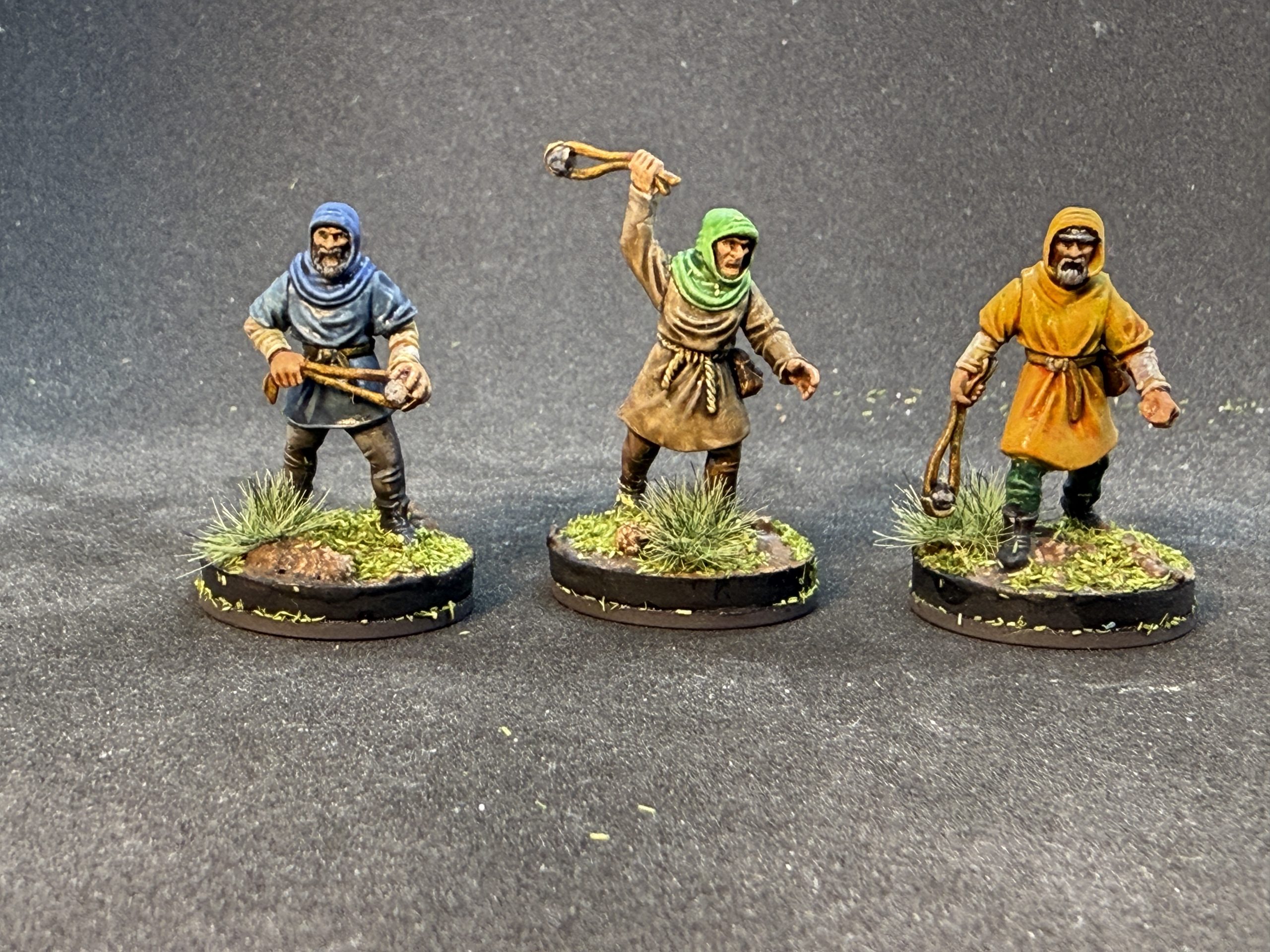
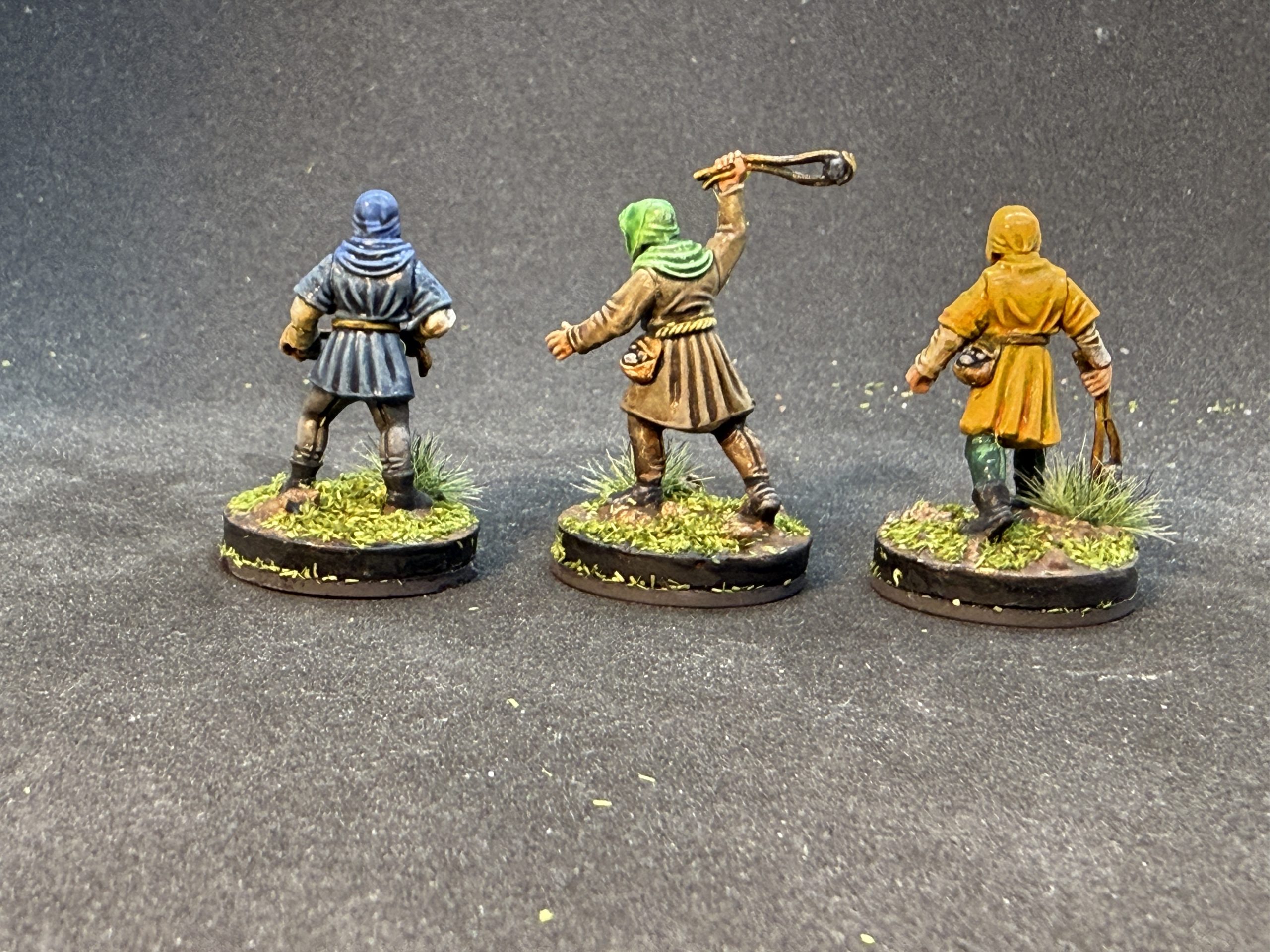
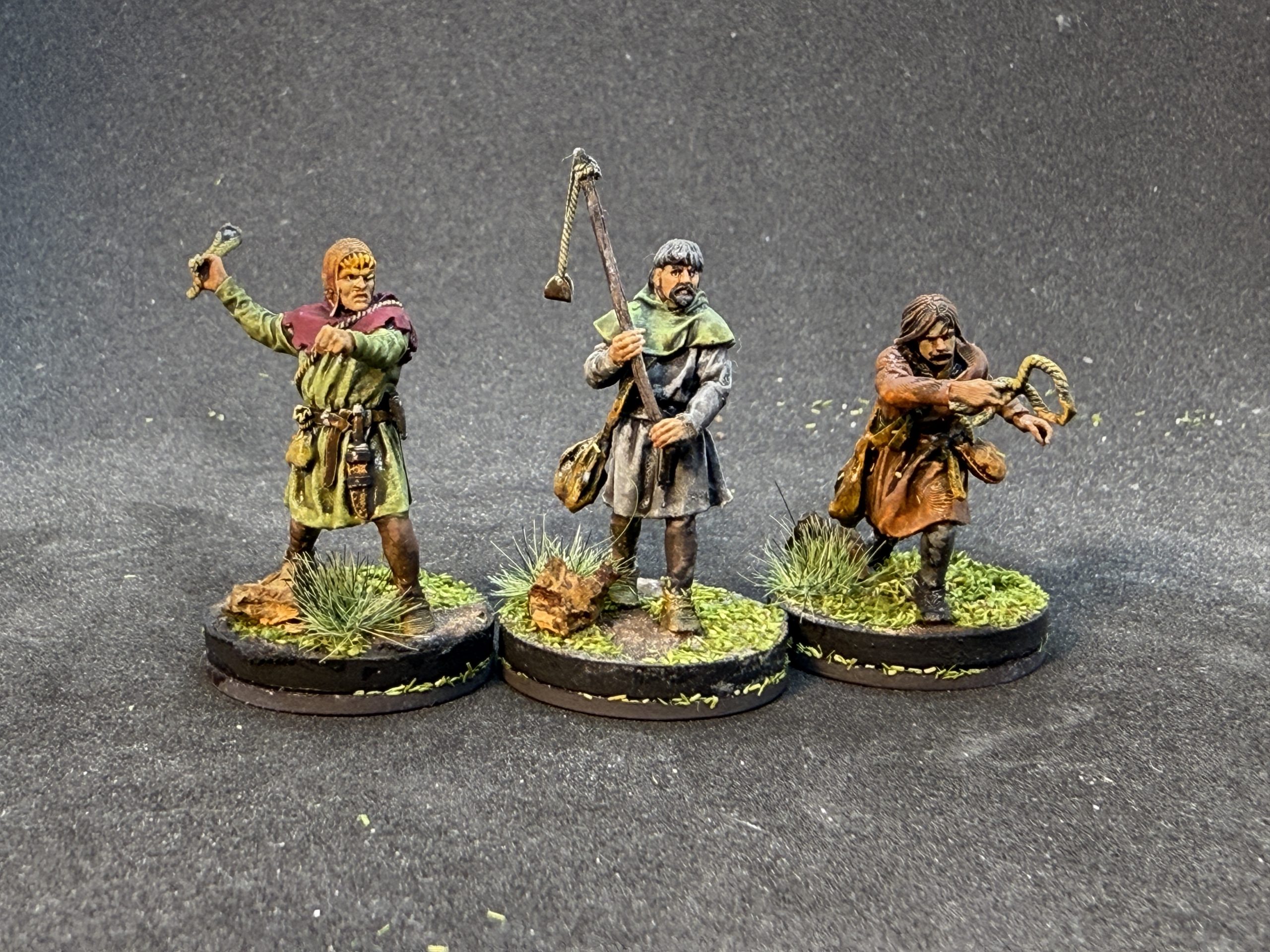
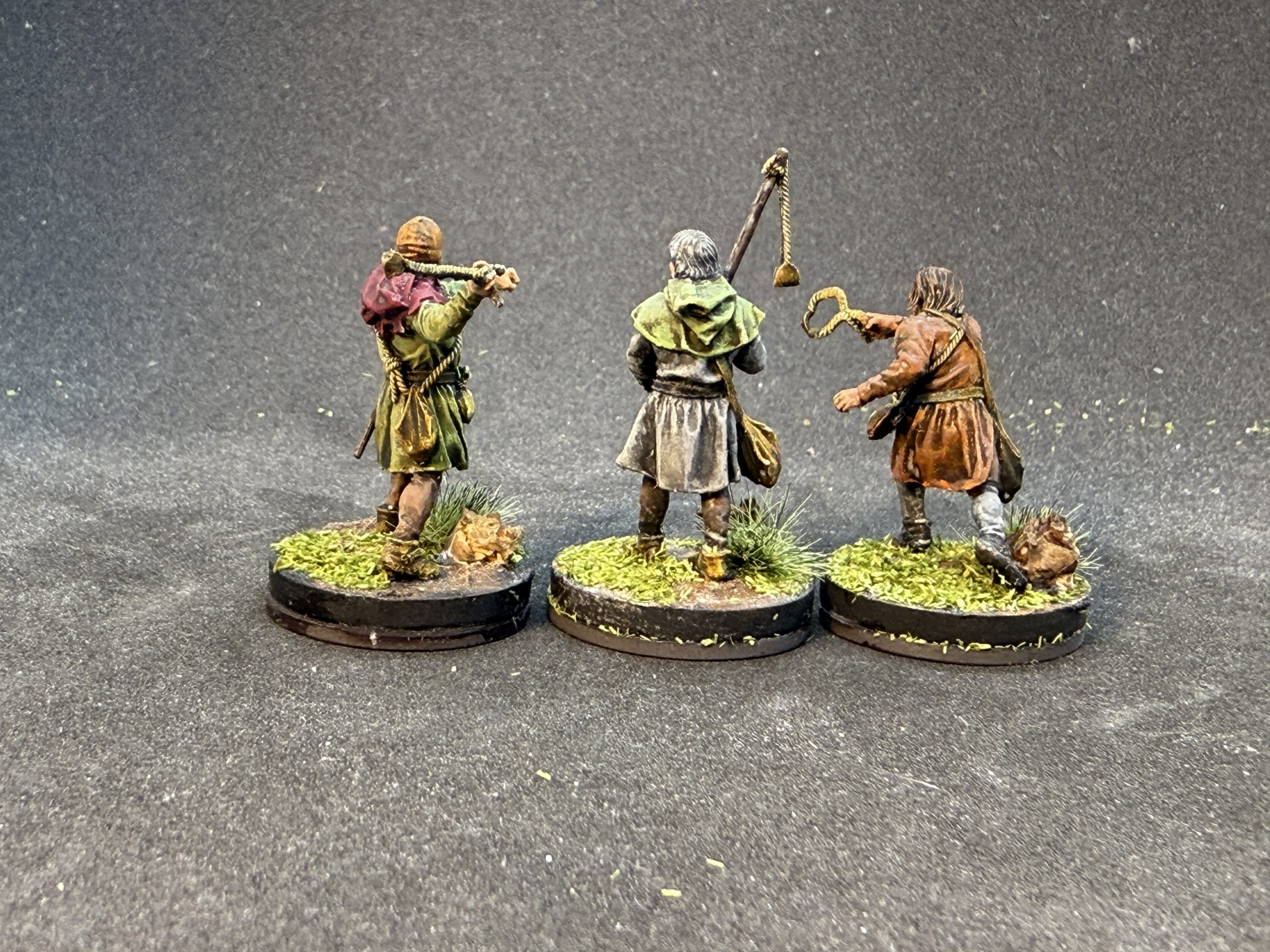
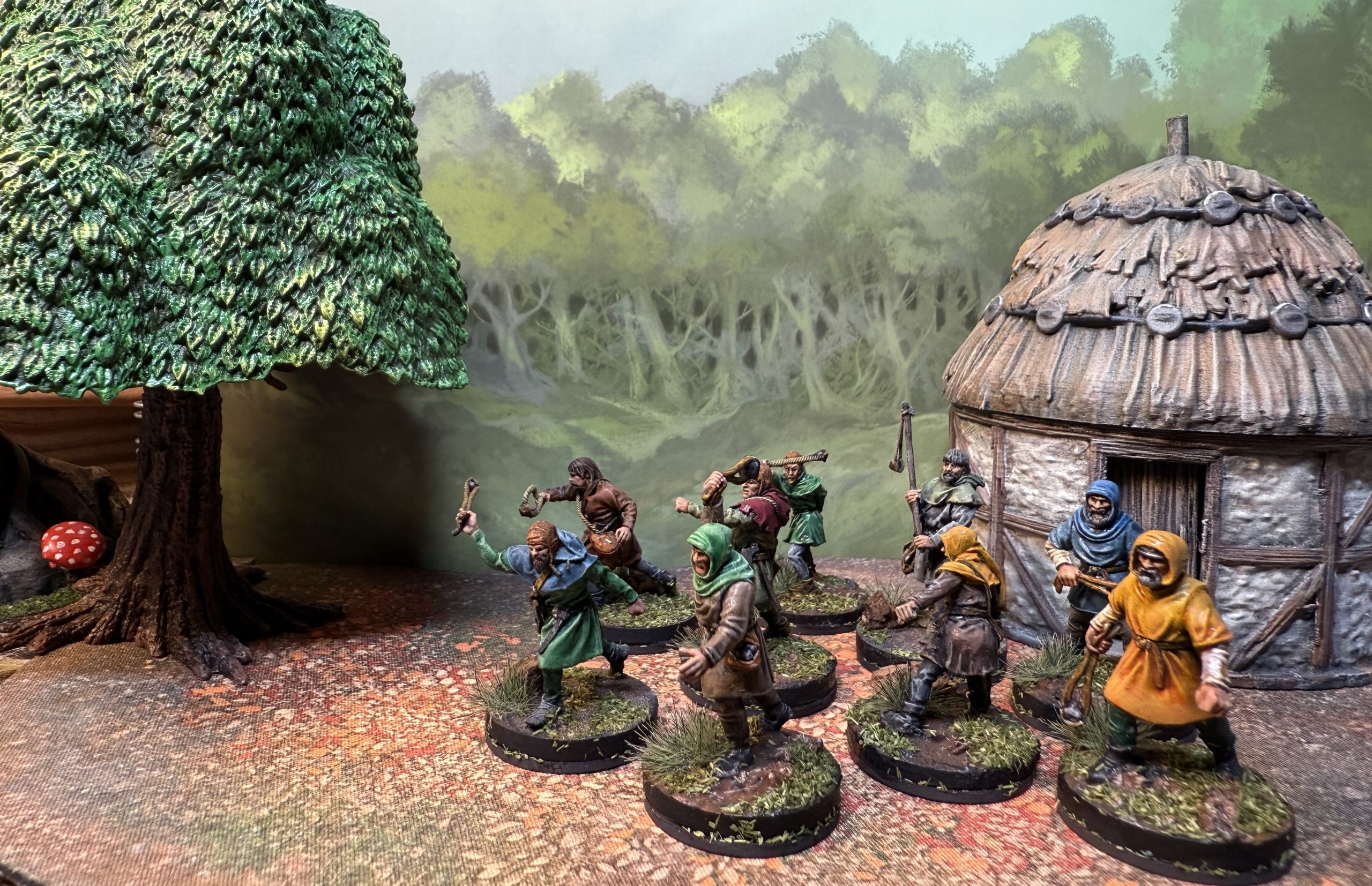 First slinger unit - Painted in a way identical to that of the initial levy (see above).
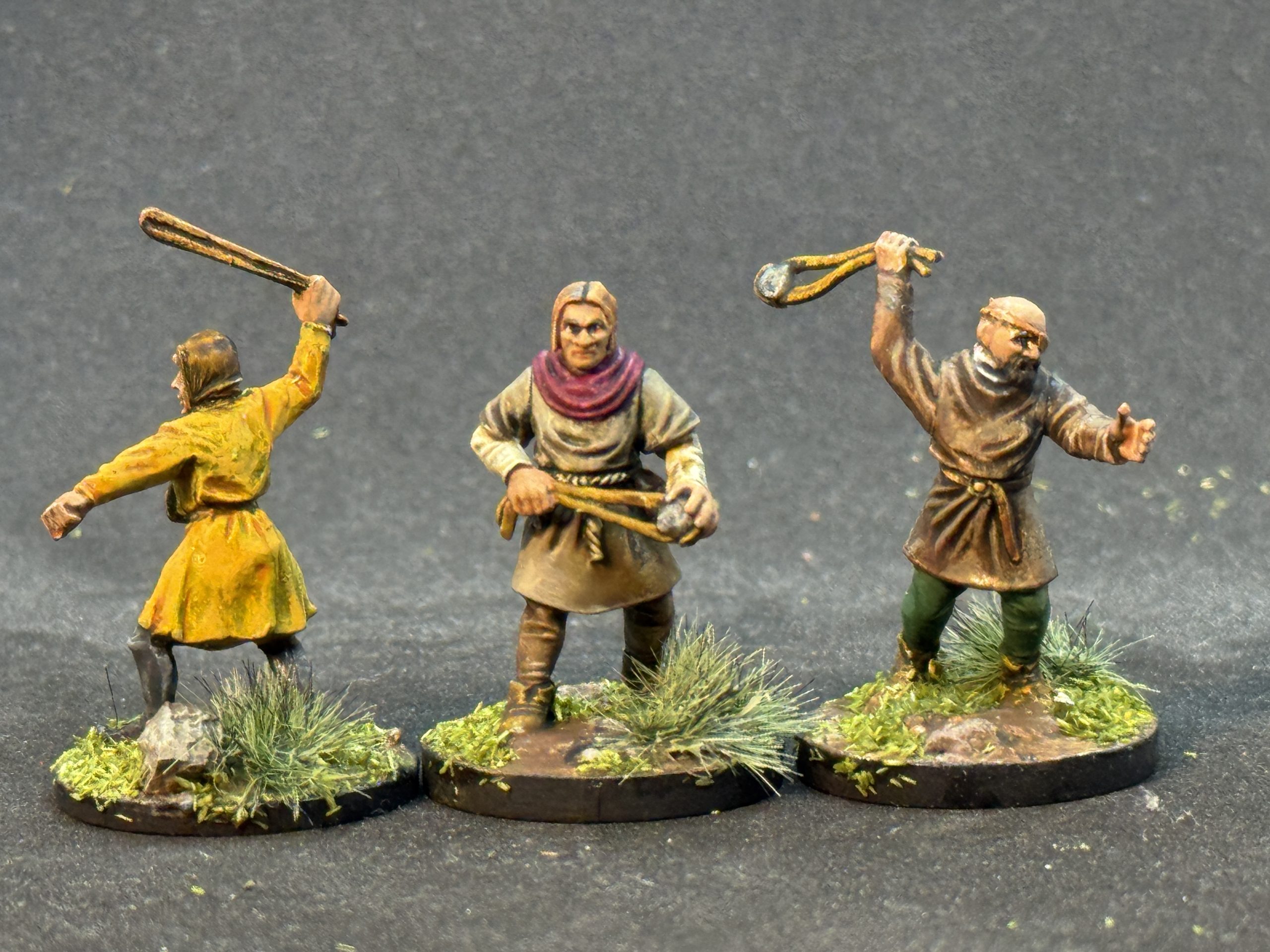
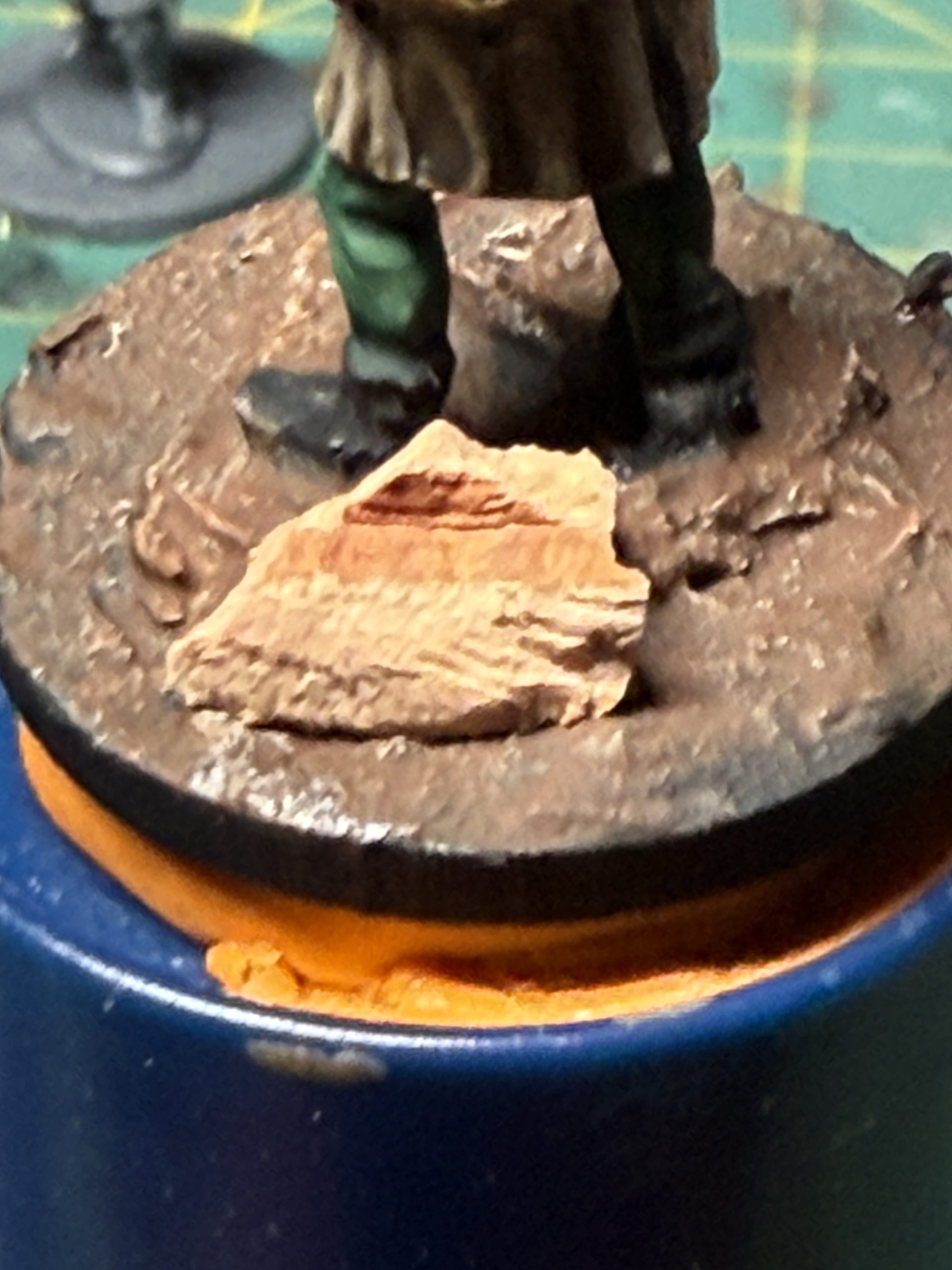
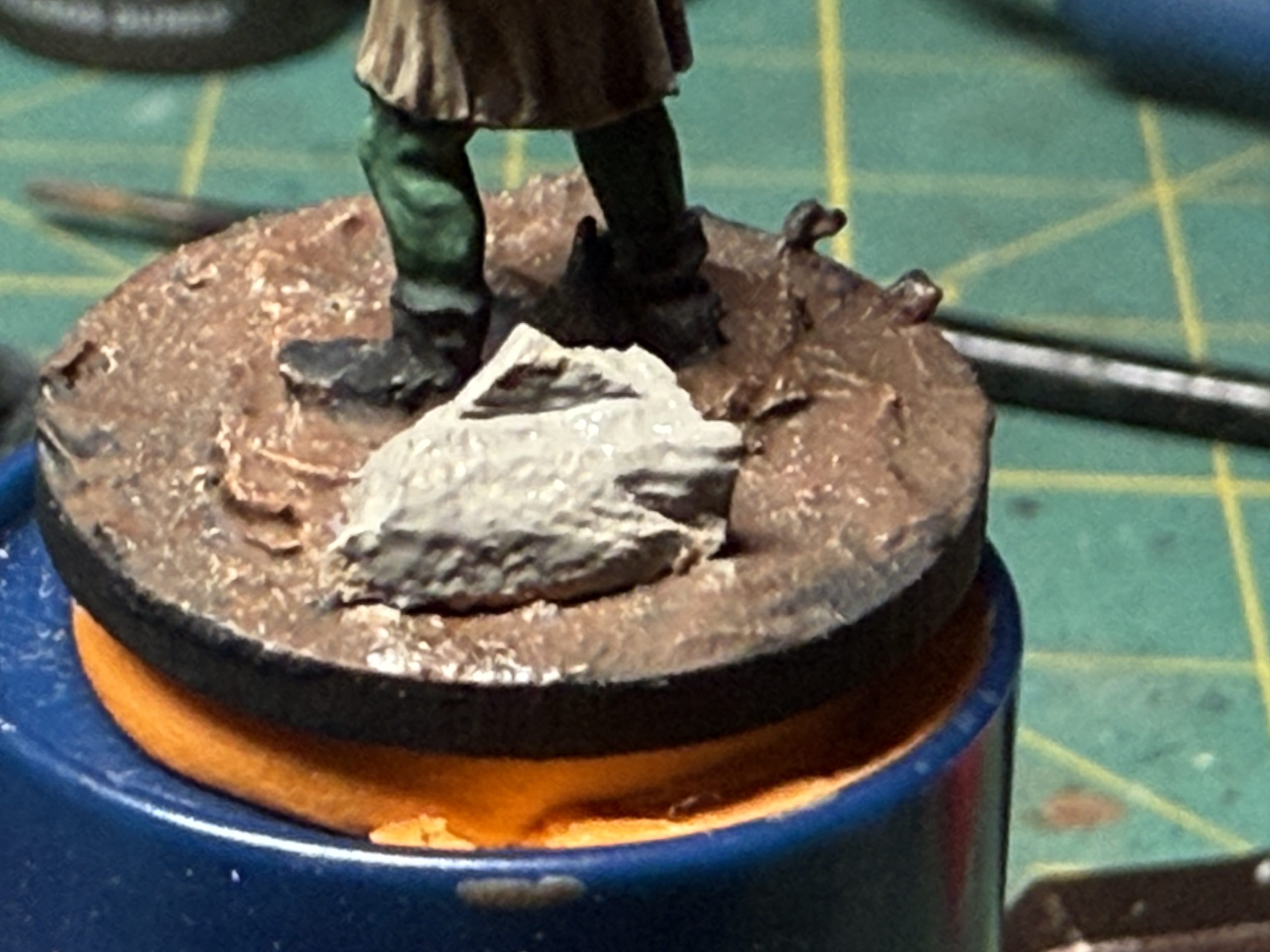
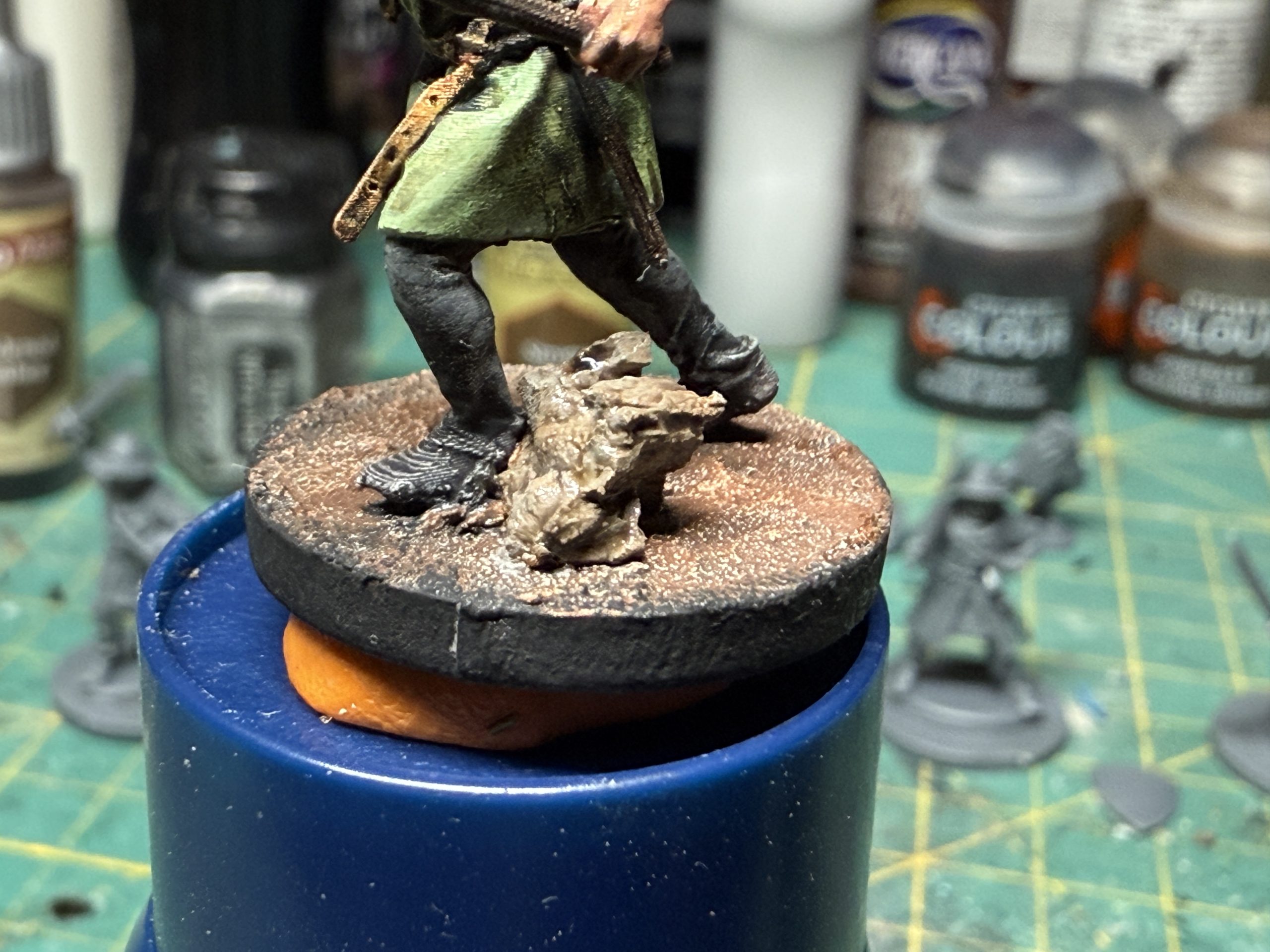
The second slinger unit was built and painted in much the same way, with the exception of the stones on the base which I spent a bit more time prettying up.
The cork ‘rocks’ on the bases were painted grey, before being washed brown (Agrax Earthshade from GW) and them, once dry, lightly dry brushed beige.






2025-10-28 Your project has been visited by The Hobby Hangout. Huzza!