




























![O-12 Infinity Fast Response! Firebat Attack Wing Unboxing & Review [7 Days Early Access]](https://images.beastsofwar.com/2026/01/unboxing-corvus-belli-infinity-firebat-attack-wing-coverimage-225-127.jpg)




Terrain Projects for 2020/21



Recommendations: 137
About the Project
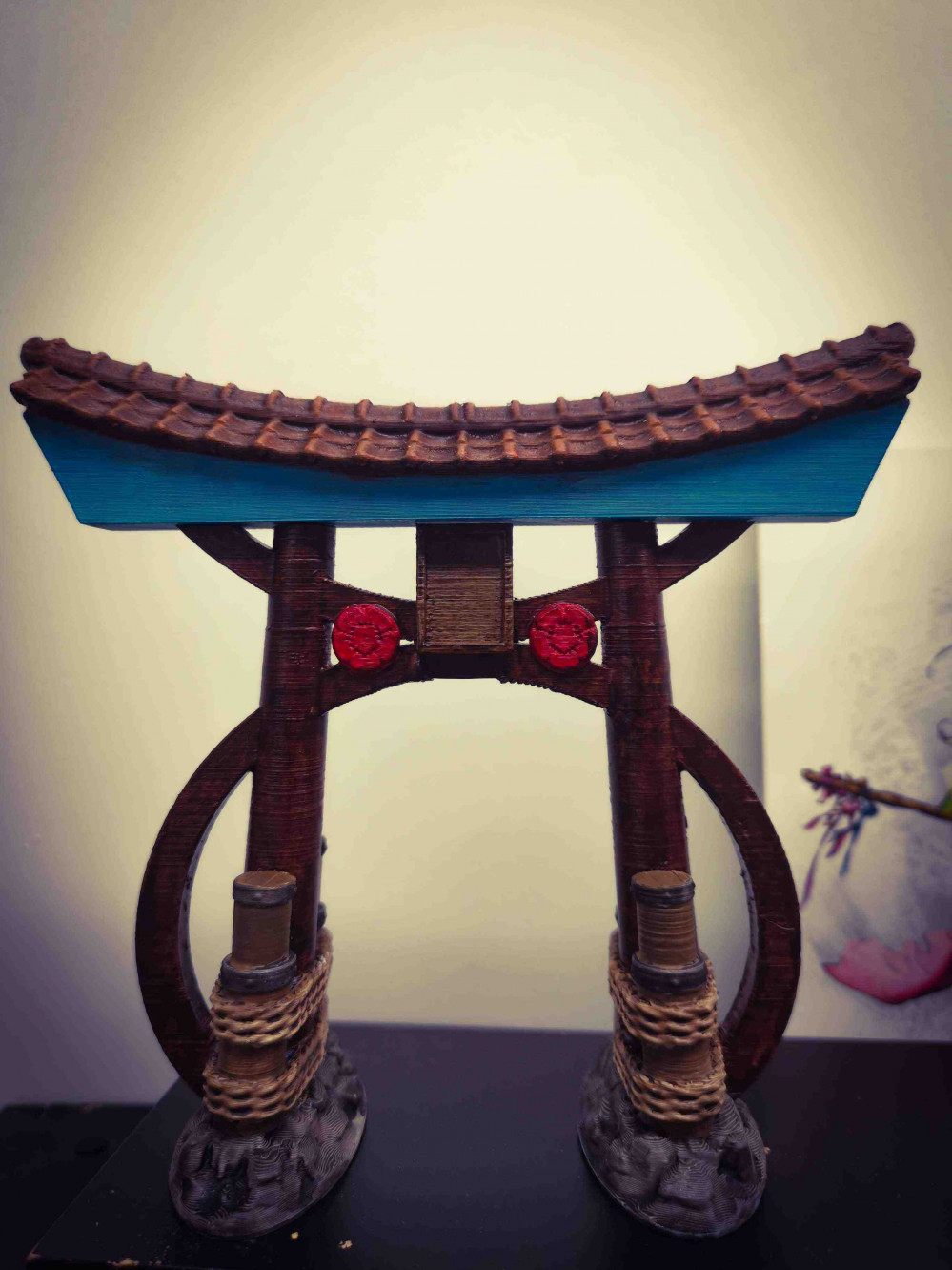
So I'm planning to build a Chinese/Asian town making use of the Sarrissa modular tiles. This thread will also include other terrain projects. I'm goin to switch the SPQR and Mortal Gods stuff to their own project page.
Related Game: SPQR
Related Genre: Historical
This Project is Active
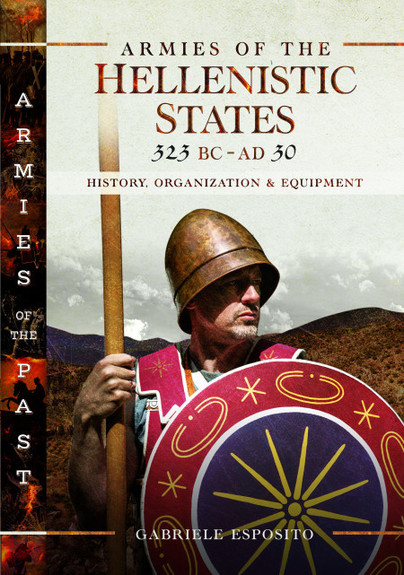
Armies of the Hellenistic States 323 BC to AD 30
Author: Gabriele Esposito
Publisher: Pen and Sword
This book provides a complete and detailed analysis of the organization and equipment employed by the armies of the Hellenistic States. After Alexander the Great’s death in 323 BC, his immense Macedonian empire was divided between his ambitious generals, who in turn formed their own monarchies across Eastern Europe, Asia and North Africa.
This work will follow the development of the Hellenistic military forces from the army bequeathed by Alexander the Great to the complex military machines that succumbed one by one in the wars against the expanding Romans.
As decades and centuries progressed, Hellenistic warfare became always more sophisticated: the ‘diadochi’ (Alexander’s successors) could field armies
with thousands of men, chariots, elephants and siege machines; these came from all the territories of the former Macedonian Empire. The book will also show how Hellenistic forces were strongly influenced by Roman models during the last years of independence of their kingdoms. The states analysed are Macedon, Seleucid Empire, Ptolemaic Egypt, Greco-Bactrian Kingdom, Armenia, Pergamon, Pontus, Cappadocia, Galatia, Bosporan Kingdom, Epirus, Sicily, Achaean League and Aetolian League.
Gabriele Esposito covers 350 years of Hellenistic history in a single book, examining the organisation and equipment used by the soldiers of the Hellenistic states.
When Alexander dies in 323 BC, his empire fragmented and broke up. Separate states formed in the aftermath, and new kingdoms were born right across Alexanders former empire.
The author reveals the various military forces that existed in the wake of Alexanders death right up until the Roman Army made the Phalanx obsolete in combat.
Every time the military forces of the Hellenistic states faced the Roman army in battle they lost.
Gabriele writes in a very easy to read style, which make this a joy to pick up and peruse. It lavishly illustrated throughout with photographs, diagrams and maps.
The book is broken down in to 15 chapters and 155 pages, even though this is quite a slim volume, it’s packed with useful information.
Wargamers especially will love this book, as it provides just enough detailed information that doesn’t bog the reader down, likewise all the reference photos will be a great resource for those who like to model and paint.
For those looking to study the period this would be an excellent starting point to jump off from.
I’ve enjoyed reading this particular book as I’ve toyed with the idea of gaming this period of history for some time. I even picked up some 1/72 ancient Greeks to start a small army but never got around to painting and fielding them in battle.
This has become one of my research books for this project. I’ll add further posts of books and other research material as the project progresses.
Qin Army Miniatures Review
Watchful I Studio
https://www.watchfulistudio.com/
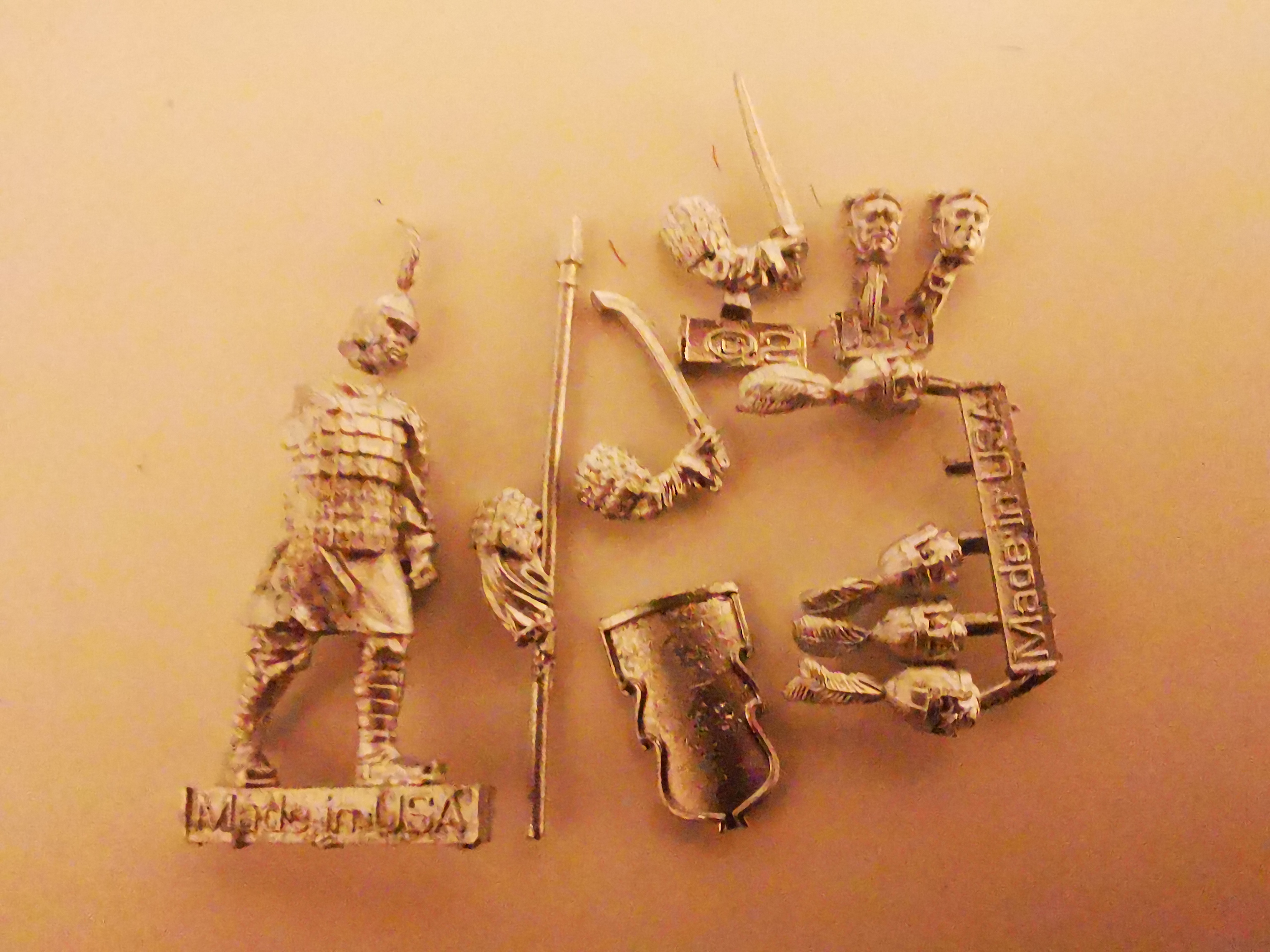
Recently I was sent a selection of miniatures by Watchful I Studios from their Qin Army range. These will be more commonly recognized as Terracotta Warriors, which were an outstanding archaeological find in Xian, China several years ago.
The Qin were known for unifying China and creating the first dynasty. The first emperor Qin Shi Huang is known for creating not only the first dynasty, but also starting the creation of the Great Wall and being buried with the famous Terracotta Warriors.
Qin Shi started the construction of the wall, though it was continued for several hundred years by successive Emperors. As a ruler he was considered a tyrant despite his many achievements, in his second year, he became aware of scholars discussing his arrogance, in temper he had 460 of them buried alive.
Both myself and Alex were fortunate to visit Xian on a trip to China a few years back, where we managed to visit the provincial museum and the Terracotta Warriors. It was a great experience, and I’d highly recommend visiting if you get the chance.
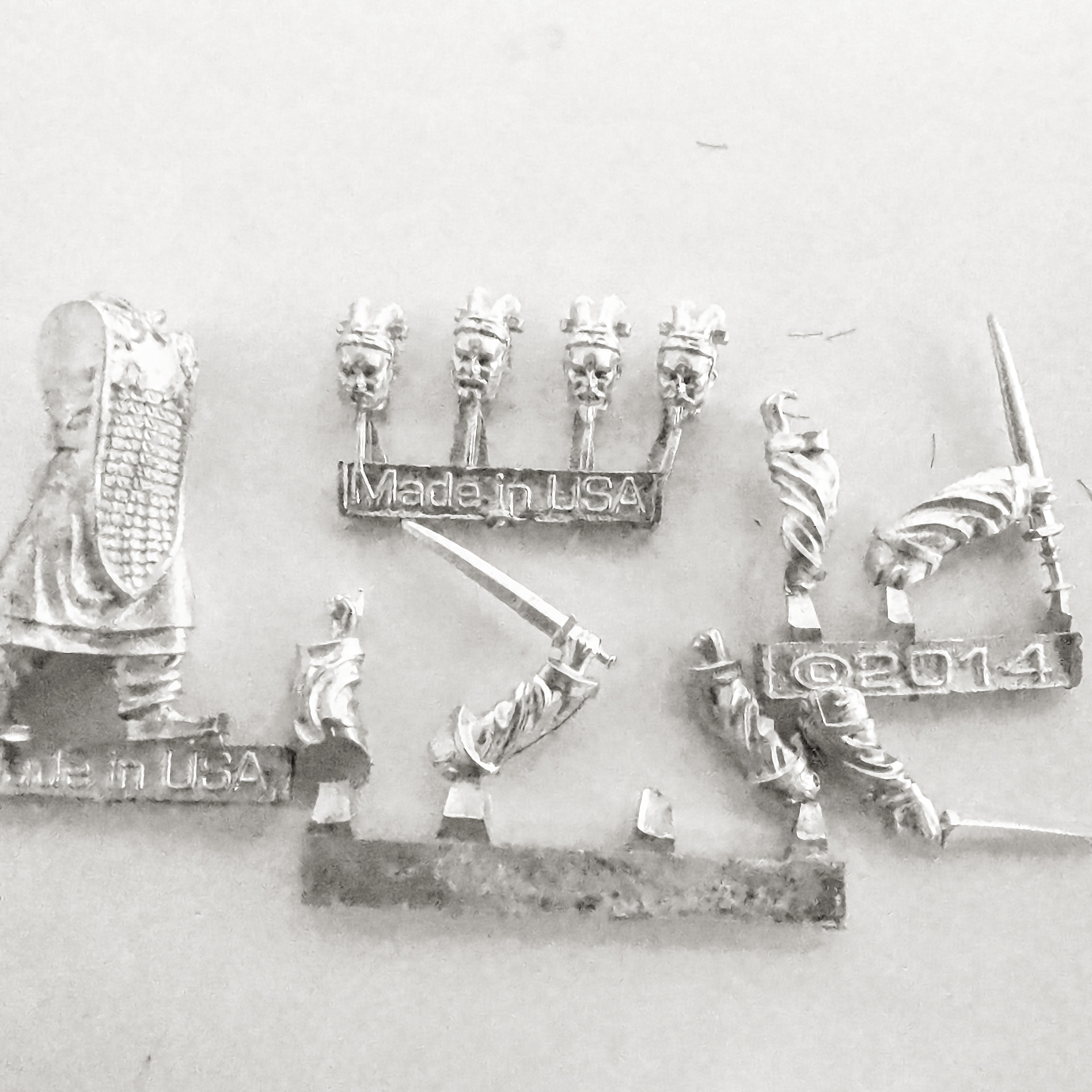
The first miniature we’ll take a look at is the officer. All the bodies are pretty much similar apart from the cavalry. With this model you get a selection of heads to choose from along with optional arms. There is very little in the way of mould lines and flash, which means they’re very quick and easy to clean up and prep for undercoating. I plan to make use of the extra heads and arms to make additional officers.
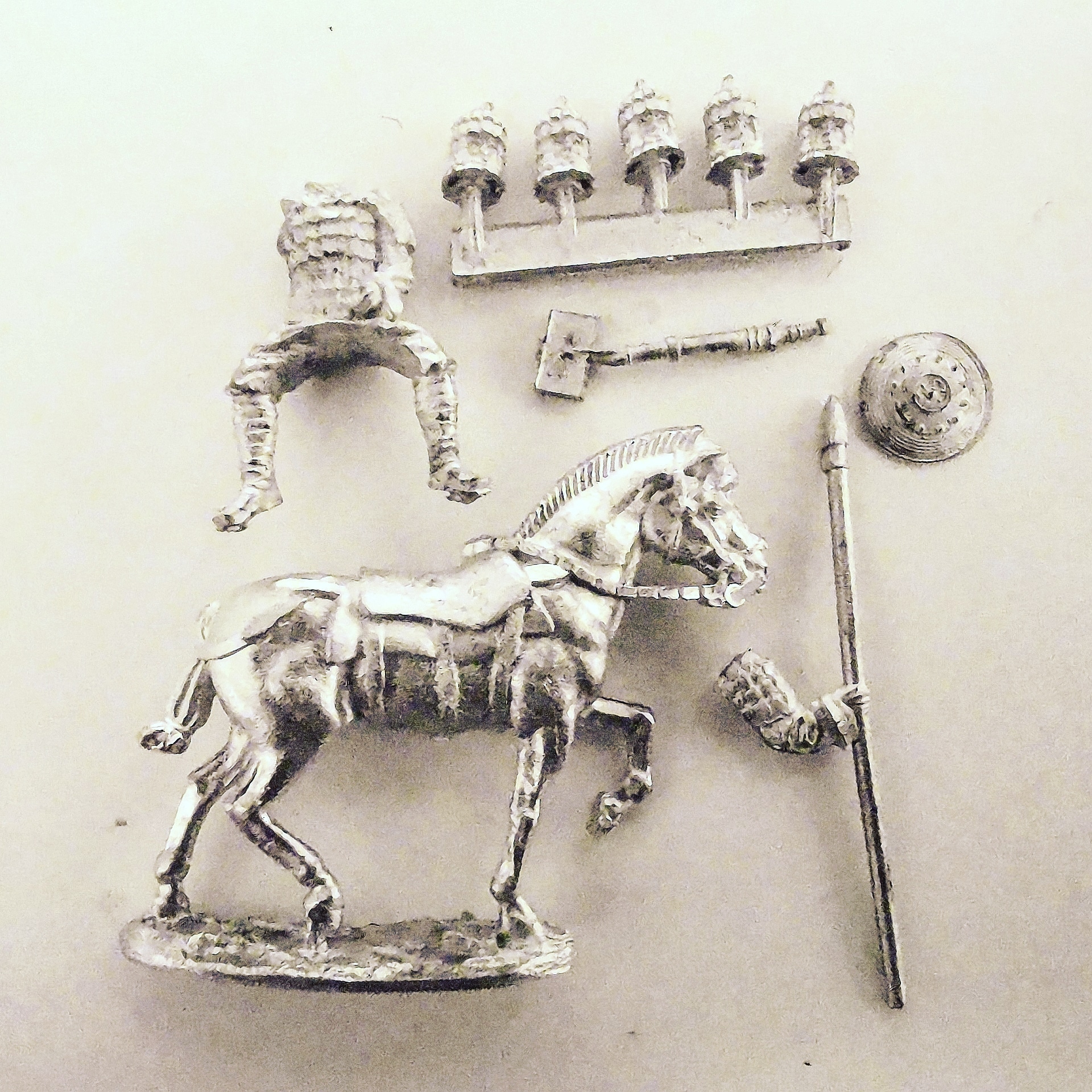
The cavalry is quite nice in the heavy armour, armed with spear, sword and shield. The horse is really nicely sculpted, whist it’s a nice looking mini I prefer my cavalry to have a more dynamic pose like they’re charging.
That said they’re a very nice miniature, and I’m looking forward to painting them.
Next up are the archers, these are lightly armoured as you’d expect with missile troops. There is a sword arm option for one of your soldiers to act as a unit commander. Again, there is virtually zero cast lines and flash on these miniatures, along with the bow arms there is also banner pole.
The foot infantry are slightly more armoured than the archers, with helmeted heads. Most of the troops are armed with spear and shield, though again there is a sword arm option for commander. These aren’t highly dynamic looking troops, but they do look nice all ranked up, which is what they’re suited for.
These are really nice miniatures, which have been well sculpted and cast. They’re very easy to clean and prep ready for painting, which I plan to do over the festive holidays. These would make a great army for a pulp game, very similar to the Undead army in The Mummy; The Tomb of the Dragon Emperor.
If you’re looking for an alternative historical army than the usual European centric armies that most companies produce. They would also make a great fantasy-based army, especially if you add some Asian mythical creatures to the army. Overall, I really liked this range and I plan to add to them at a later place, once I painted these few models first. My intention is to use them in Test of Honor and at some stage in an Asian setting for SPQR.
 Officers
 Cavalry
 Archer
Introduction
Chinese/Asian Country Town
On a recent trip to China I visited a permanent movie set in Shenyang. It’s an early 20th Century period town, which is still used for filming. Whilst I was wandering around there was a small film crew filming in one of the buildings.
The set inspired me to build a small provincial town, set in the period 1900-1945. The plan is to build a complete table using the new interlocking Sarissa tiles, along with some building from various companies, some of which would have to be converted to look more Chinese in design.
So, whilst at the movie set, I managed to take as many pictures as possible to use as reference when I returned. I also managed to visit Chengdu which has a the Wide and Narrow street, which has buildings from the Qing dynasty period, though these days they’re used a tourist shops, bars and restaurants, and I’m hoping to use some design inspiration from this period within some of the buildings.
The first step is to design some layouts and get an idea of what I plan to do, at the same time I’ve started to collect materials I’ll be incorporating into the build. For instance, I’ve been grabbing wooden stirring sticks from several well-known coffee shops, as these make great fencing planks, that have a more rustic look and feel to them. I’m planning to have two types of roads within the build, one will be cobblestone for the main town area and rustic dirt tracks outside of the town.
The reason being that the majority of the roads outside of the city would have been dirt tracks, especially in the rural areas.
SPQR/Mortal Gods Hellenistic Project
For several years I’ve been toying with the idea of gaming an Ancient Greek City States campaign, at one time I was planning to do this in 1/72 scale using Warhammer Historical, then Mortal Gods appeared, and I considered that in 28mm. I finally bought SPQR because it allowed me to play several armies of that period at a skirmish level which appealed more to me than any other option I had contemplated. So, I grabbed a copy of the rule book from Warlord and made the decision to build a Greek war band from the Hellenistic period, as well as a Republic Roman army.
So, the plan for the project is to build two small armies, one Roman and the other Greek, using a mixture of Warlord, Victricx and Footsore miniatures. I also plan to build terrain for this campaign, and I’ll be making use of the Sarissia tiles again. I should be able to double up some of the tiles for both projects, such as river sections.
My plan is to make a small Roman urban section and a rural Greek section/table. Though I’m aiming to be able to mix and match some of them. I already have some terrain such as a Roman Villa, the Temple under construction from Gangs of Rome starter, some Greek columns and a Roman statue. This will also mean I can play Gangs of Rome with this terrain project as well.
So originally, I planned for this project to be used for SPQR, but it’s now going to be used for Mortal Gods as well, as I received a copy of the core set for Christmas from my wife. Update Post Xmas, I also received SPQR starter set for Christmas, so this project will now be for both Mortal Gods and SPQR.
My first port of call for this project is to research locations, building and architecture from this period. I’m hoping that a lot of the building will be able to cross over, so they can be used either for a Roman scenario and alternatively in a Greek setting.
The first board for this project will be a ruins location. I managed to pick up a columns ruin whilst on holiday in Rome that is perfect size for 28mm.I also have two Greek busts which are the same, so I plan to cut one up to use as a head of a fallen statue. The busts cost me £1.80 each on eBay which was a bargain. This will be my starting point over Christmas for this project, it should act as a focal point for the rest of the board.
SPQR starter set
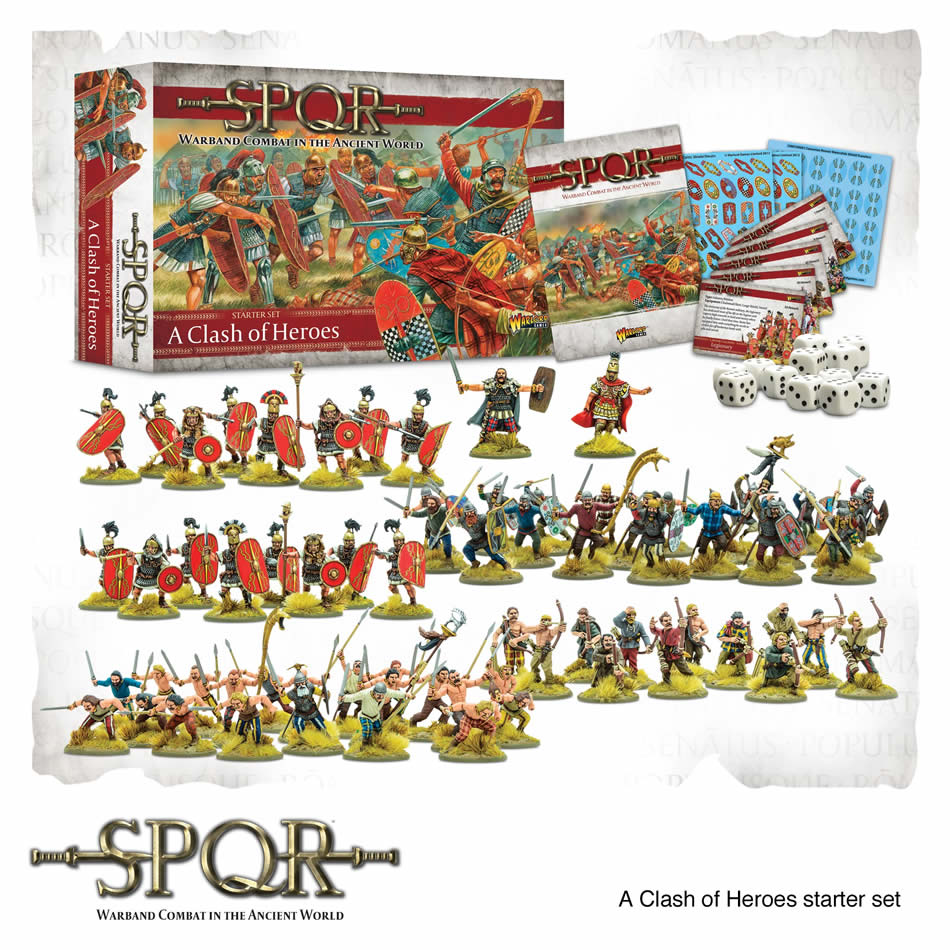
I was quite impressed with this boxset; the price point makes it excellent value. It contains 70 highly detailed plastic miniatures from Warlord, a 196-page rule book, along with waterslides, dice Hero and unit cards. The two war bands, 17 Republic Romans which includes a hero model, whilst the second war band are Gaul’s, consisting of 40 warriors with command, 12 archers and a chieftain.
This really is great value for the price, and an excellent starting point for this new game by Warlord.
Mortal Gods
This is another skirmish game, though this time it’s set in ancient Greece, though the miniatures in both sets could be used in either game. This starter set is slightly more price wise than SPQR, though my other half picked up a copy during Black Friday week at a similar price point to SPQR.
The box set contains 38 plastic miniatures by Victrix, which includes 16 Hoplites, 8 unarmoured hoplites, 8 peltasts and 6 slingers. These could be used as one large warband or two smaller ones.
Also included in the starter set is the rule book, 2 reference sheets, dice, measuring sticks and 163 cards, which includes roster and phalanx cards, along with cards for gifts, injuries and omens.
Both sets are a great intro point to ancient wargaming, both at a reasonable starting point as well. I have always been a big fan of ancient wargaming, but never really wanted to build an Ancient Greek or Roman army large enough to play this genre of wargaming.
Years ago, I did make a start on building an Imperial Roman Army, and planned to use the Warhammer Historical Ancient Battles rule system, a rule set I still believe it’s one of the best mass battle rules for
historical.
Both these sets will allow me to play this period without having to build large armies to do so.