

























![How To Paint Moonstone’s Nanny | Goblin King Games [7 Days Early Access]](https://images.beastsofwar.com/2024/12/3CU-Gobin-King-Games-Moonstone-Shades-Nanny-coverimage-225-127.jpg)




Blood Culture: The World Of Darkness Community
April 15, 2019 by brennon


Let’s be honest, this last year a lot of ink has been put to paper discussing the controversies of the new Vampire: The Masquerade 5th Edition. On one hand, the new edition has been labelled as being too lefty, catering for snowflakes, and being devoid of the edgy nature White Wolf games were known for in the 90s.

On the other hand, the new edition of Vampire (and the proceeding alpha and beta tests) have been riddled with issues; a playable character that has paedophile undertones, an example dice roll of “1,4,8,8” which was seen as a dog whistle to Nazis, or appearing to be catering to Nazis by suggesting that it is possible a Brujah character could be created who harbours these sentiments. Recently the new Anarch and Camarilla books are also causing an uproar. But we will get to those in time.
Courting Controversy
Role-playing games have a long history of controversies associated with them. In the 70s and 80s, there was the “Satanic Panic”, and the idea that playing D&D was a gateway to Satanic worship and cult activity. Jack Chick created the infamous and equally hilarious – though serious – Dark Dungeons comic to act as a warning that being sorcerers in an RPG was a gateway to performing human sacrifice.

More recently we have had misogynistic games like F.A.T.A.L, or games with rules for rape (Cthulhutech was particularly egregious for this), or games that promoted playing characters who actively victimise people (Beast: the Primordial is guilty of this and is the first Chronicles of Darkness game Darker Days Radio has said “Do not buy”).
Even Pathfinder has made mistakes with the Folca demon which requires children to be harmed in order for it to give you its favour. There are plenty more examples from many games, even wargames and boardgames (like Kingdom Death) that have caused outrage. But for this article, we are going to use White Wolf and their games and history to help frame a larger issue – that there are sentiments within the gaming community that are at odds to the social goals of White Wolf.
Vampire: The Beginning
When Vampire: the Masquerade was first released it was groundbreaking. Other games had come before with similar concepts, but Vampire really grabbed the audience. You got to play the monster. You could play vampires like those in media such as Anne Rice’s Vampire Chronicles, Near Dark, or The Hunger. The games were heavily focused on the nightly intrigues of the vampires, and the ancient threats that were once more waking up. The game was post-modernistic, as the intended play style was younger vampires only recently embraced, who had little power because power was jealously guarded by those older vampires. It reflected the Generation X rebellion against established norms, and against the overbearing authority of society and governments.

Remember, this game came out when the Berlin Wall had only just fallen. Sadam Hussain was still alive and in power, and war raged in Iraq. The most popular RPGs that came before were about great quests, fighting evil wizards, dragons, and obvious evils akin to those in the books of Tolkien. But in Vampire, and much like our daily lives, things are not black and white, as morality is a grey spectrum. Good people do bad things with good intentions in mind. Bad people can do good things some times. And of course in this setting you are playing creatures, that once were human, that now thirst for blood, and can, of course, be driven to murder.
Understanding Horror
This is meant to be a horror game. Let’s for a minute consider what horror means. According to Devendra Varma in The Gothic Flame (1966)...
“The difference between Terror and Horror is the difference between awful apprehension and sickening realization: between the smell of death and stumbling against a corpse.”
Thus, horror is the revulsion that follows an event. It comes after a disturbing realization or grotesque event.
Games of Vampire and all World of Darkness and Chronicles of Darkness games have aspects of horror. This could be the horror as you come to, having drained a friend of blood. The horror of shifting back to the human form and having just beaten a simple thug to death while you were in your form as a werewolf. The horror that comes as you realise all your meddling with reality has caused even greater harm, harm which your hubris obscured from you. The horror that simple events, murders and grotesque discoveries are all part of the plan of some great elder vampire, or worse, some demonic cult, an eldritch entity, or perhaps, just perhaps, due to just a mundane human who, unlike you who has powers and drives that push you to horrible acts, has murdered and killed for nothing but their ego.
The World of Darkness is of course not only a game about playing monsters. You are monsters in our world. You have a society that exists in the shadow of human normality. Those thugs at night who deal drugs? They are vampires. The disappearances of people are due to some spirit entity that has possessed a human, driving them to indulge in decadent pleasures. The reason that house is empty and is never sold is because it is truly haunted.
The World of Darkness then is a dark parallel to our own. In the past, it was described as “Gothic-Punk”. The Punk in the title means extremes. Everything in the world is nastier than our own. More vivid. More visceral. The rich are richer. The poor poorer. People love more and hate even more. Divisions are more distinct. Violence is more frequent. Crime is up. The world is being bled dry of resources and on the verge of the apocalypse. The Gothic then means that the stories we tell are often framed with respect to mysteries, dark cults, and themes of death and decay.
As a setting, it makes the game easy to understand, easy to relate to, and a canvas for morality plays and cathartic experiences. There is a certain verisimilitude to the games. You can imagine that you are in that world, and that it exists just out of the corner of our vision.
Of course, in the process of representing a world like our own, but darker, White Wolf has attempted to explore all parts of society, and represent them in the games. This has been successful to varying degrees.
The World Of Darkness Lens
If we consider World of Darkness games in particular, many vampire clans, werewolf tribes, mage traditions, etc, have been rooted in some real world societies, religions and ethnic groups. The danger with this has been that at times the material has either been poorly researched, presented as a caricature, or written in such a way that a society or faith has been treated as some exotic, but still alien, group.
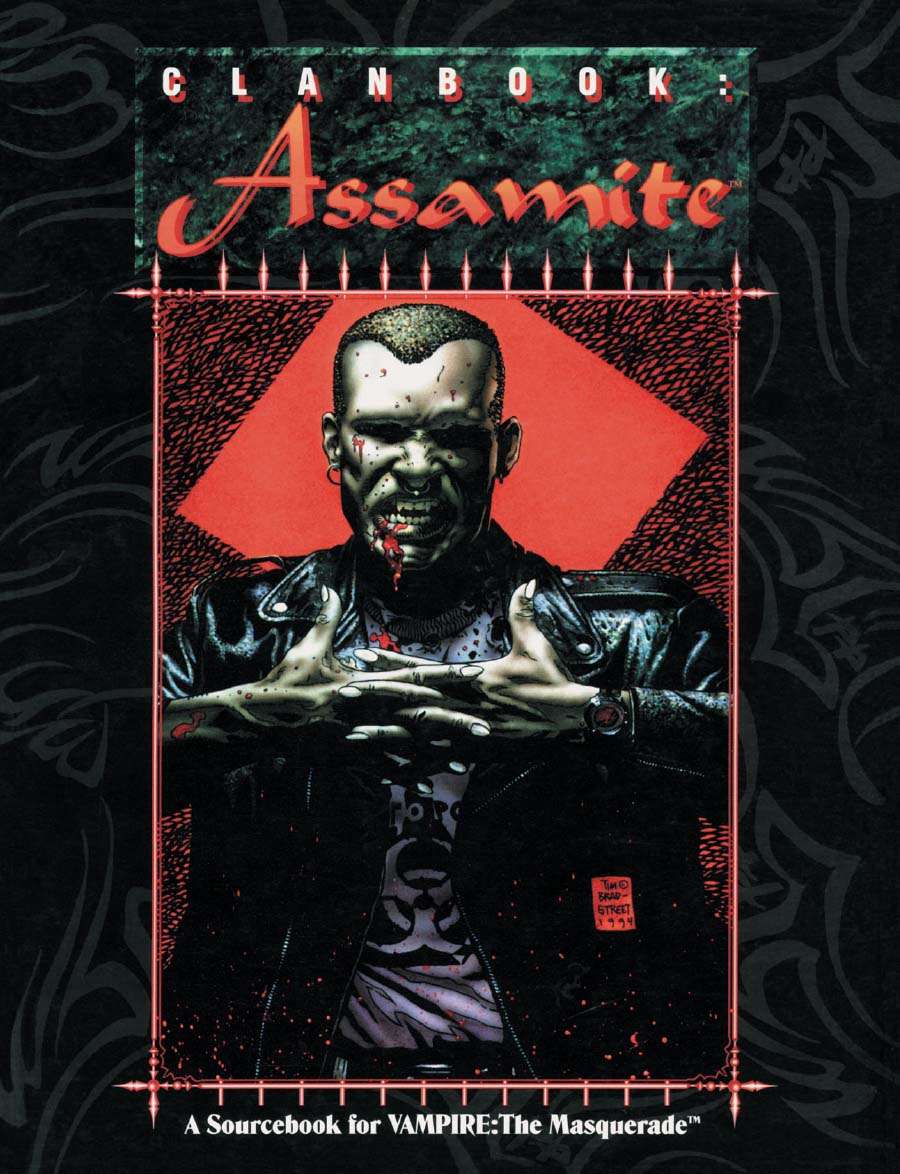
Some of the worst offenders in the back catalogue of White Wolf have been the books on Gypsies (yes the title of the book was Gypsies, which is a slur, before we get to how they are presented as all been magical and otherworldly), the Vampire Clan Assamite (a clan of Muslim assassin vampires, and for a long while that was the extent of their representation), the Werewolf Tribes in general (all are rooted in some ethnic group that leads to egregious examples of othering and exoticism such as the tribes Wendigo, Fianna, and the Get of Fenris), or in Mage the Ascension and Kindred of the East many terrible examples of presenting mystics and vampires of the Far East as almost anime like characters.
White Wolf is also renowned for the cover of the Clan Tzimisce book – the legendary “Vagina face book” - which lead to some shops dropping their stock. There was also the ill-advised card game, Pimp: The Backhanding, which trivialised the violence to women who worked in the sex trade. The Berlin by Night book for Vampire also presented a number of neo-Nazi Storyteller characters.
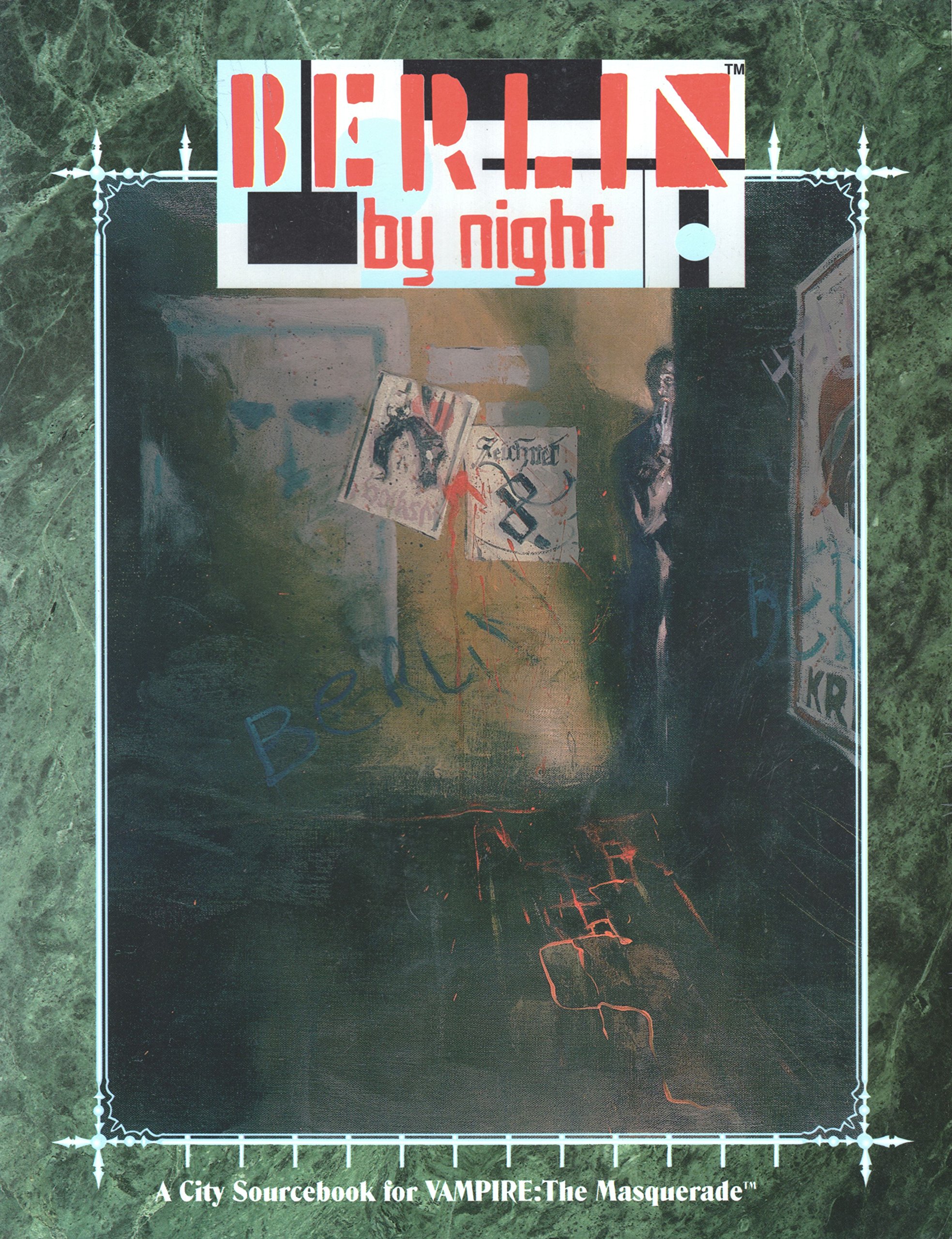
However, White Wolf at the same time can be commended for actually representing in games people from all ethnicities, countries and societies. Equally important they presented characters of all genders, sexualities and beliefs. And it is because of this, when Vampire first game out, there was an influx of people to RPGs, people who broke the stereotype of what a gamer once was considered to be. This inclusivity blossomed, and led to people not only playing at the tabletop World of Darkness games, but also live action ones. Many players would say that it was through these games that they were able to explore, and find, more about their own self, and be free to express opinions where once they felt ostracised by the then considered norms.
Back in those early days, having gay, trans, bisexual, and people of all countries, creeds and skin colour represented was considered ground breaking. For some this was shocking. The language used in the books was shocking. The violence and gore, themes and stories were also hair raising. Presenting storylines that reflect modern issues of crime, drugs, sex, and hate, was progressive. It pushed boundaries. It was considered revolutionary. And it also pushed the buttons of people who felt such things should not be in games.
There were also some dark times.
White Wolf's 'Satanic Panic'
Just as D&D had the Satanic Panic, White Wolf was caught up in tragedy when a mentally ill person murdered people, and claimed that he was a vampire. Rob Ferrell claimed he was part of a “vampire clan” and was a 500-year-old vampire. Just as Grand Theft Auto does not make people car thieves, playing vampire does not make people murderers.
White Wolf games in the process of representing our world with a sense of a hidden society, and a hidden history, has also written copious amounts of text that tells an alternative history. Alan Turing was a mage. Dracula was real. Caine and Able were real and Caine was the first vampire. The World of Darkness merged myth, folklore, and history.
However, certain topics or events were recognised as requiring the right level of respect and decency when being addressed, given that survivors of these events still live, and presenting such real world events as being the fault of some “EVIL ™” monster, trivialises the fact that many thousands of people died due to the reprehensible actions of other people.
Vampires kill, werewolves kill, mages do horrible things, but these are often the fault of their own alien state. A vampire kills, but more often than not they try not to. Werewolves have a rage so large, that it is a challenge to hold back. Mages simply see the world not as we see it and their hubris can bring unwanted consequences. Thus, a vampire is evil, because a curse that they barely keep in check is pushing them to perform such actions. But genocidal tyrants like Hitler, Mao, and Sadam Hussain, were not supernatural monsters driven to cause such carnage. No. Their ego, their need for power, their very human nature, is what makes them evil.
It is quaint, and childish, to paint them in the World of Darkness as supernatural creatures. In fact, it is a far more powerful statement that they were just humans, and evil is not rooted in some curse or supernatural power. It is also more damning that supernatural creatures who have powers to stop such things are too wrapped up in their own affairs to care. Having Mankind be the ultimate cause of the greatest cause of grief and atrocities keeps the game grounded in reality. There is no out for people like Hitler, no way to dehumanise him or people of his ilk. That is far too easy and simple.
Given the above, this is why the events of 9/11 were never attributed to a supernatural entity within the pages of the World of Darkness nor Chronicles of Darkness books. And likewise, one of the most compelling and horrifying books by White Wolf, Charnel Houses of Europe: The Shoah, addresses the Holocaust, but not from the angle of who caused it, but through the lens of the Jewish Wraiths who died during it. The book is an educational and cathartic piece, allowing readers and players to deal with the consequences of genocide.
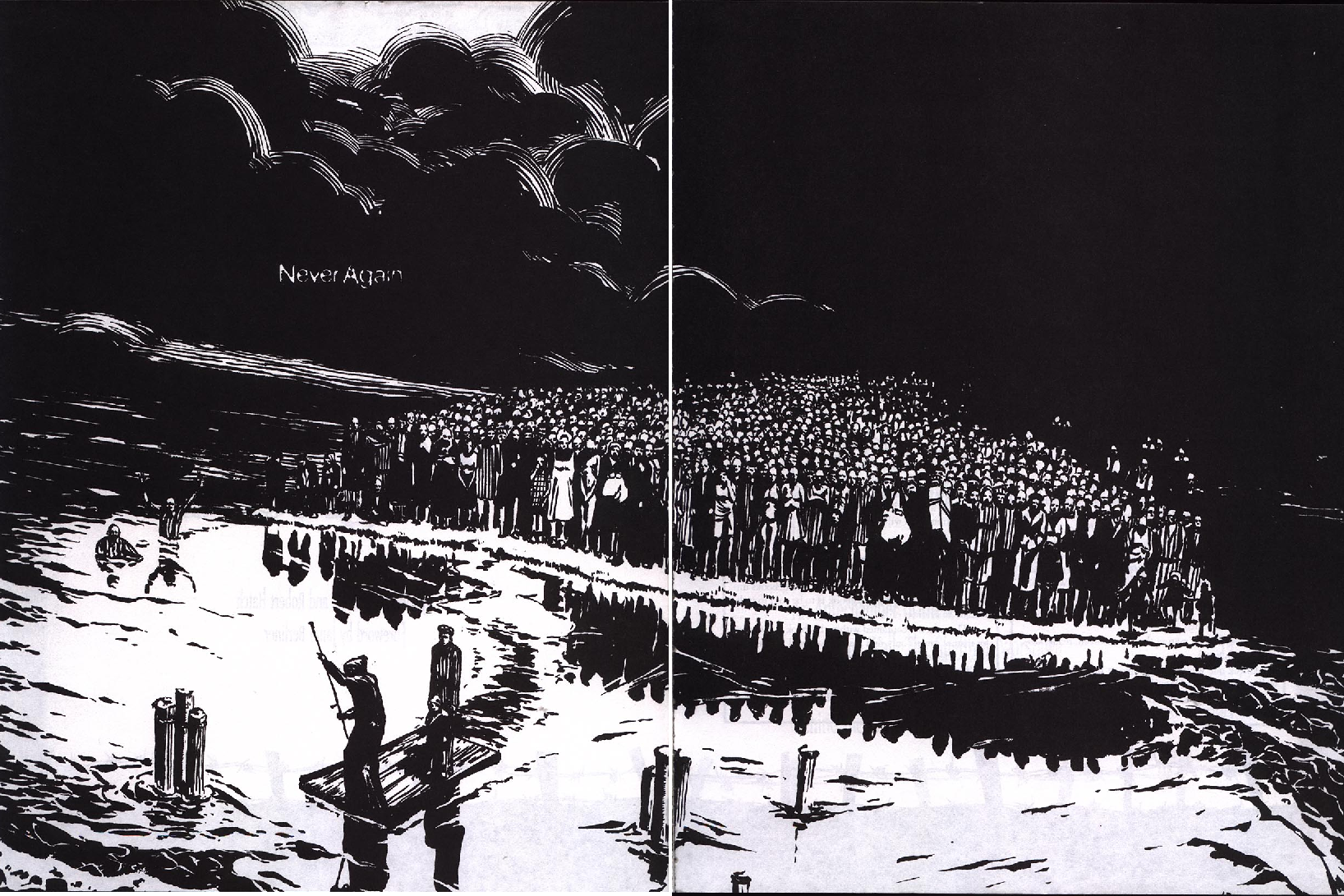
Alternative histories for events that are much older are perhaps easier to write, because we have the distance of time which allows for history, myth, and legend to merge. The fact that so much time has passed that experts have a greater consensus of what actually happened. With more recent events, the issue of truth may not be with respect to what events have happened, but why such events happened. Truth after all is a three-edged sword. Rather than present such events as being caused by supernatural monsters, it is more interesting to explore how such creatures exploit the hardship, and take advantage of wars.
All of this brings us to the present.
Consent & Respect
Should we allow Storyteller characters in games who are Nazis, paedophiles, people traffickers, and other heinous individuals? The answer to that is yes, but with the consent of the players. So long as such characters are presented in a manner with the correct nuance, the right level of seriousness, then such characters are a chance for players to perhaps find an understanding of the vileness of parts of our real world.
Should players play such characters? Again, the answer is yes, with the consent of the players and Storyteller. But again, there must be a level of seriousness taken. You as players are not your characters. And perhaps this is all so you can explore horror, but not for cheap thrills and trauma tourism. There is nothing wrong with playing such a vile character so long as you respect that such a character should ultimately pay a price for those actions.
In both of the above cases, we mention consent. Such challenging and mature topics, themes and characters, should only be explored if all players consent. No plot, no player character, should be detrimental to the fun, and tastes, and inclusion of others at the table. All players are wanting a horror game, but gratuitous narrations of murder, or other hideous crimes, is not horror. It is just trauma tourism, crass, tasteless, and some such descriptions may trigger memories for people who have been victims of such crimes (I use trigger here in the true form. If something is in poor taste and you dislike it, you are not triggered).
As for using modern, recent events in our games, once more a level or respect and seriousness must be followed. For example, my own home game of Vampire the Masquerade 5th Edition is set in Manchester, UK. The history of Manchester is rife with revolutions and riots. In particular, there are events in the last hundred or so years, such as the Peterloo Massacre, the bombing during World War II, the 1996 bombing by the IRA, and more recently (a night I was in fact in Manchester) the MEN bombing. At my own table, and with my own group is up to us how we address these events. Within any work I publish about Manchester I will not be addressing WWII, the IRA bombing or the MEN bombing in a way that suggests that supernatural creatures caused them. Real people died, due to the actions of other murderous people or people who were fighting a war.
Recent Controversy
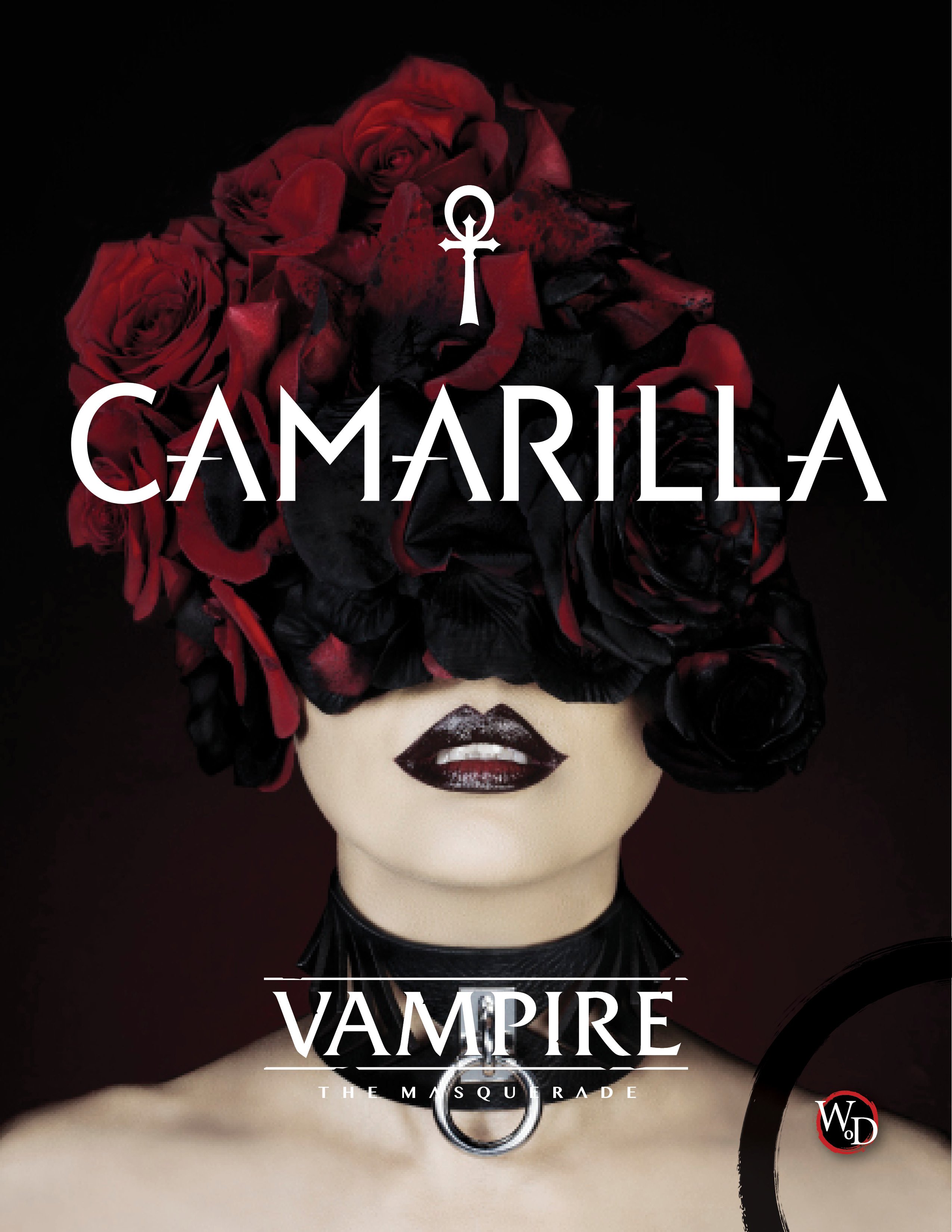
So now let us address the most recent controversy White Wolf is at the centre of. In the recent book that concerns the Camarilla (a sect of vampires), there is a section that describes the events in Chechnya. Much of this book is written as in setting artefacts, often in the manner of an account by some character.
So, the section regarding Chechnya is written as a first-hand account of both the real and supernatural events there. To cut a long story short Chechnya is presented as being a failed state, openly ruled by vampires. The genocide of homosexuals, and those who claimed to be homosexual, a very real atrocity that is taking place right now in Chechnya, is presented as being done to act as a smokescreen to the actual truth that vampires rule these lands openly and people are being bled in a regimented way to feed them.
Let’s repeat that, but this time take the actual text from the book...
“The recurring international controversy over the persecution of homosexuals is a clever media manipulation designed to keep the focus on Sharia law, away from the true inner workings of
the republic. While homosexuals are indeed held in detention facilities for days, and humiliated, starved, tortured, and eventually fed upon and killed, this is not the point. The point is to distract from the truth of what Chechnya has become. That said, even among the Kindred any kind of “homosexual behaviour” is punished harshly.There is unfortunately nothing we can do for our brothers and sisters in Chechnya who suffer under this — interference is ill-advised at this point, but should any Kindred (or even kine) seek asylum within regnums under our control, granting it may win allies to our side who are not just well-trained in combat and thankful to us, but also knowledgeable in the ways of a people who might already be preparing to attack us.”
This chapter also presents the real world ruler of the Chechen Republic, Ramzan Kadyrov, as being a thin-blooded vampire.
Let that sink in for a moment. A man controlling a pogrom that is persecuting and executing homosexuals, a horrific and disgusting act, is being rationalised as being evil because he is a vampire.
While I respect that the object of the chapter was to present a regime that the world should be more aware of, and to present a regime that acts as a good antagonist, the “Man”, to fight against, I am left with a sense that actual victims right now in cells, in fresh graves, or as refugees in other countries, are being presented as the collateral damage of a PR program to cover up that “vampires rule Chechnya and are EVIL ™” and that only “EVIL ™ vampires would do this”. All of this is written so we can play a game where we can be hero vampires.
Belittling ongoing real world tragedy for the sake that you can play make believe vampires who “stick it to the Man”, seems rather childish. And I am saddened by this even more as I write this essay on Armistice Day 2018.
All of this leads me to the final horrific revelation. The disconnect between White Wolf’s aim to create horror games that allow us to address challenging and mature themes, but also being respectful and inclusive.
Following the negative reaction to the Chechnya chapter, White Wolf responded with an apology. They admitted their mistake, and that they had broken a promise to do better.
In response, a portion of the community has pushed back. There are cries that the critics are “snowflakes.” There are rants that White Wolf should not listen to these “Lefties”. There are diatribes about how “It’s the World of Darkness, so why not have vampires be the evil behind it all?”. People are claiming that Social Justice Warriors are seeking to censor White Wolf. Or that softy Millennials can’t tell fact from fiction.
This reaction saddens me.
White Wolf games, and the World of Darkness, equally are horror games and games for mature minds, which should come with expectations about the content. Horror, gore, foul language, sex and more. But there is a difference between being shocking to make a very strong point, and being shocking for crass cheap thrills. The ongoing genocide of people is not a topic that I feel that can be written about in such a way that it comes off lazy, flippant, and trivialising why vile people do vile things, while normalising the actions of tyrants.
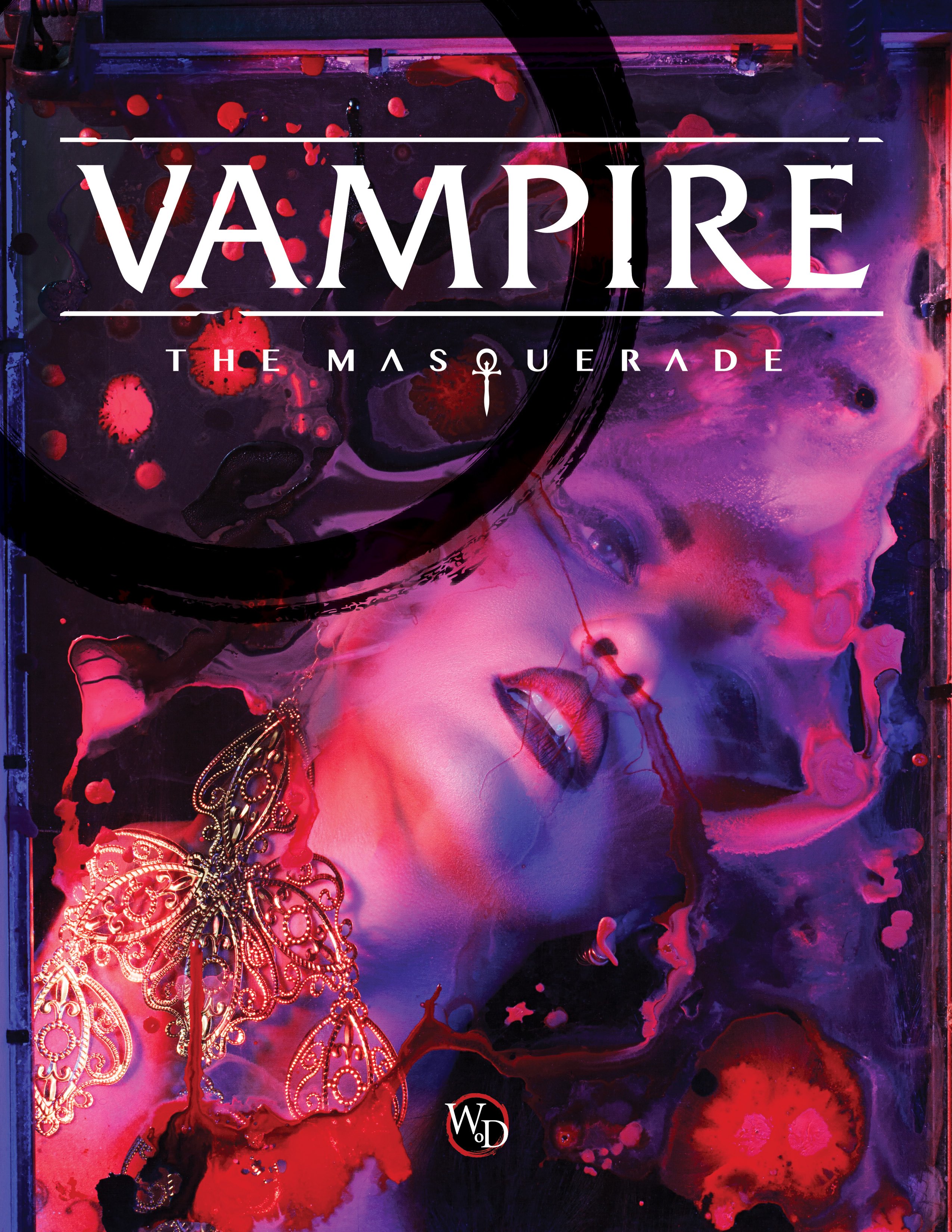
For as long as White Wolf has been producing these games (and while Onyx Path also steered the ship on behalf of White Wolf) the games have always tried to be progressive and inclusive, and to present important moral issues. I then find it confusing that a section of the community, fans who proclaim to have played and read these books for years, seem so callous and unsympathetic, and miss the point about why writing about Chechnya in the stated manner does not help the very real plight of Chechens, nor improve or enhance the horror of the World of Darkness.
After nearly thirty years of publishing gaming material, the message of inclusion and egalitarianism has clearly fallen on deaf ears. (As an update since I wrote the first draft of this, we see again the howls of people who are complaining that the newly announced VtM Bloodlines II computer game is too lefty).
But don’t be dismayed. White Wolf, despite appearances and mistakes, is made up of people that want to write better, to be more inclusive, to be more respectful, though still create chilling horror games. They have already made it loud and clear that fans who harbour bigoted opinions, Nazi sympathies, and sexist and racist ideas, are not wanted in the community.
White Wolf LARP events are also places where a lot of hard work is done to ensure all players are comfortable and treated with respect. I can only hope that the new iteration of White Wolf continues to improve and we don’t see such mistakes again, as promised, and the loud voices from what I hope is a minority of people lacking sympathy become less prominent.
Make sure to follow Darker Days Radio for Podcasts and more.
"Having Mankind be the ultimate cause of the greatest cause of grief and atrocities keeps the game grounded in reality..."
Supported by (Turn Off)

Supported by (Turn Off)
"No plot, no player character, should be detrimental to the fun, and tastes, and inclusion of others at the table..."
Supported by (Turn Off)








Well…a very deep and intriguing article. I am having to hold back a lot in my response to many of the points you have raised and so i will keep it short and to particular aspects that affect me in particular. As a general over view i will simply state, “White Wolf did not do and has not done anything wrong.” As an advocate of National Socialism i take it as a personal offence to be referred to as “Heinous” as though it is a matter of fact that National Socialism is heinous and not just someones opinion. Am i… Read more »
You will note I do also point out Mao in the same line as Saddam and other fascist and totalitarian dictators. So I am not sure what your point is? Fascist communism is equally abhorrent. And in this article I am not giving Stalin, Lenin or Mao a free pass either.
Also play what aboutism with “Who committed the largest act of genocide” is just awful.
My point is that if a legitimate form of governmental organisation and those who advocate it can automatically be labelled as heinous because of the actions of a few of those who did bad things whilst assosciated with it, then why single out National Socialism?
By that Logic you can also label Democracy and the people who advocate it as heinous as well.
Man, since when the fuck did we have to debate if Nazi’s were bad? The present is garbage
I do wonder what the positive features of National Socialism are? /s
If you are serious about wanting to know the answer to that question then i invite you to watch this documentary here : – https://thegreateststorynevertold.tv/ It is compact and concise. I always invite people to look at anything, especially history, from as many sides as possible. If people want to hate me just because i am a National Socialist without even trying to objectively understand “WHY” i am, then fine, i’m used to that and i even understand it as once in my youth i too “Hated Nazis!” just because i was raised to without really questioning the narrative as… Read more »
Then let’s dispense with labels and ‘rewritten’ history and ask about your personal philosophy… • Do you believe genocide is ever warranted? • Do you believe race mixing is inherently destructive? • Do you believe the mentally ill, physically handicapped, and LGBT should be executed? • Do you believe race is more important than the values we hold? • Do you believe race and values are somehow linked? • Do you believe there is such a thing as degenerate art? • Do you believe people should be imprisoned or executed for saying the ‘wrong’ thing or holding the ‘wrong’ opinion?… Read more »
I will refrain from any further comment on this this thread and if anybody wishes to engage me further in civil debate on this or any other topic, i invite them to p.m. me.
Did you just call Nazis… Socialists?
The word Nazi comes from the amalgamation of the term National-Socialist and yes it is a form of socialism centred around nationhood.
*eh* that is exactly what they are … Nationalsocialismus (National Socialism)
https://en.wikipedia.org/wiki/Nazism
Since it was established that objective debate is the source of truth and understanding.
Woooooooow.
Nazi gothic-punks need to fuck off. BoW is not a space for them to encourage murder.
Who is encouraging murder? I certainly am not and i don’t know any National Socialist who is. I am encouraging open and objective debate and BoW has always felt like a safe place where i can be me because it’s all about the games. My main argument in my response to the article was that i do not want to have to face the struggles i face on a day to day basis in my life in my hobby life as well. Keep politics out of the hobby and lets all have fun, do you not agree? P.S. I’m not… Read more »
Let’s just keep it civil guys, and calm. Above commenters are correct, this is not a place for politics. It can slip in (we deal with grown up games folks, so politics always has the potential to slip in) When it does though let’s keep it civil between one another and respect that there is a human being on the other end of the screen, who while they may share wildly different opinions from you, they still live, breath, eat, shit, love, fear and hurt. So where possible lets try to stay out of the realms of politics (yep it… Read more »
I completely agree and apologise if anything i have said has had an inflammatory effect on peoples feelings. I will refrain from any further comment on this this thread and if anybody wishes to engage me further in civil debate on this or any other topic, i invite them to p.m. me. As i said in my original post, i will sit down and play tabletop with anyone regardless of their positions and have a good friendly time doing so. I love BoW and would never want to cause upset on the platform you and the staff at OTT work… Read more »
Sorry, but due to the content of WoD and CofD games, they are always inherently political. They are a canvas to play out political stories, but using metaphors.
While I am happy to leave politics to one side, I will not give time nor space to people who advocate for fascist ideologies (no matter if it that is left wing or right wing fascism), and politics that have violence to others as a central tenet.
I guess next up is debating if the Shoah happened?
That’s a shame, i am sorry you feel that way.
good read. thank you.
An interesting article, looking back at some of the original stuff from the lens of today it’s pretty bad. Possibly the redeeming feature is that a number of the authors have come out and admitted that they got it wrong. Can I just asked why is the term gypsy a slur? Not referring to the book, I remember the book it was pretty bad. In the 2011 Census the Gypsy and Traveller were included as separate racial groups alongside White British, White Irish etc. During the census and since I’ve had dealings with both gypsies and Travellers and referring to… Read more »
Gypsy as a term is based on the misconception that the Roma people were Egyptian.
“Some Roma people use the word themselves, but general usage is often scrutinized, in part because the word can have negative connotations, and in part because it has a problematic etymology. (It is derived from “Egyptian,” while the Roma people trace their heritage to India.) It is often used to suggest activity that is illicit, like a “gypsy cab,” which is generally unlicensed.”
https://www.nytimes.com/2018/04/20/theater/actors-equity-association-gypsy-robe.html
a good book on the Roma people: https://www.amazon.co.uk/Gypsies-English-History-David-Cressy-ebook/dp/B07DPP799F/ref=sr_1_1?keywords=gypsies&qid=1555414890&s=gateway&sr=8-1 He has a whole chapter on the naming conventions in the middle ages. It had lots of differences it basically comes down to europeans trying to fit them into their historical/religious context eg: pharaoh’s scattered hosts after the exodus, condemned to wander since failing to assist jesus’ family on their flight to egypt, came from a country between egypt and etheopia. which can be seen by the names: Aegyptii, Zingari, Babilonii, Hittani i think it was medieval parlance in trying to work out where these people were from. But from linguistics we… Read more »
This is a nice summary, thanks. I strongly believe that horror games can explore dark material that your players are comfortable handling, which is what makes role-playing games such a strong tool to do so. RPGs are easily customized for your table, and tailored for your players experience making them one of the best ways to experience horror. Vampire: the Masquerade 5th edition’s corebook PDF has a really great section added to it about consent at the table and social tools that can be used to handle dark subject matter. If you’re looking to get into the new edition of… Read more »
Fascinating article with a great deep dive into WoD. Had me wanting to get back into this RPG world!
Really good article. A good run down of everything the World of Darkness, and RPGs as a whole, are capable of and what they can mean for people.
A very well written piece. The considerations of the writers for VtM, hell most of WoD, was based on the research and time put into the background for development of the games. Like Miquel Llobera previously I’ve thought about the article at length and try to respond with respect to the thoughtful and thorough composition. I’ve had to draft and redraft as there’s a lot to address. In general the WoD setting is for exploring Darkness®. There is consent put forth by players to look into the void and be subjected to the consensual-non-consent of uncomfortable circumstance. Each game line… Read more »
Awesome article. Well written and thoughtfull.
An excellent and well written article. I completely support your core contention; that horror written within a setting approximating our world, or a parallel world akin to our own, can and should be written in a manner that respects the way actual events impact on the lives of real people. There is a clear and sharp divide between depicting acts undertaken by fictional monstrous creatures exploiting real world events to function as cover for their agenda, and attributing the real evils of actual tyrants, terrorist and/or criminals to supernatural beings within the fiction – it is never acceptable to use… Read more »
Out of polite curiosity, how are you an authority on the matter? I would certainly agree, personally, that the tired trope of slinging “Nazi” or “snowflake” across the aisle does nothing but ultimately harm everyone, but declaring that it was “right” that White Wolf was called, and that they were “right” to earnestly apologize seems like you are appointing yourself a gate keeper too, without much justification. I could absolutely be wrong, but I’m not sure that the ‘community’ has much of a consensus on what the correct way of approaching or dealing with modern controversies. Certainly not enough of… Read more »
I am expressing an opinion, and in my opinion it was the right thing to do to call White Wolf out on this, and their response to being called out was correct. I do not need to be an ‘authority’ to hold an opinion on this issue, any more than you do, or the author of the article does. Indeed, who would be an ‘authority’ of sufficient magnitude to satisfy this (frankly rather arbitrary) criterion? An expert on Chechen history and sociology? A games developer with a history of working on this type of role playing game? A human rights… Read more »
Apologies. If it had been clear that your earlier post was just your opinion, I wouldn’t have questioned your authority. As you pointed out, there really is no obviously acceptable “authority” on this subject. That’s what I was getting at. The way your post was structured seemed more like you were making a definitive statement, so I was curious whether you had information that I didn’t have, to allow you to come to the ‘correct’ conclusion. It very well could have been reader error, so I apologize if my query came across aggressively. Thank you for taking the time to… Read more »
My pleasure. It was nice talking to you.
There is no social responsibility for a work of fiction. They exist only for entertainment.
Tastes differ and no artist should censor themselves based on anyone’s feelings. There was a time in history not long ago when people used to remember that the whole point of art was to elicit emotions, good and bad.
Interesting. I can’t help but feel the patronizing tone was a little unnecessary, though, especially given this site’s commitment to fighting against the idea that “your fun is wrong”. The article was relatively balanced, but nobody frankly needs your permission to use certain themes in their games. While I ultimately agree with your conclusion that anything is fair game, given group consent, I’m perturbed that you declare this fact by editorial fiat, rather than conceding that it is just the decision you have made about your own personal standards. You might think gratuitous depictions of murder might be “crass” or… Read more »
Indeed, no-one needs permission to use themes, ideas, history or events to their liking in their games at their table. But White Wolf has a obligation, when producing material, to treat events with due respect. E.g. The Shoah, Chechnya, 9/11. I have no issue if a group of players wants to stick it to the man and fight Nazi-cyber-demons in their droves. I take issue with WW painting current, real world events, where facts are still up in the air, as content where the real dictator is a vampires. It’s a disservice to the people affected by that genocide. It… Read more »
“A Chechen official can use the absurdity of one of them being a vampire as ammo to also dismiss other claims as being fiction.” This is a very good point. I hadn’t considered that. I guess I’d argue that nobody in Chechnya can really disagree with those officials, and few civilized folk outside of Chechnya would buy their claims, but it is certainly a legitimate concern. “But often those bits of media that are using Nazis are bad guys are typically not going anywhere near the topic of the holocaust.” Also a very good point. It’s always implied, since Nazis… Read more »
I think using Nazi characters in WoD/CofD games has to be done carefully. More so if a player is playing a character who is one. Furthermore, we should also consider that when running games set somewhere, like 1940s Germany, not all Germans are Nazis at heart, and are just following along. There is a lot of nuance to unpick which is why care has to be taken in the presentation of gaming material. For context I would have been more than happy if the Chechnya chapter was just a presentation of how vampires exist under the human regime. As Justin… Read more »
Interesting. Thanks.
I didn’t know that vampires in WoD were so passive.
It seems very peculiar to me that something as powerful and immortal as a vampire would ‘ride’ history rather than shape it, but I’m certain there’s some lore to justify their decisions.
If this has always been the philosophy of the people who worked on the game, then the whole Chechnyan thing seems like a pretty glaring error to let slip through the cracks.
If you consider the setting lore, the times vampires have acted overtly have always led to them being hunted on a grand scale. The burning times and the inquisition, and in modern times vampires have yet again made the same mistake – trying to use the intelligence services to attack their enemies, but their oversight has led to new form of inquisition.
So on the basis of history, vampires typically trying too nudge, but not overtly direct events, for fear of it breaking the masquerade.
I think part of the problem that WW has had is that they did both (the ‘horror’ and ‘trauma tourism’) and didn’t make it obvious until you bought the books. The initial fan-base may have grown around the ‘horror’ theme, but as popularity of the setting grew it also attracted a wider audience who played the games for its potential to shock and disgust. The game attracts 3 types : (1) the people who want to explore the horror of being a monster and having to cling to humanity (2) the power gamers; They’ll use humans as cattle and don’t… Read more »
Building on what others have said about the intent of WoD I thought I’d put forward my thoughts on this. We played a game of Werewolf: The Forsaken not long ago and the character that I played was a Priest who had discovered that he was a Werewolf. So, being a young man he now had another massive existential crisis to deal with. The game/sessions were a really great way for me to explore what it might be like to have someone who believed so devoutly in one thing only to have his view of the world completely challenged. I… Read more »
It’s a game and about a screwed up version of the real world. It doesn’t owe anything to snowflakes to make them feel better about bad things in the world. And it shouldn’t raise the phony idea of inclusivity above the artistic vision. It might not be good to make real world monsters into fictional ones in all cases, but neither does it create a particularly believable world to say that none of them were supernatural. The monsters are people too. That means that some will harbor those sorts of ideas and use their powers to advance their agenda. And… Read more »
I don’t think Chris was saying that every problematic scenario from history should be ‘human’ created – he is simply stating that there needs to be thought put into the approach to each of them. I agree with him that there are some situations where the real foe being the humans who did monstrous things is in actual fact…more interesting than saying ‘a vampire did it’. This isn’t an article advocating censorship – it’s just asking for people to take a considered and more developed approach to it all. Inclusivity isn’t a phoney issue and artistic vision can still be… Read more »
Okay no, you cannot keep a vision pure, which is required for it to be front and center while worrying about pissing people off. In fact sometimes your SUPPOSED to piss people off. And its definitely advocating censorship in a slightly veiled way. But its still there. Its full of the millennial, safe space, words are violence stupidity that says if someone feels bad because of an idea than that idea is bad. Its a flawed concept that both encourages victimology and raises it as some kind of over riding concern. Further its just a smokescreen to claim its only… Read more »
Yes…I agree that you do have to piss people off sometimes, but they are good and terrible ways to go about it. It’s about striking that balance. I don’t think anything Chris is talking about here is beyond what most people would consider common sense. It’s not ‘millennial’ or ‘safe spacey’ – it’s just common sense to not change the driving force behind certain events which then detract from the human element. I’ll refer to this part… “I am left with a sense that actual victims right now in cells, in fresh graves, or as refugees in other countries, are… Read more »